13 Discussed Plot Holes In The ‘Twilight’ Saga
Vampire romance and supernatural drama made The Twilight Saga a pop-culture obsession, yet even devoted fans have noticed moments that feel a little confusing.
Certain story choices, strange rules, and questionable decisions still leave viewers asking how it all adds up.
Debates keep circling back to the same questions, and a few of them still feel hard to shake.
Note: Plot-hole discussions reflect viewer interpretation and often depend on whether the books or films are treated as the primary canon, so reasonable fans may disagree on what counts as an inconsistency versus a genre convention.
The content is provided for general informational and entertainment purposes and is not legal, financial, or professional advice.
13. Werewolf Transformation Logistics

A common nitpick is how shifting scenes gloss over practical details, with rules that seem to flex depending on what the moment needs.
Clothing damage seems to change depending on the scene, and continuity can feel inconsistent. The speed of transformation also varies wildly from scene to scene, making it hard to pin down consistent rules.
Jacob and his pack seem to shift instantly when plot demands it, but slower when dramatic tension needs building. Where do they stash spare outfits during forest patrols anyway?
12. The Sunlight Sparkle Problem

If direct sun exposure is such a giveaway, readers question how the Cullens can safely maintain routines without someone eventually snapping proof. School field trips, grocery runs, and travel all carry risk.
Cloudy Forks provides cover most days, but what about those rare sunny afternoons?
The movies show Edward sparkling like a disco ball in that famous meadow scene, yet somehow no hiker or photographer ever catches them. Camera phones and quick sharing would make hiding this trait far harder in a more connected setting.
11. The Volturi’s Inconsistent Enforcement

They’re presented as strict guardians of secrecy, but critics argue they ignore big risks for long stretches, then mobilize instantly when it’s dramatically useful.
Why do they overlook the newborn army chaos in Seattle for so long? A sustained pattern of disappearances would seem like the kind of risk their secrecy mission would address sooner.
Instead, they show up exactly when the story needs a dramatic climax.
Their selective enforcement makes them feel less like impartial judges and more like convenient plot devices.
10. Carlisle’s Decades-Long Medical Career

The idea of a vampire thriving for years in high-intensity medical settings without a public incident is one of the saga’s most debated how-does-that-work points. Emergency rooms overflow with blood, trauma, and chaos.
Even with legendary self-control, centuries of exposure should produce at least one close call that raises eyebrows. Coworkers would notice odd behavior, patients might sense something off, and medical boards would question his ageless appearance.
Somehow Carlisle navigates it all flawlessly, decade after decade.
9. Alice’s Visions Versus Free Will
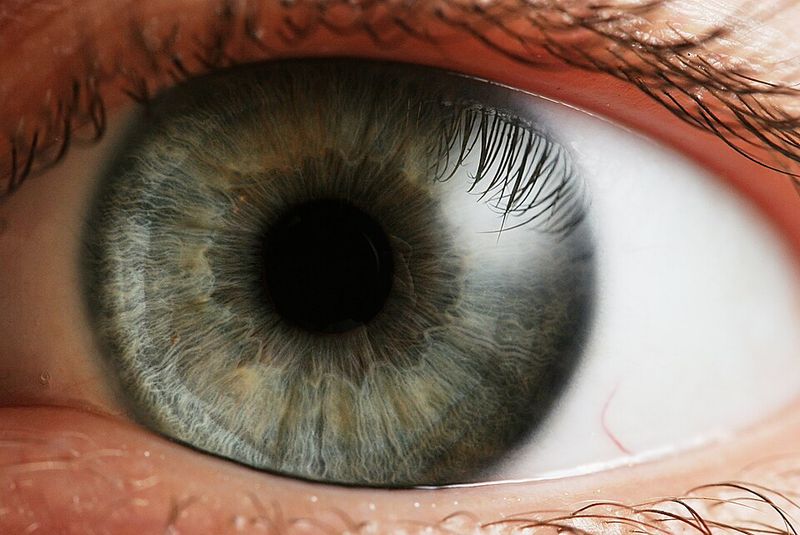
Her ability is explained as decision-based, yet many moments feel too exact, leading fans to debate where the story draws the line between probability and plot certainty. Can people really change the future she sees, or is it predetermined?
During key battles, Alice provides incredibly specific details about timing and outcomes.
However, if every decision shifts the vision, how does she ever communicate anything useful? The mechanics get fuzzy whenever the plot needs either certainty or surprise, whichever works better for that chapter.
8. The Forever High School Cover Story

One of the biggest recurring questions centers on how the Cullens can enroll again and again without permanent records, yearbooks, or community memory making it impossible to stay unnoticed.
Digital databases, social media, and interconnected school systems would flag duplicate enrollments instantly in modern times. Even in small towns, people remember faces, especially ones as striking as the Cullen family.
Repeating high school for decades seems like the worst possible cover when they could easily pose as college students, remote workers, or independently wealthy travelers instead.
7. Volturi Powers And Endgame Strategy

Fans often debate why certain powers and strategic advantages don’t force clearer outcomes, especially when the narrative builds toward an overwhelming threat.
Jane’s pain illusion, Alec’s sensory deprivation, and Aro’s mind reading should create an unbeatable combination. Why don’t they use these abilities more decisively during the final confrontation?
The climax hinges on everyone standing around talking instead of fighting, which feels odd given the supposed stakes. Superior powers get neutralized by plot convenience rather than clever strategy.
6. Charlie’s Suspiciously Low Alarm Level
Many readers find it hard to believe Charlie stays mostly satisfied with partial explanations after so many accidents, disappearances, and sudden changes surrounding his daughter.
Bella travels to Italy, returns with bizarre stories, gets seriously injured multiple times, and marries right out of high school. Many parents would push harder for clear answers after so many alarming turns.
Instead, Charlie just shrugs and goes fishing. His easygoing nature becomes almost comedic given the string of red flags piling up in his own home.
5. The Newborn Army’s Massive Footprint

Creating large numbers of newborn vampires should cause glaring patterns, and some argue the scale stretches plausibility.
Seattle is described as facing a string of unsolved murders, yet the wider response often feels muted on page and on screen. Where are federal investigators, true crime podcasters, or national news coverage?
Victoria assembles dozens of vampires, each needing multiple victims, creating a trail impossible to ignore.
The human world remains oblivious until the plot requires intervention, which feels increasingly unlikely as the body count climbs.
4. Renesmee’s Conveniently Rapid Aging
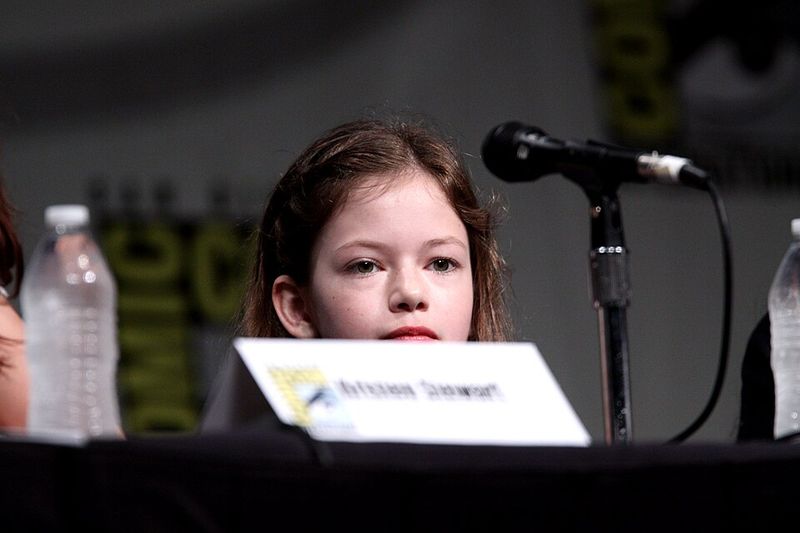
The half-vampire growth curve gets flagged as a plot device that solves multiple story problems at once. She ages fast enough to avoid decades of infant care, but stops growing at exactly the right moment to prevent tragedy.
This timing feels too perfect, almost like the rules were invented specifically to make the story work.
Fans wonder why this hybrid trait is so precisely calibrated when other vampire rules stay vague. It wraps up potential complications with a neat bow that strains believability even within fantasy logic.
3. Vampire Baseball And The Thunder Excuse
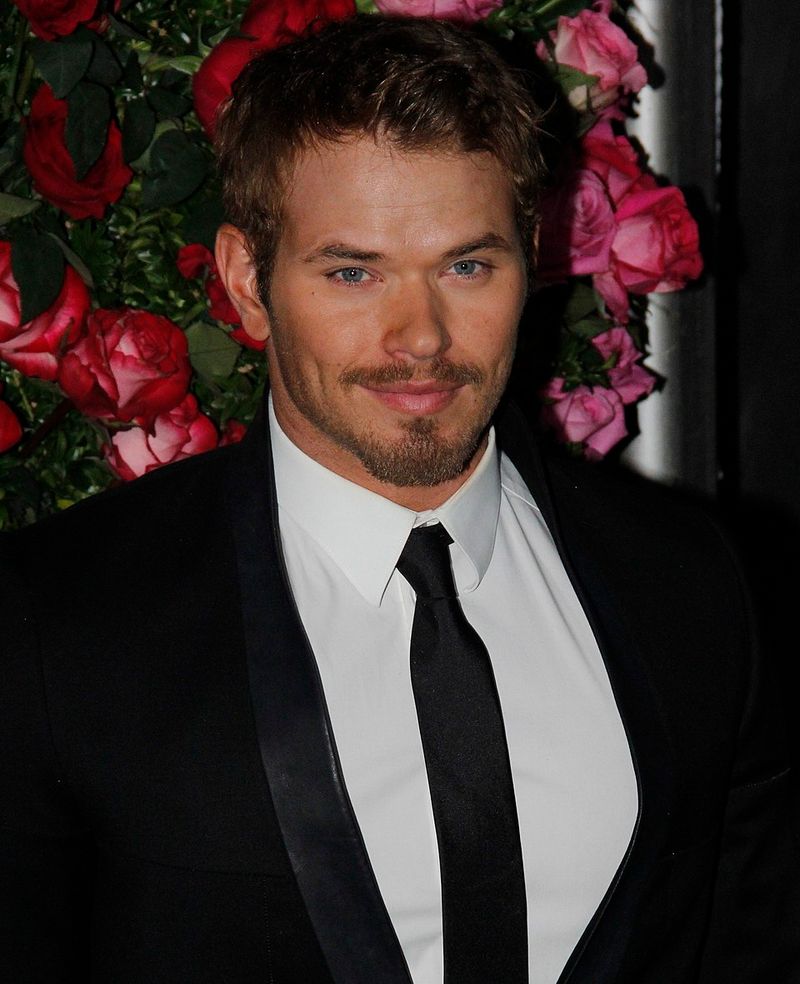
Famous explanation that thunder masks the sound still gets questioned, since superhuman hits, shattered gear, and other impacts seem like they’d draw attention anyway. Baseballs launched at vampire speed would create sonic booms, crater the ground on landing, and demolish any equipment on contact.
Thunder might cover audio, but what about visual evidence or destruction left behind?
It’s a fun scene that fans love, but logistics make less sense the more you think about them.
2. Bella’s Constant Proximity To Bloodthirsty Vampires

Fans often point out how many scenes place Bella inches away from multiple vampires, yet the story usually treats it as manageable with little ongoing tension beyond Edward’s struggle.
If the scent of human blood is supposedly irresistible, why don’t more moments feel dangerous? The Cullens seem perfectly calm during school hallways, car rides, and even sleepovers.
Maybe the self-control explanation works for Carlisle, but newer family members like Jasper should be struggling constantly.
Logistics of being “vegetarian” get glossed over for the sake of keeping romantic scenes flowing smoothly.
1. Pregnancy And Shifting Venom Rules

Readers frequently point to how venom is framed as lethal and transformative, yet the pregnancy storyline requires unusually specific exceptions to keep events moving. Throughout earlier books, venom turns humans into vampires through a painful multi-day process.
Edward’s venom is used in an unusually precise way during childbirth to save Bella, which can feel like a special exception.
The mechanics shift to accommodate the plot twist, making the established rules feel flexible rather than fixed. Fans noticed this inconsistency immediately, sparking debates about whether it makes biological sense even in fantasy terms.