18 Discussed Plot Inconsistencies In Major Film Releases
Beloved movies can still leave viewers with a few “Wait… what?” moments that never fully make sense.
Fans love picking apart these puzzling scenes, debating how such obvious gaps slipped through the filmmaking process.
From floating doors to vanishing money, these inconsistencies keep the conversation going long after the credits roll.
Note: This article highlights widely discussed fan debates and commonly cited “plot inconsistency” talking points, which can be subjective and may vary by interpretation, canon, or later interviews.
The content is provided for general informational and entertainment purposes and is not legal, financial, or professional advice.
18. Titanic (1997)
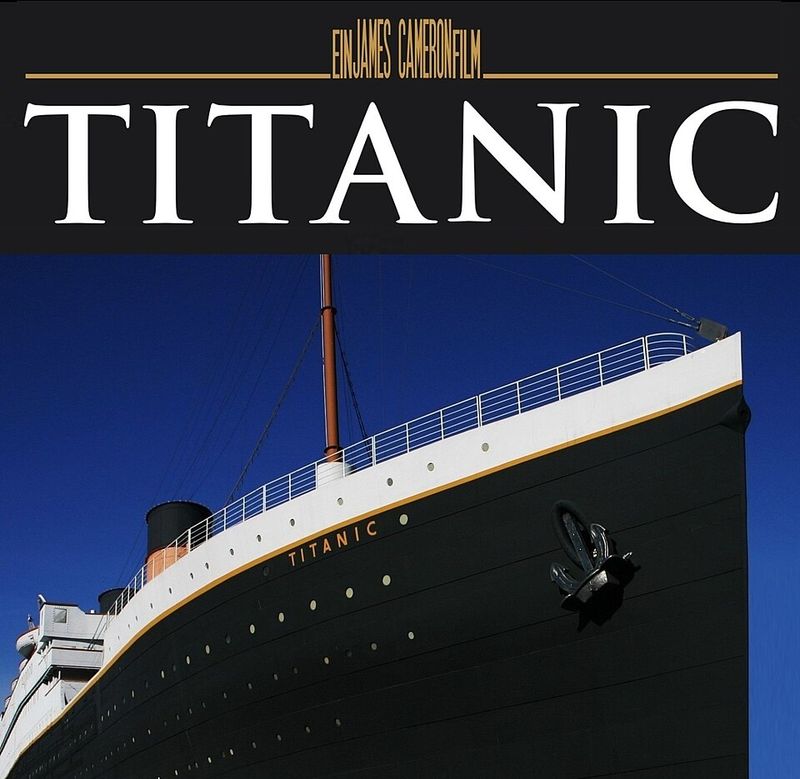
Could that floating panel have kept both of them alive?
Fans have spent decades measuring, calculating, and arguing about whether Jack and Rose could have shared that floating piece of wreckage. The door looks plenty big enough for two people, and some viewers even tested replicas to prove their point.
James Cameron has said Jack’s fate serves the story, and later tests suggest survival might have been possible only under very specific conditions.
Maybe the real frustration is how the moment looks solvable on screen, even as the scene insists it is not.
17. Jurassic Park (1993)

Steven Spielberg gave us dinosaurs that felt real, but geography that didn’t. The T-rex paddock appears level with the road during the goat scene, but moments later features a massive drop-off that sends vehicles tumbling.
Where did that steep drop-off come from?
Fans have drawn diagrams and freeze-framed the sequence trying to make sense of the terrain. Perhaps the terror of the moment makes us forget to question the landscaping, but once you notice it, you can’t unsee the vanishing elevation.
16. Star Wars: A New Hope (1977)

Building a moon-sized battle station with one tiny weakness sounds like poor engineering.
The Death Star’s exhaust port becomes its downfall when a farm boy from Tatooine fires a single shot down a narrow shaft. Military strategists and sci-fi fans alike have questioned why the Empire would leave such an obvious vulnerability unprotected.
Later canon frames it as sabotage, but the 1977 film itself does not spell that out on screen.
Sometimes even galactic empires forget to hire decent contractors.
15. The Lord Of The Rings: The Fellowship Of The Ring (2001)
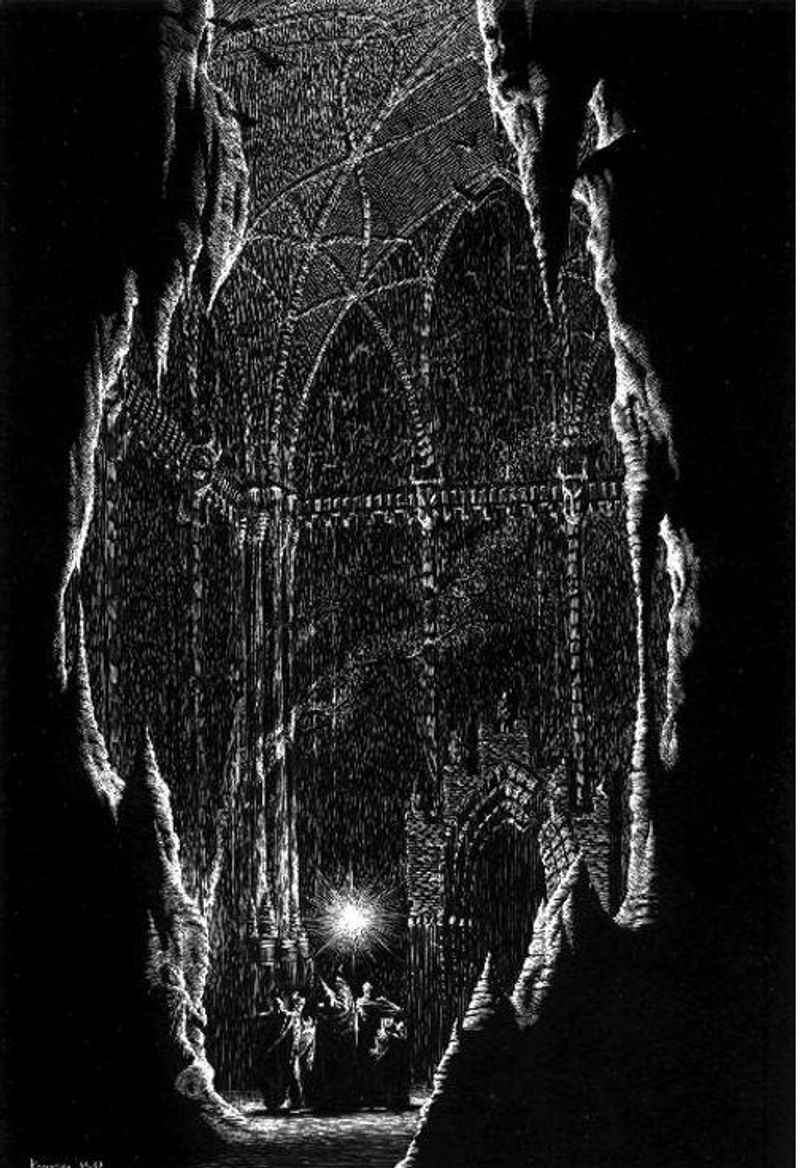
Why walk when you can fly?
Audiences have asked this question since the first film premiered, wondering why giant Eagles couldn’t just carry the Ring straight to Mount Doom. Tolkien fans offer elaborate explanations involving Sauron’s gaze, the Eagles’ pride, and divine intervention limits.
Peter Jackson chose to focus on the journey rather than address the airborne shortcut directly.
Perhaps Middle-earth just needed better public transportation options for world-saving quests.
14. The Dark Knight (2008)

However brilliant the Joker appears, his plans require impossibly perfect timing.
Every scheme depends on people reacting exactly as predicted, from ferry passengers to hospital evacuations. Christopher Nolan’s film presents chaos as the Joker’s philosophy, yet his actions demand meticulous choreography.
Real chaos doesn’t cooperate so neatly with elaborate setups.
Fans love the movie anyway, accepting that some villains just have screenplay magic on their side when orchestrating multi-layered plots.
13. Back To The Future (1985)
Time travel rules get fuzzy when photographs start fading.
Marty watches his family disappear from a photo as he meddles with the past, but the logic raises questions about when changes actually take effect.
If his parents never met, wouldn’t he vanish instantly rather than gradually? The movie needs dramatic tension, so it gives Marty time to fix his mistake.
Apparently the space-time continuum operates on a generous delay system for storytelling purposes.
12. The Matrix (1999)

Using humans as batteries makes for great visuals but terrible science. The energy required to keep bodies alive would exceed any power generated, making the entire system pointlessly inefficient.
Science-minded viewers often point out the energy problem, and the movie leans on a simple metaphor rather than diving deep into hard engineering logic.
Studios apparently thought audiences wouldn’t understand computers as well as batteries.
Perhaps the machines just enjoyed the irony of enslaving humanity in such an impractical way.
11. Harry Potter And The Prisoner Of Azkaban (2004)

Time-Turners open up endless possibilities and equally endless problems.
If Hermione can use one for extra classes, why not use them to prevent every tragedy in the wizarding world?
Alfonso Cuarón’s film introduces this magical device without fully exploring its implications. Later in the series, the Ministry’s Time-Turners are wiped out during the Department of Mysteries chaos, which quietly shuts down the ‘why not use it again?’ question.
Sometimes powerful magical objects create more plot holes than they solve.
10. Raiders Of The Lost Ark (1981)

What if Indiana Jones had just stayed home?
The Nazis find the Ark, open it, and get destroyed by its power regardless of Indy’s involvement. This famous criticism suggests our hero doesn’t actually change the outcome, though he does ensure the Ark ends up in American hands afterward.
Spielberg crafted such an entertaining adventure that most viewers forgive this narrative quirk. Sometimes the journey matters more than whether the destination would have happened anyway.
9. Avengers: Endgame (2019)

Absolutely nobody can agree on how time travel works in this movie. The movie gestures toward branching timelines, yet character explanations still leave room for debate, especially around the ending.
One version is explained by The Ancient One, another by Hulk, and neither is followed by Captain America’s conclusion.
Fans have created elaborate theories trying to make everything fit together.
Perhaps the real infinity stone was the timeline confusion we collected along the way through twenty-two interconnected films.
8. Independence Day (1996)

Uploading a virus to alien computers sounds like trying to hack a toaster with your smartphone.
Jeff Goldblum’s character saves Earth by connecting his laptop to extraterrestrial technology that somehow runs compatible software.
No adapters needed, no translation issues, just plug and play across species. The movie acknowledges this absurdity with humor but never really explains how such universal compatibility exists.
Maybe aliens use the same operating system as 1990s Macintosh computers.
7. The Sixth Sense (1999)

Rewatching reveals moments that feel too convenient for the twist to work.
Background characters never acknowledge Malcolm directly, and his wife’s behavior requires very specific interpretations. M.
Night Shyamalan crafted these scenes carefully, but some viewers find certain interactions strain credibility once you know the truth.
Did nobody really try to talk to him for months? The emotional impact still lands beautifully, even if the logistics require generous suspension of disbelief about daily social interactions.
6. Psycho (1960)
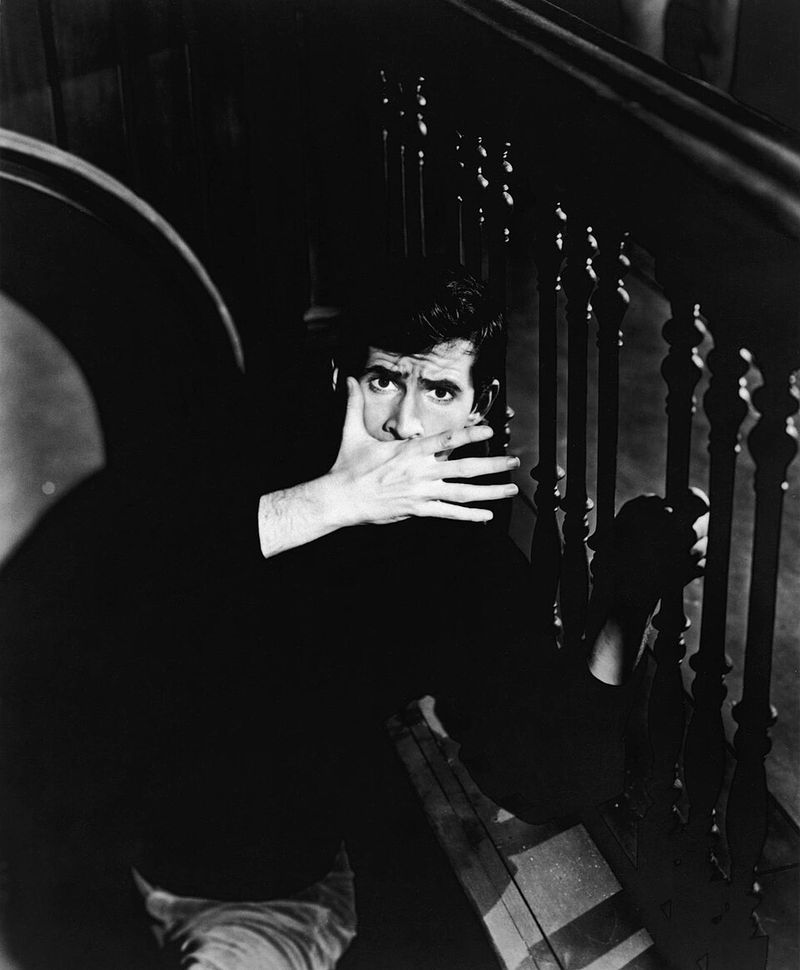
Remember that stolen money Marion takes? Hitchcock uses the cash to drive the first act, making audiences complicit in her crime.
Then Norman Bates happens, and suddenly nobody cares about embezzlement anymore. The money sinks into the swamp with Marion’s car, and the story pivots completely to horror and mystery.
This deliberate narrative shift was revolutionary at the time, though it does leave that initial plot thread dangling unresolved in the motel office.
5. 2001: A Space Odyssey (1968)
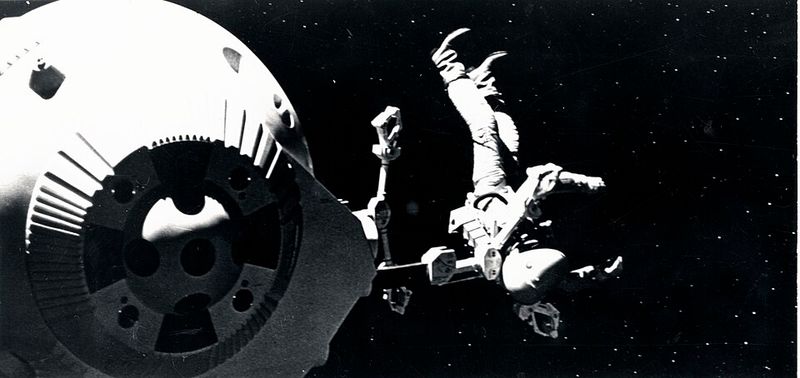
HAL’s murderous turn raises questions about programming and mission priorities. The computer receives conflicting instructions about secrecy and crew safety, leading to its logical but deadly solution.
Stanley Kubrick leaves much ambiguous, forcing viewers to piece together why HAL acts against the astronauts.
Was it malfunction or cold machine logic?
The film’s deliberate opacity means audiences still debate whether the mission design itself created the tragedy through impossible contradictions.
4. The Terminator (1984)

John Connor sends his own father back in time to ensure his own birth.
This bootstrap paradox creates a loop with no clear beginning, since John wouldn’t exist without Kyle Reese, but Kyle only goes back because John sends him. James Cameron embraces this temporal puzzle rather than explaining it away, letting the action carry viewers past the philosophical implications.
Sometimes time travel works best when you don’t think too hard about the family tree.
3. Gravity (2013)
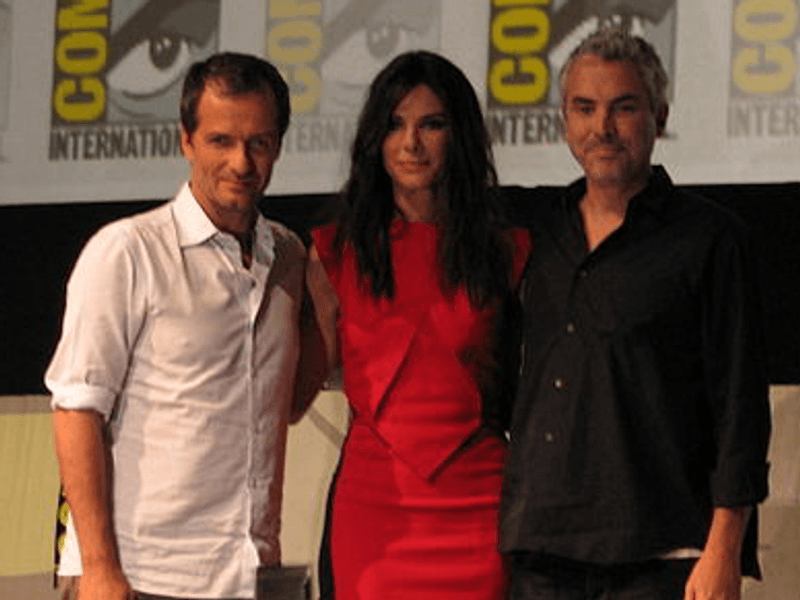
Hopping between space stations sounds easier than it actually is in orbit. Sandra Bullock’s character travels between structures that would realistically be hundreds of miles apart, moving in different directions at thousands of miles per hour.
Alfonso Cuarón prioritized visual storytelling and emotional intensity over strict orbital mechanics. The result feels thrilling even if astrophysicists cringe at the impossible trajectories.
Sometimes cinematic geography trumps actual physics for the sake of survival drama.
2. The Martian (2015)
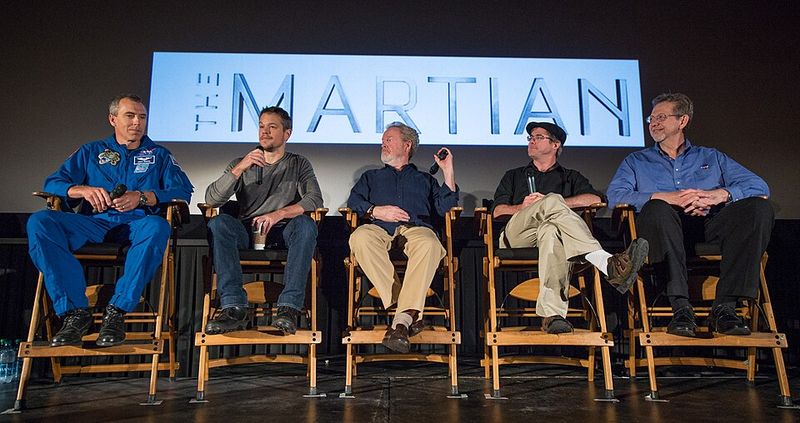
Mars doesn’t have enough atmosphere for that opening storm.
Andy Weir has openly acknowledged the opening storm is a deliberate scientific cheat to get the story moving. The thin Martian air simply can’t generate winds powerful enough to topple spacecraft or threaten missions.
Everything else in the film follows realistic science remarkably well.
Ridley Scott needed one impossible storm to set up an otherwise scientifically grounded survival story about potatoes and disco music.
1. Casablanca (1942)

Those letters of transit work like magic paperwork throughout the film.
Stolen after German couriers are k*lled, the letters function as near-magic paperwork that everyone treats as unquestionable. Michael Curtiz needed a MacGuffin to drive the plot, so he invented documents with conveniently vague authority.
Historical accuracy mattered less than romantic tension and wartime intrigue. Sometimes classic cinema requires accepting that bureaucracy works differently in black-and-white Morocco.