19 Dishes That Are Older Than Anyone Thinks
Some foods feel modern only because they’re still popular, yet their origins stretch back far further than most people realize.
Long before cookbooks, restaurants, or trendy plating, these dishes were already being made in kitchens shaped by tradition, necessity, and local ingredients.
Over centuries, recipes traveled, adapted, and survived, sometimes changing names or gaining new twists along the way.
That history gives them extra flavor, turning a familiar bite into something connected to generations of cooks.
1. Tamales
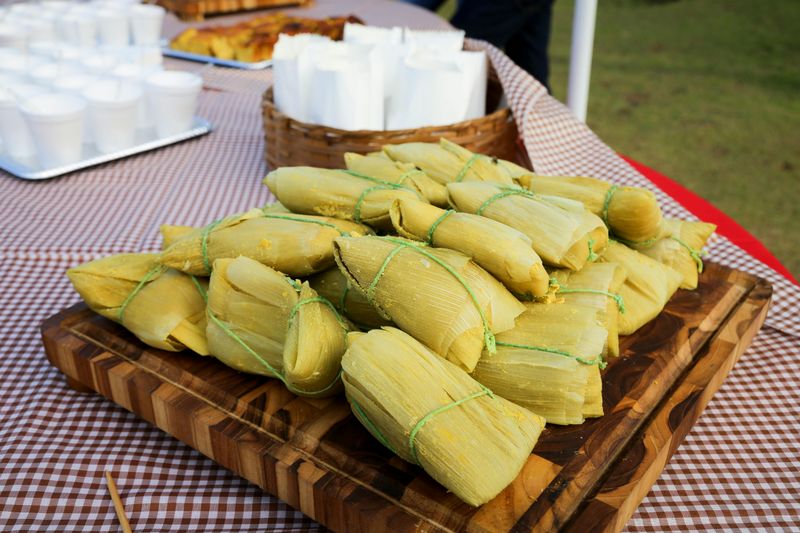
Way before Europeans ever set foot in the Americas, tamales were already a beloved staple across Mesoamerica.
Ancient Aztec and Maya civilizations wrapped seasoned masa dough and fillings in corn husks, creating portable meals perfect for warriors and travelers.
Archaeological evidence suggests tamales date back thousands of years, making them one of the continent’s oldest foods.
Today, families still gather to make hundreds of tamales together, keeping this ancient tradition alive and delicious.
2. Hummus
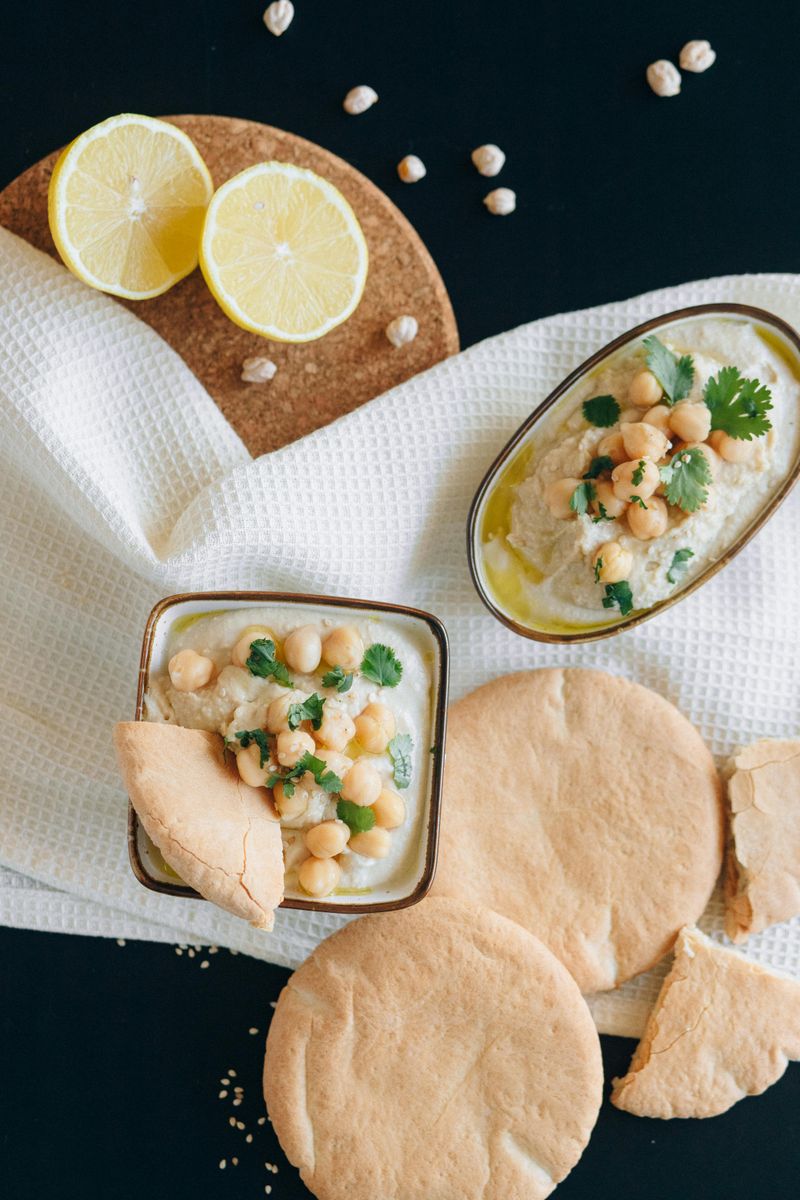
That creamy chickpea dip you love at parties?
It’s been around since at least the 1200s, documented in medieval Arabic cookbooks.
Middle Eastern cooks have been blending chickpeas, tahini, lemon, and garlic for centuries, perfecting the art of this simple yet magnificent spread.
While its exact birthplace remains debated, hummus has become a beloved staple across the Mediterranean and beyond.
Every region adds its own twist, but the basic recipe has stood the test of time beautifully.
3. Focaccia
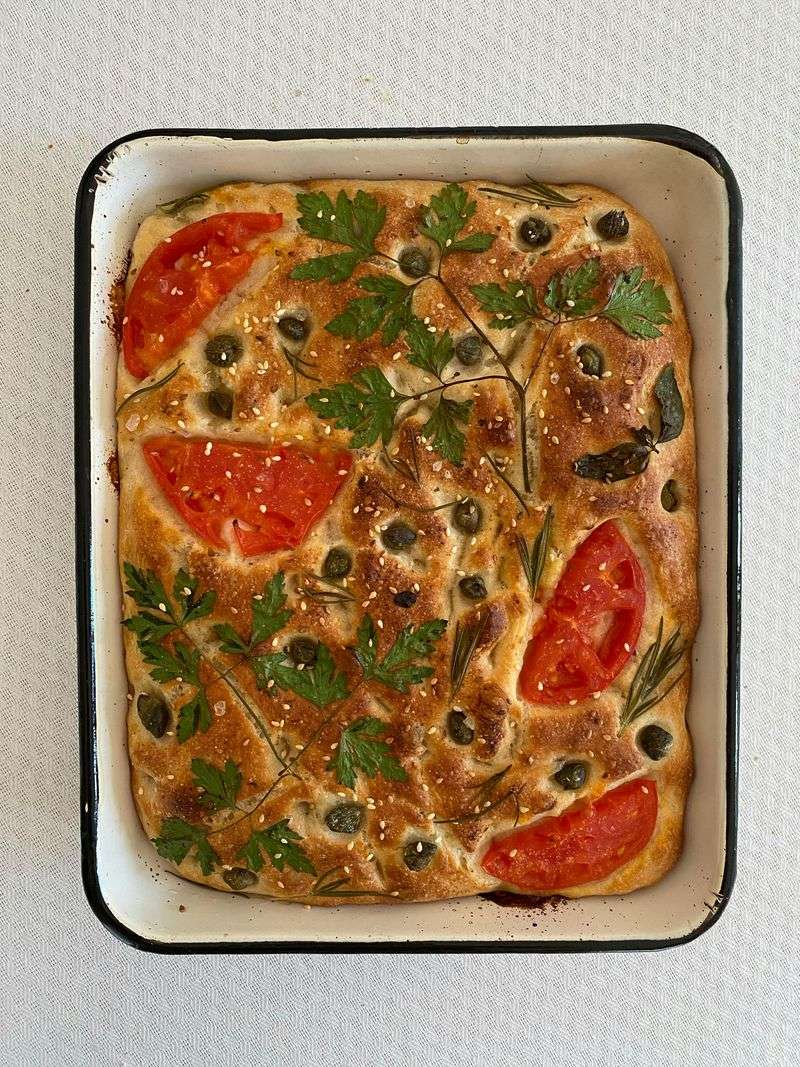
Ancient Romans were baking a flatbread called panis focacius long before Italy even existed as a country.
This ancestor of modern focaccia was cooked on the hearth, giving it a crispy bottom and soft, airy interior that made it irresistible.
Fast forward a couple thousand years, and focaccia remains a cornerstone of Italian cuisine.
Bakers still dimple the dough with their fingers, drizzle it with olive oil, and top it with herbs, just like their ancestors did centuries ago.
4. Sourdough Bread
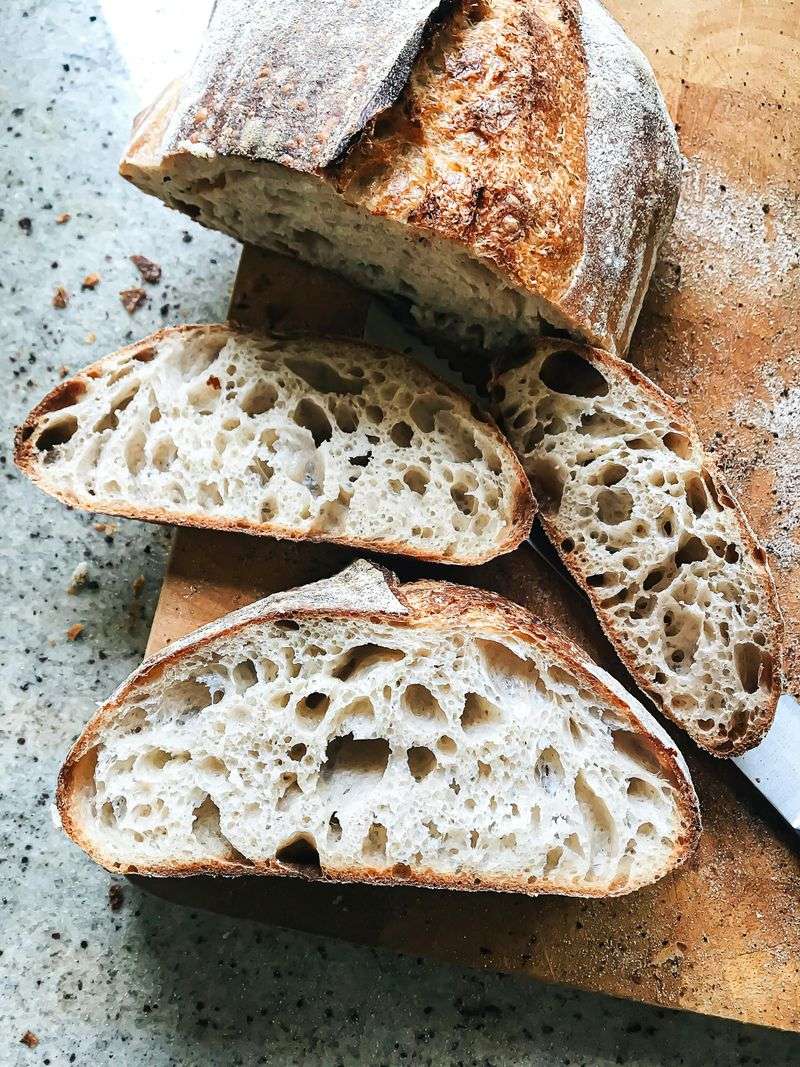
Believe it or not, sourdough starters have been bubbling away for thousands of years, with origins traced back to ancient Egypt.
Early bakers discovered that wild yeast created bread with incredible flavor and texture, launching a baking revolution that’s still going strong.
Some sourdough starters today are descendants of cultures kept alive for generations, passed down like precious heirlooms.
5. Porridge
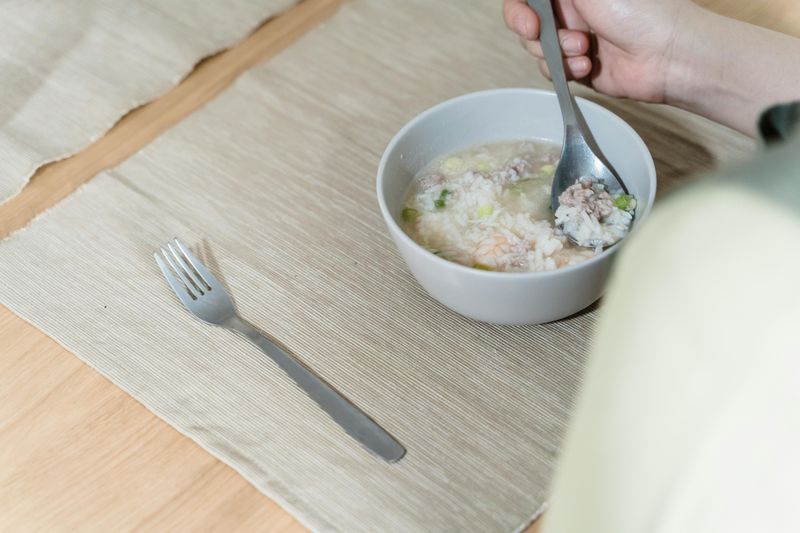
Humans have been cooking grains into warm, comforting mush since the Neolithic era, making porridge one of our most ancient foods.
When people first figured out agriculture, they quickly realized that boiling grains with water created something filling, nourishing, and surprisingly tasty.
From Scottish oatmeal to Asian congee, every culture developed its own version of this prehistoric comfort food.
Thousands of years later, we’re still starting our mornings with bowls of this ancient breakfast champion.
6. Pozole
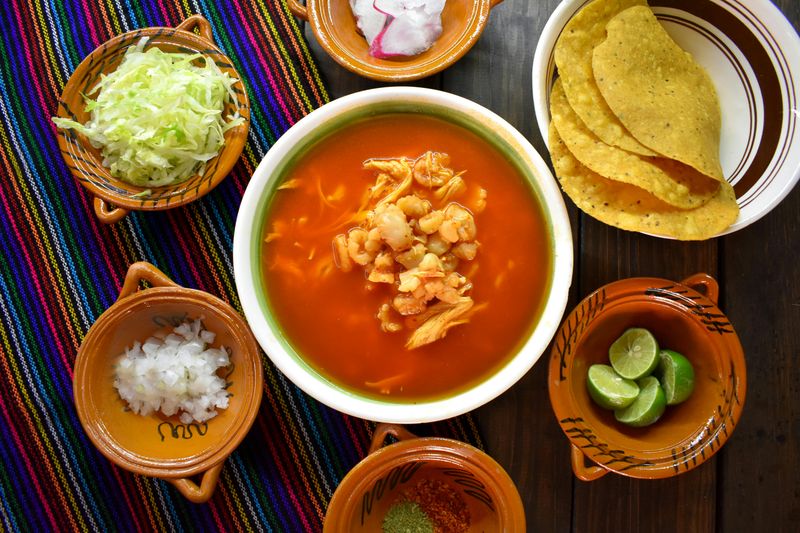
This hearty Mexican stew has roots that stretch back to pre-Columbian times, when it played a ceremonial role in Aztec culture.
Made with hominy corn and meat in a rich broth, pozole was considered sacred food for special occasions.
The recipe has evolved over centuries, but the soul of the dish remains unchanged.
Families across Mexico still simmer giant pots of pozole for celebrations, connecting modern tables to ancient traditions with every spoonful.
7. Dumplings (Jiaozi)
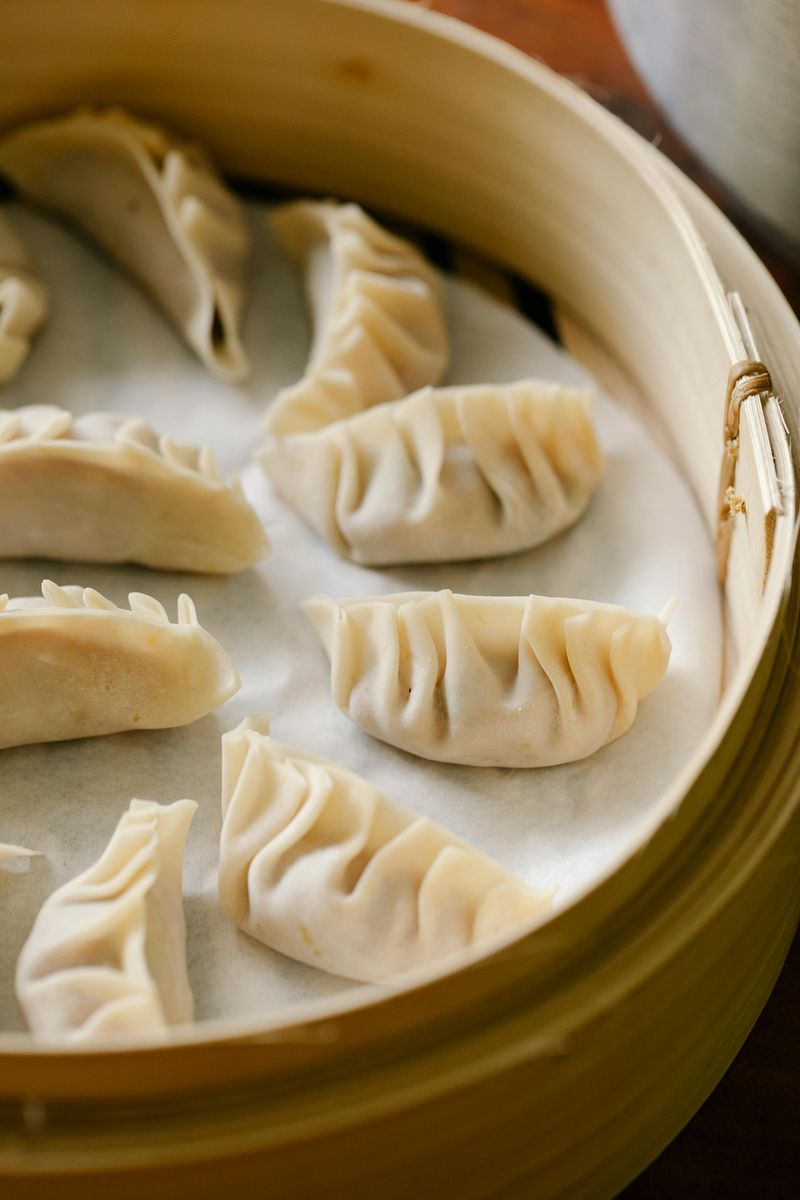
Chinese dumplings have been pleasing palates since at least the 2nd century, discovered in ancient tombs as offerings for the afterlife.
These little pockets of joy, filled with meat and vegetables, were already perfected when many modern countries didn’t even exist yet.
Legend says a famous physician invented them to warm people’s ears during winter, but their deliciousness ensured they’d stick around forever.
8. Noodles
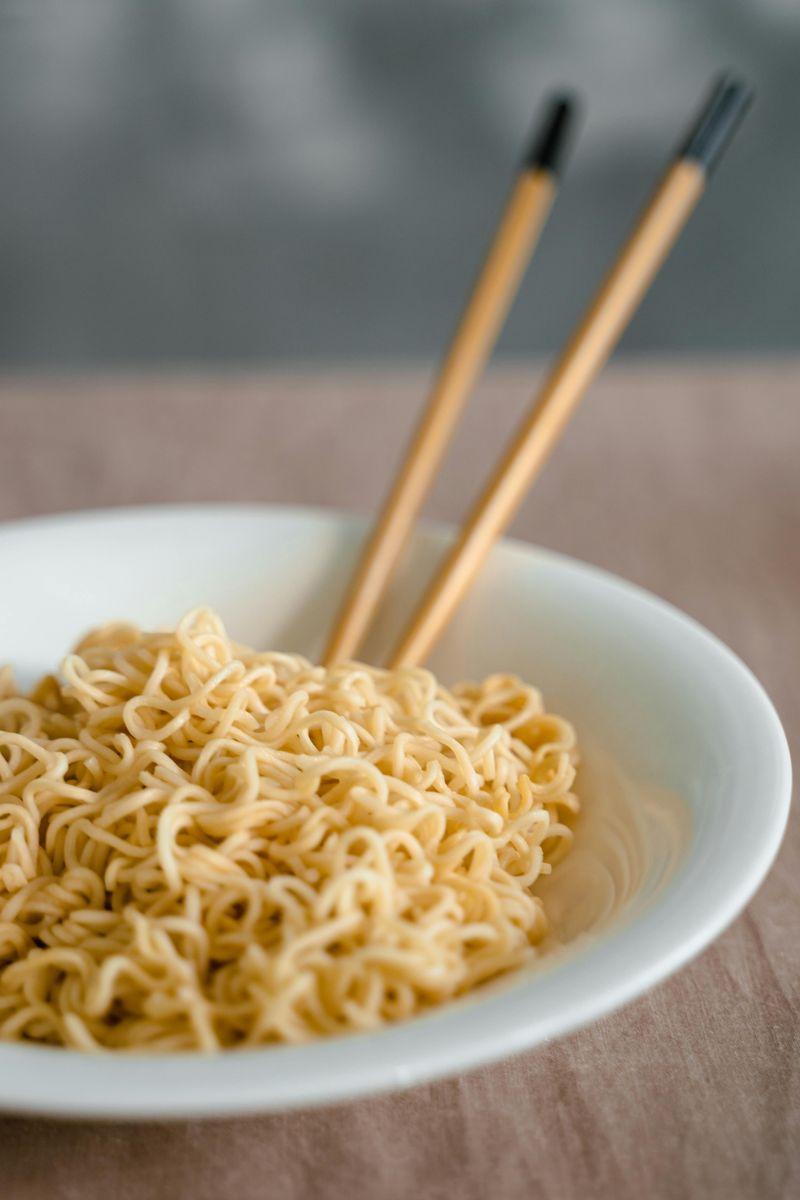
Archaeological digs in China have uncovered noodles that are thousands of years old, proving that slurping long strands of dough is an ancient pleasure.
These prehistoric pasta pioneers figured out that stretching and cutting dough into strips created something magical.
Whether it’s Italian spaghetti or Chinese lo mein, noodles conquered the world through sheer deliciousness.
9. Kimchi
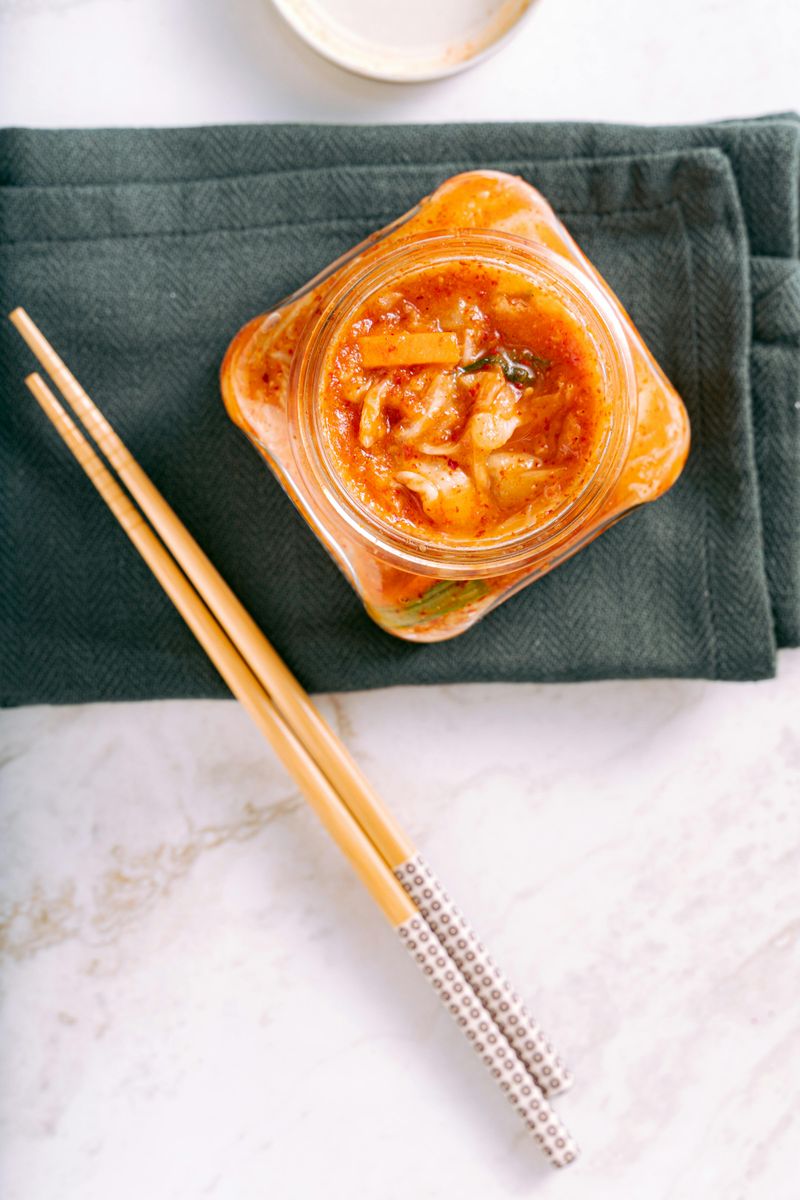
Korea’s spicy, fermented cabbage masterpiece has been a dietary staple since at least the 600s-700s, though early versions looked quite different from today’s fiery red kimchi.
Ancient Koreans discovered that fermenting vegetables with salt created flavors that were out of this world.
Chili peppers weren’t added until much later, but the fermentation tradition remained constant.
Every Korean family has their own kimchi recipe, passed down through generations, keeping this thousand-year-old tradition alive and kicking.
10. Sauerkraut
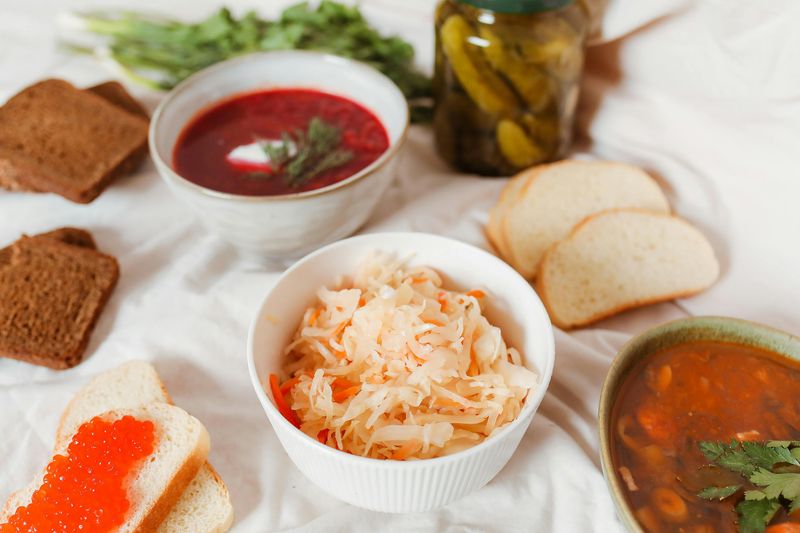
Fermented cabbage has been keeping people healthy through harsh winters for centuries, with roots stretching back through European history.
This tangy, crunchy preservation method allowed communities to enjoy vegetables year-round, long before refrigeration existed.
Some historians trace cabbage fermentation back even further to ancient China, suggesting the technique traveled the Silk Road.
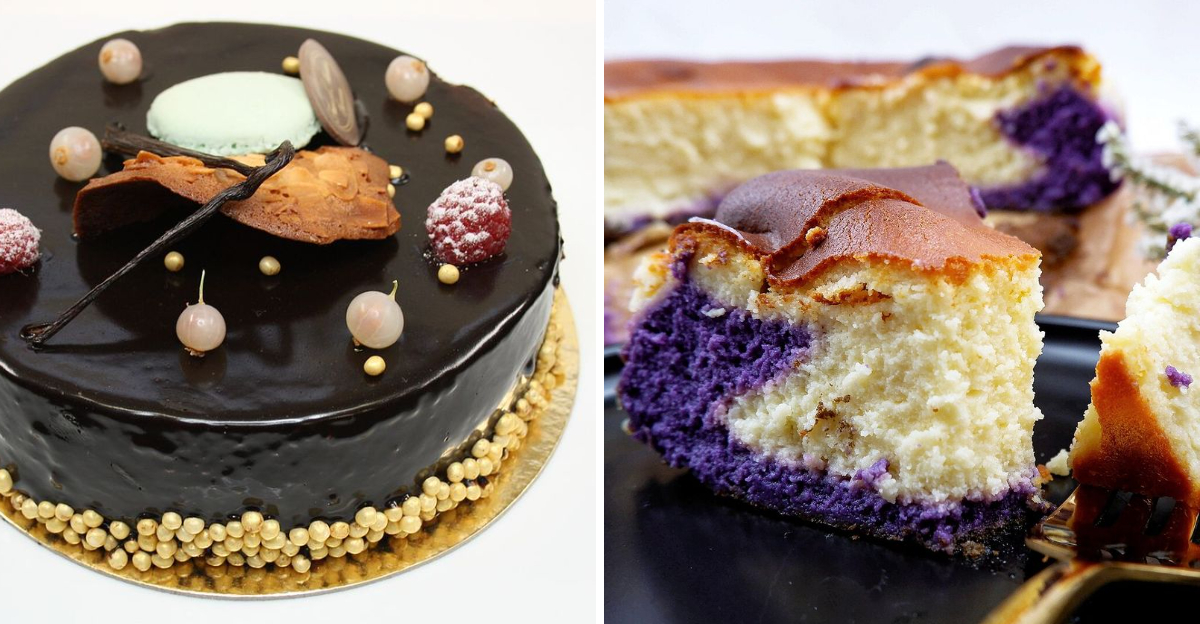
11. Cheesecake
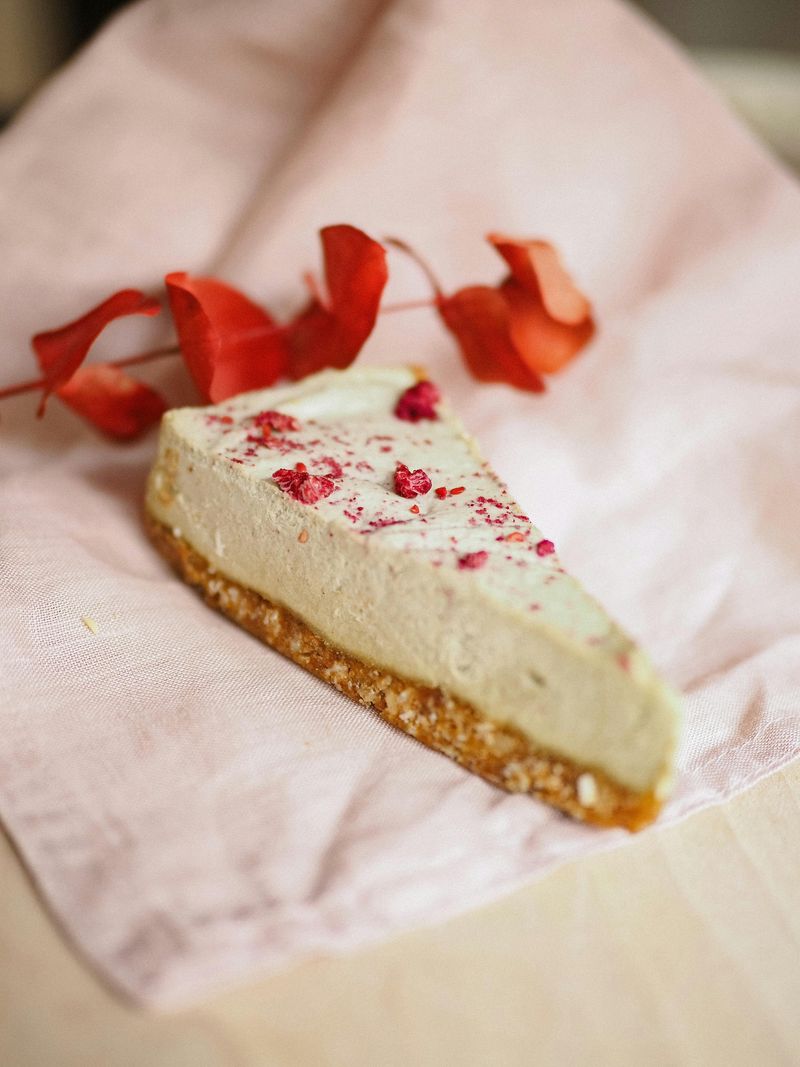
Ancient Greek athletes at the first Olympic games in 776 BCE were fueling up on cheesecake, making this dessert over 2,500 years old.
Made from simple cheese, honey, and wheat, these early versions provided energy and deliciousness in equal measure.
Romans later adopted and adapted the recipe, spreading it throughout their empire.
While New York-style cheesecake gets all the glory today, this creamy dessert has been satisfying sweet tooths since ancient civilizations first discovered the magic of sweetened cheese.
12. Miso Soup
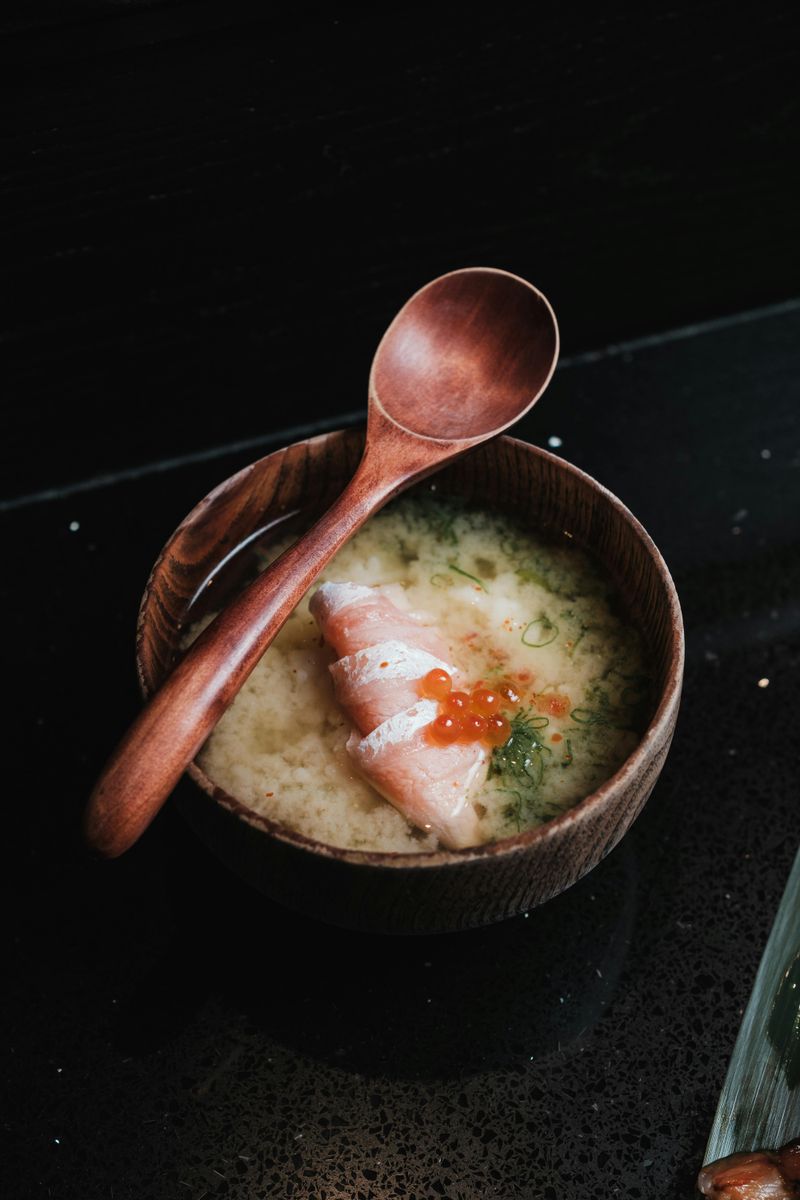
This comforting Japanese staple has been warming bellies for many centuries, with traditional forms dating back through Japan’s rich culinary history.
Buddhist monks helped spread miso paste production throughout the country, making it accessible to everyone from peasants to samurai.
The fermented soybean paste that gives miso soup its distinctive umami flavor represents ancient preservation techniques passed down through generations.
13. Borscht
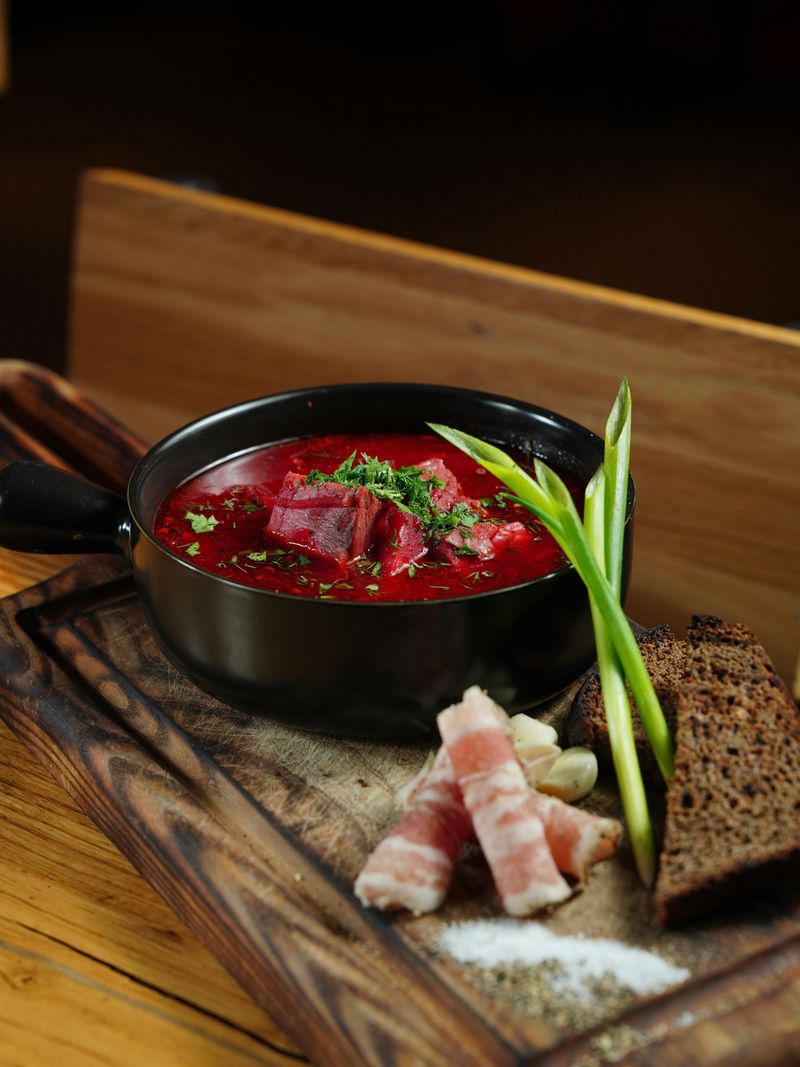
Eastern Europe’s beloved beet soup has been documented for centuries, warming people through brutal winters with its hearty, earthy goodness.
While the exact origin remains debated, borscht’s presence in historical texts proves it’s been a regional staple far longer than most realize.
Each country claims their own authentic version, from Ukrainian to Polish to Russian variations.
That vibrant magenta color and sweet-sour flavor profile has been comforting families through hardships and celebrations for countless generations.
14. Stuffed Grape Leaves (Dolma)
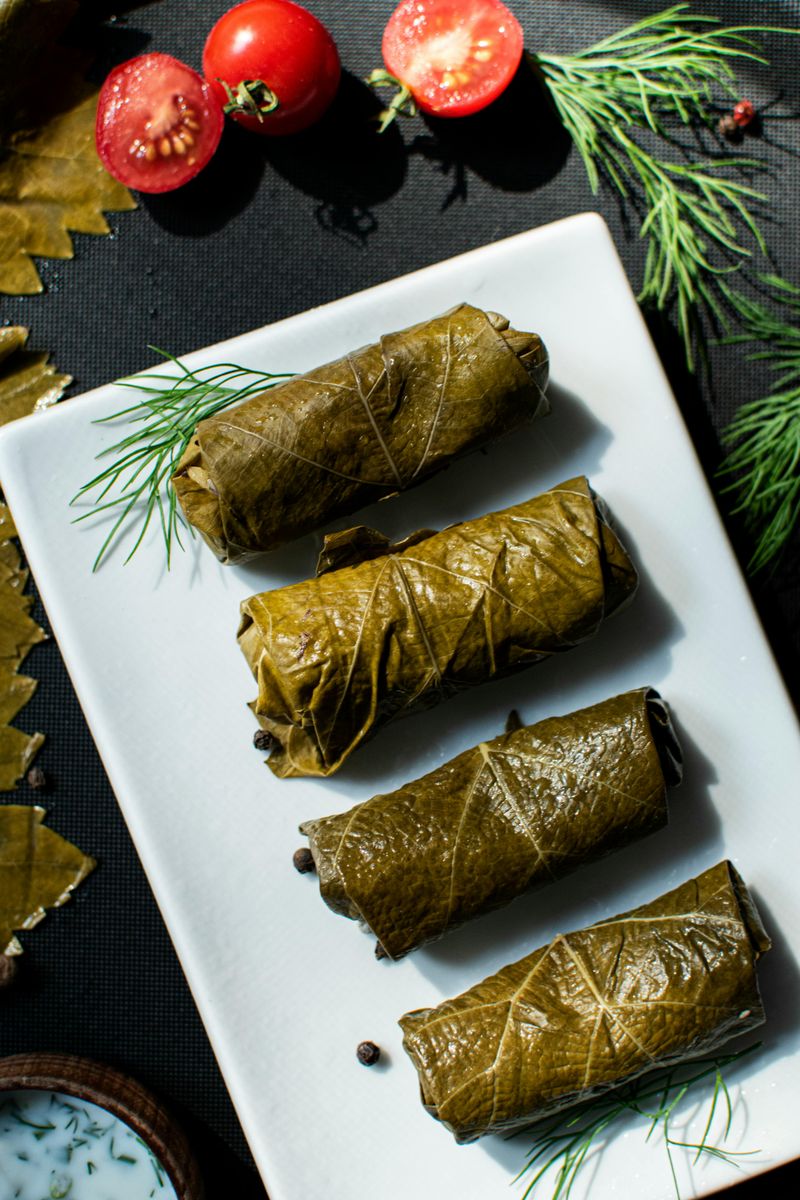
Ottoman-era cooks perfected the art of wrapping rice and herbs in grape leaves, but this technique has even earlier regional roots stretching back through Middle Eastern history.
The concept of stuffing edible leaves with flavorful fillings shows incredible culinary creativity from centuries past.
From Greece to Turkey to Lebanon, every culture adds its own spin to dolma.
These little parcels of deliciousness represent a cooking tradition that’s been refined and cherished across empires and generations.
15. Peking Duck
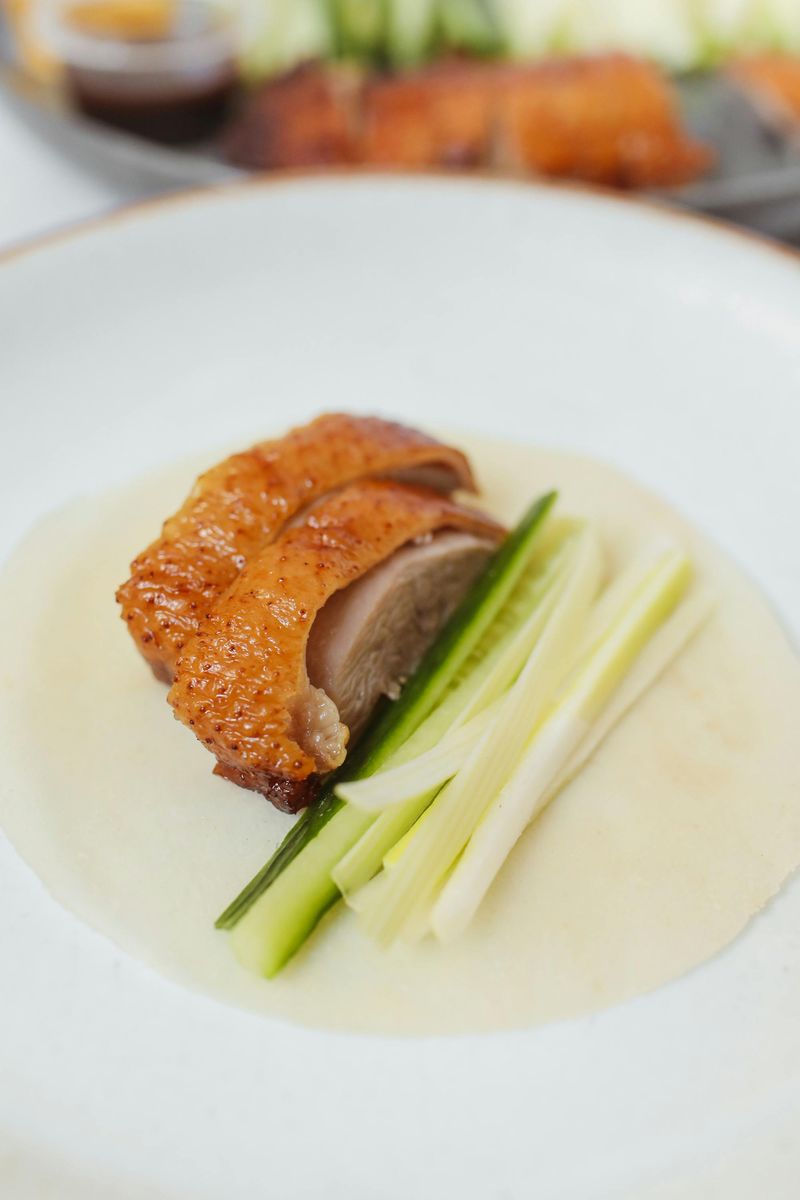
China’s famous roast duck traditions have been documented for centuries, with imperial chefs perfecting techniques that created impossibly crispy skin and succulent meat.
What started as food for emperors eventually became beloved street food enjoyed by everyone.
The meticulous preparation process, involving air-drying and special ovens, hasn’t changed much over the centuries.
16. Vindaloo
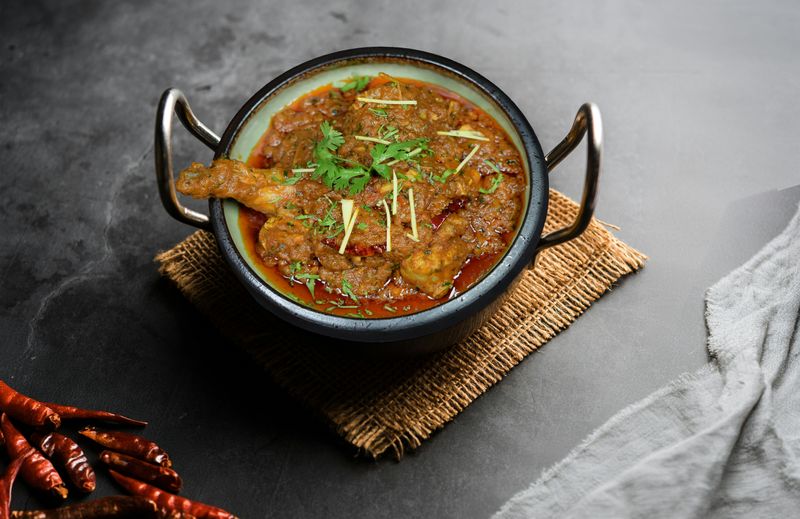
This fiery Goan curry actually traces back to Portuguese colonizers in the 1500s, who brought their wine-and-garlic marinated meat dish to India.
Local cooks brilliantly adapted it with Indian spices, creating something entirely new yet rooted in centuries-old culinary fusion.
The name itself comes from the Portuguese vinho de alhos, meaning wine and garlic.
17. Biryani
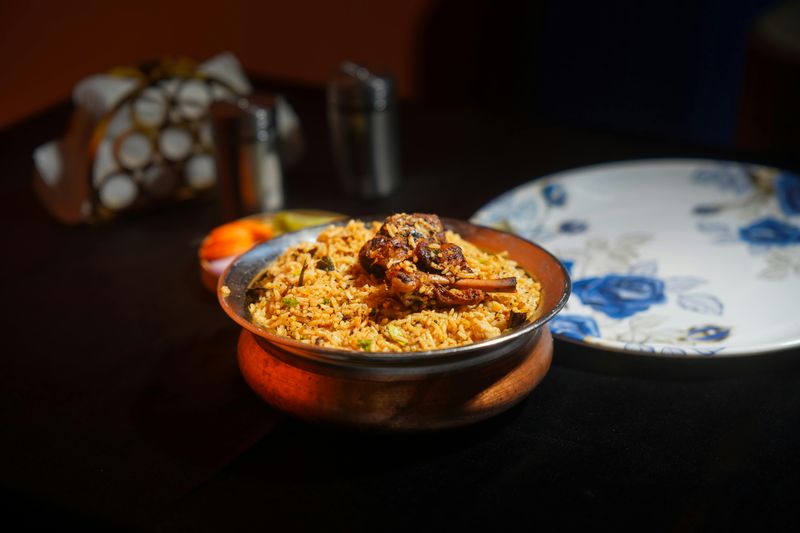
Mughal emperors in the 1500s-1600s elevated rice and meat dishes to an art form, creating the layered, aromatic biryani we know today.
Persian influences merged with Indian spices and cooking techniques, resulting in one of history’s most magnificent rice dishes.
Each region of South Asia developed its own biryani style, from Hyderabadi to Lucknowi variations.
The elaborate preparation, involving marinating meat and partially cooking rice separately before layering, shows the sophistication of Mughal-era cuisine that still captivates taste buds centuries later.
18. Ratatouille
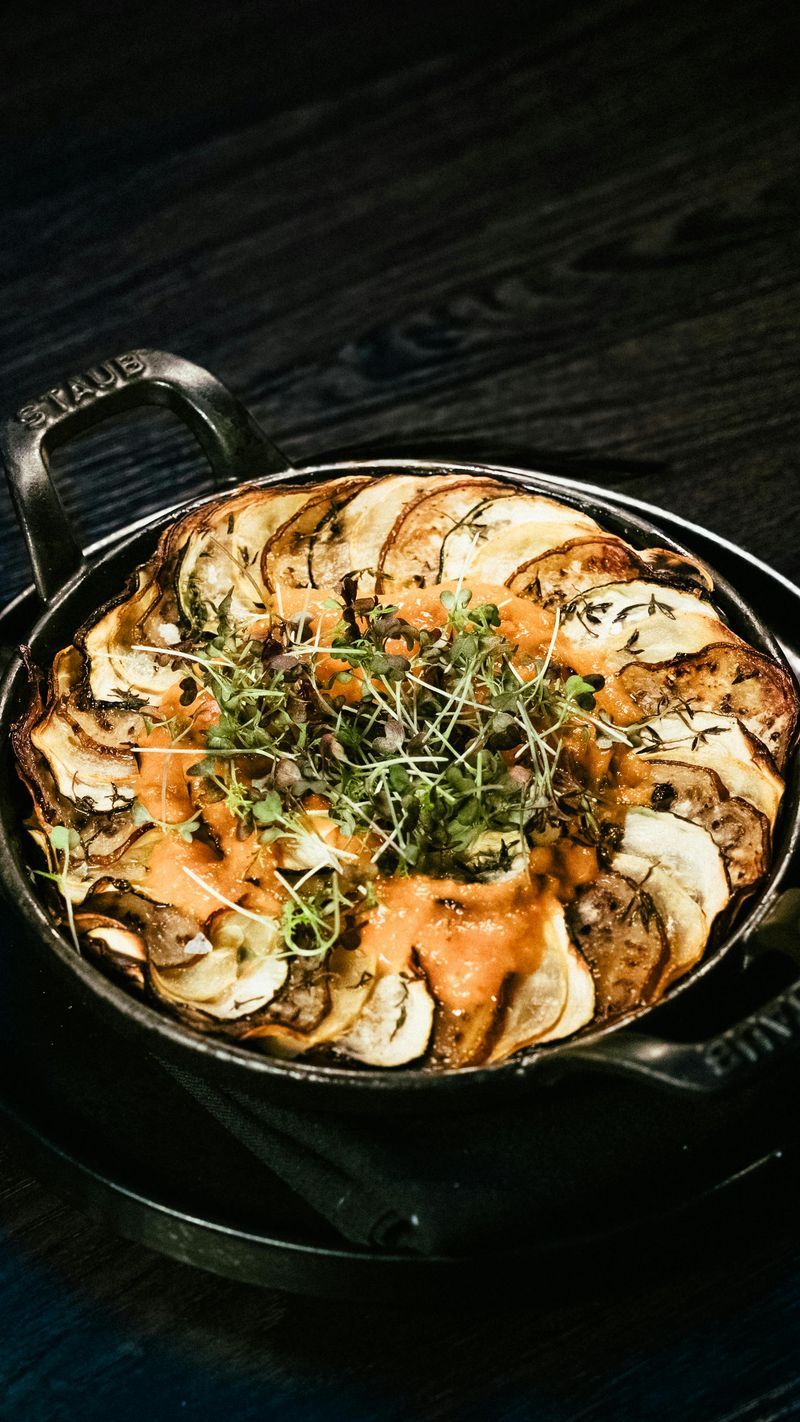
This rustic French vegetable stew has older provincial roots than most people imagine, formalized long ago by peasant cooks who needed to use up summer’s bounty.
Provence’s farmers created magic by slowly cooking tomatoes, zucchini, eggplant, and peppers together until they melted into harmony.
While the dish gained fame through fancy restaurants and animated movies, its humble origins stretch back through generations of French countryside cooking.
19. Pickled Foods
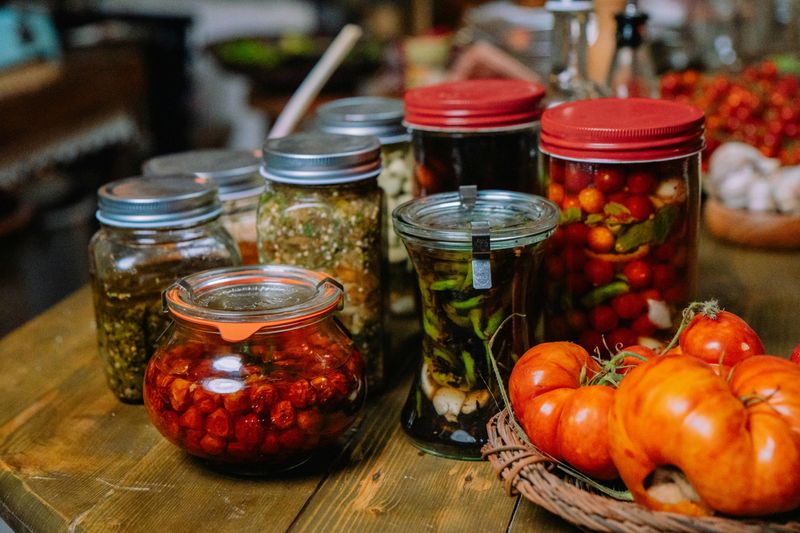
Mesopotamian civilizations were pickling vegetables in brine thousands of years ago, making this one of humanity’s oldest food preservation methods.
Ancient people discovered that submerging cucumbers, onions, and other vegetables in salty or acidic solutions kept them edible for months.
From Korean pickles to German gherkins to Indian achaar, every culture developed pickling traditions.
That crunchy, tangy pickle on your burger represents culinary innovation from the dawn of civilization, when clever cooks figured out how to make summer vegetables last through winter.