16 Dishes To Skip For A More Authentic Chinese Restaurant Experience
Walking into a Chinese restaurant can feel like stepping into a culinary adventure, but not every dish on the menu tells the real story of Chinese cooking.
Many popular favorites were actually invented in America to suit Western taste buds, loaded with extra sugar and deep-fried to perfection.
Disclaimer: This article is intended for general informational and entertainment purposes.
Descriptions of dishes and culinary history reflect broad, widely recognized interpretations at the time of writing.
16. General Tso’s Chicken
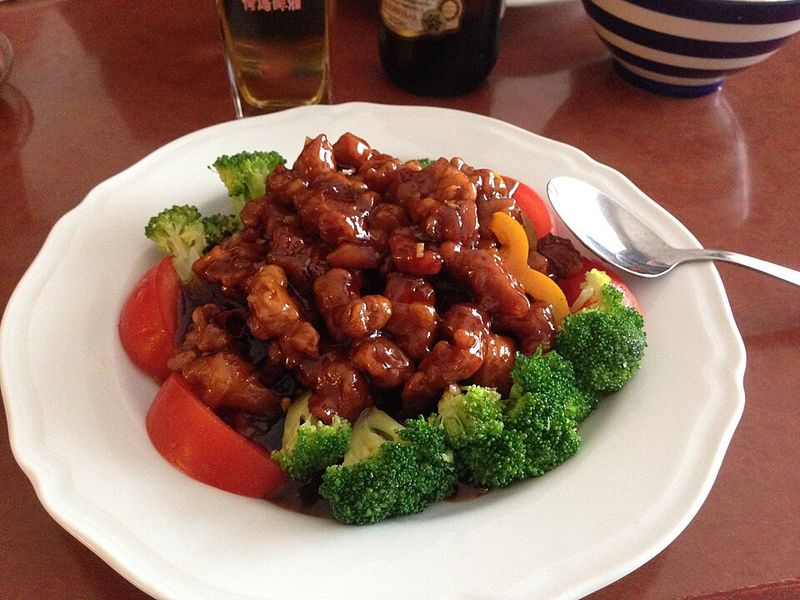
This crispy, sticky-sweet dish might be the superstar of American Chinese takeout, but it’s basically a ghost in actual China.
Legend says it was named after a Qing Dynasty general, yet he probably never tasted anything like this extra-sweet version.
The real deal would feature more complex flavors with less sweetness and way more heat.
Most versions you’ll find stateside are covered in a heavy corn-syrup glaze and food coloring, making them taste more like candy than dinner.
15. Orange Chicken
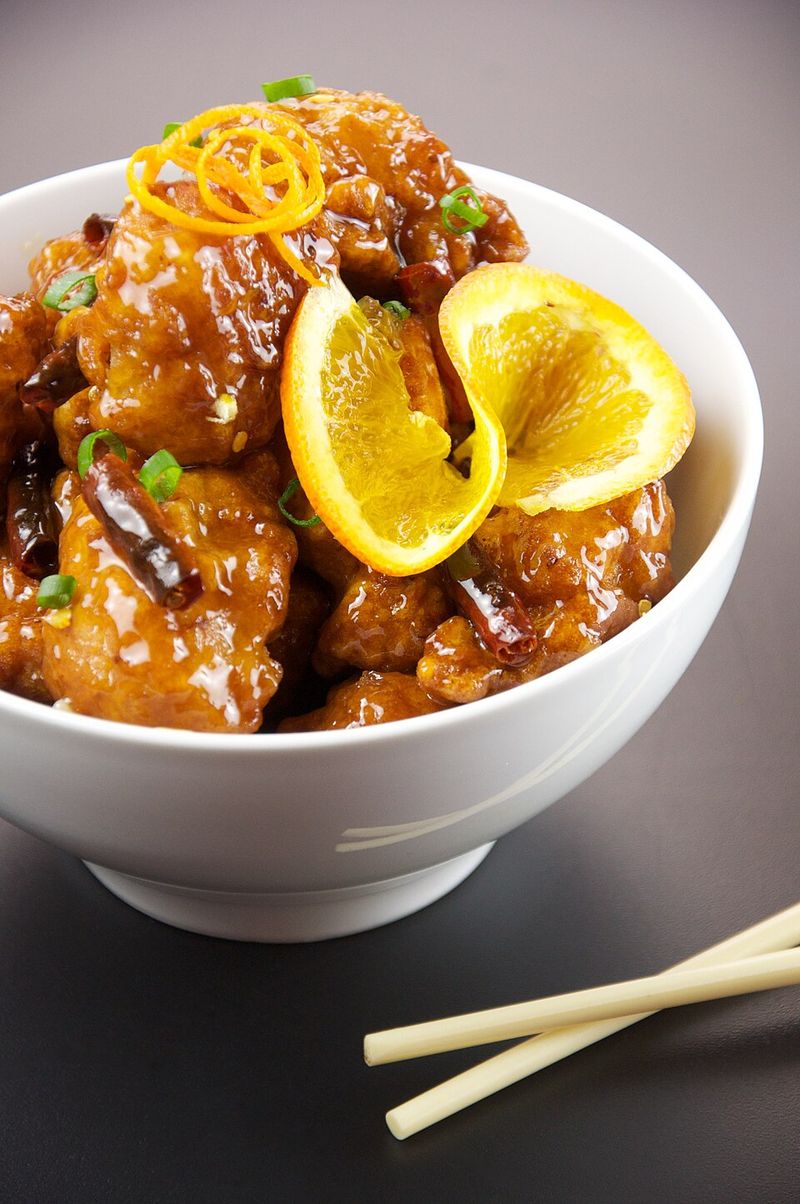
Panda Express made this dish a mall food court legend, but don’t expect to find it anywhere in mainland China.
The batter-to-chicken ratio is basically a more batter than needed, with more crunch than actual meat.
Sure, the tangy-sweet orange glaze tastes amazing after a long day, but it’s about as traditional as a fortune cookie.
If authenticity is your goal, this neon-orange creation should stay off your radar entirely, no matter how tempting it looks under those heat lamps.
14. Sesame Chicken
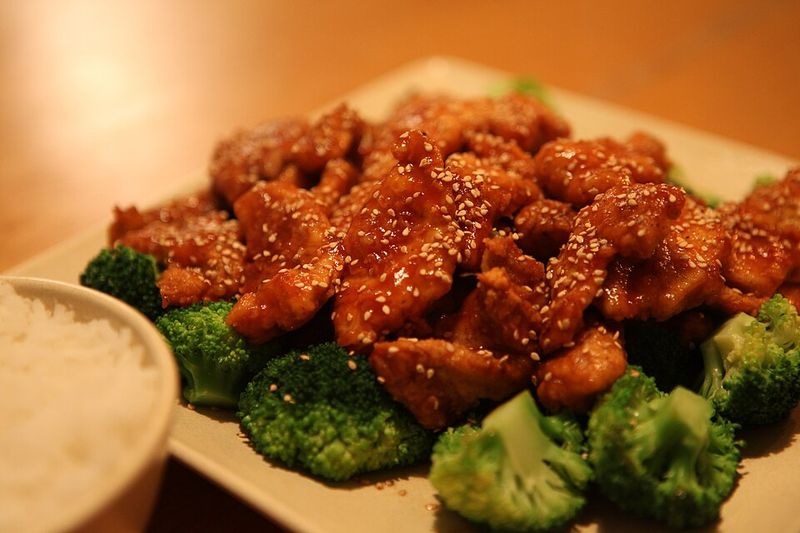
At first glance, sesame chicken seems legit with those toasted seeds scattered on top like edible confetti.
However, the truth is that this dish was engineered for American diners who wanted something familiar yet exotic-sounding.
The sauce tends to be cloyingly sweet, more like very sweet glaze than savory glaze.
Traditional Chinese cuisine uses sesame in way more subtle and interesting ways, without burying everything under a mountain of sugar and deep-fried breading that hides the actual chicken.
13. Sweet And Sour Chicken
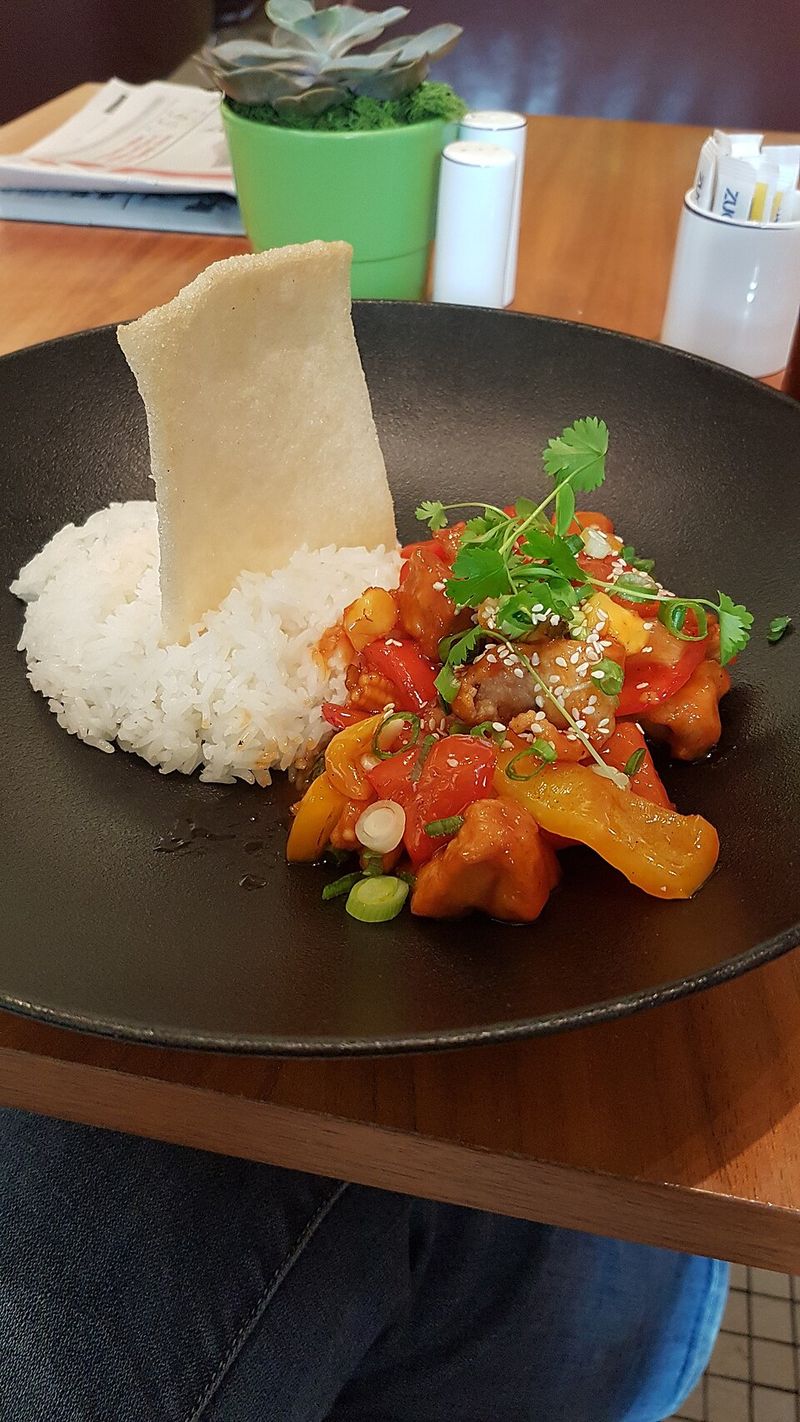
That electric red sauce might look like something straight out of a cartoon, and honestly, that’s not far from the truth.
Real Chinese sweet and sour dishes exist, but they’re way more balanced and never glow like a traffic light.
The American version leans hard into the sugar, often tasting more like fruit punch than a proper sauce.
Plus, the battered chicken gets soggy fast, turning your meal into a sad, sticky situation that no self-respecting chef in Guangzhou would ever serve.
12. Sweet And Sour Pork Neon Sauce Style
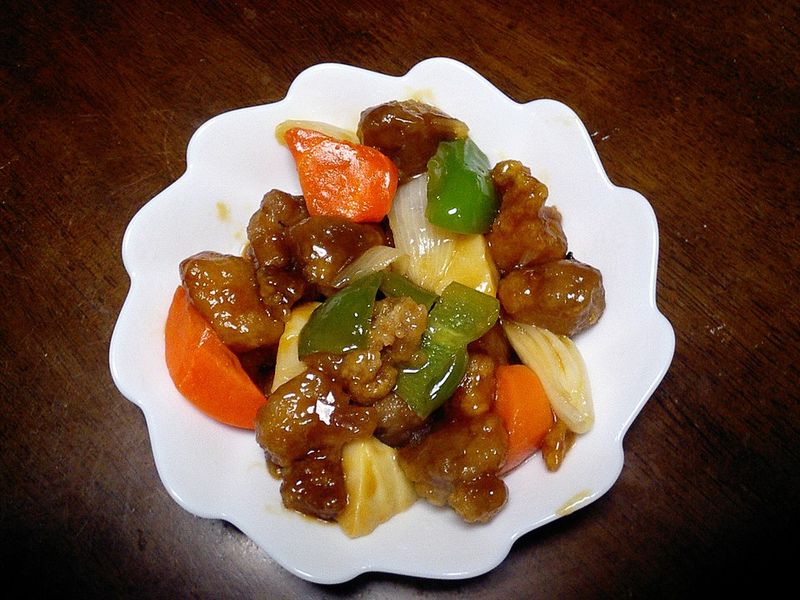
Pork coated in a sauce glowing like neon usually signals you’ve stepped straight into the Americanized version of the dish.
Authentic Cantonese sweet and sour pork still exists, but the real thing leans subtle, balanced, and far less sugary.
Takeout adaptations often depend on ketchup, corn syrup, and bright dyes to create that unmistakable sheen.
Plenty of people enjoy it for nostalgic reasons, yet the flavor profile barely resembles its Chinese inspiration.
What you’re really eating is a sweet, flashy pretender borrowing a traditional name for convenience.
11. Crab Rangoon
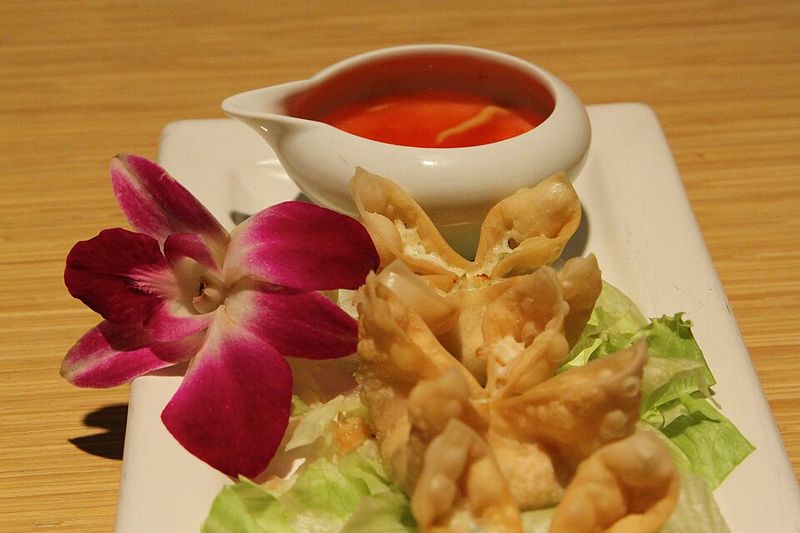
These crispy little pockets of cream cheese and imitation crab are about as Chinese as a cheeseburger.
Cream cheese isn’t even a thing in traditional Chinese cooking, making this appetizer a total American invention.
The name might sound exotic, but Rangoon is actually in Myanmar, which makes the whole situation even more confusing.
Sure, they’re delicious in a rich and enjoyable treat, but if you’re hunting for authenticity, these wontons are basically culinary catfishing at its finest.
10. American Style Egg Roll
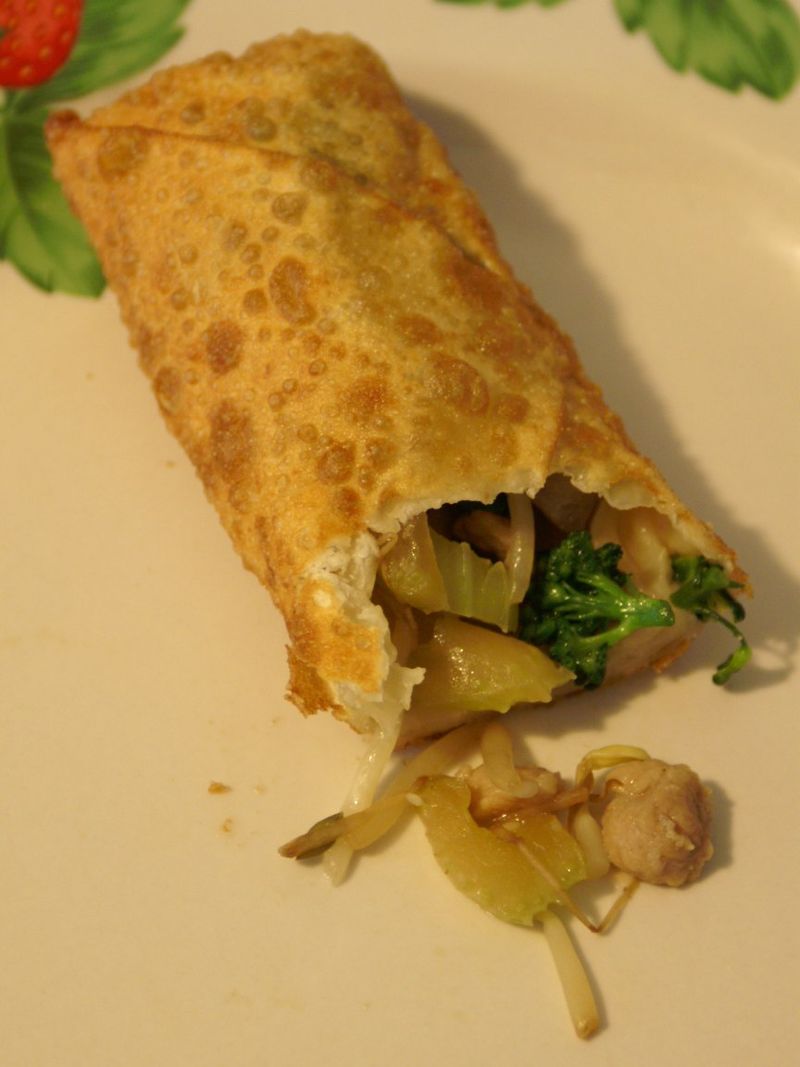
Heat-lamp survivors molded into thick, greasy cylinders rarely resemble anything found in real Chinese cuisine.
Authentic spring rolls stick to light, crisp textures and clean flavors – not the heavy, oil-soaked experience many diners have come to expect.
Cabbage-packed fillings mixed with uncertain proteins tend to dominate the Americanized version, turning each roll into a deep-fried mystery.
Wrappers often emerge so dense and crunchy they could double as emergency camping gear.
One bite usually reveals a flavor closer to rebellious coleslaw than any recognizable dish from Chinese culinary tradition.
9. Beef And Broccoli American Chinese Version
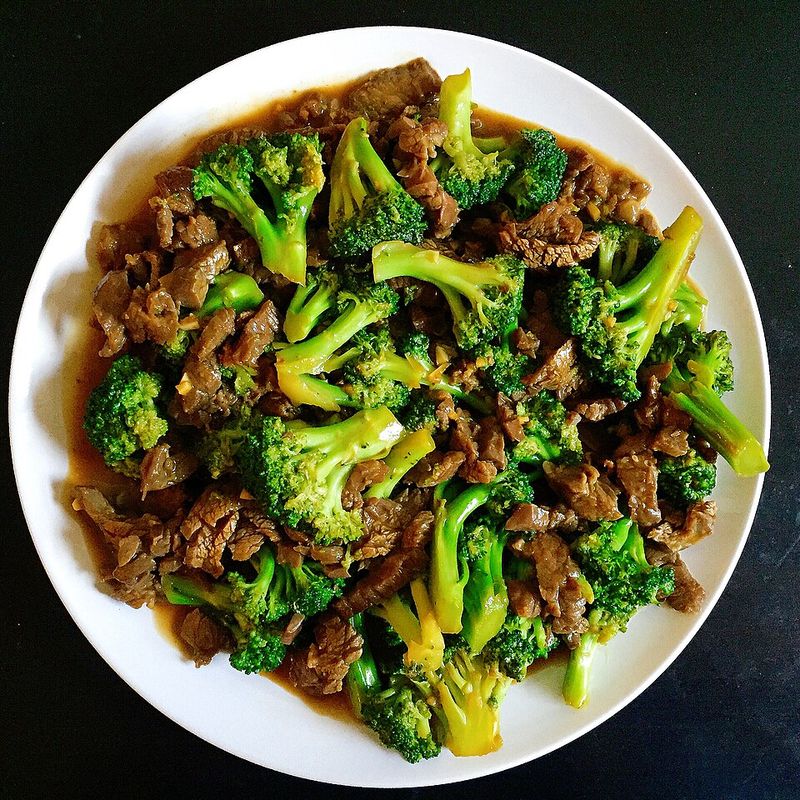
While beef and broccoli sounds healthy and straightforward, the American version is usually a salty, sauce-heavy situation.
The beef tends to be chewy, and the broccoli often arrives overcooked or weirdly crunchy, with no in-between.
In China, vegetable and meat combos are way more varied and thoughtfully seasoned.
This dish became popular because it felt safe and familiar to Western diners, but it’s really just a watered-down shadow of what Chinese stir-fry can actually be when done right.
8. Mongolian Beef
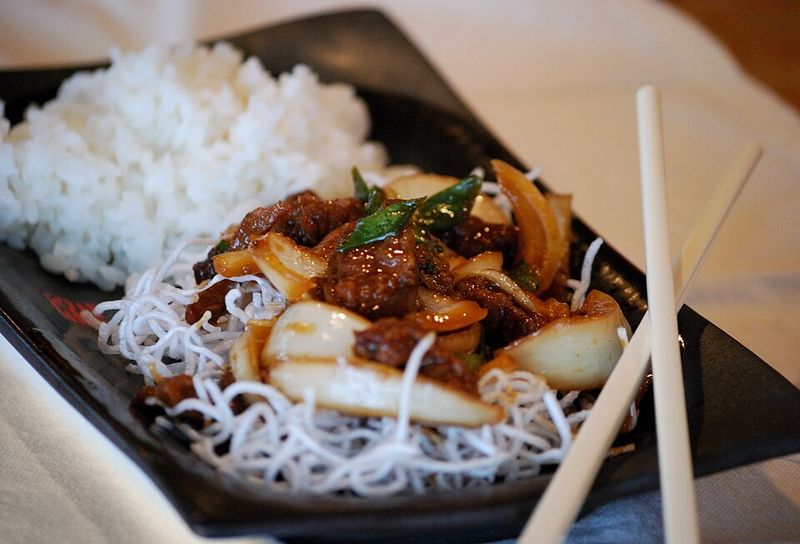
Mongolian beef carries a name that promises far-off origins, yet the dish has no real connection to Mongolia or its cooking traditions.
An exotic-sounding label helped American restaurants make it stand out, even though the recipe was created stateside.
Slices of beef usually get flash-fried, then coated in an ultra-salty, sugary soy-based glaze that clings to every bite.
Scallions often get tossed in mainly for brightness, offering more visual flair than cultural accuracy.
Anyone eating this in Beijing or Ulaanbaatar would likely draw a blank, because the flavors belong entirely to American Chinese takeout.
7. Honey Walnut Shrimp
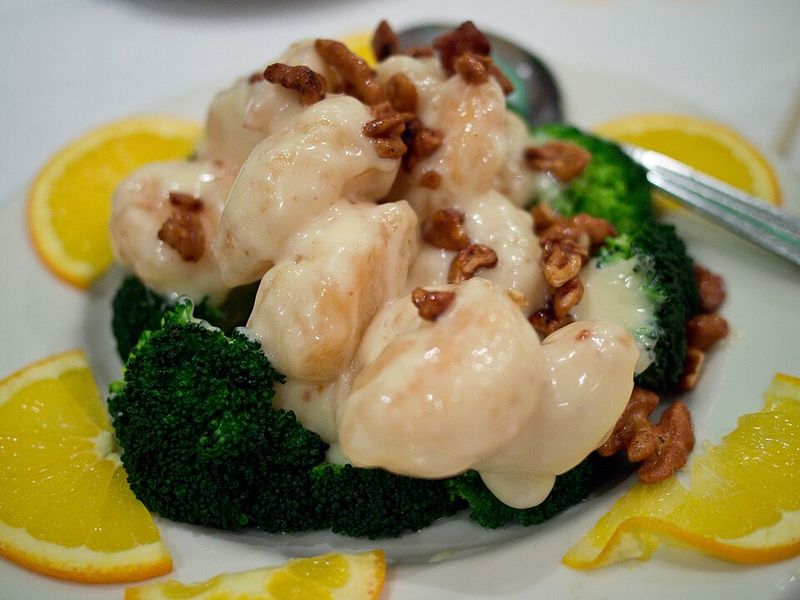
Shrimp rarely gets flashier than in this over-the-top, batter-coated, mayo-glossed production that feels ready for a red carpet.
May candied walnuts bring crunch, sure, but the overall effect leans surprisingly close to a dessert wearing a seafood costume.
Origins trace back to Hong Kong, yet years of American tweaking turned the dish into something far sweeter and heavier than intended.
Anyone chasing genuine Chinese flavors will find far more satisfaction in dishes that showcase clear, bold seasonings instead of sugary excess.
What you’re really ordering here is a crowd-pleasing fusion treat—not a traditional recipe from any Chinese kitchen.
6. Chinese Chicken Salad
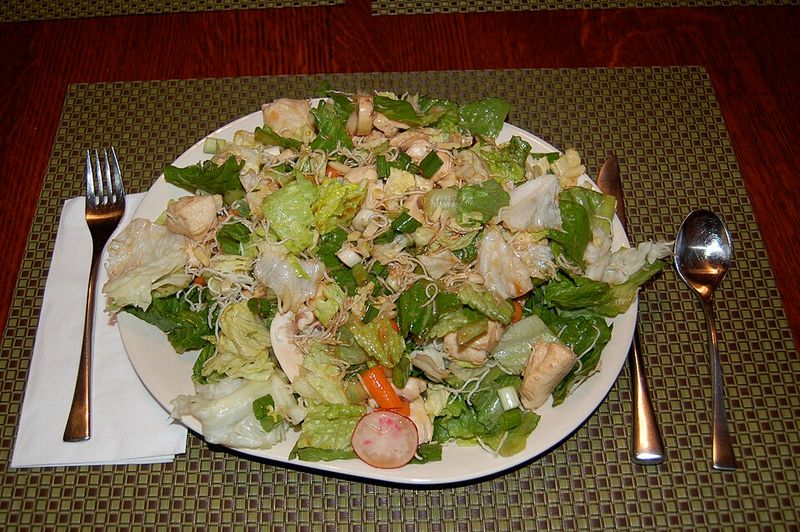
This salad strongly reflects California fusion style, not traditional Chinese cuisine, despite the name trying to convince you otherwise.
It’s loaded with fried wonton strips, sugary mandarin oranges, and dressing that tastes more like bottled Asian vinaigrette than anything homemade.
Salads aren’t really a major part of Chinese dining culture anyway, so this dish is pretty much a Western invention from start to finish.
Though it might seem like a lighter option, it’s often packed with hidden calories and zero authenticity points.
5. Fortune Cookies
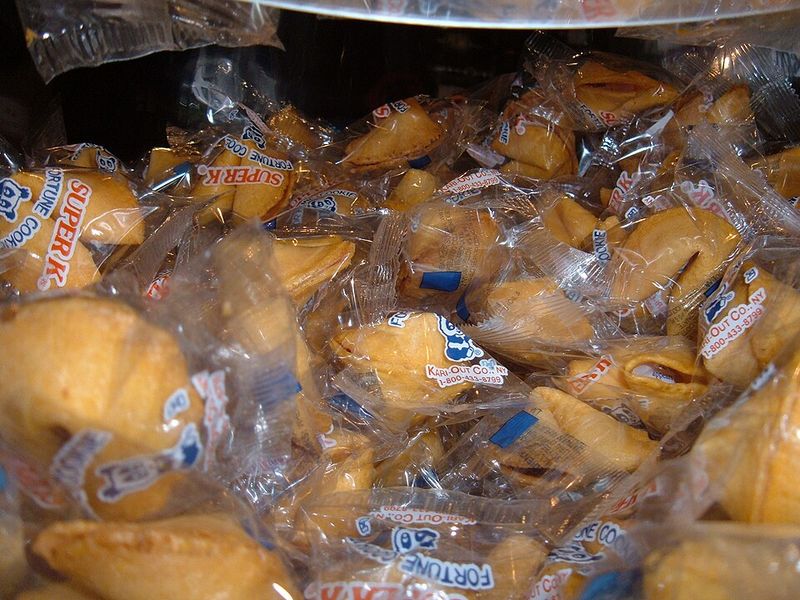
California deserves the credit for creating fortune cookies, which means their connection to China is basically fictional.
Authentic Chinese meals abroad never end with a crisp, vanilla-scented cookie carrying a slip of paper—those treats simply don’t exist there.
Repetition in American restaurants turned them into a cultural mascot, even though no genuine tradition supports the idea.
Messages tucked inside usually lean cheesy or playful, offering luck or advice with not rooted in traditional Chinese dessert customs.
Anyone curious about true Chinese sweets would find far richer history and flavor than anything hiding in a folded wafer.
4. Pu Pu Platter
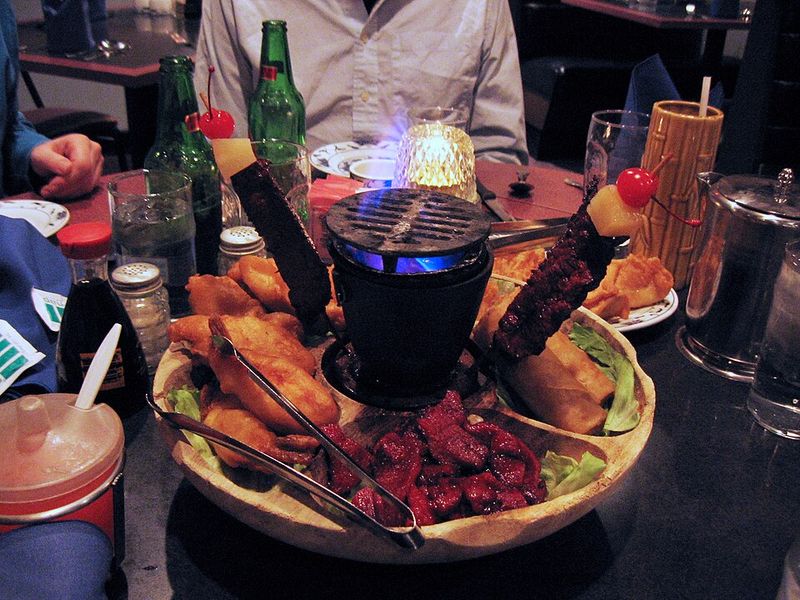
This over-the-top appetizer tray presents a colorful, theatrical assortment of appetizers, complete with a little flame in the center for drama.
It’s basically a greatest hits album of Americanized Chinese fried foods, none of which you’d find together in China.
The name itself is a weird Hawaiian-inspired invention that has nothing to do with Chinese language or culture.
While it’s fun for sharing, it’s more about spectacle than authenticity, making it perfect for parties but terrible for genuine culinary exploration.
3. Chop Suey
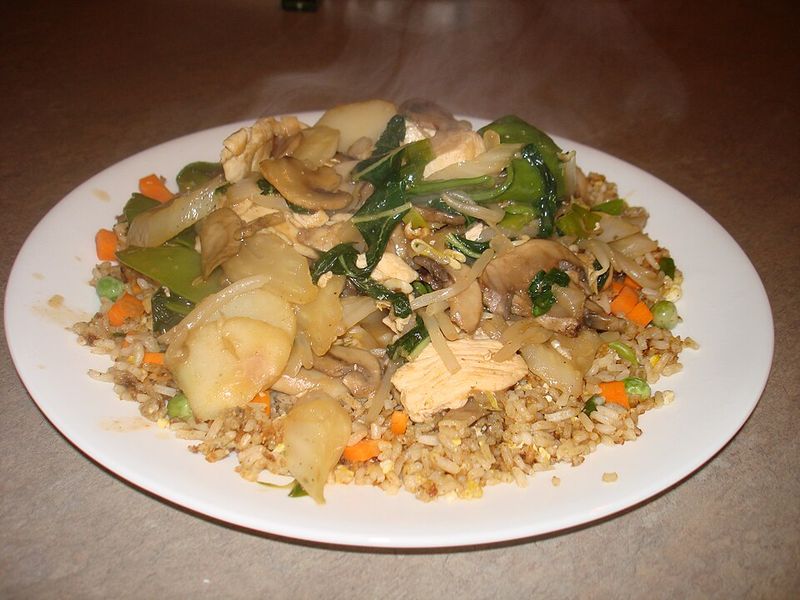
Chinese-American cooking found one of its earliest mascots in chop suey, a dish created more than a century ago to satisfy hungry early immigrant laborers.
Historically, cooks tossed together assorted leftover meats and vegetables, turning “mixed pieces” into a fast, filling stir-fry that could feed crowds without fuss.
Popularity skyrocketed across the United States in the early 1900s, making the dish a national craze long before takeout boxes existed.
Modern China, however, has little connection to it – most people there wouldn’t even recognize the recipe.
Ordering it today means enjoying a slice of immigrant-era culinary history rather than seeking authenticity, making the dish feel more nostalgic novelty than cultural representative.
2. Egg Foo Young
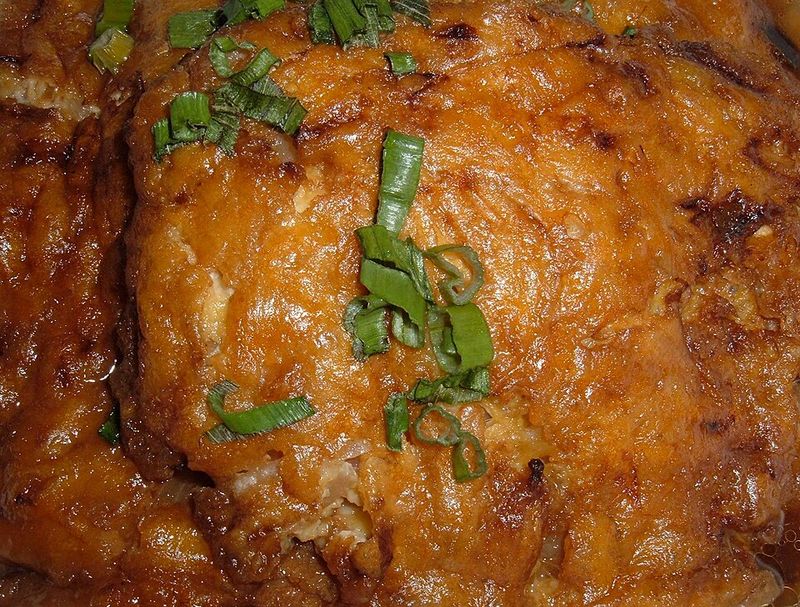
Think of egg foo young as a Chinese omelet that got lost in translation and ended up smothered in gravy.
Fluffy, pan-fried eggs get packed with vegetables and bits of meat, only to be submerged beneath a brown sauce reminiscent of post-holiday leftovers.
Chinese cuisine certainly includes egg-based dishes, yet this particular interpretation belongs entirely to American restaurant kitchens.
Textures sometimes land on the spongy side, and that heavy pour of gravy creates an identity crisis no menu can fully explain.
What reaches the table is less a cultural staple and more a quirky fusion artifact that never quite figures out what it wants to be.
1. American Style Moo Shu Pork With Pancakes
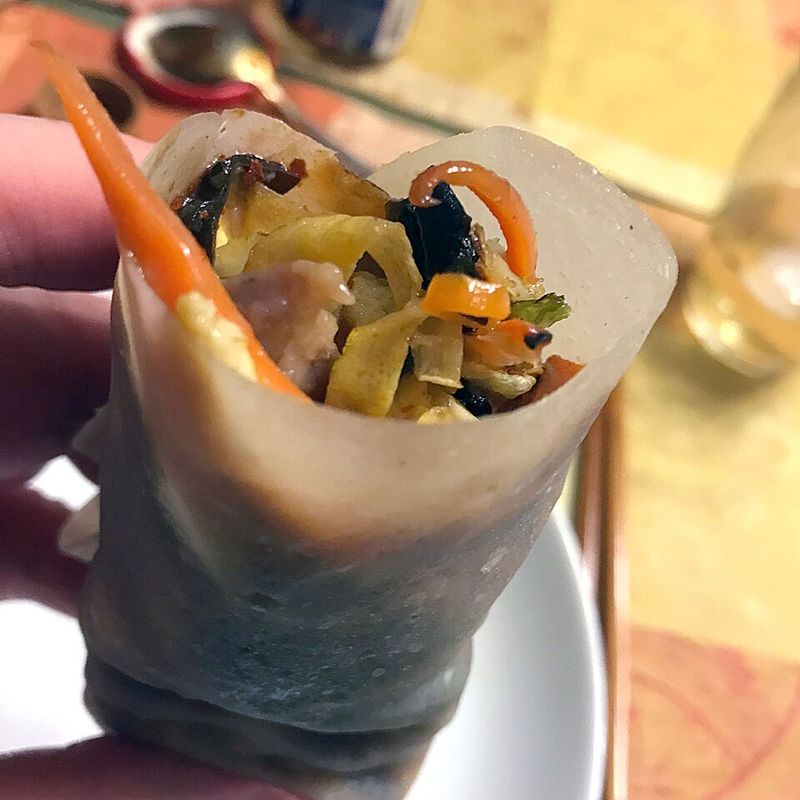
Authentic moo shu does exist in northern China, but the American version is a whole different animal, literally and figuratively.
The pancakes are often too thick and doughy, more like sad tortillas than delicate Chinese crepes.
The filling gets loaded with extra cabbage and way too much hoisin sauce, turning it into a sweet, sloppy mess.
If you want the real experience, seek out a restaurant that makes paper-thin pancakes and uses a lighter hand with the sauce, or just skip it entirely.