11 Disney Animated Movies That Feel Like They Were Written For Adults
Most people remember Disney movies as colorful adventures filled with singing animals and happy endings.
However, beneath those bright animations lie stories packed with heavy themes like death, identity, and moral complexity that hit differently when you’re older.
These 11 films prove that Disney wasn’t just making cartoons for kids – they were crafting cinematic experiences that adults could appreciate on a whole different level.
Disclaimer: All selections and interpretations are based on opinion and viewing perspective rather than any objective or absolute measure of intent, depth, or audience targeting.
1. Fantasia (1940)
Classical music meets groundbreaking animation in this ambitious project that dared to be different.
Instead of following a traditional story, Fantasia presents eight segments set to orchestral masterpieces, creating an almost meditative viewing experience.
Adults appreciate the artistry and bold experimentation that defined this film.
The “Night on Bald Mountain” sequence alone delivers imagery dark enough to give grown-ups chills, proving animation could be high art rather than just entertainment.
2. Pinocchio (1940)
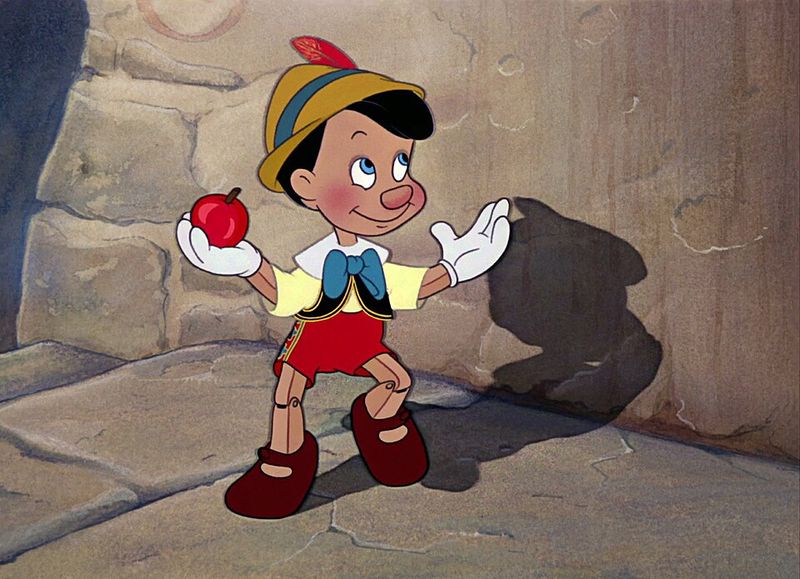
A wooden puppet’s quest to become a real boy sounds innocent until you notice the terrifying consequences of his choices.
Children get kidnapped, transformed into donkeys, and sold – yeah, Disney went there.
Pleasure Island serves as a cautionary tale about temptation and losing yourself to vices.
The whale chase and Pinocchio’s literal descent into darkness explore themes of redemption that resonate more powerfully with adults who understand regret.
3. Beauty and the Beast (1991)
A young woman becomes a prisoner to save her father, then develops feelings for her captor – the psychological complexity here runs deep.
Belle’s situation raises questions about Stockholm syndrome that Disney obviously didn’t intend but adults can’t ignore.
Beyond the controversial romance, the film explores loneliness, transformation, and looking past surface appearances.
4. The Black Cauldron (1985)
Disney’s darkest animated film features an evil horned king seeking to raise an army of undead warriors – definitely not your average Mickey Mouse fare.
This fantasy epic bombed at the box office partly because it felt too mature and scary for young audiences.
Sacrifice, death, and apocalyptic stakes dominate the narrative in ways that make adults appreciate its ambition.
The Horned King remains one of Disney’s most genuinely terrifying villains, proving the studio could tackle darker fantasy when given freedom.
5. Bambi (1942)
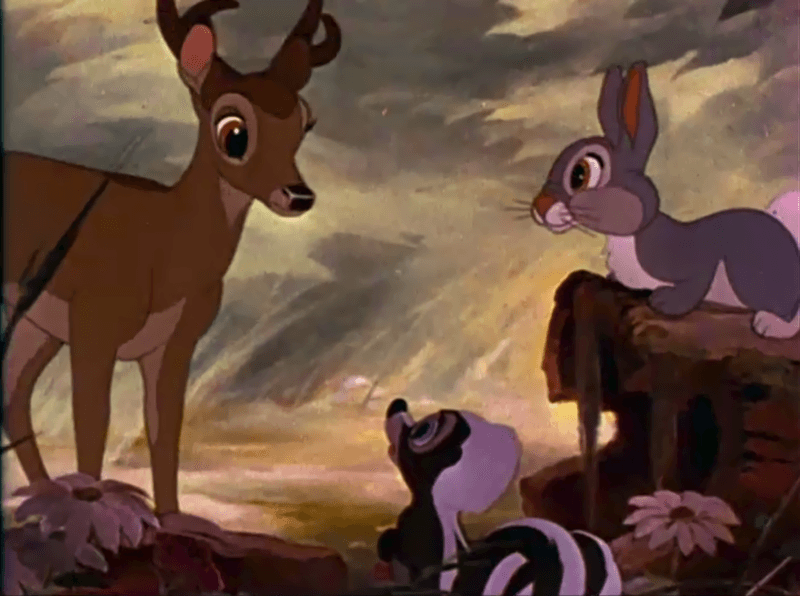
Everyone remembers the heartbreaking moment when Bambi loses his mother, but the film goes deeper than that single tragedy.
Watching a young deer navigate survival, friendship, and eventually fatherhood creates a coming-of-age narrative that mirrors human experience.
The forest fire sequence delivers environmental commentary that feels especially relevant today.
6. The Lion King (1994)

Watching Mufasa die while his son pleads for help traumatized an entire generation of kids.
Simba’s guilt and self-imposed exile mirror real struggles with depression and running from responsibility that adults understand intimately.
Scar’s manipulation tactics and the hyenas’ imagery add political undertones rarely found in family films.
The circle of life concept introduces children to mortality while giving adults a meditation on legacy, duty, and accepting your place in the world.
7. Alice in Wonderland (1951)
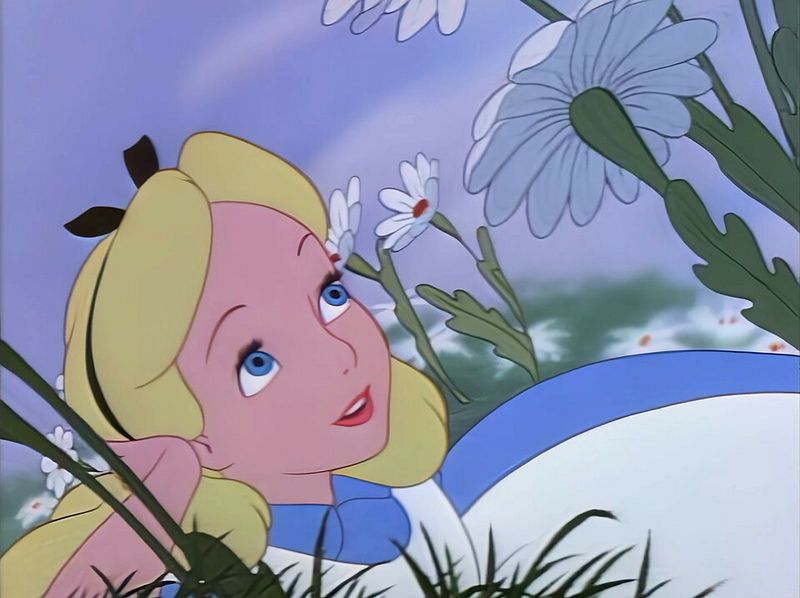
Falling down a rabbit hole into absolute chaos might seem whimsical, but Alice’s adventure feels like a fever dream designed to question reality itself.
Strange characters spout nonsensical riddles while the protagonist struggles to maintain her sanity.
Adults often interpret this film as commentary on growing up and losing childhood innocence.
The Queen of Hearts’ violent outbursts and the Caterpillar’s cryptic wisdom create an unsettling atmosphere that’s more surreal psychological journey than children’s fairytale.
8. Pocahontas (1995)

Colonization, cultural clash, and environmental destruction form the backbone of this historically loose but thematically heavy film.
Though Disney romanticized the real story problematically, the movie still tackles racism and greed head-on.
Governor Ratcliffe’s gold obsession and willingness to massacre natives for profit reflects genuine historical atrocities.
Pocahontas choosing her people over romantic love delivers a bittersweet ending that subverts typical Disney formulas, showing maturity in acknowledging some loves can’t conquer all circumstances.
9. The Hunchback of Notre Dame (1996)
Judge Frollo’s obsessive lust for Esmeralda makes him Disney’s most disturbing villain, singing about damnation while contemplating murder.
Quasimodo’s isolation and yearning for acceptance explore disability and social rejection with heartbreaking honesty.
The film doesn’t shy from showinh violence and corruption, creating a surprisingly dark meditation on humanity’s capacity for both cruelty and compassion.
10. Sleeping Beauty (1959)
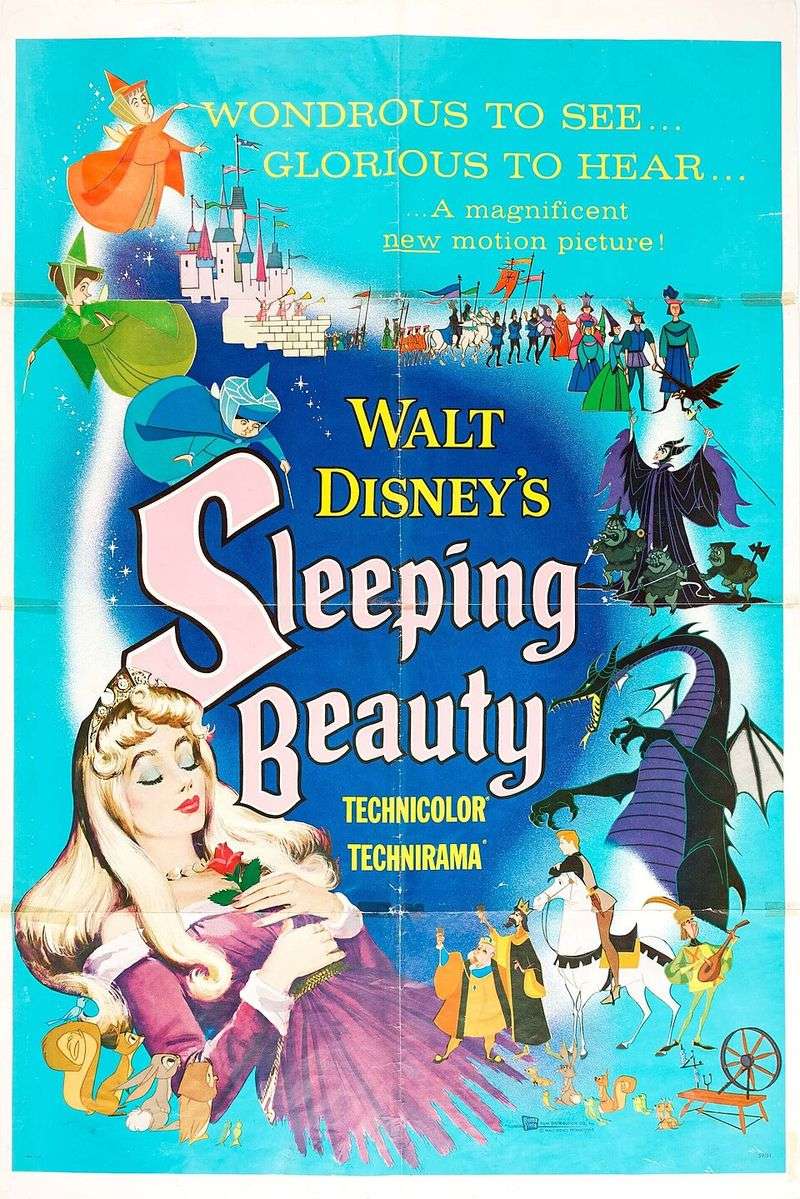
Gothic architecture and a villain who literally transforms into a dragon make this princess tale surprisingly dark.
Maleficent’s curse condemns an infant to death simply because she wasn’t invited to a party – talk about holding grudges!
The film’s stunning visual design draws from medieval tapestries and art, creating an aesthetic sophistication rarely seen in animation.
11. Mulan (1998)

A young woman disguises herself as a man to fight in a war, risking execution if discovered – the stakes here are genuinely life-or-death.
Mulan’s struggle with identity and societal expectations resonates powerfully with anyone who’s felt pressure to conform.
The film addresses gender roles, family honor, and finding your authentic self through battlefield carnage and political intrigue.