20 Disney Animated Classics That Never Lost Their Charm
Disney has made plenty of movies people liked once and moved on from.
Then there are the animated classics that keep slipping back into rotation like they own a permanent spot in the family living room.
One rewatch turns into quoting lines that have been lodged in the brain for years, humming songs without permission, and realizing a scene still lands exactly the way it did the first time.
That kind of staying power is hard to fake. Talking animals and old-school fairy-tale drama should probably feel at least a tiny bit dusty by now.
Yet the best Disney classics keep dodging that fate with suspicious ease.
They still look enchanting, still know how to land a laugh or a lump in the throat, and still carry the kind of storybook pull that makes “just one scene” a very obvious lie.
1. Snow White and the Seven Dwarfs (1937)
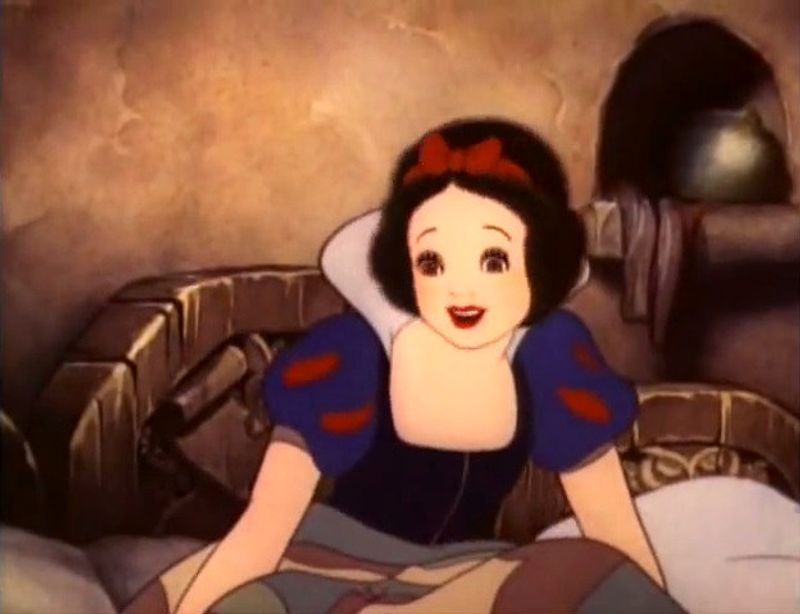
Before Pixar, before CGI, before any of it, there was Snow White.
Released in 1937, this was the world’s very first full-length animated feature film, and Hollywood insiders actually called it “Disney’s Folly” before it came out. Spoiler alert: they were spectacularly wrong.
Walt Disney mortgaged his own house to fund this passion project, and it paid off in a big way.
The film grossed over 8 million dollars during its original run, which was absolutely massive for the era.
Seven quirky dwarfs, one iconic villain, and a poisoned apple later, Disney had changed entertainment forever.
2. Pinocchio (1940)
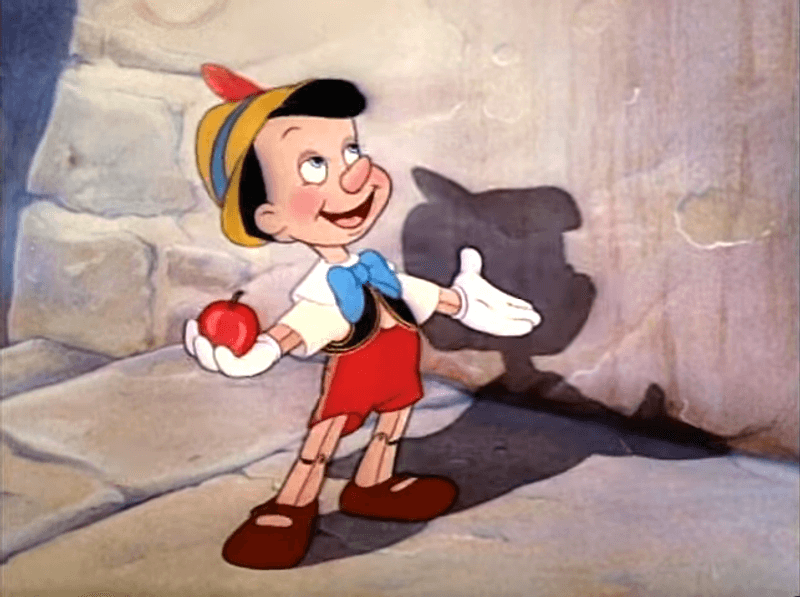
If your nose grew every time you told a fib, how long would it be right now? Pinocchio asks that question in the most delightful, slightly terrifying way possible.
Released in 1940, this film features one of Disney’s most unforgettable villains, Stromboli, and one of its most lovable sidekicks, Jiminy Cricket.
“When You Wish Upon a Star” won the Academy Award for Best Original Song and became Disney’s unofficial anthem.
The film’s animation was so detailed and groundbreaking that animators spent months studying how wood and fabric moved.
3. Fantasia (1940)
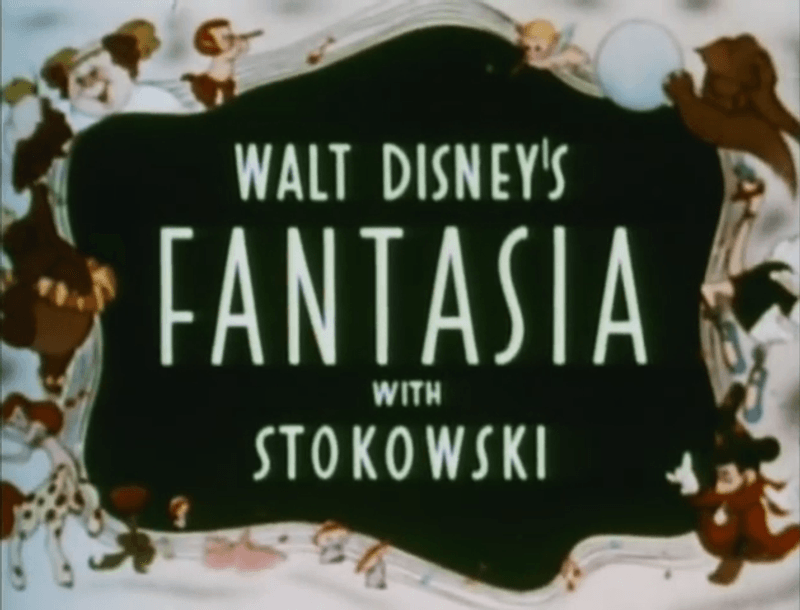
Fantasia is basically the original music video, and it came out in 1940.
Walt Disney paired classical music from composers like Bach, Beethoven, and Stravinsky with breathtaking animated sequences, creating something that felt more like a concert experience than a cartoon.
Mickey Mouse appears as the Sorcerer’s Apprentice, enchanting brooms to carry water and immediately regretting it. That scene alone inspired countless memes and pop culture references decades later.
Though it was considered too artsy by some audiences at first, Fantasia is now recognized as one of the most ambitious animated films ever made.
4. Dumbo (1941)
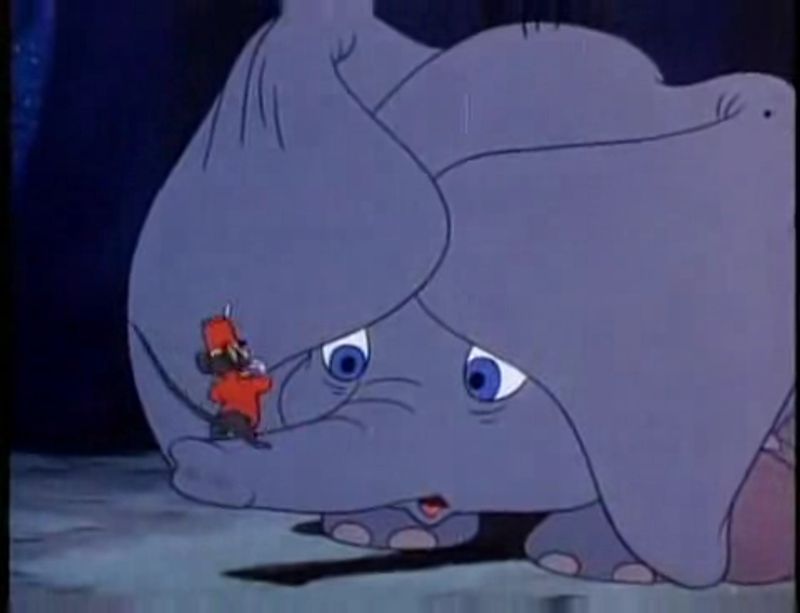
What if the thing everyone laughed at turned out to be your superpower?
That’s the heart of Dumbo, the sweet 1941 story of a baby elephant with ears so big the other elephants made fun of him. Plot twist: those ears let him fly.
At just 64 minutes, Dumbo is one of Disney’s shortest feature films, but it packs an emotional wallop that rivals movies three times its length.
The “Pink Elephants on Parade” sequence remains one of the most visually wild and creatively daring moments in all of Disney history.
5. Bambi (1942)
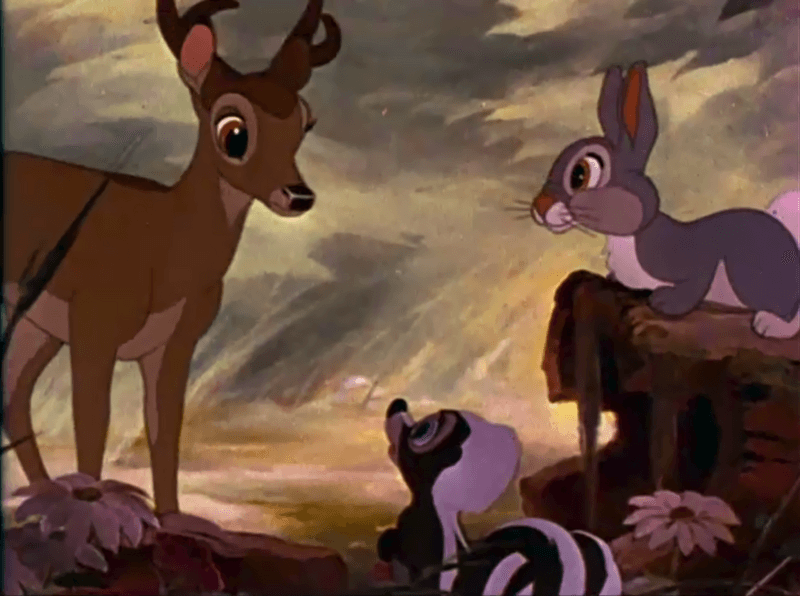
Few animated films have caused more childhood tears than Bambi.
Released in 1942, this quiet, nature-driven story follows a young deer from birth through the loss of his mother to eventually becoming the Great Prince of the Forest. Yes, the scene still hurts. Every single time.
What makes Bambi remarkable is its visual artistry. Disney animators studied real deer for years and used a soft, painterly background style that made every forest scene look like a watercolor dream.
How many animated films from the 1940s still look this beautiful? Not many.
6. Cinderella (1950)
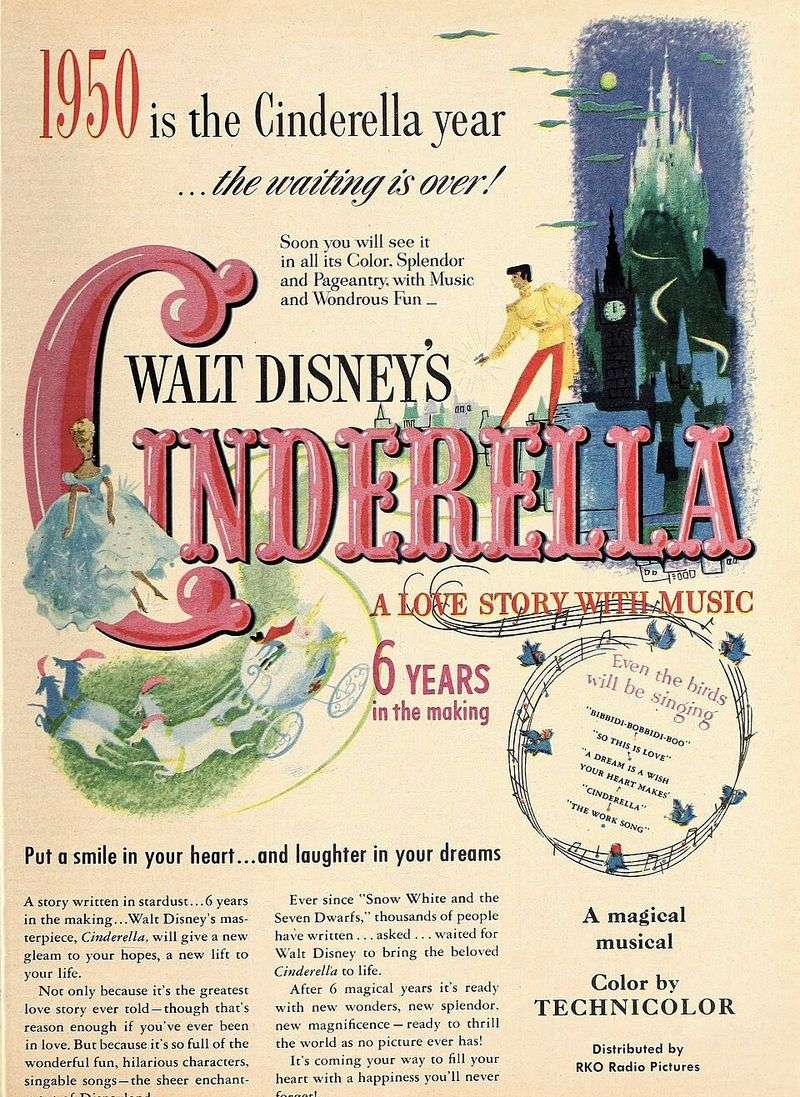
Cinderella is proof that kindness never goes out of style.
After years of being treated as a servant by her wicked stepmother and stepsisters, Cinderella’s fairy godmother shows up and changes everything with a wave of a wand and some seriously iconic fashion advice.
Released in 1950, this film actually saved Disney Studios from bankruptcy. After World War II, the studio was struggling financially, and Cinderella’s massive box office success gave Walt the resources to keep making animated films.
The glass slipper, the pumpkin carriage, the midnight deadline: these details became cultural shorthand for magic itself.
7. Alice in Wonderland (1951)
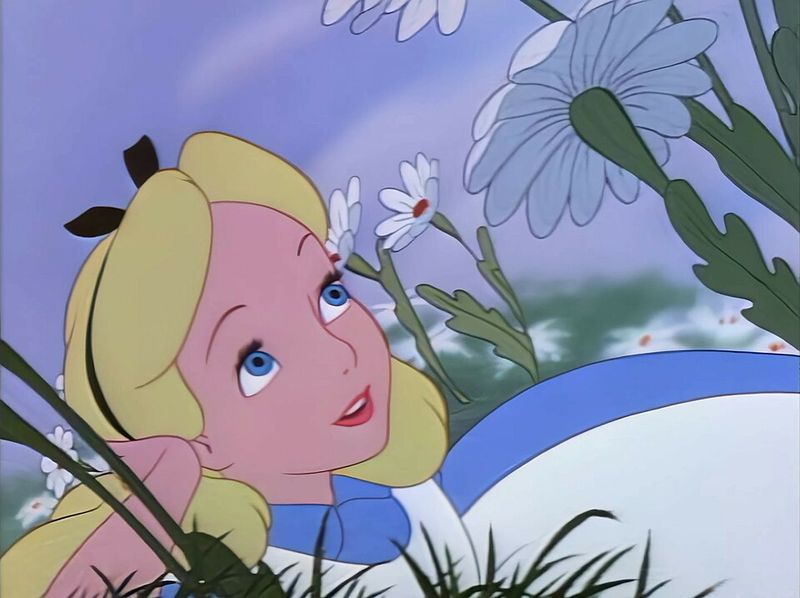
Curiouser and curiouser! Alice in Wonderland has been trippy and wonderfully weird since 1951, and honestly, that’s exactly why people keep coming back to it.
Based on Lewis Carroll’s classic novels, the film follows Alice as she chases a white rabbit into a world that makes absolutely zero logical sense.
The Cheshire Cat, the Mad Hatter, the Queen of Hearts shouting “Off with their heads!” these characters became pop culture icons long before the internet existed.
Though the film received mixed reviews at release, it found a massive audience over time.
8. Peter Pan (1953)
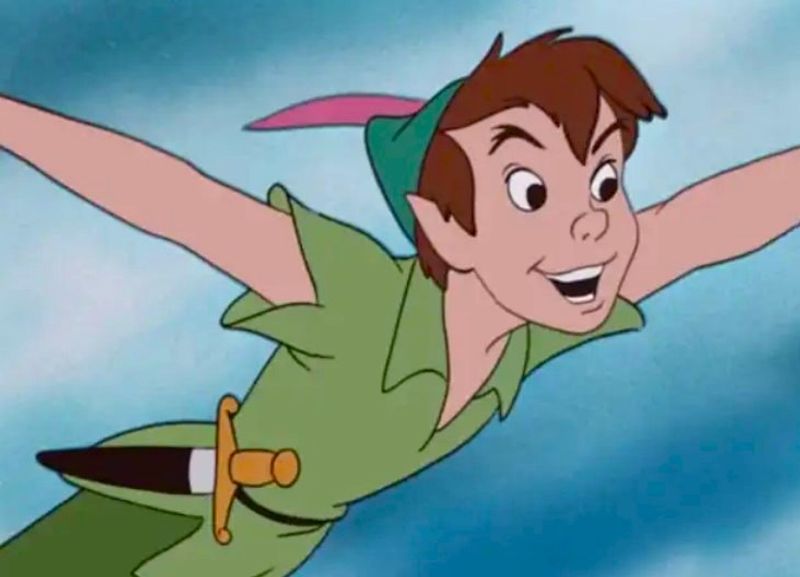
Second star to the right and straight on till morning. Peter Pan has been selling the dream of never growing up since 1953, and the pitch is still pretty convincing.
Captain Hook, Tinker Bell’s jealousy, the ticking crocodile: this film is packed with memorable moments that have lived rent-free in people’s heads for decades.
Tinker Bell was so popular she eventually became the official mascot for the entire Disney brand, appearing before every Disney film.
The flying sequences over London at night remain some of the most beautiful and romantic visuals in all of classic Disney animation.
9. Lady and the Tramp (1955)
That spaghetti scene. You already know the one.
Lady and the Tramp gave the world the most romantic dinner date in animated history, and it only cost one meatball.
Released in 1955, this film was Disney’s first animated feature filmed in CinemaScope widescreen format, which made every scene look more cinematic and lush.
Beyond the pasta, the story explores themes of loyalty, social class, and what it really means to belong somewhere.
Lady is a pampered cocker spaniel, Tramp is a street-smart stray, and somehow they make it work.
10. Sleeping Beauty (1959)
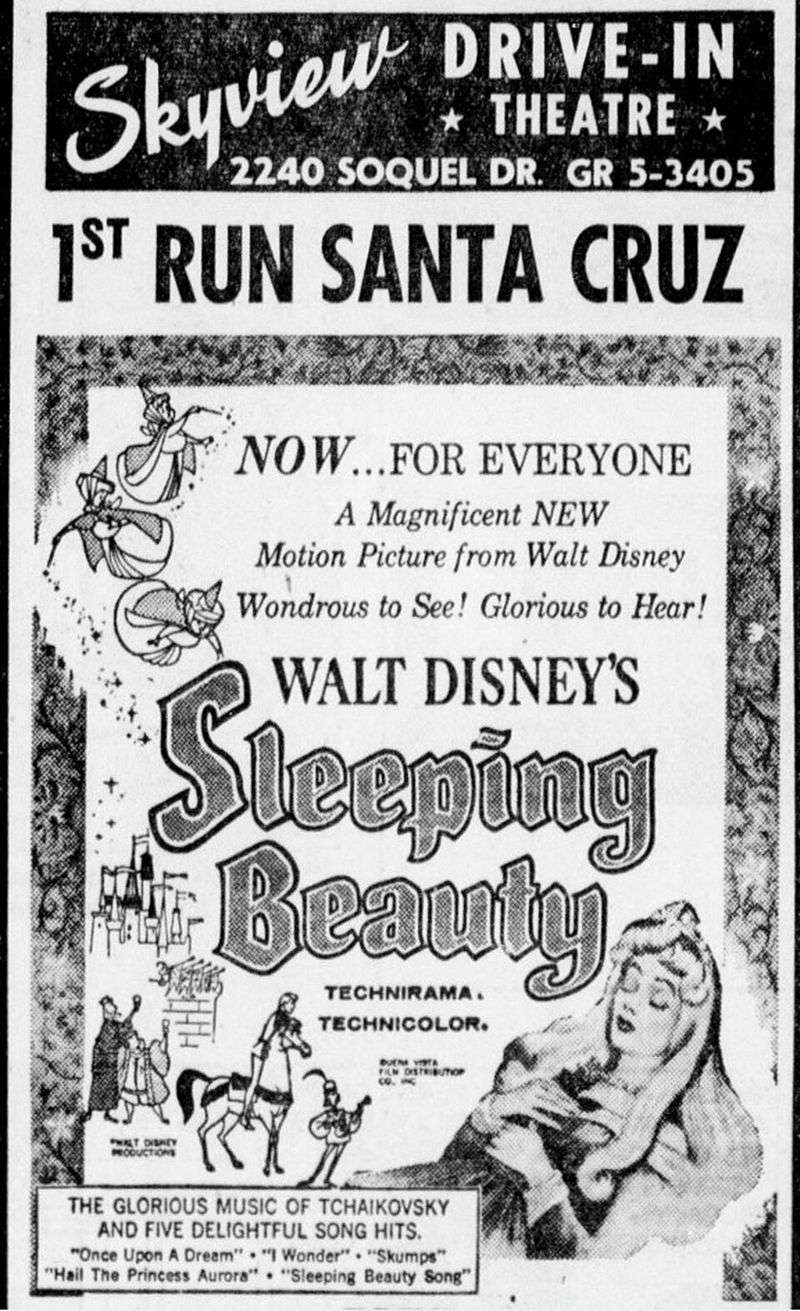
Sleeping Beauty took six years to make, and every single frame was worth it.
Released in 1959, this film features some of the most visually striking animation Disney has ever produced, inspired by medieval tapestries and Gothic art. The backgrounds look like illuminated manuscripts come to life.
Maleficent, the self-described “mistress of all evil,” is widely considered one of Disney’s greatest villains of all time. She turns into a dragon. A dragon!
Aurora herself may sleep through a good chunk of the movie, but the artistry surrounding her story is anything but sleepy.
11. One Hundred and One Dalmatians (1961)
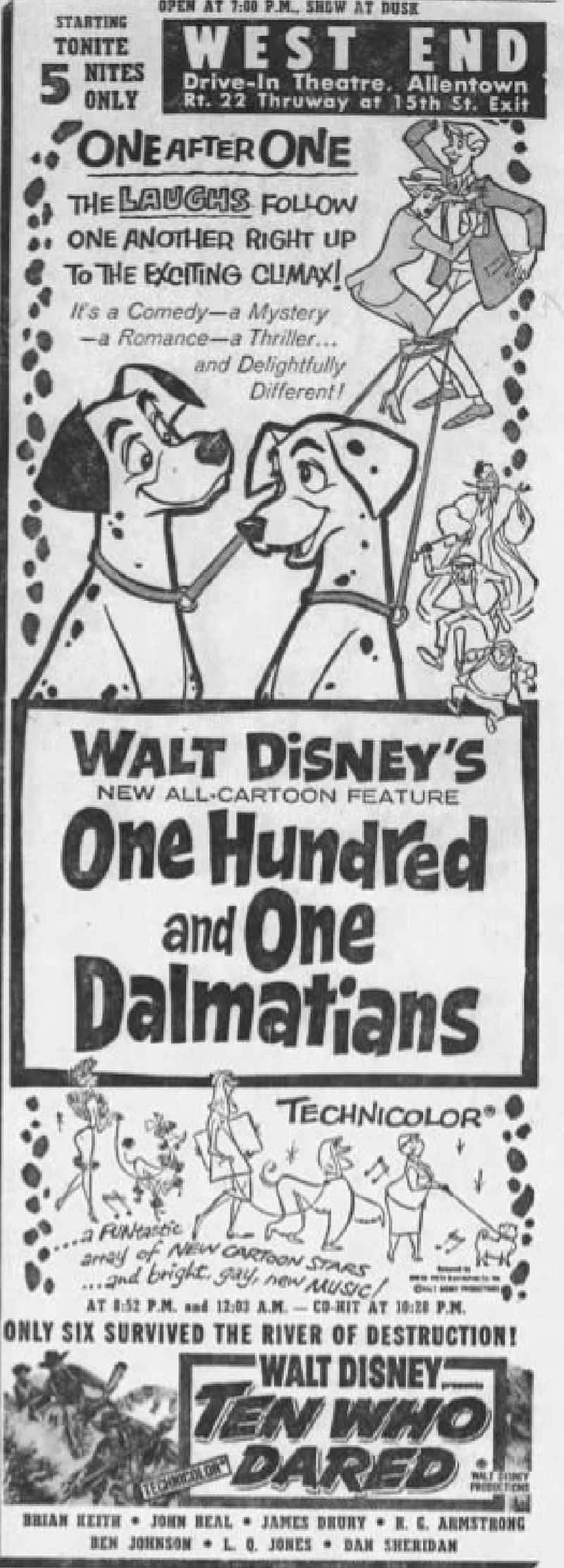
One hundred and one Dalmatians. Count them.
Disney animators actually did, and reportedly drove themselves a little bit mad in the process.
Released in 1961, this film introduced a revolutionary new animation technique called xerography, which allowed pencil sketches to be copied directly onto animation cells, saving enormous amounts of time and money.
Cruella de Vil remains one of the most iconic villains in pop culture history, a fur-obsessed fashionista whose name is literally a pun on “cruel devil.” Subtle!
The film’s warm, sketchy art style gave it a unique look compared to earlier Disney films, and it still feels fresh and energetic today.
12. The Jungle Book (1967)
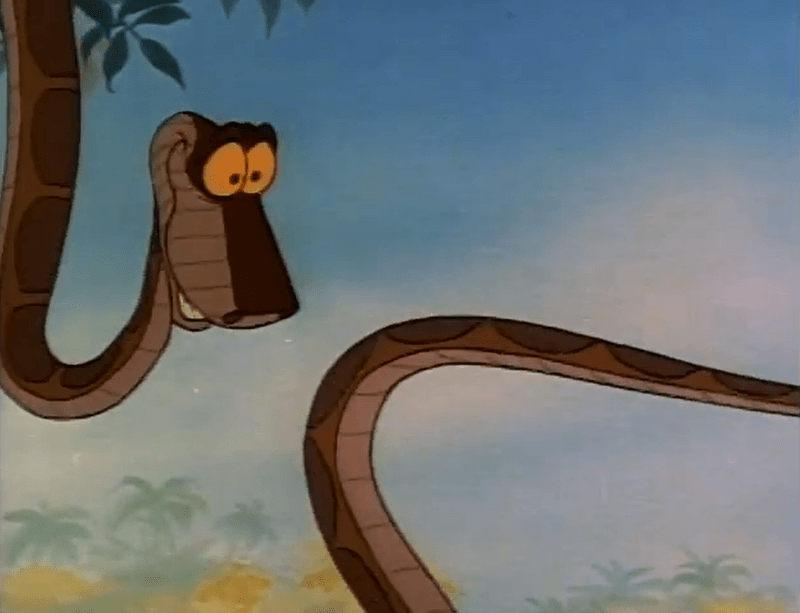
Baloo the bear singing “The Bare Necessities” is basically the animated world’s version of a stress-relief playlist.
Released in 1967, The Jungle Book was the last animated film personally supervised by Walt Disney before his passing in 1966, which makes it a deeply emotional part of the studio’s history.
Based on Rudyard Kipling’s stories, the film follows Mowgli, a boy raised by wolves in the Indian jungle.
King Louie, Kaa the hypnotic snake, and the terrifying Shere Khan round out one of Disney’s most memorable casts.
13. The Aristocats (1970)
Everybody wants to be a cat, and after watching The Aristocats, honestly, who can blame them?
Set in Paris in 1910, this charming 1970 film follows Duchess, a sophisticated white cat, and her three kittens after they’re abandoned in the French countryside by their butler, who is after their inheritance. Villain behavior, honestly.
Thomas O’Malley, the street-smart alley cat who helps them find their way home, is one of Disney’s most underrated leading characters.
The film’s jazz-heavy soundtrack, especially “Everybody Wants to Be a Cat,” is an absolute banger that holds up at any party.
14. The Many Adventures of Winnie the Pooh (1977)
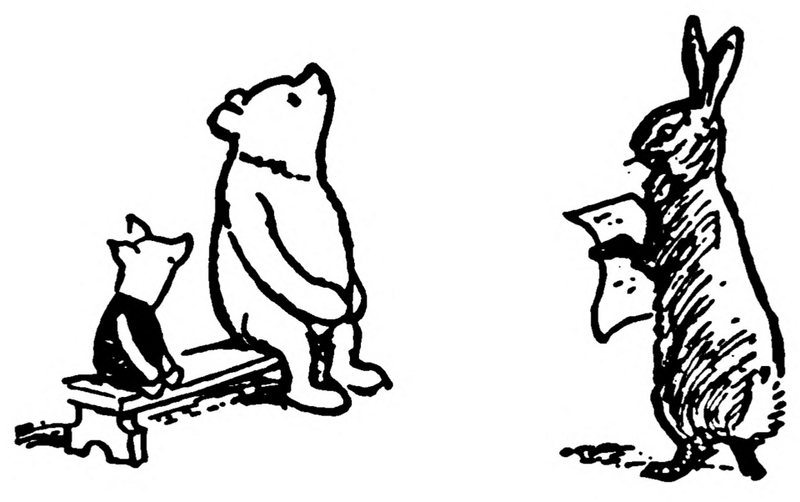
Winnie the Pooh is a bear of very little brain, and somehow that makes him one of the wisest characters Disney has ever animated.
Compiled from three animated featurettes released between 1966 and 1974, The Many Adventures of Winnie the Pooh was packaged as a full film in 1977 and became an instant classic for younger audiences.
The Hundred Acre Wood gang, Tigger’s bouncing, Eeyore’s eternal gloom, Piglet’s anxious sweetness, these characters feel like old friends.
A.A. Milne’s original stories from the 1920s inspired the film, and Disney honored that cozy, storybook charm beautifully.
15. The Little Mermaid (1989)
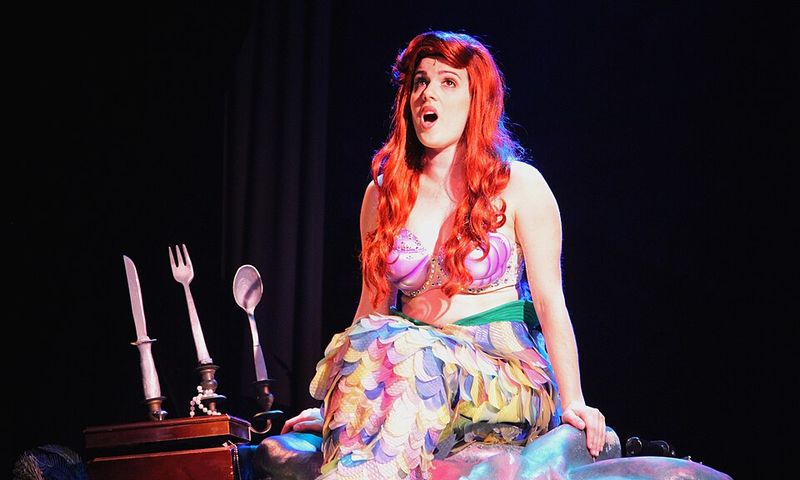
“Part of Your World” has made people ugly-cry since 1989, and that’s not changing anytime soon.
The Little Mermaid didn’t just tell a great story, it literally rescued Disney animation from a decade-long creative slump. Before Ariel, Disney’s animated films had been struggling at the box office for years.
Based on Hans Christian Andersen’s fairy tale, the film follows Ariel, a mermaid who dreams of life on land, and her deal with the sea witch Ursula, one of the most dramatically extra villains in animation history.
The film launched what fans now call the Disney Renaissance, a golden era of animated storytelling that changed everything.
16. Beauty and the Beast (1991)
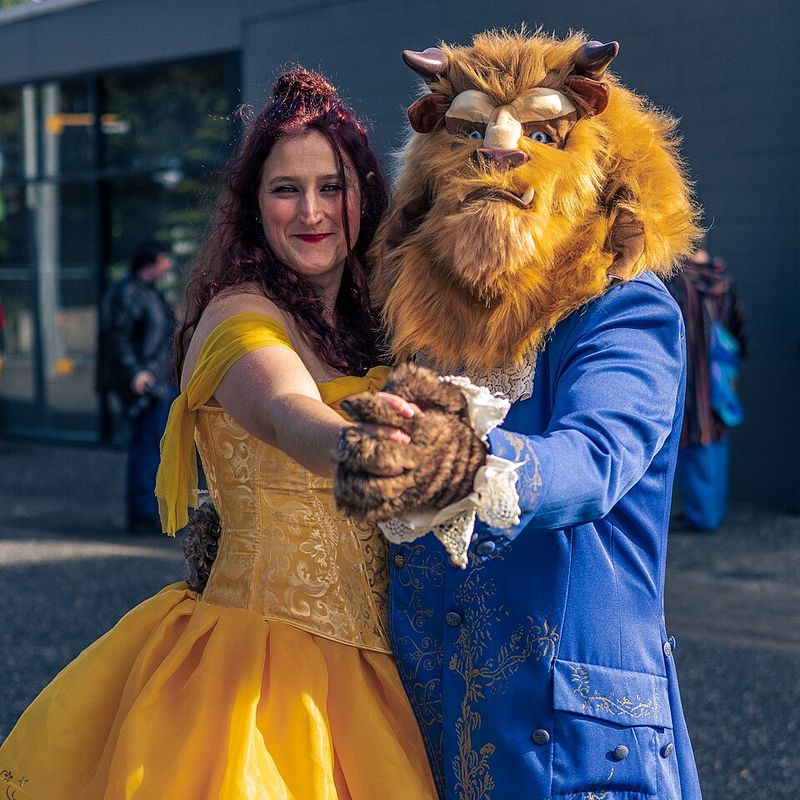
Beauty and the Beast made history in 1991 by becoming the first animated film ever nominated for the Academy Award for Best Picture.
That’s not just a Disney milestone, that’s a landmark moment for animation as an art form. The film proved that cartoons could carry the same emotional weight as any live-action drama.
Belle is one of Disney’s most beloved characters because she’s bookish, curious, and refuses to settle for the obvious choice.
“Tale as old as time” is more than a lyric; it’s genuinely true of this film.
17. Aladdin (1992)

Robin Williams as the Genie is one of the greatest casting decisions in cinematic history, animated or otherwise.
Released in 1992, Aladdin crackled with energy, humor, and improvised comedy that felt totally unlike anything Disney had done before.
Williams reportedly recorded hundreds of hours of material, and editors had a blast choosing the best moments.
Set in the fictional city of Agrabah, the film follows a charming street kid who finds a magic lamp and falls for a princess.
18. The Lion King (1994)

“The Circle of Life” opening sequence hits different every time. No buildup or warning, just a sunrise over the African savanna and an entire audience collectively losing it.
The Lion King arrived in 1994 and immediately became the highest-grossing traditionally animated film of all time, a record it held for years.
Inspired by Shakespeare’s Hamlet (yes, really), the story of Simba’s rise, fall, and return to Pride Rock carries genuine emotional depth.
Hakuna Matata? More like Hakuna Masterpiece.
19. Mulan (1998)
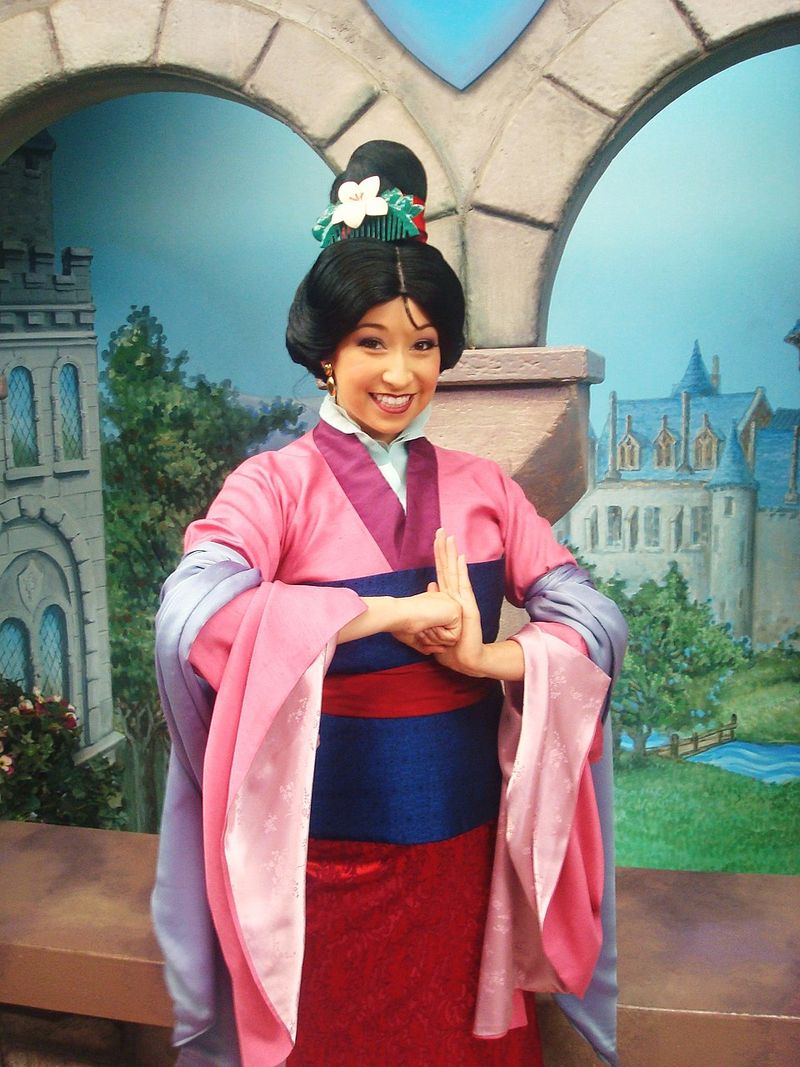
Mulan didn’t just break the mold, she shattered it, along with a few enemy soldiers along the way.
Released in 1998, this film tells the story of a young Chinese woman who disguises herself as a man to take her elderly father’s place in the Imperial Army. Bold move, brilliant outcome.
Based on the ancient Chinese legend of Hua Mulan, the film blends action, comedy, and heart in a way that still feels fresh.
Mushu the tiny dragon sidekick provides some of the best comic relief in Disney history.
20. Lilo and Stitch (2002)
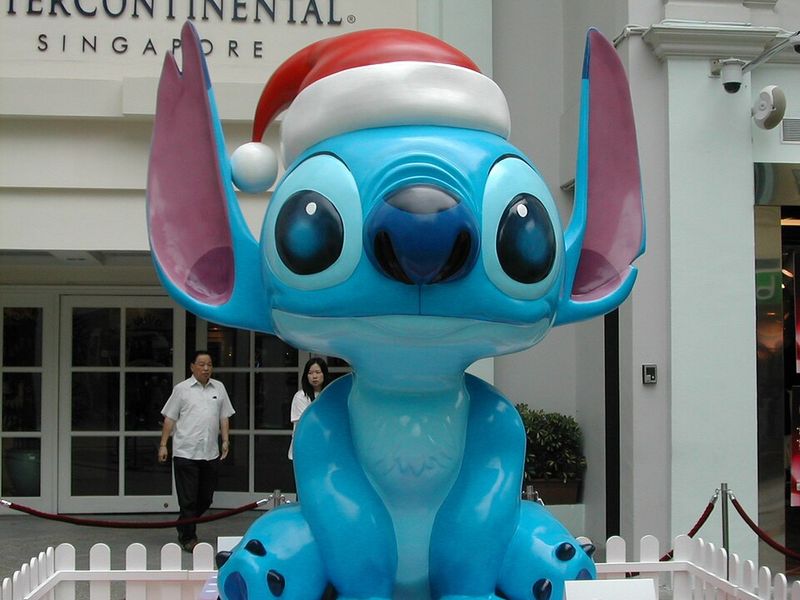
“Ohana means family, and family means nobody gets left behind or forgotten.” If that line doesn’t hit you somewhere deep, are you even okay?
Lilo and Stitch arrived in 2002 with a completely different energy from typical Disney fare, set in Hawaii, grounded in real human messiness, and built around a grieving little girl who adopts an alien she thinks is a dog.
Stitch, Experiment 626, was designed to be a weapon of destruction and became the heart of the whole film instead.
The Elvis Presley soundtrack was an unexpected and totally perfect creative choice.