Disney Movies Based On Much Darker Original Stories
Magic sparkles, songs begin, and everything feels like it is wrapped in a warm, glowing fairytale.
Then the curtain pulls back, and those same stories reveal roots that are far darker, stranger, and a little too wild for a cheerful sing-along.
Spell by spell, Disney softened the edges, turning chaos into charm, but the original tales still linger like a secret hidden just behind the magic.
1. Snow White And The Seven Dwarfs
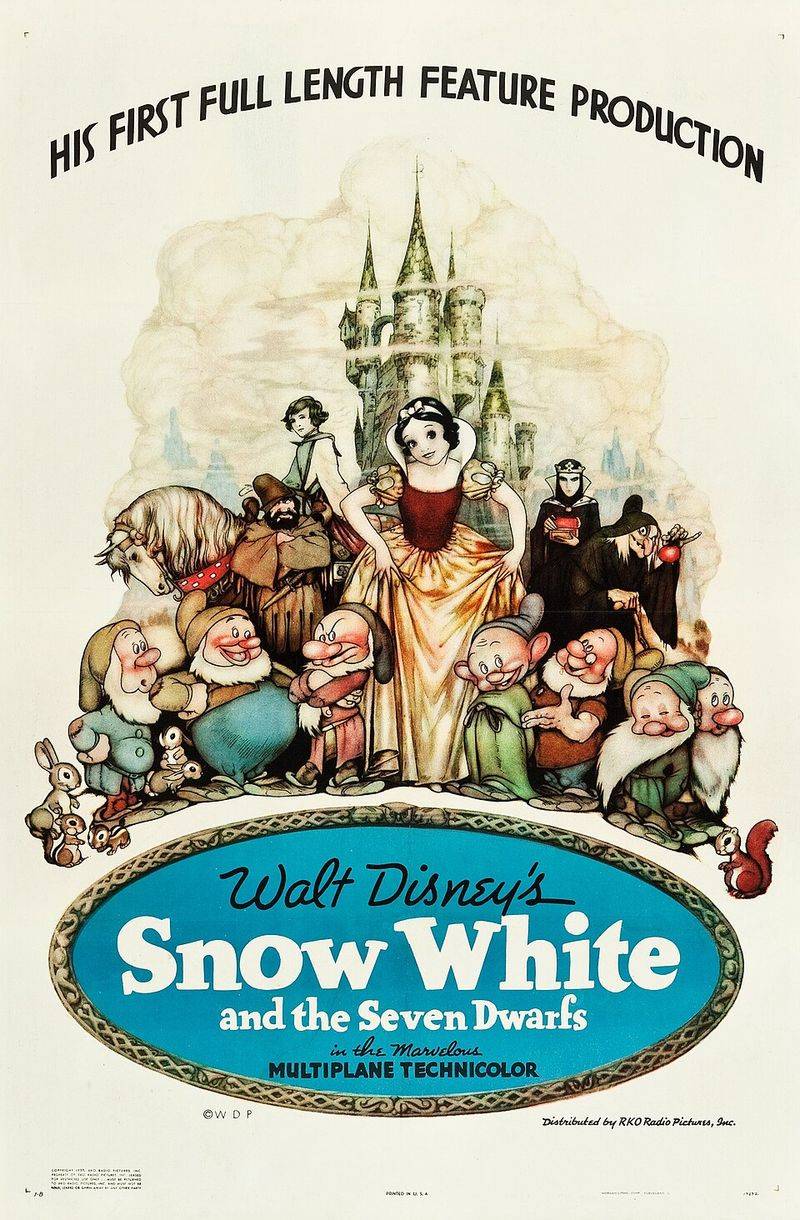
Long before the poisoned apple took center stage, a poisoned comb carried the danger. In the Brothers Grimm version of Little Snow-White, the Evil Queen makes three separate attempts on the young princess’s life.
One attempt involves a poisoned comb, a detail most modern adaptations leave out.
Later adaptations hold onto the apple while leaving the rest behind, a shift that changes the tone entirely.
2. Cinderella
Morning routines feel familiar until the story suddenly veers into something far more unsettling.
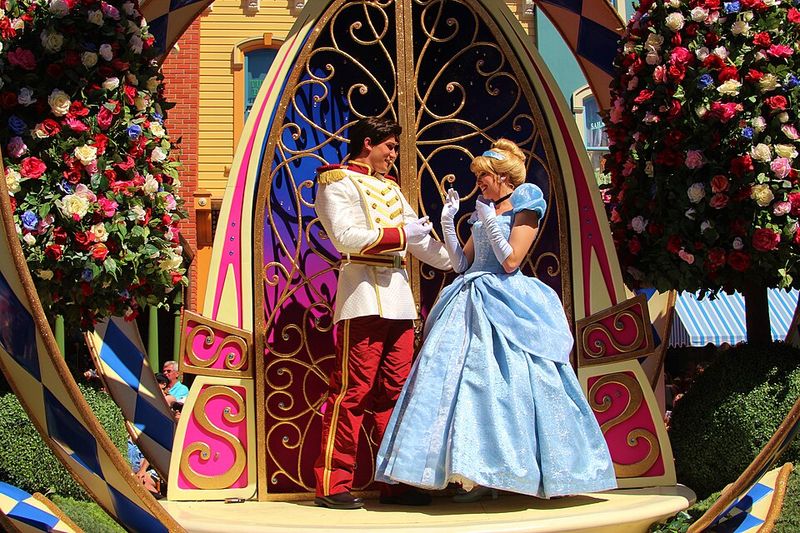
In the Grimm version of Cinderella, the narrative skips magical sparkle and leans into much harsher consequences. The stepsisters hurt parts of their feet to force them into the slipper.
At the wedding, consequences arrive when doves swoop in and take their sight, a stark contrast to softer adaptations.
Disney’s version replaces those elements with a pumpkin carriage and a lighter, more comforting tone.
3. The Little Mermaid
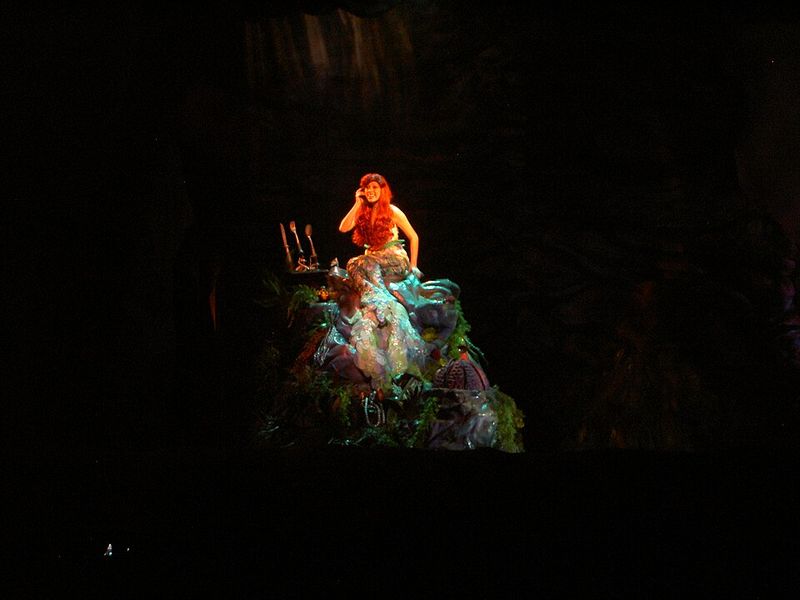
Hans Christian Andersen’s original mermaid story is beautiful, heartbreaking, and far darker than the version most people know. Once she gains legs, every step feels like walking on knives.
No prince becomes hers, no great love is returned, and at dawn she slips away into sea foam.
Longing, loss, and a slow disappearance into the ocean air define the ending instead of anything resembling a fairy-tale reward.
4. Sleeping Beauty
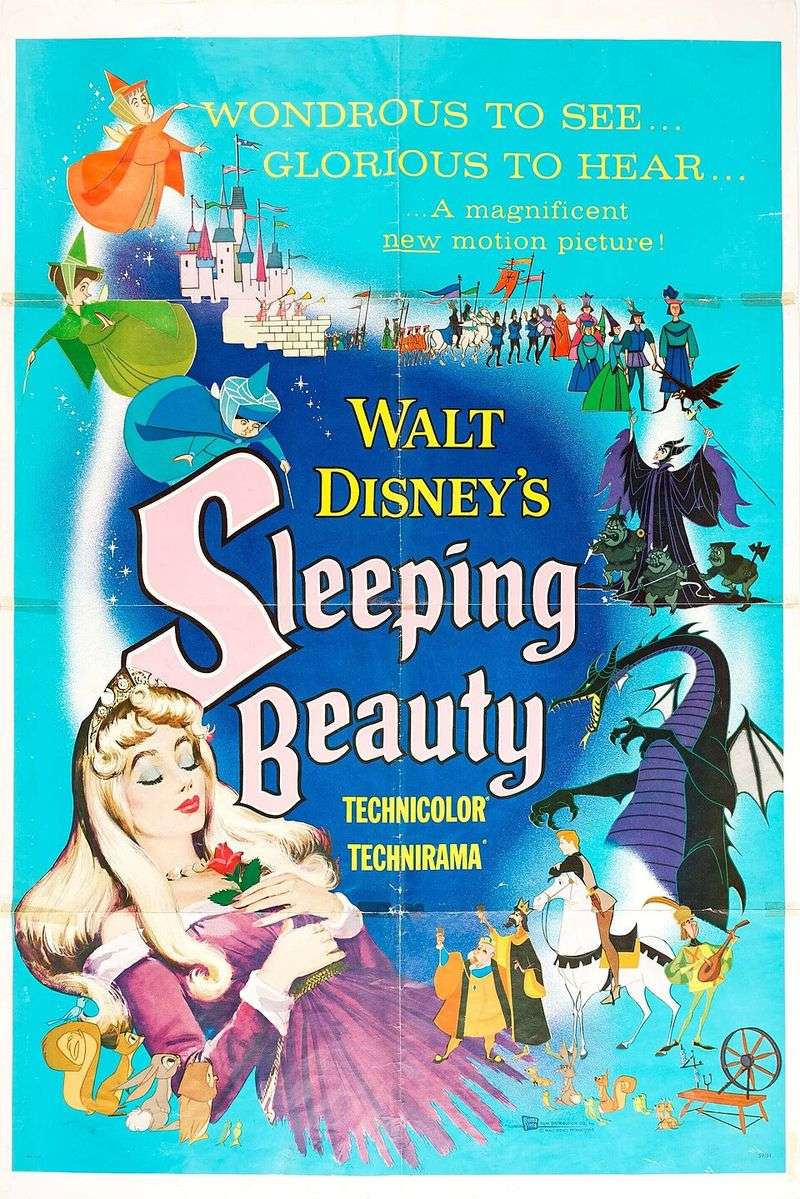
Centuries before Disney, Giambattista Basile told a far darker version in Sun, Moon, and Talia that reads closer to a horror story than a bedtime tale. After pricking her finger, Talia falls into a deep, unnatural sleep that leads to events far removed from anything gentle or romantic.
Older tale becomes much more disturbing, involving harm during her sleep, children born while she remains unaware, and a jealous queen focused on the children.
Spinning wheel and true love’s kiss remain in the familiar version, while everything else stays firmly in the past.
5. Tangled
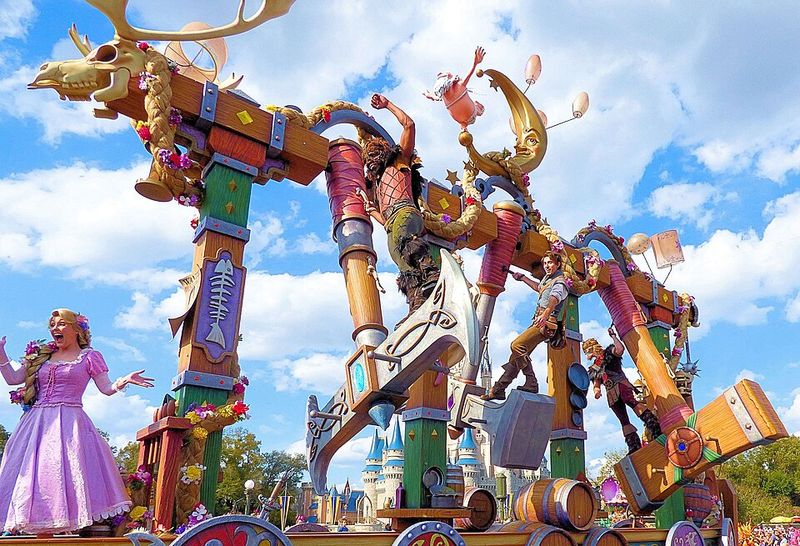
Things unravel quickly in Grimm’s Rapunzel once the prince enters the story. Catching them together, the witch banishes Rapunzel to a barren wilderness, where she is left alone and expecting children.
Driven by heartbreak, the prince leaps from the tower and falls into thorns that take his sight.
Years of wandering follow before he finally finds Rapunzel again. Hardship, separation, and survival define this version far more than romance ever could.
6. Pinocchio
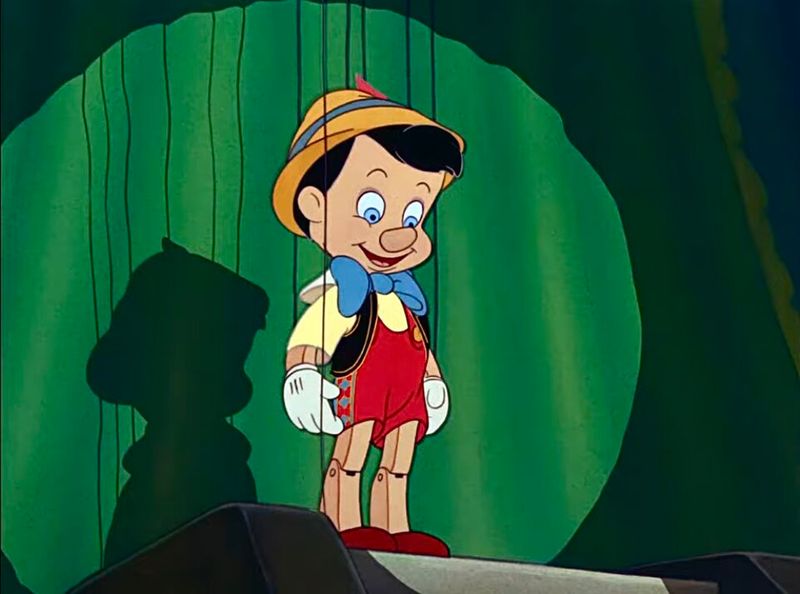
Far from the wide-eyed wooden boy out chasing adventure, Carlo Collodi’s original Pinocchio begins as reckless, ungrateful, and genuinely hard to root for.
Early on, the Fox and the Cat leave him hanging from a large oak tree in what was originally intended as the story’s ending. Serialized newspaper readers were meant to take it as a cautionary tale, not a gentle little fantasy.
Much later, the character softened into the lovable underdog most people recognize now, while that darker version stayed behind in the original pages.
7. The Hunchback Of Notre Dame
Zero redemption and maximum tragedy define the ending of The Hunchback of Notre-Dame, lingering like a gray, rain-soaked Tuesday. Tragic ending follows for Esmeralda, Frollo is sent from the cathedral during Quasimodo’s final confrontation with him, and Quasimodo later passes beside her remains.
He later passes away besides her, closing the story without relief or comfort.
Cathedral setting and the bell-ringing hero carry over into The Hunchback of Notre Dame, where songs by Alan Menken reshape the tone for a family audience.
8. Frozen

Andersen’s “The Snow Queen” is a slow-burn chiller that starts with a magical mirror shattering across the sky.
Splinters from that mirror lodge in Kai’s eye and heart, making him cold, cruel, and unable to feel love or warmth. The story follows young Gerda on a long, dangerous journey through enchanted gardens, robber camps, and frozen palaces to save him.
Frozen kept the snowy aesthetic and sisterly love, but wisely left the creepy mirror shards back in 1844.
9. The Princess And The Frog
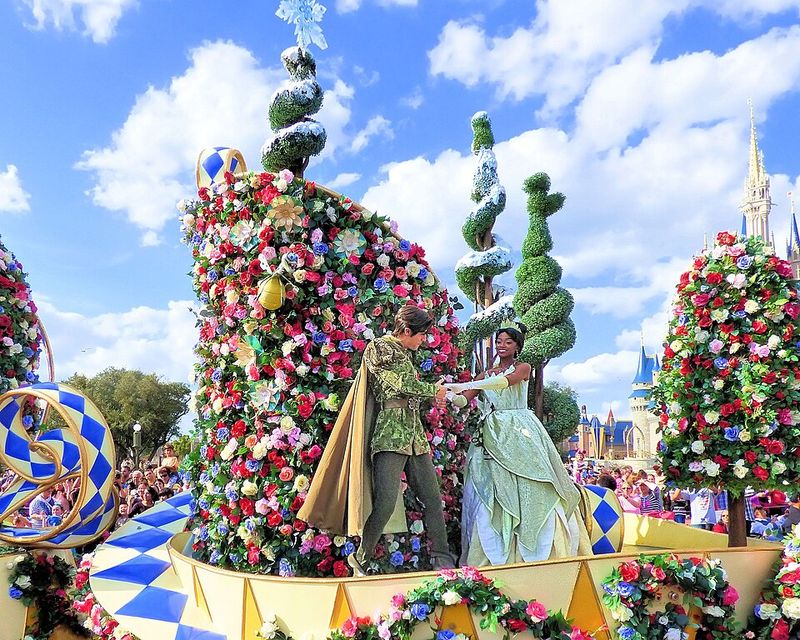
Gentle smooches had nothing to do with the original Grimm version, where the transformation arrives with a thud.
Fed up with her slimy dinner guest, the princess throws the frog against the bedroom wall, and that jolt breaks the spell.
Readers first met the story as a harsher cautionary tale, not the softened fairy-tale version most people know now. Later retellings traded blunt force for romance, while the Grimm version kept its rougher edge.
Note: This article is provided for general informational and entertainment purposes and is based on publicly available literary sources, reference works, and historical summaries available at the time of writing.