8 Disney Movies That Didn’t Hit The Magic
The Walt Disney Company has produced some of the most unforgettable movies in history, yet not every release reaches iconic status. For every Lion King or Frozen, several films quietly slipped through the cracks, leaving audiences puzzled or checking their watches.
Some stumbled at the box office, while others lacked the emotional spark that turns animation into magic. A few carried enormous budgets and grand ambitions but landed with a thud louder than Dumbo hitting the ground.
Creativity and effort were never in short supply, yet timing, marketing, and story execution sometimes fell short, preventing these films from achieving classic status. Box office numbers alone rarely tell the full story, as some underperformers later gain cult followings or inspire future filmmakers.
Exploring these titles reveals both bold experiments and missed opportunities, highlighting the risks behind even the most polished productions. In the end, they remind fans that every Disney film, successful or not, represents a world built with imagination.
1. The Black Cauldron (1985)

Long before Pixar changed the game, Disney took a bold swing into dark fantasy territory, and it did not go well. Released in 1985, this film became the studio’s first PG-rated animated feature, packed with scary villains and gloomy visuals that spooked young audiences right out of their seats.
A budget of $44 million could not save it from earning just $21 million at the box office. Executives were so disappointed, the movie was pulled from theaters almost immediately.
Fun fact: some scenes were actually cut for being too frightening, which says a lot about how intense it got.
2. Atlantis: The Lost Empire (2001)

Action-packed, visually stunning, and unlike anything Disney had attempted before, this film had all the ingredients for a blockbuster. Inspired partly by the visual style of comic book artist Mike Mignola, creator of Hellboy, it pushed animation into bold new territory.
So why did audiences shrug?
A $120 million budget produced only $186 million worldwide, modest by Disney standards and far below expectations. Some felt the story moved too fast, skipping the emotional depth fans expected.
However, over time, the film built a dedicated cult following that argues loudly, and convincingly, that it deserved far better treatment from both studios and audiences alike.
3. The Country Bears (2002)

Turning a theme park attraction into a full-length movie is always a gamble. Based on the beloved Walt Disney World attraction, this 2002 live-action comedy featured animatronic bears rocking out country-style, which admittedly sounds more fun than it turned out to be on screen.
Critics found the humor flat and the story painfully predictable, and audiences largely agreed. A $35 million budget produced only $17 million domestically, making it one of the weaker Disney live-action efforts of the early 2000s.
How it got greenlit before Pirates of the Caribbean remains one of Hollywood’s more puzzling mysteries, honestly.
4. The Lone Ranger (2013)
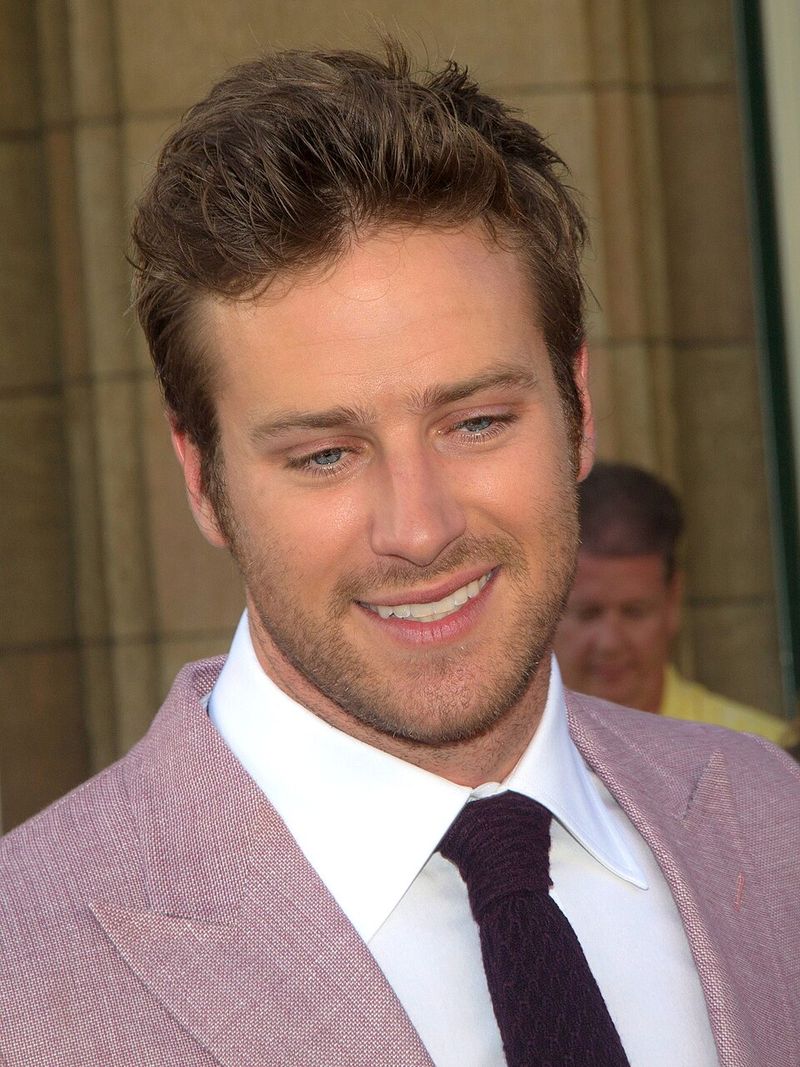
Armed with a massive $250 million budget and the same Pirates of the Caribbean team, including Johnny Depp and director Gore Verbinski, expectations were sky-high for this western adventure. Critics, however, sharpened their pens and delivered some genuinely brutal reviews upon release.
Globally, it earned around $260 million, which sounds decent until you factor in marketing costs pushing total expenses well past $375 million. The film also faced controversy over casting choices, adding extra noise around an already troubled production.
Armie Hammer worked hard in the lead role, but audiences never fully embraced the larger-than-life tone or its two-and-a-half-hour runtime.
5. John Carter (2012)
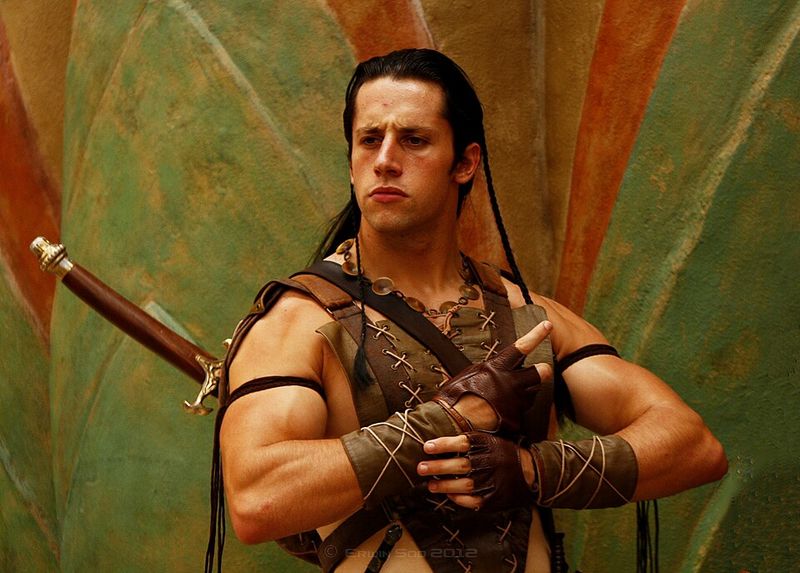
Few box office disasters have been discussed more dramatically than this one. Based on Edgar Rice Burroughs’ century-old science fiction novels, John Carter carried enormous ambition, stunning visuals, and a story that actually influenced Star Wars and Avatar.
Yet audiences stayed home in overwhelming numbers.
With a staggering $250 million budget, the film earned only $284 million worldwide, leading to a reported $200 million loss for The Walt Disney Company after marketing costs. The studio even took a $200 million write-down, one of the largest in Hollywood history at the time.
If nothing else, the marketing campaign deserves part of the blame, since trailers gave almost no indication of what the film was actually about.
6. A Wrinkle in Time (2018)

Ava DuVernay became the first Black woman to direct a live-action film exceeding a $100 million budget, and the ambition here was unmistakable. Adapting Madeleine L’Engle’s beloved 1962 novel, the film featured dazzling visuals and a diverse, talented cast including Oprah Winfrey, Mindy Kaling, and Reese Witherspoon.
However, critics felt the emotional core got lost beneath layers of special effects and rushed storytelling. A $103 million budget earned around $133 million globally, a disappointment by Disney’s standards.
Fans of the original book were particularly vocal about changes made to the story. Still, many young viewers connected deeply, proving audiences do not always agree with critics.
7. Dumbo (2019)

Tim Burton directing a Disney live-action remake sounds like a match made in quirky heaven. Known for Edward Scissorhands and Beetlejuice, Burton seemed perfectly suited to bring the flying elephant back to life with his signature gothic charm and visual inventiveness.
Reviewers praised the visuals but found the human characters flat, while the second half felt much weaker than the first. With a $170 million budget, the film earned $353 million worldwide, technically profitable but underwhelming compared to Beauty and the Beast and The Jungle Book remakes from the same era.
Audiences expected magic and got spectacle instead, which felt like ordering birthday cake and getting a plain cracker.
8. Wish (2023)
Celebrating 100 years of Disney storytelling, Wish carried enormous symbolic weight and a visual style deliberately designed to evoke the studio’s hand-drawn golden age. A love letter to every Disney film ever made, it arrived loaded with Easter eggs, nostalgic nods, and a catchy soundtrack produced by Grammy-winning Julia Michaels.
People, however, called the story predictable and the villain disappointingly thin. Audiences agreed more than Disney hoped, earning $256 million globally on a $200 million budget, a modest result for such a milestone release.
For a film meant to remind everyone why Disney magic matters, it ironically struggled to conjure enough of it. A bittersweet birthday candle indeed.