Why North Cascades Earned The Name ‘Dolomites of America’ And Still Feels Overlooked
Hidden among the peaks of northern Washington State, North Cascades National Park is one of America’s best-kept secrets.
Often called the “Dolomites of America,” this rugged wilderness features jagged peaks, glittering glaciers, and dramatic scenery that rivals anything you’d find in the Italian Alps.
Despite all this beauty, the park recorded 46,925 recreation visits in 2025, keeping it among the least-visited national parks in the country.
If you’ve never heard of it, you’re not alone, and that’s exactly what makes it so special.
The Origin Of The “Dolomites of America” Nickname
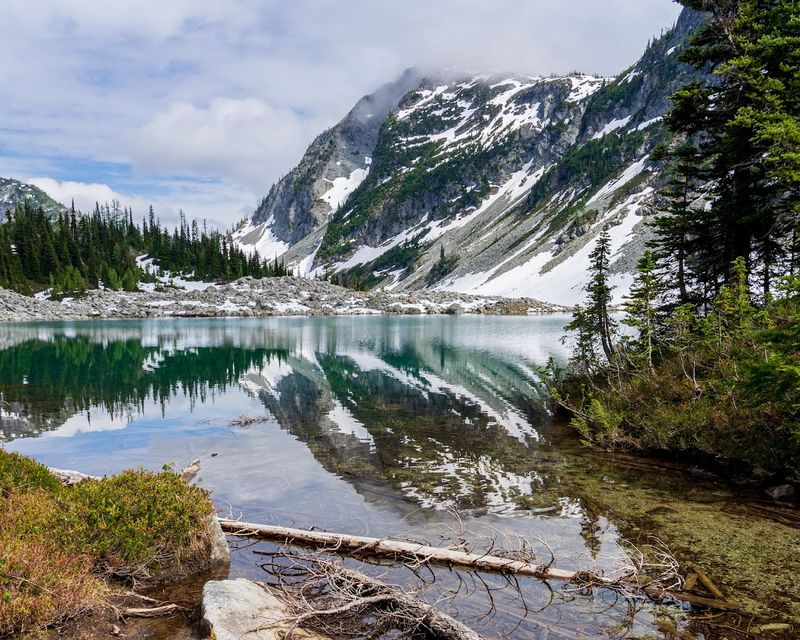
Long before Instagram hikers started tagging their photos, mountaineers and explorers were quietly comparing these peaks to the iconic Dolomites of northern Italy.
The nickname stuck because the resemblance is genuinely striking – sharp, jagged ridgelines, dramatic elevation changes, and glaciers clinging to cliffsides like they refuse to let go.
The North Cascades feature some of the most rugged terrain in the entire continental United States. With over 300 glaciers packed into one park, the visual drama here is hard to overstate.
A Wilderness Born From Ice And Fire
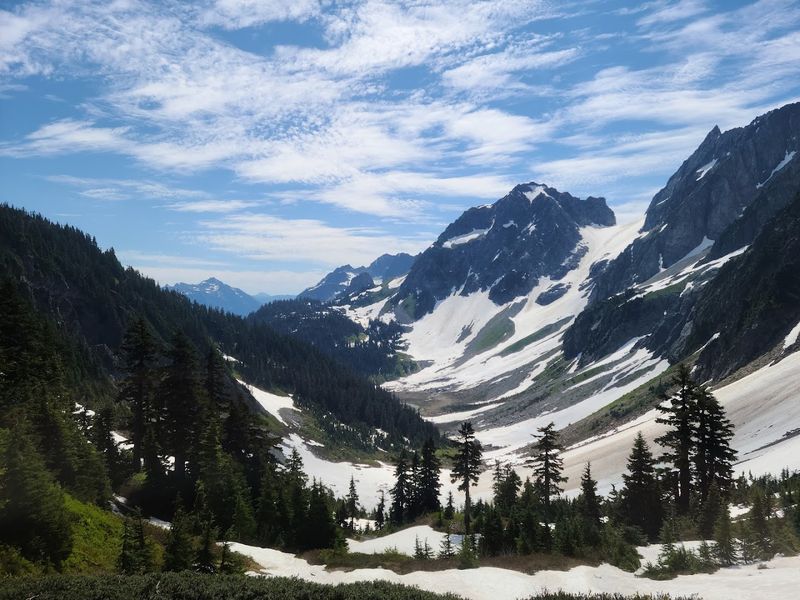
Millions of years of volcanic activity, glacial carving, and tectonic shifting created the spectacular landscape we see today.
The North Cascades are actually among the geologically youngest and most complex mountain ranges in North America, shaped by forces that are almost impossible to wrap your head around.
Glaciers once covered this entire region and scraped out the deep valleys you can hike through today.
That raw, unfinished look – all sharp edges and exposed rock – is exactly why it feels so wild and untamed compared to other parks.
Over 300 Glaciers In One Place
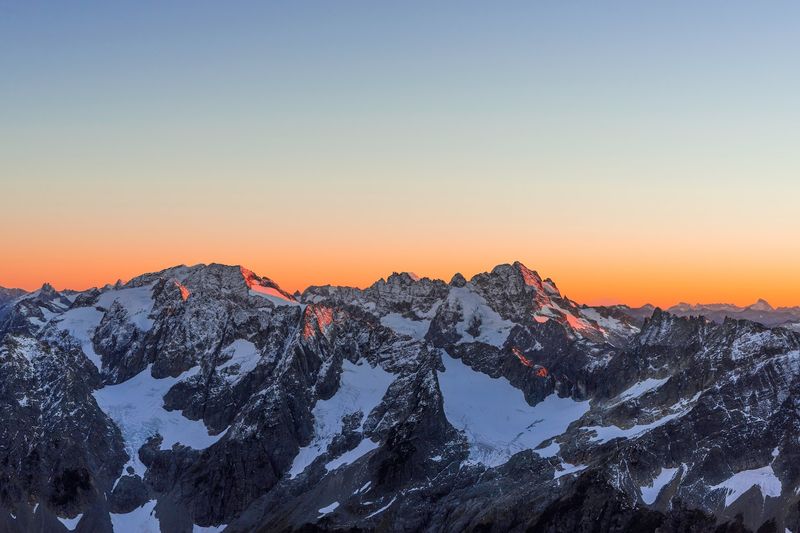
No other area in the contiguous United States packs in more glaciers than the North Cascades.
With over 300 glaciers spread across the park, this place holds a staggering amount of frozen history. Each glacier tells a story about climate, time, and the slow, grinding power of ice.
Sadly, climate change is shrinking these glaciers at an alarming rate. Scientists actively study them here, which adds a bittersweet urgency to visiting.
Seeing these ancient ice fields in person is a reminder of just how precious and fragile our wild places truly are.
The Hidden Ecosystem Beneath The Peaks
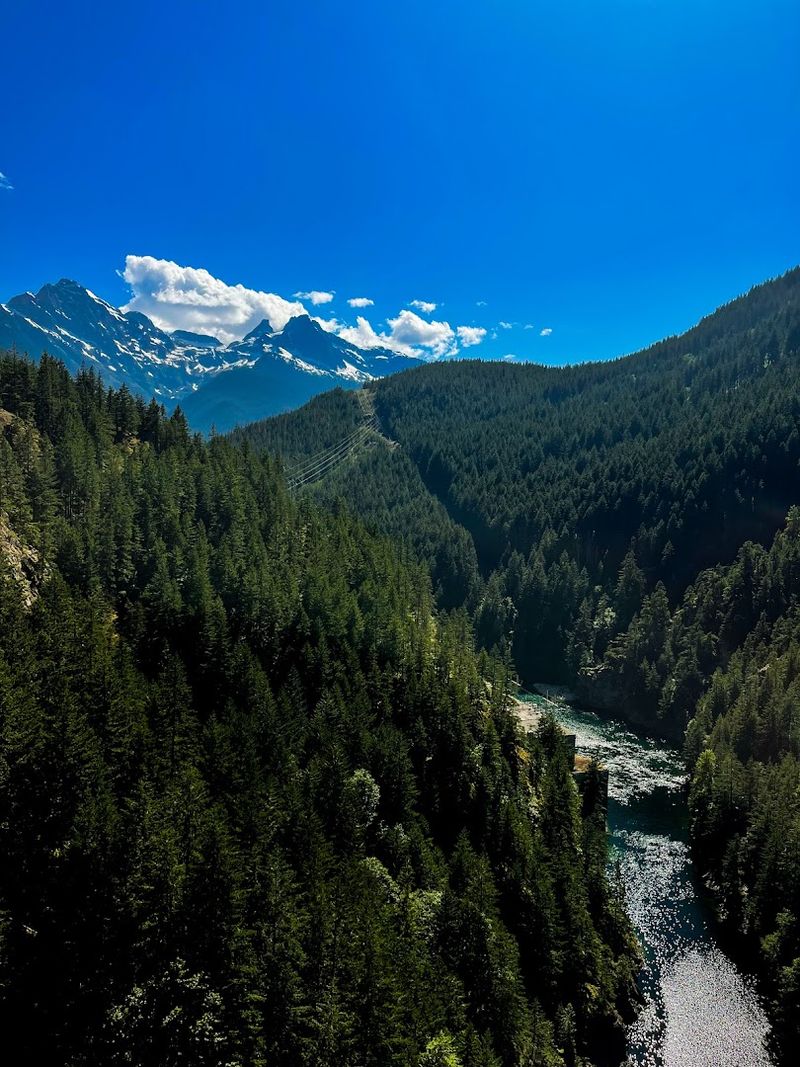
Beneath those dramatic peaks lies a world most visitors never see coming.
The North Cascades support an astonishing range of ecosystems, from dense temperate rainforests dripping with moss to dry pine forests and high alpine tundra – all within the same park boundary.
Over 1,630 species of vascular plants grow here, supporting wolves, grizzly bears, mountain lions, bald eagles, and black bears. That biodiversity rivals regions twice the size.
Walking through the lower valleys feels like stepping into a different world – quieter, greener, and almost impossibly lush compared to the rocky heights above.
Why So Few People Actually Visit
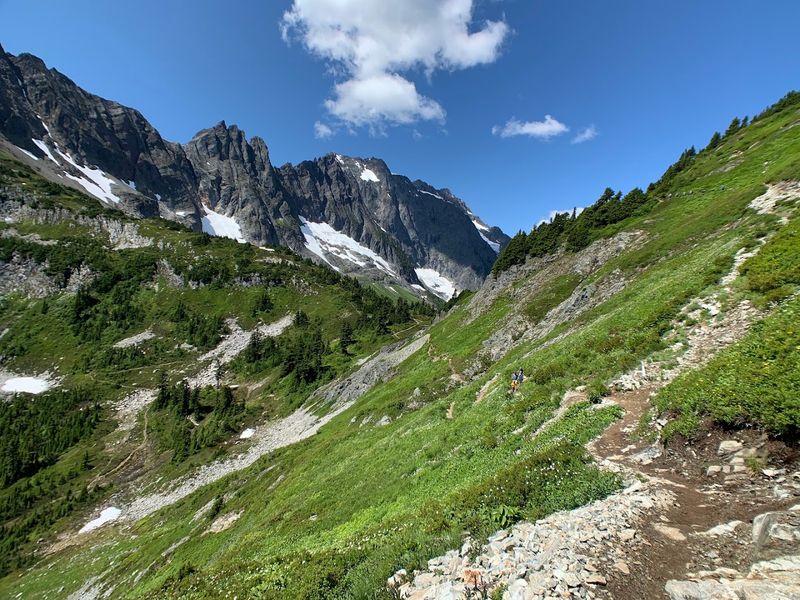
Only about 40,000 people visited the North Cascades in 2023 – that’s fewer visitors than some city parks see on a busy weekend.
The main reason? Getting there requires effort.
There are no major highways cutting through the heart of the park, and visitor facilities are minimal compared to places like Yellowstone or Yosemite.
The rugged terrain also means many trails are genuinely challenging. But here’s the flip side: that difficulty is exactly what keeps the crowds away.
For those willing to make the trip, the reward is a wilderness experience that feels genuinely untouched and deeply personal.
Cascade Pass And The Trail That Changes Everything
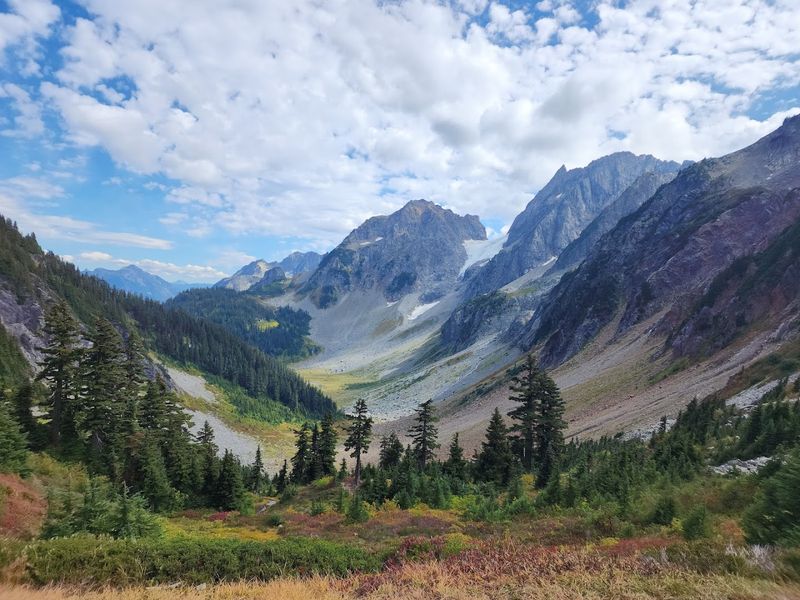
Ask any seasoned hiker about Cascade Pass and watch their eyes light up.
This trail is considered one of the finest hikes in the Pacific Northwest, offering panoramic views of glaciated peaks and a sense of altitude that makes your chest expand with something close to awe.
The trailhead is accessible by car, which makes it one of the more approachable entry points into the park’s dramatic interior.
From the pass, adventurous hikers can continue to Sahale Arm for views that genuinely compete with anything the Alps have to offer.
The Enchanting Ross Lake And Diablo Lake
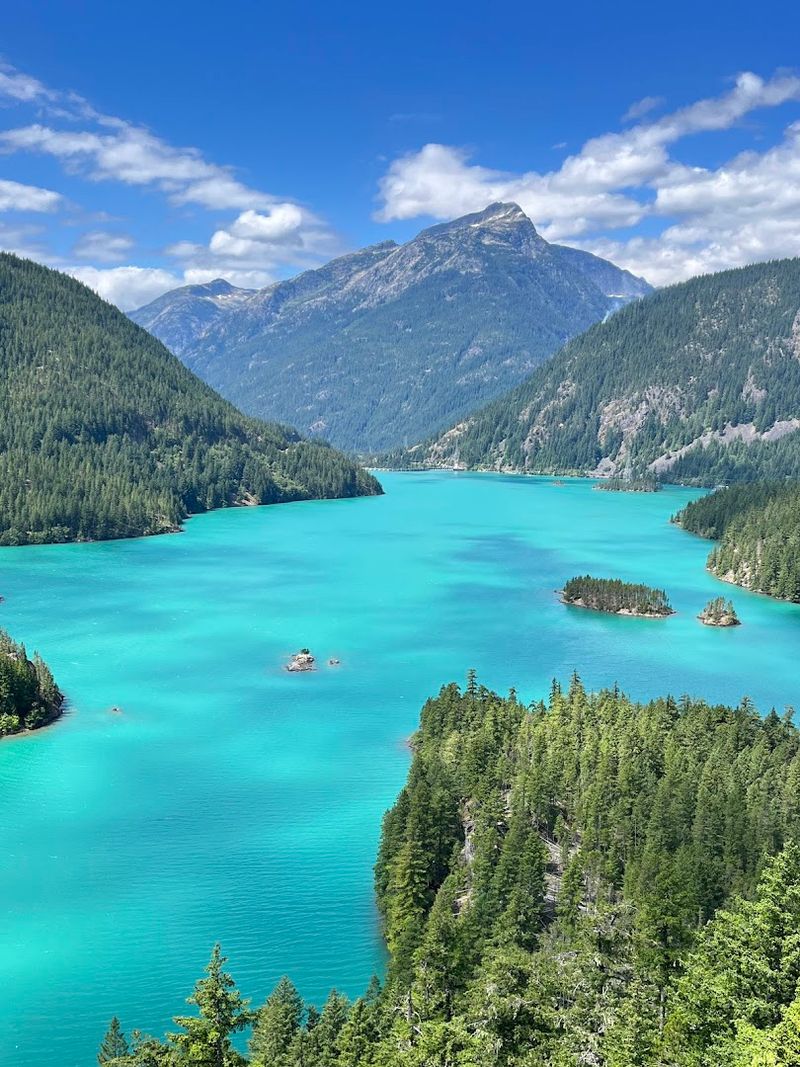
Diablo Lake might just be the most impossibly blue water you’ve ever seen outside of a screensaver.
That electric turquoise color isn’t a filter – it comes from glacial flour, fine particles ground down by glaciers and suspended in the water. The color shifts with the light, ranging from deep teal to vibrant aquamarine.
Ross Lake stretches for miles into the backcountry and offers kayaking and camping.
Both lakes sit along the North Cascades Scenic Highway, making them accessible even for visitors who prefer their nature from a car window.
Why This Park Deserves A Spot On Every Bucket List
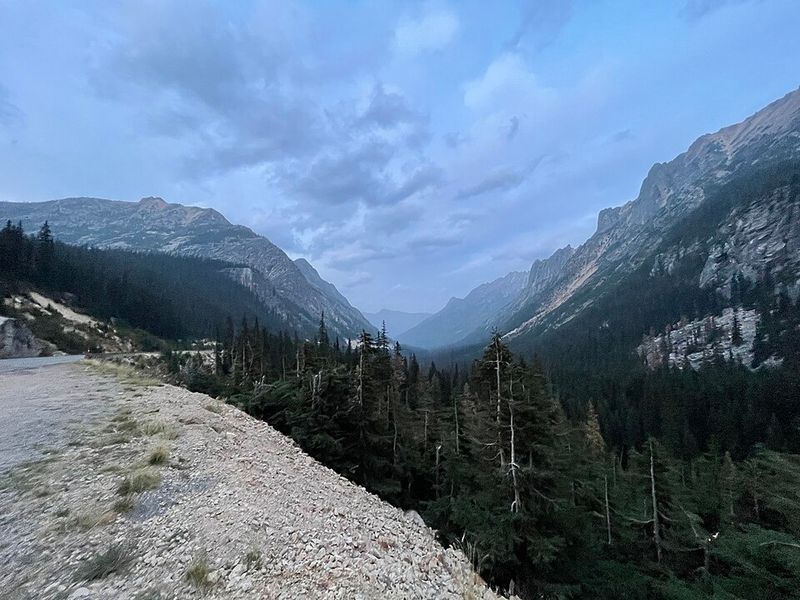
There’s something quietly rebellious about loving a place most people have never heard of.
The North Cascades rewards curiosity and a willingness to step off the beaten path in ways that more famous parks simply can’t anymore. No long lines or crowds blocking the view.
What you get instead is raw, unfiltered wilderness that feels like it belongs to you alone. Whether you’re chasing glaciers, wildlife, wildflowers, or just silence, this park delivers all of it without the fanfare.
The Dolomites of America is waiting – and it’s not going to wait forever.