17 Earliest Celebrities The World Ever Knew
Before Instagram influencers and TikTok stars, history gave us legends who achieved fame without a single selfie.
From ancient rulers to brilliant artists, these icons captured the world’s attention through sheer talent, power, or charisma.
Their stories shaped civilizations and continue to fascinate us centuries later.
Ready to see the OG celebrities who made history before cameras even existed?
1. Cleopatra VII

Ruling Egypt like a boss, this queen knew how to command attention without posting a single tweet.
Her intelligence matched her beauty, and she spoke nine languages fluently.
Political alliances with Julius Caesar and Mark Antony turned her into ancient Rome’s most talked-about figure.
Even after her death in 30 BC, stories about her legendary charm spread across continents.
2. Alexander the Great
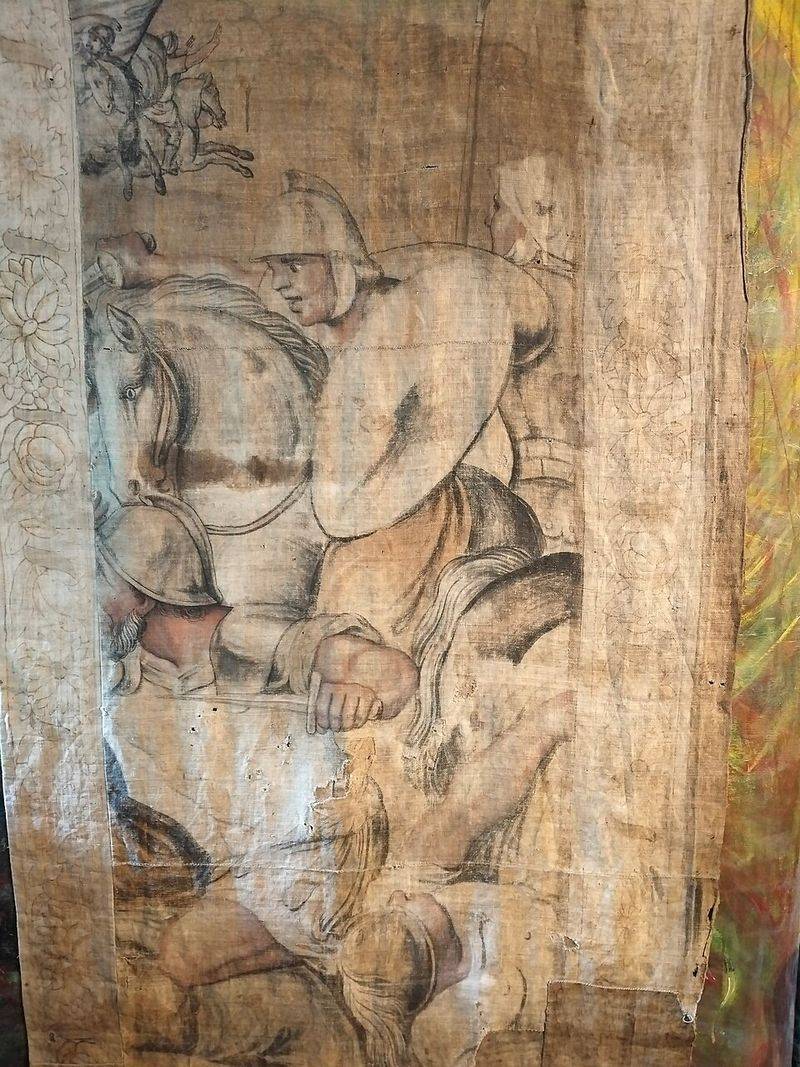
Conquering most of the known world before turning thirty sounds like superhero material, right?
This Macedonian king built an empire stretching from Greece to India between 336 and 323 BC.
His military genius became legendary, inspiring generals for millennia.
Cities named Alexandria popped up everywhere he went, like ancient franchise locations.
His fame spread faster than any viral video ever could!
3. Julius Caesar
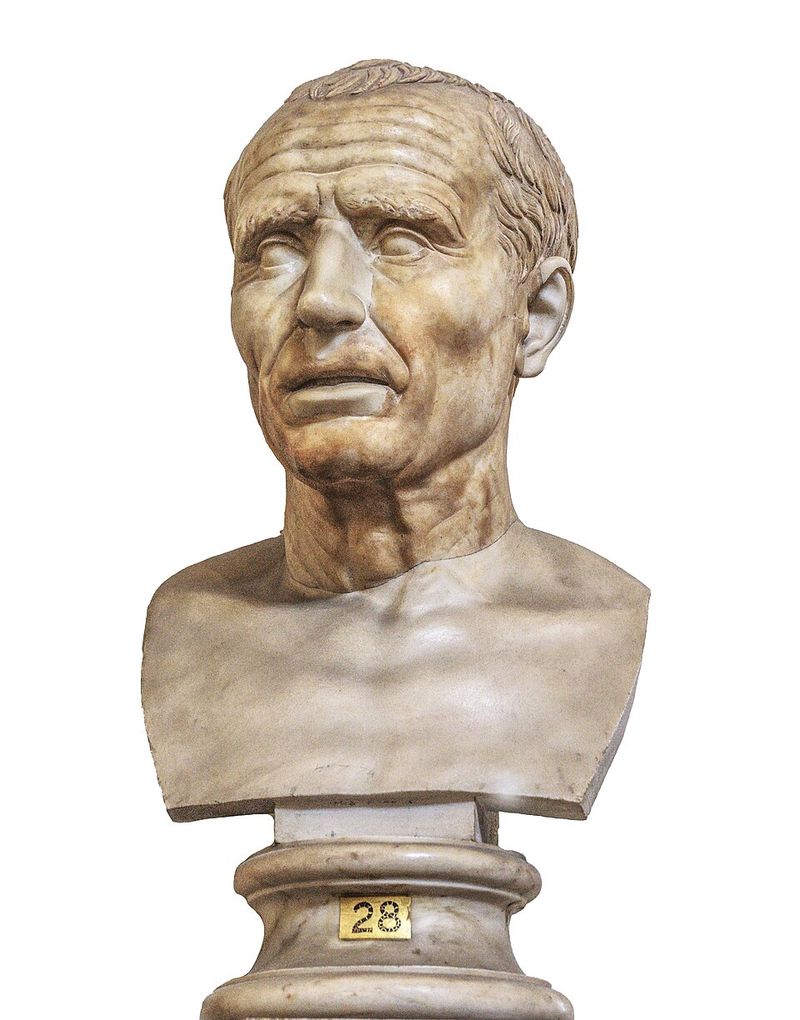
If ancient Rome had tabloids, this general would have dominated every headline.
Caesar transformed Rome from republic to empire through brilliant military campaigns and political maneuvering.
His relationship with Cleopatra became gossip gold across two continents.
Even his assassination in 44 BC turned into history’s most famous betrayal scene.
4. Socrates
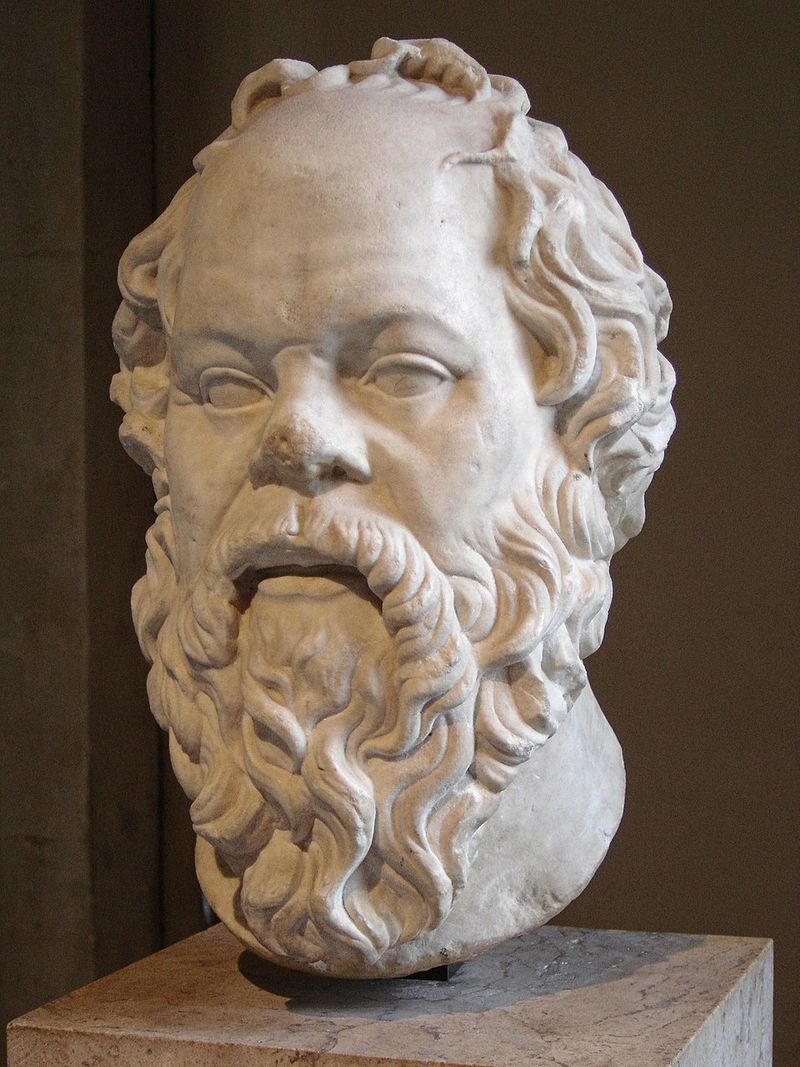
Walking around Athens asking uncomfortable questions made this philosopher the talk of the town.
His teaching method, now called the Socratic method, challenged people to think critically about everything.
Students followed him everywhere, hanging on his every word like ancient groupies.
Though he wrote nothing himself, his ideas survived through his student Plato.
5. Buddha (Siddhartha Gautama)
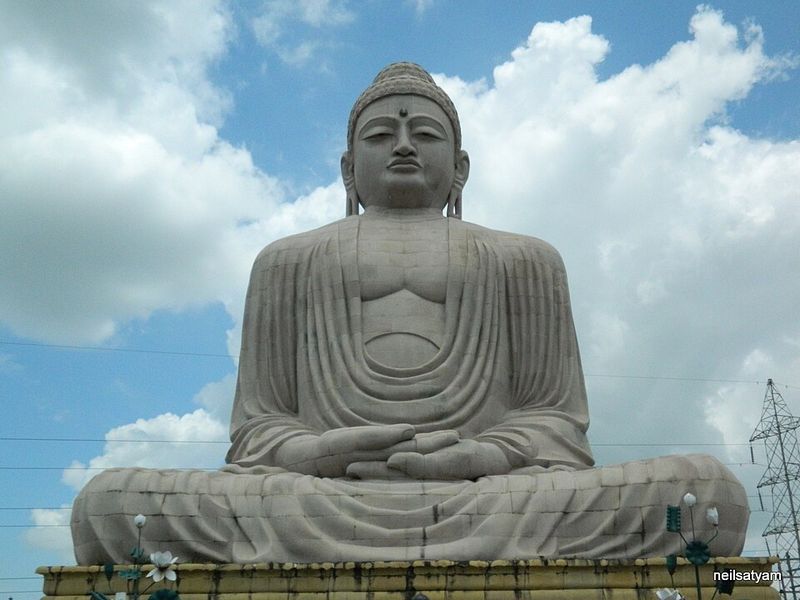
Leaving palace luxury to find spiritual enlightenment sounds pretty bold, doesn’t it?
Born a prince around 563 BC, Siddhartha gave up everything to understand human suffering.
After achieving enlightenment under a bodhi tree, his teachings spread like wildfire across Asia.
Millions still follow Buddhism today, making his influence truly timeless.
Now that’s what you call making an impact!
6. Confucius
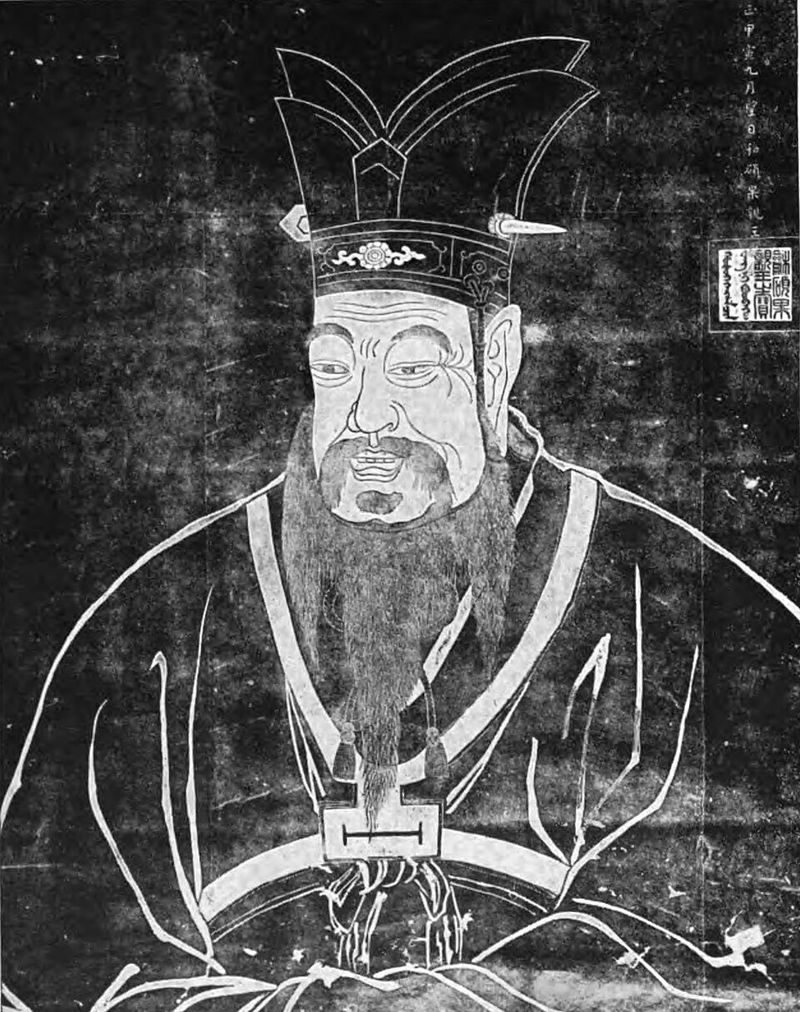
Imagine your moral philosophy shaping an entire civilization for over two thousand years.
This Chinese thinker, born in 551 BC, taught ethics, family values, and proper conduct.
His sayings became so popular that they influenced Chinese culture, government, and education forever.
Rulers sought his wisdom like people today chase celebrity advice.
7. Homer
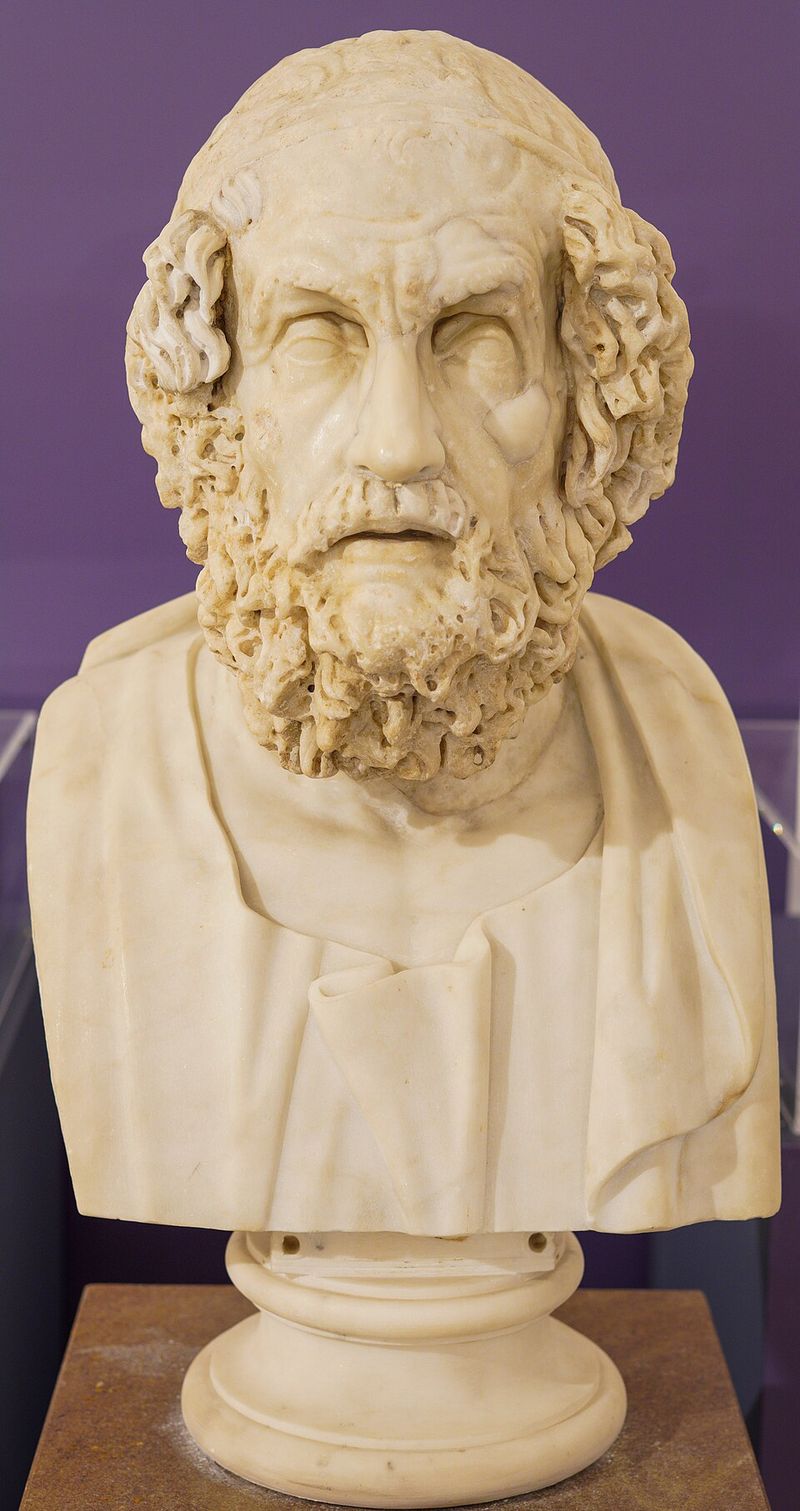
Creating two of history’s greatest epic poems without writing them down takes serious talent.
The Iliad and The Odyssey captivated ancient Greek audiences around 800 BC.
His stories about heroes, gods, and adventures became ancient bestsellers passed through generations orally.
8. Queen Nefertiti
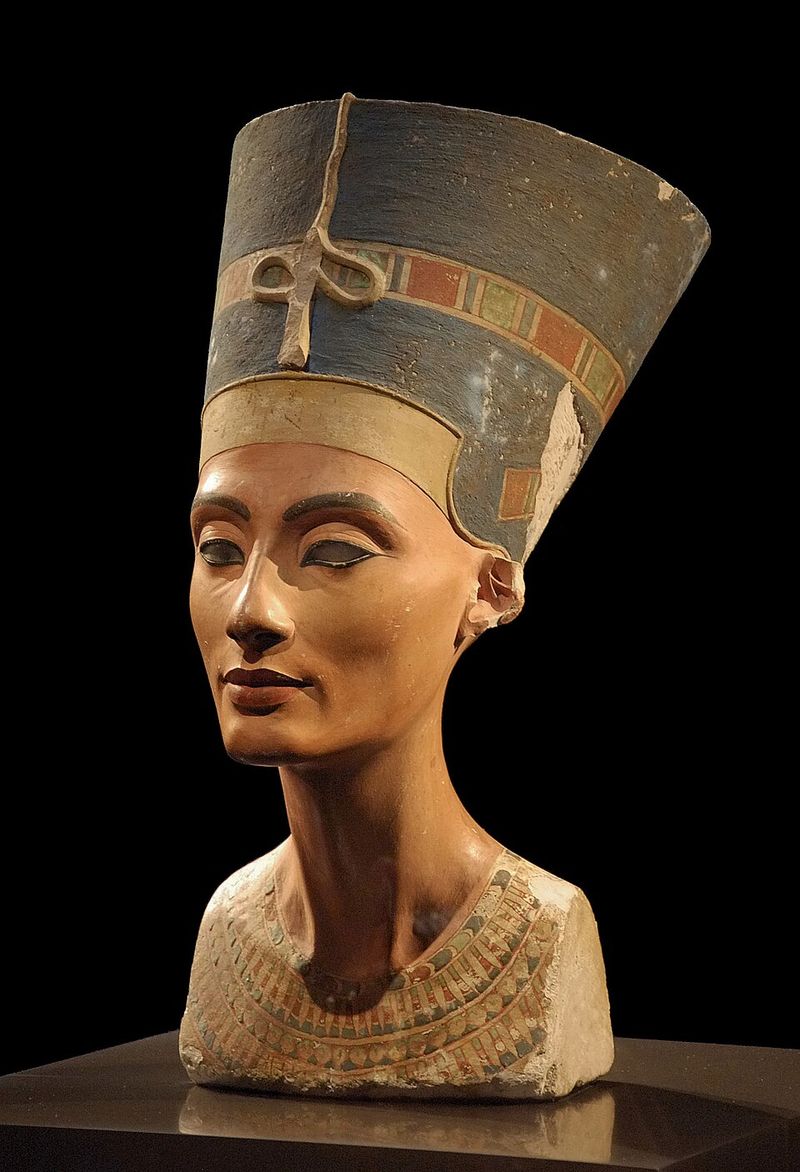
Her iconic bust became one of history’s most recognizable faces, discovered thousands of years later.
Ruling alongside Pharaoh Akhenaten around 1370 BC, she wielded unusual power for her time.
Some historians believe she ruled Egypt alone after her husband’s death.
Her beauty and political influence made her legendary throughout ancient Egypt.
Beauty and brains together create unstoppable combinations, clearly!
9. King Tutankhamun
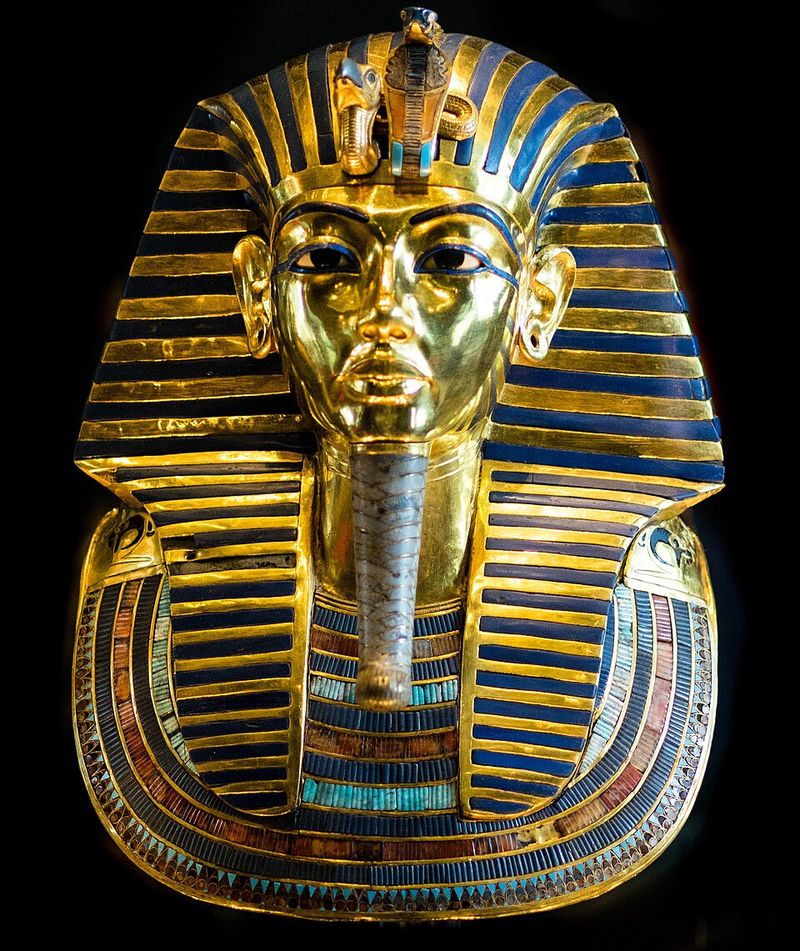
Dying young at eighteen made him history’s most famous pharaoh, ironically.
Ruling Egypt from 1332 to 1323 BC, he accomplished less than other pharaohs politically.
However, his intact tomb discovered in 1922 contained treasures that sparked worldwide Egyptomania.
His golden death mask became instantly recognizable across every continent.
10. Aristotle

Tutoring Alexander the Great sounds impressive enough, but this philosopher did way more.
His writings covered everything from physics to poetry, biology to politics.
Living from 384 to 322 BC, he basically invented systematic scientific thinking.
Medieval scholars studied his works like today’s students binge-watch educational YouTube channels.
His ideas dominated Western thought for nearly two millennia straight!
11. Spartacus
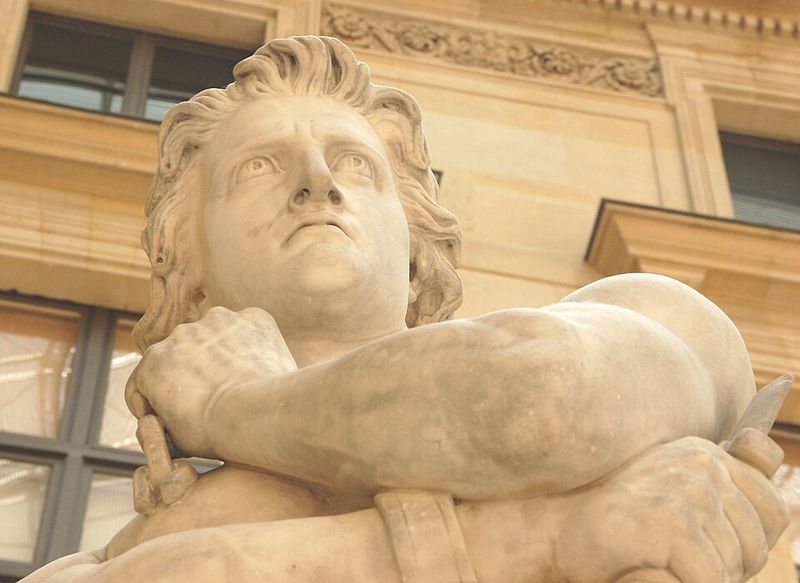
Leading the most famous slave rebellion against Rome took incredible courage and tactical genius.
This Thracian gladiator escaped his fighting school in 73 BC with just seventy companions.
His rebel army grew to seventy thousand, terrifying Rome for two years.
Though defeated, his fight for freedom inspired countless stories, movies, and TV shows.
Standing up against injustice never goes out of fashion!
12. Nero
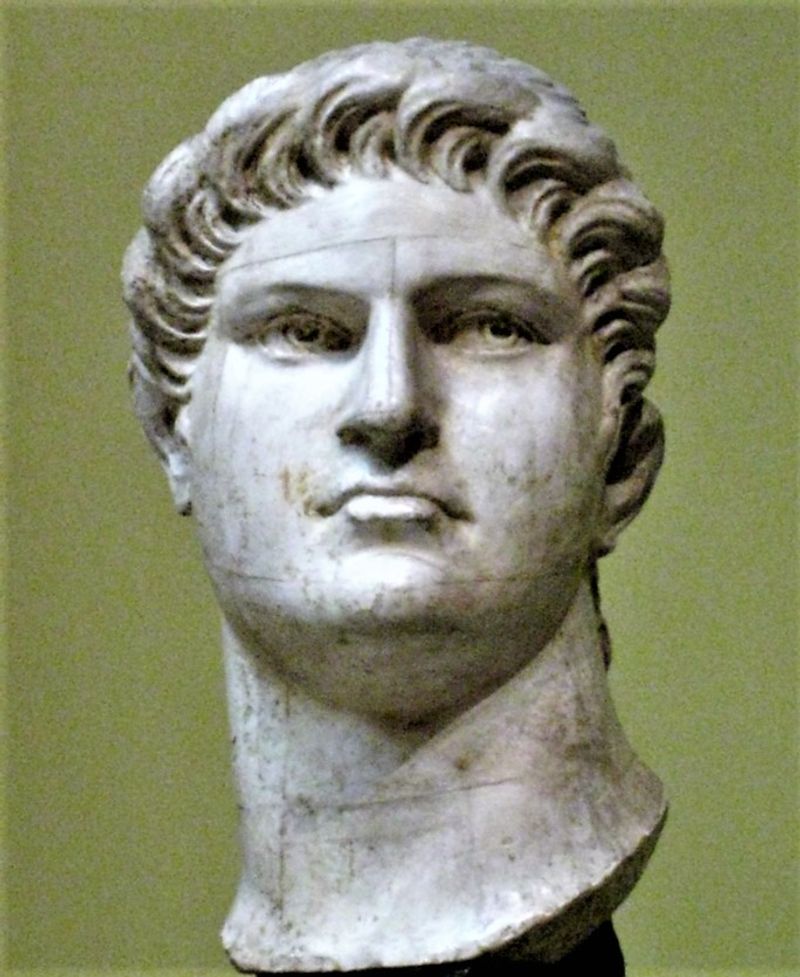
Fiddling while Rome burned might be myth, but this emperor’s wild reputation was totally real.
Ruling from 54 to 68 AD, Nero became infamous for excess, cruelty, and theatrical performances.
He blamed Christians for Rome’s great fire, starting brutal persecutions.
His extravagant lifestyle and paranoid murders made him ancient Rome’s most controversial celebrity.
Bad press definitely counts as fame, right?
13. Hannibal Barca
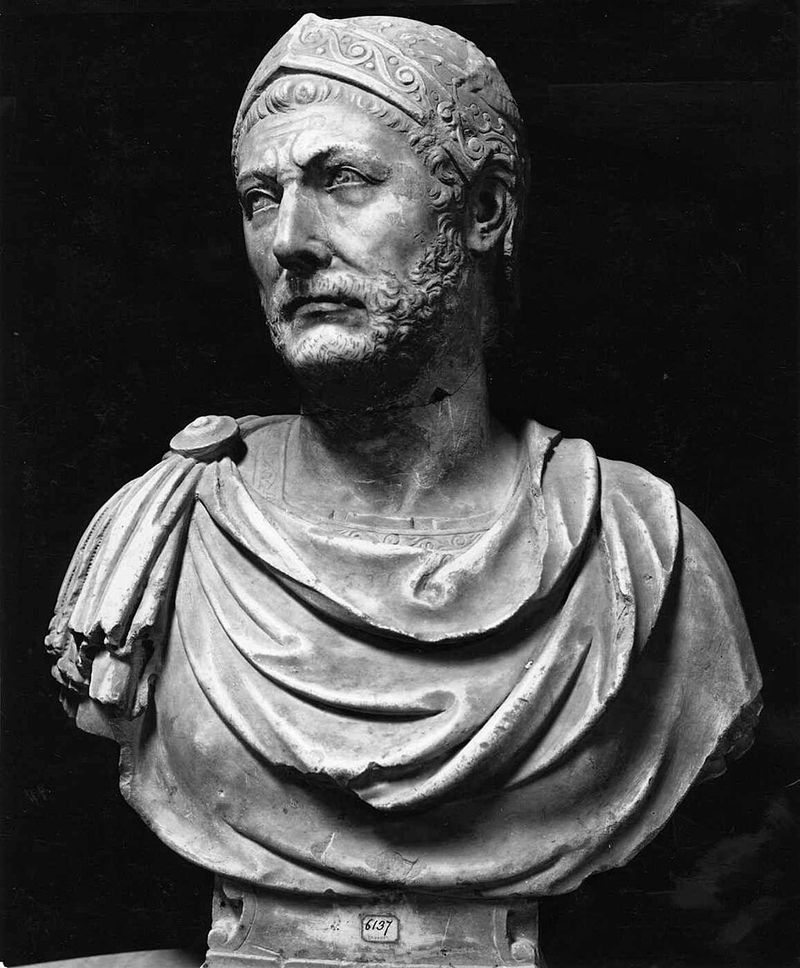
Crossing the Alps with war elephants to attack Rome sounds like something from a fantasy movie.
This Carthaginian general terrorized Rome from 218 to 201 BC with brilliant military tactics.
His unexpected elephant march through mountains shocked the ancient world.
Though ultimately defeated, military strategists still study his campaigns today.
14. Hypatia of Alexandria
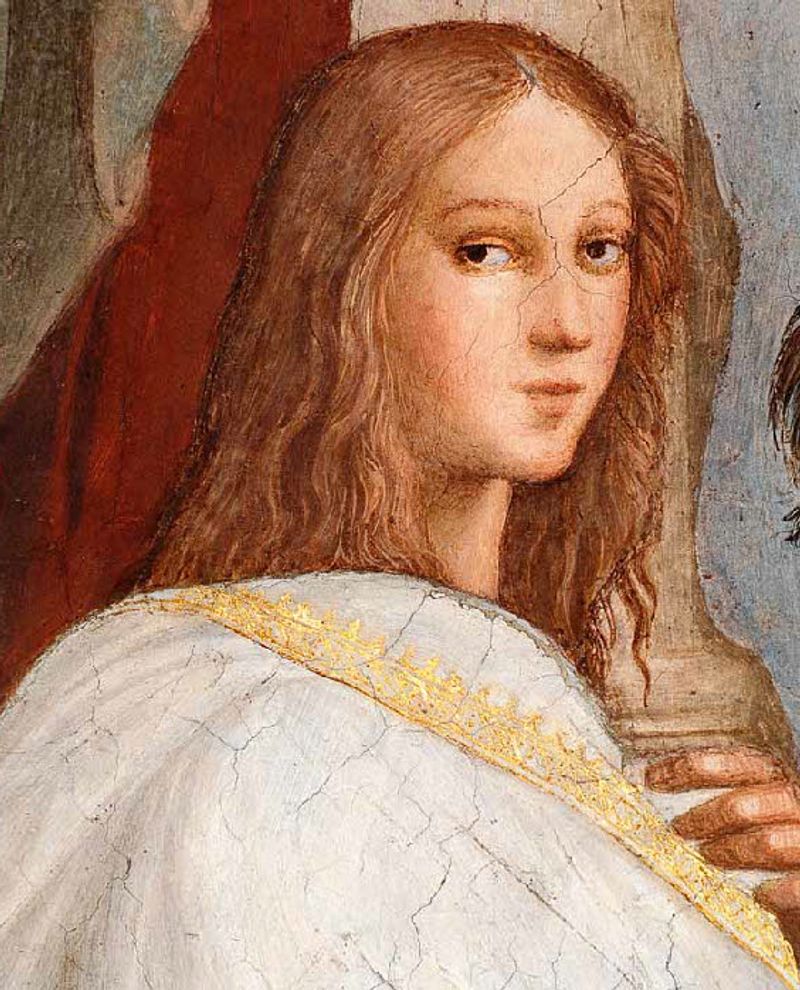
Being a female mathematician and philosopher in ancient times took extraordinary brilliance and courage.
Teaching in Alexandria around 400 AD, Hypatia attracted students from across the Mediterranean.
Her expertise in mathematics, astronomy, and philosophy made her incredibly famous.
Tragically murdered for her beliefs, she became a symbol of learning and free thought.
Genius women have always existed, breaking barriers everywhere!
15. Genghis Khan

Building the largest land empire in history definitely puts you on everyone’s radar.
Born Temujin around 1162, he united Mongolian tribes and conquered vast territories across Asia and Europe.
His military strategies revolutionized warfare, and his empire connected East and West like never before.
His descendants ruled kingdoms for centuries after his death in 1227.
16. Joan of Arc
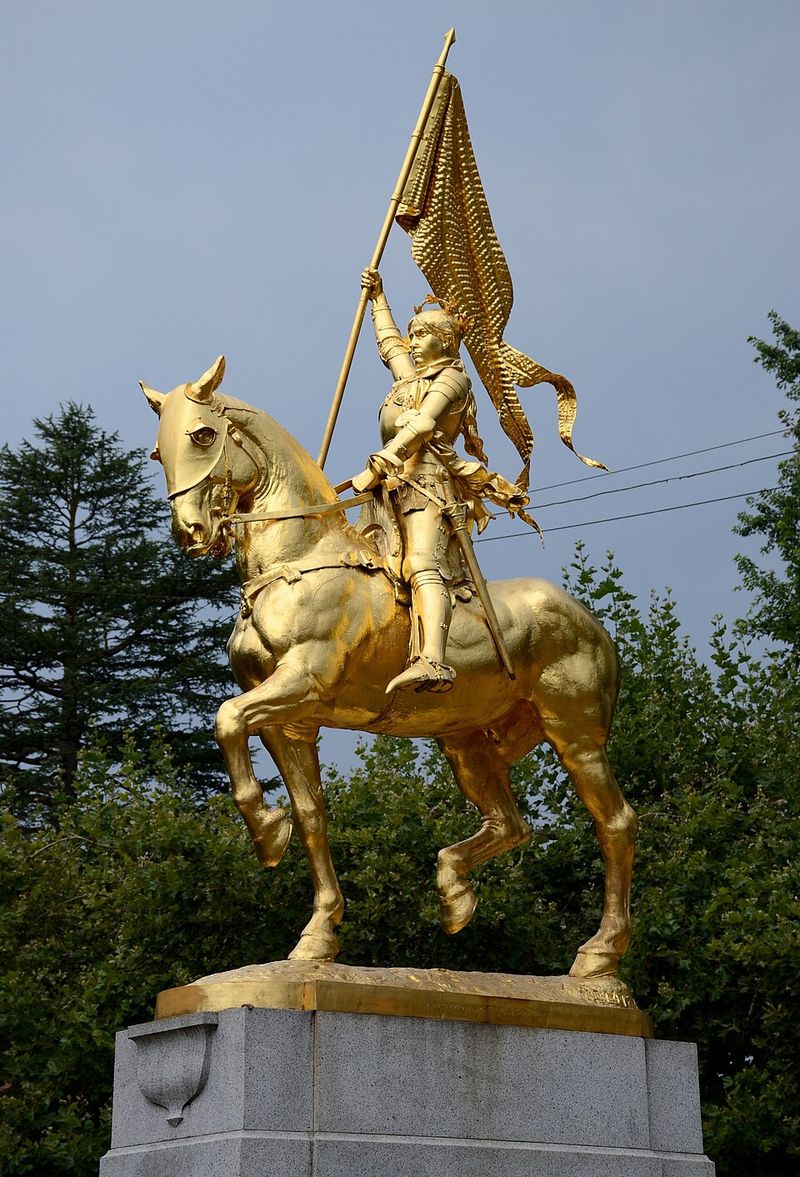
Leading French armies to victory as a teenage peasant girl sounds absolutely impossible, yet she did it.
Claiming divine visions guided her, Joan rallied France during the Hundred Years War in 1429.
Her courage inspired soldiers and terrified enemies despite her young age.
Burned at the stake at nineteen, she became France’s eternal heroine and Catholic saint.
17. William Shakespeare
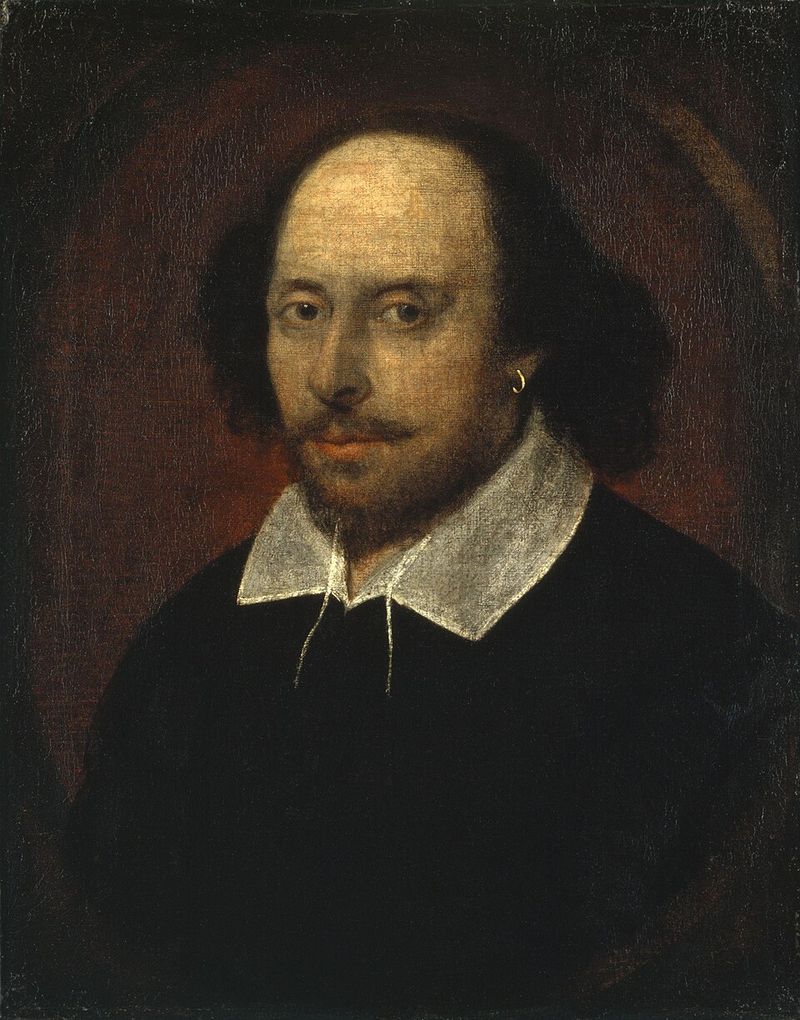
Creating phrases like break the ice and wild goose chase makes someone immortal through language itself.
This English playwright wrote thirty-seven plays and one hundred fifty-four sonnets between 1564 and 1616.
His works explored human nature so perfectly that they remain relevant four centuries later.
Theaters worldwide still perform his plays constantly, from Broadway to tiny towns.