16 Easter Foods Around The World That Bring Traditions To Life
Every spring, kitchens come alive with warmth, color, and a sense of celebration that feels almost cinematic. Ovens glow, recipes resurface, and aromas drift through homes like a gentle invitation to gather, share, and savor.
Easter sits at the heart of this seasonal ritual, where food becomes more than nourishment and turns into a language of connection. Each region brings its own signature flavors, shaped by history, tradition, and a touch of local pride, creating a table that tells stories without saying a word.
Braided breads carry meaning in every twist. Spiced soups echo community roots and shared memories.
Sweet treats sparkle with color, offering a playful nod to renewal and joy. Every bite reflects a piece of heritage, a moment passed down, a celebration shared across generations.
Food transforms into a bridge between past and present, linking families and cultures through something simple yet powerful. A global journey through Easter flavors promises surprises at every stop, from comforting classics to bold seasonal delights.
Pack curiosity, bring an appetite, and follow the trail of delicious traditions waiting to be discovered. Let each dish guide the way, and see how many stories can fit on a single plate.
1. Kozunak (Bulgaria)
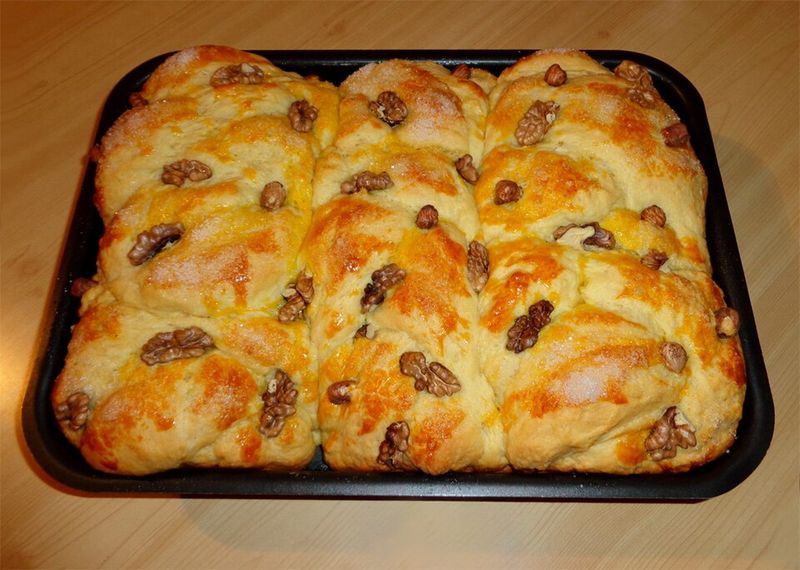
Bulgaria’s Kozunak is the kind of bread that makes you want to hug the person who baked it. Rich dough gets loaded up with rum-soaked raisins, lemon zest, and chopped nuts before being twisted into its signature braid shape.
Once baked, a shiny egg wash glaze gives it that gorgeous golden glow. Bulgarian families prepare Kozunak specifically for Easter, and the process is almost a ritual in itself.
Grandmothers pass down exact techniques, insisting the dough must be kneaded with love. Honestly, after one bite, you’ll believe every word of it.
2. Paçoca de Amendoim (Brazil)
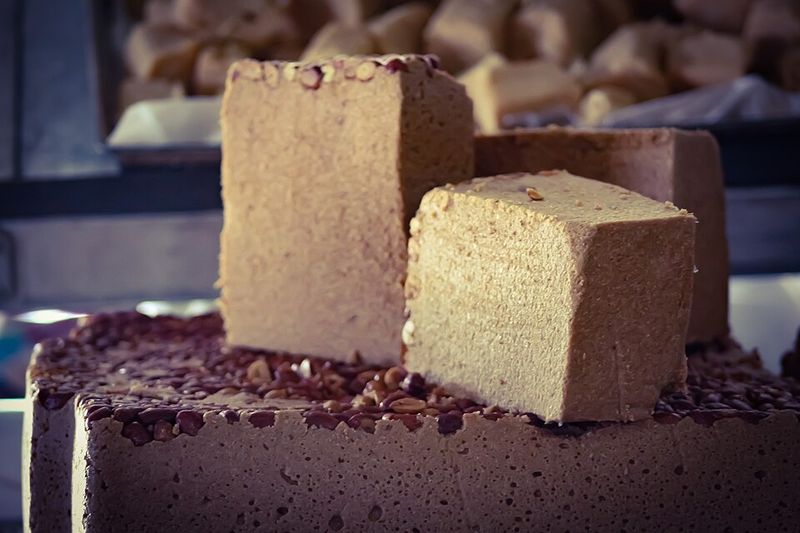
Crumbly, nutty, and impossible to eat just one piece of, Paçoca de Amendoim is Brazil’s answer to Easter candy. Roasted peanuts get ground up and blended with sugar and toasted manioc flour until the mixture forms a dry, sandy, incredibly satisfying confection.
No baking required, just pressing into molds and letting it set. In certain Brazilian regions, Easter without Paçoca feels like a birthday without a cake.
The flavor is deeply nutty, lightly sweet, and almost caramel-like. If peanut butter had a cousin who loved adventure and sunny beaches, Paçoca would absolutely be it.
Pure snacking joy.
3. Empanadas de Chiverre (Costa Rica)
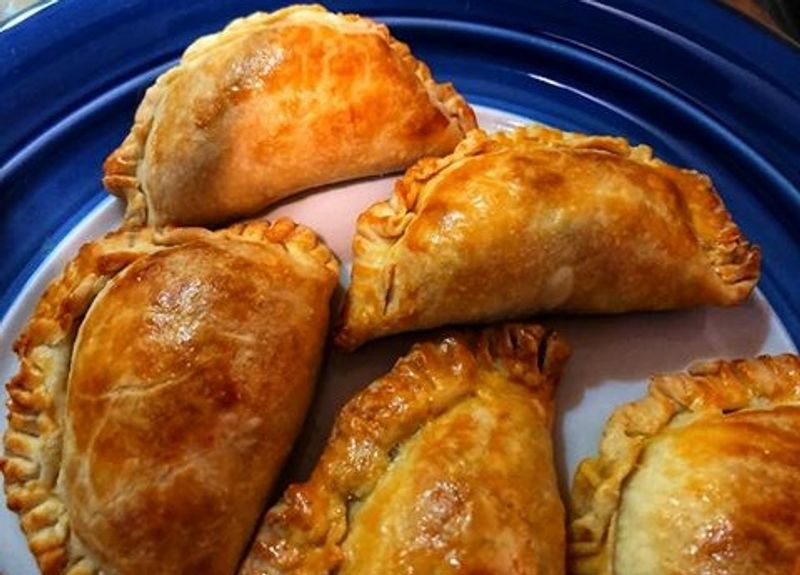
Costa Rica takes Easter pastry to a whole new level. Empanadas de Chiverre are half-moon shaped pastries stuffed full of sweetened chiverre, a fibrous squash that looks a bit like spaghetti squash on the inside but tastes completely unique once cooked down into a jam-like filling.
Cinnamon-spiced dough wraps around the sweet filling, creating a combination that is warm, cozy, and almost dessert-like. Chiverre squash is only harvested once a year, making it a genuinely seasonal treat.
Families cook the filling in large batches, filling the kitchen with a spicy-sweet aroma that basically screams Easter in Costa Rica.
4. Fanesca (Ecuador)
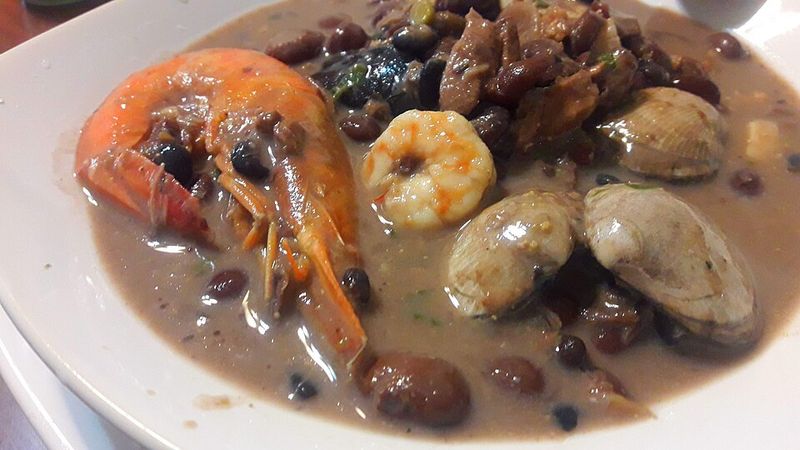
Few soups on Earth carry as much meaning as Fanesca. Ecuador’s most iconic Easter dish is a thick, hearty soup built around bacalao (salt cod) and a staggering variety of grains and vegetables, including fava beans, lentils, corn, and squash.
Peanuts and cream cheese give it a rich, velvety depth.
Cumin, oregano, garlic, and annatto powder layer in warmth and color. Traditionally, Fanesca contains twelve different grains, each said to represent one of Jesus’s twelve apostles.
Preparing it takes an entire day and usually the whole family pitching in. It is less a recipe and more a community event served in a bowl.
5. Mämmi (Finland)
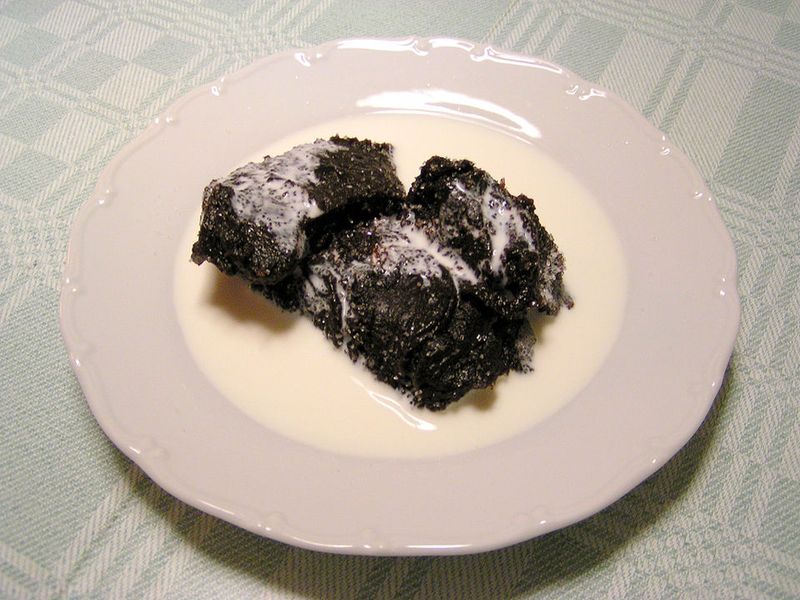
Dark, dense, and genuinely unlike anything else on a holiday table, Mämmi is Finland’s most polarizing Easter tradition. Made slowly from rye flour and rye malt, simmered for hours until thick and deeply earthy, Mämmi looks a bit like chocolate pudding but tastes entirely its own thing.
Served cold and topped generously with cream or milk, it rewards patient taste buds. Historically, Mämmi was baked in birch bark boxes, giving it a woodsy, rustic charm.
Finns have strong opinions about it, either lifelong devotion or polite avoidance. Whichever side of the fence you land on, Mämmi is undeniably one of Easter’s most unforgettable foods.
6. Gigot d’Agneau Pascal (France)
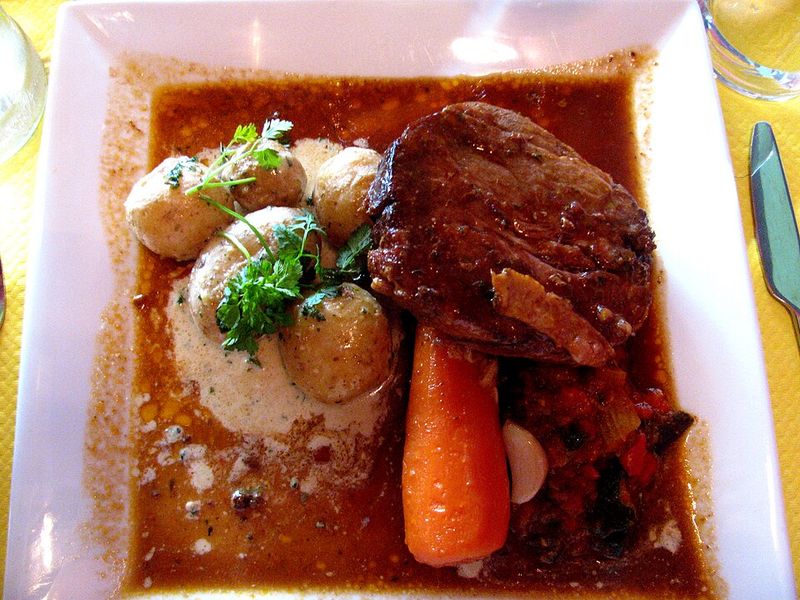
Roasted lamb is France’s Easter centerpiece, and Gigot d’Agneau Pascal does it with effortless Parisian confidence. A bone-in leg of lamb gets studded with whole garlic cloves, seasoned generously, and roasted until the inside stays a beautiful, juicy pink.
Roasted potatoes and crisp green beans usually join it on the platter.
Lamb has symbolized Easter in Christian tradition for centuries, and France honors that connection with serious culinary skill. The smell alone, garlic and rosemary filling a warm kitchen, is practically a celebration by itself.
Sunday lunch in France on Easter is not a meal; it is a full-on event worth savoring slowly.
7. Bunter Osterkuchen (Germany)
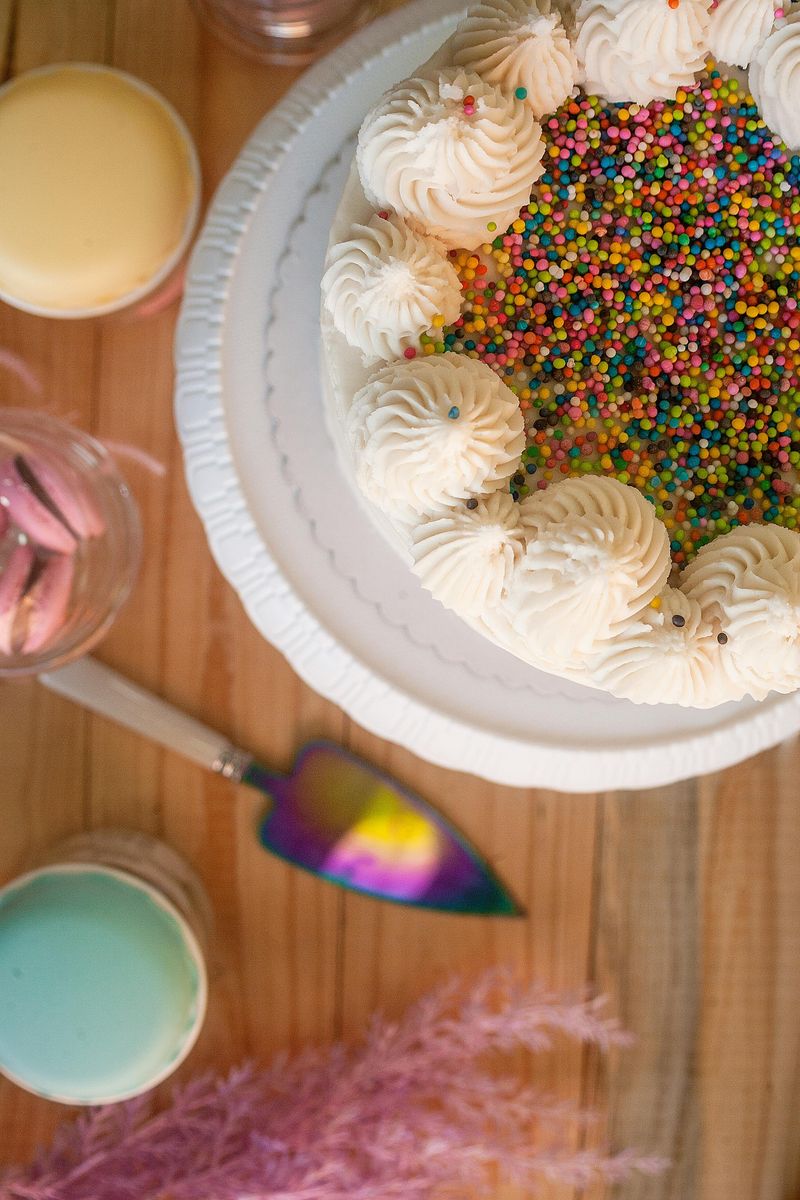
Carrots in a cake might sound like a math problem gone wrong, but Germany’s Bunter Osterkuchen is proof that vegetables and dessert can be the best of friends. Grated carrots and apple get mixed into a batter bound by ground almonds, creating a moist, naturally sweet base that needs almost no help tasting amazing.
Colorful marzipan eggs and sugar flowers decorate the top, making it look like spring exploded onto a cake stand. “Bunter” literally means colorful, and the name delivers every single time. It is festive, cheerful, and surprisingly light for something so beautifully decorated.
Germany’s Easter cake is basically edible joy on a plate.
8. Tsoureki (Greece)
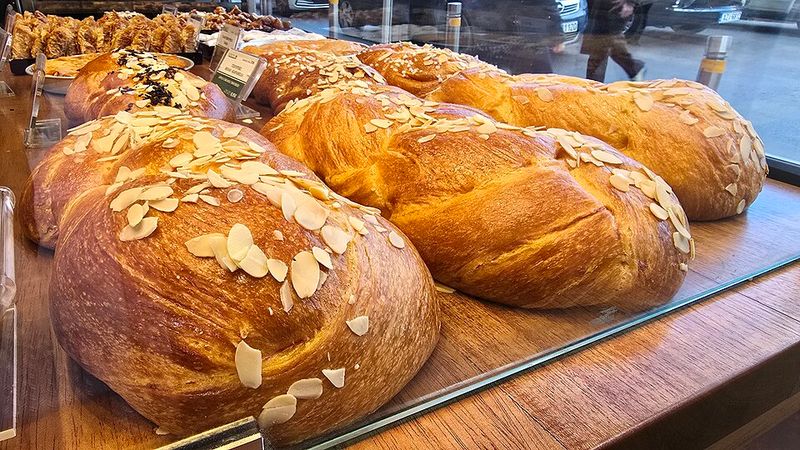
If Greek Easter had a mascot, Tsoureki would win the crown without any competition. Brioche-like in texture, fluffy, and lightly sweet, Tsoureki is flavored with mahlepi, a spice ground from the seeds of a Persian cherry tree that gives it a warm, slightly floral, completely addictive aroma.
A bright red hard-boiled egg sits tucked into the braid, symbolizing the blood of Christ and new life. Families traditionally crack eggs against each other’s, and whoever ends up holding the uncracked egg wins good luck for the year.
Tsoureki is not just bread; it is a game, a symbol, and an absolute pleasure all rolled into one beautiful loaf.
9. Colomba di Pasqua (Italy)
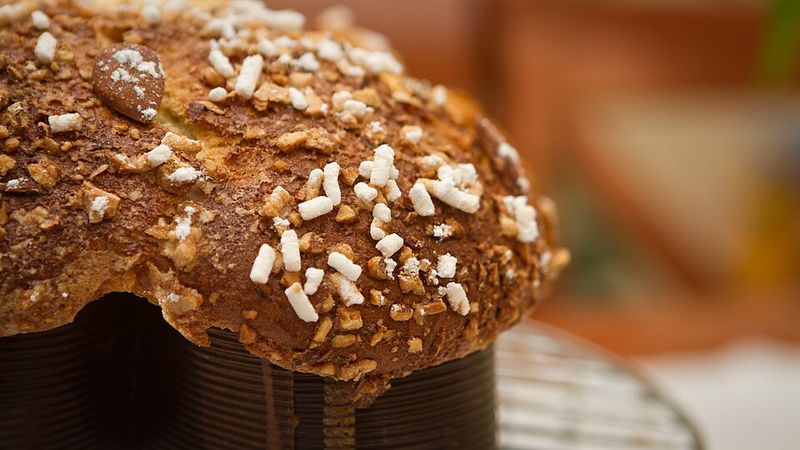
Shaped like a dove and dusted with almonds and sparkling sugar crystals, Colomba di Pasqua is Italy’s Easter answer to its beloved Christmas panettone. The name literally means “Easter dove,” and the bird shape is intentional, representing peace and the Holy Spirit in Italian Catholic tradition.
Inside, the soft yeast dough is pillowy, slightly citrusy, and rich enough to feel genuinely celebratory. Italian bakeries begin stacking Colomba boxes weeks before Easter, and the sight of those dove-shaped boxes is unmistakably springtime in Italy.
Sharing a slice is a small act of peace, which feels exactly right for a holiday built around hope and renewal.
10. Maamoul (Lebanon)
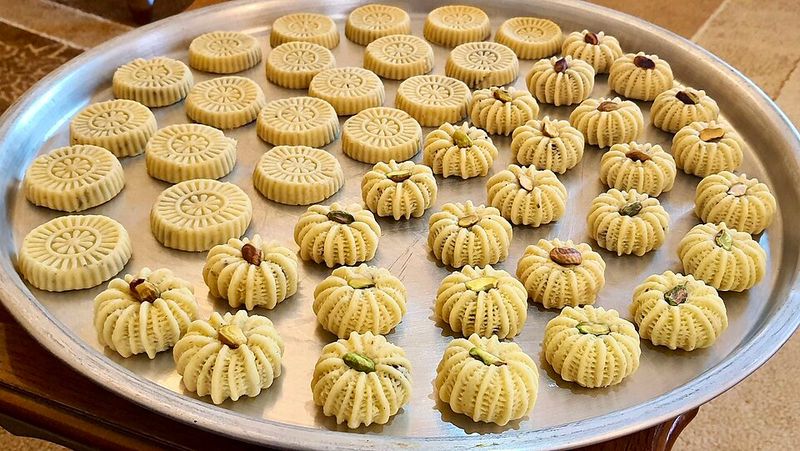
Pressed into carved wooden molds that stamp beautiful floral patterns onto every surface, Maamoul cookies are edible artwork. Lebanese families bake batches of hundreds around Easter, filling buttery shortbread dough pockets with either date paste or finely chopped pistachios and walnuts, all perfumed with rosewater and orange blossom water.
A snowfall of powdered sugar finishes each cookie before serving. The molds used to shape Maamoul are often family heirlooms, passed down through generations like treasured jewelry.
Neighbors exchange plates of Maamoul as gifts, turning the whole neighborhood into a fragrant, flower-patterned cookie celebration. Honestly, receiving a plate of Maamoul might be the best neighbor situation imaginable.
11. Kugelis (Lithuania)
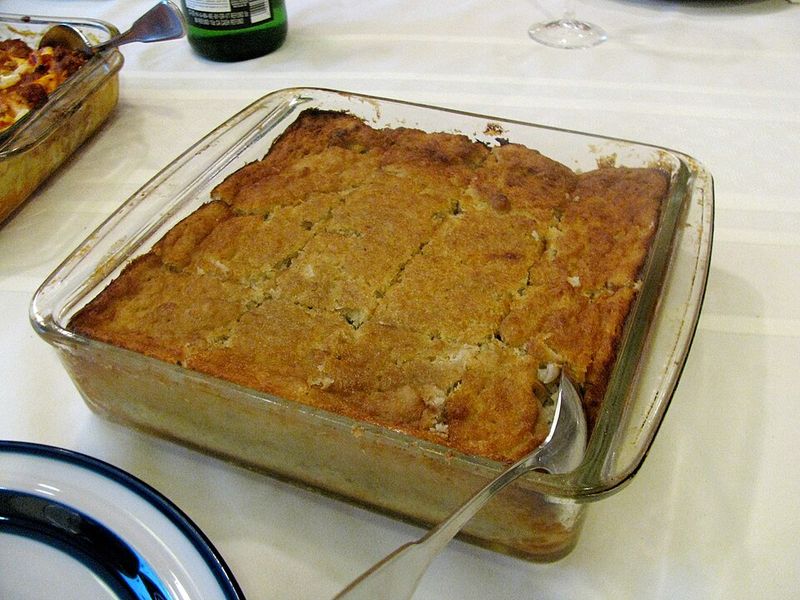
Potato pudding might not sound like the most glamorous Easter dish, but Kugelis has earned serious loyalty across Lithuania for very good reason. Grated potatoes get combined with crispy bacon, onions, eggs, milk, and farina before being baked into a dense, hearty casserole with an irresistibly golden crust on top.
Sour cream, lingonberry sauce, or applesauce served alongside cuts right through the richness perfectly. Kugelis has fueled Lithuanian families through cold winters and festive celebrations alike for centuries.
How something so humble manages to taste so deeply satisfying is one of cooking’s best little mysteries. No Easter table in Lithuania feels complete without it sitting front and center.
12. Figolli (Malta)
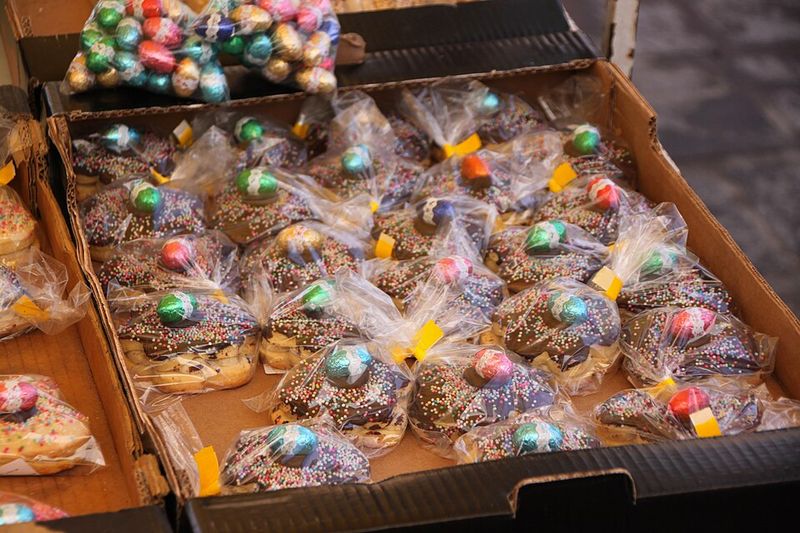
Shaped like lambs, butterflies, hearts, and even Easter baskets, Figolli are Malta’s most joyful Easter tradition and they look almost too pretty to eat. Almost.
Almond-flavored pastry dough sandwiches a sweet almond paste filling, and once baked, the whole thing gets covered in royal icing or chocolate and decorated with tiny candy Easter eggs.
Maltese bakeries go all-in on elaborate designs, turning Figolli into edible sculptures. Children receive them as gifts, and choosing your favorite shape is a whole event in itself.
Figolli date back centuries in Maltese culture, blending Arab almond pastry traditions with Catholic Easter customs into one incredibly charming, sugar-dusted celebration.
13. Frejon (Nigeria)
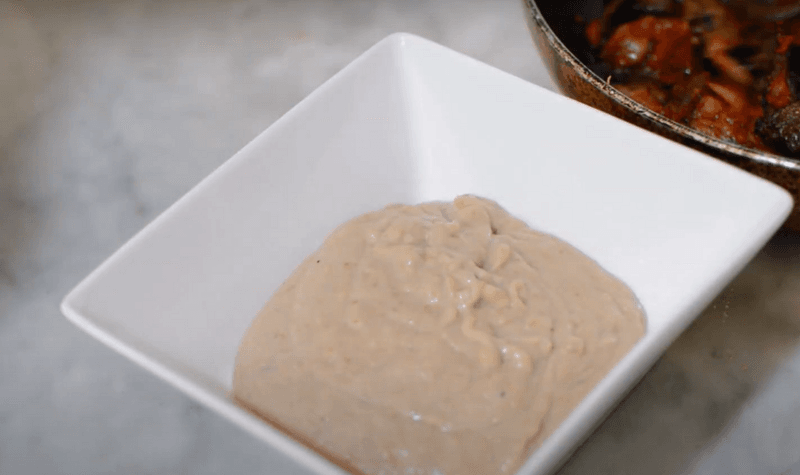
Good Friday in Nigeria’s Lagos Christian communities means one thing: Frejon on the table. A smooth, velvety puree made from brown beans or black-eyed peas cooked low and slow in coconut milk, Frejon gets seasoned with fish sauce and warm spices until it reaches a deeply savory, slightly sweet balance that is completely its own flavor universe.
Garri, a coarse cassava flour, gets sprinkled on top for texture. Frejon is deliberately simple, eaten on Good Friday as a reflection of the day’s solemnity.
However, “simple” does not mean boring. Rich, comforting, and rooted in deep community tradition, every spoonful carries meaning well beyond what the ingredients alone could suggest.
14. Babka Wielkanocna (Poland)
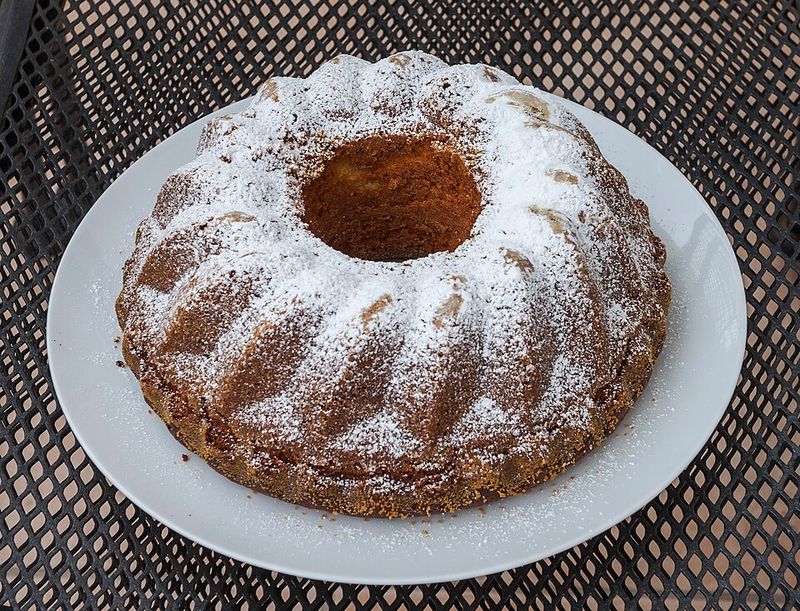
Poland’s Easter table has a VIP guest every single year, and it arrives tall, golden, and wearing a white sugar icing like a crown. Babka Wielkanocna is a rich, eggy yeast bread packed with raisins and baked in a tall fluted mold that gives it its dramatic, column-like appearance.
The name “babka” actually means “grandmother” in Polish, a nod to the tall, wide-skirted silhouette the bread resembles when it comes out of the mold. Families bring Babka to church on Holy Saturday to be blessed before Easter Sunday feasting begins.
Soft, slightly sweet, and wonderfully festive, it is tradition wrapped in a beautiful, edible package.
15. Pashka (Russia)
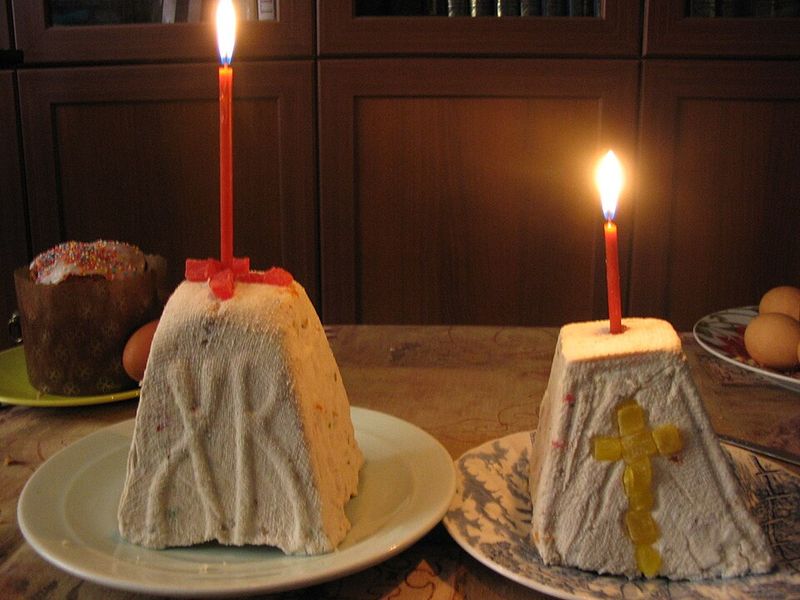
Shaped into a pyramid or dome and decorated with candied fruits, Russian Pashka is as much a symbol as it is a dessert. Made from sweetened farmer’s cheese blended smooth and rich, Pashka gets pressed into a special wooden mold carved with religious symbols and the letters XB, standing for “Khristos Voskrese,” meaning Christ is Risen.
After chilling overnight, it unmolds into an elegant, creamy centerpiece typically spread onto thick slices of kulich, Russia’s Easter bread. Orthodox Easter celebrations involve elaborate food blessings, and Pashka sits among the most sacred items in the basket.
Creamy, lightly sweet, and steeped in centuries of tradition, it is genuinely unforgettable.
16. Baked Ham (United States)
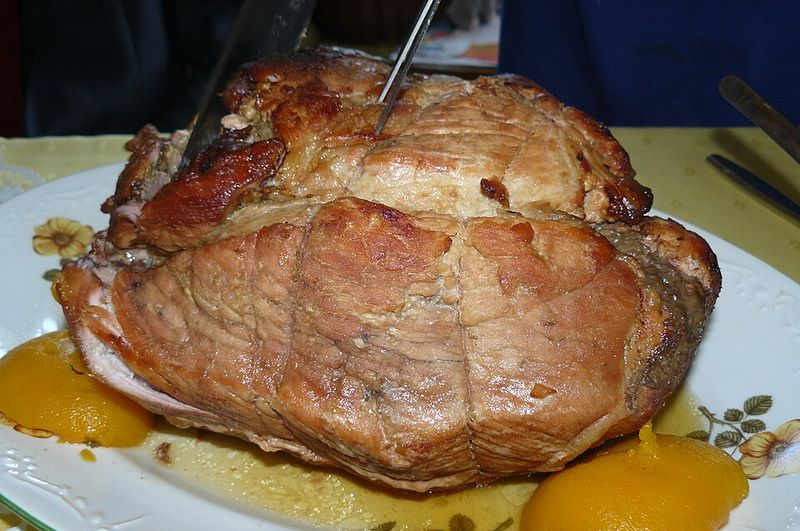
Sticky, caramelized, and smelling like a holiday dream, baked ham is America’s Easter MVP. A whole ham gets coated in honey, marmalade, brown sugar, or mustard glaze before heading into the oven, where it slowly caramelizes into a gorgeous, lacquered centerpiece worthy of a standing ovation.
Scoring the surface in a diamond pattern and pressing in whole cloves is a classic move that makes the presentation almost architectural. Ham became an Easter tradition partly because pigs cured in winter were perfectly ready to eat by spring.
So history and deliciousness lined up perfectly on this one. Leftovers?
Even better the next day in a sandwich. No arguments accepted.