16 Easter Movies People Still Come Back To Each Year
Chocolate eggs mysteriously disappear, couches get claimed early, and suddenly it’s movie time whether anyone planned it or not. Easter has its own film lineup, the kind that shows up every year like a tradition nobody voted on but nobody skips either.
Big stories, dramatic moments, and just enough cozy nostalgia to make staying in feel like the best plan on the table.
1. Easter Parade (1948)
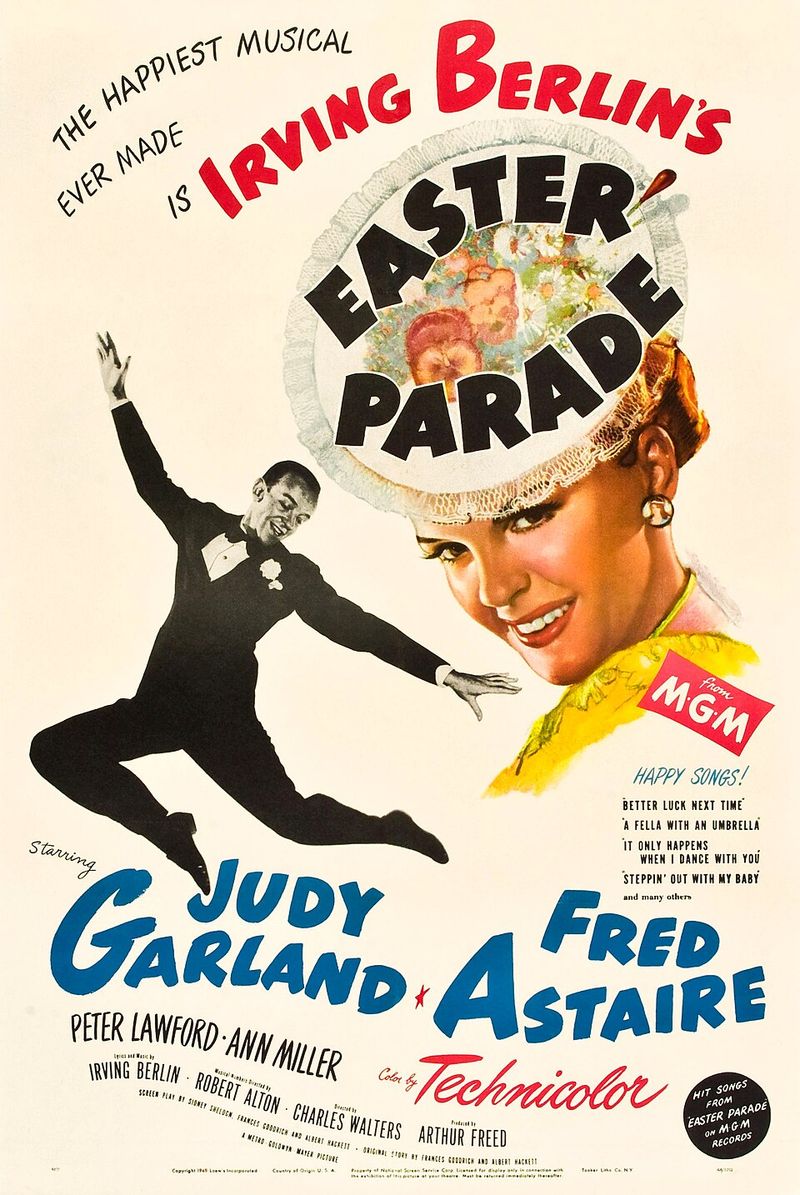
Rain taps the window, the kettle clicks off, and Easter Parade is already waiting on the screen.
Irresistibly catchy songs carry each moment, while the chemistry between Fred Astaire and Judy Garland turns every number into its own celebration. “A Couple of Swells” easily justifies the full runtime on its own.
Pastel costumes, Broadway polish, and old-school charm give the whole thing the feeling of uncovering the best candy in the Easter basket.
2. The Ten Commandments (1956)
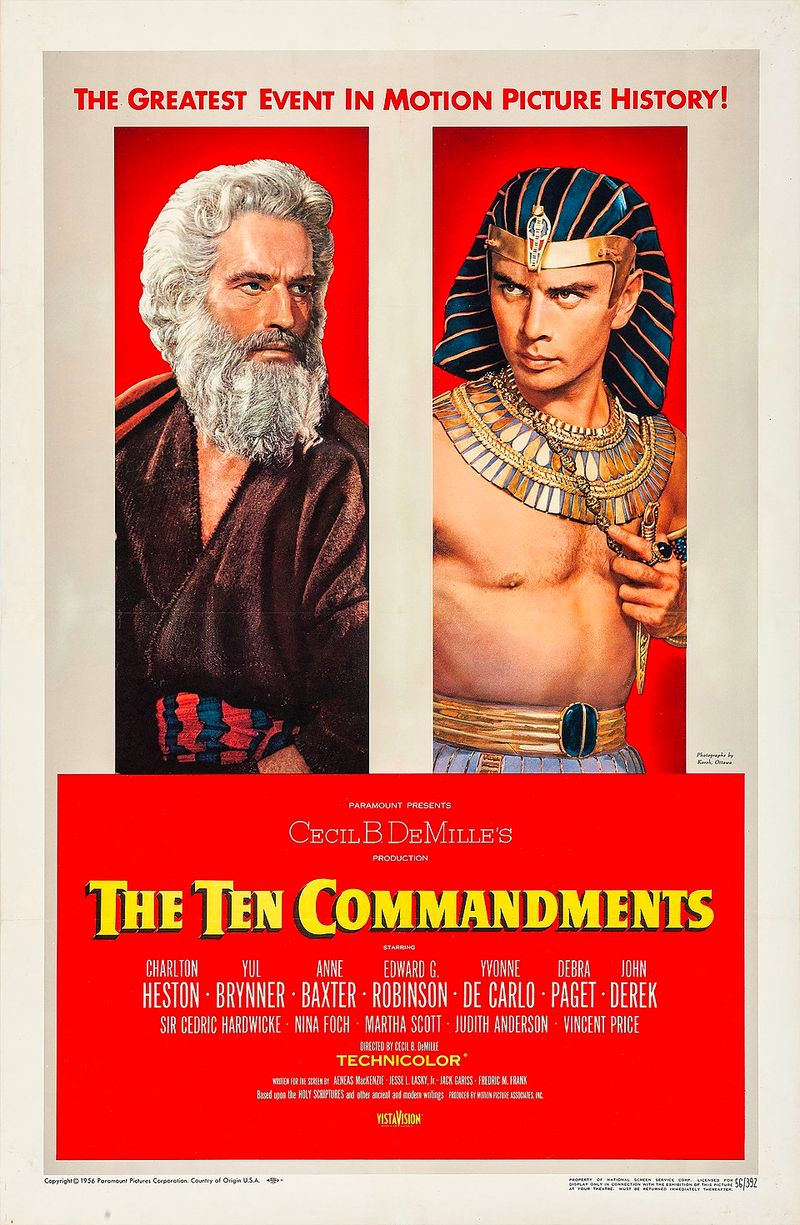
Suddenly, as Charlton Heston parts the Red Sea, your living room feels three sizes too small for what you are watching.
Years of work from Cecil B. DeMille built the film into a monument, and the sheer scale still feels striking decades later.
Running nearly four hours, it somehow makes perfect sense for a slow, stretched-out holiday Sunday.
3. Ben-Hur (1959)
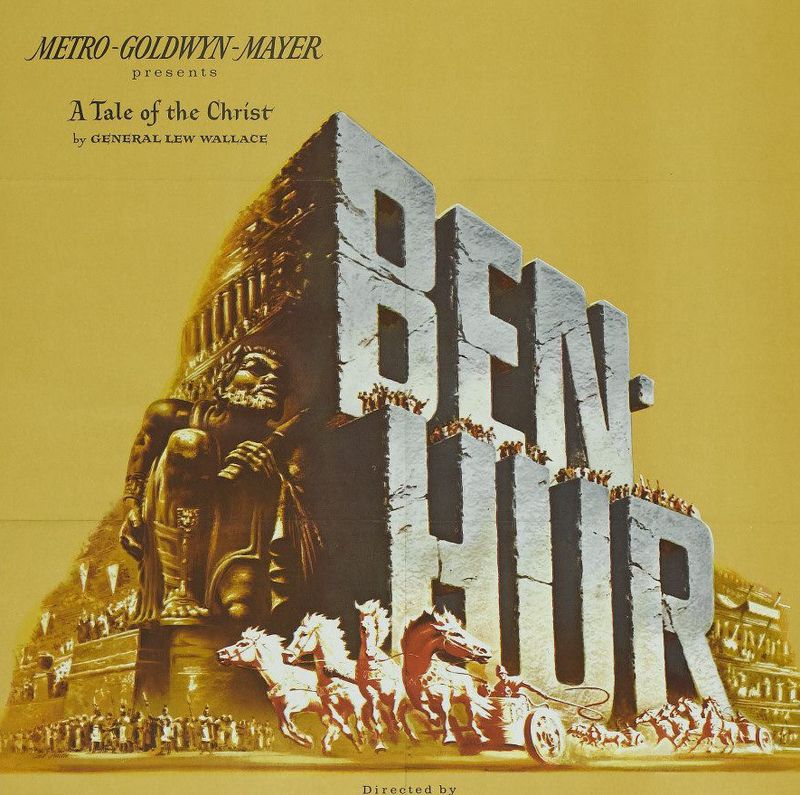
The chariot race in Ben-Hur is eleven minutes of pure cinema that has never been topped, not once, not ever.
Charlton Heston plays a Jewish prince whose life unravels and rebuilds against the backdrop of early Christianity, and the emotional weight sneaks up on you completely. It collected eleven Academy Awards, a record that stood for decades.
Watch it on the biggest screen available and crank the volume up.
4. King Of Kings (1961)

Quiet, almost meditative intensity defines the portrayal of Jesus by Jeffrey Hunter, giving the retelling a tone that stands apart from louder biblical epics.
Painterly wide shots shape the visual language under Nicholas Ray, while the score fills the room with the feeling of a Sunday morning hymn.
Early critics coined the nickname “I Was a Teenage Jesus,” yet audiences kept returning despite the label. Time has not been kind to the nickname, while the film itself continues to hold up with striking grace.
5. The Robe (1953)
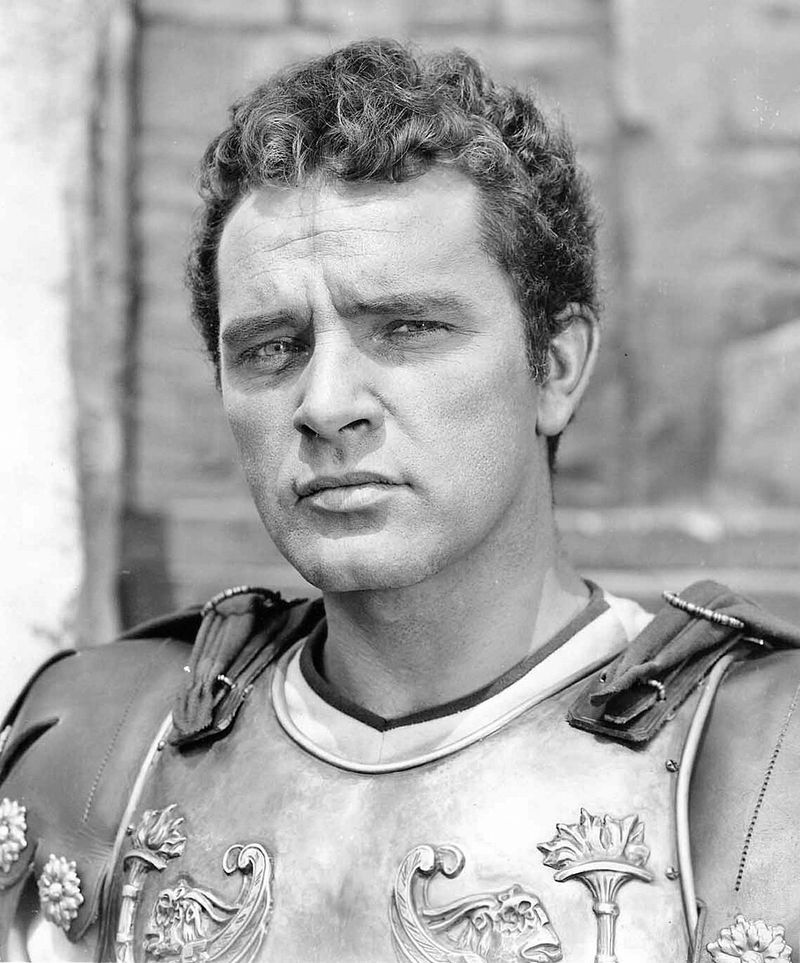
Richard Burton locks onto a simple piece of cloth, and suddenly the weight of history presses down from every side.
CinemaScope debuted with The Robe, turning its widescreen scale into something audiences had never experienced at the time.
Within that frame, a Roman tribune carries the burden of his role in the crucifixion, with the performance staying sharp without lingering too long. History and drama come together in a way that feels fully stitched into place.
6. Demetrius And The Gladiators (1954)

Returning to the role of Demetrius, Victor Mature brings a tougher edge to the Greek slave first introduced in The Robe, with a sequel that leans into a more action-driven tone from the opening scene.
Scheming unfolds around Caligula, the arena roars with spectacle, and the search for the same robe keeps the story moving forward. Positioning itself as more than a follow-up, the film earns its place instead of relying on goodwill from what came before.
Popcorn feels less like a suggestion and more like a requirement.
7. Quo Vadis (1951)
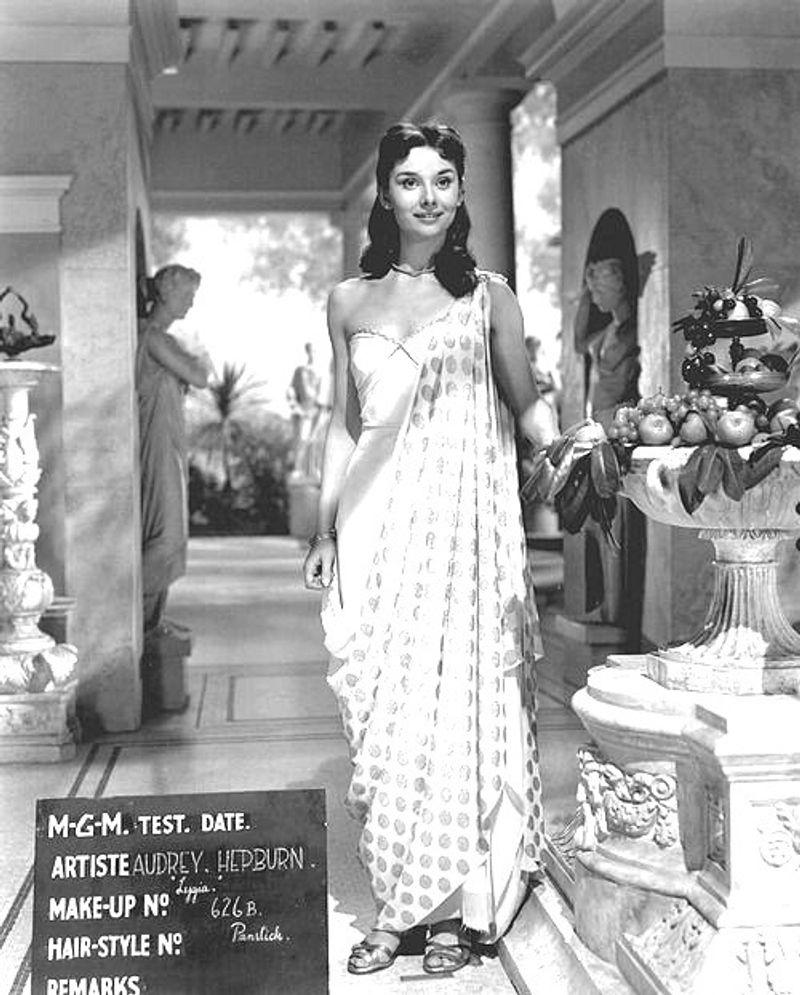
Rome burns, Nero fiddles, and one man stands caught between imperial ambition and early Christian faith in one of MGM’s grandest productions. A staggering budget fueled every frame, with costumes, sets, and crowd scenes showing exactly where the money went.
On screen, Nero turns wildly unpredictable, delivering a performance you cannot look away from even when it feels like you should.
Pure old-Hollywood excess comes through with complete commitment.
8. Barabbas (1961)
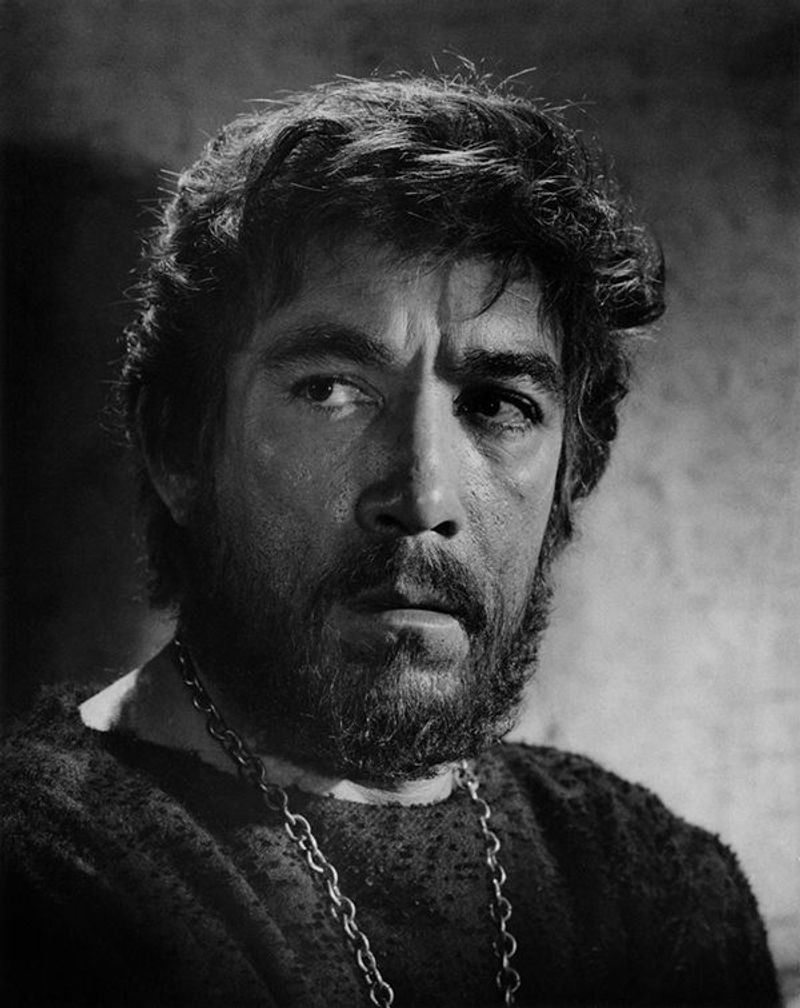
Given freedom in place of Jesus, Anthony Quinn plays Barabbas with a constant awareness of the weight behind that exchange.
Raw, physical intensity shapes the performance, turning a role that could feel one-dimensional into someone worth following across decades of harsh Roman life.
The sulfur mine scenes are among the film’s most memorable, helping give Barabbas a harsher and more unusual texture than many biblical epics of the period.
9. Jesus Christ Superstar (1973)
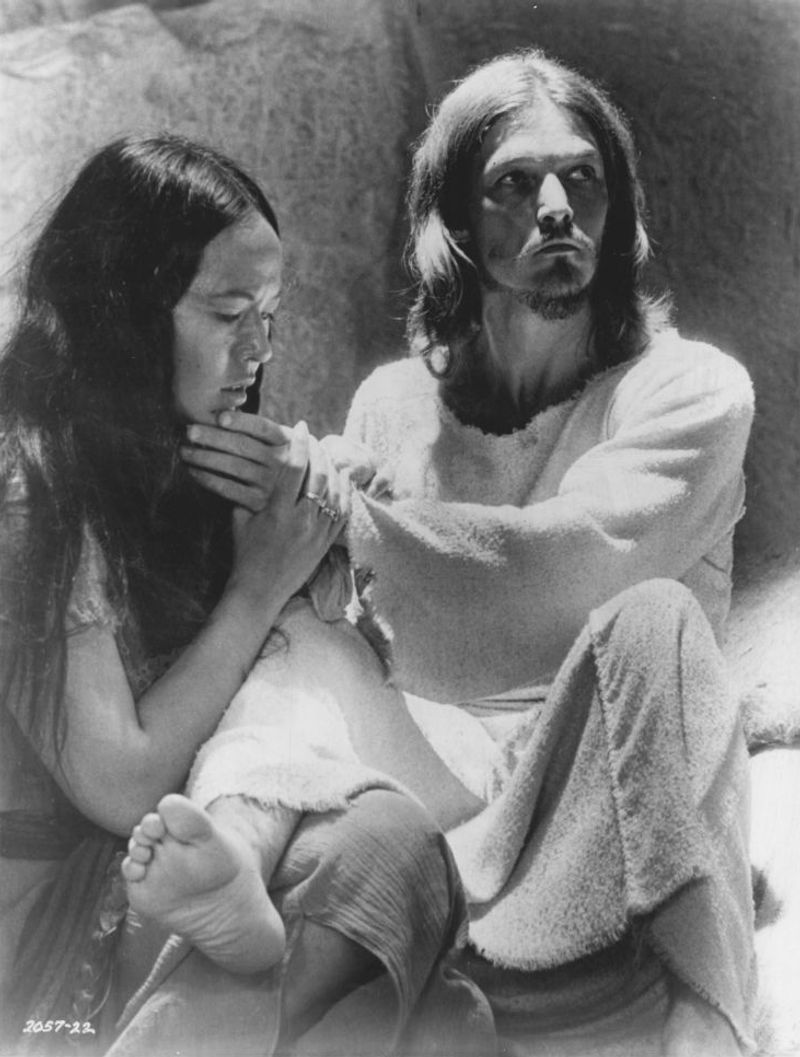
Somewhere between a theology class and a rock concert, this film found an audience that nobody expected and never really let go.
Ted Neeley’s vocal performance is the kind of thing that makes you pause whatever you are doing and just listen, wide-eyed. The anachronistic staging, tanks rolling through ancient Judea, feels intentionally jarring, and that is exactly the point.
It is one of the most daring Easter films ever committed to screen.
10. The Sign Of The Cross (1932)
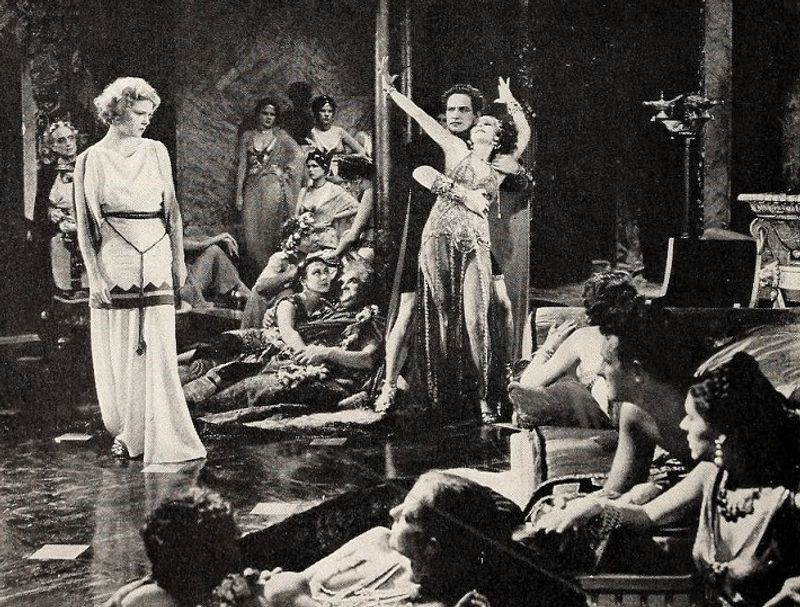
Before stricter censorship rules took hold, Cecil B. DeMille delivered a Roman spectacle that stands among the boldest works of the Pre-Code era.
At the center, Fredric March plays a Roman prefect drawn to a Christian woman as Nero’s Rome unravels in dramatic fashion around them. One of the most talked-about moments belongs to Claudette Colbert, whose milk bath scene became an enduring piece of early cinema conversation.
Decadent, dramatic, and surprisingly daring for its time.
11. The King Of Kings (1927)
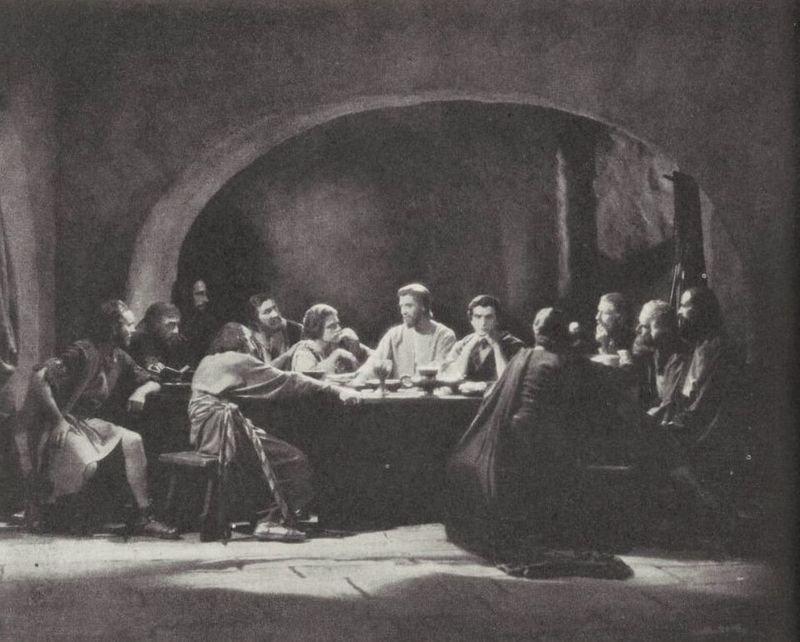
Long before sound took over, a life-of-Christ epic took shape as a silent film with visual storytelling confident enough to carry everything without words.
On screen, Jesus is portrayed with a stillness that feels genuinely reverent, while the film is especially remembered for using color in the Resurrection sequence at the end.
12. Salome (1953)
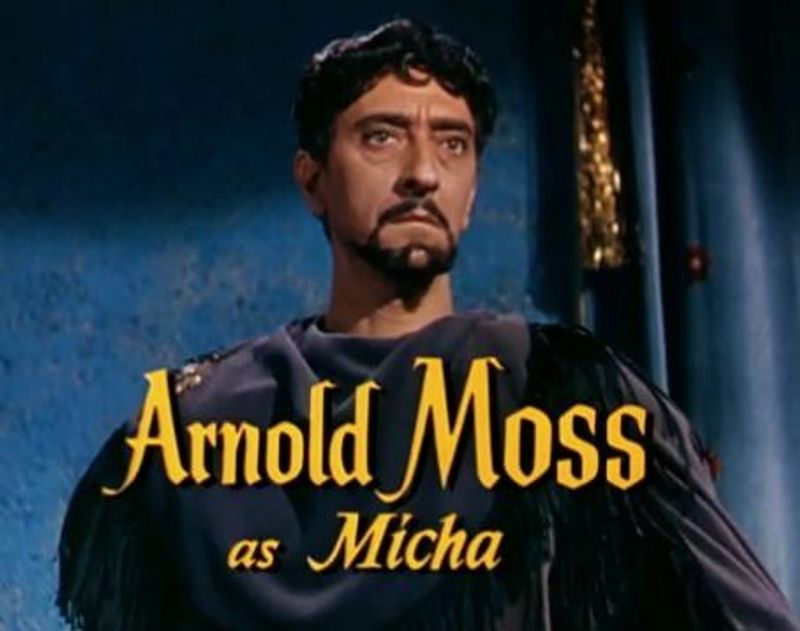
Rita Hayworth dancing as Salome is the kind of star power that reminds you why Hollywood once called certain performers legends without any irony at all.
The film rewrites the original biblical story to give Salome a more sympathetic arc, which divided critics but kept audiences genuinely curious. Charles Laughton chews every scene he enters as Herod, which is a spectacular thing to watch.
Glamour, intrigue, and a dance worth remembering.
13. From The Manger To The Cross (1912)
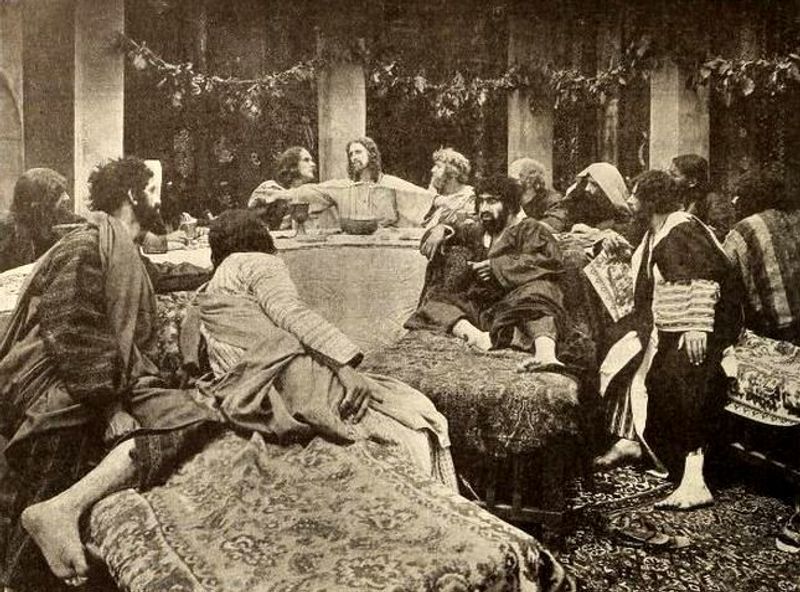
Filming on location in Egypt and Palestine in 1912 gave From the Manger to the Cross a level of authenticity audiences had never seen before in a depiction of Christ’s life. Solemn dignity defines the performance of Robert Henderson-Bland, presented through carefully staged tableaux that echo the devotional artwork of the era.
Images still carry a quiet gravity more than a century later, holding attention in a way that feels almost meditative.
Cinema history and Easter devotion come together in a single, remarkable work.
14. The Gospel According To St. Matthew (1964)
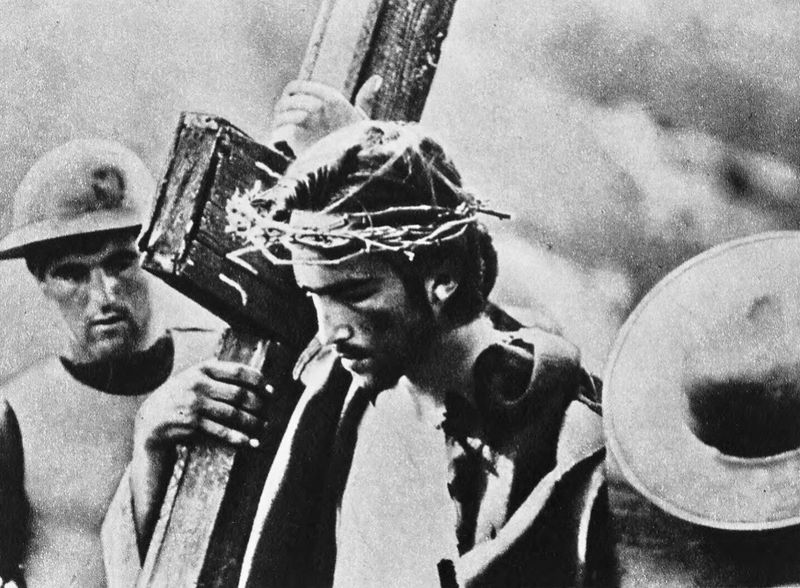
A self-described non-believer steps behind the camera, and suddenly the story of Jesus feels grounded in a different kind of honesty.
Filming unfolded across the rocky landscapes of southern Italy with non-professional actors, giving the whole experience an urgent, almost documentary-like edge instead of something theatrical.
Even the Vatican awarded it a prize, surprising nearly everyone and likely the director as well. Spare, serious, and unlike anything else on this list.
15. The Prince Of Egypt (1998)
“When You Believe” hits differently when you have heard it a hundred times and it still makes the back of your throat tighten up.
DreamWorks built something genuinely ambitious here, an animated biblical epic that took the Exodus story seriously without losing its sense of wonder. Val Kilmer and Ralph Fiennes voice Moses and Ramesses with a brotherly warmth that makes the eventual conflict feel deeply personal.
Family movie night, elevated to something truly special.
16. The Ten Commandments (1923)
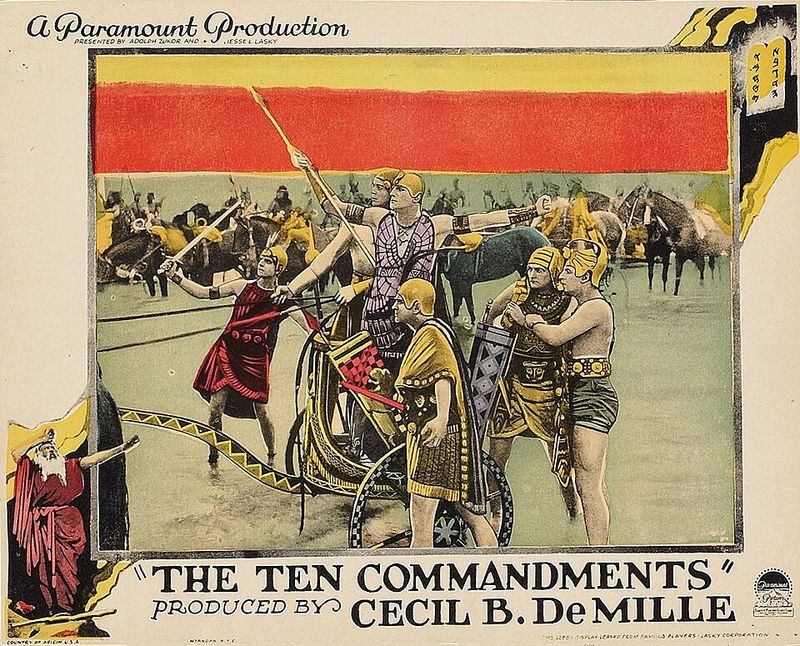
Decades ahead of its famous 1956 remake, Cecil B. DeMille had already told the story in The Ten Commandments with a scale that left 1923 audiences genuinely speechless.
Structure splits the film into a biblical prologue and a modern morality tale, an unusual choice that lands with surprising emotional weight.
Ambition shows clearly in the Red Sea sequence, created with real water, large crowds of extras, and a level of spectacle that still impresses. Blueprint for the Easter epic starts here, and the experience remains worth every minute.
Note: This article is intended as a general seasonal entertainment guide to films often associated with Easter viewing. The content is provided for general informational and entertainment purposes.