20 Elvis Presley Films That Shaped His Career
Well now, the spotlight just seemed to find Elvis wherever he went. Camera starts rollin’, music kicks in, and before long the whole picture feels like a show all on its own, full of charm and a little bit of swagger.
Big screen or stage, it didn’t much matter, because that kind of presence had a way of taking over the room every single time.
1. Love Me Tender (1956)
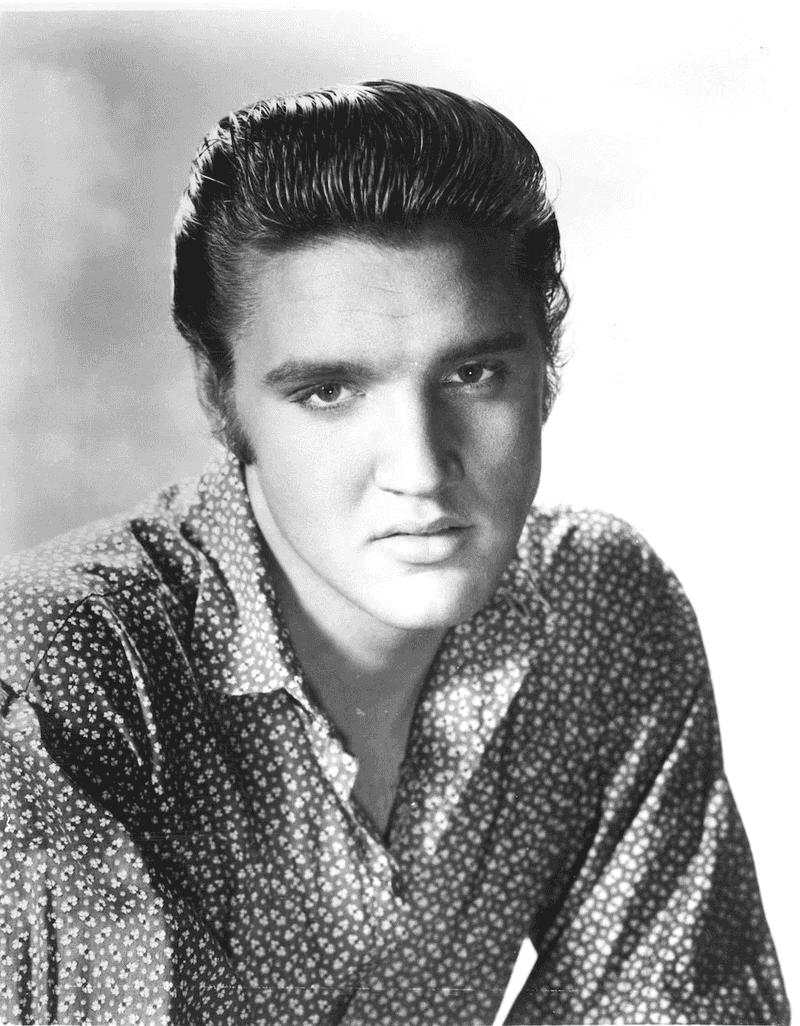
Memphis roots met a Hollywood soundstage for the first time, and the whole country seemed to hold its breath.
Love Me Tender unfolded as a Civil War Western, with Elvis playing Clint Reno, a younger brother caught in a family feud.
Surprisingly, the role stayed quieter than expected, and that restraint worked in his favor. Even before the film opened, the title song sold over a million copies.
Not bad for a debut.
2. Loving You (1957)
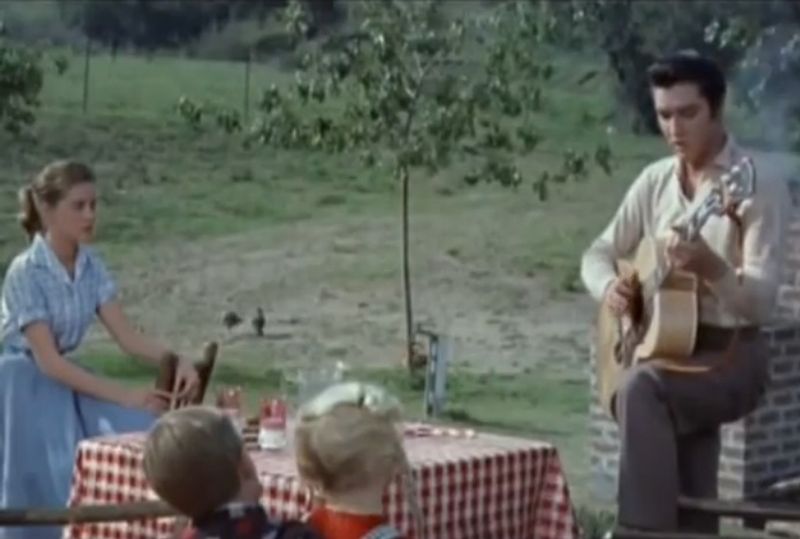
Filmed in rich Technicolor and shaped to reflect real life, Loving You offered audiences a fictionalized version of how Elvis rose to fame.
He played Deke Rivers, a small-town delivery boy turned overnight sensation, with his real-life parents appearing in the final concert scene and adding a warm, homemade feeling to the film. Iconic style carried the visual identity, with pink-and-black outfits that practically screamed 1957.
3. Jailhouse Rock (1957)
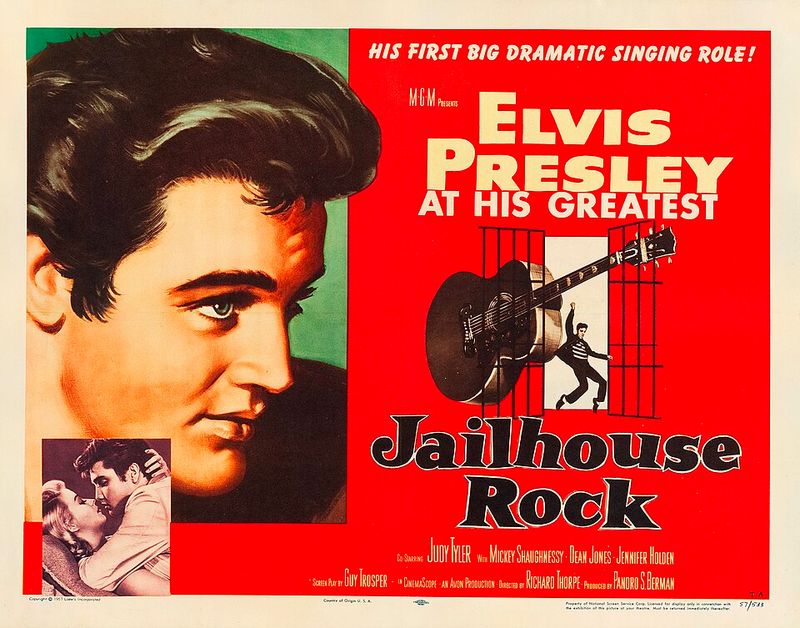
The title number remains one of the most famous dance sequences in any Elvis film.
Elvis played Vince Everett, a man who discovers music while serving time, and the role had real edge to it. Director Richard Thorpe let the camera move with the music rather than just pointing it at a stage.
The Library of Congress later added Jailhouse Rock to the National Film Registry, which is about as official as a gold record.
4. King Creole (1958)
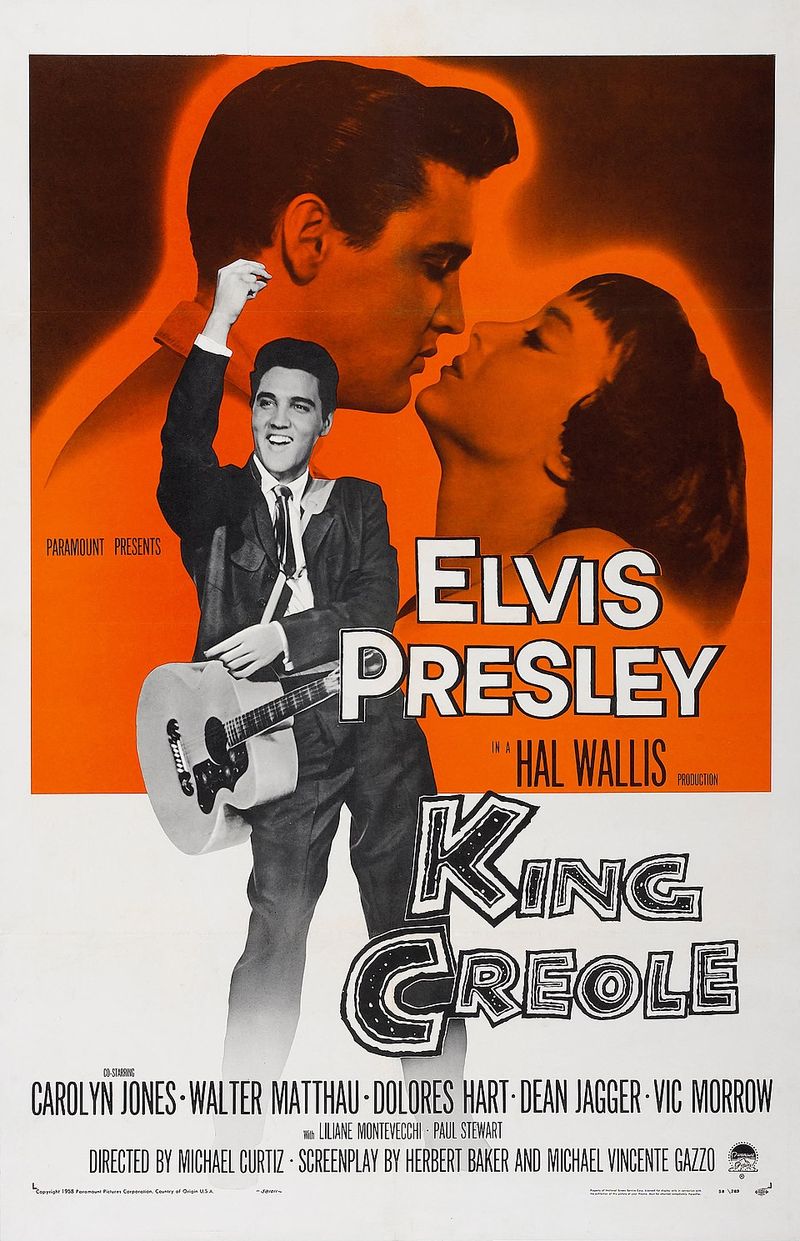
Behind the camera stood Michael Curtiz, the filmmaker responsible for Casablanca, bringing a genuine noir atmosphere to a New Orleans story that felt nothing like a typical pop-star vehicle.
In front of that vision, Elvis took on Danny Fisher, a street-smart kid pulled between a singing career and the criminal underworld.
Critics noted a performance layered with confidence, far removed from the lightweight showcase many had expected. Even now, many film historians call King Creole the peak of his dramatic work. Hard to argue.
5. G.I. Blues (1960)
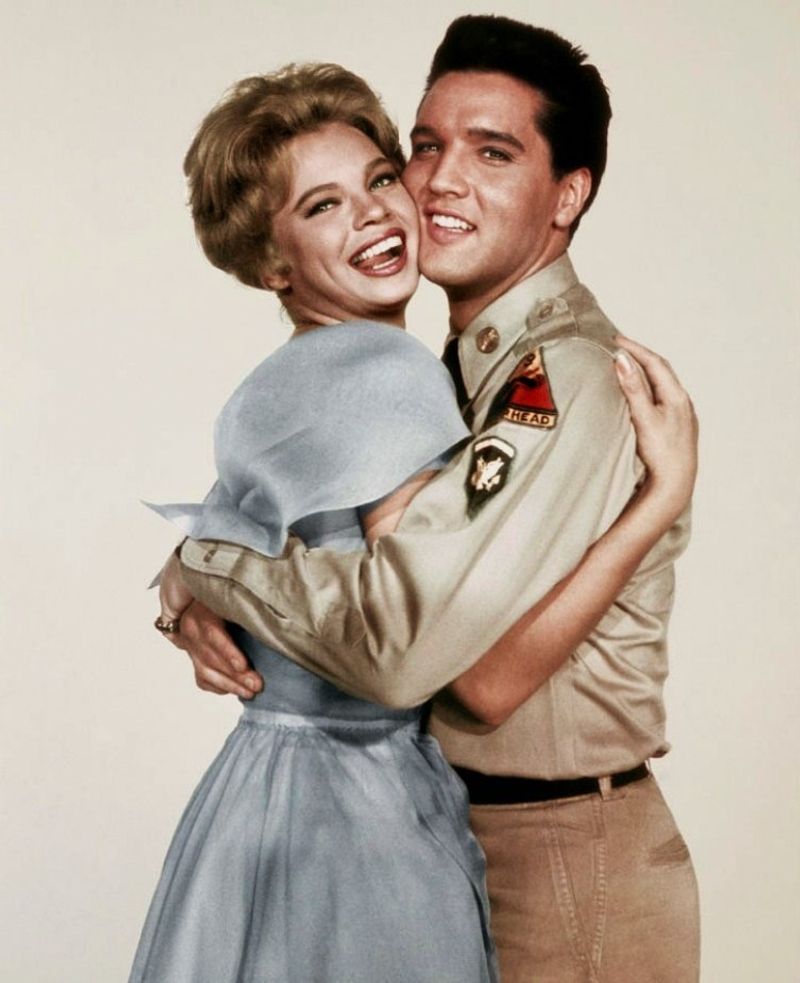
Returning from two years of real Army service, Elvis needed a film that acknowledged the gap without making it awkward, and G.I. Blues handled that balance with ease.
Set in West Germany, the story followed a soldier who moonlighted as a musician, offering a clever way to guide audiences back into a familiar rhythm while the soundtrack achieved major success.
Some fans missed the sharper edge of Jailhouse Rock, while others were simply glad the King had returned to the screen.
6. Flaming Star (1960)
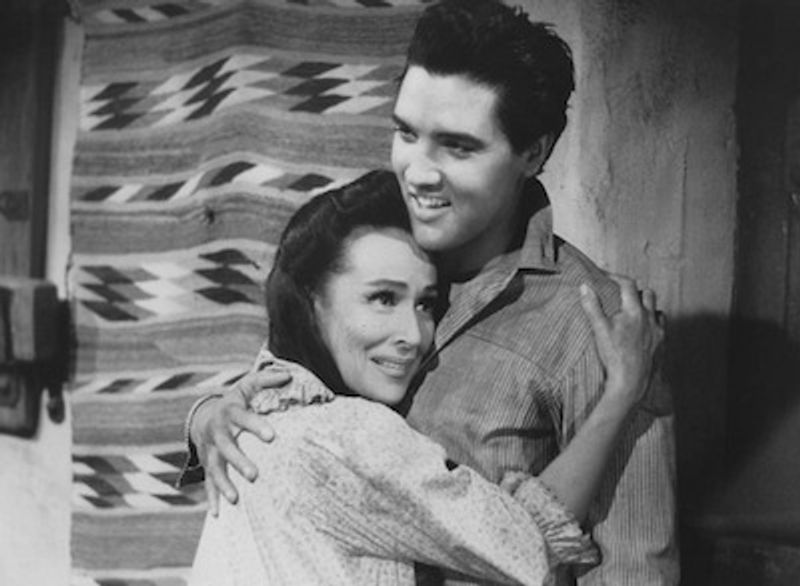
Only two songs in the whole film. That alone tells you this one was playing a different game.
Flaming Star cast Elvis as Pacer Burton, a half-Native American man torn between two worlds during a frontier conflict. The story had genuine moral weight, and the performance matched it beat for beat.
Director Don Siegel, who later made Dirty Harry, pushed for restraint over spectacle. The result was the clearest proof yet that Elvis had real range when the script gave him room.
7. Wild In The Country (1961)
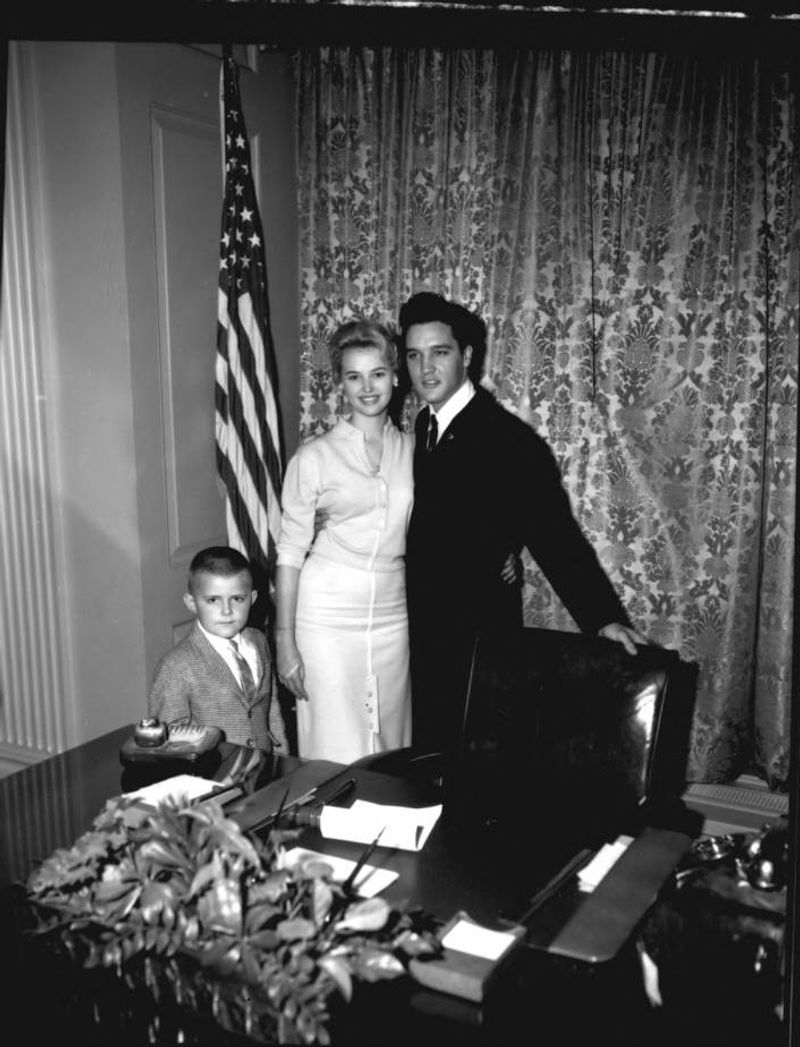
Written by Clifford Odets, one of America’s most respected playwrights, Wild in the Country arrived with serious literary credentials attached.
Elvis played Glenn Tyler, a troubled young man with a gift for writing who gets a shot at a better life. The script gave him long emotional scenes that required real concentration, and reviewers noticed the effort even when they quibbled with the film itself.
Critics have warmed to it considerably over the decades. Time has a funny way of doing that.
8. Blue Hawaii (1961)
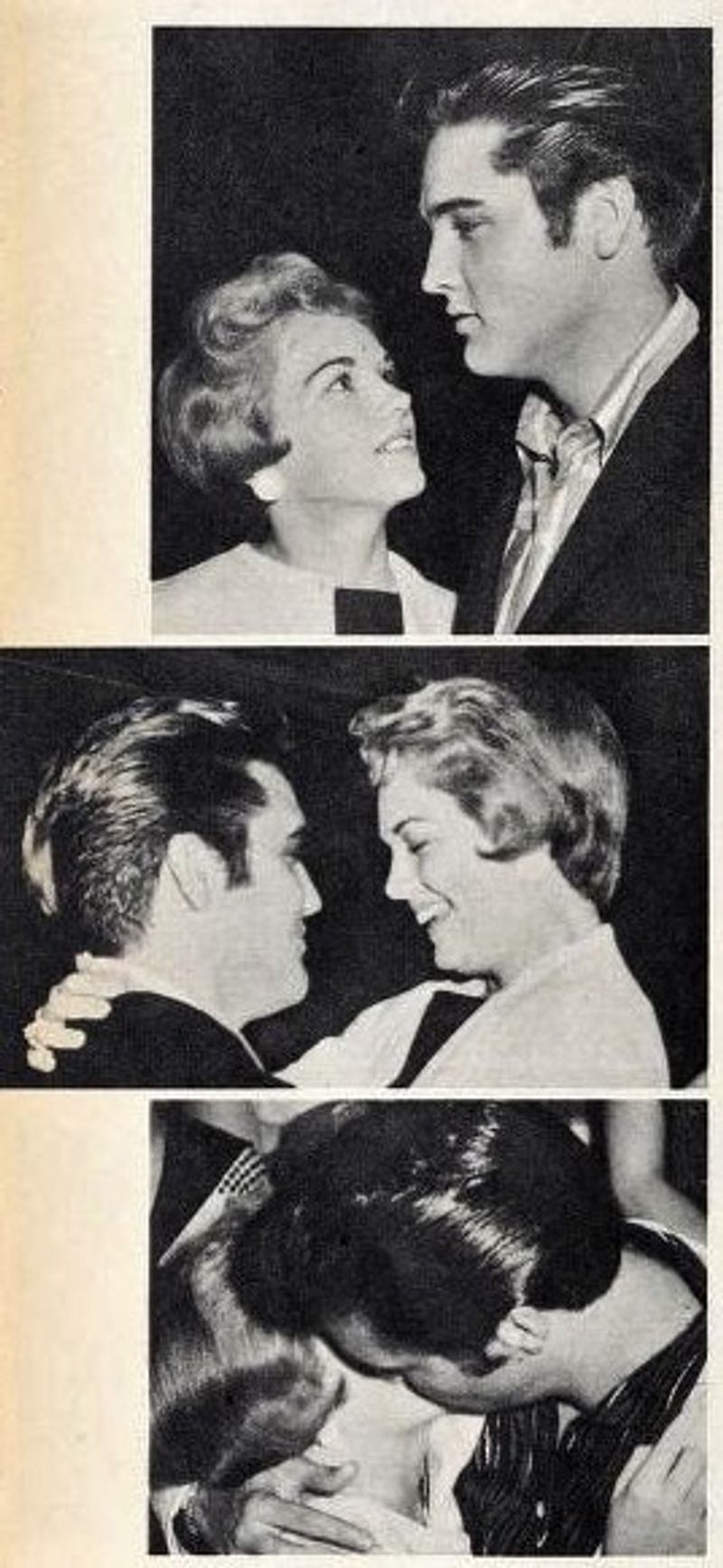
Sunshine, surfboards, and a soundtrack that spent 20 weeks at number one on the Billboard charts set the tone. Blue Hawaii effectively established a template Hollywood would repeat for years.
Chad Gates came to life through Elvis, portraying a returning soldier who skips his family’s pineapple business to lead tourist tours.
Breezy energy and easygoing charm made the film an audience favorite. In turn, the travel-musical formula became a defining pattern for the next decade.
Some fans cheered while the dramatic-actor crowd quietly sighed.
9. Follow That Dream (1962)
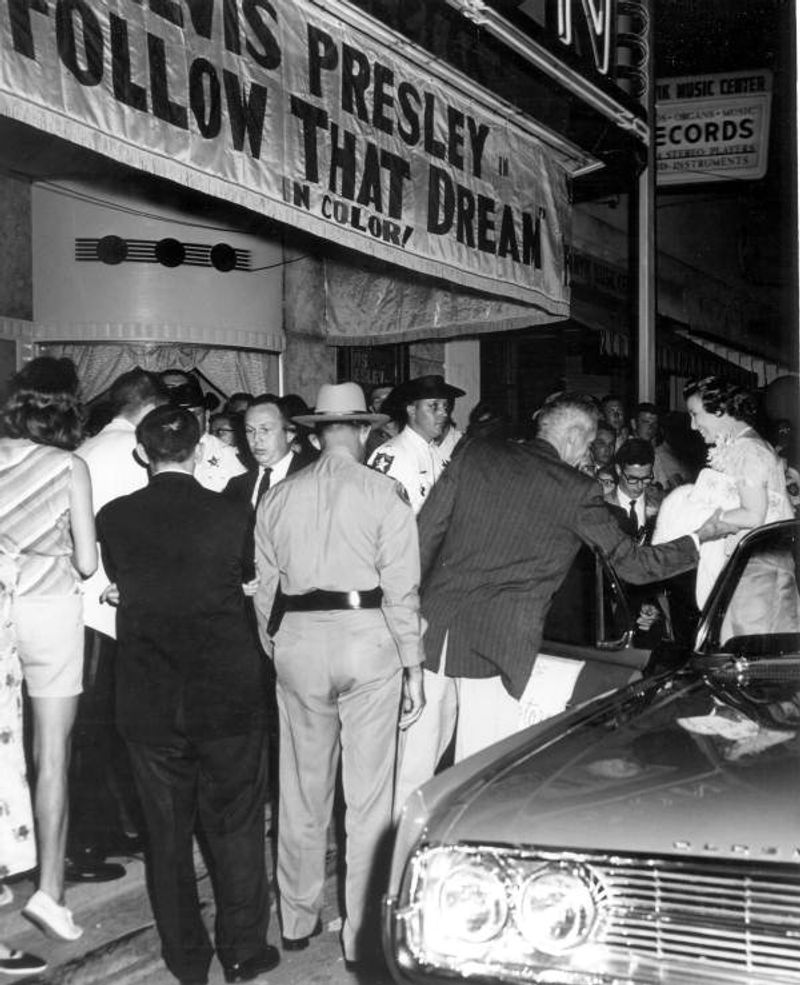
Adapted from a novel titled Pioneer, Go Home!, Follow That Dream sent Elvis and his on-screen family to the Florida coast to settle on unclaimed government land, pairing a quirky premise with genuinely funny execution.
A breezy, self-aware tone carried the story, with Elvis playing Toby Kwimper in a lovable, unflappable way that fit the comedy perfectly, and critics later calling it one of his most relaxed performances. Short runtime kept things moving, while a lack of pretension allowed the film’s charm to do all the work.
10. Girls! Girls! Girls! (1962)
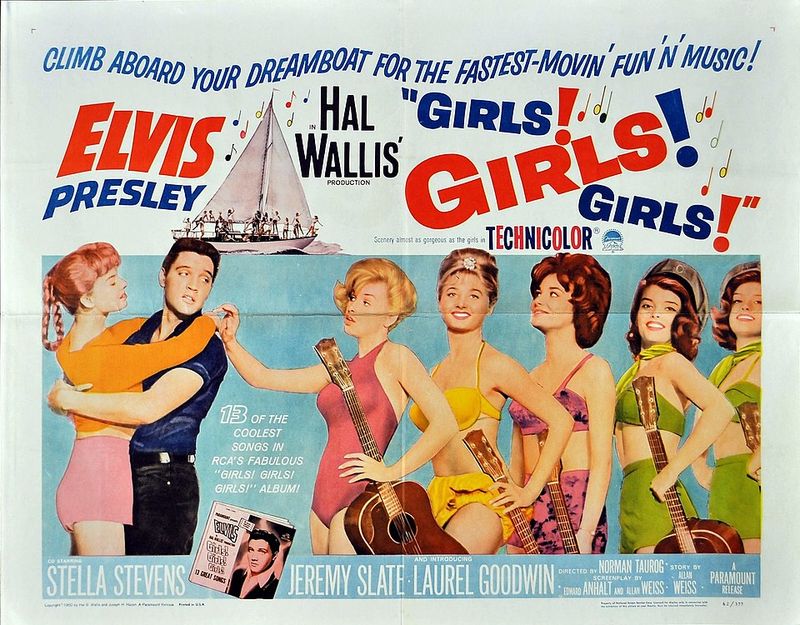
Set among the fishing boats and nightclubs of Hawaii, Girls! Girls!
Girls! leaned fully into the post-Blue Hawaii formula and delivered exactly what fans had lined up to see.
Return to Sender, one of the film’s songs, became a massive hit single and climbed to number two on the pop charts. The music carried the movie more than the plot did, which was perfectly fine with the audience.
Think of it as a jukebox road trip with better scenery.
11. It Happened At The World’s Fair (1963)
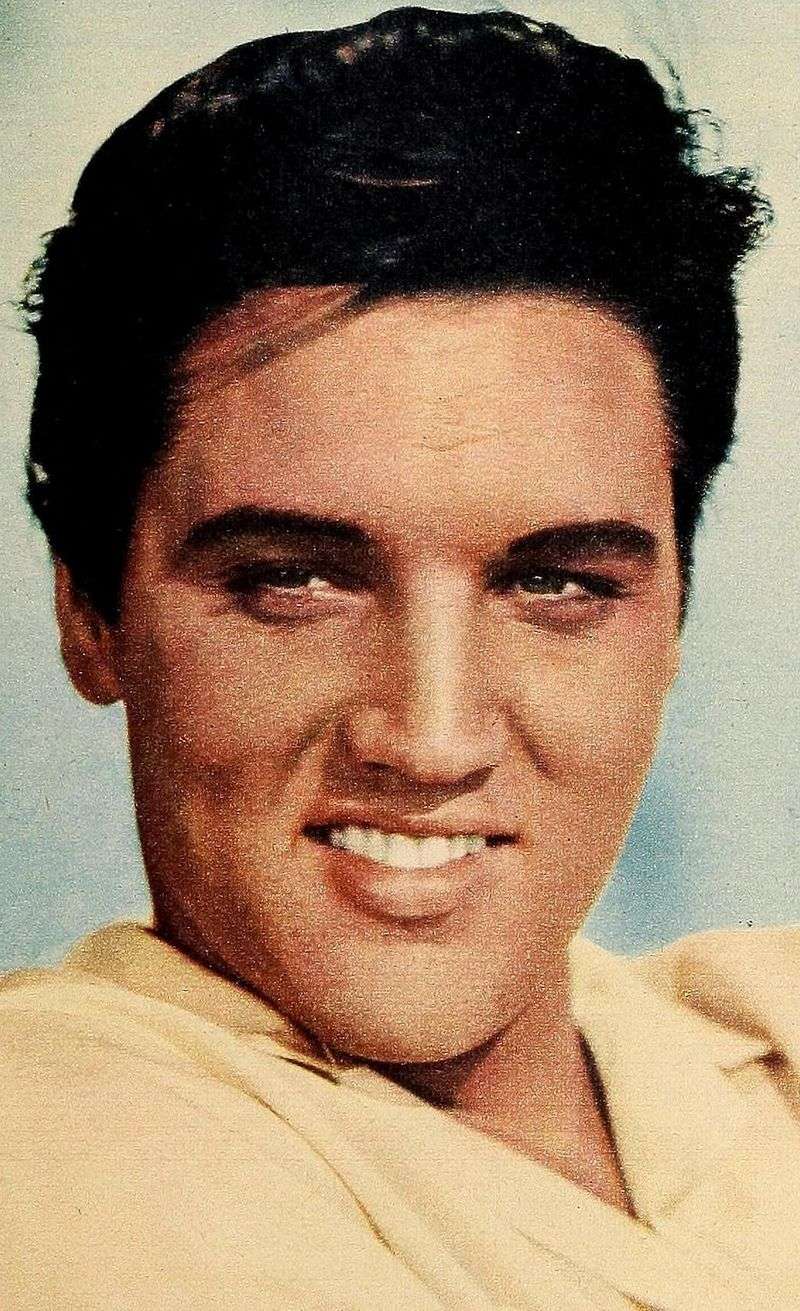
Set at the real 1962 Seattle World’s Fair, the movie carries a genuine time-capsule quality that feels more interesting now than it likely did then.
Mike Edwards appears as a crop-duster pilot, with Elvis guiding the role through a story about caring for a young girl while juggling romance and a side plot involving stolen goods.
Unexpectedly, a young Kurt Russell shows up in a small role and even takes a shin kick from Elvis on camera. Over time, that moment turns into trivia gold at film pub quizzes everywhere.
12. Viva Las Vegas (1964)
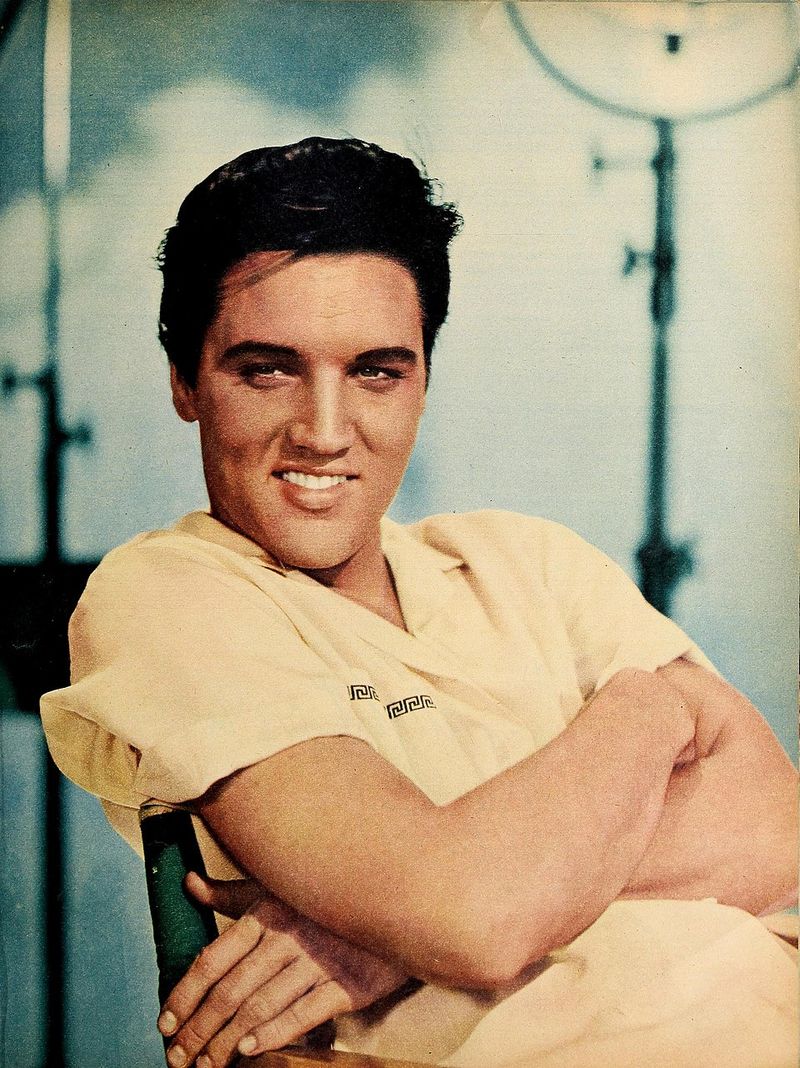
On-screen chemistry between Elvis and Ann-Margret sparked so intensely that the studio reportedly grew uneasy about how much it overshadowed the script.
He took on the role of Lucky Jackson, a race car driver chasing funds for a Grand Prix entry, while the film surged with a kinetic energy few of his other movies could match, guided by George Sidney’s tight pacing and electric color palette.
Even casual fans can name Viva Las Vegas from memory, which says everything.
13. Roustabout (1964)
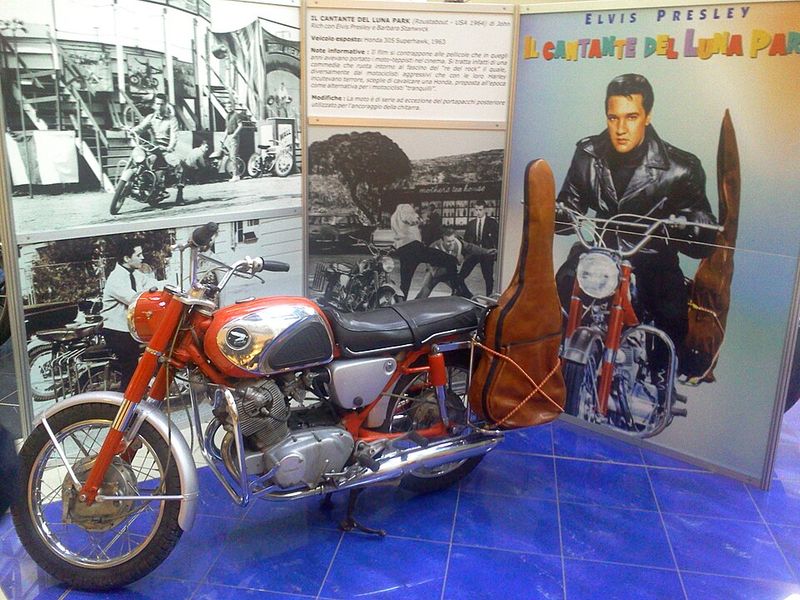
Released right in the thick of Beatlemania, Roustabout still managed to send its soundtrack to number one on the Billboard 200. That is a genuinely impressive chart feat for any artist in late 1964.
Barbara Stanwyck co-starred as the carnival owner who gives Elvis’s Charlie Rogers a job, and her presence added real credibility to the production. The carnival setting gave the film a scrappy, colorful backdrop that suited the music well.
Topping the Billboard 200 during the height of Beatlemania remains one of the soundtrack’s most impressive achievements.
14. Tickle Me (1965)
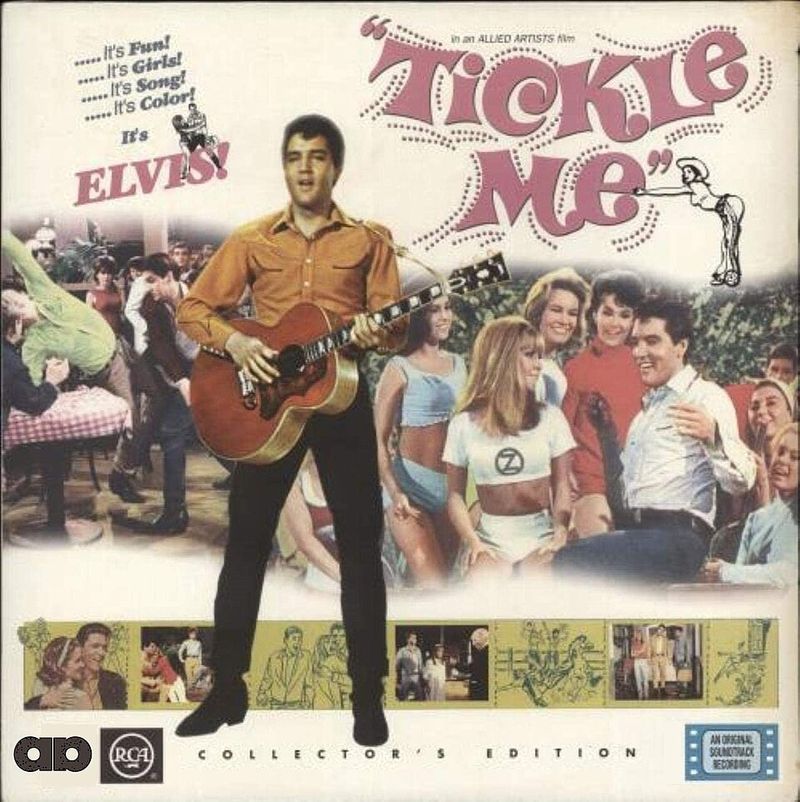
Serious financial trouble at Allied Artists set the stage for a surprising turnaround, as Tickle Me helped keep the studio out of bankruptcy. Behind the scenes, that reality gives the goofy dude-ranch comedy an unexpectedly heroic footnote.
Lonnie Beale comes into focus as a rodeo rider who takes a job at a beauty spa and stumbles into a treasure hunt.
Sometimes, a movie’s greatest legacy ends up being purely financial. Without apology, Tickle Me wore that badge proudly.
15. Speedway (1968)
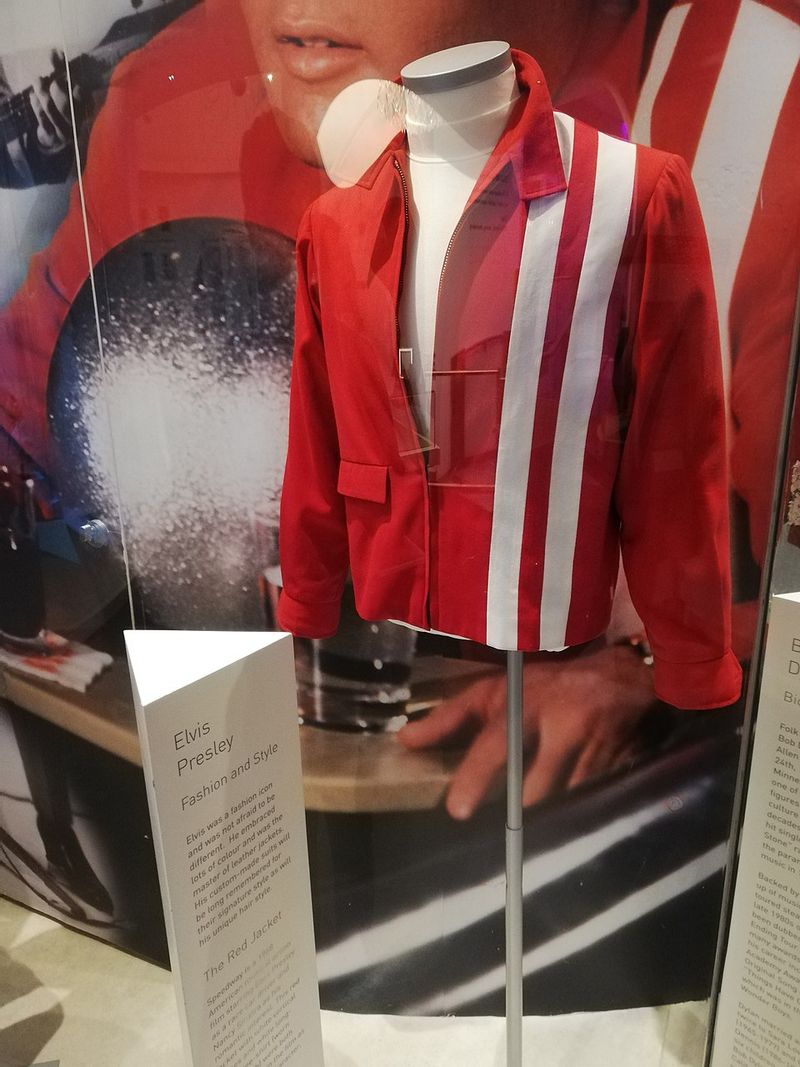
Stock car racing was still carving out a mainstream audience in 1968, and Speedway arrived at just the right moment to give it a glamorous pop-culture boost.
Elvis stepped into the role of Steve Grayson, a driver caught up with an IRS agent played by Nancy Sinatra.
Easy, playful chemistry between them gave the lighter moments extra lift, while racing footage shot at Charlotte Motor Speedway still holds up as a strong period document. Fair credit belongs here, as the film helped place oval racing firmly on the pop-culture map.
16. Stay Away, Joe (1968)
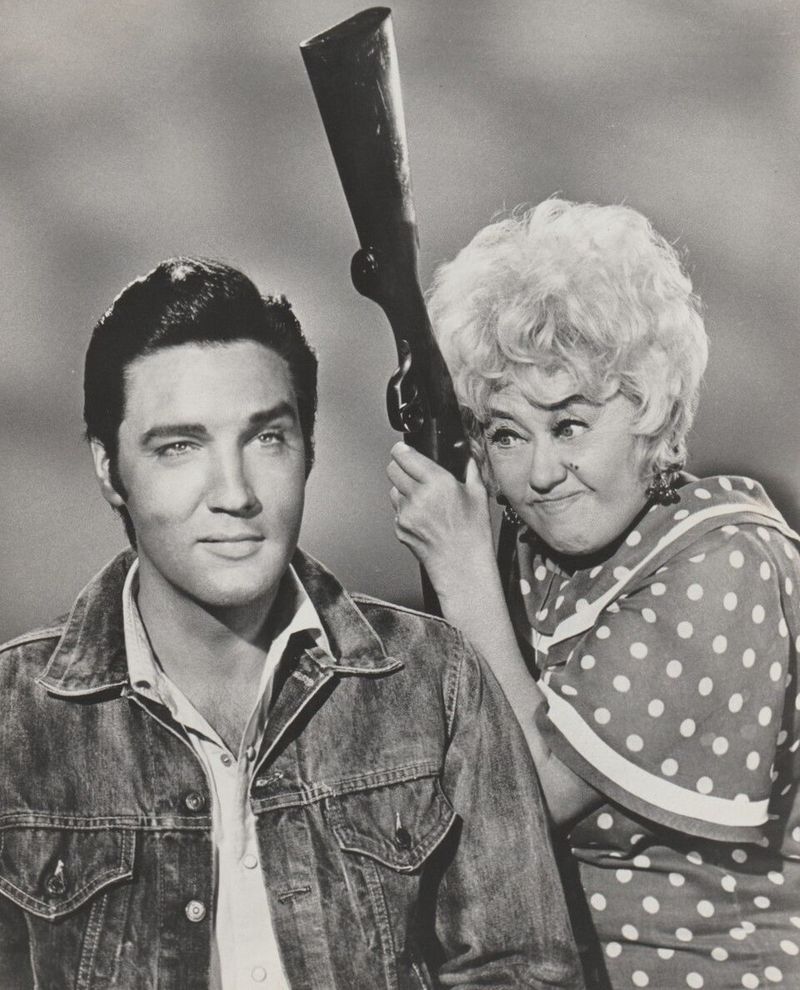
By 1968 the formula pictures were beginning to feel worn out, and Stay Away, Joe at least tried to inject some rougher comic energy into the mix.
Set on a Native American reservation, Elvis played Joe Lightcloud, a rodeo rider whose schemes to help his family keep backfiring in increasingly chaotic ways. The humor was broader and scrappier than his earlier comedies.
Not a masterpiece, but a genuine sign that the formula was shifting. The engine was warming up for something new.
17. The Trouble With Girls (1969)
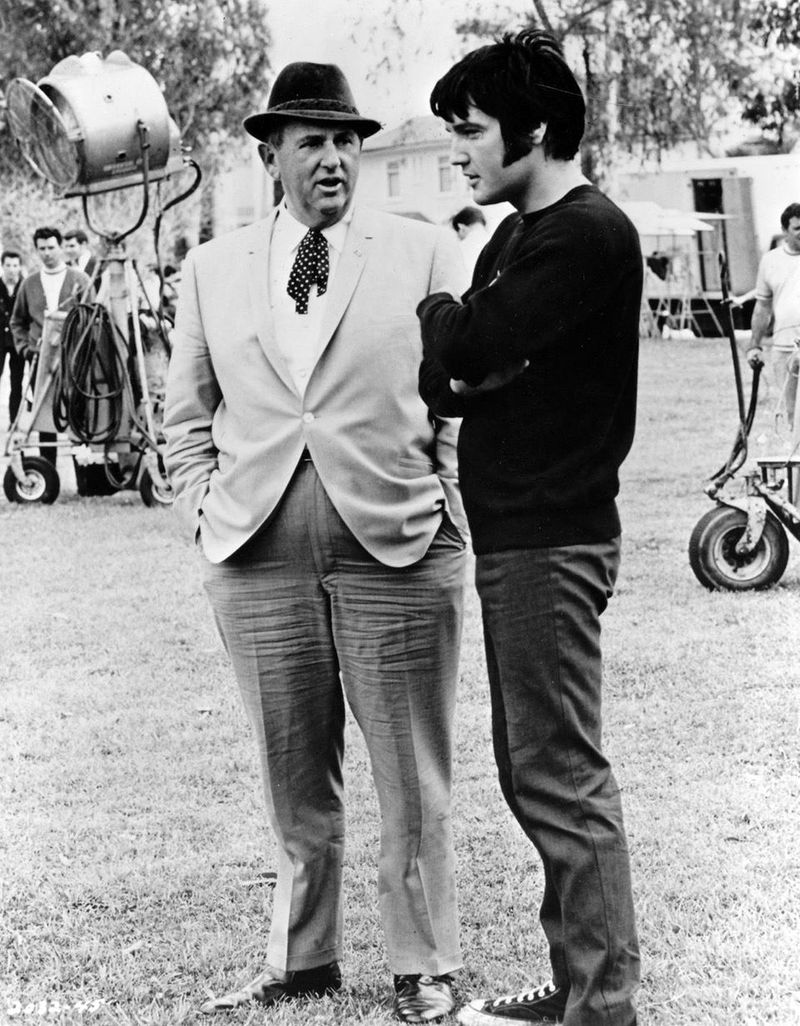
Set against the 1920s traveling Chautauqua circuit, The Trouble with Girls placed Elvis in a period piece that felt genuinely different from anything he had done before.
Walter Hale emerges as a traveling show manager, spending much of the film sorting out other people’s problems with calm, amused authority.
A warmer, more character-driven tone replaced the earlier formula that defined many of his films. Unexpectedly, a mystery subplot added extra texture to the story.
Late-career Elvis revealed more range than audiences had realized.
18. Charro! (1969)
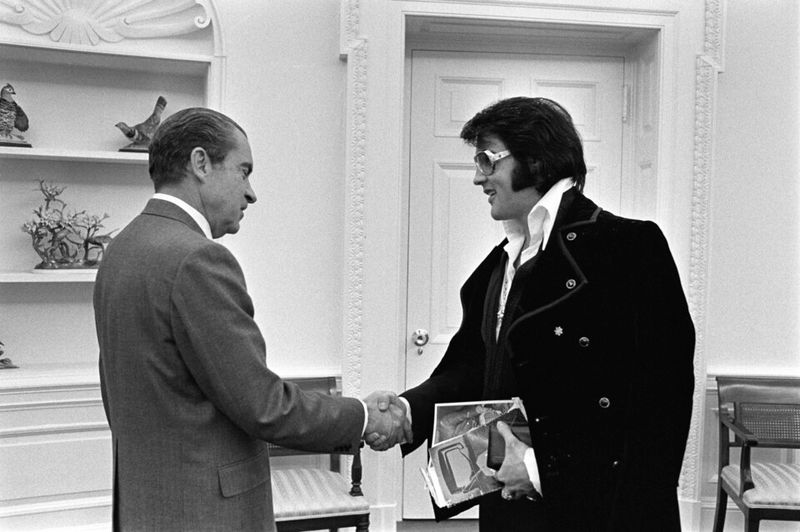
Rough stubble, a dirty bandana, and almost no musical numbers made Charro! feel like a deliberate break from everything the previous decade had built. Jess Wade came to life as a reformed outlaw framed after the theft of a Mexican cannon.
Stripped-down, physically committed work brought a sense of freshness many viewers had not seen before, with some historians calling it his most convincing acting role.
Spaghetti-Western style suited him far better than expected, proving grit had always been part of the toolkit.
19. Change Of Habit (1969)
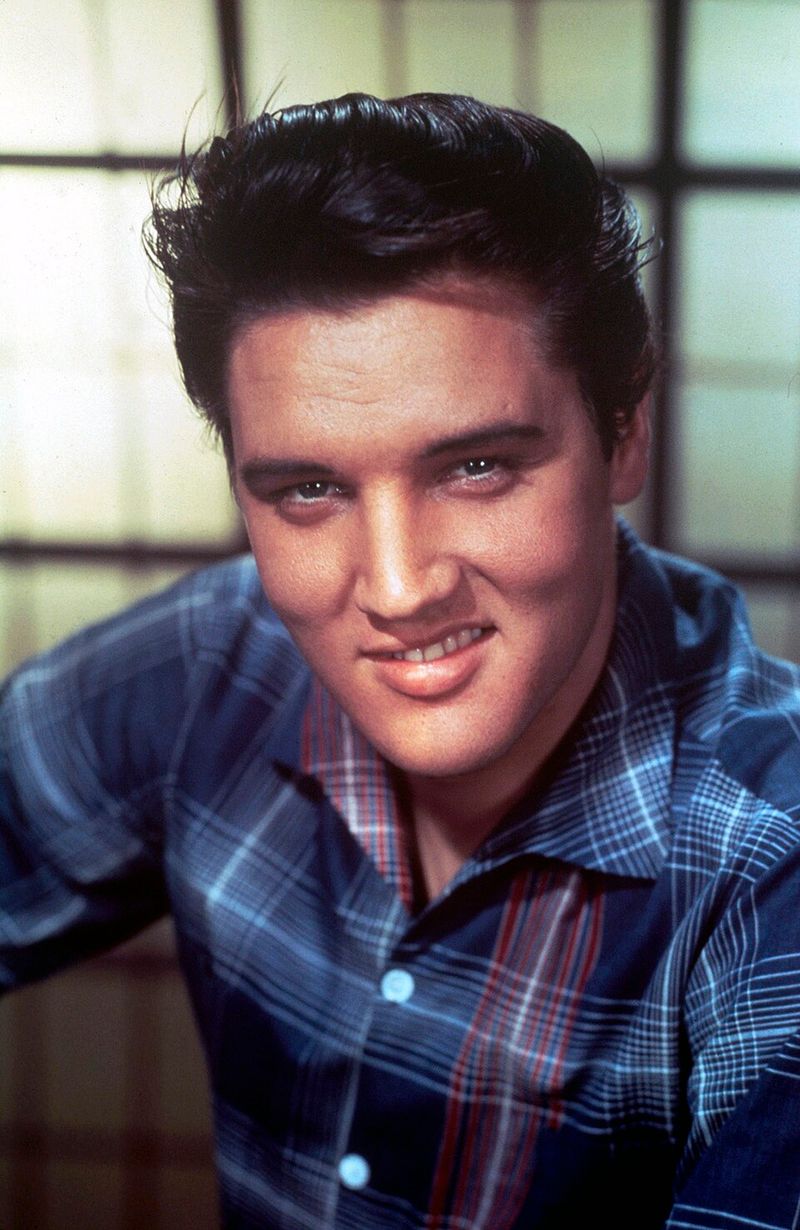
Pairing Elvis with Mary Tyler Moore in a socially conscious drama about a doctor working in an inner-city clinic was, by any measure, a bold swing for 1969.
The film tackled autism, racial tension, and religious vocation with more seriousness than most of his movies had ever attempted. Critics noticed, and the reception was warmer than the box office suggested it deserved.
Change of Habit ended his fictional film career on a thoughtful note. Not a bad final bow for a man who started with Civil War Westerns.
20. Elvis: That’s The Way It Is (1970)
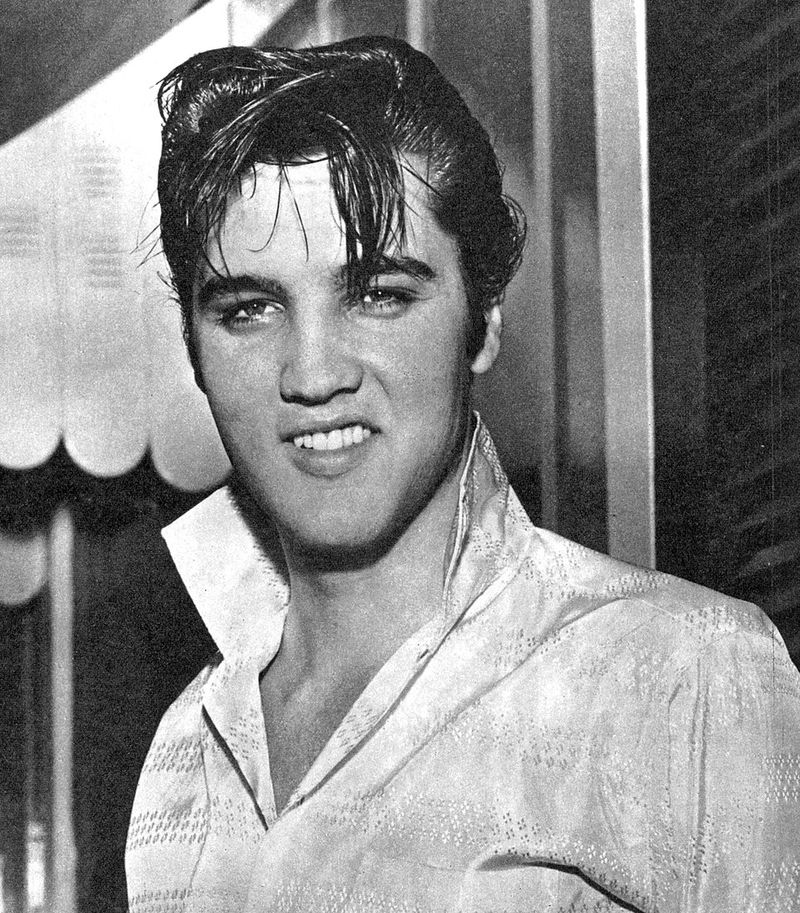
White jumpsuit, Las Vegas stage, and a crowd losing its collective mind set the scene. That’s the Way It Is captured Elvis at his live-performance peak and turned a concert film into something close to a cultural monument.
Behind the camera, rehearsals and fan interviews unfolded alongside the performances, creating a documentary texture that felt honest rather than promotional.
Through that approach, a portrait emerged of a performer completely in command of a room. Final theatrical chapter landed exactly right.
Disclaimer: This article is intended for general informational and entertainment purposes and reflects a curated editorial look at Elvis Presley’s film career and cultural impact.
Film significance, career influence, and legacy-based observations may involve interpretation, while release details and historical references are based on publicly available sources.