20 Of The Most Enchanting Medieval Castles Every Traveler Should See Once
Imagine stepping back in time to when knights roamed stone hallways and royalty gazed from towering turrets.
Medieval castles hold centuries of fascinating stories, breathtaking architecture, and mysterious legends that continue to captivate visitors today.
These remarkable structures offer unforgettable adventures for travelers seeking wonder and history.
1. Neuschwanstein Castle (Germany)
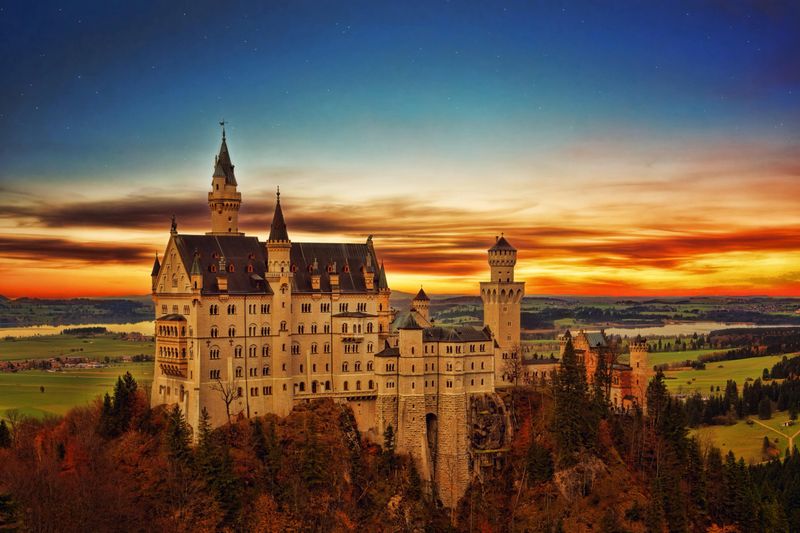
Perched dramatically on a rugged hill in Bavaria, this fairy-tale fortress inspired Disney’s Sleeping Beauty Castle.
King Ludwig II commissioned this romantic 19th-century palace as his personal retreat, filling it with elaborate murals and medieval-themed decorations.
Visitors can tour opulent rooms featuring Byzantine and Romanesque architecture, while enjoying spectacular views of the surrounding Alps.
The castle’s exterior looks especially magical when snow blankets the mountainside during winter months.
2. Château de Chambord (France)
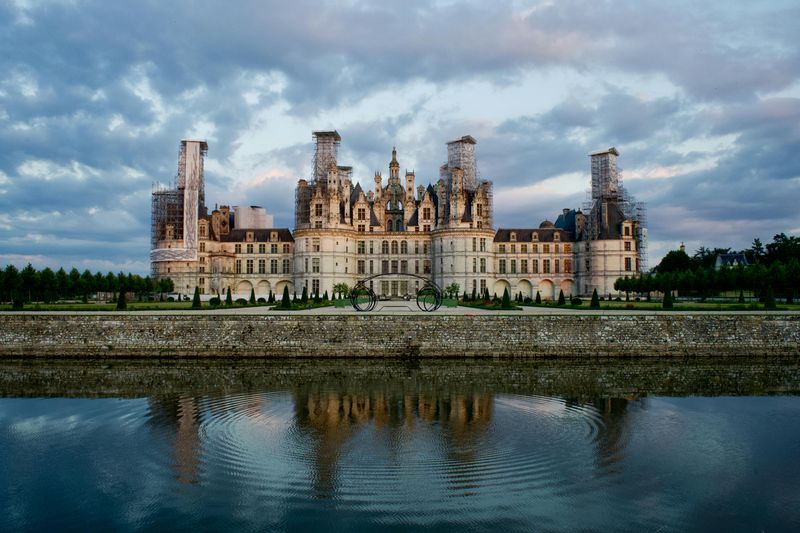
Built as a hunting lodge for King Francis I, this massive Renaissance masterpiece showcases 440 rooms and 282 fireplaces.
Leonardo da Vinci allegedly designed its famous double-helix staircase, where two people can ascend simultaneously without ever meeting.
Surrounded by forests teeming with wildlife, the estate covers over 13,000 acres of pristine parkland. Its distinctive French architecture features hundreds of ornate chimneys decorating the roofline like a crown.
3. Edinburgh Castle (Scotland)
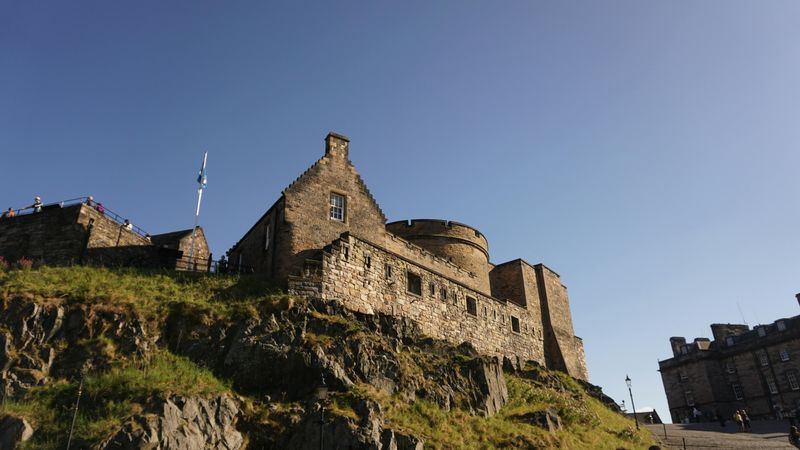
Dominating Scotland’s capital from atop an extinct volcano, this ancient fortress has witnessed countless battles throughout its thousand-year history.
Within its formidable walls, you’ll discover the Crown Jewels of Scotland and the legendary Stone of Destiny.
Every August, the castle becomes the stunning backdrop for the world-famous Military Tattoo festival. Cannons still fire daily at precisely one o’clock, maintaining a tradition that dates back to 1861.
4. Alcázar of Segovia (Spain)
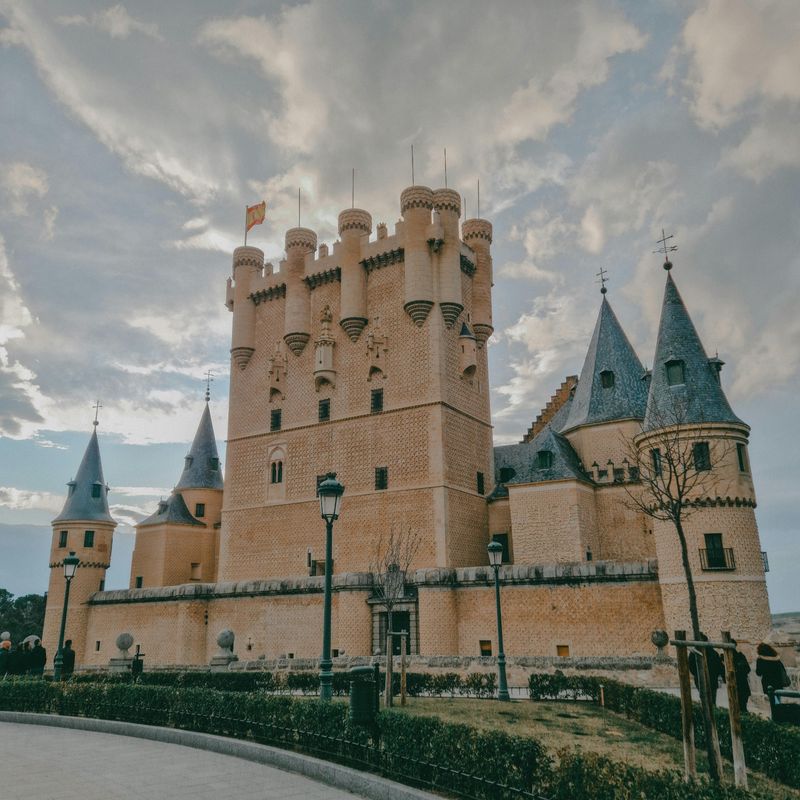
Rising like a stone ship from its rocky perch, this Spanish marvel served as a royal palace, state prison, and military academy throughout history.
Its unique shape resembles the bow of a vessel sailing toward the horizon.
Queen Isabella I was crowned here in 1474, beginning her legendary reign. The castle’s blue slate turrets and Moorish-influenced interiors create an unforgettable blend of architectural styles that captivate every visitor.
5. Hohenzollern Castle (Germany)
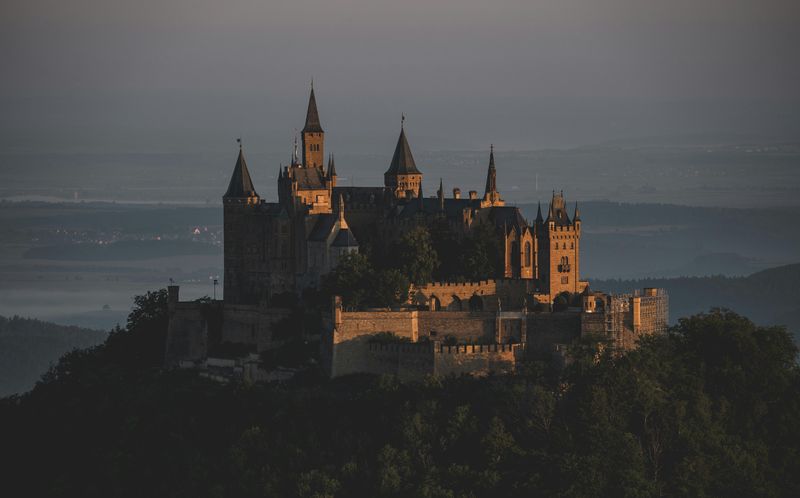
Floating above the clouds atop Mount Hohenzollern, this ancestral seat of Prussian royalty commands breathtaking panoramic views.
Gothic Revival architecture gives the castle its romantic silhouette, complete with ornate towers and fortified walls.
Inside, you’ll find the Prussian royal crown and personal belongings of Frederick the Great. When fog rolls in, the castle appears to hover mysteriously above the Swabian countryside like something from a dream.
6. Windsor Castle (England)
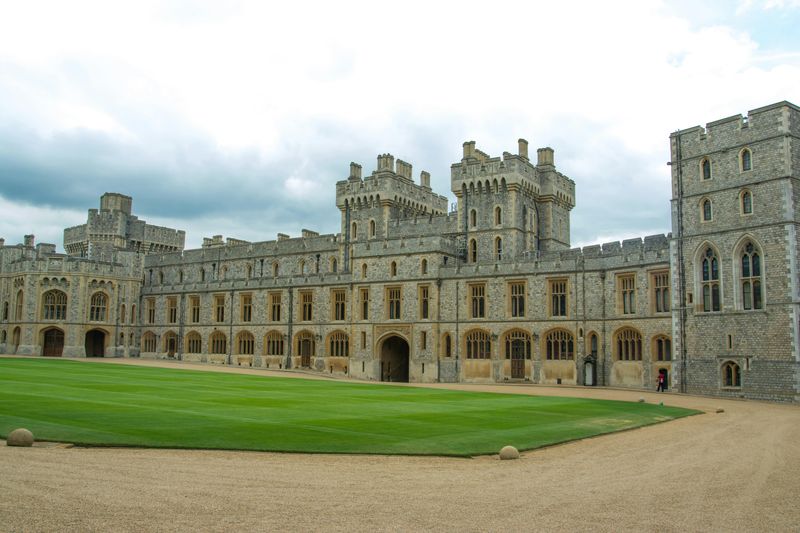
As the oldest and largest occupied castle in the world, this royal residence has housed British monarchs for nearly 1,000 years.
Queen Elizabeth II spent many weekends here, maintaining a tradition established by William the Conqueror.
St. George’s Chapel within the grounds hosts royal weddings and serves as the burial place for ten monarchs. The State Apartments showcase priceless artwork, including pieces by Rembrandt and Rubens.
7. Prague Castle (Czech Republic)
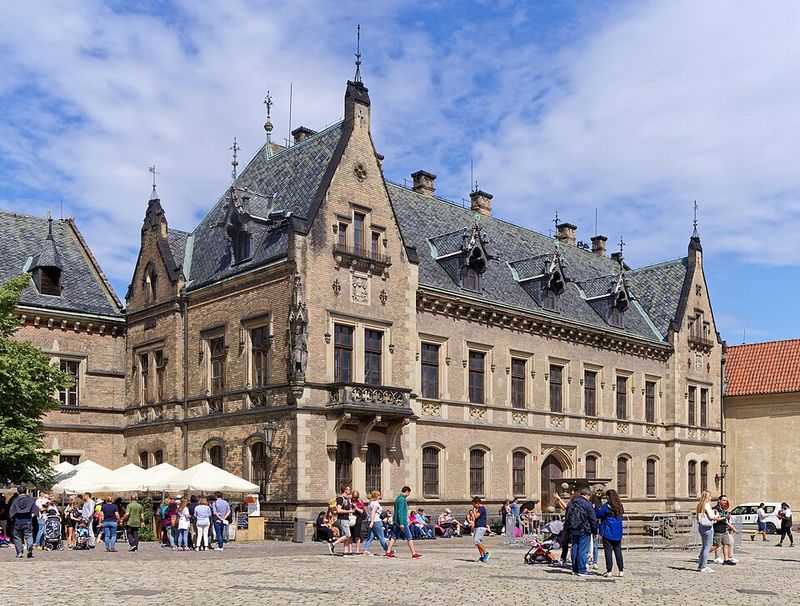
According to Guinness World Records, this is the largest ancient castle complex on Earth, spanning over 750,000 square feet.
Founded in the 9th century, it contains palaces, churches, gardens, and the magnificent St. Vitus Cathedral.
Czech presidents still use the castle as their official residence today.
Changing of the guard ceremonies occur hourly, entertaining visitors with synchronized precision and traditional uniforms that honor centuries of history.
8. Mont Saint-Michel (France)
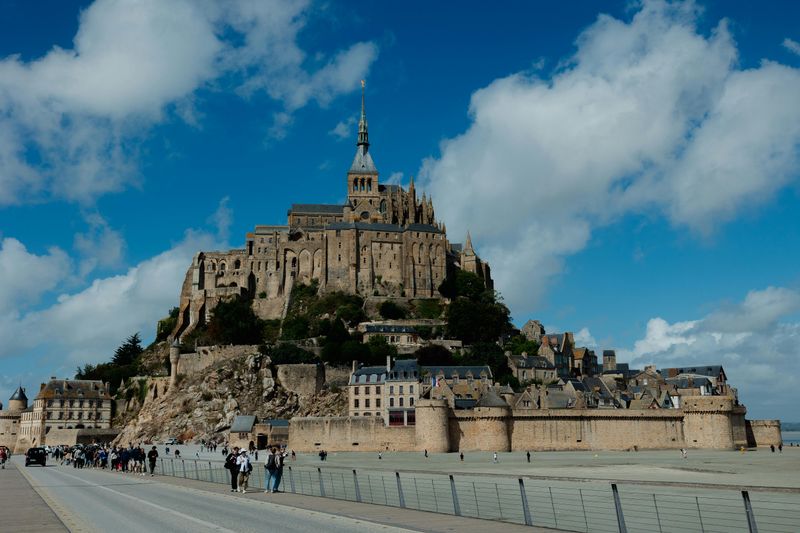
When high tide surrounds this rocky island, the medieval abbey appears to float magically on the water.
Pilgrims have journeyed here for over a thousand years, climbing narrow streets to reach the monastery perched at the summit.
The bay experiences Europe’s highest tides, transforming the landscape dramatically between visits. Gothic spires pierce the sky while ancient ramparts protect the village clinging to the island’s slopes below.
9. Bran Castle (Romania)
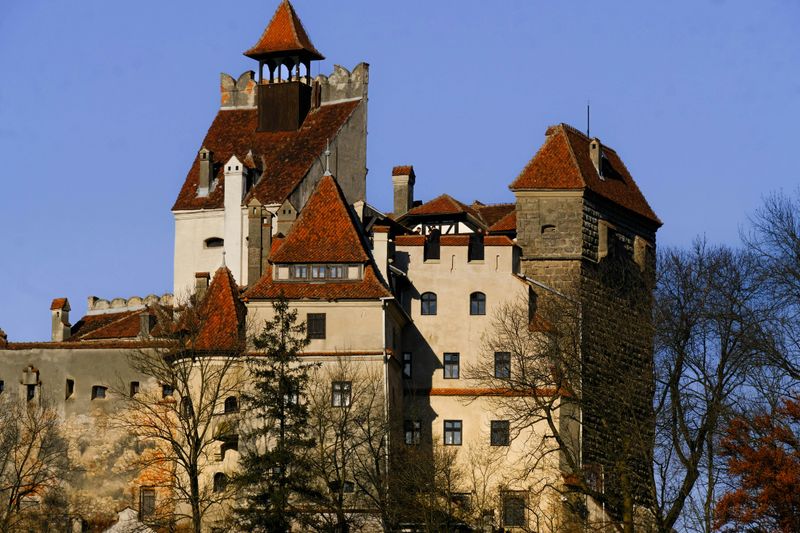
Often called Dracula’s Castle, this Transylvanian fortress gained fame through its supposed connection to Vlad the Impaler.
Gothic towers and secret staircases create an atmosphere perfect for vampire legends, though Bram Stoker never actually visited Romania.
The castle now functions as a museum displaying art and furniture collected by Queen Marie of Romania. Perched dramatically on a cliff, it overlooks the picturesque village of Bran below.
10. Bodiam Castle (England)
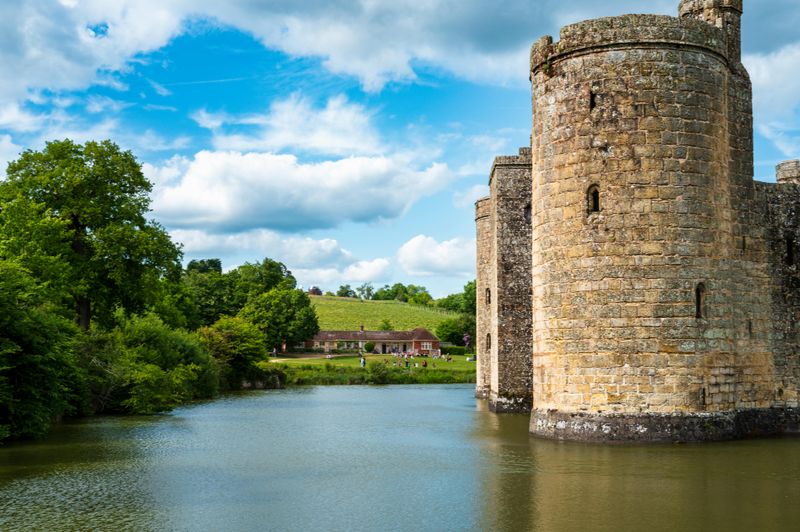
Surrounded completely by a wide moat, this 14th-century fortress creates picture-perfect reflections that photographers adore.
Built to defend against French invasion during the Hundred Years’ War, it remains remarkably well-preserved despite its age.
Cylindrical corner towers and crenellated battlements showcase classic medieval military architecture.
Though largely ruined inside, the exterior walls stand intact, allowing visitors to walk the ramparts and imagine defending against approaching enemies.
11. Blarney Castle (Ireland)
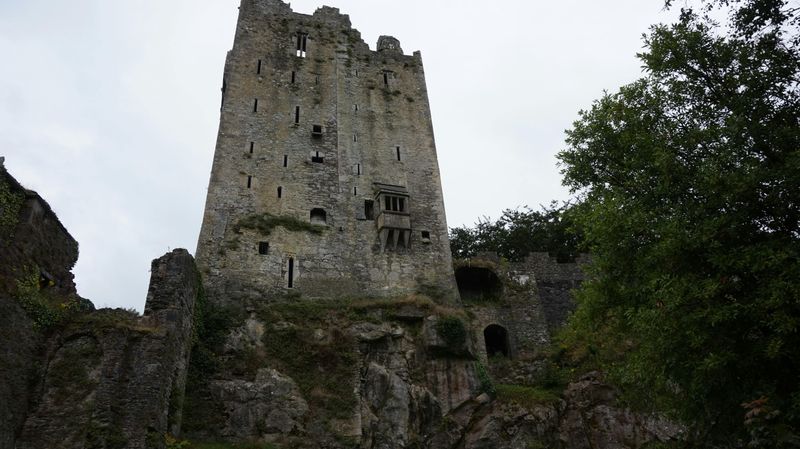
Legends say kissing the famous Blarney Stone grants the gift of eloquence, though reaching it requires leaning backward over a sheer drop.
Built in 1446 by the MacCarthy clan, this fortress tower stands amid beautiful gardens featuring ancient yew trees and mysterious rock formations.
Visitors explore dungeons, spiral staircases, and the Poison Garden containing deadly plants. The surrounding estate offers peaceful woodland walks and a tranquil lake perfect for reflection.
12. Malbork Castle (Poland)
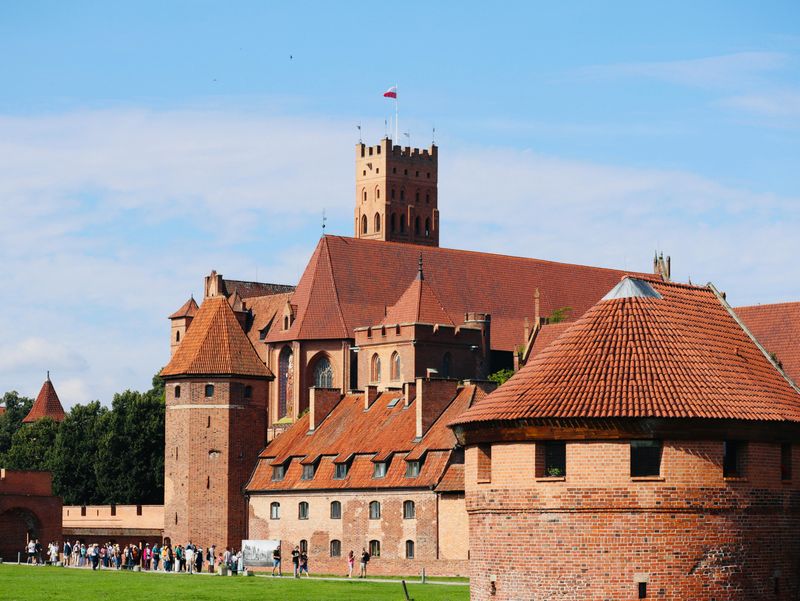
Constructed entirely from red brick, this colossal fortress served as headquarters for the Teutonic Knights during medieval times.
It’s the world’s largest brick Gothic castle, covering over 52 acres with intricate vaulted halls and defensive walls.
The complex includes three separate castles connected by fortified passages and surrounded by the Nogat River. After extensive World War II damage, meticulous restoration returned this UNESCO site to its former glory.
13. Conwy Castle (Wales)
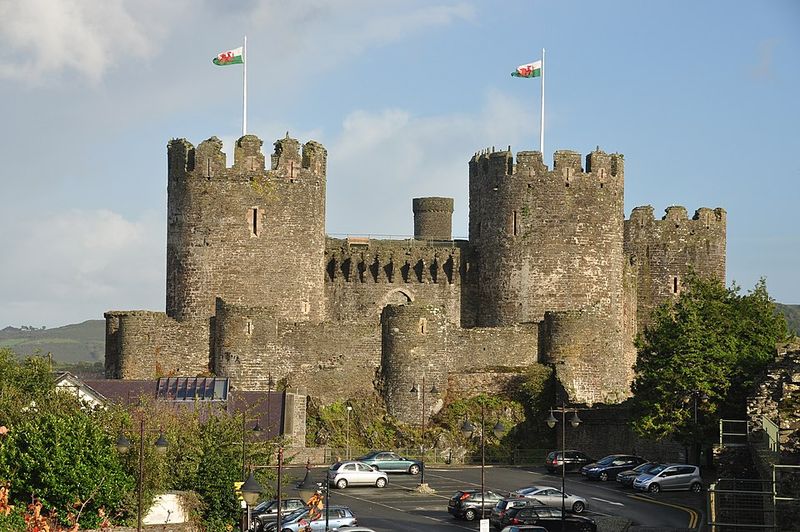
Eight massive towers punctuate the walls of this intimidating Welsh fortress built by King Edward I during his conquest of Wales.
Construction took just four years, employing 1,500 craftsmen who created one of medieval Europe’s finest fortifications.
The castle guards the mouth of the River Conwy, working in harmony with the town’s remarkably intact medieval walls. Climbing the towers rewards visitors with stunning views across Snowdonia National Park.
14. Eltz Castle (Germany)
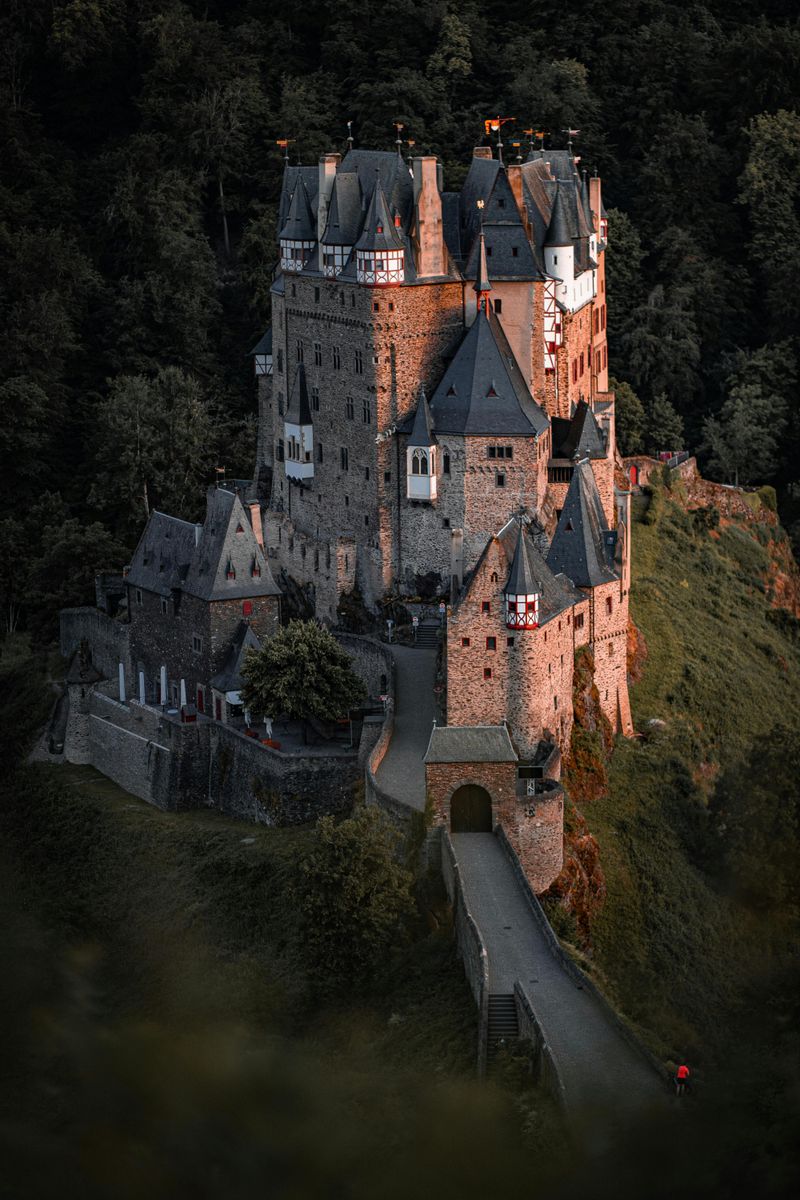
Hidden in a quiet valley surrounded by dense forest, this remarkably preserved castle has remained in the same family for 850 years.
Unlike many European castles, it never faced destruction during wars, maintaining its original medieval character perfectly.
Multiple families shared the castle for centuries, each building their own section with distinct architectural styles. Its treasury contains priceless medieval artifacts, including intricate jewelry and ancient weapons.
15. Pena Palace (Portugal)
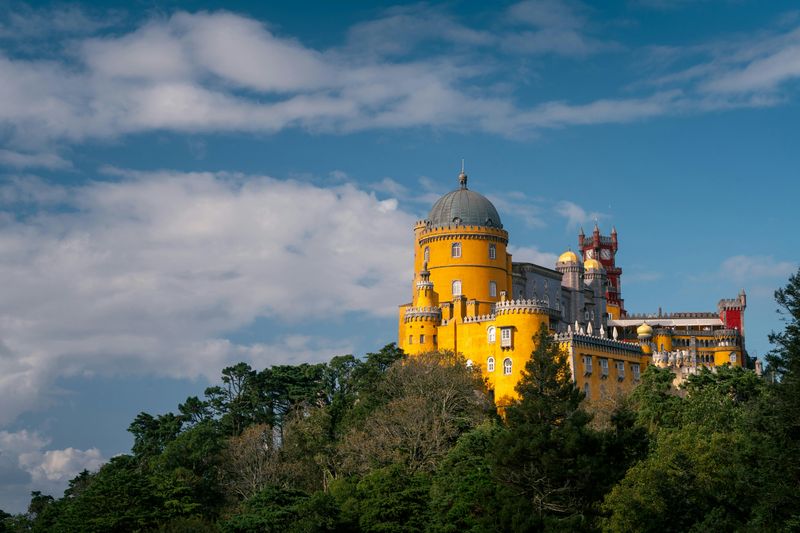
Painted in vibrant yellows and reds, this whimsical palace crowns a hilltop in Sintra’s lush mountains.
Romanticist architecture blends Moorish, Gothic, and Renaissance styles into one fantastical creation that looks plucked from a storybook.
King Ferdinand II transformed a ruined monastery into this colorful masterpiece during the 19th century. On clear days, visitors standing on its terraces can see all the way to Lisbon and the Atlantic Ocean beyond.
16. Burg Kreuzenstein (Austria)
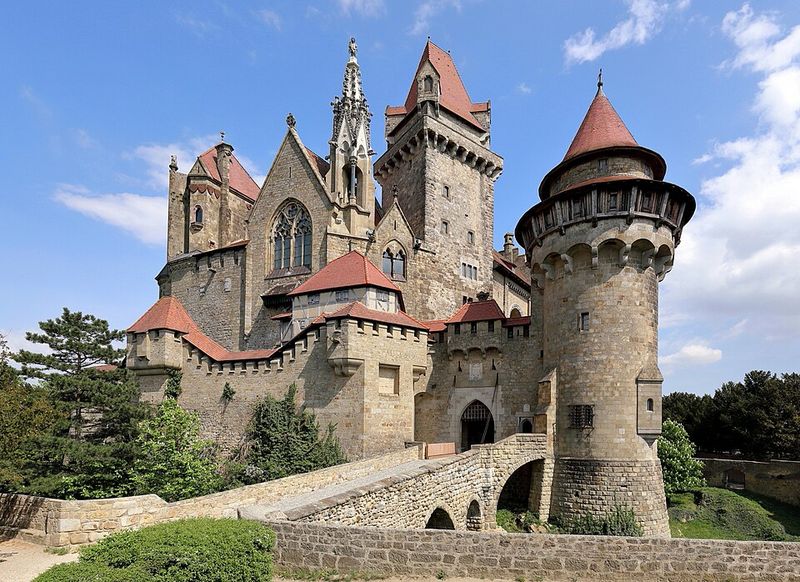
Meticulously reconstructed in the 19th century using authentic medieval materials from across Europe, this Austrian fortress appears genuinely ancient.
Count Johann Nepomuk Wilczek collected original architectural elements from demolished castles to rebuild his family’s ancestral home.
The result showcases medieval craftsmanship through genuine Gothic windows, Romanesque doorways, and Renaissance furnishings.
Guided tours include demonstrations with birds of prey and access to an impressive weapons collection.
17. Predjama Castle (Slovenia)
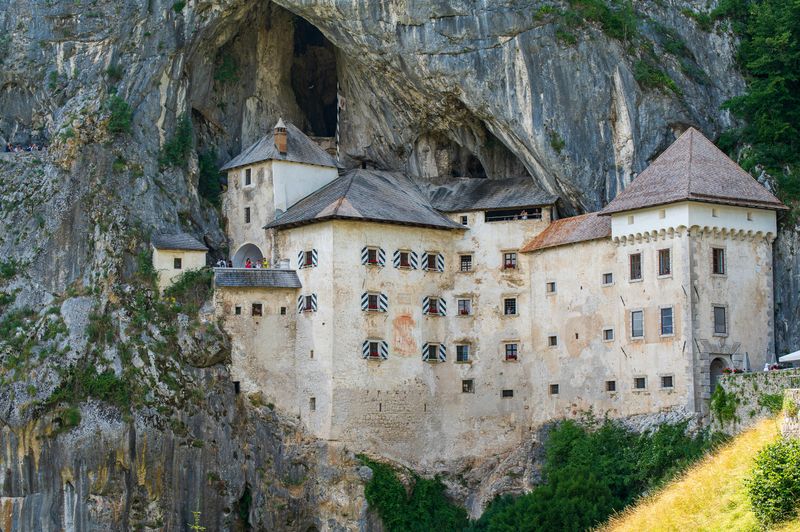
Built directly into a 400-foot cliff face, this Renaissance fortress emerges dramatically from a cave mouth like something from fantasy.
Secret tunnels honeycomb the rock behind the castle, once allowing residents to escape sieges or smuggle supplies undetected.
The legendary knight Erasmus of Lueg used these passages to mock besieging armies for over a year. Today, visitors explore both the castle and the extensive cave system hidden within the mountain.
18. Vianden Castle (Luxembourg)
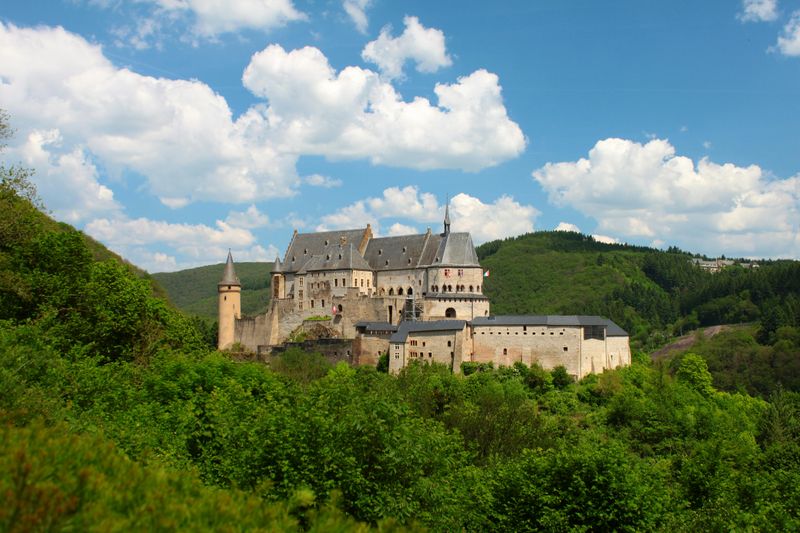
Overlooking the charming town of Vianden, this magnificently restored castle showcases Romanesque and Gothic architecture at its finest.
Built between the 11th and 14th centuries, it served as home to the powerful Counts of Vianden.
Victor Hugo stayed here during his exile, finding inspiration in its medieval grandeur.
After falling into ruin, extensive restoration returned the castle to its medieval splendor, complete with period furnishings and decorative arts.
19. Kilkenny Castle (Ireland)
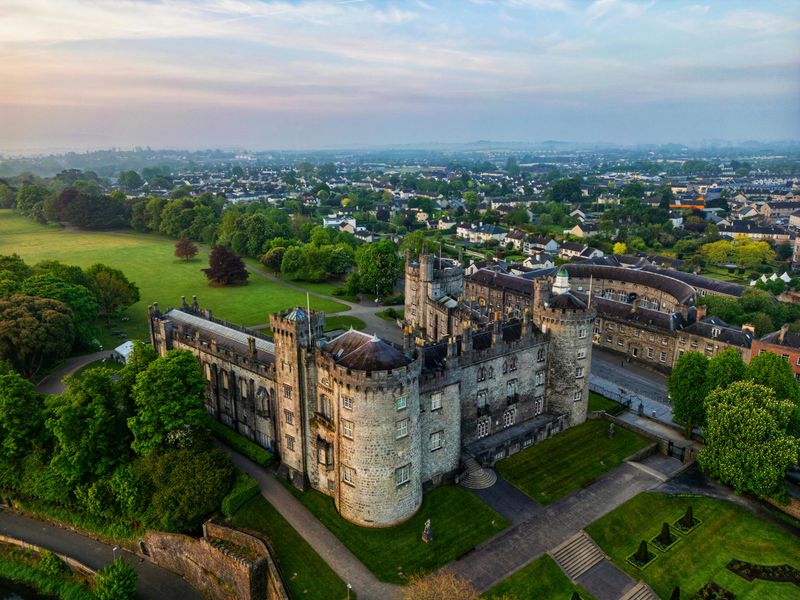
For nearly 600 years, the powerful Butler family called this Norman stronghold home, transforming it from military fortress to elegant residence.
The castle overlooks the River Nore, dominating Kilkenny’s medieval cityscape with its impressive stone towers.
Victorian renovations added luxurious interiors featuring ornate ceilings, tapestries, and a stunning Long Gallery filled with family portraits.
The surrounding parklands provide peaceful riverside walks through beautifully maintained gardens.
20. Leeds Castle (England)
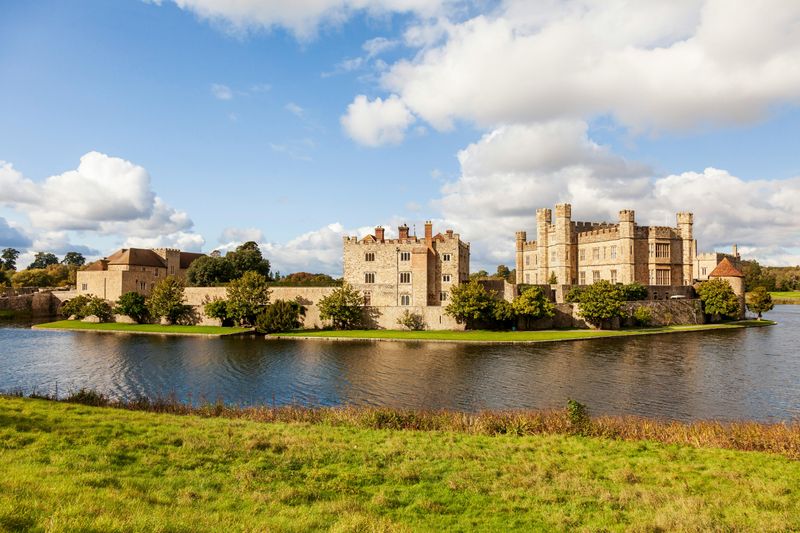
Built on two islands in a serene lake, this enchanting castle has been called the loveliest in the world. Six medieval queens called it home, earning its nickname as the Ladies’ Castle throughout English history.
The castle’s position creates stunning reflections on calm days, doubling its beauty in the surrounding waters.
Beyond the medieval walls, visitors discover a maze, grotto, and aviary housing exotic birds within the extensive grounds.