16 Enchanting Medieval Towns To Explore In Italy
Italy’s countryside holds secrets that feel like stepping into a storybook. Cobblestone streets wind through villages where time seems to stand still, and ancient stone towers reach toward endless blue skies.
Wandering through medieval towns offers a magical escape where history whispers from every corner, inviting you to discover the enchanting beauty that has captivated travelers for centuries.
1. San Gimignano
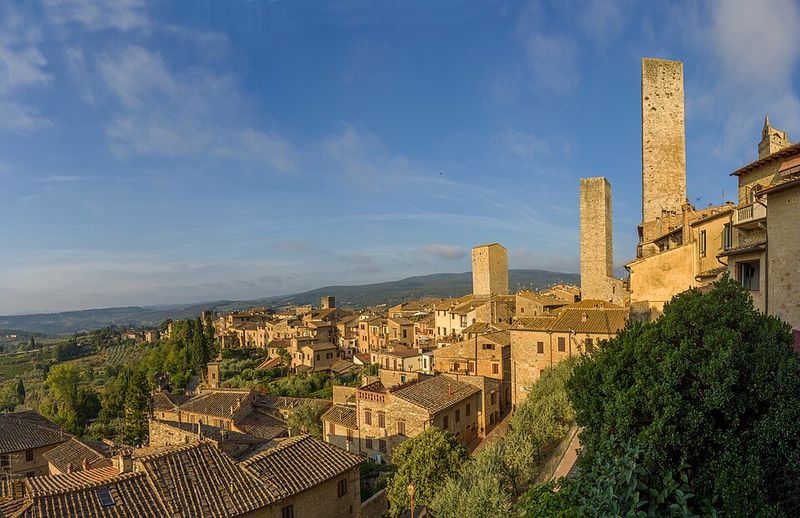
Picture a skyline that looks like a medieval Manhattan, with 14 stone towers poking up from rolling Tuscan hills. Walking through the narrow alleys feels like traveling back 700 years, when wealthy families built towers to show off their power.
Gelato shops line the main square, and the views from the ancient walls stretch across vineyards as far as you can see.
2. Volterra
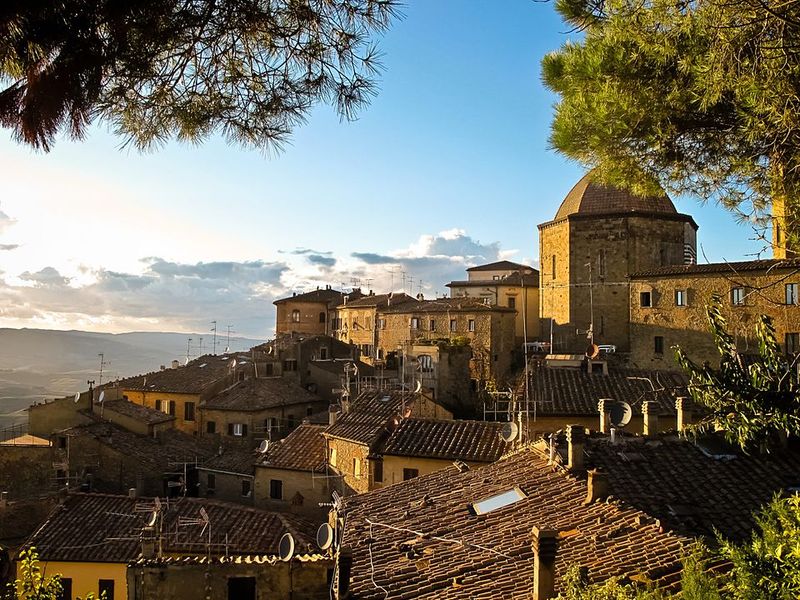
Perched high on a windswept hill, this ancient Etruscan settlement guards secrets that go back over 2,500 years. Artisans still carve beautiful objects from alabaster, a tradition that has lasted since before the Romans arrived.
Dramatic cliffs drop away at the town’s edge, creating views that make your stomach flip. Museums here display artifacts that connect you to civilizations that vanished long ago.
3. Cortona
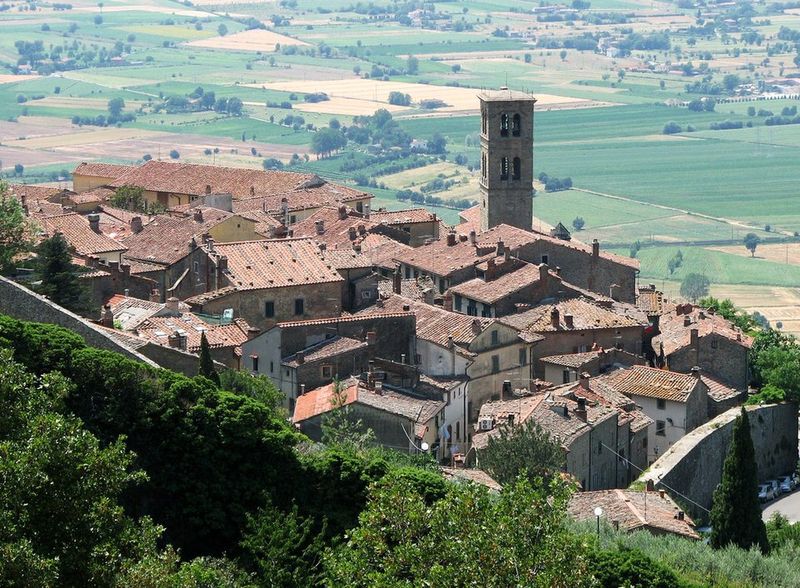
Steep streets zigzag up a mountainside, rewarding your climb with breathtaking panoramas of the Val di Chiana below. Book lovers might recognize this charming spot as the setting that inspired a famous memoir about starting over in Tuscany.
Summer brings a buzz of activity to the piazzas, where locals gather for evening strolls. Ancient Etruscan walls still encircle parts of the town, standing strong after thousands of years.
4. Montepulciano
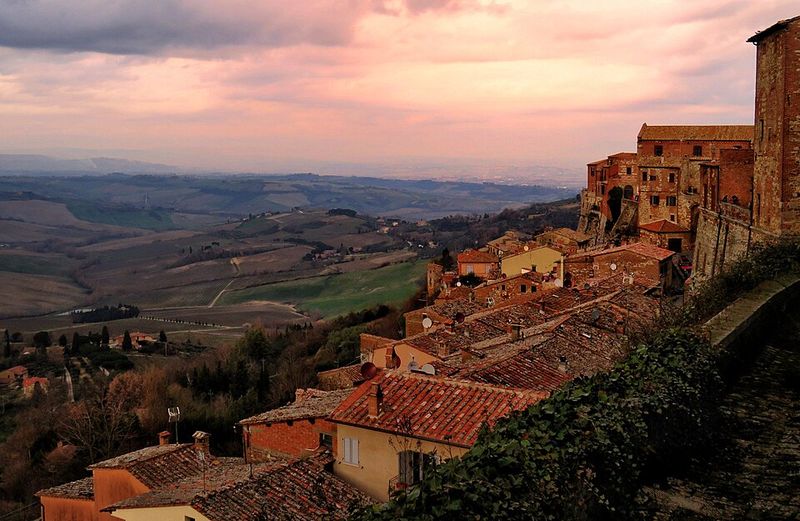
Wine lovers celebrate this hilltop beauty as the birthplace of Vino Nobile, one of Italy’s most respected red wines. Renaissance palaces line the main street, leading up to a stunning piazza at the very top.
Cellars carved deep into the volcanic rock beneath your feet hold barrels of aging wine. When you finally reach the summit, the view rewards every step, spreading across two valleys and distant mountain ranges.
5. Orvieto
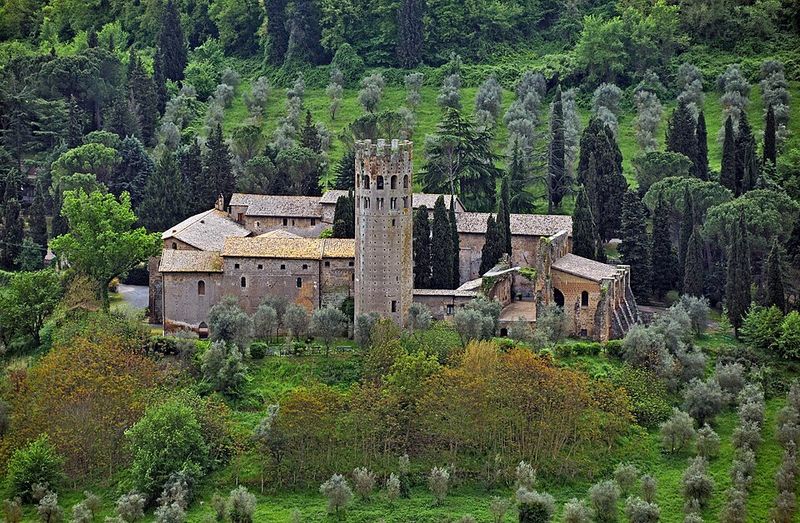
Imagine an entire town sitting on a massive chunk of volcanic rock that rises straight up from the valley floor like a natural fortress. A stunning cathedral dominates the main square, its facade covered in golden mosaics that sparkle in the sunlight.
Underground tunnels and caves honeycomb the rock beneath the streets, once used for storing wine and escaping enemies. Getting there by funicular railway adds extra adventure to your visit.
6. Assisi
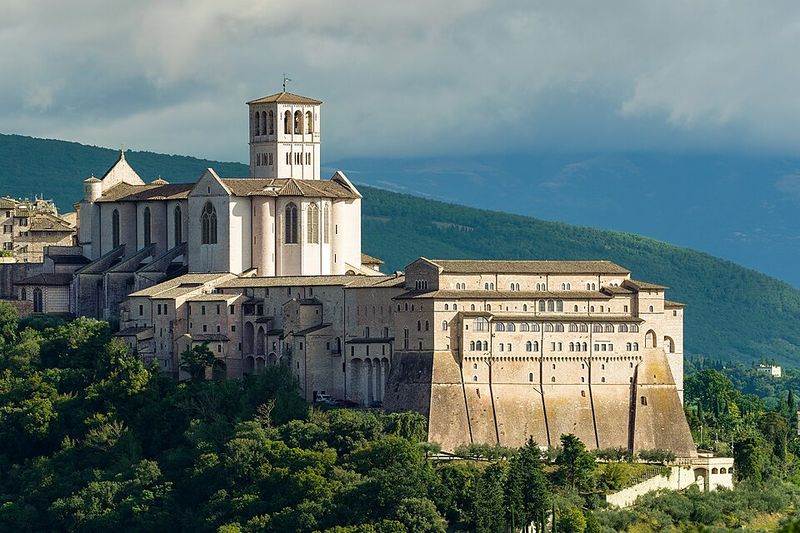
Pilgrims have traveled to this peaceful hillside sanctuary for 800 years, drawn by the story of Saint Francis, who chose poverty and kindness over wealth. Pink-tinged stone buildings glow warmly at sunset, creating an atmosphere of quiet contemplation.
Magnificent frescoes cover the walls of the famous basilica, painted by masters who lived centuries ago. Even if you’re not religious, the beauty and tranquility here touch something deep inside.
7. Spello
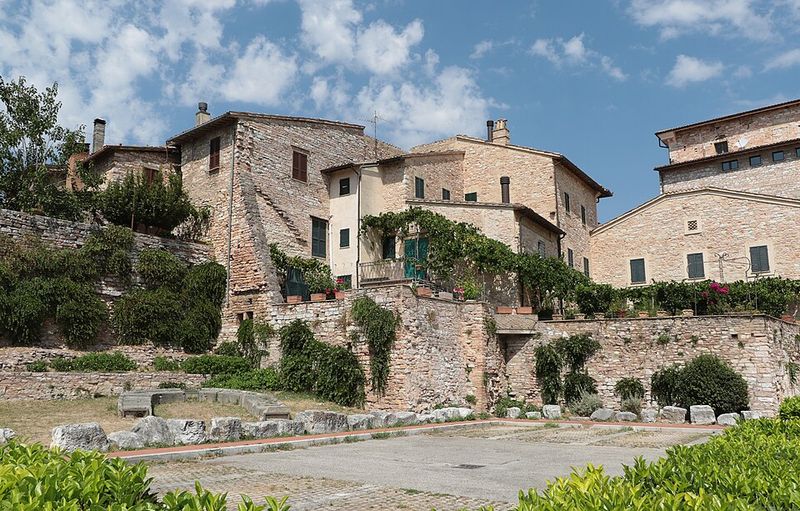
Flowers cascade from every window and balcony, earning this gem a reputation as one of Italy’s most beautiful villages. Narrow lanes twist upward through the medieval center, occasionally opening onto unexpected views of the valley spreading below.
Ancient Roman gates still stand at the town entrances, decorated with carvings that survived two thousand years. During June, artists create elaborate flower petal carpets for a religious festival that draws crowds from everywhere.
8. Civita di Bagnoregio
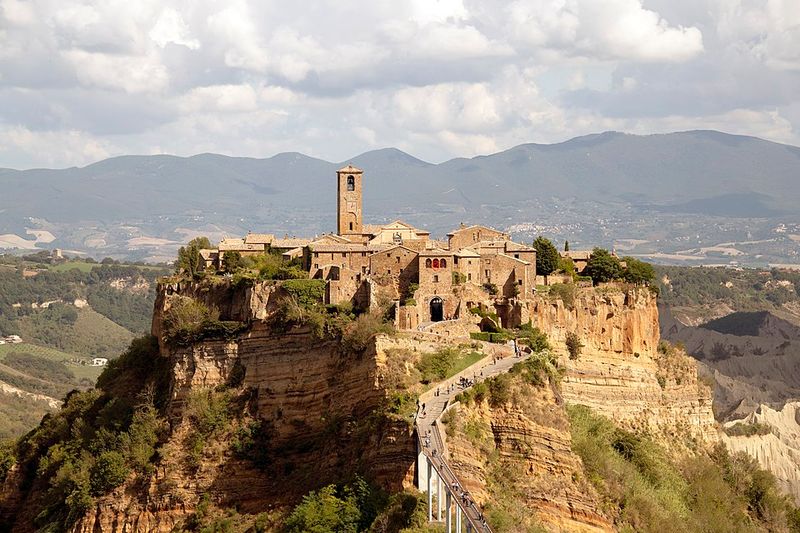
Reaching this dying village requires crossing a long footbridge that connects it to the modern world, as erosion slowly eats away the volcanic plateau beneath. Only about a dozen people still call this crumbling beauty home, though tourists flock here daily.
Buildings perch precariously near cliff edges that drop hundreds of feet. Walking through the tiny medieval center feels like discovering a forgotten kingdom suspended in time and space.
9. Monteriggioni
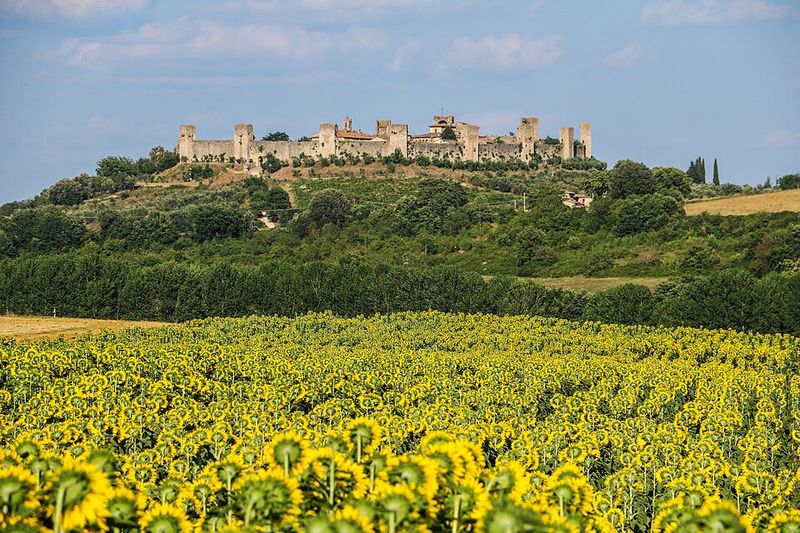
A perfect circle of fortress walls surrounds this tiny village, with 14 towers standing guard just as they did when they were built in the 1200s. You can walk the entire perimeter in minutes, but the experience transports you straight into a medieval battle strategy.
Inside the walls, life moves slowly around a simple piazza where locals sip coffee. Video game fans might recognize this place from a popular historical adventure series.
10. Pienza
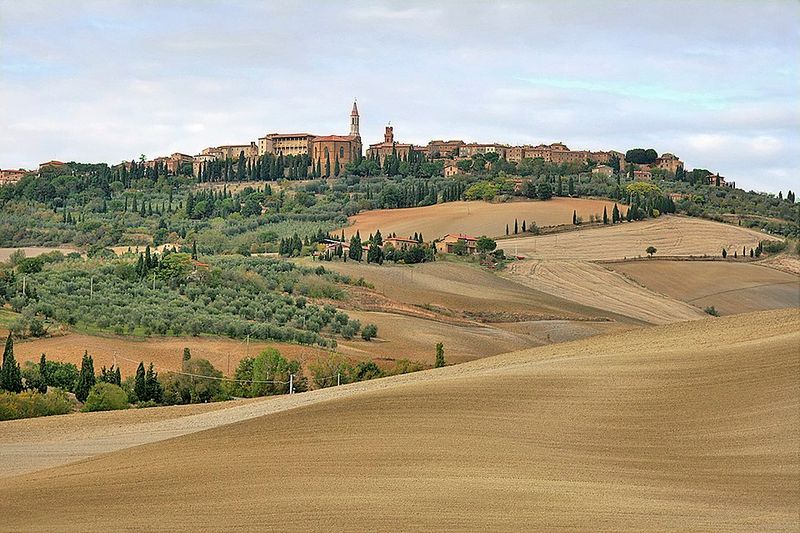
A pope with big dreams transformed his humble birthplace into an ideal Renaissance city during the 1400s, creating what many call the first planned town in history. Perfectly proportioned buildings frame a central piazza that feels like an outdoor living room.
Local shops overflow with pecorino cheese made from sheep that graze nearby hills. Standing at the town’s edge, you look out over the Val d’Orcia, a landscape so beautiful it became a UNESCO World Heritage site.
11. Certaldo
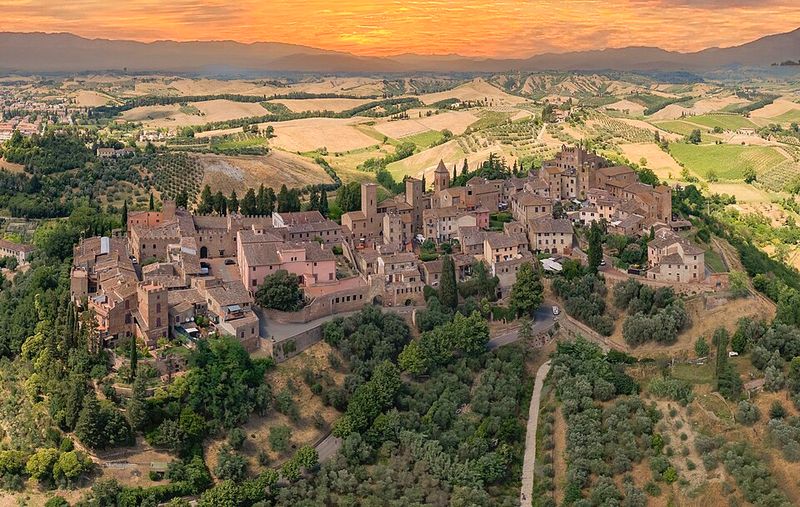
A charming funicular carries you from the modern lower town up to the medieval upper village, where brick buildings line streets that haven’t changed much since the Middle Ages. Famous poet Giovanni Boccaccio was born here and his house still stands, now a small museum.
Red brick dominates the architecture, giving the town a warm, distinctive look. Wandering the quiet lanes, you’ll find artisan workshops and cozy restaurants tucked into ancient buildings.
12. Gubbio
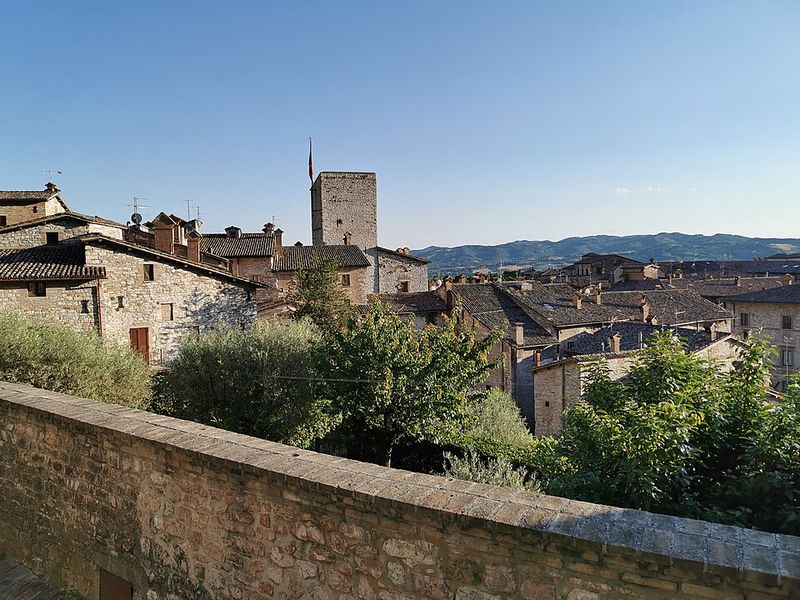
Gray stone buildings climb steeply up Mount Ingino, creating dramatic layers of medieval architecture. Every December, lights arranged on the mountainside form what’s claimed to be the world’s largest Christmas tree.
A wild medieval festival happens each May, when teams race through the streets carrying massive wooden towers topped with statues. Taking the cable car up the mountain in an open basket offers thrills and spectacular views over the ancient rooftops below.
13. Pitigliano
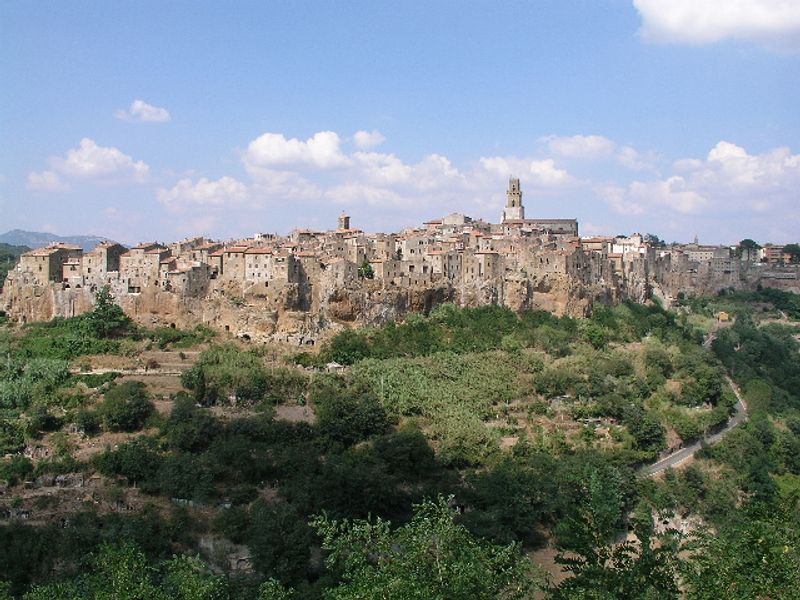
Buildings seem to grow directly out of the volcanic rock cliff they sit on, creating an illusion that the town is part of the mountain itself. Ancient tunnels carved by the Etruscans wind beneath the streets, some now housing wine cellars.
A small but significant Jewish community once thrived here, leaving behind a synagogue and cultural center you can still visit. Sunset transforms the tufa stone to gold, making the whole town glow against the darkening sky.
14. Viterbo
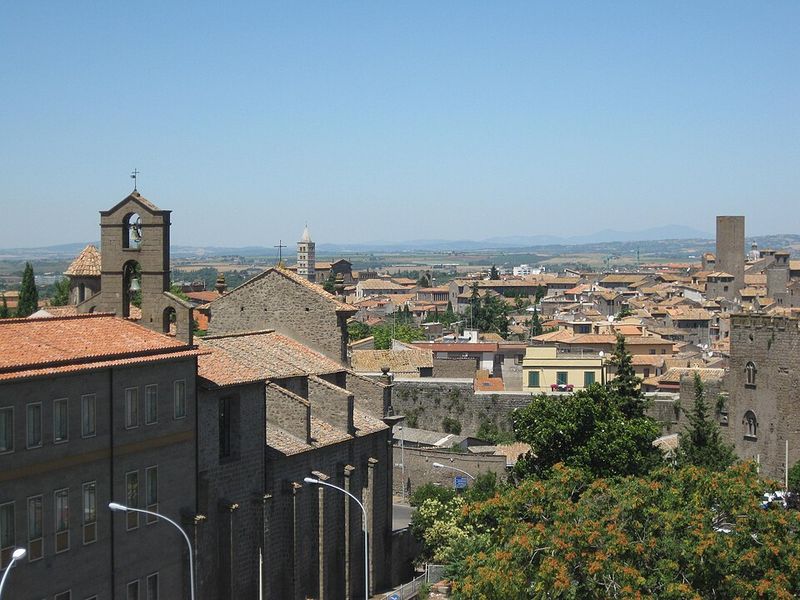
Hot springs bubble up around this papal city, where popes once fled from Rome’s summer heat and political intrigue. A stunning medieval quarter surrounds the Papal Palace, where the longest papal election in history dragged on for nearly three years.
Narrow covered passageways called profferli connect buildings overhead, creating mysterious shadowy lanes. Natural thermal baths just outside town let you soak in steaming mineral-rich water like the ancient Romans did.
15. Amalfi
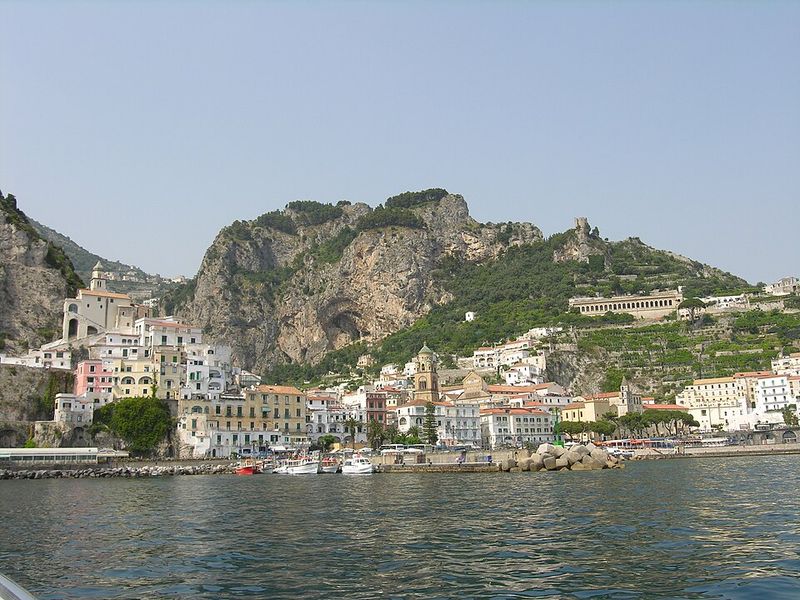
Whitewashed buildings cascade down a steep ravine to meet the sparkling Mediterranean Sea, creating one of Italy’s most photographed coastal scenes. Once a powerful maritime republic that rivaled Venice, this town gave its name to the entire famous coastline.
A magnificent cathedral dominates the main piazza, its striped facade and bronze doors gleaming in the southern sun. Lemon groves cling to terraced hillsides above, producing the fruit for the region’s famous limoncello liqueur.
16. Ravello

High above the Amalfi Coast, this elegant retreat offers gardens that seem to float between sky and sea. Villa Rufolo’s terraced gardens inspired composer Richard Wagner, who wrote part of an opera after visiting in 1880.
Classical music concerts fill summer evenings, with performances staged against backdrops of infinite blue horizons. Wandering through the peaceful streets and spectacular villa gardens feels like discovering a secret paradise that somehow escaped the crowds below.