Essential David Bowie 80s Playlist With 20 Songs
David Bowie transformed music in the 1980s, blending rock with dance-pop and electronic sounds that took over the airwaves.
His bold experiments during this decade produced some of the catchiest, most innovative tracks that still sound fresh today. He proved he could reinvent himself while staying true to his artistic vision.
Get ready to explore twenty incredible songs that defined the Starman’s electrifying journey through the 80s!
Disclaimer: This article reflects subjective editorial perspectives on David Bowie’s 1980s songs and should not be interpreted as definitive fact or universal consensus.
1. Ashes to Ashes (1980)
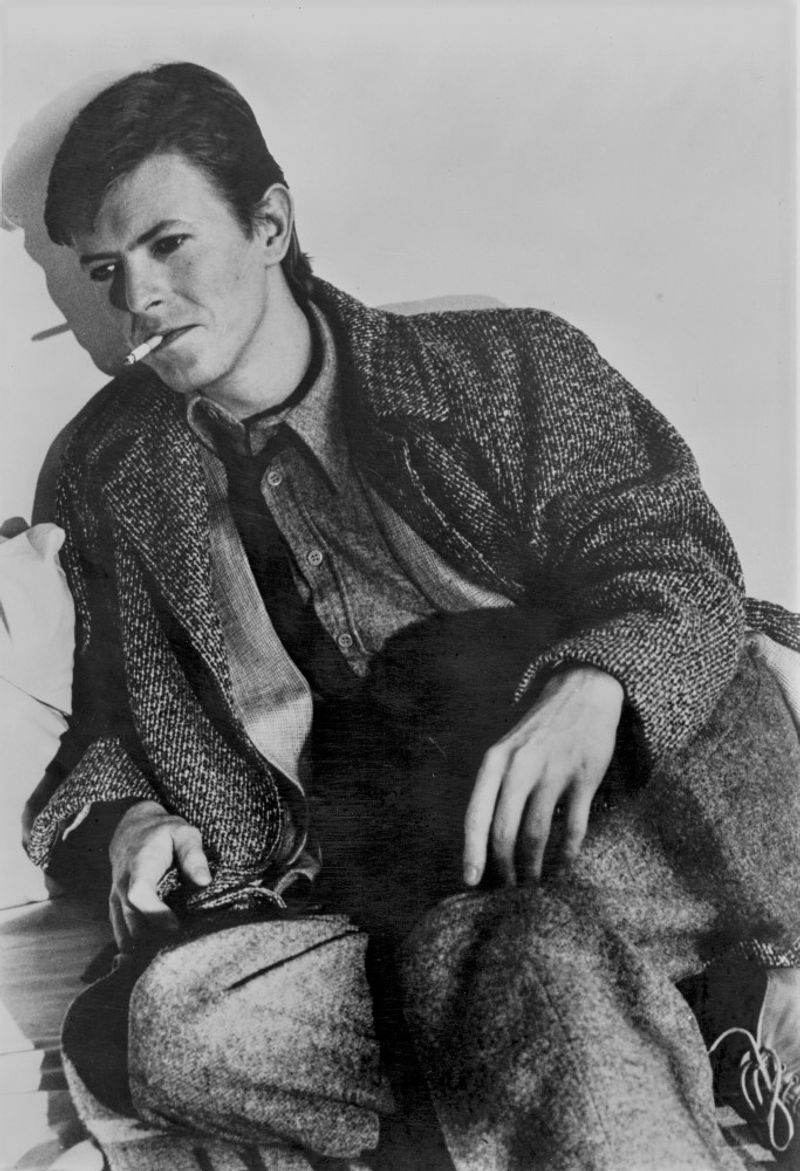
Picking up where Space Oddity left off, this haunting track revisited Major Tom’s story with a darker, more troubled perspective.
Bowie created one of the most expensive music videos ever made at the time, featuring striking visuals with Pierrot clowns and surreal imagery.
The song blends new wave synthesizers with introspective lyrics about addiction and regret.
2. Fashion (1980)

With a funky bassline that grabs you instantly, this track delivers a sharp critique of the fashion industry wrapped in infectious new wave energy.
Bowie’s vocals alternate between cool detachment and explosive bursts, perfectly matching the song’s satirical edge.
The repetitive chant of the word creates an almost hypnotic effect that mirrors the mindless conformity he’s mocking.
3. Teenage Wildlife (1980)
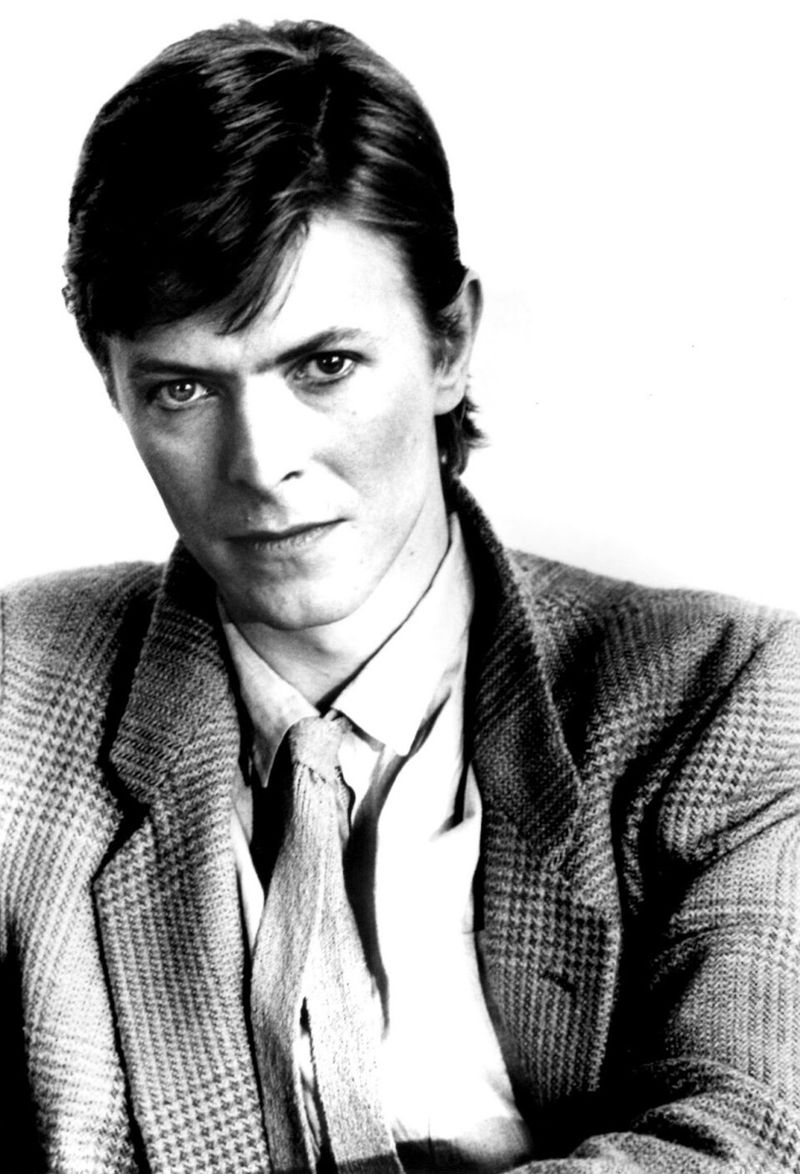
Clocking in at nearly seven minutes, this epic track builds slowly with dramatic piano and soaring guitar work from Robert Fripp.
Bowie’s vocals reach theatrical heights as he explores themes of youth, ambition, and the price of fame in the modern world.
The song feels like a mini rock opera, shifting through different moods and intensities.
4. Scary Monsters And Super Creeps (1980)

Robert Fripp’s jagged, aggressive guitar riffs slice through this title track like lightning bolts, creating an unsettling atmosphere perfect for the song’s dark themes.
Bowie’s vocal delivery switches between nervous energy and explosive outbursts, keeping listeners on edge throughout.
This experimental blend of rock and electronic elements showed Bowie hadn’t abandoned his avant-garde roots, even while pursuing more accessible sounds elsewhere on the album.
5. Up The Hill Backwards (1980)
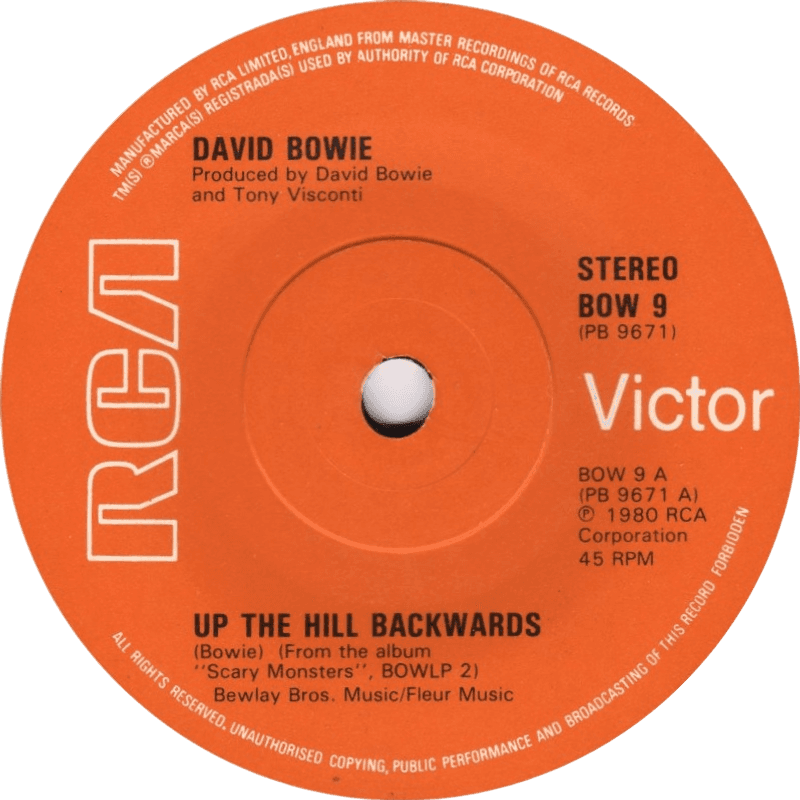
Opening with an unusual vacuum cleaner sound effect (yes, really!), this track quickly transforms into an upbeat, optimistic anthem about facing challenges head-on.
The bright, almost cheerful melody contrasts wonderfully with Bowie’s philosophical lyrics about moving forward despite obstacles.
Synthesizers and guitars blend seamlessly, creating a sound that bridges his Berlin era experimentation with his upcoming pop phase.
6. Under Pressure (with Queen) (1981)
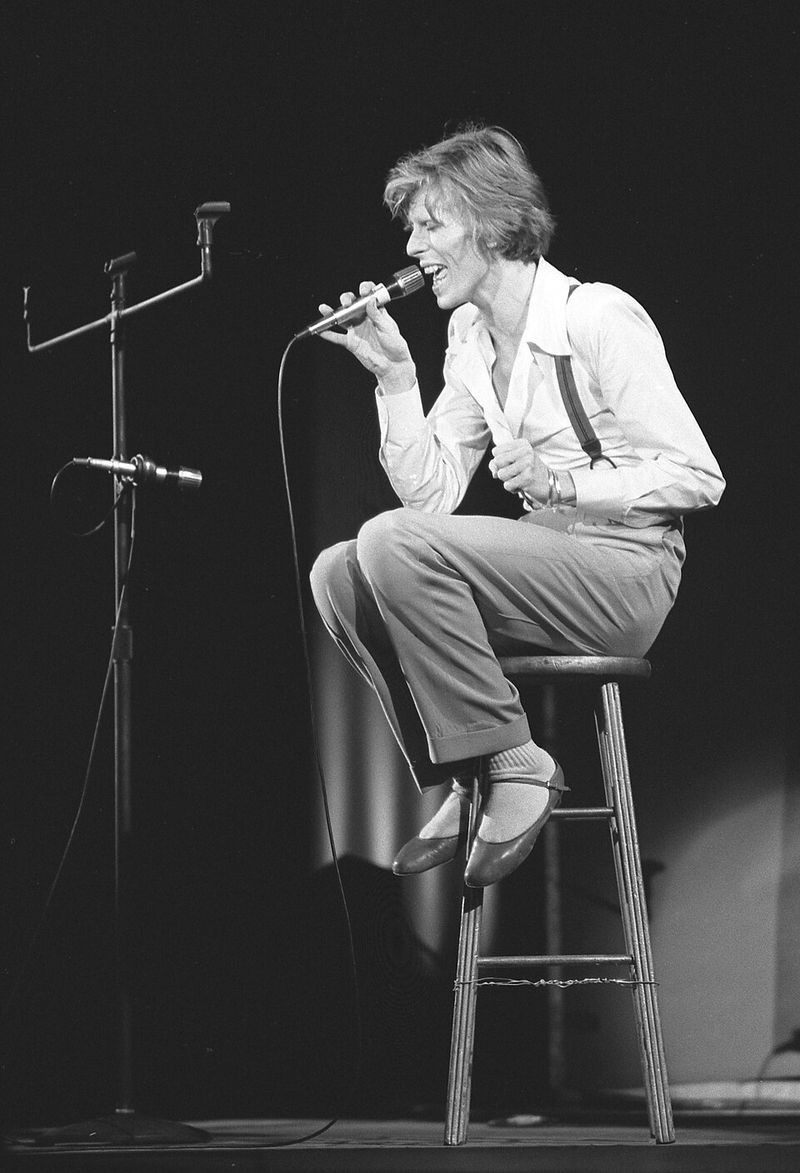
That legendary bassline – instantly recognizable from the first note – emerged from an impromptu jam session between two of rock’s greatest acts.
Freddie Mercury and Bowie trade vocals in a powerful exploration of stress, compassion, and human connection that still gives goosebumps decades later.
The song topped charts worldwide and became one of both artists’ signature tracks.
7. Cat People (Putting Out Fire) (1982)
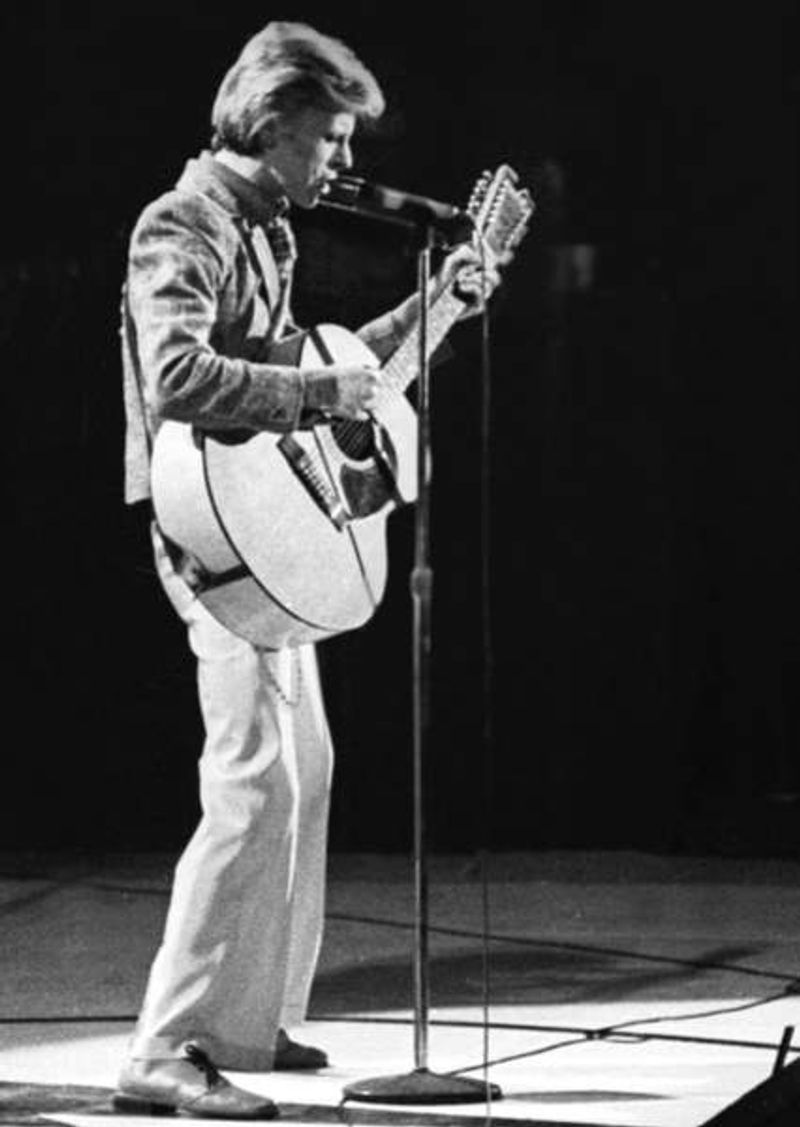
Created for the soundtrack of the Paul Schrader film, this moody, atmospheric track pulses with danger and sensuality throughout its runtime.
Giorgio Moroder’s electronic production gives the song a hypnotic, almost trance-like quality that perfectly captures the movie’s supernatural themes.
Bowie’s vocals smolder with intensity, building from whispered verses to explosive choruses.
8. Let’s Dance (1983)
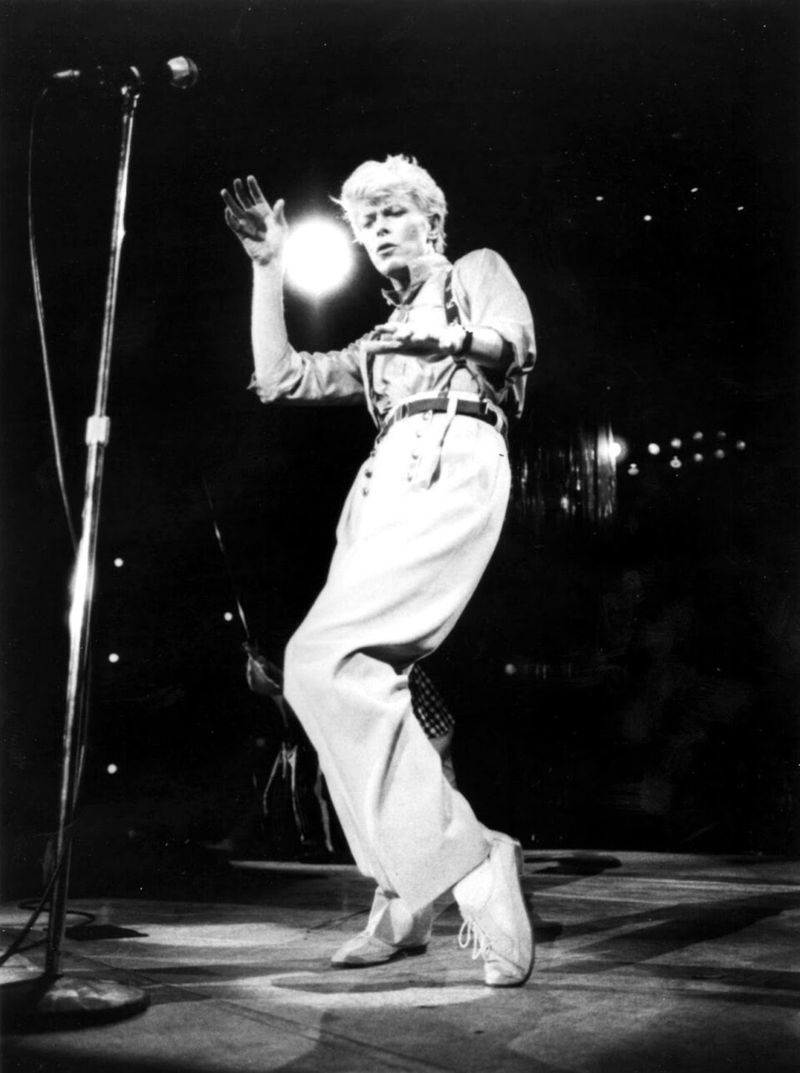
Teaming up with Nile Rodgers from Chic, Bowie created his biggest commercial hit – a song that dominated dance floors and radio stations worldwide.
The funky guitar licks, infectious rhythm, and Stevie Ray Vaughan’s searing guitar solo combined to create pure magic that crossed all genre boundaries effortlessly.
The music video, filmed in Australia, addressed racial themes while showcasing vibrant visuals.
9. China Girl (1983)
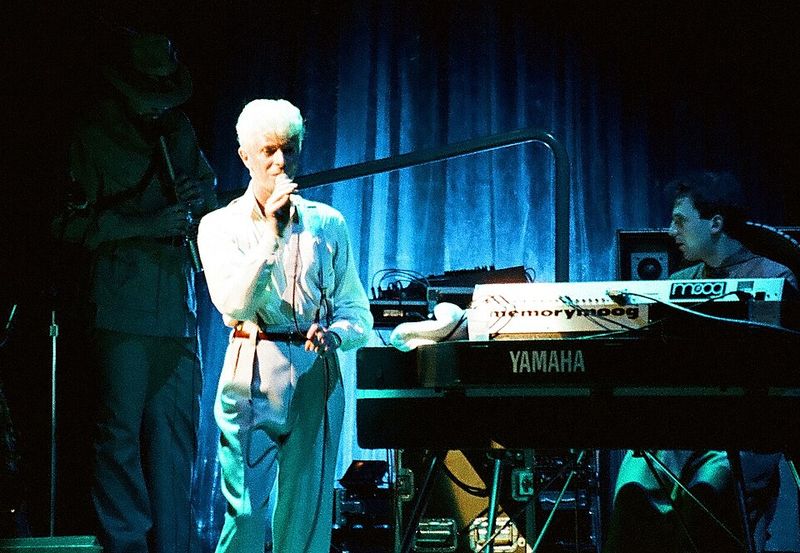
Originally co-written with Iggy Pop for his 1977 album, Bowie reimagined this song with a polished, radio-friendly production that brought it to massive audiences.
The controversial music video featured romantic beach scenes that sparked discussions about cultural representation and relationships in popular media.
The song’s catchy hook and exotic flavor made it another huge hit from the Let’s Dance album, cementing Bowie’s position as the decade’s most versatile artist.
10. Modern Love (1983)
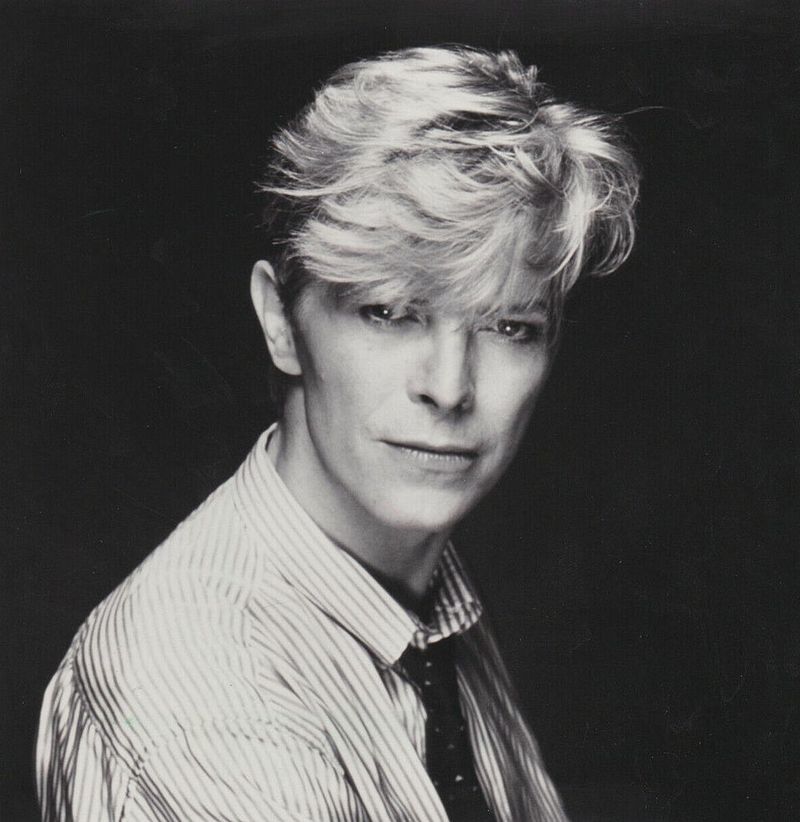
That unforgettable saxophone riff announces this energetic anthem about the complications of contemporary relationships and spirituality.
Bowie delivers the vocals with urgent passion, perfectly capturing the anxious energy of trying to find genuine connection in an increasingly complicated world.
The song’s driving beat and uplifting chorus made it perfect for both radio play and live performances.
11. Blue Jean (1984)
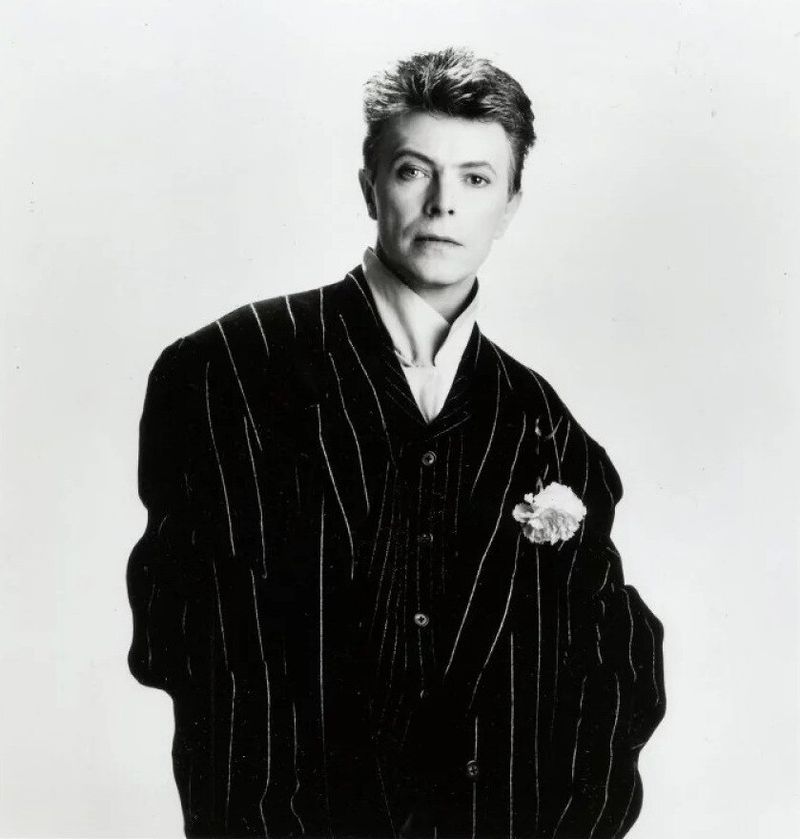
Kicking off with a raw, garage-rock energy, this straightforward rocker showed Bowie could still create unpretentious, fun music.
The accompanying 21-minute short film, Jazzin’ for Blue Jean, featured Bowie playing two characters and won a Grammy for Best Video.
Though simpler than his earlier work, the song’s infectious enthusiasm and catchy chorus made it another chart success.
12. Loving The Alien (1984)
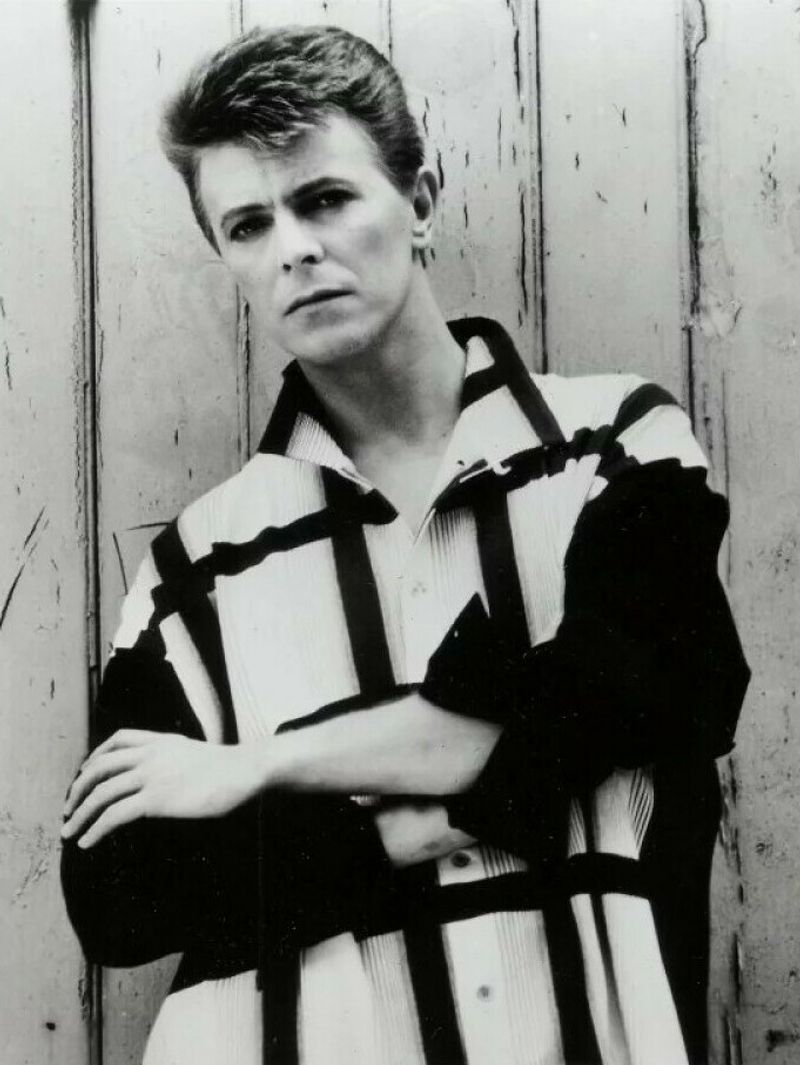
Starting with delicate, almost fragile verses, this ambitious track builds into a sweeping meditation on religion, faith, and human conflict.
Bowie’s vocals convey both vulnerability and strength as he questions organized religion’s role in creating division rather than unity among people.
The lush production features dramatic orchestration and synthesizers that create an almost cinematic soundscape.
13. Tonight (1984)
Another reimagining of an Iggy Pop collaboration, this reggae-influenced ballad offers a softer, more romantic take than the original version.
Tina Turner adds backing vocals, bringing warmth and soulfulness that complements Bowie’s tender delivery throughout the track beautifully.
The laid-back Caribbean rhythm creates a relaxed, almost dreamy atmosphere.
14. This Is Not America (with Pat Metheny Group) (1985)

Created for the spy thriller The Falcon and the Snowman, this jazz-influenced collaboration showcased a completely different side of Bowie’s musical range.
Pat Metheny’s atmospheric guitar work blends perfectly with Bowie’s haunting vocals to create something mysterious and contemplative throughout.
The song’s ambiguous lyrics reflect the film’s themes of disillusionment and betrayal.
15. Dancing In The Street (with Mick Jagger) (1985)
Recorded for Live Aid, this high-energy cover of the Motown classic brought together two of rock’s biggest icons for a gloriously over-the-top performance.
The music video, filmed in just four hours, features both stars goofing around with exaggerated dance moves and undeniable chemistry.
While some found it too campy, others loved the pure fun and spontaneity of watching two legends clearly enjoying themselves.
16. Absolute Beginners (1986)

Soaring orchestration and Bowie’s powerful, emotional vocals combine to create one of his most breathtaking ballads ever recorded.
Written for the film of the same name, the song captures themes of youth, hope, and new love with genuine tenderness and sweeping romantic grandeur.
The dramatic arrangement builds to an unforgettable climax that showcases Bowie’s vocal range impressively.
17. Underground (1986)
Serving as the opening theme for the cult classic film Labyrinth, this quirky, upbeat track perfectly captures the movie’s whimsical yet slightly dark fantasy atmosphere.
Bowie’s playful vocals and the song’s bouncing rhythm create an infectious energy that draws listeners into the magical world immediately.
The inventive production features unusual instrumentation and sound effects that mirror the film’s imaginative visual style.
18. As The World Falls Down (1986)

Another gem from Labyrinth, this dreamy ballad accompanies the film’s magical masquerade ball sequence with ethereal beauty.
Bowie’s gentle, almost whispered vocals float over lush synthesizers and strings, creating a romantic, otherworldly atmosphere that feels like dancing through a fairy tale.
Though initially overshadowed by other Labyrinth tracks, it has gained a devoted following over the years, with fans praising its delicate beauty and emotional depth that rewards repeated listening.
19. Time Will Crawl (1987)
This haunting track addresses environmental catastrophe and humanity’s relationship with dangerous technology.
The production features layers of guitars and keyboards that create an urgent, slightly unsettling sonic landscape matching the serious subject matter perfectly.
Bowie’s vocals convey both concern and determination as he reflects on time’s passage in the shadow of potential disaster.
20. Never Let Me Down (1987)

The title track from his 1987 album blends rock guitars with 80s production techniques, creating a sound that divided critics but pleased many fans.
Bowie’s lyrics express gratitude and loyalty to someone who stood by him through difficult times, adding personal warmth to the energetic arrangement.
Though the album received mixed reviews initially, Bowie himself later revisited and reworked several tracks, showing his willingness to reconsider his own work.