14 Essential Global Eating Etiquette Rules Every Traveler Should Know
Traveling the world opens up amazing new flavors, meals, and memories, but eating the wrong way in the wrong place can accidentally offend the people around you. Every culture has its own set of dining rules that go back hundreds of years, and breaking them can feel just as awkward as showing up to a birthday party on the wrong day.
Knowing a few key eating etiquette rules before you travel can save you from embarrassing moments and even earn you a smile or two from locals. Pack these tips alongside your passport and eat your way around the globe with confidence and respect.
1. Italy: Cappuccino Is a Morning-Only Drink
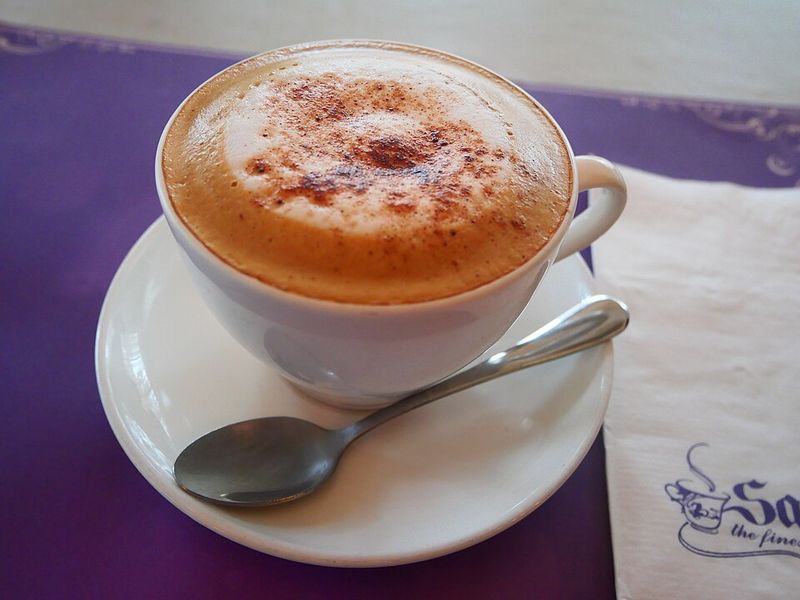
That first crackle of a crispy cornetto alongside a morning cappuccino is practically a religious experience in Italy. Ordering a cappuccino after lunch or dinner, however, will earn you some serious side-eye from locals.
Italians believe the milk in cappuccino is too heavy for the stomach after a big meal.
Espresso is the after-dinner drink of choice. If you want to blend in like a true local, sip your frothy cup before noon and switch to espresso later.
Your taste buds and your reputation will both thank you.
2. Japan: Never Stick Chopsticks Upright in Rice
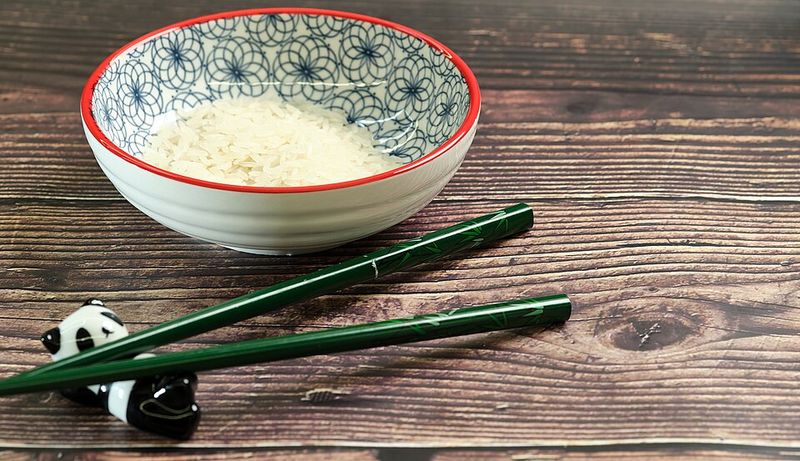
Sticky fingers might be fun at a barbecue, but in Japan, how you handle your chopsticks matters deeply. Sticking them straight up in a bowl of rice mirrors a funeral ritual where incense sticks are placed upright as offerings to the deceased.
It is considered deeply disrespectful and unsettling to those around you.
Instead, rest your chopsticks flat on the chopstick holder or across the edge of your bowl. Surprisingly, this small habit shift shows enormous cultural awareness and earns instant respect from Japanese hosts.
3. Ethiopia: Eat Together from One Shared Platter
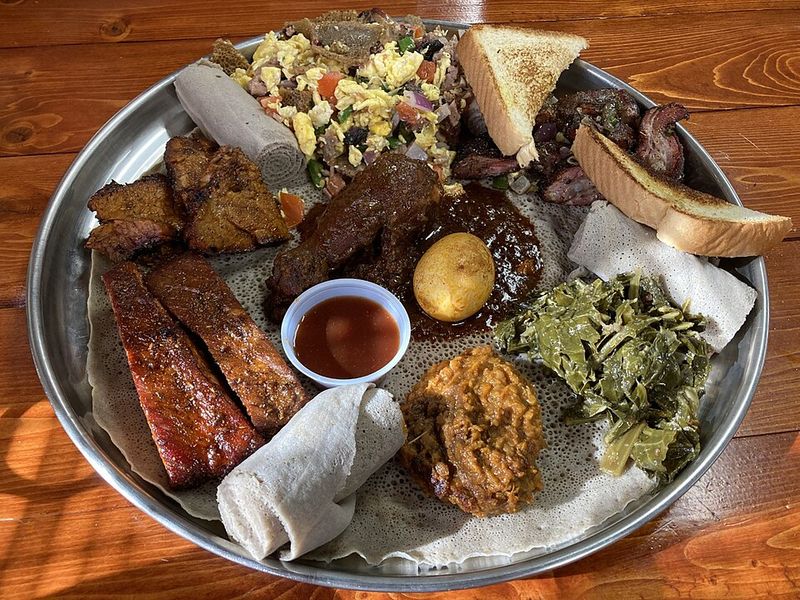
A shared glance across a communal platter in Ethiopia signals something beautiful: trust, togetherness, and warmth. Meals are traditionally served on a single large tray lined with injera, a spongy sourdough flatbread used to scoop up stews and vegetables.
Everyone eats from the same platter, and that is not just acceptable, it is the whole point.
Eating only from your own section of the tray shows good manners. Always use your right hand, and never waste injera, since it is both the utensil and the meal.
4. India: The Right Hand Is the Only Hand for Eating
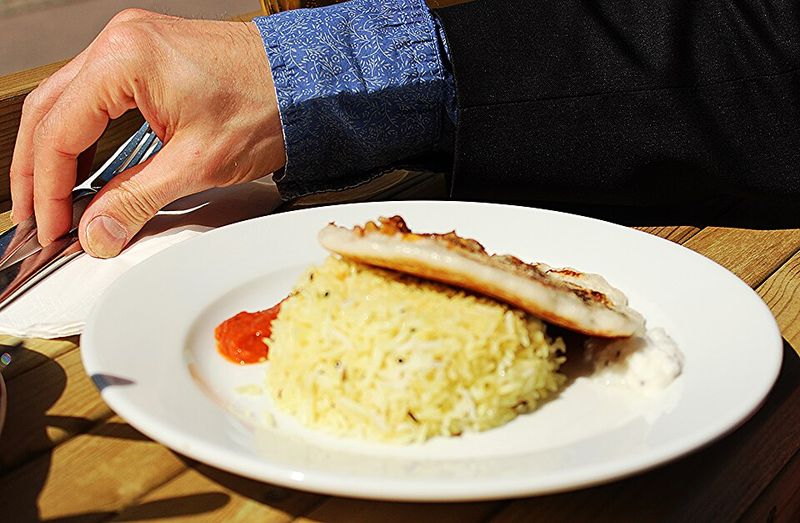
Pure comfort and bold flavors define Indian cuisine, but the hand you use to eat matters just as much as what is on your plate. Across most of India, the left hand is considered unclean because it is traditionally used for personal hygiene.
Reaching for food with your left hand can genuinely offend your host or fellow diners.
Perhaps you are left-handed, and that is okay, but making the effort to use your right hand shows deep cultural respect. Fortunately, most hosts will appreciate the gesture wholeheartedly.
5. Thailand: The Fork Is Just a Pusher, Not a Stabber
Savory confetti of herbs and chilies might top your Thai dish, but the real surprise is how you are supposed to eat it. In Thailand, the fork never goes directly into your mouth.
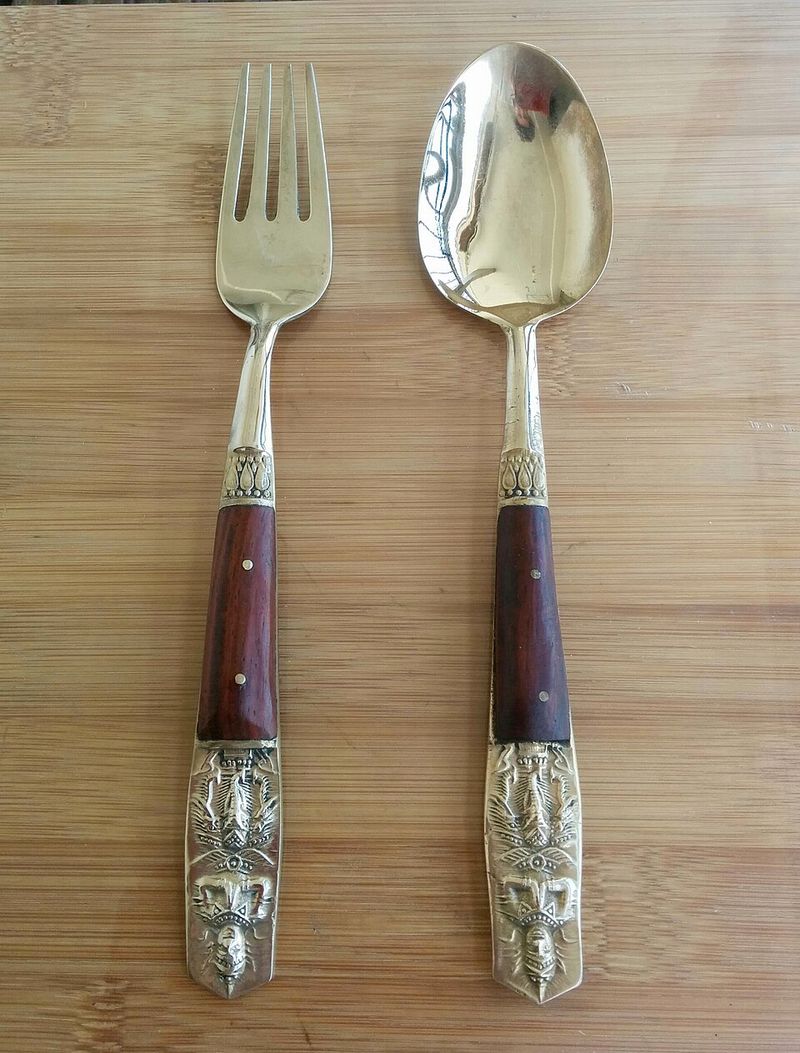
Instead, use the fork to push food onto your spoon, and then bring the spoon to your lips.
Only sticky rice dishes are eaten by hand. This spoon-forward style actually makes a lot of sense once you try it, since Thai dishes are often saucy and the spoon captures every delicious drop far better than a fork ever could.
6. South Korea: Let Elders Eat First
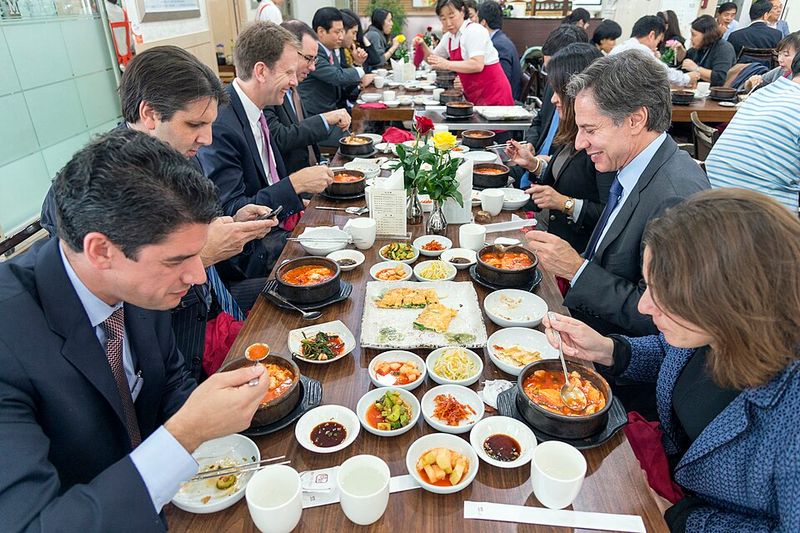
Warm porcelain bowls of doenjang jjigae and sizzling bulgogi fill Korean tables, but before you grab your chopsticks, look around the table first. In South Korea, it is a sign of deep respect to wait for the eldest person to begin eating before anyone else picks up their utensils.
Jumping ahead is considered rude and self-centered.
While receiving a drink from an elder, always hold your glass with both hands as a sign of gratitude. These simple gestures carry enormous meaning in Korean culture and will make you an instantly welcome guest.
7. Mexico: Eat Your Tacos with Your Hands
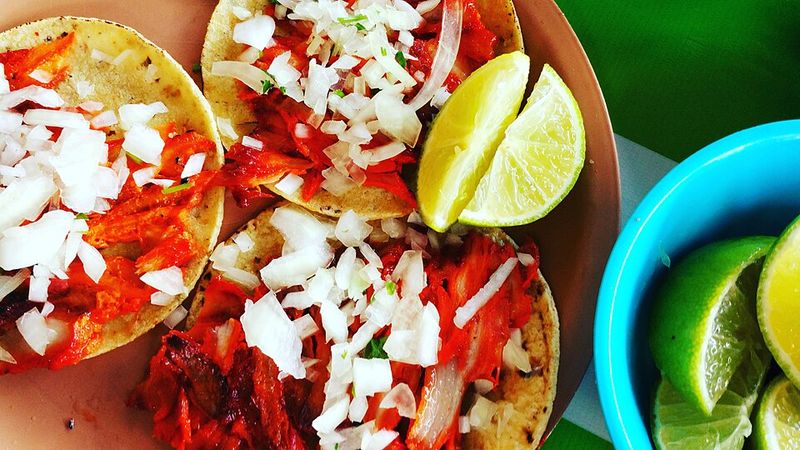
Midnight hunger hits differently when you are standing at a taco stand in Mexico City, holding a perfectly assembled taco in your bare hands. Tacos are street food royalty in Mexico, and they are always eaten by hand, never with a fork and knife.
Reaching for utensils signals that you think the food is somehow beneath you, which is the opposite of the truth.
Fold the tortilla slightly and lean forward so the fillings do not escape. Honestly, half the joy is in the delicious mess.
8. France: Bread Goes Directly on the Table
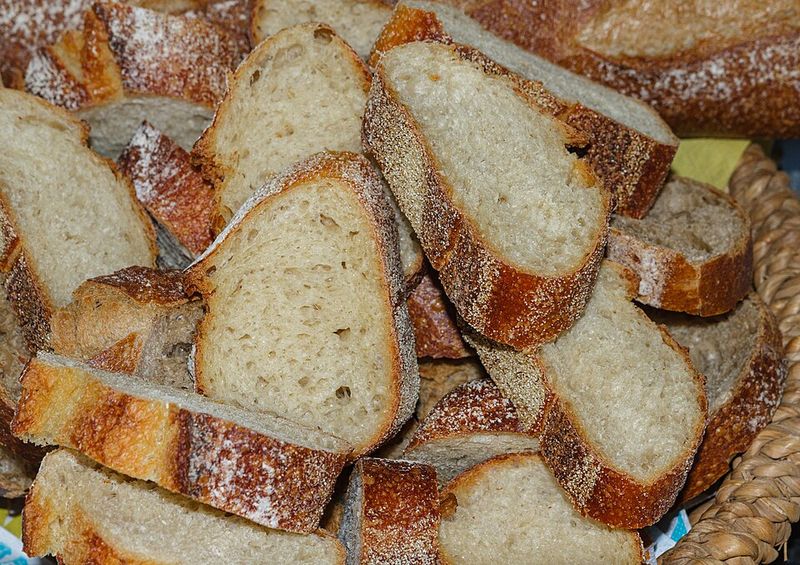
Golden edges of a perfectly baked baguette are practically a symbol of French identity, and the French have very specific ideas about where that bread belongs. Rather than placing bread on your side plate, you are expected to set it directly on the tablecloth beside your plate.
It sounds messy, but it is completely normal in France.
Bread is eaten with cheese at the end of the meal, not as a starter with butter. If you reach for bread before the cheese course, you might get a raised eyebrow from your French dining companion.
9. Middle East: Right Hand Only for Passing and Eating
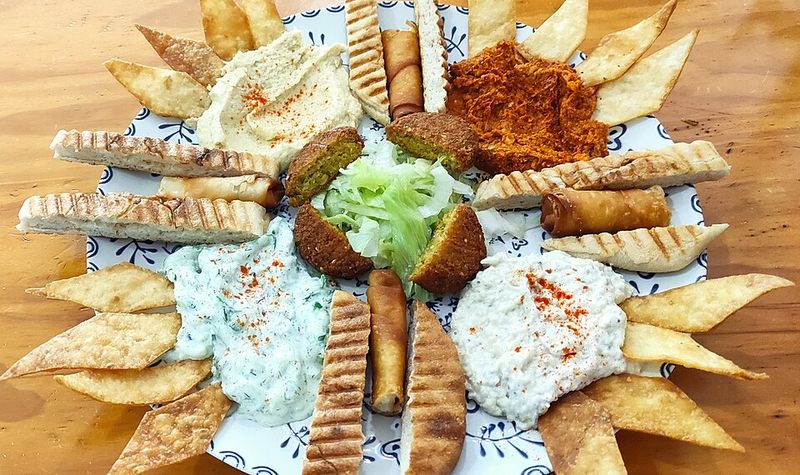
Countertop chaos of colorful mezze dishes, warm pita, and aromatic spices defines a Middle Eastern meal, but there is one firm rule threading through it all. Whether you are in Lebanon, Jordan, or Saudi Arabia, always use your right hand to eat and to pass food or items to others.
The left hand carries longstanding cultural associations with impurity.
Specifically, even small gestures like handing someone a dish with your left hand can cause unintended offense. When in doubt, keep your right hand active and your left hand quietly in your lap.
10. Chile: Utensils Are Required for Everything
Nostalgia for finger-food freedom might hit you hard when dining in Chile, but set those instincts aside. In Chilean dining culture, eating with your hands is considered impolite, even for foods that seem totally hand-friendly at home.
Sandwiches, fruit slices, and even some pastries are expected to be eaten with a knife and fork.
Curiously, this formality reflects a deep cultural pride in refined table manners. If you are ever unsure, watch what your Chilean host does and follow their lead.
Mimicking local habits is always the smartest travel strategy.
11. China: Never Flip a Whole Fish at the Table
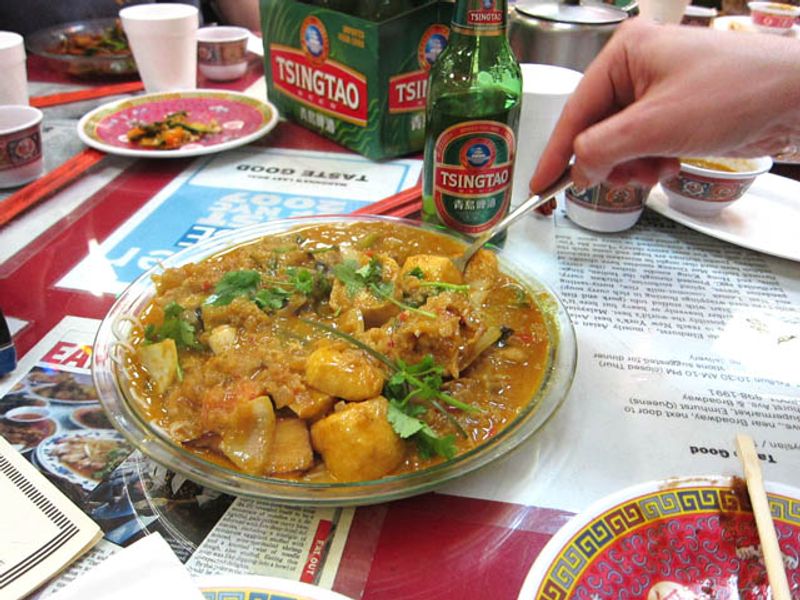
A cloud of steam rising from a beautifully prepared whole fish is a centerpiece moment at Chinese family dinners. However, flipping the fish over once one side has been eaten is considered very bad luck in Chinese culture, especially in coastal regions where it symbolizes a boat capsizing.
The superstition runs deep and is taken seriously.
Instead, use your chopsticks to carefully lift the bones away and access the flesh underneath. Surprisingly, this technique is easier than it sounds and keeps the good vibes flowing freely around the table.
12. Italy: Skip the Extra Cheese Request
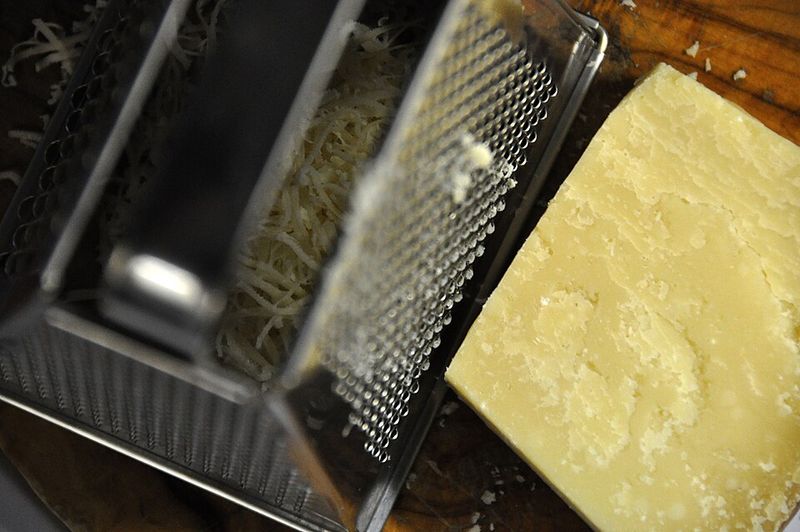
Melted cheese might be your love language at home, but in Italy, asking for extra Parmesan on certain dishes is practically an insult to the chef. Sprinkling cheese on seafood pasta or other specific dishes is considered a culinary crime that disrupts the carefully balanced flavors the cook worked hard to create.
Chefs take their recipes seriously there.
While it might feel like a small request to you, it signals a lack of trust in the kitchen. Perhaps just taste the dish first before reaching for the cheese shaker, and you might discover you did not need it after all.
13. Japan: Slurping Noodles Is a Compliment
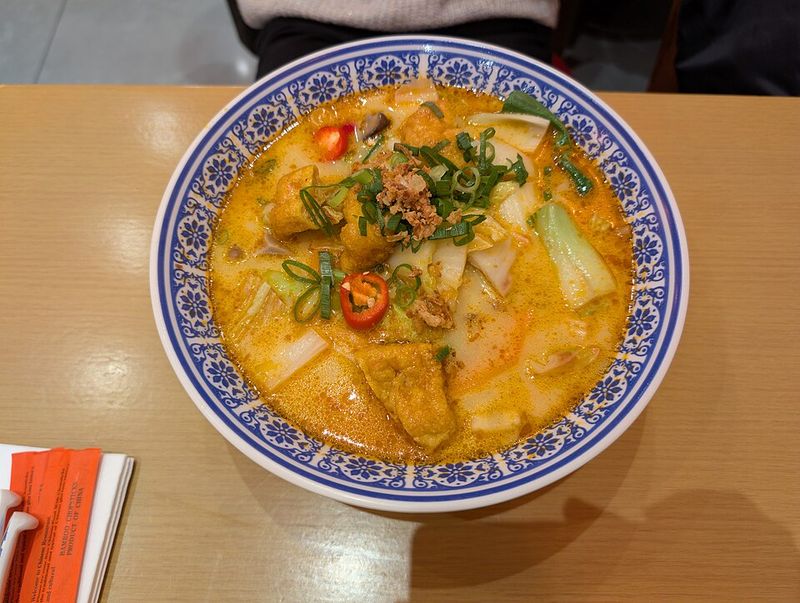
Rainy afternoons call for a steaming bowl of ramen, and in Japan, you are not just allowed to slurp those noodles loudly, you are actually encouraged to. Slurping signals to the chef and everyone around you that the food is incredibly delicious and you are fully enjoying it.
Eating quietly might even seem like you are not impressed.
Maybe it feels awkward the first time, especially if you were raised to eat silently. However, once you lean into the slurp, it becomes oddly satisfying and weirdly liberating in the best possible way.
14. France: Tipping Is Appreciated but Not Always Expected
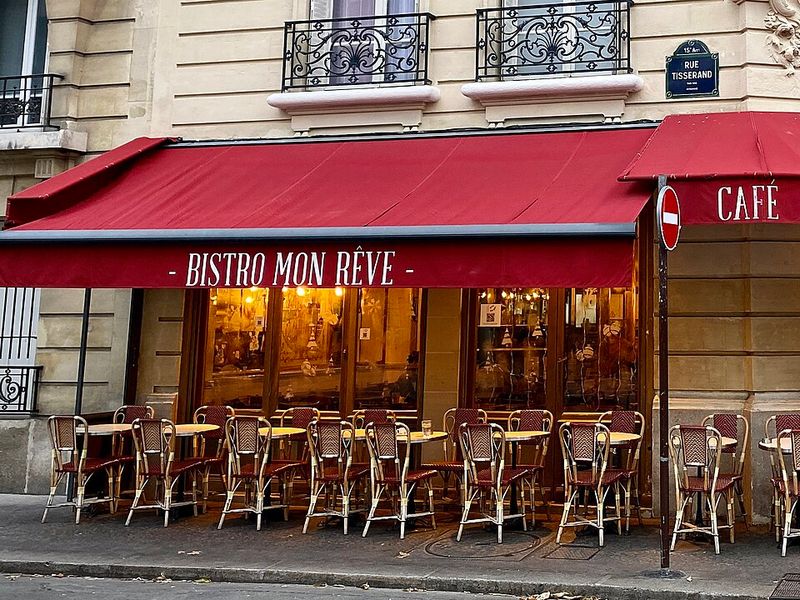
Sizzle therapy of a perfectly cooked steak frites deserves recognition, and in France, tipping is one way to show it, though the rules are different from what Americans might expect. French law requires a service charge to already be included in the restaurant bill, so a tip is never mandatory.
Leaving a few extra euros for truly outstanding service, however, is always warmly appreciated.
Actually, over-tipping can sometimes feel awkward in French culture. Leaving a small, sincere amount is far more culturally appropriate than an extravagant gesture.