14 Essential Spaghetti Westerns That Defined A Genre
Ever wonder how a bunch of Italian filmmakers revolutionized the American Wild West without ever setting foot in Monument Valley?
Spaghetti Westerns exploded onto movie screens in the 1960s, bringing dusty showdowns, unforgettable music, and anti-heroes who acted decisively without hesitation.
These gritty masterpieces traded Hollywood’s polished cowboys for morally complex gunslingers wandering through sun-baked landscapes.
Disclaimer: This article is intended for general information and entertainment purposes.
All film details, release years, and historical notes reflect publicly available information at the time of writing.
Interpretations of genre influence, artistic impact, and narrative themes are subjective and may vary among viewers and film historians.
1. A Fistful Of Dollars (1964)
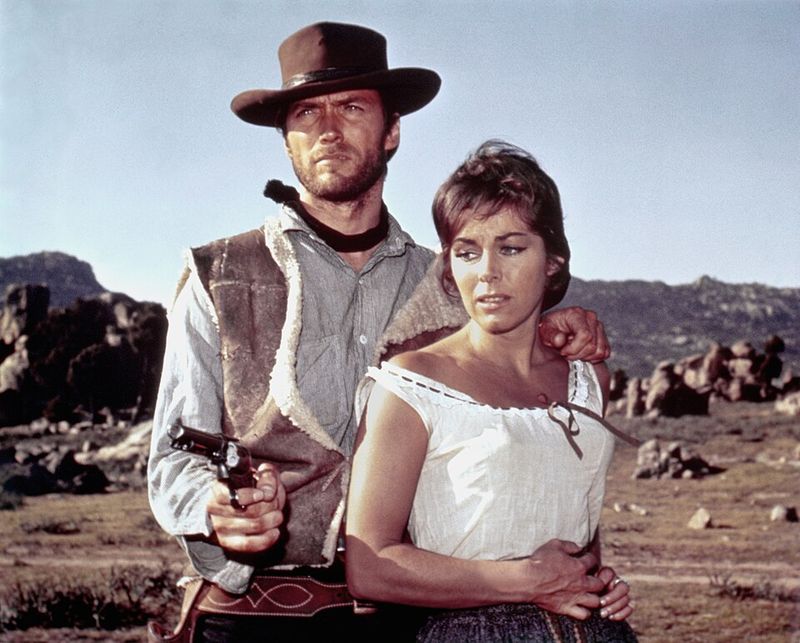
Clint Eastwood rode into film history wearing a dusty poncho and chewing on a cigar that became instantly iconic.
Director Sergio Leone borrowed heavily from Akira Kurosawa’s samurai classic Yojimbo, transplanting the story to a Mexican border town where two rival families battled for control.
Eastwood’s mysterious stranger manipulates both sides for profit, creating the blueprint for every cool anti-hero that followed.
Ennio Morricone’s haunting score – complete with whistling, whip cracks, and twangy guitars – changed film music forever, proving that sound could be as powerful as any six-shooter.
2. For A Few Dollars More (1965)

What happens when you pair Eastwood’s laconic gunslinger with Lee Van Cleef’s steely-eyed bounty hunter?
Pure cinematic magic, that’s what!
Leone expanded his universe with a revenge-driven plot involving pocket watches, haunting flashbacks, and a villain so cruel you’ll love to hate him.
Van Cleef brought gravitas and depth, transforming from villain to complicated hero in one career-defining performance.
This sequel proved bigger wasn’t just better, it was essential, setting up the ultimate showdown that would come next in the trilogy.
3. The Good, The Bad And The Ugly (1966)
Three gunslingers, one treasure, and the most famous Mexican standoff in cinema history – need we say more?
Leone crafted an epic Civil War treasure hunt where Blondie (the Good), Angel Eyes (the Bad), and Tuco (the Ugly) form uneasy alliances and double-cross each other repeatedly.
Eli Wallach stole scenes as the talkative bandit Tuco, bringing humor and humanity to a morally gray landscape.
That final cemetery showdown, accompanied by Morricone’s transcendent score, remains the gold standard for Western climaxes everywhere.
4. Once Upon A Time In The West (1968)
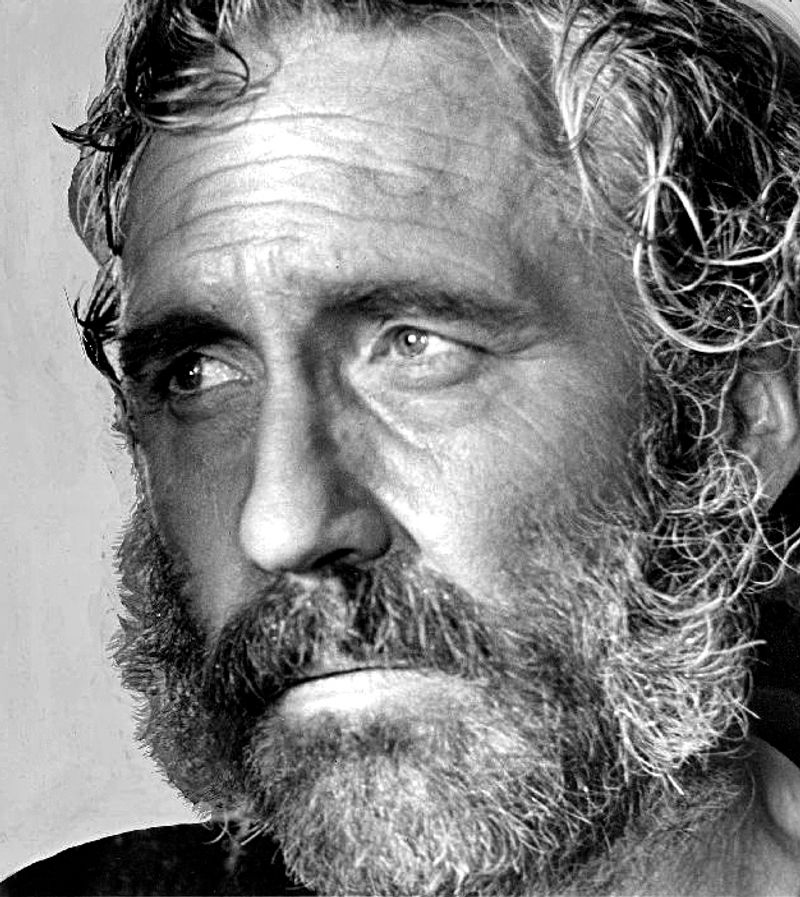
Henry Fonda playing a ruthless character?
A surprising casting choice for sure!
Leone cast America’s most beloved good guy as the villain, creating one of cinema’s most shocking casting choices.
Charles Bronson’s harmonica-playing avenger seeks revenge against Fonda’s Frank in this operatic masterpiece about the death of the Old West.
Every frame looks like a painting, every scene stretches tension to breaking point, and Claudia Cardinale brings fierce determination as a widow caught in the crossfire of progress versus violence.
5. Django (1966)
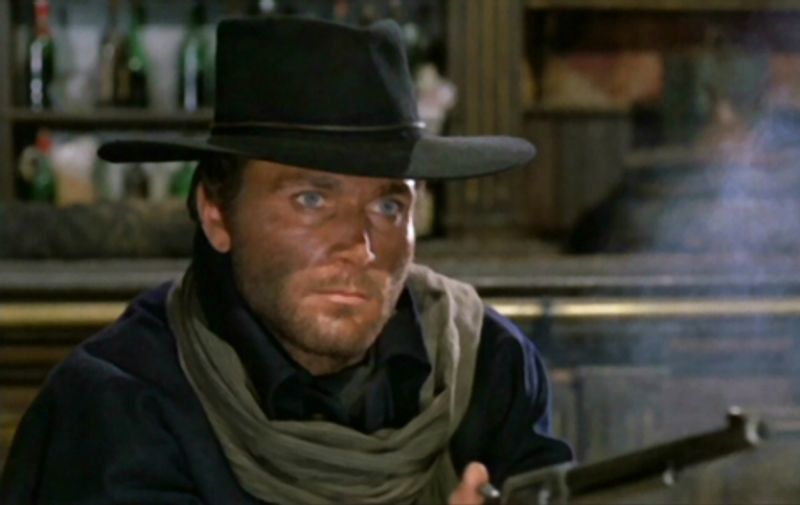
Franco Nero dragged a coffin through mud-soaked streets, and audiences worldwide couldn’t look away.
Director Sergio Corbucci created a bleaker, grimier alternative to Leone’s stylized violence, setting his revenge tale in a perpetually rainy border town.
What’s inside that coffin?
Let’s just say it’s not flowers and teddy bears!
Django’s intense tone and bold style in 1966, spawning countless unofficial sequels and inspiring Quentin Tarantino’s 2012 homage decades later.
6. A Bullet For The General (1966)
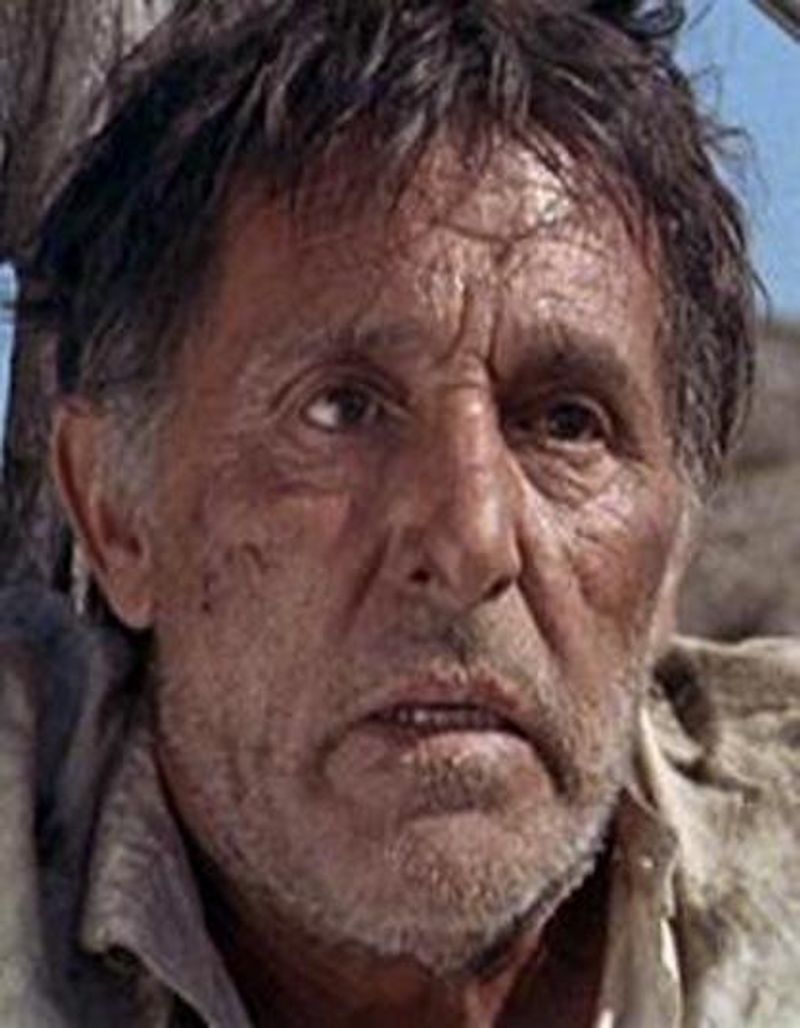
Political commentary meets explosive action in this Mexican Revolution thriller that asks tough questions about loyalty and exploitation.
Gian Maria Volontè leads a band of bandits who steal weapons and ammunition, eventually selling them to revolutionary forces.
When an American stranger joins their group, motives become murky and alliances shift like desert sand.
Director Damiano Damiani infused genuine revolutionary fervor into the narrative, creating something far more thought-provoking than your average shoot-em-up while delivering thrilling gunfights and spectacular train robberies.
7. Navajo Joe (1966)
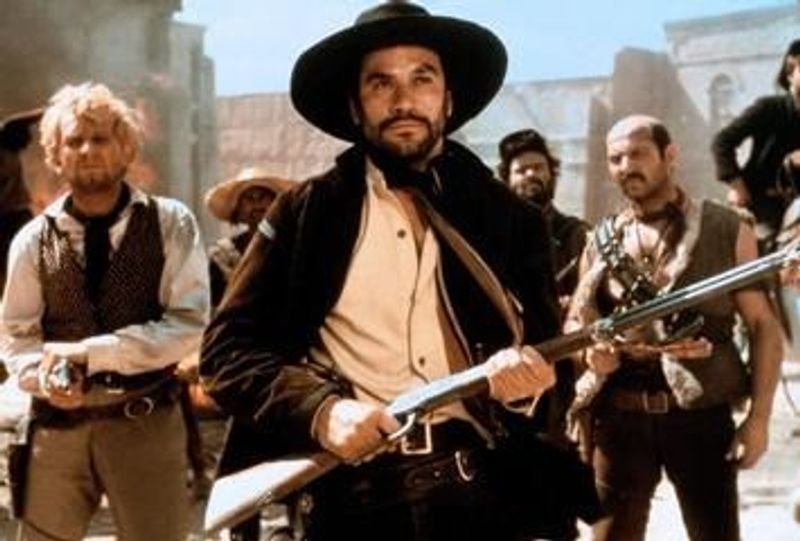
Burt Reynolds rocked a headband and traditional markings years before becoming a Hollywood superstar, playing a vengeful warrior hunting the outlaws who attacked his community.
Unlike most Westerns that sidelined Native characters, this film centered Indigenous revenge and justice.
Sure, casting Reynolds raised eyebrows even then, but his physical performance and dedication brought intensity to every moment of his pursuit.
Morricone’s pounding, percussion-heavy score matched the relentless pace, creating an unforgettable sonic landscape for Joe’s quest.
8. The Big Gundown (1966)
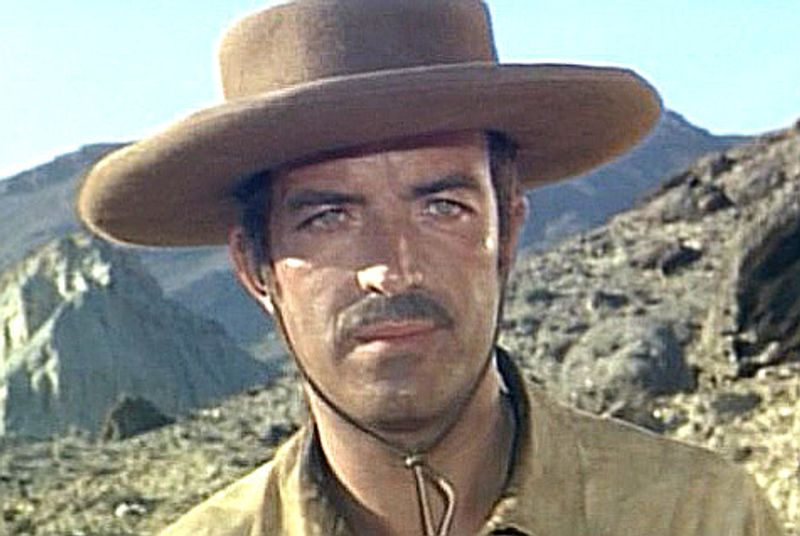
Lee Van Cleef traded his villain persona for something more complex – a bounty hunter who slowly questions everything he believes.
Hired to capture a Mexican peasant accused of wrongdoing, Van Cleef’s character discovers that justice isn’t always black and white.
Director Sergio Sollima crafted a politically charged chase across stunning Spanish locations, examining class warfare and corrupt systems.
Tomas Milian’s charismatic performance as the accused man transformed what could’ve been a simple pursuit into a meditation on power, prejudice, and redemption.
9. Death Rides A Horse (1967)
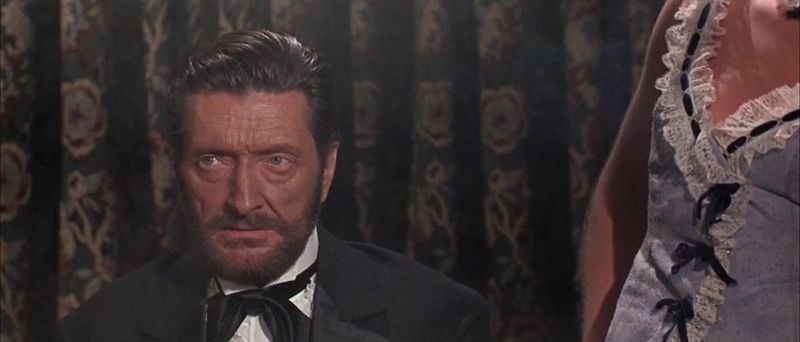
Childhood trauma fuels an epic revenge quest as a young man haunted by memories teams up with a recently released convict.
Lee Van Cleef delivered another stellar performance, this time as a weathered gunslinger with his own score to settle.
Director Giulio Petroni used striking flashbacks – shown through a child’s eyes, to reveal connections between past atrocities and present vengeance.
The dynamic between grizzled experience and youthful rage created compelling tension, while the reveal of their intertwined pasts packed an emotional wallop few Westerns achieved.
10. Day Of Anger (1967)
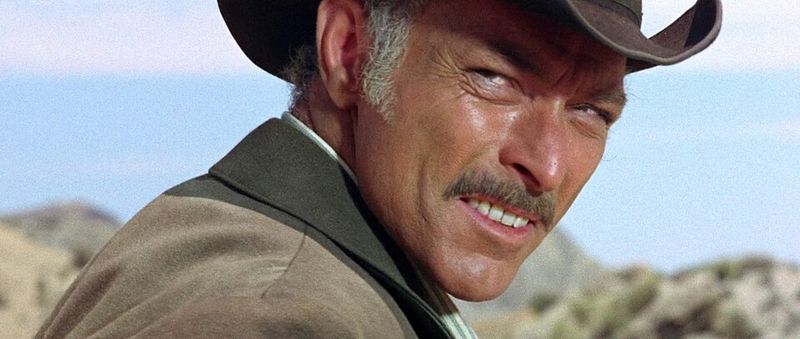
What starts as a mentorship between a disrespected street sweeper and a legendary gunfighter transforms into something far darker.
Lee Van Cleef played against type as a seemingly noble gunslinger who teaches young Giuliano Gemma the ways of the gun – and ruthless survival.
Director Tonino Valerii explored how violence corrupts, showing the student slowly realizing his teacher’s moral bankruptcy.
The climactic confrontation between mentor and pupil delivered emotional devastation alongside spectacular gunplay, proving spaghetti westerns could break your heart while thrilling your senses.
11. Face To Face (1967)
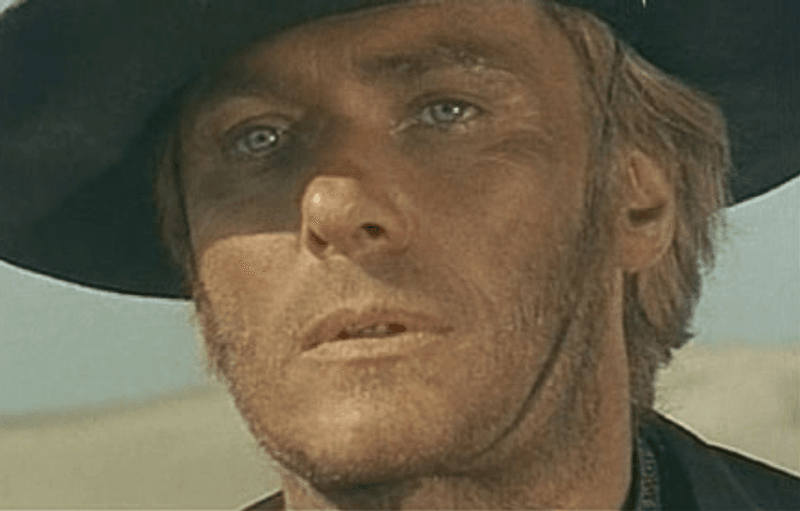
A sickly college professor travels west for his health and ends up leading a gang of outlaws – talk about a career change!
Gian Maria Volontè and Tomas Milian delivered powerhouse performances as the unlikely duo whose relationship shifts from mentorship to rivalry.
Director Sergio Sollima examined how power corrupts even the most civilized individuals, watching the professor embrace violence with disturbing enthusiasm.
This psychological western proved the genre could explore complex character transformations while delivering the shootouts and horseback chases audiences craved.
12. My Name Is Nobody (1973)
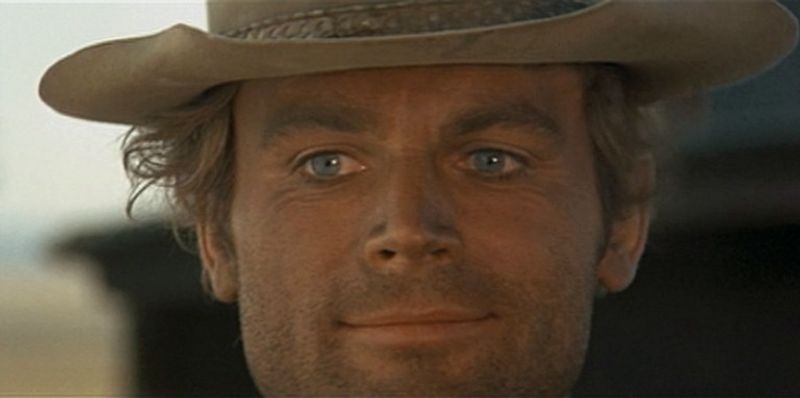
Henry Fonda returned to the genre, this time playing an aging gunslinger who just wants to retire peacefully – but a young admirer has other plans.
Terence Hill brought comedic charm as Nobody, a fast-drawing trickster determined to secure his hero’s legendary status through one final, impossible showdown.
Produced by Sergio Leone and directed by Tonino Valerii, this affectionate parody celebrated and gently mocked Western tropes simultaneously.
The result balanced slapstick humor with genuine emotion, creating a bittersweet farewell to the Old West and its fading heroes.
13. They Call Me Trinity (1970)
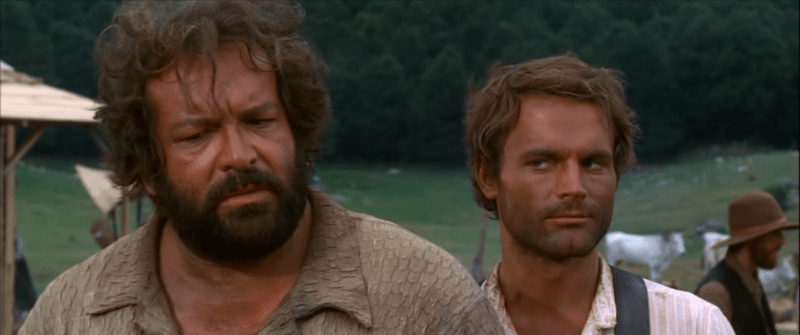
Forget grim anti-heroes and blood-soaked revenge, Trinity brought slapstick comedy and bean-eating contests to the dusty frontier!
Terence Hill played the lazy but lightning-fast gunslinger Trinity, whose attempts to go straight keep getting interrupted by trouble and his hulking brother Bambino (Bud Spencer).
Director Enzo Barboni created a massive hit by injecting humor into the genre, proving Westerns could make you laugh as hard as gasp.
The film’s success spawned sequels and imitators, opening a whole new comedic lane within spaghetti western territory.
14. Keoma (1976)
Franco Nero returned to the genre in this late-period masterpiece that felt like a fever dream crossed with a Shakespearean tragedy.
Playing a half-Native American gunslinger returning to his plague-ravaged hometown, Nero faces discrimination from his half-brothers and corrupt power structures.
Director Enzo G. Castellari employed unconventional techniques, slow motion, haunting folk songs, nonlinear storytelling – creating something poetic and brutal.
Though arriving as the genre faded, Keoma proved spaghetti westerns still had fresh stories to tell and new artistic heights to reach before riding into the sunset.