15 Popular European Attractions Hiding Serious Dangers
Europe enchants visitors with centuries-old castles, dramatic coastlines, and majestic mountain ranges straight out of a storybook. Yet even the most picturesque locations hide unexpected hazards that can turn a dream vacation into a stressful situation.
Some cliffs erode suddenly, making hiking trails riskier than they appear, while certain beaches have powerful waves capable of sweeping visitors off their feet. Narrow cobblestone streets, historic bridges, and bustling tourist areas can present surprises for those unprepared, from sudden traffic to uneven surfaces.
Knowing which spots demand extra caution helps travelers enjoy the scenery safely without missing a moment of wonder. These famous destinations are unforgettable, but awareness ensures memories stay positive and accidents stay far away.
Explore these European highlights carefully, pack smart, and embrace adventure responsibly: your perfect vacation includes both stunning sights and peace of mind. Take note, plan wisely, and capture every moment safely!
1. Cliffs Of Moher Ireland
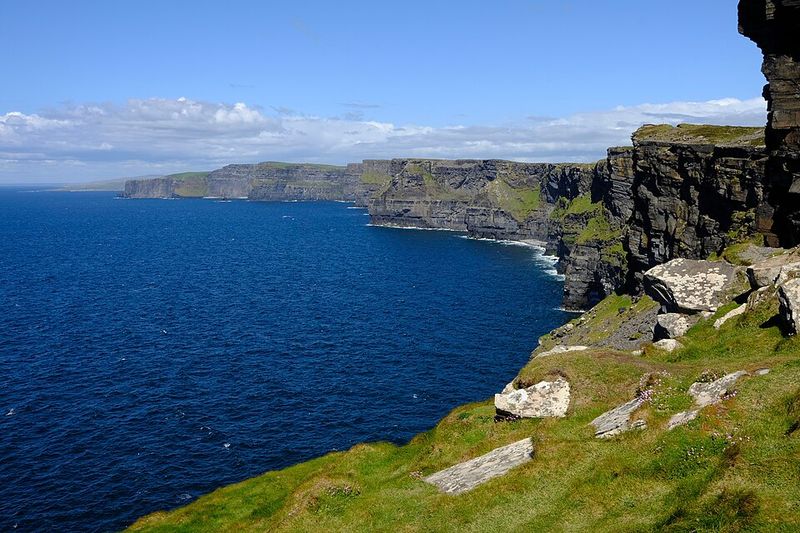
Standing at a jaw-dropping 702 feet, these Irish giants have claimed over 60 lives since the 1990s. Wind gusts can knock visitors off balance near the unprotected edges, while crumbling rock creates surprise hazards.
Tourists often ignore warning signs to capture the perfect shot, stepping dangerously close to unstable ground. Stay behind barriers and watch for sudden weather changes that turn misty conditions into zero-visibility nightmares.
Rockfalls happen without warning, so keeping a safe distance isn’t just smart, it’s survival.
2. El Caminito Del Rey Spain
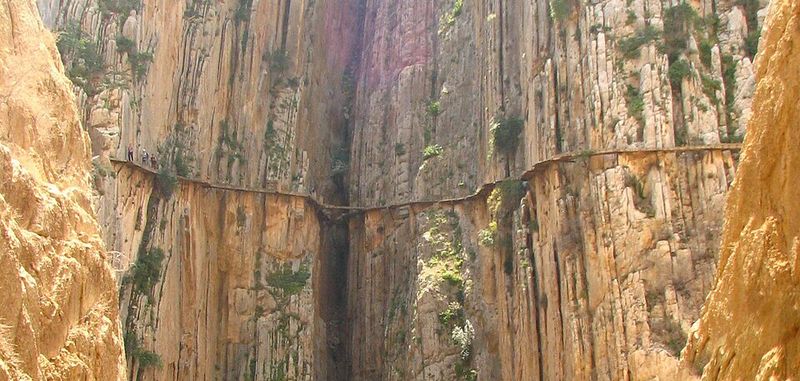
Once nicknamed the Walkway of Doom , this Spanish path earned its terrifying reputation the hard way. Clinging to cliff walls above El Chorro Gorge, the narrow boardwalk dangles hundreds of feet above the ground.
Though renovations in 2015 improved safety features, the sheer exposure still makes hearts race and knees wobble.
Vertigo sufferers should think twice before attempting this adrenaline-pumping trek. Follow every safety rule, wear proper footwear, and never, ever lean over the railings for a better view.
3. Trolltunga Norway
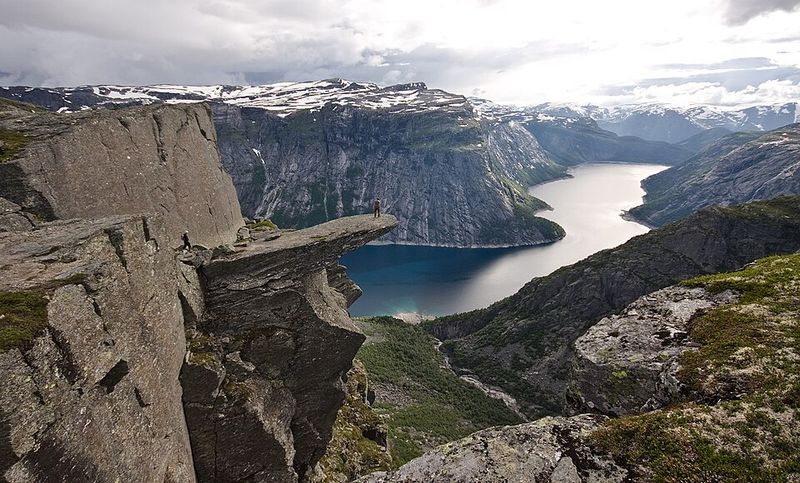
This rock formation juts out like a giant’s tongue, offering views that belong in fantasy movies. However, reaching Trolltunga requires a brutal 10-hour round-trip hike through steep, exposed terrain.
Snow lingers even during summer months, turning trails into slippery obstacle courses with boggy sections waiting to swallow boots. Unpredictable weather can shift from sunshine to snowstorm faster than you can say “fjord.” Proper gear, physical fitness, and weather awareness separate successful adventurers from rescue statistics.
4. Reynisfjara Beach Iceland
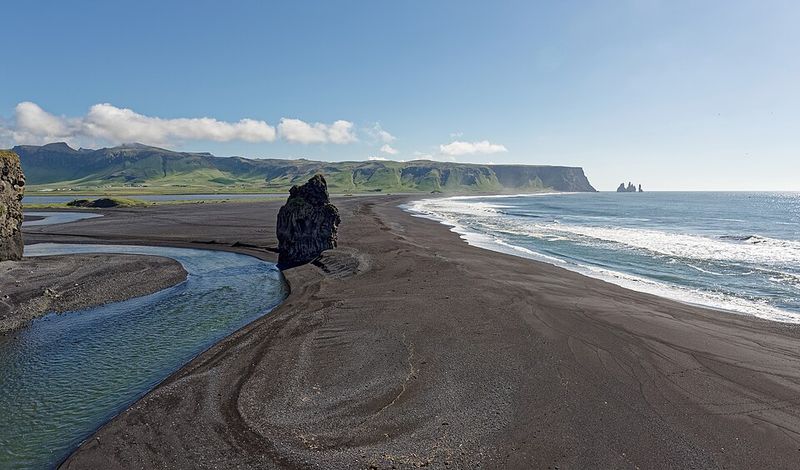
Black sand and towering basalt columns create an otherworldly landscape that looks straight out of a sci-fi movie. But sneaker waves, those unexpectedly massive walls of water, strike without warning and drag visitors into freezing currents.
The frigid Atlantic waters can cause shock within minutes, making rescue nearly impossible. Tourists mesmerized by the scenery often turn their backs to the ocean, a potentially fatal mistake.
Keep serious distance from the waterline and never underestimate the ocean’s sneaky power.
5. Cinque Terre Italy
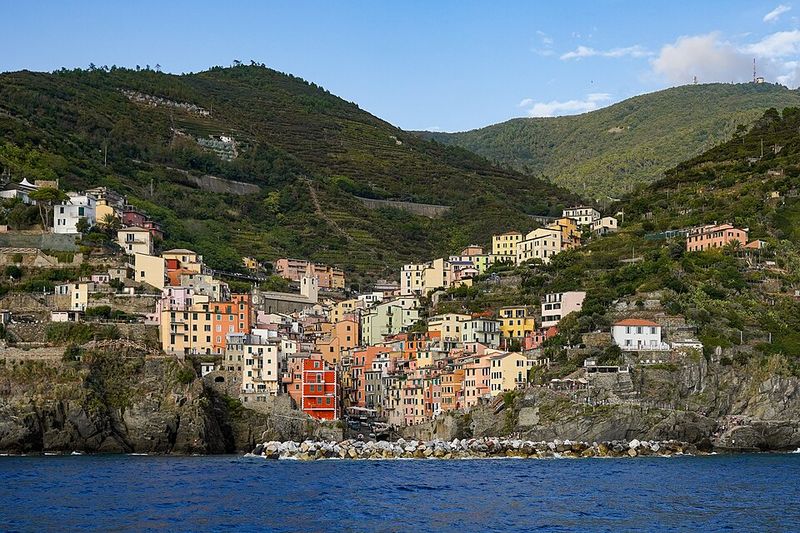
Image Credit: Timothy A. Gonsalves., licensed under CC BY-SA 4.0.
Via Wikimedia Commons.
Five rainbow-colored villages cling to cliffsides like precious jewels, connected by scenic coastal paths. Landslides and rockfalls regularly damage trails, sometimes closing sections without much advance notice.
Overcrowding turns narrow pathways into dangerous bottlenecks where one distracted selfie-taker can cause accidents.
Waves occasionally crash over lower sections, soaking hikers and creating slippery conditions. Check trail status before setting out, book required reservations, and pay attention to local warnings instead of your phone screen.
6. Mont Blanc France Italy Switzerland
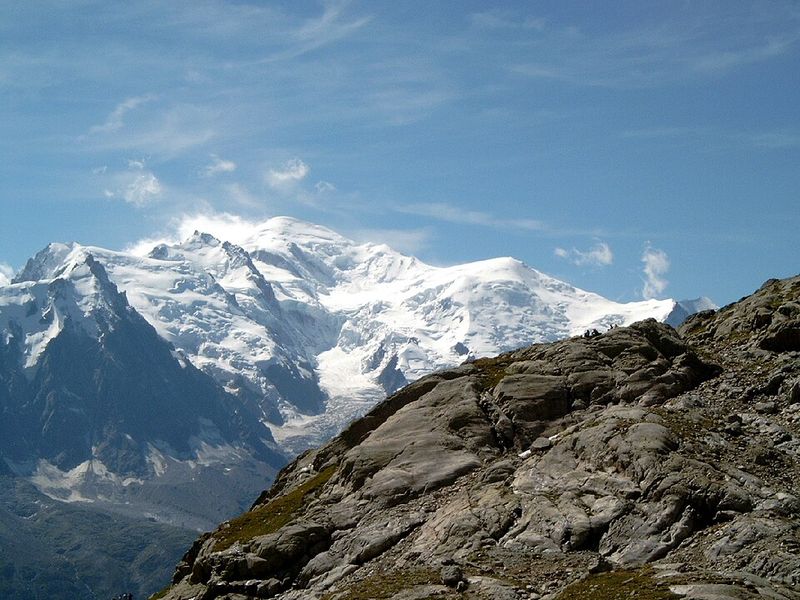
Western Europe’s highest peak attracts mountaineers like moths to a very dangerous flame. Unpredictable weather, hidden crevasses, and sudden avalanches turn this majestic mountain into a dangerous challenge.
Even experienced climbers face altitude sickness, hypothermia, and exhaustion on routes that seem deceptively straightforward.
Overcrowding on popular routes creates bottlenecks where one person’s mistake endangers entire groups. Proper acclimatization, expert guides, and respect for mountain conditions separate summit celebrations from tragic headlines.
7. Preikestolen Norway
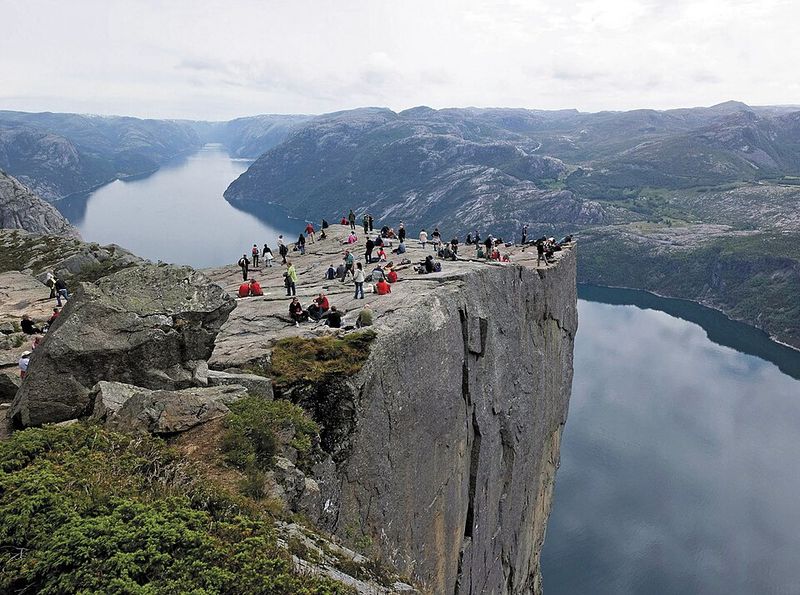
Pulpit Rock’s flat top creates a natural viewing platform suspended 1,982 feet above Lysefjord. No safety barriers protect visitors from the sheer drop, relying entirely on personal responsibility and common sense.
Strong winds can push people toward the edge, while rain makes the smooth rock surface slicker than ice. Tourists often dangle legs over the side or perform risky poses for social media glory.
Stay well back from edges, avoid visits during poor weather, and remember that likes aren’t worth lives.
8. Aletsch Glacier Switzerland
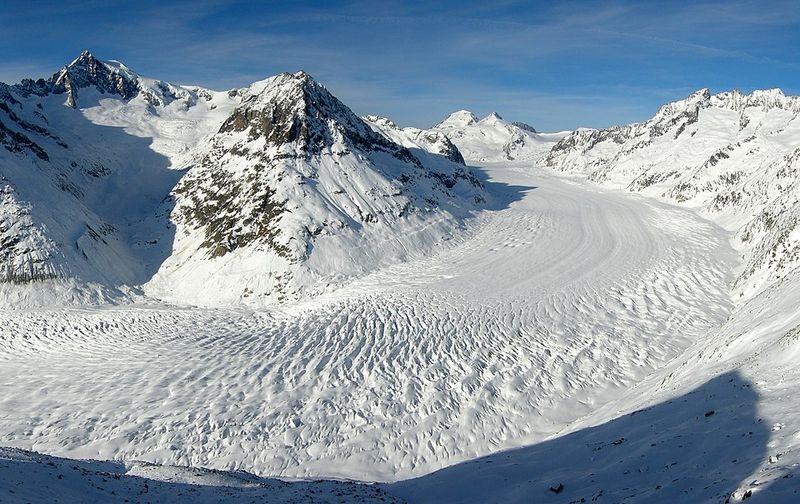
Europe’s largest glacier stretches like a frozen river through the Swiss Alps, beautiful but brutally hazardous. Hidden crevasses lurk beneath innocent-looking snow bridges that collapse without warning.
Climate change accelerates melting, creating unstable ice formations and increasing rockfall from surrounding peaks.
Tourists wandering off marked paths risk plunging into icy depths where rescue becomes extremely difficult. Stick to designated trails, hire experienced guides for glacier exploration, and respect warning signs that mark dangerous zones.
9. Stromboli Volcano Italy
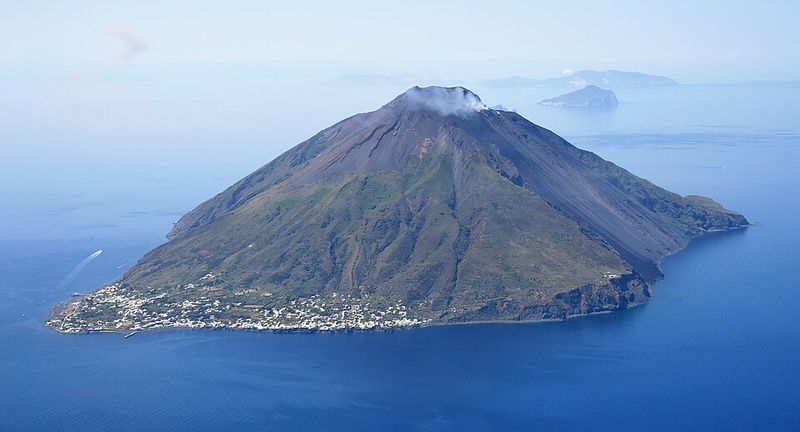
This Italian volcano erupts every 15-20 minutes like clockwork, earning the nickname “Lighthouse of the Mediterranean.” Tourists hike to the summit to witness spectacular lava fountains, but explosions can intensify without warning.
Flying volcanic rocks, toxic gases, and sudden eruptions have injured visitors who ventured too close. The steep, loose volcanic terrain makes climbing treacherous even without considering the active lava.
Join guided tours only, follow evacuation procedures, and accept that nature’s fireworks show demands serious respect.
10. Kjeragbolten Norway
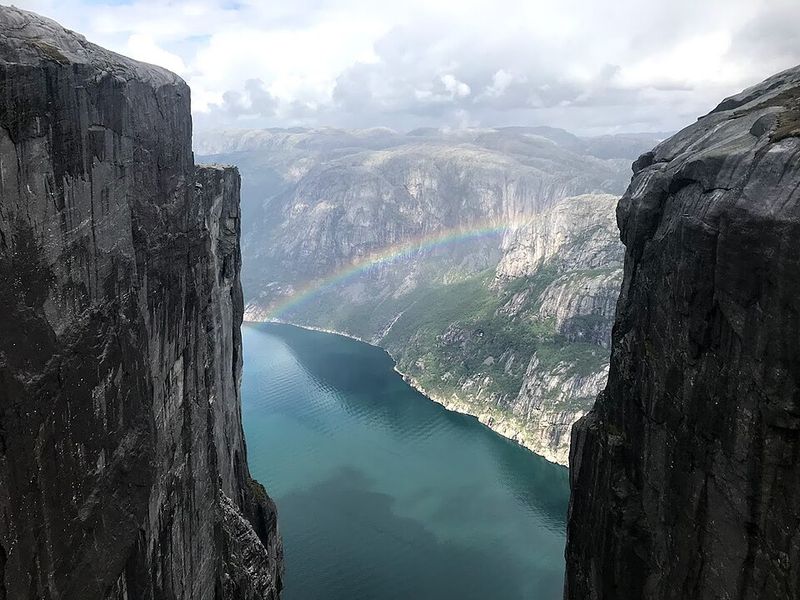
A boulder the size of a small car sits wedged in a mountain crack, suspended 3,228 feet above the fjord. Adventurous visitors climb onto this rock for photos, trusting a stone that’s been stuck there for thousands of years.
Strong winds at this altitude can throw people off balance while they pose on the curved surface.
The hike itself involves steep climbs, chain-assisted sections, and exposure to rapidly changing mountain weather. Physical fitness, dry conditions, and extreme caution separate successful photo ops from disaster.
11. Via Ferrata Routes Dolomites Italy
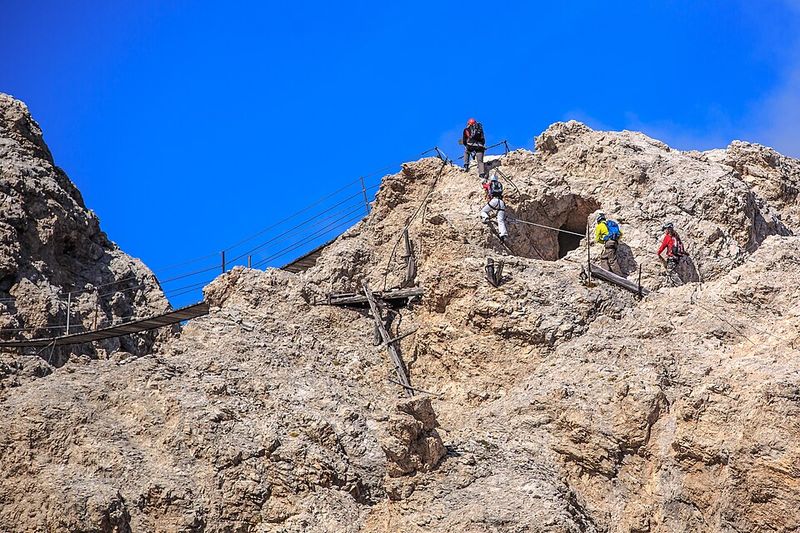
Iron ladders and cables bolted to vertical cliff faces let adventurous souls climb routes once reserved for mountaineers. Though equipment helps, these protected climbing routes still involve serious exposure and physical demands.
Inexperienced climbers often underestimate the stamina required, getting stranded halfway up with nowhere safe to rest. Rockfall, sudden storms, and equipment failure create risks that proper preparation can minimize but never eliminate.
Use certified guides, check weather forecasts religiously, and honestly assess your fitness level before clipping in.
12. Giant’s Causeway Northern Ireland
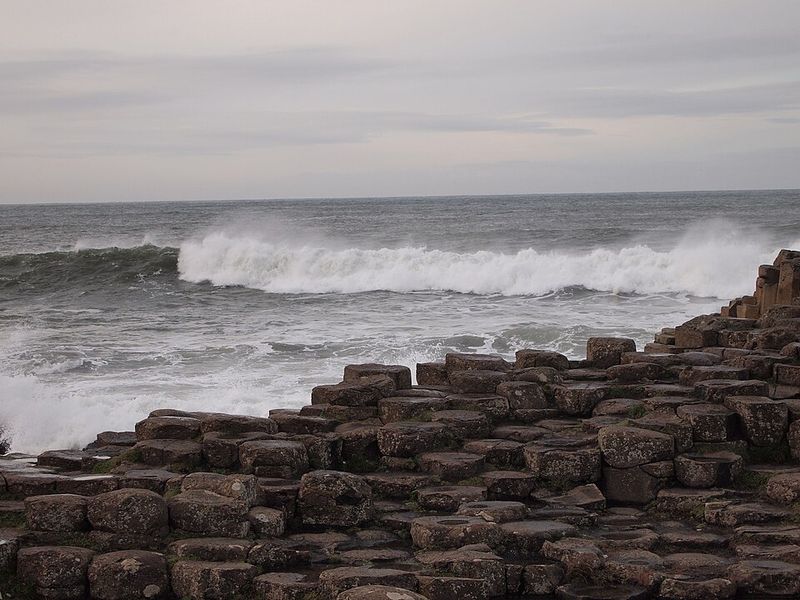
Approximately 40,000 interlocking basalt columns create a geological wonder that looks like a giant’s stepping stones. Waves crash over the lower columns without warning, soaking visitors and sweeping them off the slippery hexagonal surfaces.
The uneven rock formations twist ankles easily, especially when wet from sea spray or rain. Tourists focused on photos often ignore rising tides that can cut off escape routes.
Watch wave patterns carefully, wear shoes with excellent grip, and never turn your back on the ocean.
13. Eiffel Tower France
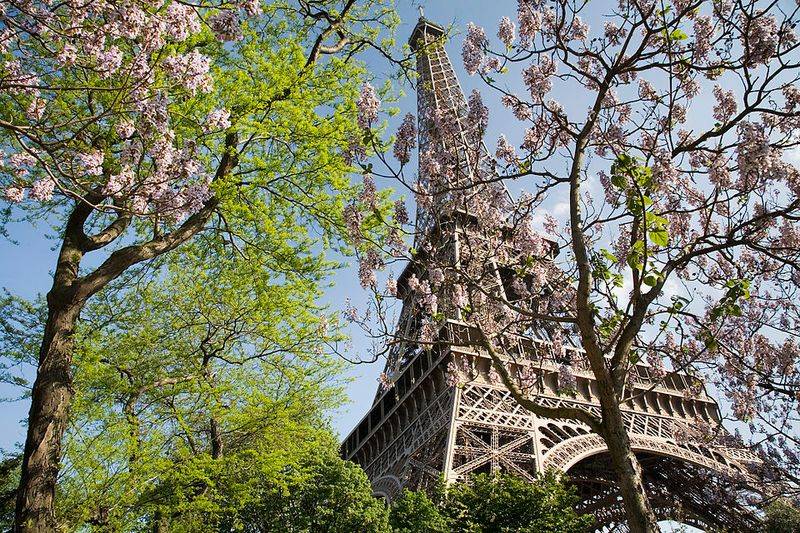
Paris’s iron lady seems safe with its barriers and tourist infrastructure, but dangers lurk in unexpected forms. Pickpockets work the crowded elevators and observation decks like professional ninjas, targeting distracted sightseers.
Occasional jumpers and suicide attempts have led to increased security, but the psychological danger remains real. Elevator malfunctions occasionally strand visitors, while stairs challenge those with heart conditions or mobility issues.
Guard belongings vigilantly, supervise children closely near railings, and take breaks if vertigo or claustrophobia strike during your visit.
14. Santorini Caldera Cliffs Greece
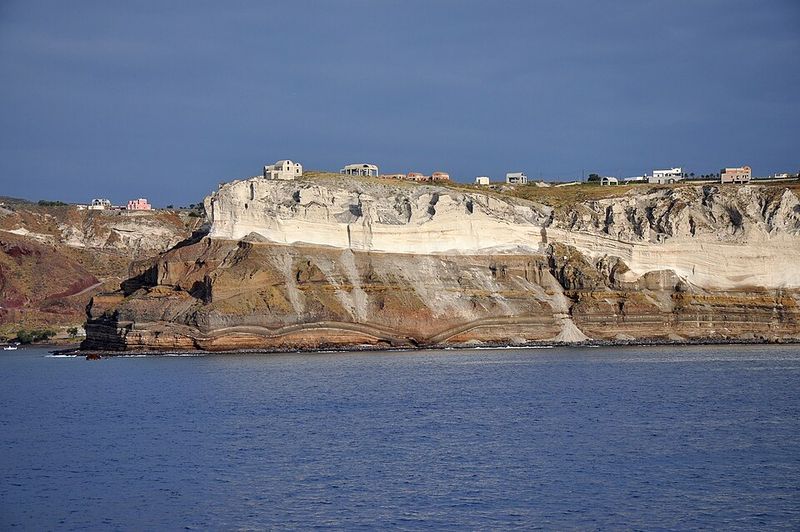
Whitewashed buildings cascade down volcanic cliffs above the stunning blue caldera like a postcard come to life. Narrow staircases with hundreds of uneven steps connect clifftop villages, slick with donkey droppings and worn smooth by centuries.
Tourists in flip-flops navigate these treacherous paths while juggling cameras, shopping bags, and sunset cocktails. Volcanic instability occasionally triggers earthquakes that damage structures and create new hazards.
Wear sturdy shoes with grip, use handrails religiously, and watch your step instead of just the Instagram-worthy sunset views.
15. Jungfraujoch Switzerland
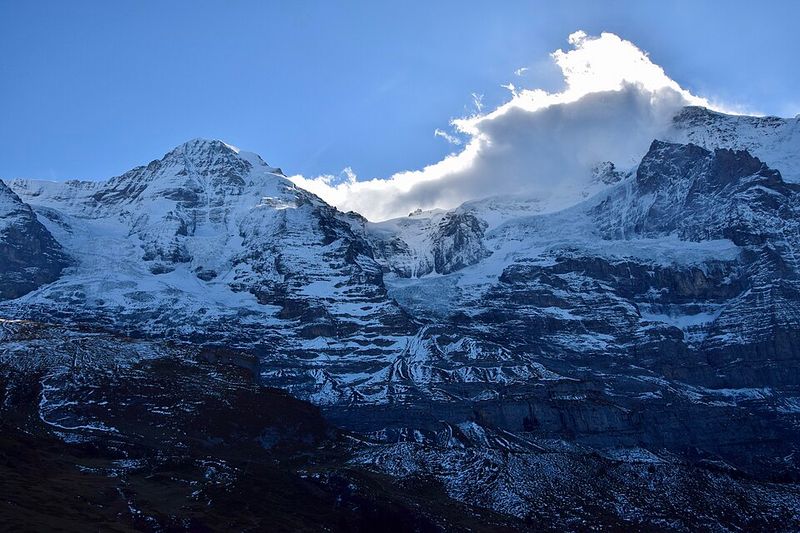
Europe’s highest railway station sits at 11,332 feet, where thin air catches unprepared visitors completely off guard. Altitude sickness strikes tourists who ascend too quickly, causing headaches, nausea, and potentially dangerous complications.
Freezing temperatures and blinding snow conditions exist year-round, turning observation platforms into icy hazard zones. Crevasses in surrounding glaciers trap overconfident explorers who wander from designated safe areas.
Ascend slowly if possible, stay hydrated, dress warmly in layers, and retreat immediately if altitude symptoms develop during your visit.