16 European Destinations Often Overlooked Or Misunderstood
Europe’s most rewarding travel moments often hide beyond the postcard-famous cities everyone already knows.
Sticking to familiar routes means many travelers quietly miss places filled with character, history, and everyday life unfolding at a gentler pace.
Lesser-known towns and cities offer cultural depth, striking architecture, and local traditions without the pressure of constant crowds.
Exploring these overlooked destinations opens the door to experiences that feel personal, surprising, and refreshingly unpolished.
Disclaimer: This article is intended for general informational and travel inspiration purposes.
Descriptions reflect cultural and historical highlights and may vary based on individual experiences, seasonal conditions, and local developments.
1. Berat, Albania
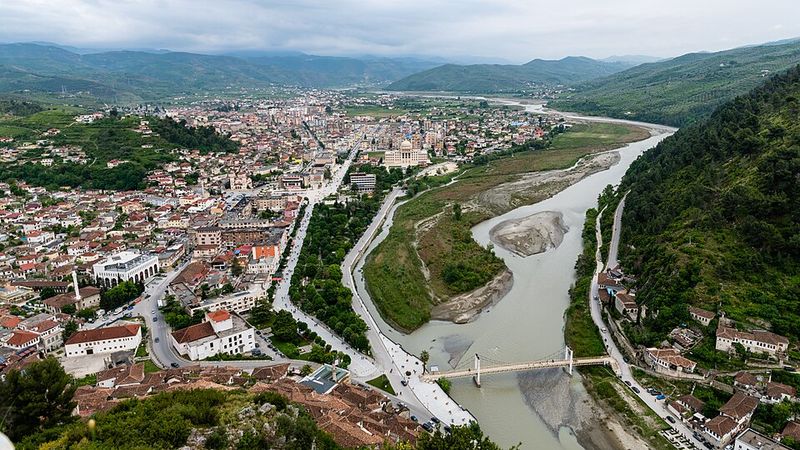
Locals call this place the City of a Thousand Windows, and once you see the white Ottoman houses stacked up the hillside, you’ll understand why.
Walking through the old neighborhoods feels like stepping back centuries, with narrow cobblestone streets leading to hidden courtyards and ancient mosques.
The castle still has families living inside its walls, making it one of the few inhabited fortresses left in Europe.
Pack comfortable shoes because the steep climbs reward you with views that belong on postcards.
2. Sarajevo, Bosnia and Herzegovina
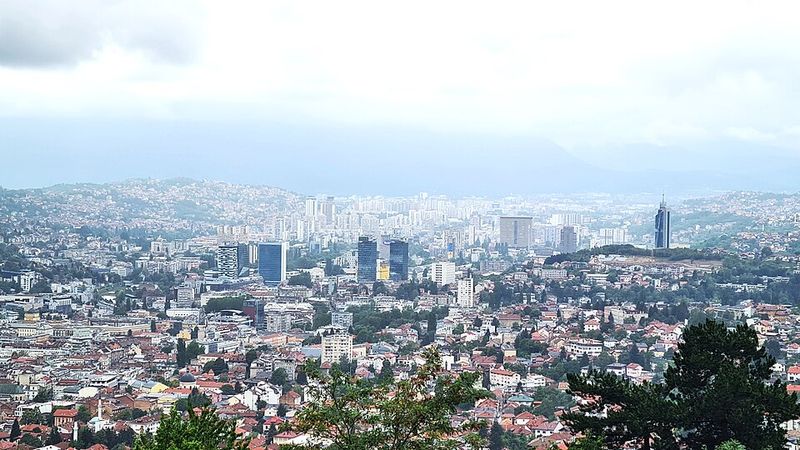
Where East meets West isn’t just a saying here – it’s the actual vibe you feel wandering between mosques, churches, and synagogues within minutes of each other.
Coffee culture runs deep, with locals spending hours at tiny cafés enjoying traditional Bosnian coffee served in copper pots.
History buffs find endless stories around every corner, from Ottoman markets to reminders of more recent conflicts.
Try the ćevapi from a family-run spot, and you’ll taste why this city captures hearts so easily.
3. Ohrid, North Macedonia
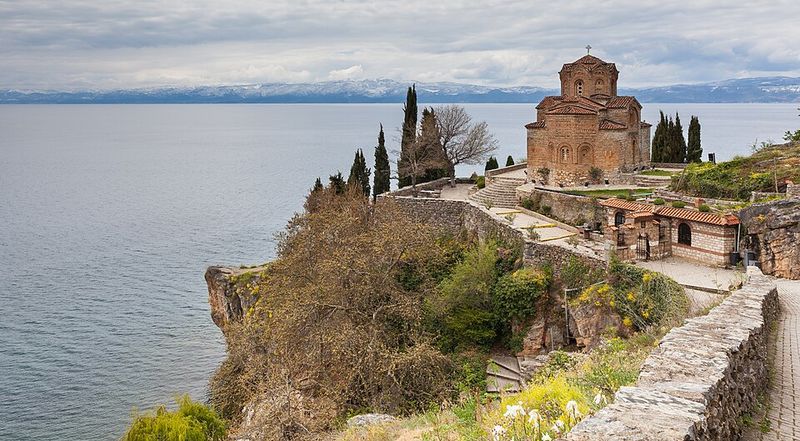
Imagine a lake so old that scientists estimate it’s been around for over a million years, with water so clear you can see ancient ruins beneath the surface.
Churches perch dramatically on cliffs above the shoreline, their frescoes still vibrant after hundreds of years.
Summer evenings bring a gentle breeze that makes waterfront dining feel magical, especially when the sun paints the sky orange and pink.
Boat rides to quiet monasteries offer peaceful escapes that feel worlds away from crowded European beaches.
4. Sibiu, Romania
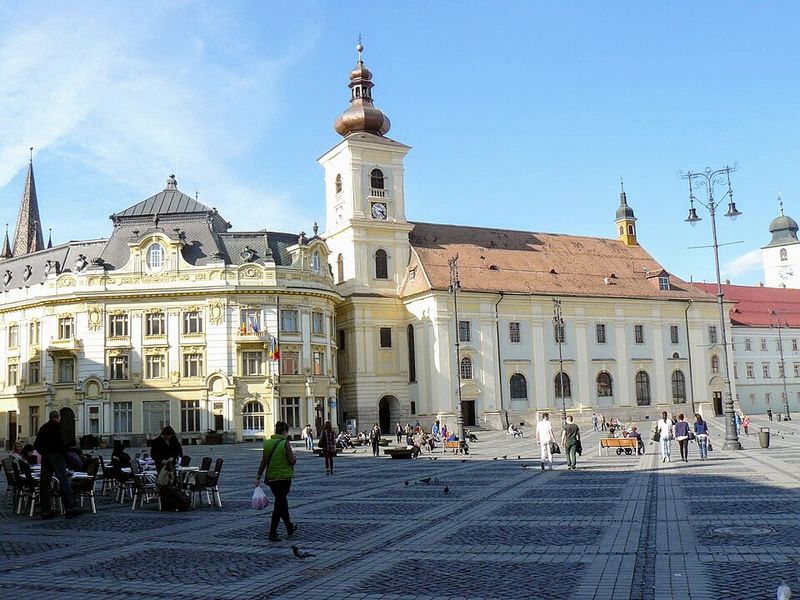
Buildings here seem to watch you with their distinctive roof windows that look surprisingly like eyes peeking out from attic spaces.
This Transylvanian gem served as a European Capital of Culture, yet somehow tourists still flock to Dracula’s castle instead of discovering this architectural treasure.
Cozy restaurants tucked into medieval cellars serve hearty Romanian dishes that warm you up after exploring the fortress walls.
Christmas markets transform the main square into a winter wonderland that rivals anything you’d find in Germany or Austria.
5. Plovdiv, Bulgaria
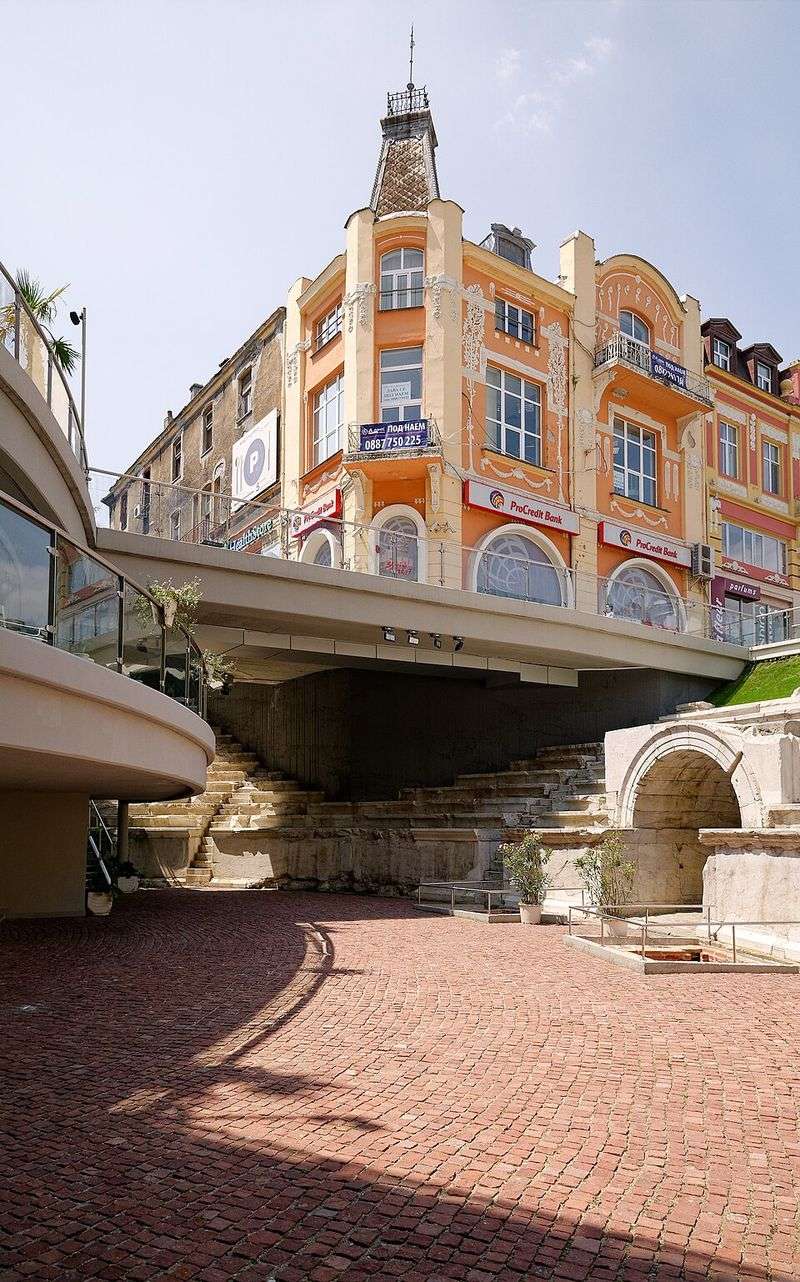
One of the world’s oldest continuously inhabited cities hides a perfectly preserved Roman theater right in the middle of its modern downtown.
Wandering the Old Town means admiring houses painted in bold blues, yellows, and oranges that seem almost too vibrant to be real.
Street art covers unexpected corners, giving the ancient city a youthful energy that appeals to creative souls.
Locals gather in the Kapana district for live music, art spaces, and social evenings that feel authentically Bulgarian rather than packaged for tourists.
6. Novi Sad, Serbia
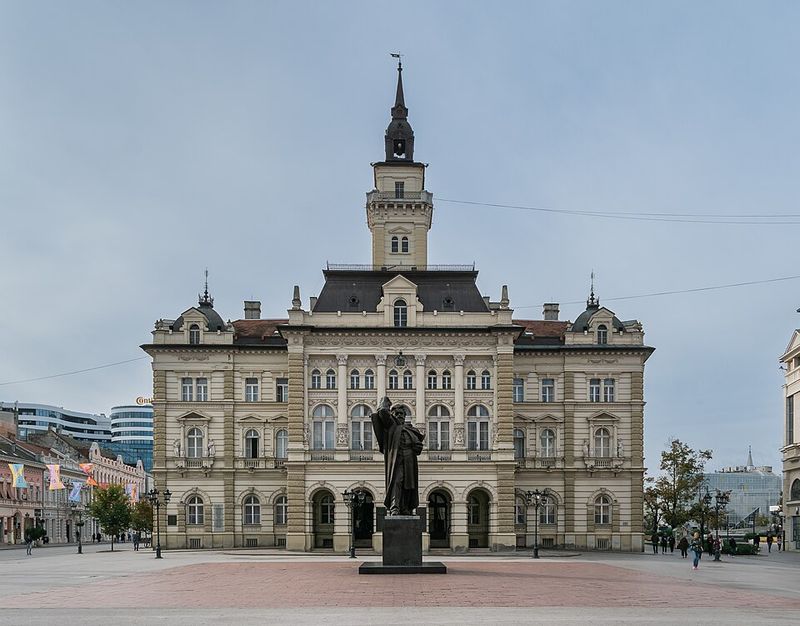
Each summer, a massive fortress transforms into one of Europe’s best music festivals, but the rest of the year it’s a peaceful spot for sunset watching.
Strolling along the Danube feels relaxing and unhurried, with locals fishing from the banks and couples sharing ice cream on park benches.
The city’s nickname, Serbian Athens, hints at its rich cultural life and university atmosphere that keeps things lively without feeling chaotic.
Cafés spill onto pedestrian streets where friendly conversations happen easily between strangers who share tables during busy lunch hours.
7. Ulcinj, Montenegro
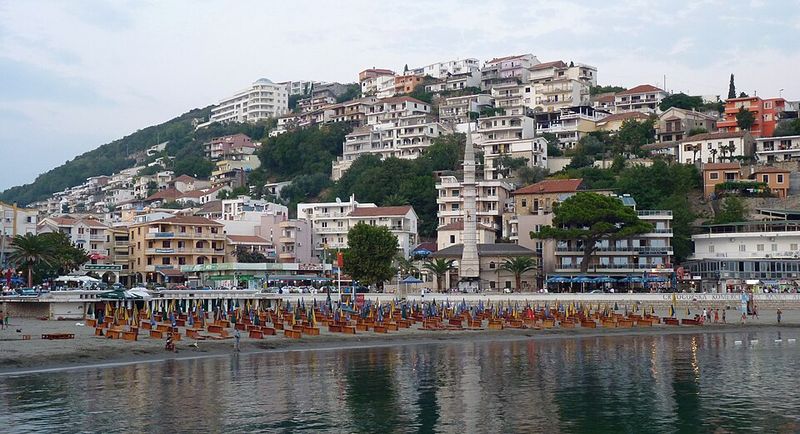
Montenegro’s southernmost coastal town offers the country’s longest sandy beach, stretching for miles without the resort towers that crowd other Mediterranean shores.
An old pirate stronghold sits dramatically on cliffs, its stone walls holding centuries of stories about Barbary corsairs and Adriatic adventures.
The mix of Albanian and Montenegrin cultures creates a unique atmosphere, with calls to prayer floating over beach bars and seafood restaurants.
Kitesurfers love the consistent winds, while families appreciate the shallow, warm waters perfect for building sandcastles on lazy afternoons.
8. Ptuj, Slovenia
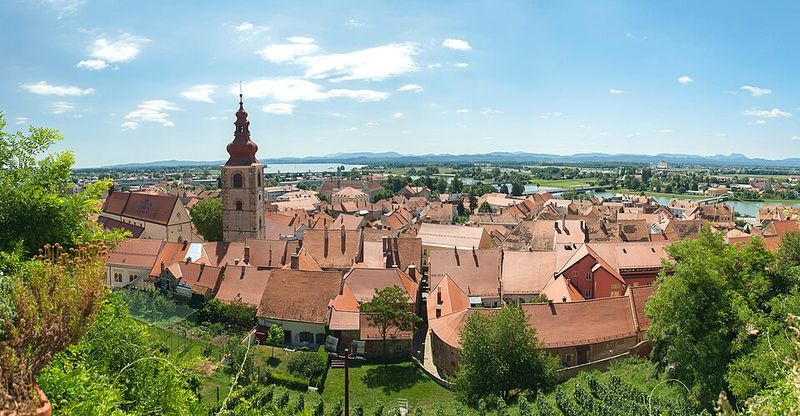
Slovenia’s oldest town gets especially wild during carnival season, when furry creatures called Kurent parade through streets in traditions dating back centuries.
A hilltop castle watches over terracotta rooftops and the lazy Drava River, creating picture-perfect views from every angle.
Historic underground cellars stretch beneath the town, preserving local culinary traditions in naturally cool tunnels used for regional specialties.
Small enough to explore in an afternoon yet charming enough to make you want to stay for days, this town captures Slovenia’s fairy-tale essence.
9. Košice, Slovakia
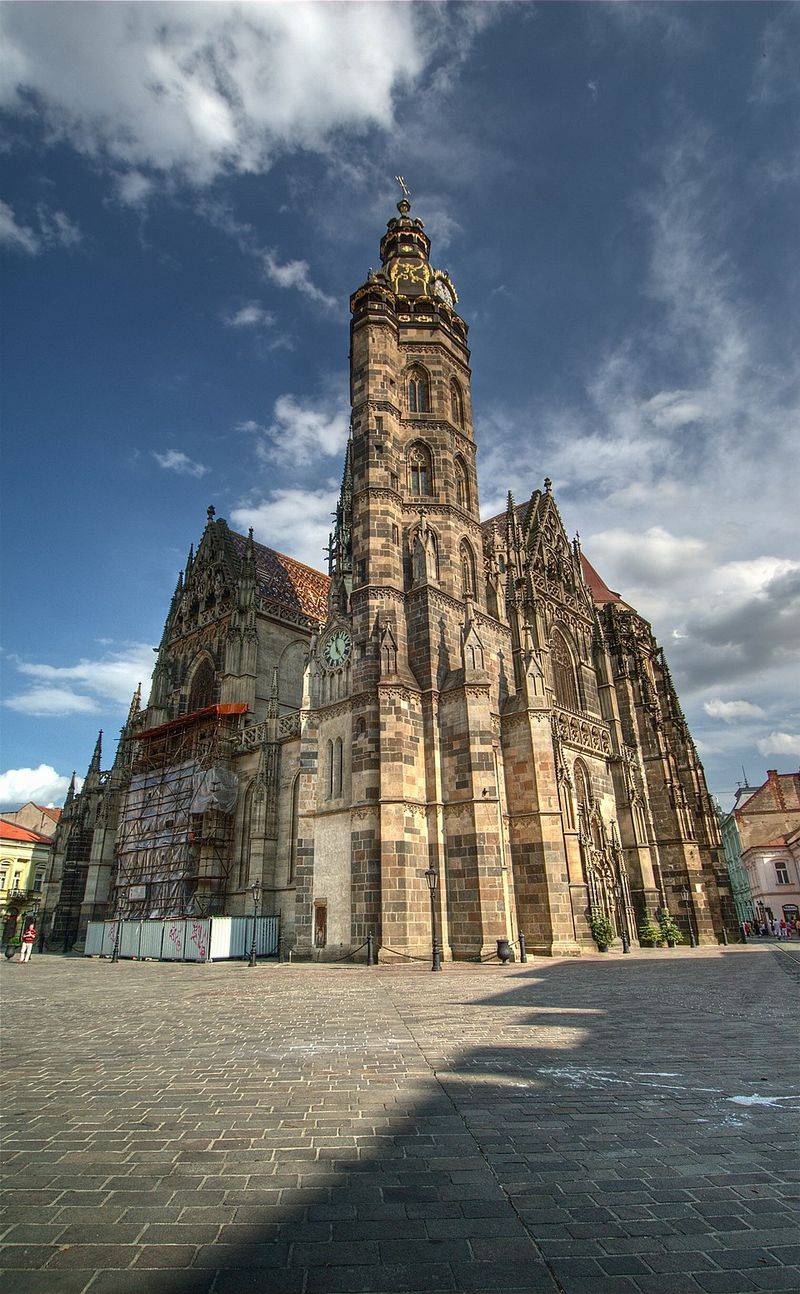
Slovakia’s second city surprises visitors with a Gothic cathedral so grand it could rival anything in Prague, yet the crowds here are refreshingly thin.
A pedestrian-friendly main street lined with pastel buildings creates the perfect setting for evening strolls and people-watching from outdoor café tables.
Underground tours reveal medieval passages beneath the modern city, where you can touch walls that once protected residents from invaders.
The relaxed vibe makes it easy to strike up conversations with locals who seem genuinely happy to share recommendations for hidden gems.
10. Cēsis, Latvia
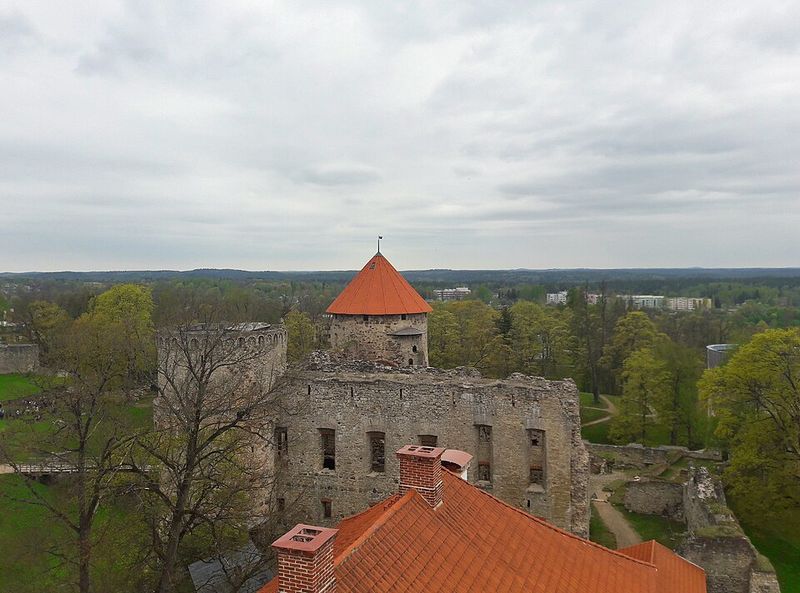
Exploring this castle means carrying a candle through dark medieval chambers, creating an adventure that kids and adults find equally thrilling.
Cobblestone streets wind past wooden houses painted in soft colors, giving the town a storybook quality that photographers absolutely love.
Surrounding forests offer hiking trails where you might spot deer or simply enjoy the peaceful sounds of nature away from city noise.
Local producers preserve centuries-old culinary traditions, offering visitors a taste of regional history through time-honored methods
11. Kaunas, Lithuania
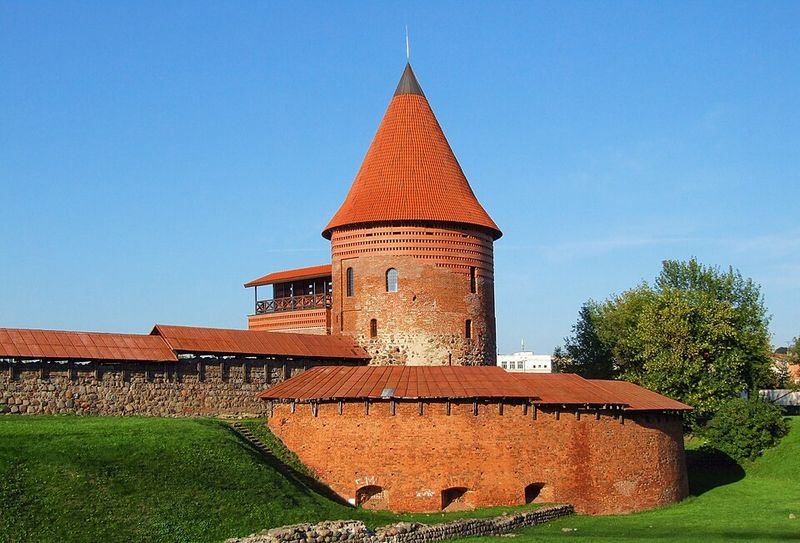
Lithuania’s second city earned the title of European Capital of Culture, bringing attention to its vibrant street art scene and creative energy.
Two rivers meet here, creating waterfront paths perfect for jogging, cycling, or just watching the current while eating ice cream on sunny days.
A funicular railway built over a century ago still carries passengers up steep hills, offering a charming ride with great views as your reward.
Museums tell powerful stories about Lithuania’s complex past, but the city’s forward-looking spirit shows in its modern galleries and innovative restaurants.
12. Tartu, Estonia
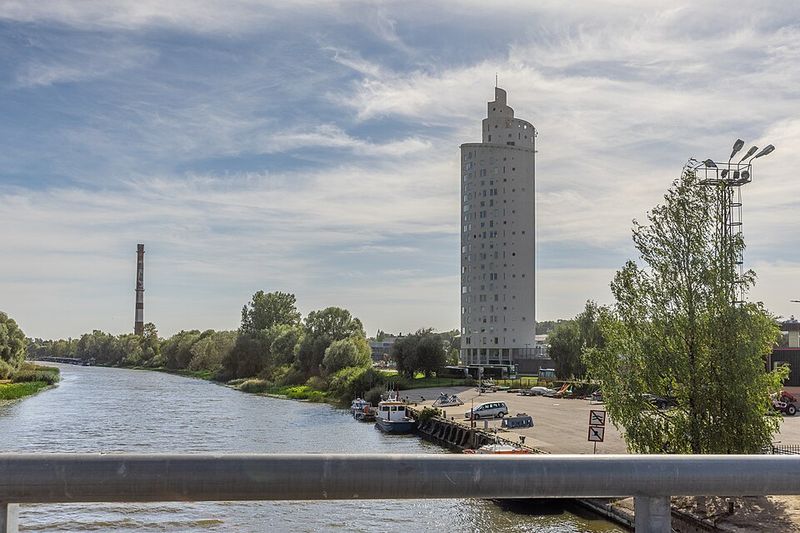
University students bring youthful energy to this intellectual hub, filling cafés with laptop workers and bookshops with curious browsers at all hours.
A quirky upside-down house sits in the main square, reminding everyone that this city doesn’t take itself too seriously despite its scholarly reputation.
Botanical gardens offer peaceful retreats where tropical plants thrive in greenhouses even during Estonia’s cold winters, creating unexpected jungle vibes.
Science centers make learning fun with hands-on exhibits that engage curious minds, proving education doesn’t have to feel like sitting in boring classrooms.
13. Łódź, Poland
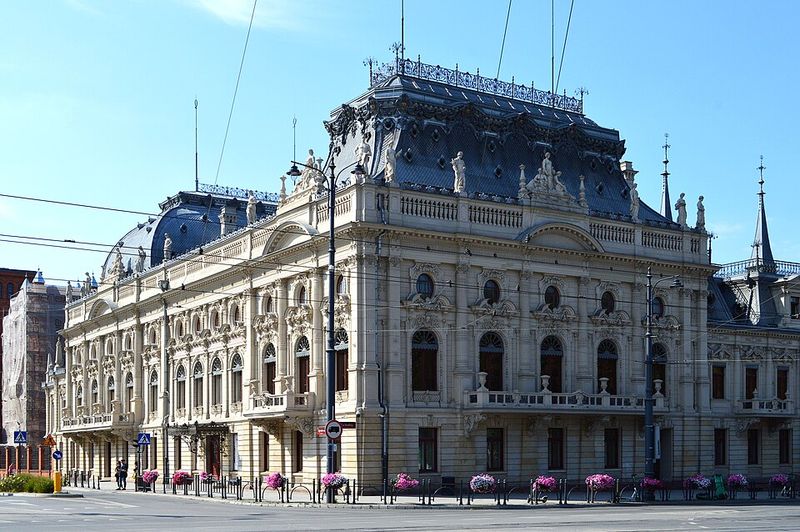
Former textile factories have become hipster havens filled with art studios, craft breweries, and design shops that attract Poland’s creative class.
Europe’s longest commercial street stretches through the city center, but unlike typical tourist traps, it maintains an authentic local character.
Street art transforms old industrial buildings into outdoor galleries, with massive murals telling stories about the city’s working-class heritage and modern transformation.
Film buffs appreciate the city’s cinema history and famous film school that trained acclaimed directors who went on to international success.
14. Pécs, Hungary
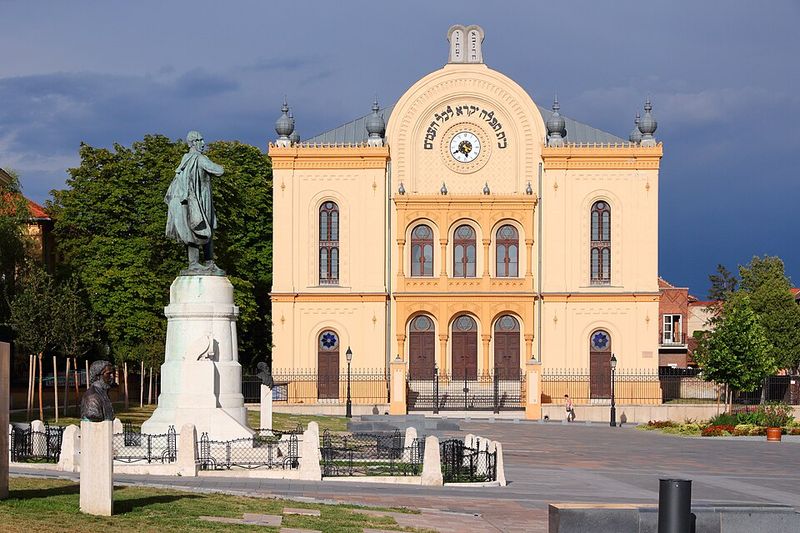
A mosque topped with a cross perfectly symbolizes this city’s layered history, where Turkish, Hungarian, and German influences blend into something uniquely beautiful.
Ceramic tiles in brilliant colors decorate buildings throughout town, products of the famous Zsolnay factory that put Pécs on the artistic map.
Early Christian tombs hidden beneath the streets earned UNESCO recognition, offering underground tours through burial chambers decorated with ancient frescoes.
University students keep the cultural calendar packed with concerts, exhibitions, and festivals that make this southern Hungarian city feel alive and welcoming.
15. Trieste, Italy
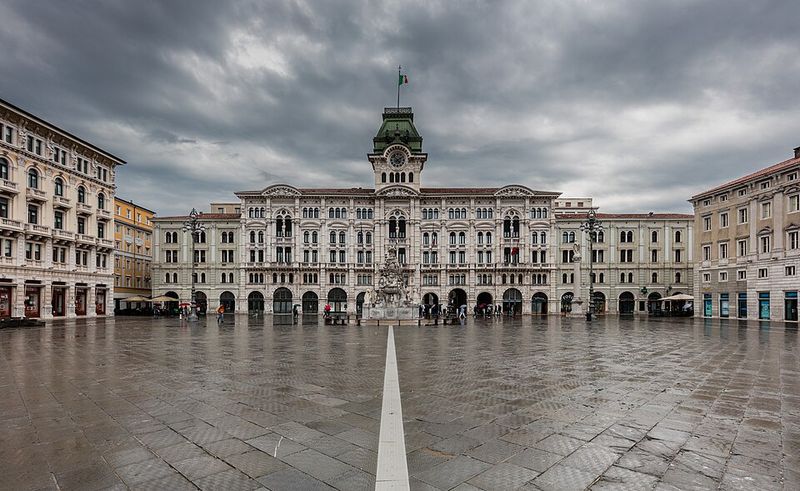
Italy’s most Austrian-feeling city sits right on the Adriatic, blending Italian coffee culture with Central European elegance in ways that confuse and delight visitors.
Literary history runs deep here, with James Joyce having lived and written in apartments you can still visit along the waterfront.
The largest sea-facing square in Europe opens directly onto the harbor, creating dramatic views especially when the Bora wind whips waves against the promenade.
Historic cafés are known for their espresso traditions, reflecting Trieste’s long history as a major European coffee trading port.
16. Belfast, Northern Ireland
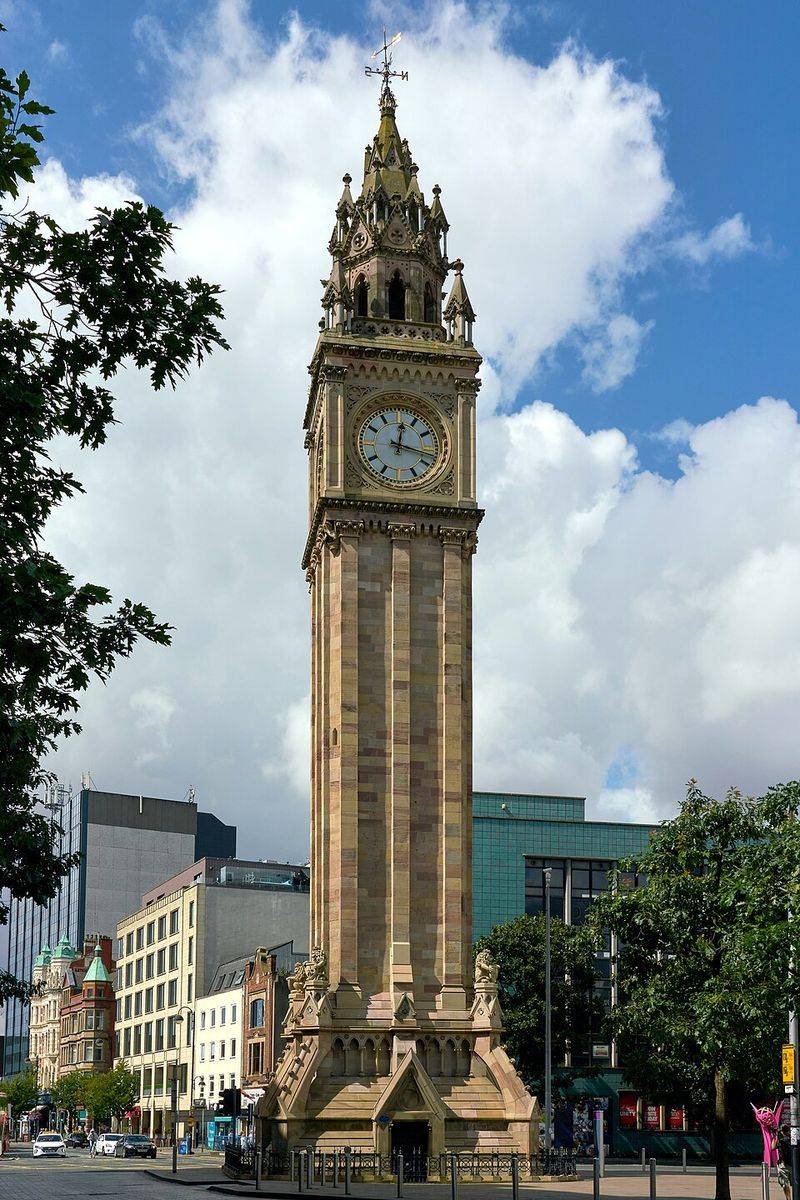
The ship that everyone knows was built right here in shipyards that now house a stunning museum telling stories of ambition, tragedy, and maritime history.
Murals throughout the city document decades of conflict and peace, forming open-air galleries that encourage reflection and dialogue about reconciliation.
Pubs buzz with traditional music sessions where fiddles and bodhráns create soundtracks for evenings spent among friendly locals who love sharing their culture.
A revitalized waterfront shows how far the city has come, with new restaurants and attractions proving Belfast’s best chapters might still be ahead.