Every Best Actor Winner In Oscars History
Welcome, welcome, step right onto the stage of Hollywood history.
The Academy Award for Best Actor has been shining its golden spotlight on unforgettable performances for nearly a century, honoring the men who made audiences laugh, cry, and occasionally spill popcorn during very intense scenes.
So let’s roll out the red carpet and take a look at every Best Actor winner in Oscars history, listed by eligibility year and film year.
Emil Jannings – The Last Command / The Way Of All Flesh (1927/28)
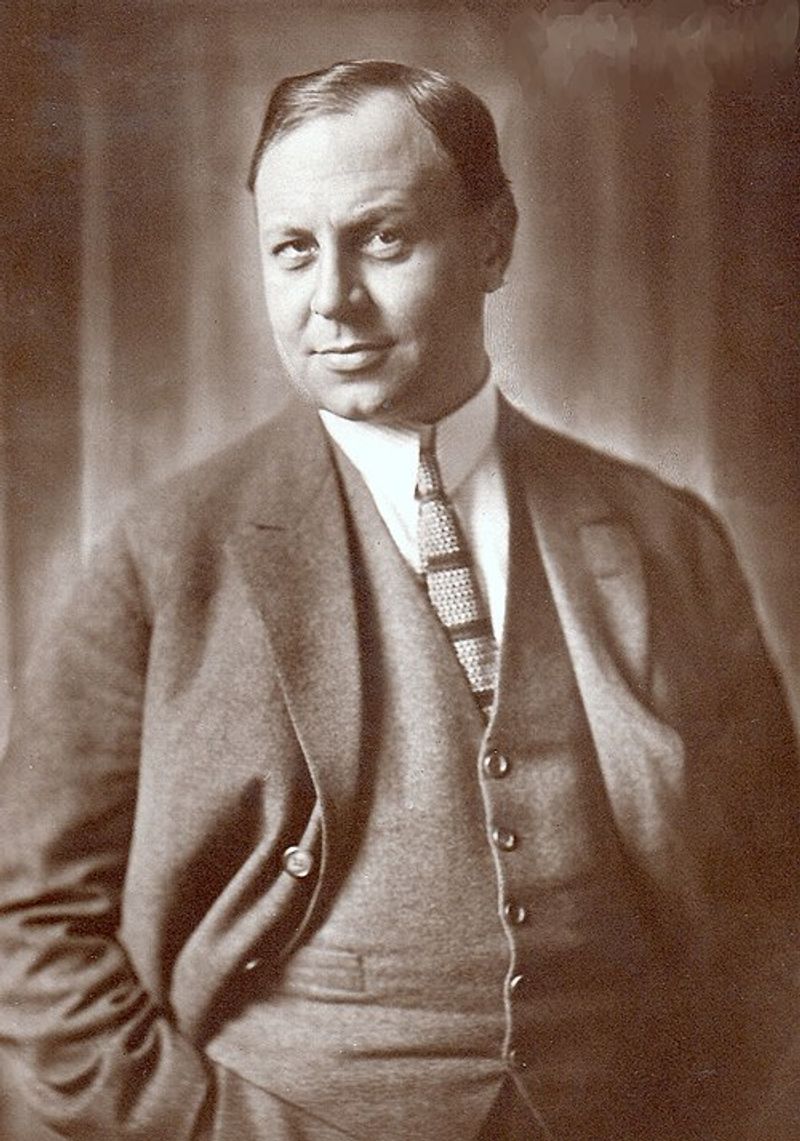
Silent cinema had a heavyweight champion, and his name was Emil Jannings.
He won the very first Best Actor Oscar ever awarded, taking home the trophy before the ceremony even happened, receiving it early since he was sailing back to Europe.
Talk about a dramatic exit worthy of a standing ovation.
Warner Baxter – In Old Arizona (1928/29)
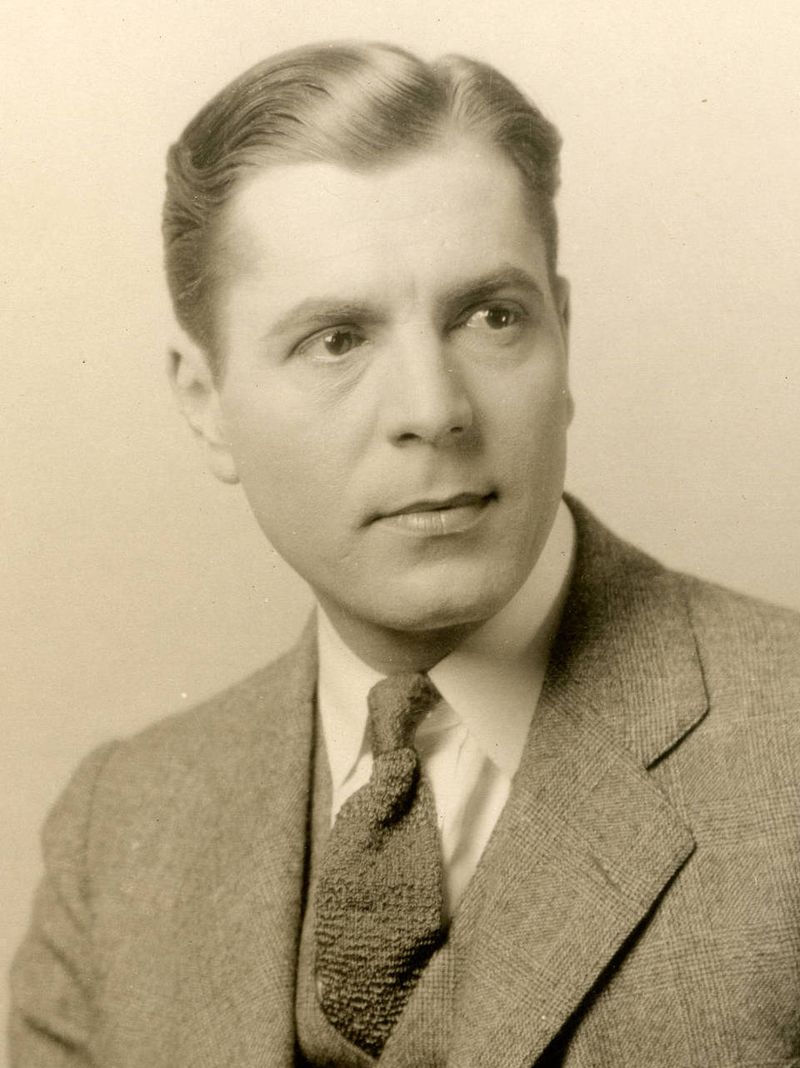
Warner Baxter rode into Oscar history as the Cisco Kid, a roguish outlaw with a heart of gold.
In Old Arizona was a groundbreaking talkie Western, and audiences were absolutely hooked on Baxter’s magnetic charm.
Cowboys and Oscars? Now that’s a combo that never gets old.
George Arliss – Disraeli (1929/30)
Old-world British elegance arrived in early Hollywood talkies through the presence of George Arliss.
The role of Prime Minister Benjamin Disraeli allowed that poise and intelligence to shape a performance that felt almost historical in its authenticity. Watching him on screen can feel like history quietly coming to life. Royally good, you might say.
Lionel Barrymore – A Free Soul (1930/31)
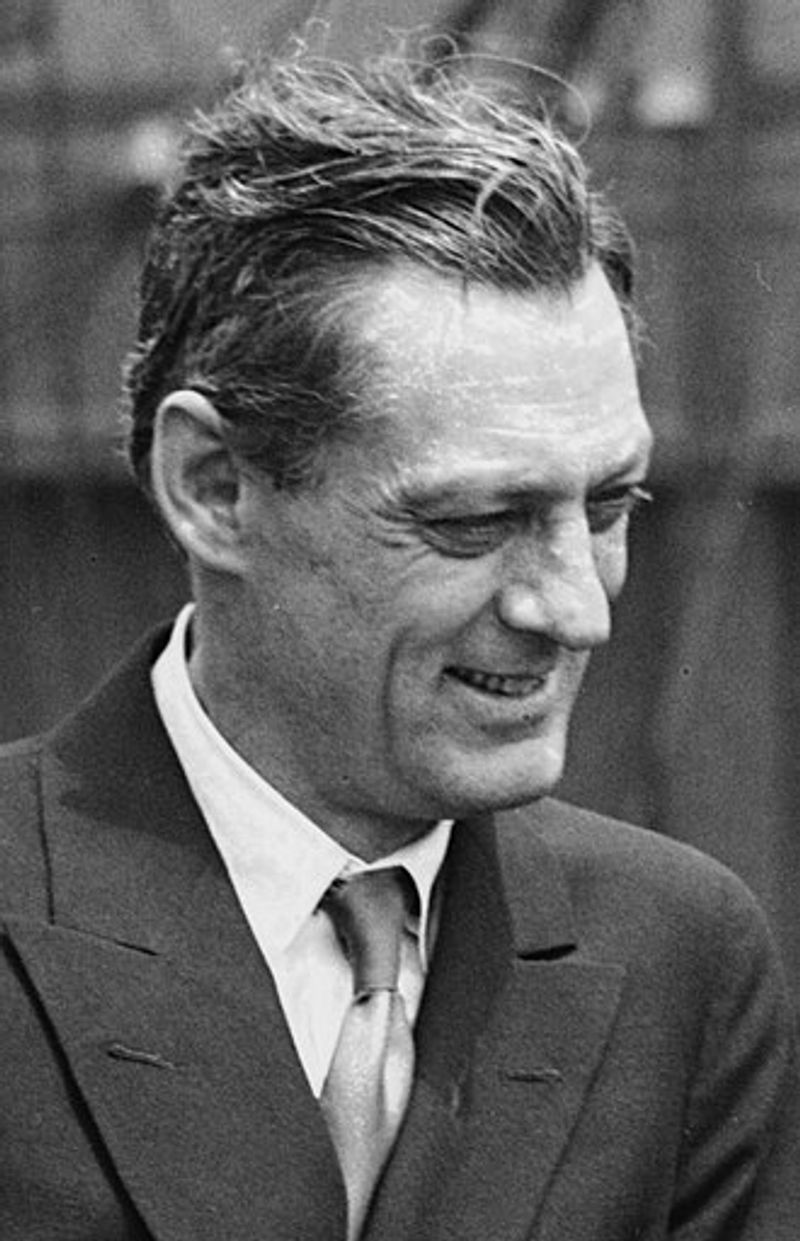
Hollywood royalty ran through Lionel Barrymore’s veins, and his Oscar arrived on the strength of a courtroom speech that left audiences breathless. A Free Soul handed him a stage big enough to roar.
Every ounce of Barrymore theatrical DNA showed up in that performance.
Family business was clearly doing just fine.
Fredric March – Dr. Jekyll And Mr. Hyde (1931/32)
Playing two men at once is hard enough, but Fredric March made it look absolutely effortless.
His transformation from the mild Dr. Jekyll to the unnerving Mr. Hyde was so convincing that audiences reportedly gasped aloud in theaters.
One actor, two personalities, zero chill.
Wallace Beery – The Champ (1931/32)
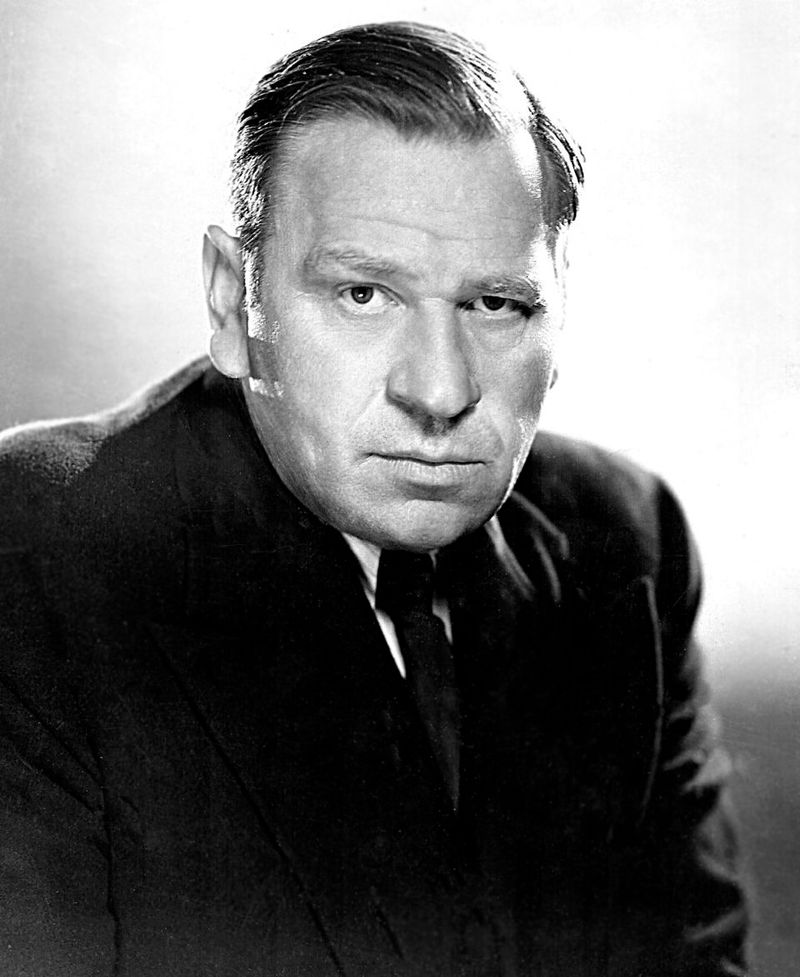
The rare tie at the 1931/32 Academy Awards left Wallace Beery sharing the Best Actor Oscar with Fredric March, a piece of Oscar trivia still mentioned today.
The role of a washed-up boxer trying to be a better father in The Champ gave Beery space to deliver a performance that felt raw, grounded, and deeply emotional. The performance gave the film much of its emotional force.
Charles Laughton – The Private Life Of Henry VIII (1932/33)
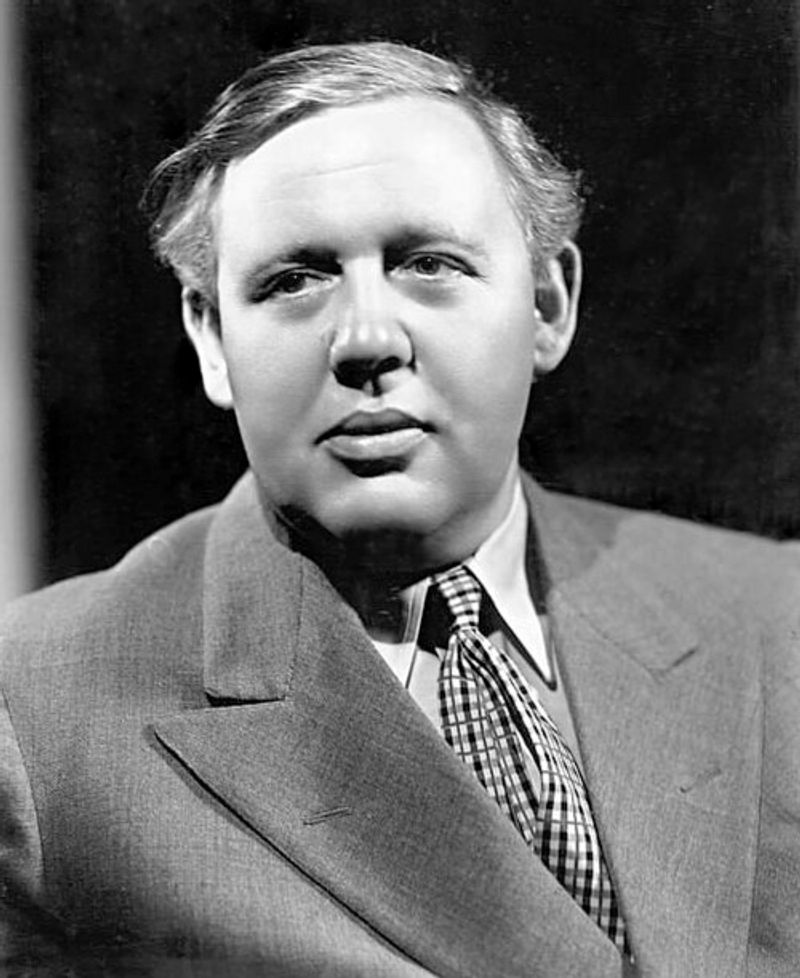
Henry VIII becomes pure spectacle in Charles Laughton’s hands, devoured with the same gusto the king might bring to a royal feast.
Big, boisterous, and brilliantly theatrical, the performance turns the Tudor monarch into the most entertaining man in any room. Six wives, one Oscar, no regrets.
Clark Gable – It Happened One Night (1934)
Hollywood royalty found its most relaxed expression in Clark Gable during It Happened One Night.
Spark between Gable and Claudette Colbert turned the screwball comedy into pure entertainment.
Playful energy runs through every scene. Charm strong enough to make you forget your bus stop.
Victor McLaglen – The Informer (1935)
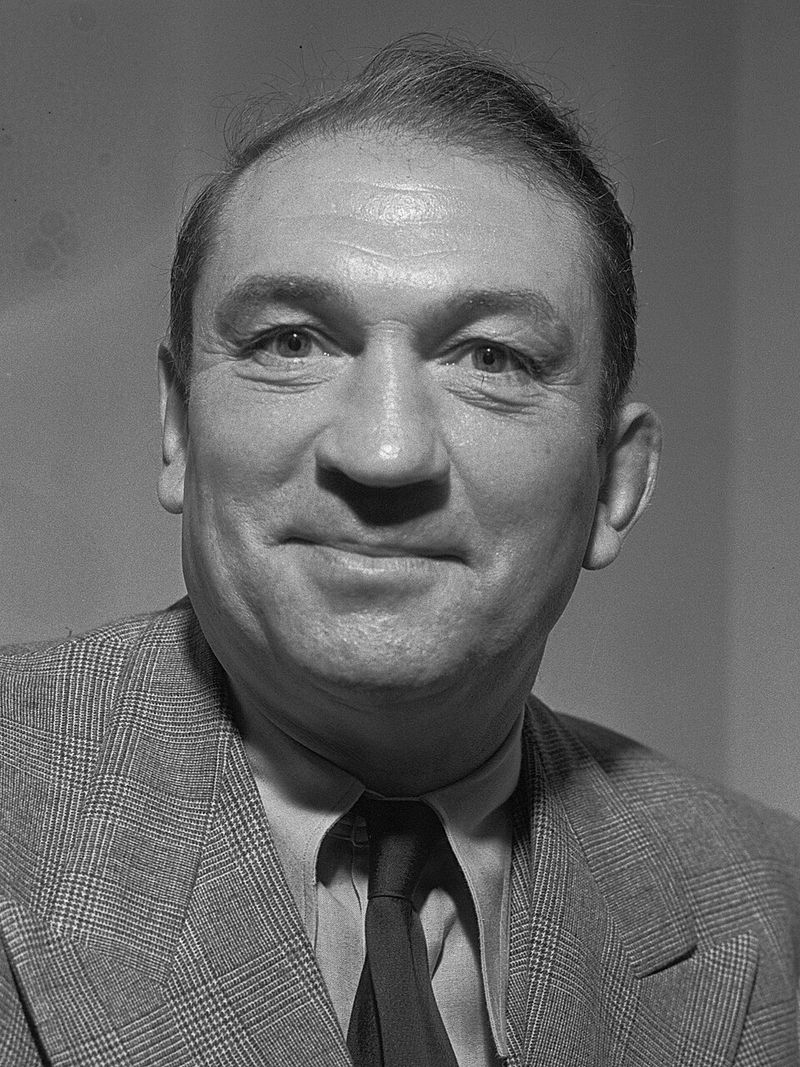
Victor McLaglen brought gut-wrenching guilt to life in The Informer, playing a man slowly torn apart by his own terrible choices.
Fog-soaked Dublin streets created the perfect backdrop for a performance steeped in moral anguish. Betrayal never looked so painfully human.
Paul Muni – The Story Of Louis Pasteur (1936)
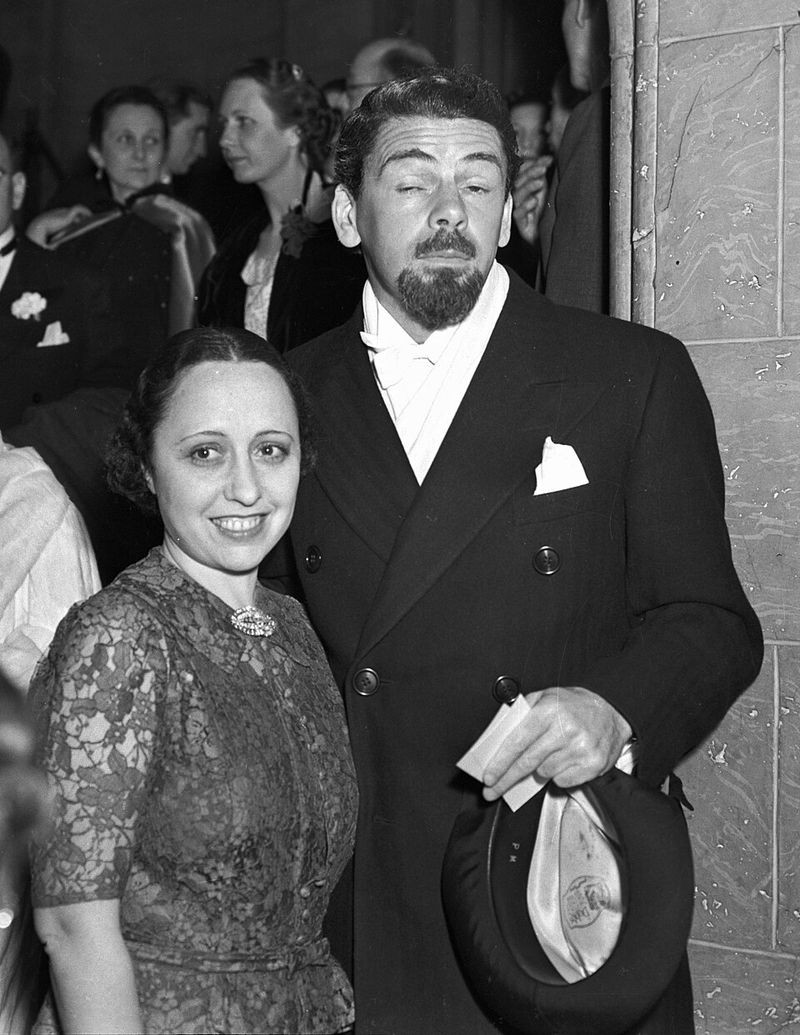
Science got its Hollywood close-up thanks to Paul Muni, who played Louis Pasteur with the kind of quiet intensity that makes you want to read a biography afterward.
Muni was a master of transformation, disappearing so completely into roles that audiences sometimes forgot who they were watching.
The original method actor, with better lab safety habits.
Spencer Tracy – Captains Courageous (1937)
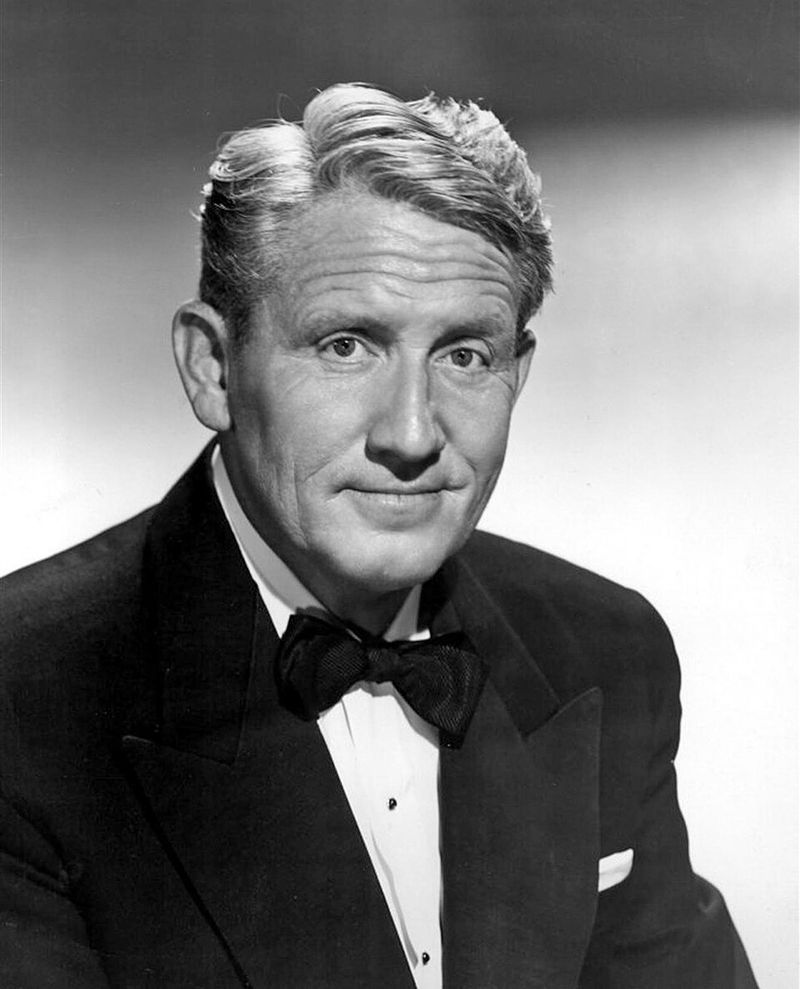
Unexpected look defined Spencer Tracy in Captains Courageous, complete with a curly wig and a Portuguese accent that somehow felt completely natural.
Gentle fisherman Manuel becomes a father figure to a spoiled rich boy, and Tracy plays the role with warmth that lands deeply.
Emotion in the performance still surprises viewers. Saltwater and sincerity make a perfect catch.
Spencer Tracy – Boys Town (1938)
Back-to-back Oscars placed Spencer Tracy in the history books as the first actor to win consecutive Best Actor awards, a record that stood for decades.
Boys Town cast him as Father Flanagan, a real-life priest who believed no boy was beyond saving, and Tracy carried that conviction into the performance. Two years, two trophies, zero ego.
Robert Donat – Goodbye, Mr. Chips (1939)
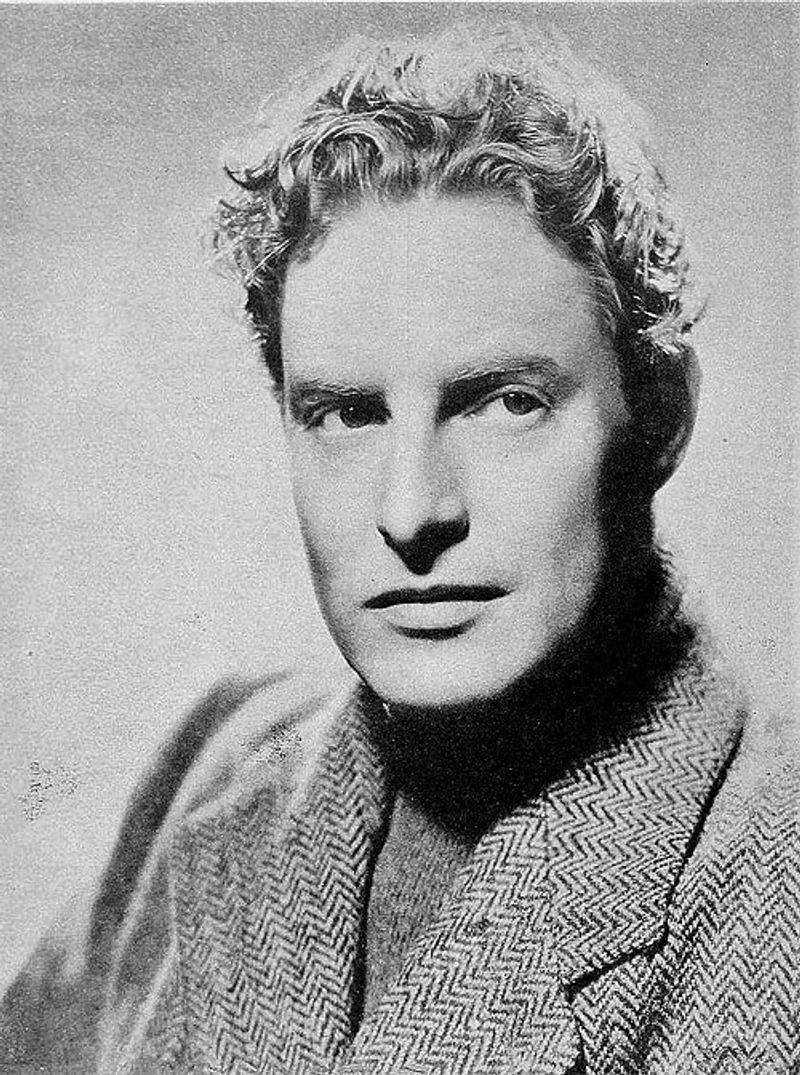
Robert Donat beat out Clark Gable in Gone with the Wind for this Oscar, which tells you everything about the power of a quiet, deeply felt performance.
Watching a beloved schoolteacher age across decades in Goodbye, Mr. Chips felt like flipping through a family photo album.
Proof that gentleness can outshine spectacle every time.
James Stewart – The Philadelphia Story (1940)
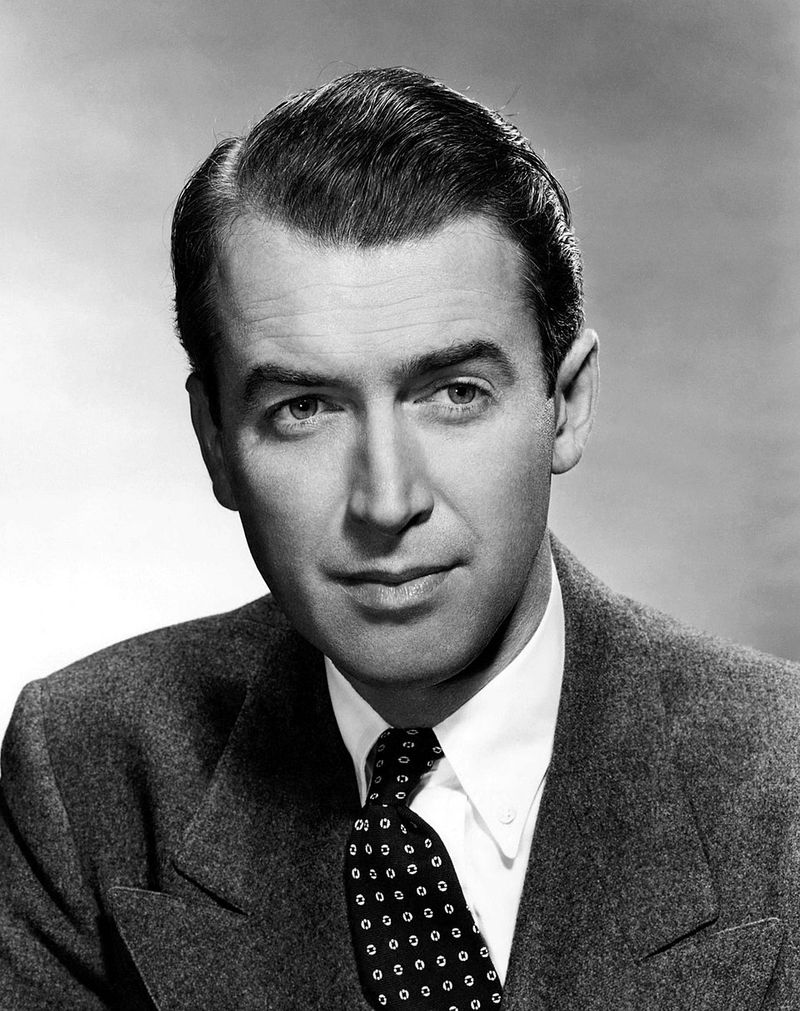
Oscar night finally rewarded James Stewart for The Philadelphia Story, a lively comedy where his easygoing charm stood comfortably beside Cary Grant and Katharine Hepburn.
Victory also carried the feeling of a quiet correction after his overlooked performance in Mr. Smith Goes to Washington the previous year.
Hollywood occasionally revisits its own report card. Sometimes the grade gets adjusted.
Gary Cooper – Sergeant York (1941)
Real-life war hero Alvin York stepped onto the screen through Gary Cooper’s performance, portraying a Tennessee sharpshooter who became one of World War I’s most decorated soldiers despite being a pacifist at heart.
Cooper’s slow-burning sincerity made every quiet moment feel as powerful as a battlefield charge. Quiet strength is still strength.
James Cagney – Yankee Doodle Dandy (1942)
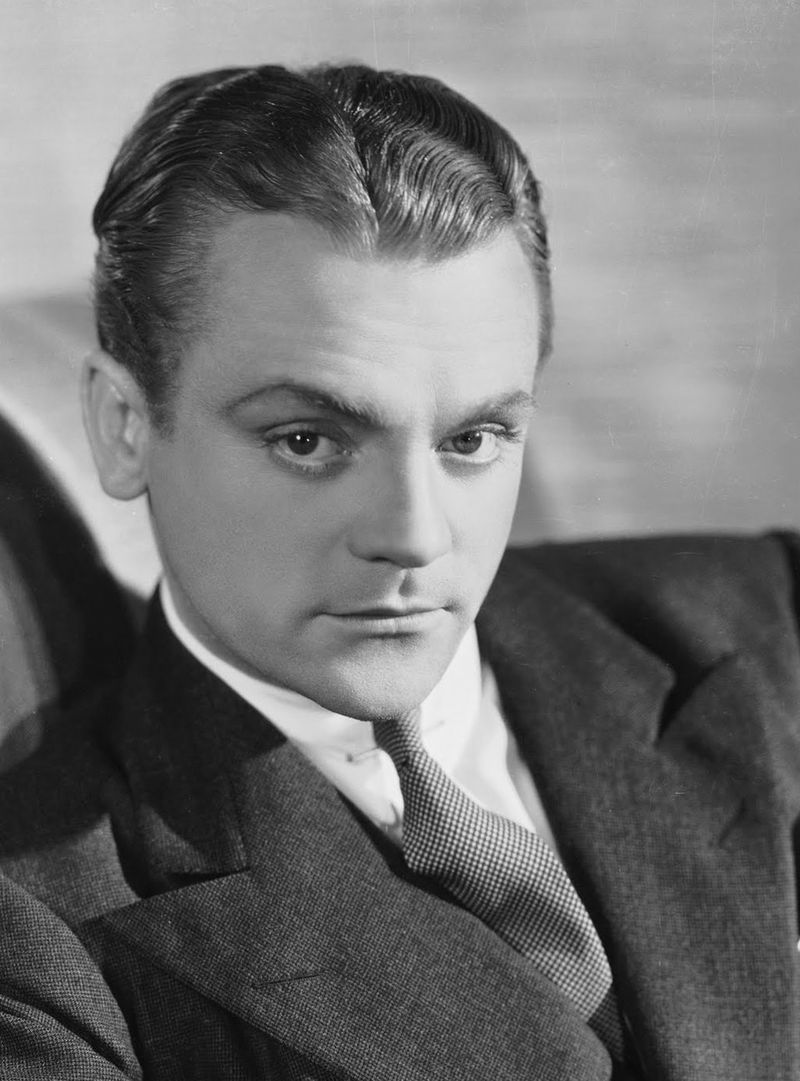
James Cagney, best known for gangster roles, absolutely exploded onto the musical stage as George M. Cohan, tapping his way straight into Oscar history.
The energy was so electric that President Roosevelt reportedly watched the film to lift his spirits during wartime.
Red, white, and completely unstoppable.
Paul Lukas – Watch On The Rhine (1943)
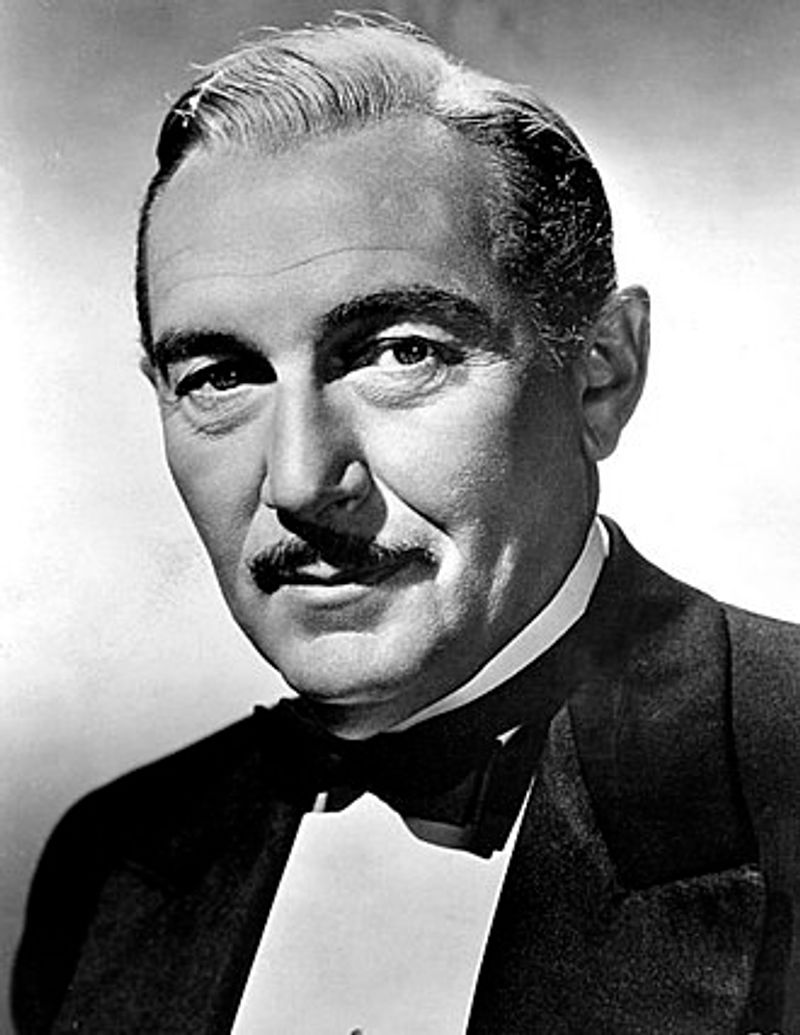
Quiet intensity defined Paul Lukas’s performance in Watch on the Rhine, one of Hollywood’s most powerful anti-fascist statements during the World War II era.
Role of a German resistance fighter living in America allowed Lukas to carry a sense of urgency through every scene. Tone sometimes feels closer to a news bulletin than a traditional drama.
Certain performances appear at precisely the moment the world is ready to hear them.
Bing Crosby – Going My Way (1944)
Bing Crosby traded his crooner microphone for a priest’s collar and still walked away with Hollywood’s biggest prize. Going My Way became the feel-good hit of 1944, and his Father Chuck O’Malley came across like the cool uncle everyone wished they had.
Smoothest Oscar winner in the room, always.
Ray Milland – The Lost Weekend (1945)
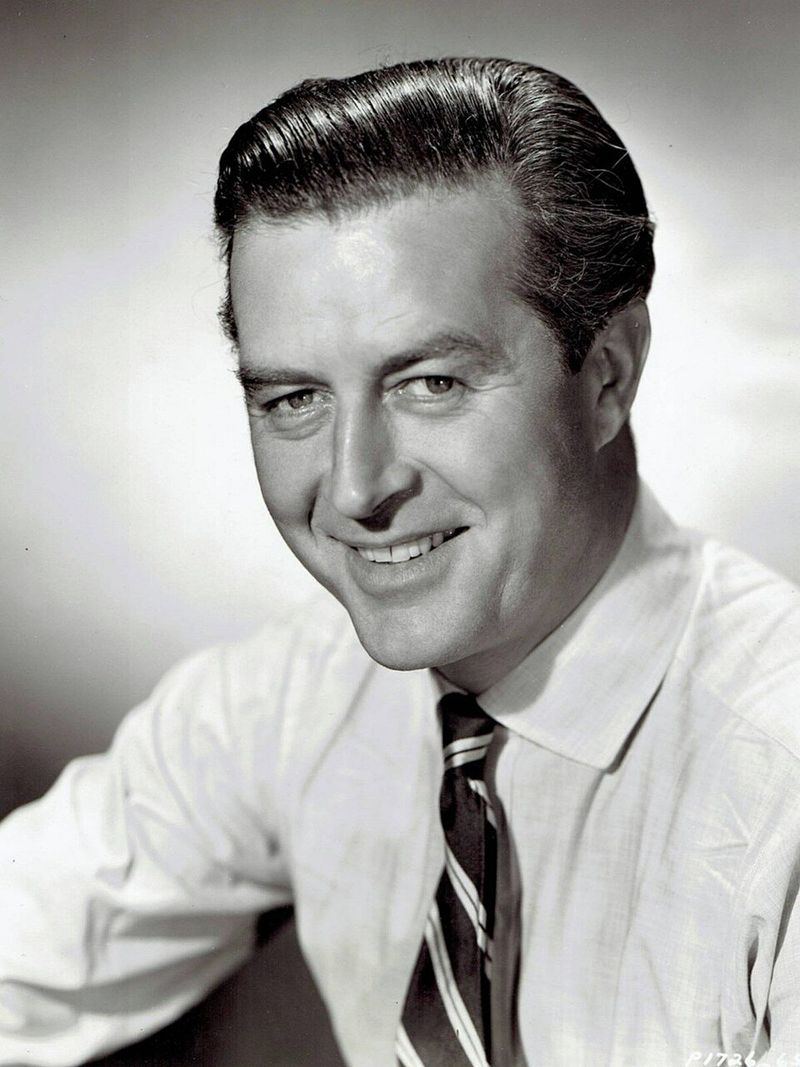
Ray Milland sheds his matinee-idol polish entirely in a performance as a writer coping with drinking during a challenging weekend in New York.
Role in The Lost Weekend demanded a level of honesty rarely seen in Hollywood dramas of the time. Reaction from liquor-industry lobbyists reportedly included attempts to stop the film’s release.
Raw truth tends to make powerful people uneasy.
Fredric March – The Best Years Of Our Lives (1946)
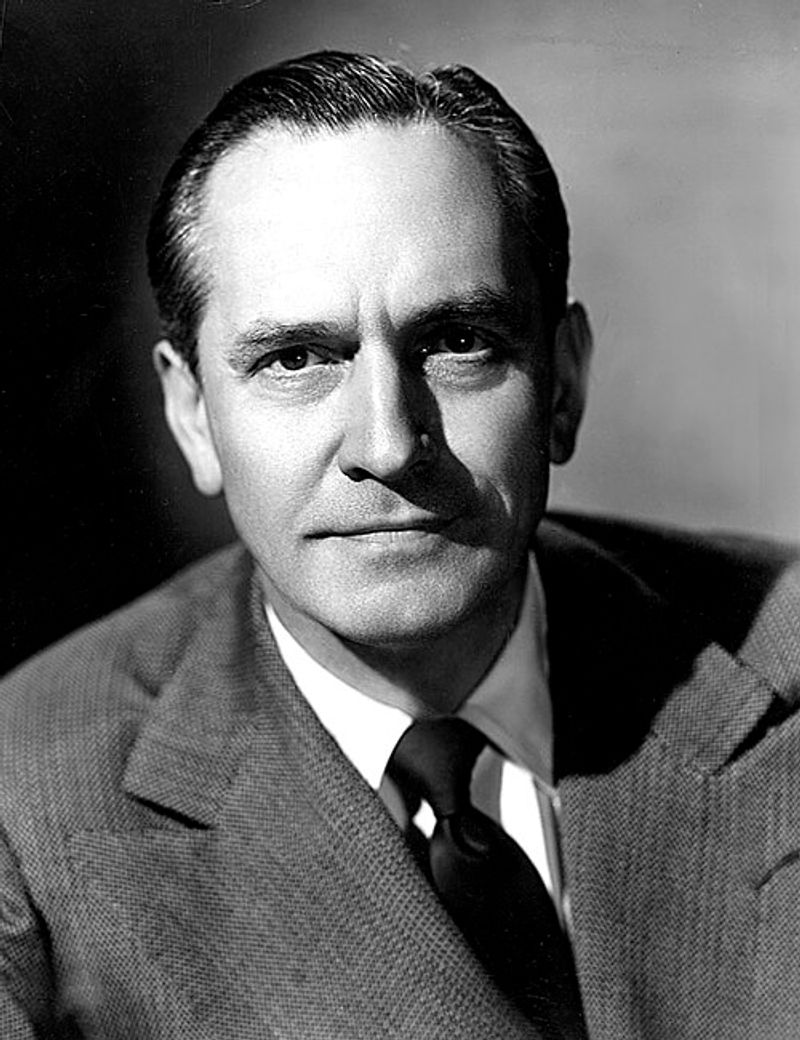
Fredric March won his second Best Actor Oscar here, bookending a remarkable career with two very different kinds of brilliance.
The Best Years of Our Lives captured the quiet heartbreak of veterans returning home to a world that had moved on without them.
A second Oscar, earned twice as hard.
Ronald Colman – A Double Life (1947)
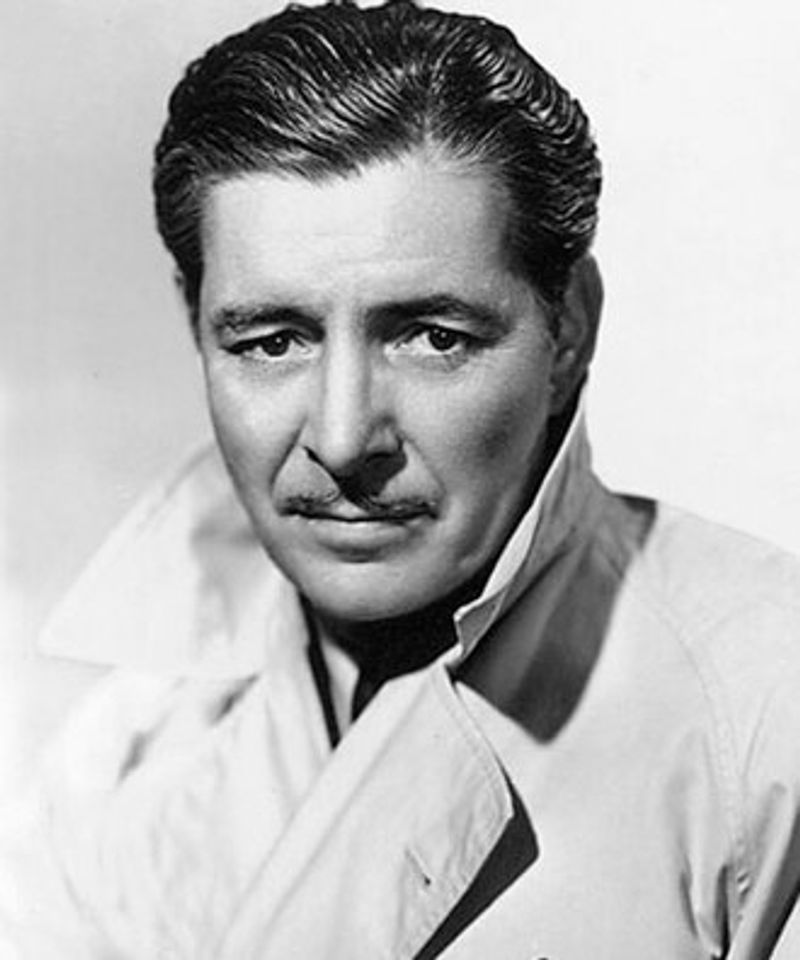
An actor so consumed by his Othello role begins to lose the boundary between stage and real life in Ronald Colman’s performance.
A Double Life works as both a psychological thriller and an acting showcase, with Colman’s velvet voice lending a hypnotic pull to every moment of unraveling. Method acting taken much too far.
Laurence Olivier – Hamlet (1948)
Laurence Olivier directed himself in Hamlet and walked away with both the Best Picture and Best Actor Oscar, which is the ultimate multitasker flex.
His Prince of Denmark was haunted, poetic, and entirely gripping from the first soliloquy to the final curtain.
To win, or not to win? Clearly, to win.
Broderick Crawford – All The King’s Men (1949)
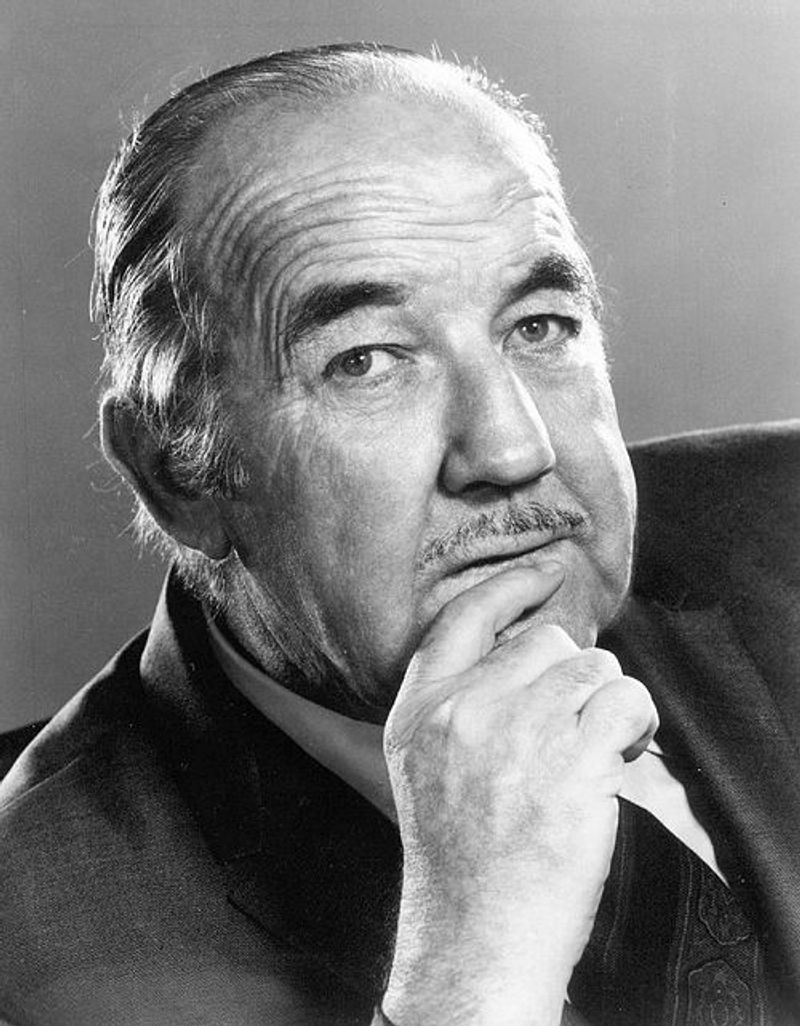
Booming voice and larger-than-life presence drove Broderick Crawford’s Oscar-winning turn as Willie Stark, a Southern politician climbing toward power at a steep moral cost.
The film unfolds as a cautionary political drama.
Crawford’s performance becomes the loudest alarm ringing through the story. Corruption creeps in step by step, and he makes every moment visible.
Jose Ferrer – Cyrano De Bergerac (1950)
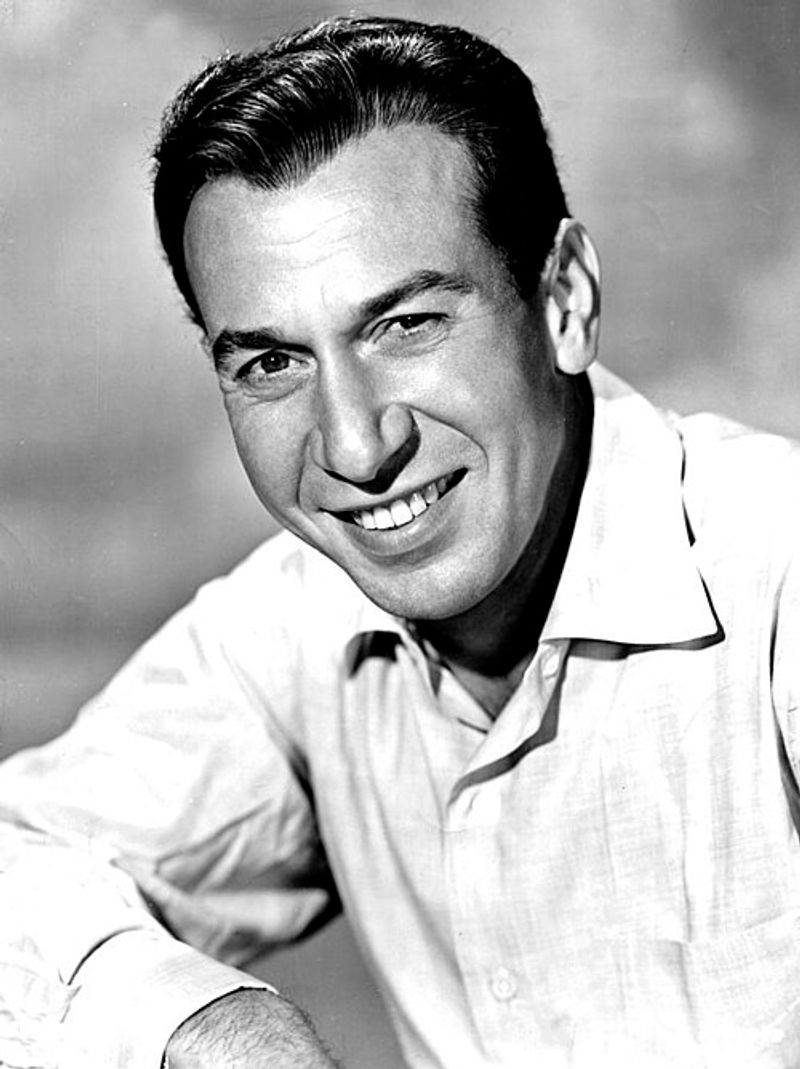
Famously oversized, José Ferrer’s prosthetic nose helped him transform into Cyrano de Bergerac, delivering one of cinema’s most romantically tragic performances.
Swordsmanship, poetry, and heartbreak all collide in the role, and Ferrer carried each element with the confidence of a seasoned champion. Big nose, bigger talent, biggest feelings.
Humphrey Bogart – The African Queen (1951)
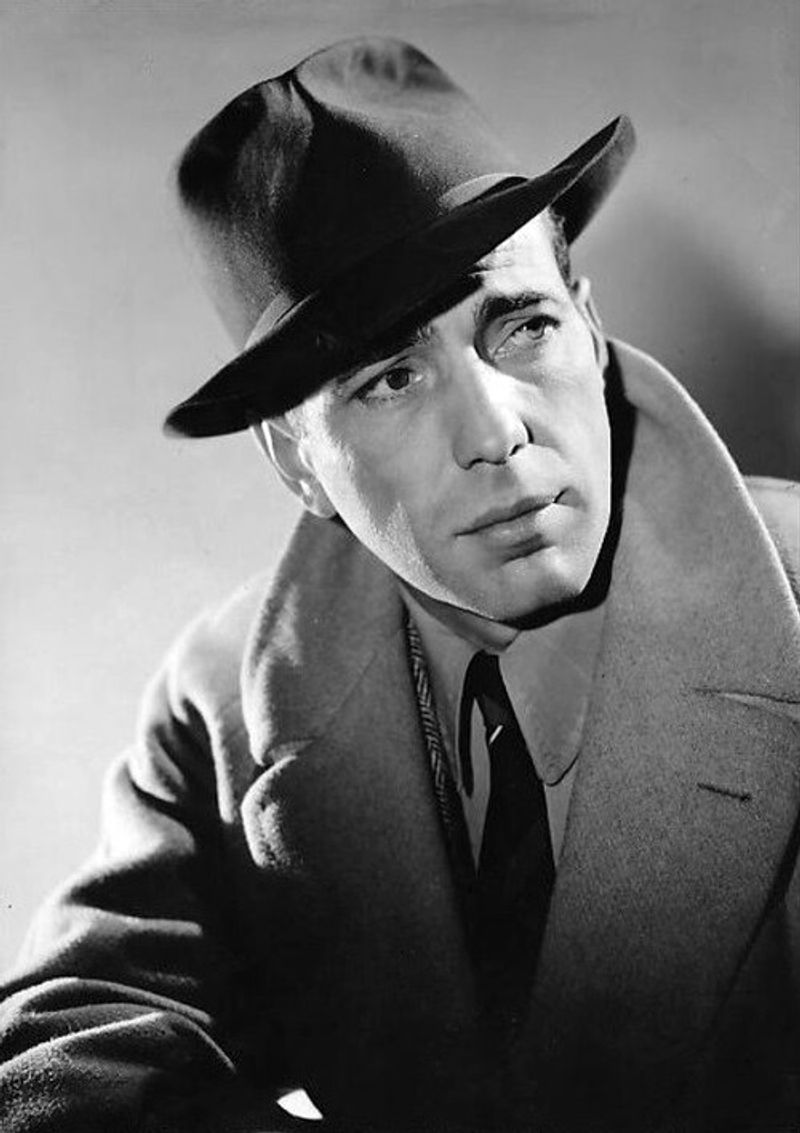
Humphrey Bogart had been one of Hollywood’s biggest stars for years before the Academy finally gave him his due with The African Queen.
Playing a gin-soaked riverboat captain navigating both African waterways and Katharine Hepburn’s iron will, Bogart was endlessly watchable. Gruff on the outside, golden on the inside.
Gary Cooper – High Noon (1952)
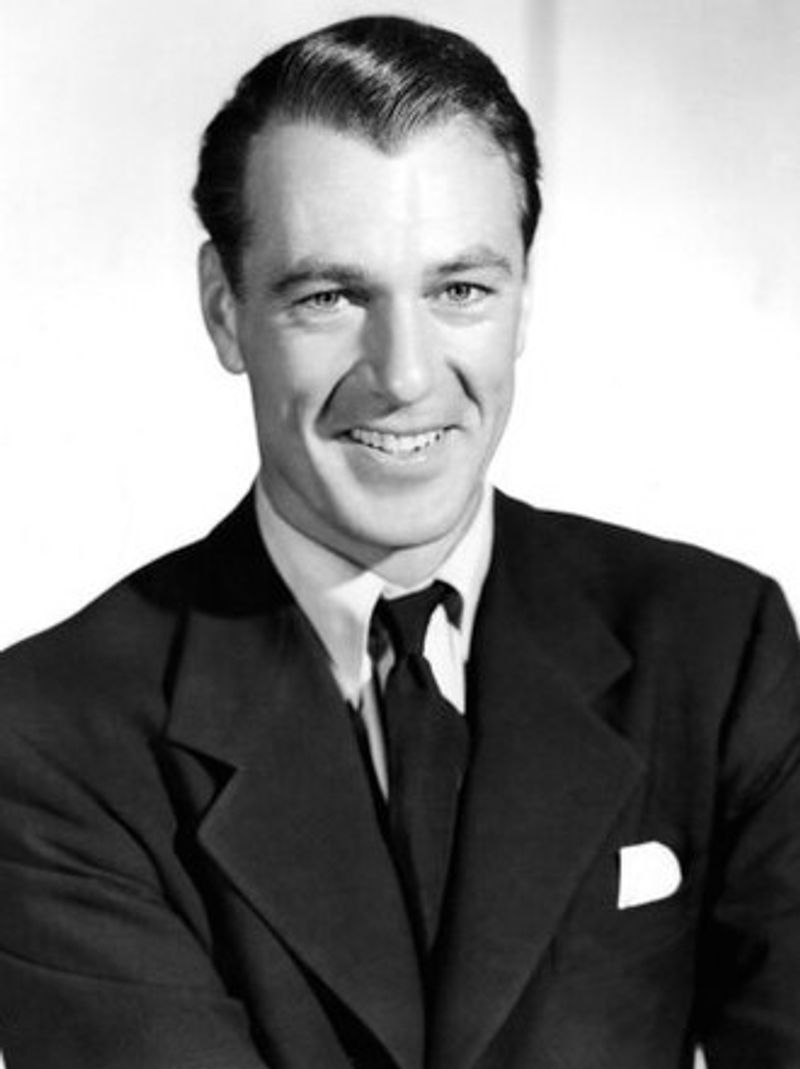
Legendary Western High Noon earned Gary Cooper his second Oscar with a performance built on quiet resolve. Story follows a marshal facing danger alone after the town he protected turns its back on him.
Many viewers read the film as a clear allegory about McCarthy-era pressures in Hollywood.
Standing alone demands more courage than riding with a posse.
William Holden – Stalag 17 (1953)
Most cynical man in a WWII POW camp emerges in William Holden’s performance, portraying a self-serving operator who slowly reveals an unlikely heroic core.
Stalag 17 blends dark comedy with genuine tension, and Holden threads that needle perfectly. Sarcasm as a survival strategy, brilliantly executed.
Marlon Brando – On The Waterfront (1954)
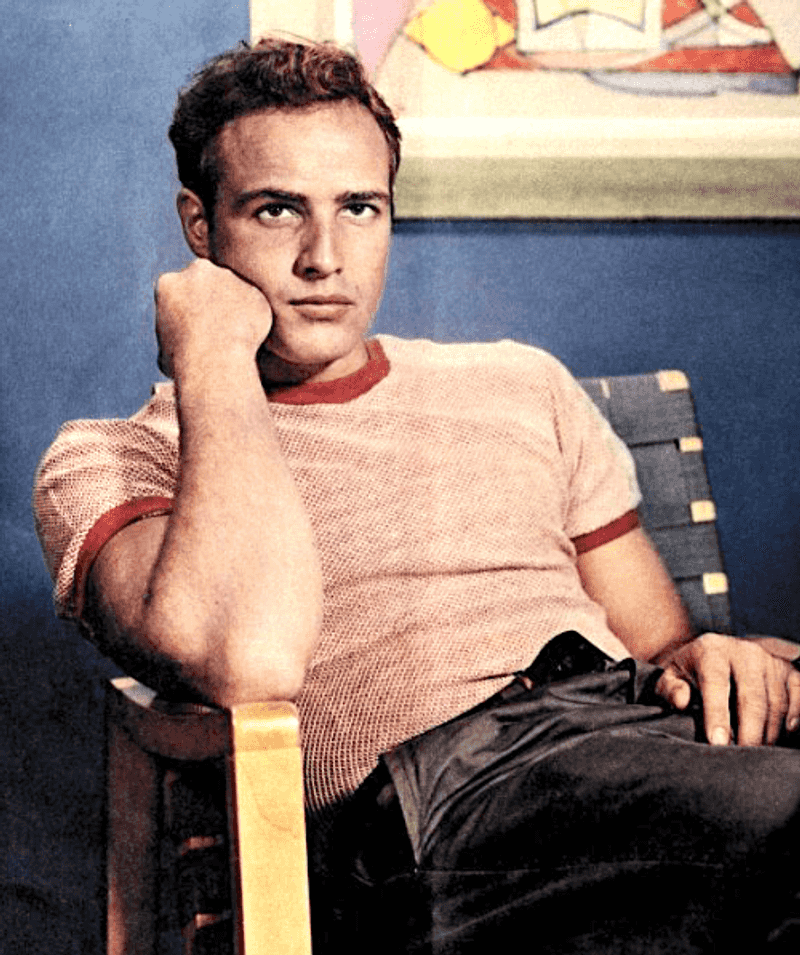
“I coulda been a contender” is one of cinema’s most quoted lines, and Marlon Brando delivered it in a taxi cab with heartbreaking simplicity.
On the Waterfront showed the world what raw, unfiltered screen acting could look like, and nothing was quite the same afterward. A contender? Try a legend.
Ernest Borgnine – Marty (1955)
Unexpected warmth filled Ernest Borgnine’s Oscar-winning role as Marty, a lonely Bronx butcher hoping to find someone who will care about him. Audiences quickly found themselves rooting for the character.
Film avoids glamour and spectacle in favor of everyday life.
Quiet search for connection unfolds over one ordinary Saturday night.
Yul Brynner – The King And I (1956)
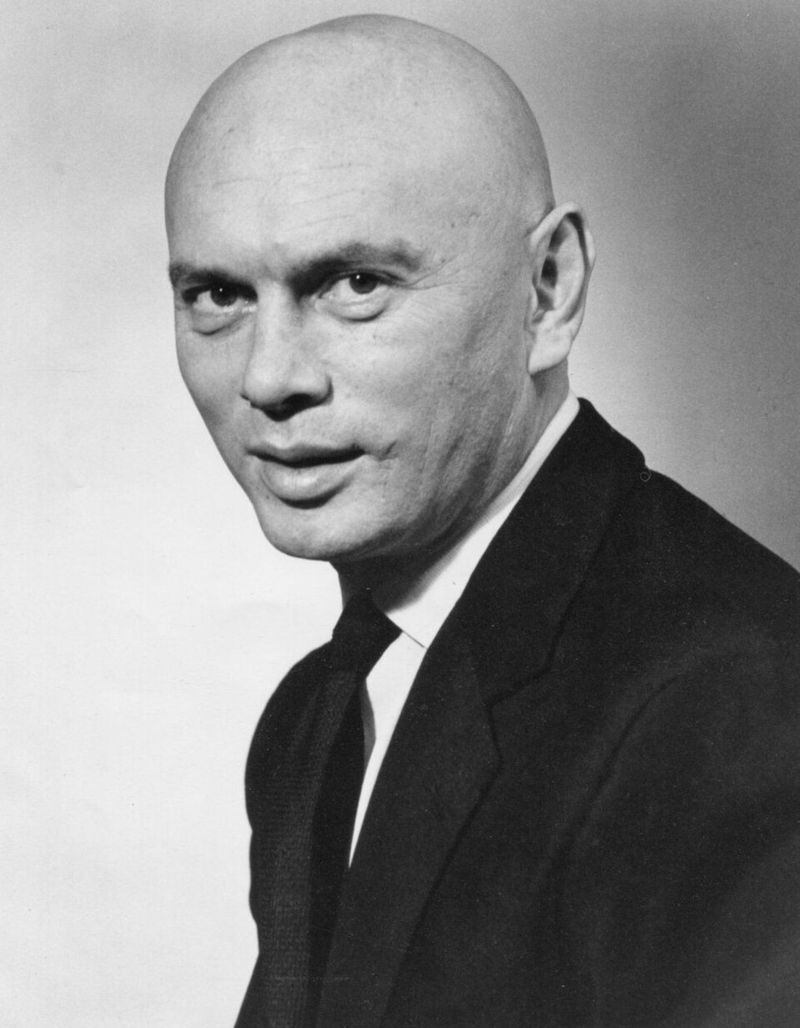
Shaved clean, Yul Brynner’s head became part of movie history when he stepped into the role of the King of Siam.
The King and I matched his magnetic, slightly intimidating charisma so perfectly that he later performed the role on Broadway more than 4,000 times. Bald, bold, and utterly unforgettable.
Alec Guinness – The Bridge On The River Kwai (1957)
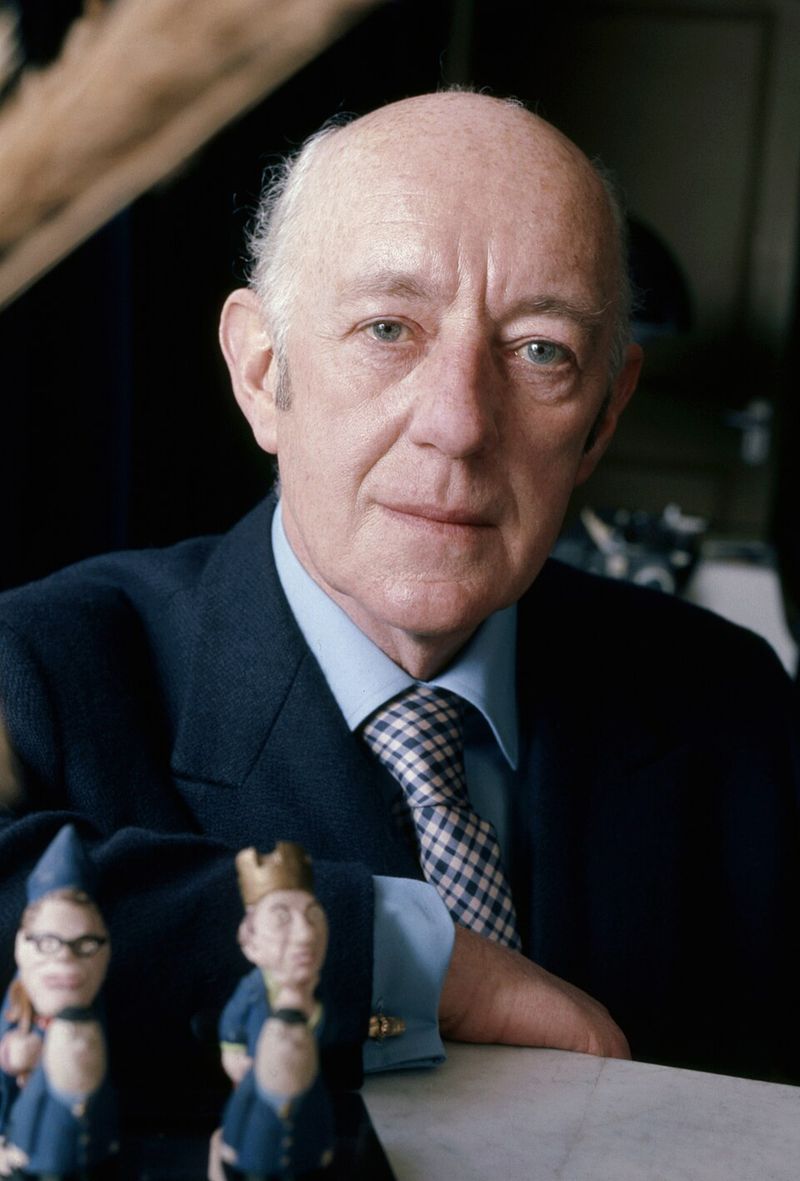
Moral tension drives Alec Guinness’s performance as a British colonel whose rigid pride slowly leads him toward collaboration with his Japanese captors. Role in The Bridge on the River Kwai sits at the center of one of World War II cinema’s most fascinating ethical puzzles.
Guinness anchors the film’s slow-building suspense with controlled intensity.
Dignity and delusion walk side by side throughout the story.
David Niven – Separate Tables (1958)
Hollywood polish defined David Niven’s screen image, which made his turn as a quietly disgraced retired major land with surprising emotional force.
Separate Tables asked him to drop every trace of suave sophistication, and he answered with trembling, humbling grace. One of the most unexpected Oscar wins arrived wrapped in a lovely British accent.
Charlton Heston – Ben-Hur (1959)
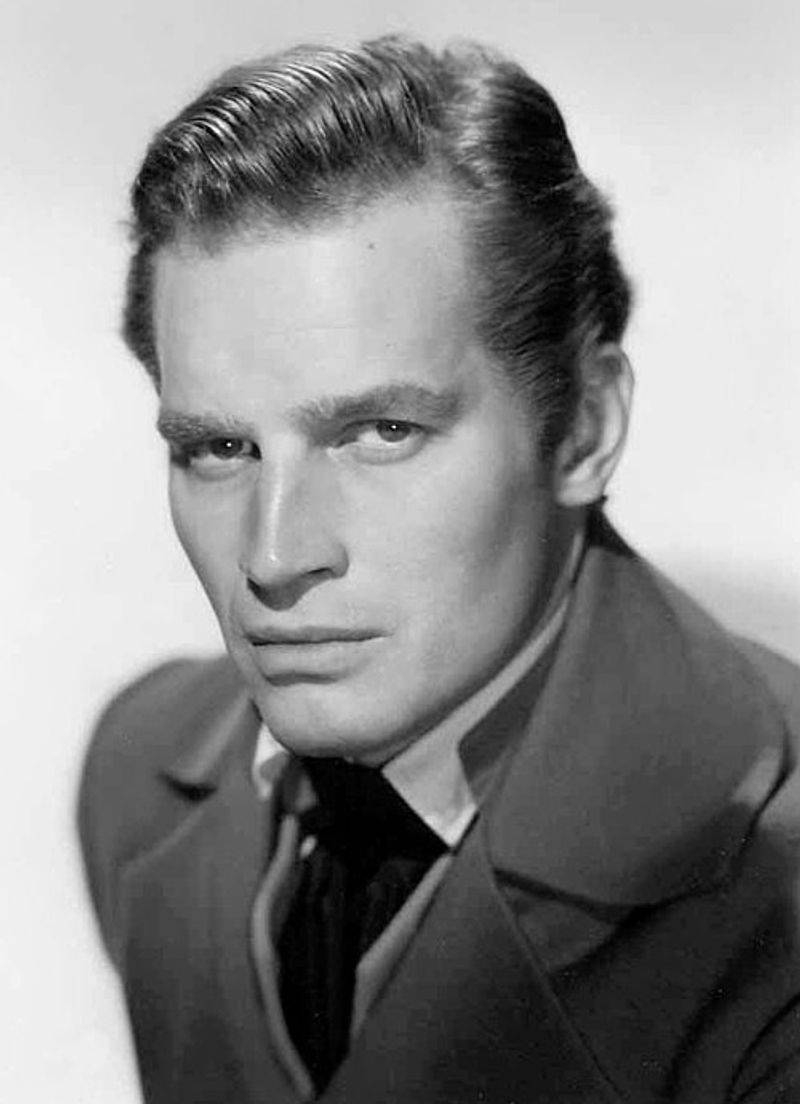
The chariot race in Ben-Hur is still one of cinema’s most thrilling sequences, and Charlton Heston drove it with jaw-dropping physical commitment.
Playing a Jewish prince betrayed into slavery who rises in a sweeping story of betrayal, endurance, and reckoning, Heston was every inch the Hollywood hero of his era. Epic scale, epic performance, eleven Oscars total for the film.
Burt Lancaster – Elmer Gantry (1960)
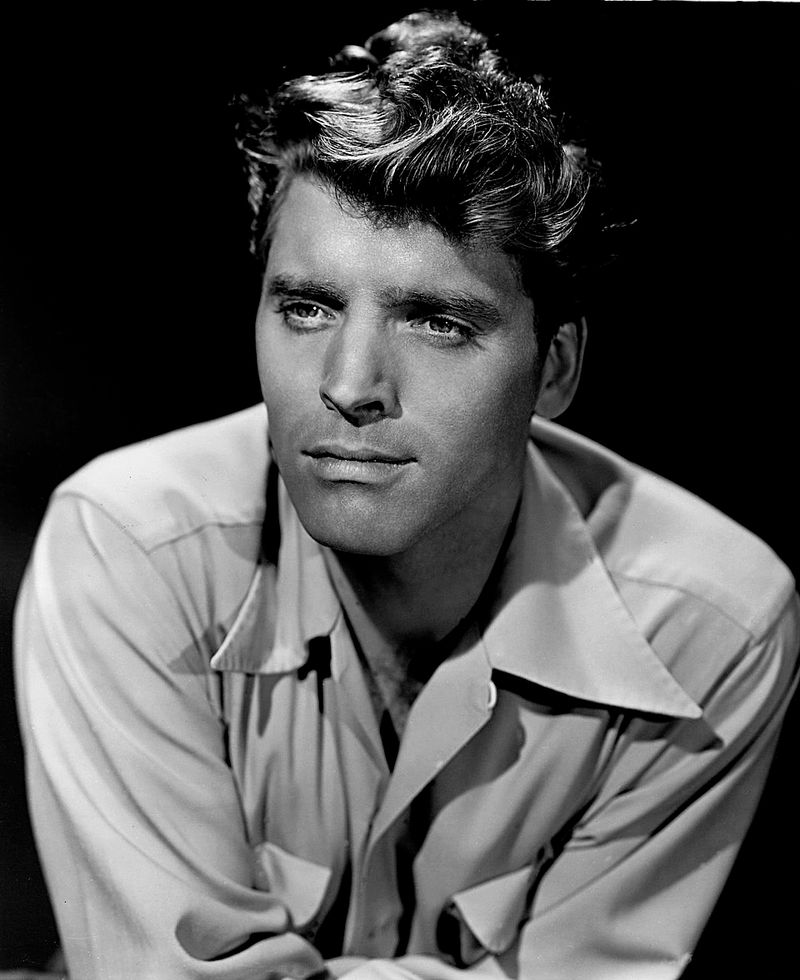
Burt Lancaster played a con man turned fire-and-brimstone evangelist with such volcanic, full-body energy that you almost believed every word he was selling.
Elmer Gantry is a film about the intoxicating danger of charisma, and Lancaster proved the point with every scene he was in. Hallelujah, what a performance.
Maximilian Schell – Judgment At Nuremberg (1961)
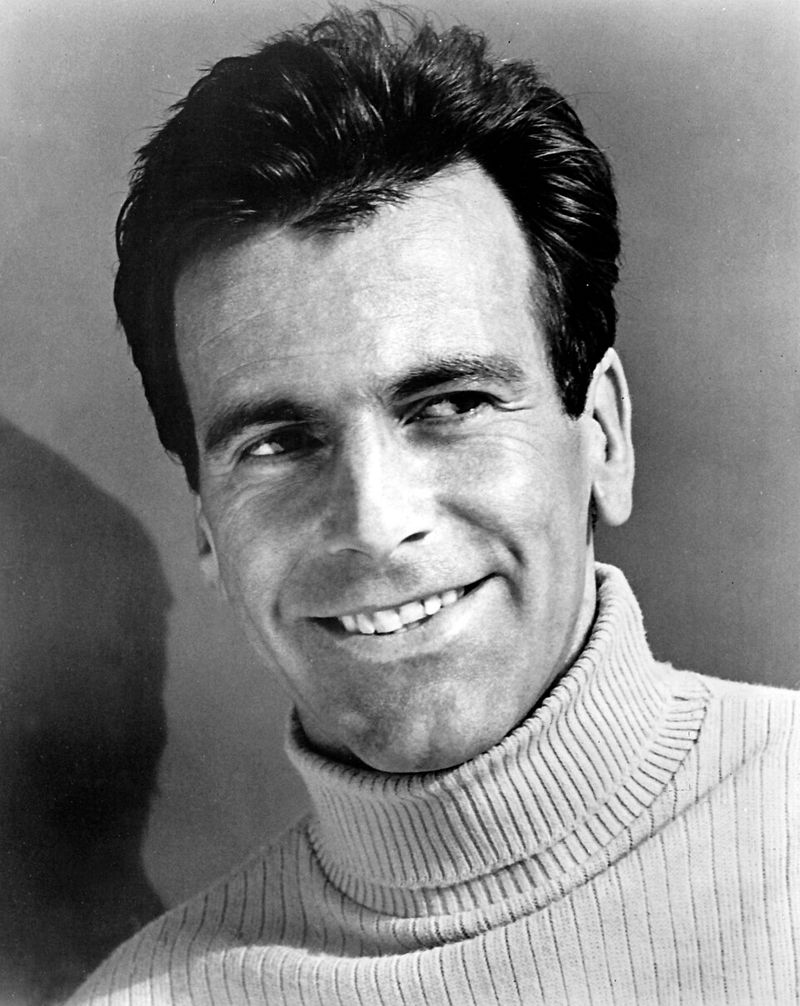
Courtroom intensity defined Maximilian Schell’s Oscar-winning turn as a German defense attorney arguing an almost impossible case during the Nuremberg trials. Performance crackles with youthful energy, fierce conviction, and a refusal to back down.
Scenes place him opposite Spencer Tracy and Burt Lancaster, yet Schell holds his ground with remarkable confidence.
Unexpected victory followed when the evening’s underdog walked away with the trophy.
Gregory Peck – To Kill A Mockingbird (1962)
Atticus Finch stands as one of literature’s most beloved heroes, and Gregory Peck embodied him so completely that Harper Lee said he matched the figure she had imagined. To Kill a Mockingbird offered audiences a quiet moral compass during a moment when the country badly needed one.
Certain roles and certain actors seem destined to find each other.
Sidney Poitier – Lilies Of The Field (1963)
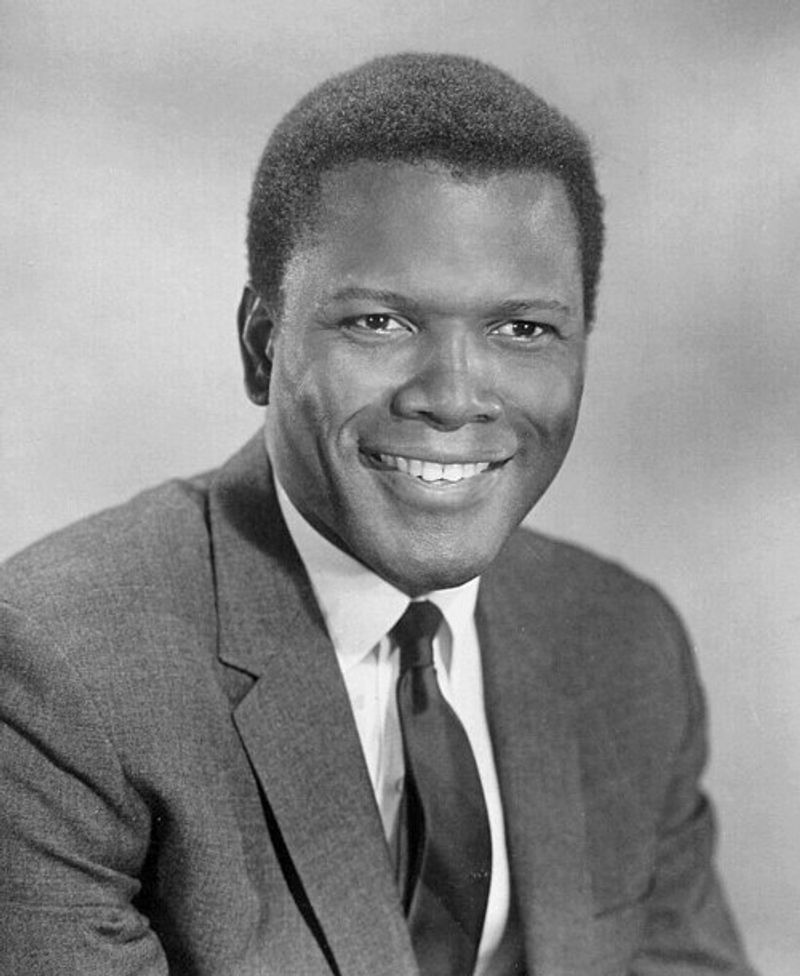
Sidney Poitier became the first Black actor to win the Best Actor Oscar, a milestone so significant it brought many in the audience to tears.
His performance as a wandering handyman who helps a group of nuns build a chapel was full of warmth, wit, and quiet dignity. History and humanity, wrapped in one extraordinary win.
Rex Harrison – My Fair Lady (1964)
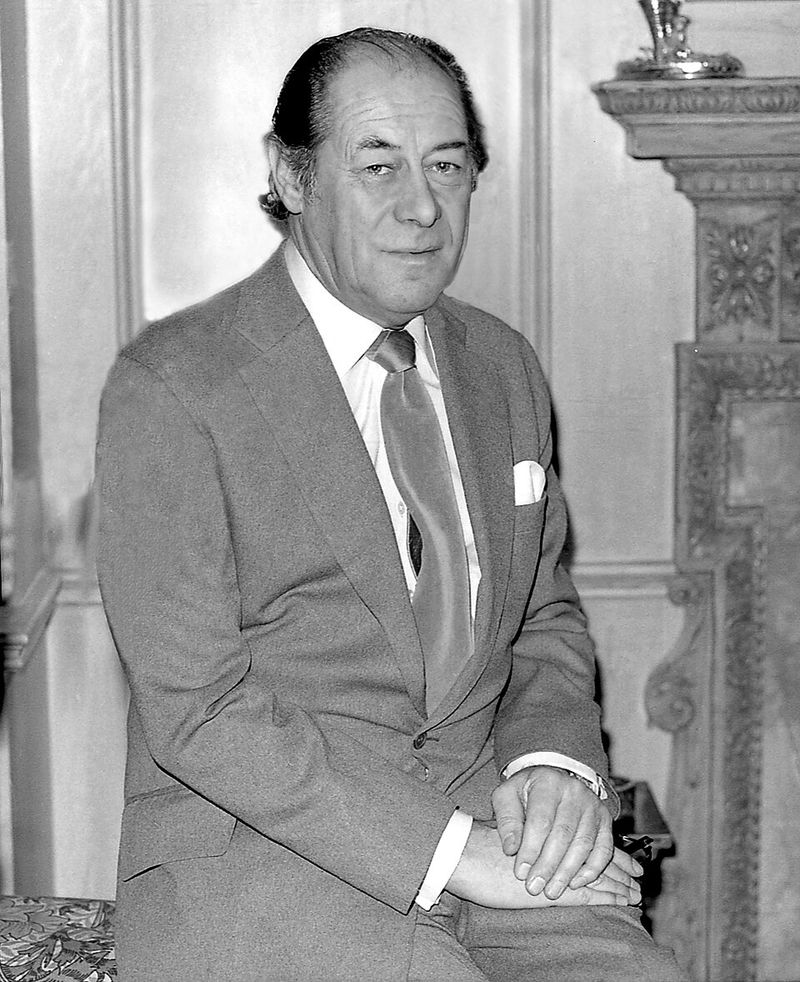
Unconventional approach defined Rex Harrison’s performance in My Fair Lady, where he spoke his musical numbers instead of singing them in a traditional style. Pompous Professor Henry Higgins becomes both amusing and aggravating through Harrison’s precise delivery.
Scenes with Audrey Hepburn unfold like elegant verbal sparring matches that slowly soften over time.
Cinema rarely produced a more charmingly insufferable character.
Lee Marvin – Cat Ballou (1965)
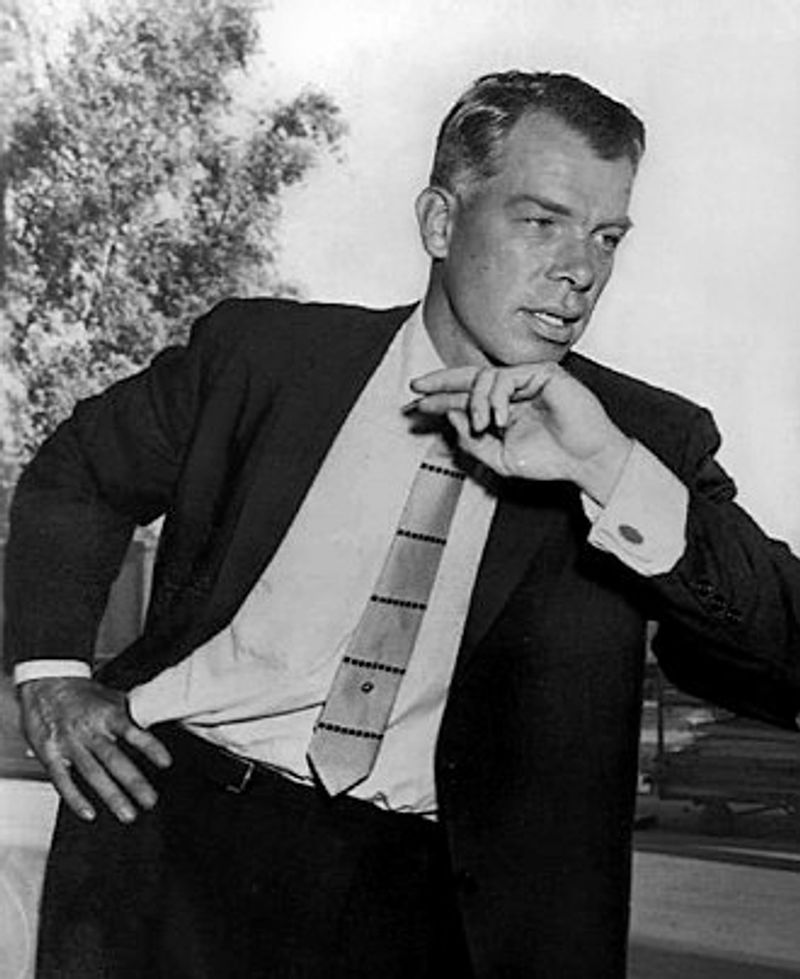
Lee Marvin played both the villain and the villain’s twin brother in Cat Ballou, a Western comedy that let him be simultaneously unnerving and hilarious.
His Oscar win shocked many, but anyone who saw his gleefully unhinged performance understood immediately. Double the roles, double the laughs, one golden trophy.
Paul Scofield – A Man For All Seasons (1966)
Steadfast conviction drives Paul Scofield’s portrayal of Sir Thomas More, a man who chooses principle rather than betray his conscience, even at enormous cost. Performance in A Man for All Seasons carries immense moral weight.
Story explores integrity under relentless political pressure.
Urgency in Scofield’s presence makes the drama feel timeless. Conscience stands above the crown in every scene.
Rod Steiger – In The Heat Of The Night (1967)
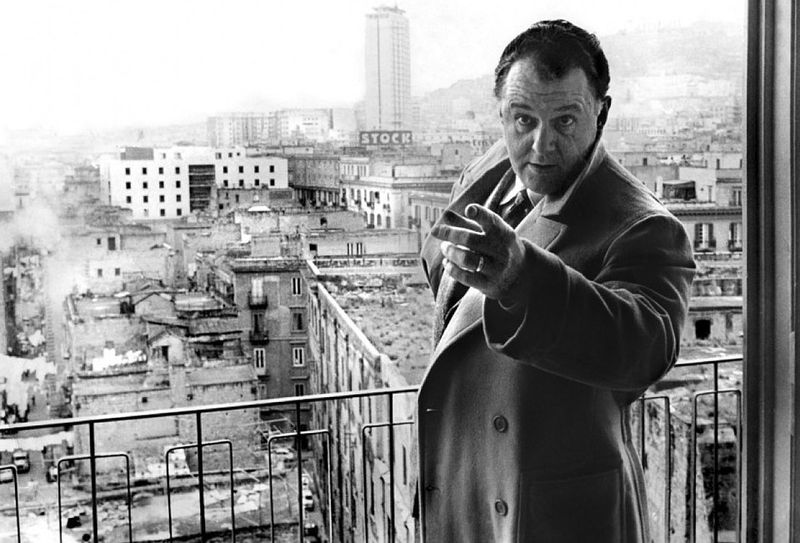
Rod Steiger stepped into the role of a racist Southern police chief forced to work alongside a Black detective from Philadelphia, creating a character arc that proved riveting to watch.
In the Heat of the Night confronted racial tension in America with blunt honesty, and Steiger matched every moment head-on. Prejudice confronted, pride slowly surrendered.
Cliff Robertson – Charly (1968)
Cliff Robertson played a man with an intellectual disability who undergoes an experimental procedure that transforms him into a genius, only to face an agonizing reversal.
Charly required him to play two completely different people within the same body, and Robertson handled both with remarkable sensitivity. Intelligence gained, humanity never lost.
John Wayne – True Grit (1969)
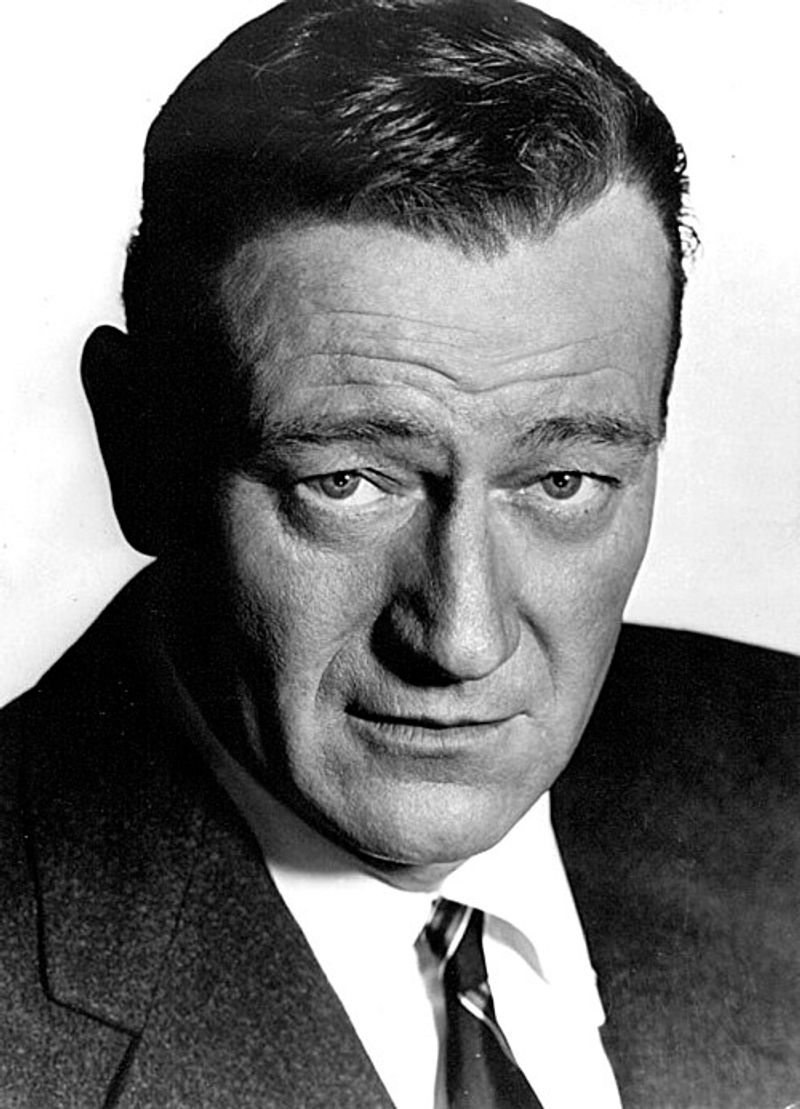
Decades of Western stardom finally paid off when John Wayne won an Oscar for playing the grizzled marshal in True Grit.
Signature eye patch, rough voice, and swagger made Rooster Cogburn instantly memorable. Hints of tenderness appear beneath the whiskey-soaked bravado.
Wayne fills the role with the authority of someone who spent a career riding into dusty towns.
George C. Scott – Patton (1970)
George C. Scott refused to accept his Oscar, dismissing the ceremony as a “meat parade,” which somehow made his towering performance in Patton feel even more legendary.
Opening monologue delivered in front of a massive American flag ranks among the most electrifying moments ever filmed.
He rejected the trophy. The trophy still belongs to him.
Gene Hackman – The French Connection (1971)
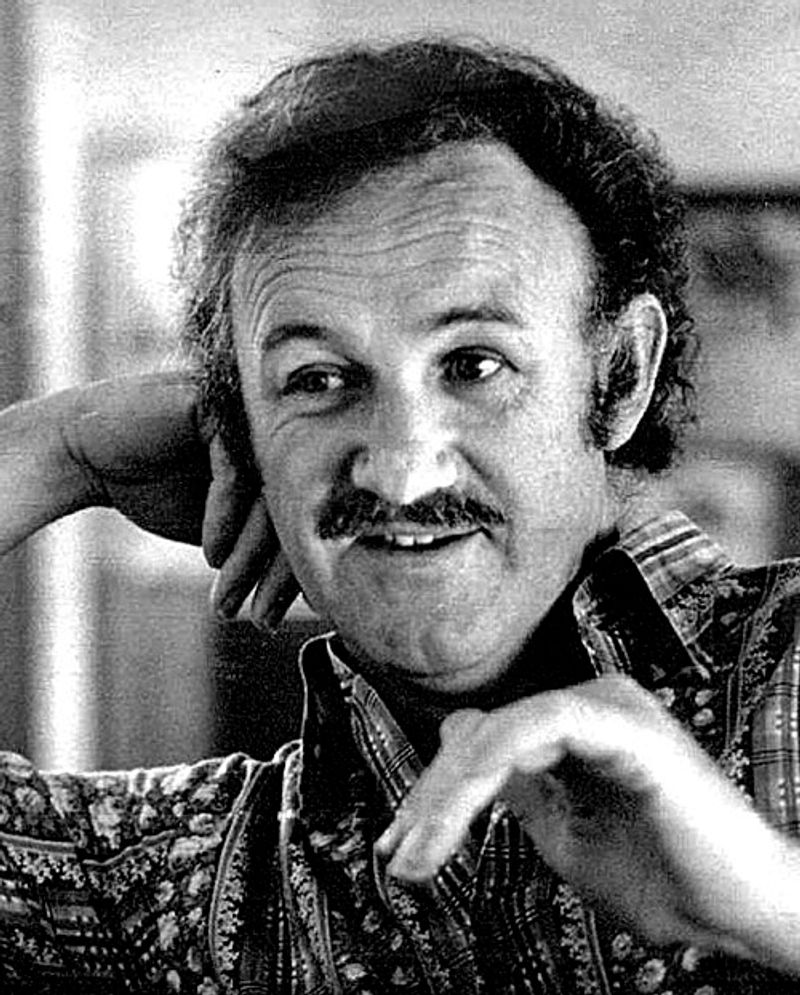
Popeye Doyle was not a nice man, and Gene Hackman played him with zero apology and maximum ferocity in The French Connection. The car chase under the elevated subway tracks is still studied in film schools, and Hackman’s raw energy drove every frame of it.
Rough edges, real results, righteous Oscar.
Marlon Brando – The Godfather (1972)
Cotton tucked into his cheeks and a hushed gravelly voice transformed Marlon Brando into one of cinema’s most unforgettable crime figures. Performance as Don Vito Corleone in The Godfather instantly became legendary.
Brando also declined the Oscar, sending Sacheen Littlefeather to the ceremony on his behalf, creating one of the most discussed moments in Academy history.
Jack Lemmon – Save The Tiger (1973)
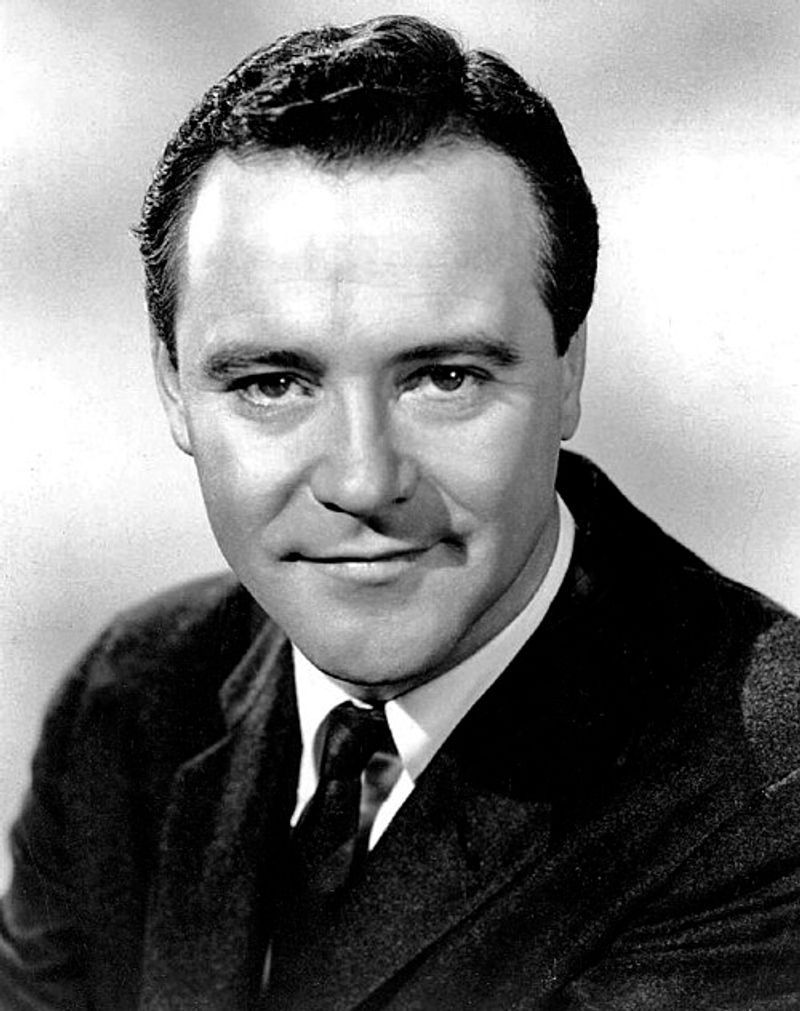
Jack Lemmon stepped away from comedy to portray a garment industry executive willing to commit insurance fraud just to keep his failing business alive.
Save the Tiger unfolds as a quiet, melancholy story, and Lemmon fills every scene with the weary sadness of a man who seems to have sold his soul by accident. Desperation in a nice suit, perfectly worn.
Art Carney – Harry And Tonto (1974)
Art Carney beat out Jack Nicholson, Al Pacino, and Dustin Hoffman in the same year, which remains one of Oscar history’s great upsets.
His cross-country road trip with a cat named Tonto was gentle, funny, and unexpectedly moving in all the right ways. Never underestimate a man and his cat.
Jack Nicholson – One Flew Over The Cuckoo’s Nest (1975)
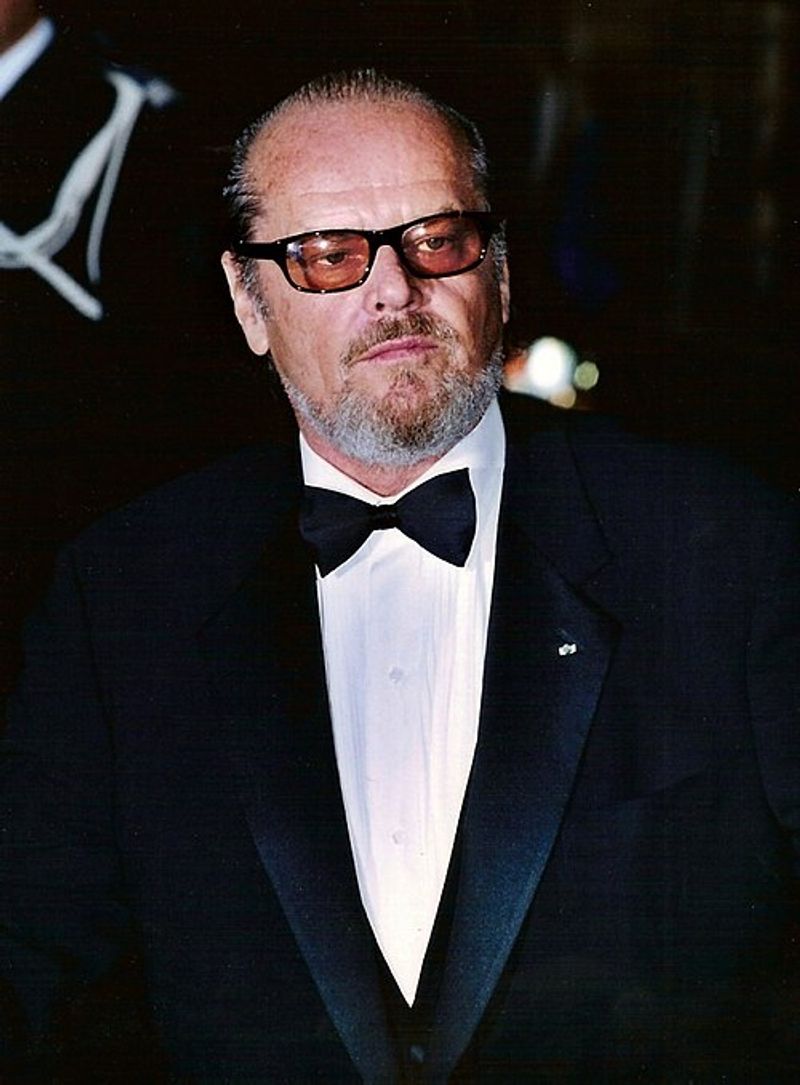
Revolution hits the ward the moment Randle P. McMurphy enters that psychiatric hospital, and every scene starts crackling with life after that.
Restless, anarchic energy pours through Jack Nicholson’s performance and turns the character into the beating heart of the entire film.
Sweep of all five major Oscars only confirmed how completely One Flew Over the Cuckoo’s Nest had connected.
Authority never really stood a chance once that grin showed up.
Peter Finch – Network (1976)
Following one of the most memorable on-screen breakdowns in movie history, Peter Finch became the first actor to receive a posthumous Oscar.
His portrayal of Howard Beale shouting that he was mad as hell and not going to take it anymore still feels ready for broadcast today. Mad as hell, and absolutely correct.
Richard Dreyfuss – The Goodbye Girl (1977)
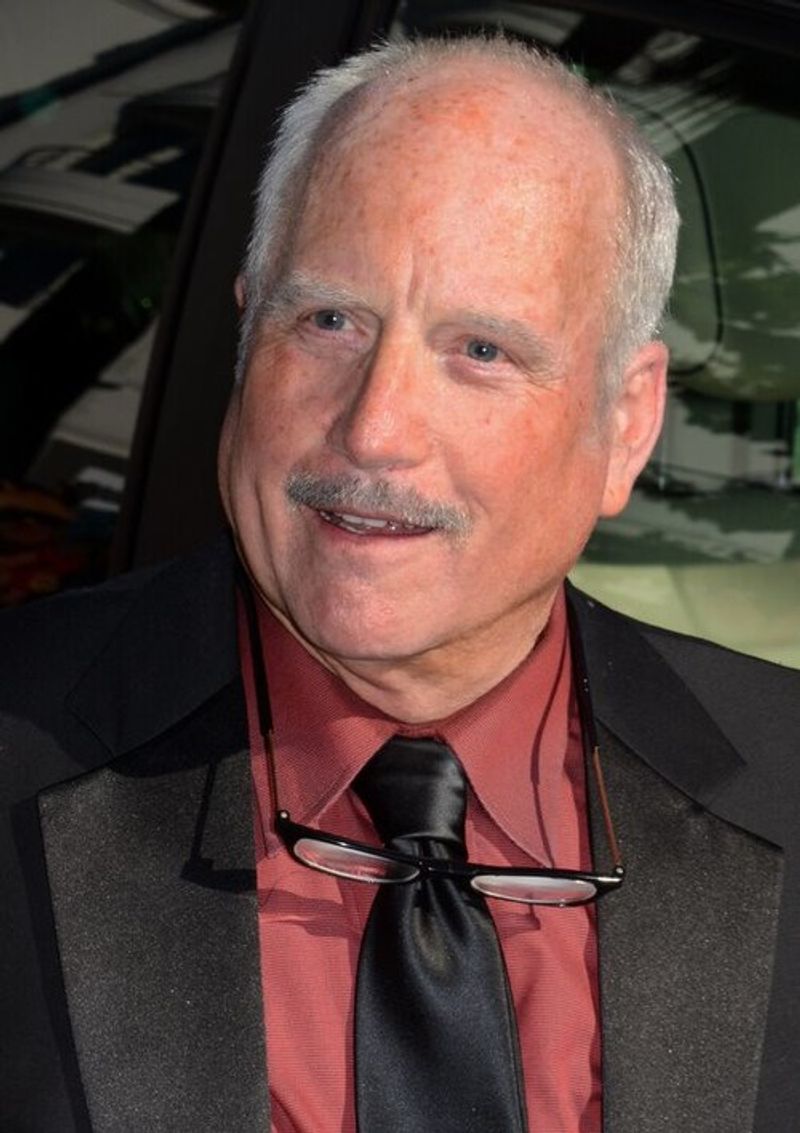
Richard Dreyfuss became the youngest Best Actor winner at the time, winning at just 29 for a romantic comedy about a struggling actor sharing an apartment with a single mom.
The Goodbye Girl was warm, funny, and full of the kind of banter that makes you want to rewind scenes. Young, gifted, and already Oscar-worthy.
Jon Voight – Coming Home (1978)
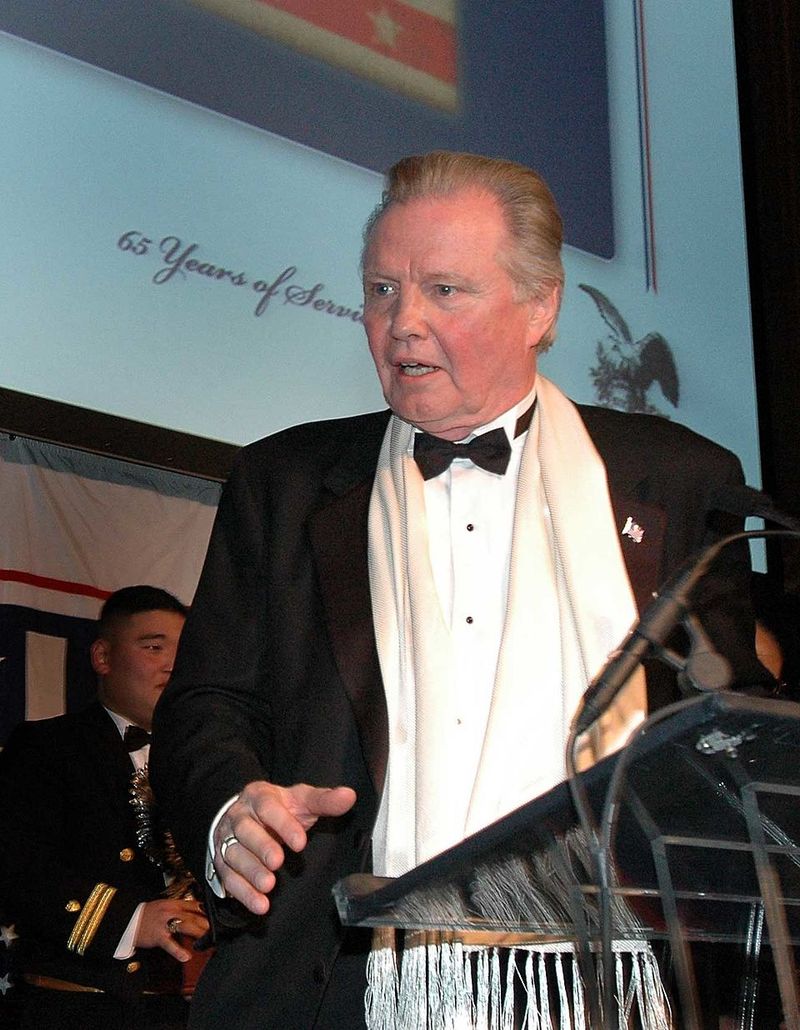
Quiet intensity defines the story of a disabled Vietnam veteran who begins a complicated romance with a Marine officer’s wife while her husband is still overseas.
Jon Voight fills the role with a steady emotional fire that burns through every scene. Coming Home explores the physical and emotional wounds of war with a tenderness that felt strikingly bold in 1978.
Love and loss follow the characters long after the fighting stops.
Dustin Hoffman – Kramer Vs. Kramer (1979)
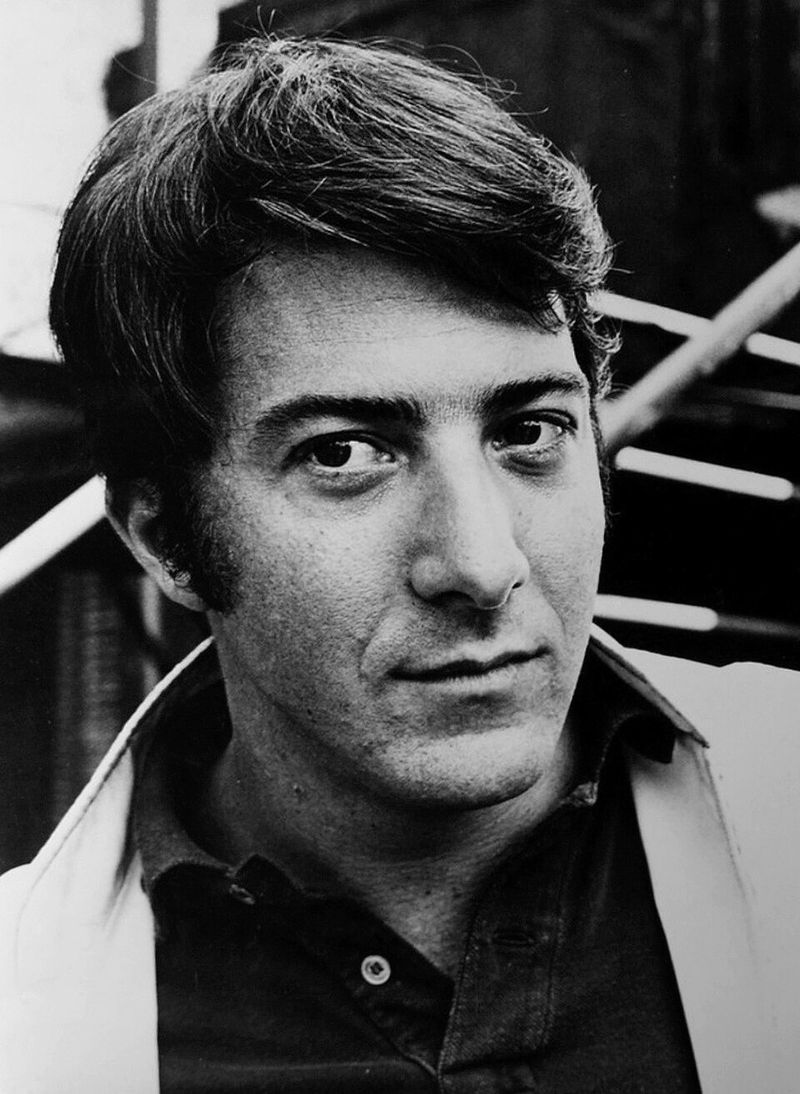
A frantic breakfast lesson opens the famous French toast scene in Kramer vs. Kramer, where a newly single dad tries to figure out parenting one burned slice at a time.
In a tale of love, grief, and a custody dispute that transforms a family, Dustin Hoffman gives it his all. Fatherhood arrives here as something improvised, heartfelt, and beautifully messy.
Robert De Niro – Raging Bull (1980)
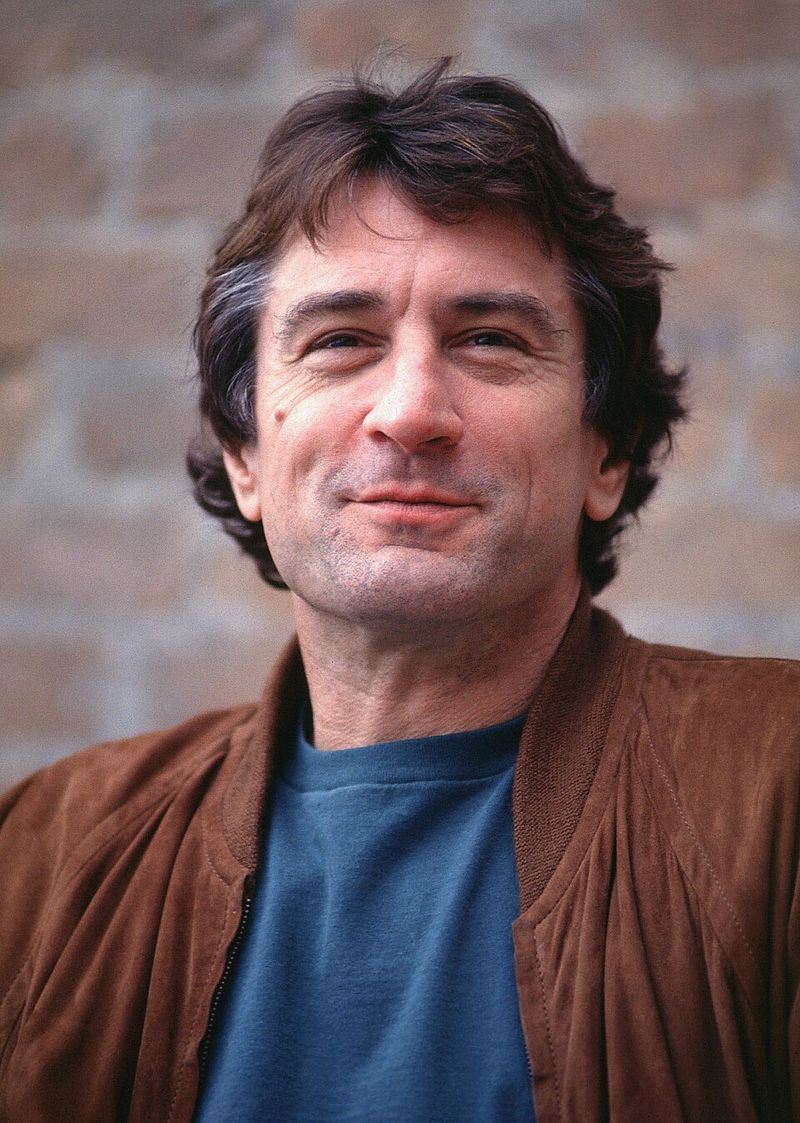
Robert De Niro gained 60 pounds to play the older, bloated Jake LaMotta, one of the most committed physical transformations in film history.
Raging Bull is shot in black and white and feels like a bruise, beautiful and painful in equal measure.
The body changed. The soul on screen never flinched.
Henry Fonda – On Golden Pond (1981)
Seventy-six years of life and decades of acting finally led to Henry Fonda’s first Oscar, awarded only months before his passing. Win became one of the most emotional moments in Academy Awards history.
On Golden Pond paired him with Katharine Hepburn in a warm story about aging, family, and reconciliation.
Gentle humor runs through the film alongside real tenderness. Lifetime of work received recognition at precisely the right moment.
Ben Kingsley – Gandhi (1982)
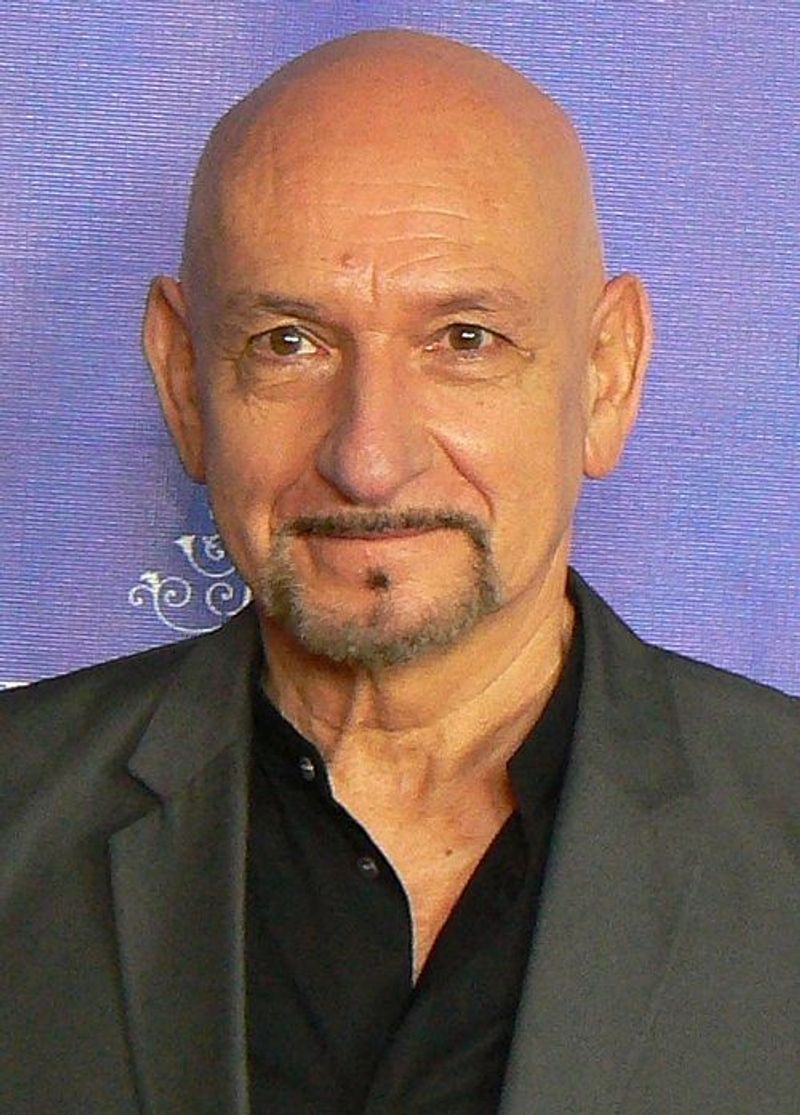
Through a complete physical transformation, Ben Kingsley became Mahatma Gandhi so convincingly that many viewers forgot an actor stood behind the role.
Gandhi went on to sweep eight Oscars, and that serene yet steely portrayal became the moral and emotional center of every frame. Stillness as power, embodied completely.
Robert Duvall – Tender Mercies (1983)
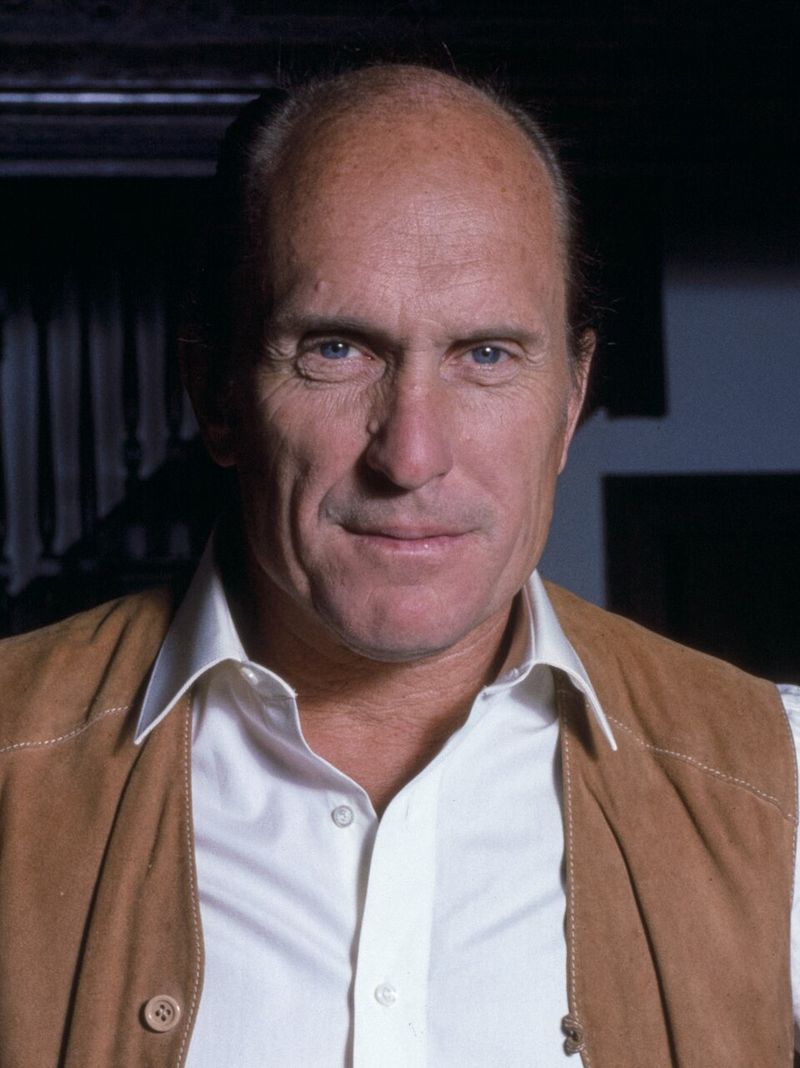
Robert Duvall played a washed-up country singer finding redemption in a small Texas town, and every moment felt as unhurried and honest as a Sunday morning.
Tender Mercies is a film that trusts silence, and Duvall filled every quiet frame with unspoken depth. Country music, second chances, and one very deserved Oscar.
F. Murray Abraham – Amadeus (1984)
Consuming jealousy drives Amadeus, where Antonio Salieri watches Mozart’s effortless brilliance and feels crushed by it. From Salieri, F.
Murray Abraham draws wounded pride, deep resentment, and a sadness that makes envy feel almost tragic.
Narration from an asylum gives the whole story the sound of a confession that has been festering for years.
Witnessing greatness without ever being able to match it becomes the curse that follows him forever.
William Hurt – Kiss Of The Spider Woman (1985)
Imprisoned in a Latin American jail, a gay man escapes reality by spinning elaborate movie fantasies for his political prisoner cellmate.
Kiss of the Spider Woman became a bold, tender film, with William Hurt bringing luminous vulnerability to a role that could easily have slipped into caricature. Imagination as liberation, beautifully performed.
Paul Newman – The Color Of Money (1986)
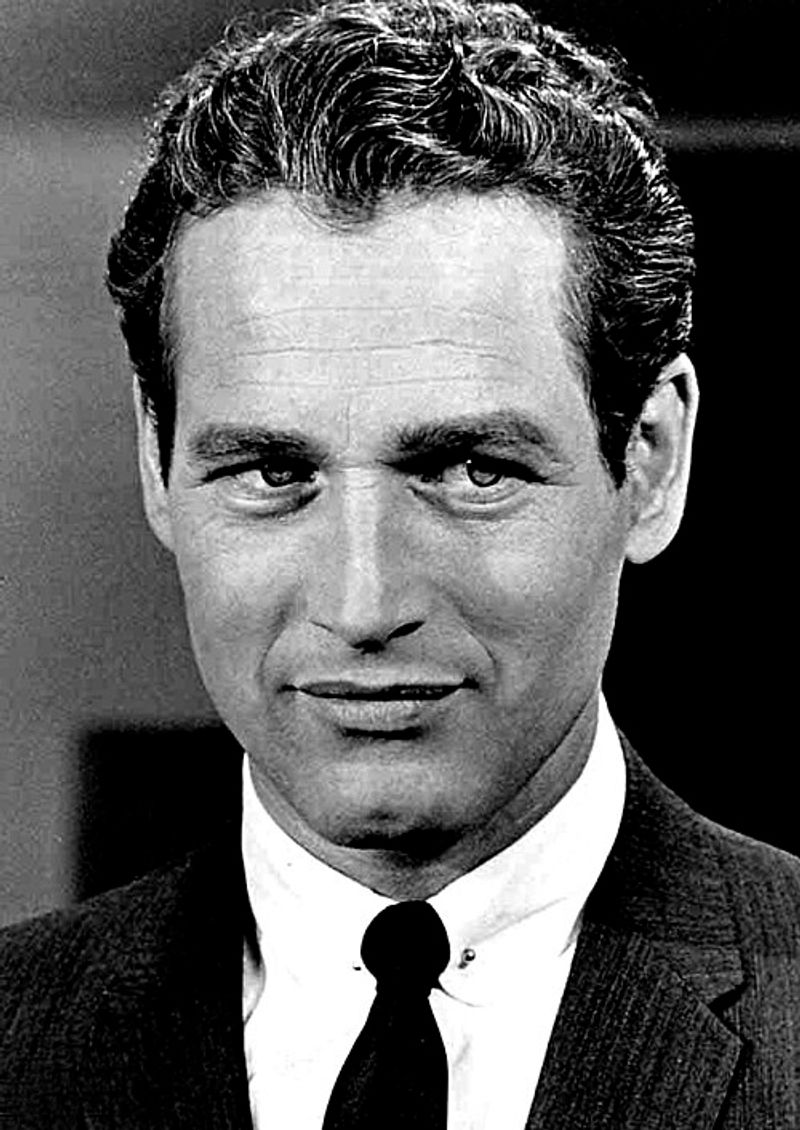
Paul Newman returned to Fast Eddie Felson, the pool shark he first played in The Hustler 25 years earlier, and somehow the character had only gotten richer with age.
The Color of Money was a long-overdue Oscar for one of Hollywood’s most consistently brilliant careers. Twenty-five years between roles, zero rust on the trophy.
Michael Douglas – Wall Street (1987)
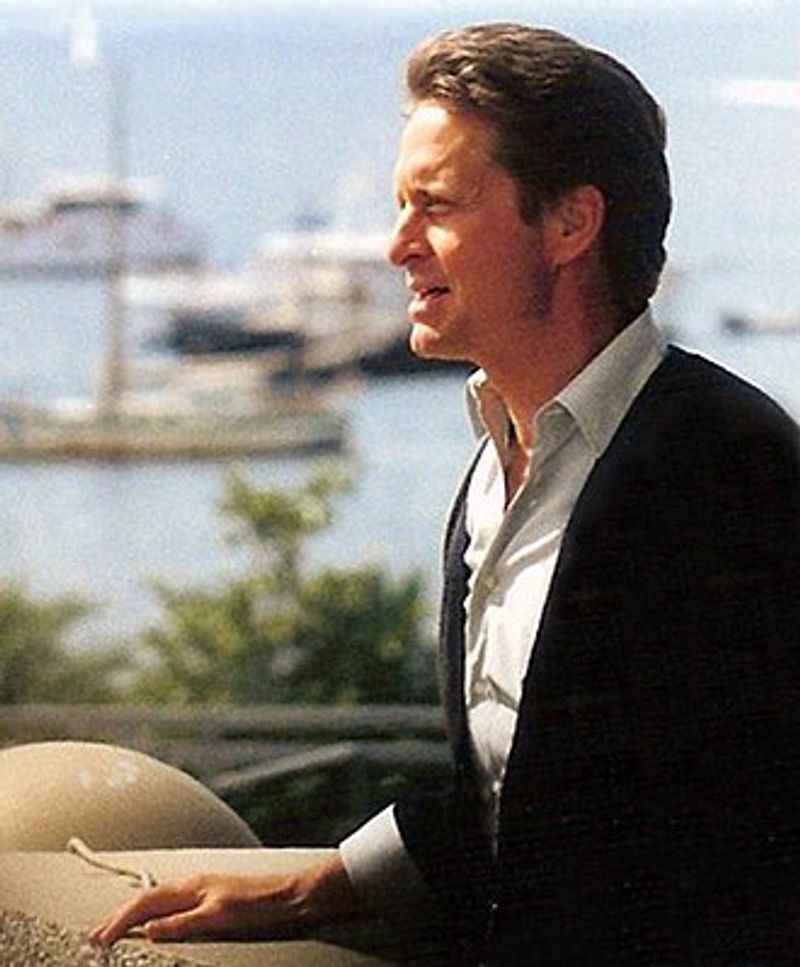
Corporate ambition roars to life with Gordon Gekko’s famous “greed is good” speech, a defining symbol of 1980s excess.
Polished menace runs through the delivery as Michael Douglas makes every word sound completely convincing. Wall Street presents a villain so magnetic that audiences nearly start rooting for him.
Power suits, sharp lines, and an unforgettable performance drive the entire film.
Dustin Hoffman – Rain Man (1988)
Months of research and preparation shaped the portrayal of Raymond Babbitt, an autistic savant brought to the screen with extraordinary precision and unexpected warmth.
Rain Man pushed autism into mainstream conversation and sparked discussions that stretched far beyond the theater. Definitely, definitely one of the all-time greats.
Daniel Day-Lewis – My Left Foot (1989)
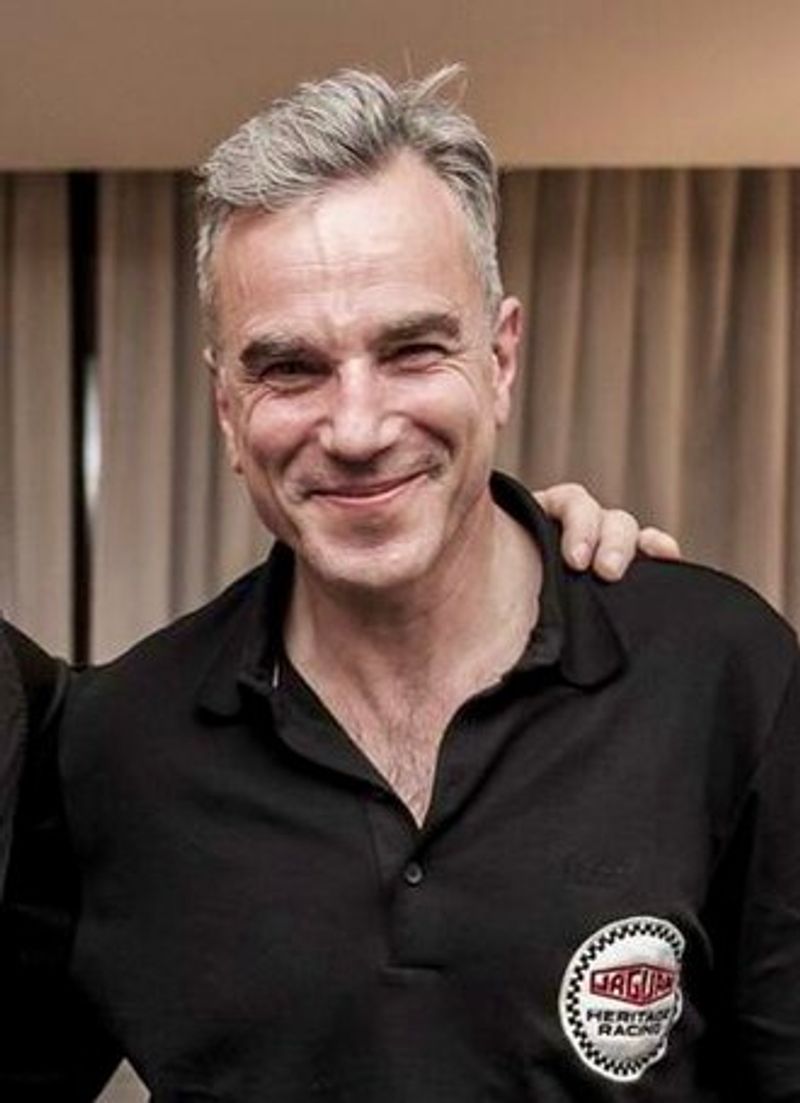
Daniel Day-Lewis refused to leave his wheelchair throughout the entire production of My Left Foot, insisting on being carried everywhere and fed on set.
Playing Christy Brown, an Irish writer and artist with cerebral palsy, he delivered a performance of such physical and emotional ferocity that it redefined what screen acting could be. One foot, infinite determination, and an Oscar that was never in doubt.
Jeremy Irons – Reversal Of Fortune (1990)
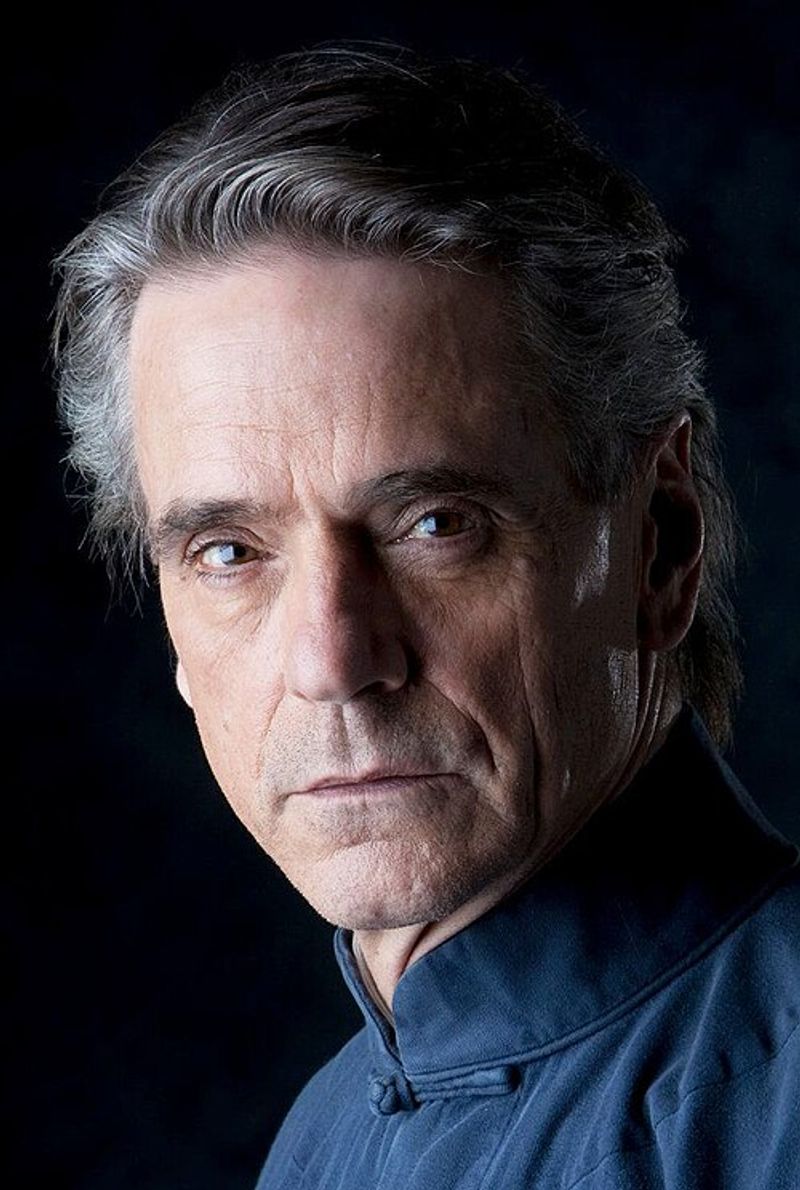
Icy elegance defines the portrayal of Claus von Bülow in Reversal of Fortune, a real-life socialite accused of attempting to seriously injure his wife.
Jeremy Irons fills the role with a charm that feels both polished and unsettling.
Film carefully avoids giving a clear answer about his guilt. Uncertainty lingers through every scene.
Mesmerizing presence keeps the audience guessing to the end.
Anthony Hopkins – The Silence Of The Lambs (1991)
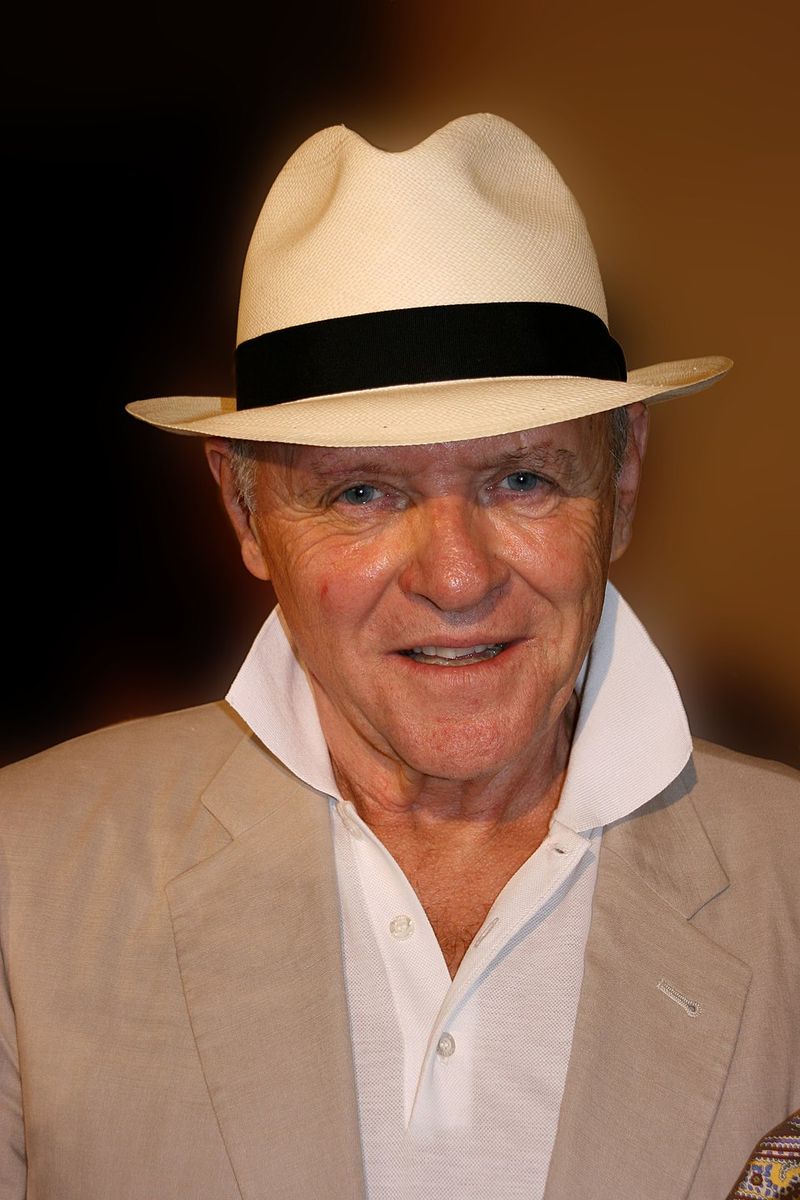
Only 16 minutes of screen time were enough to create one of cinema’s most chilling characters.
Anthony Hopkins played Hannibal Lecter with unnerving stillness, barely blinking, barely moving, and rarely raising his voice, which made the menace far more disturbing than any loud villain. Sixteen minutes. One Oscar. Eternal nightmares.
Al Pacino – Scent Of A Woman (1992)
Al Pacino had been nominated eight times before finally winning for Scent of a Woman, which many felt was a career achievement award as much as a single-film honor.
His blind, belligerent, and secretly tender Lieutenant Colonel Frank Slade gave him a role to roar through with everything he had. Hoo-ah. Long overdue.
Tom Hanks – Philadelphia (1993)
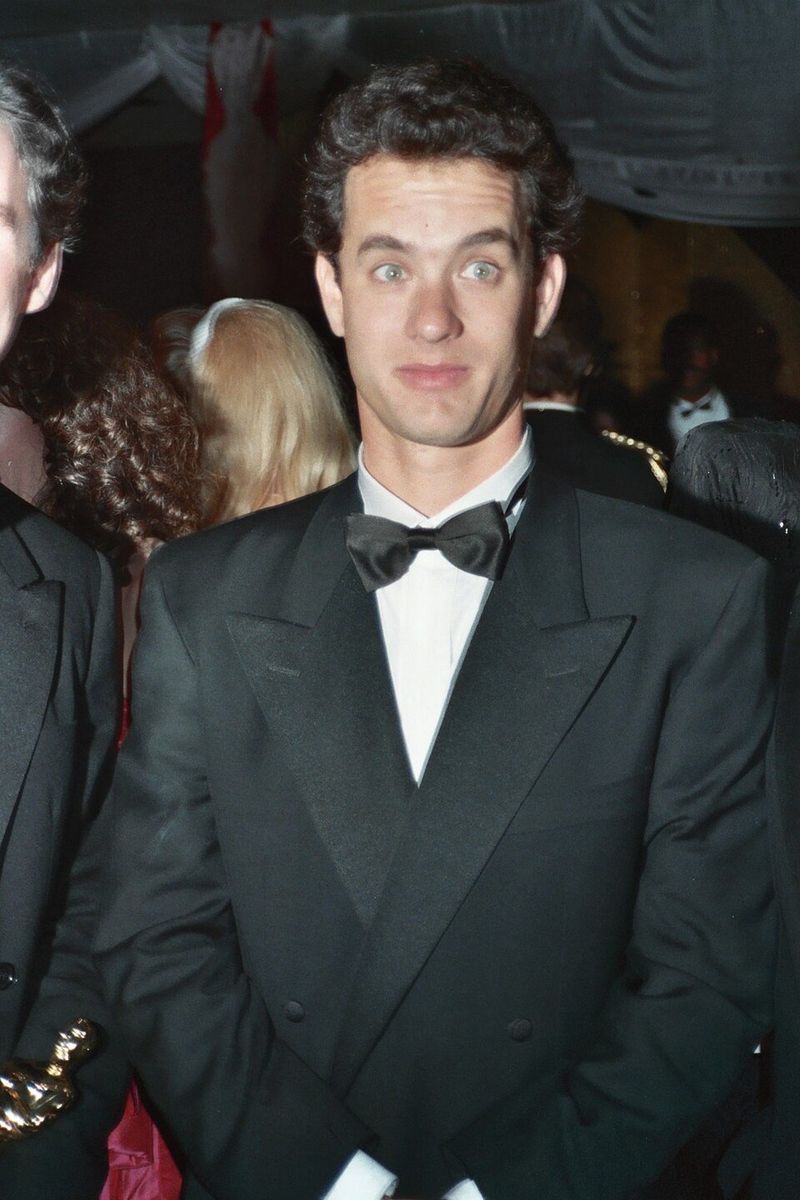
Hollywood rarely confronted AIDS directly when Philadelphia arrived, making its central story feel unusually brave for the time. Significant weight loss and emotional restraint shaped Tom Hanks’s portrayal of a lawyer facing both illness and discrimination.
Role helped spark a broader national conversation about empathy and awareness. First of two consecutive Best Actor Oscars followed soon after.
Compassion on screen echoed far beyond the theater.
Tom Hanks – Forrest Gump (1994)
Life feels unpredictable in Forrest Gump, and Tom Hanks turned that famous box-of-chocolates wisdom into one of cinema’s most heartfelt performances.
Back-to-back Academy Awards placed him alongside Spencer Tracy in Oscar history, a rare bit of company for any performer to keep. Simple, sincere, and somehow absolutely perfect.
Nicolas Cage – Leaving Las Vegas (1995)
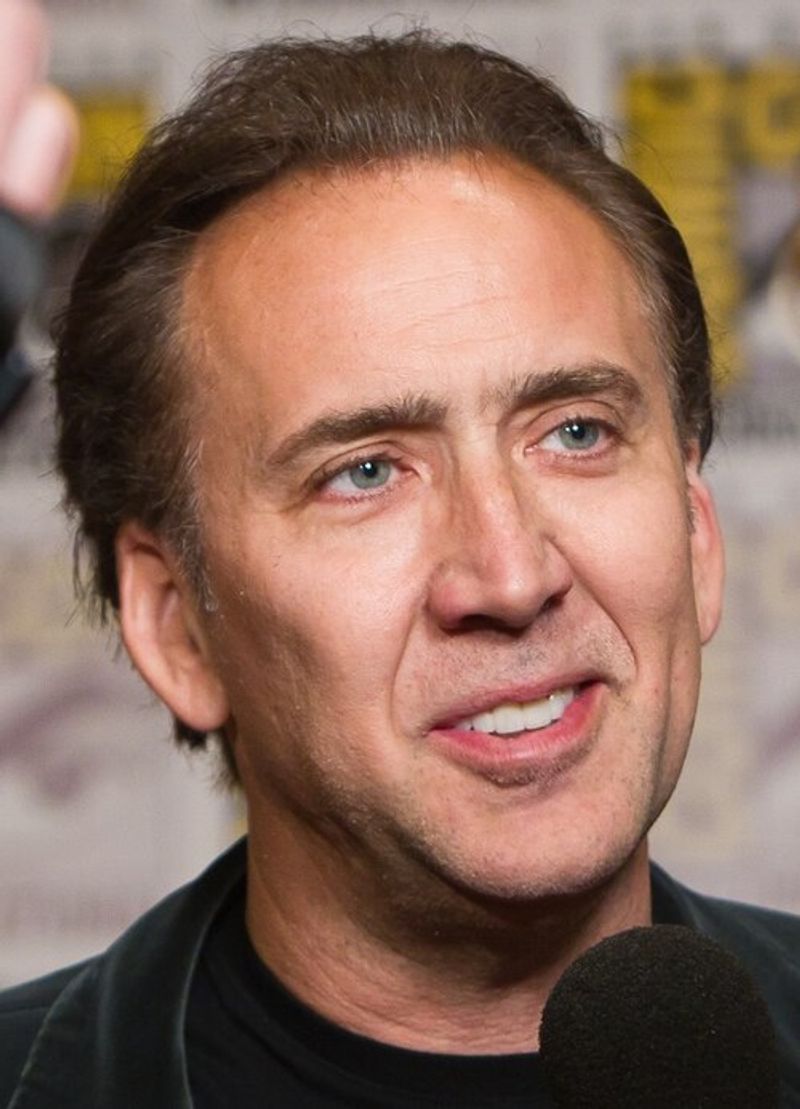
Nicolas Cage played a man who moves to Las Vegas with the intention of drinking himself into collapse, and brought a strange, aching poetry to every scene.
Leaving Las Vegas was raw, uncomfortable, and heartbreaking, and Cage committed to the role with no safety net whatsoever. Sometimes the bravest performances have nowhere left to fall.
Geoffrey Rush – Shine (1996)
Fragile brilliance shapes the story of pianist David Helfgott, a prodigy whose life was interrupted by a devastating mental collapse before an eventual return to music. Geoffrey Rush captures shifting states of vulnerability, confusion, and joy with striking precision.
Scenes move between pain and quiet triumph.
Performance holds the film together through every emotional turn. Music becomes both refuge and burden along the way.
Jack Nicholson – As Good As It Gets (1997)
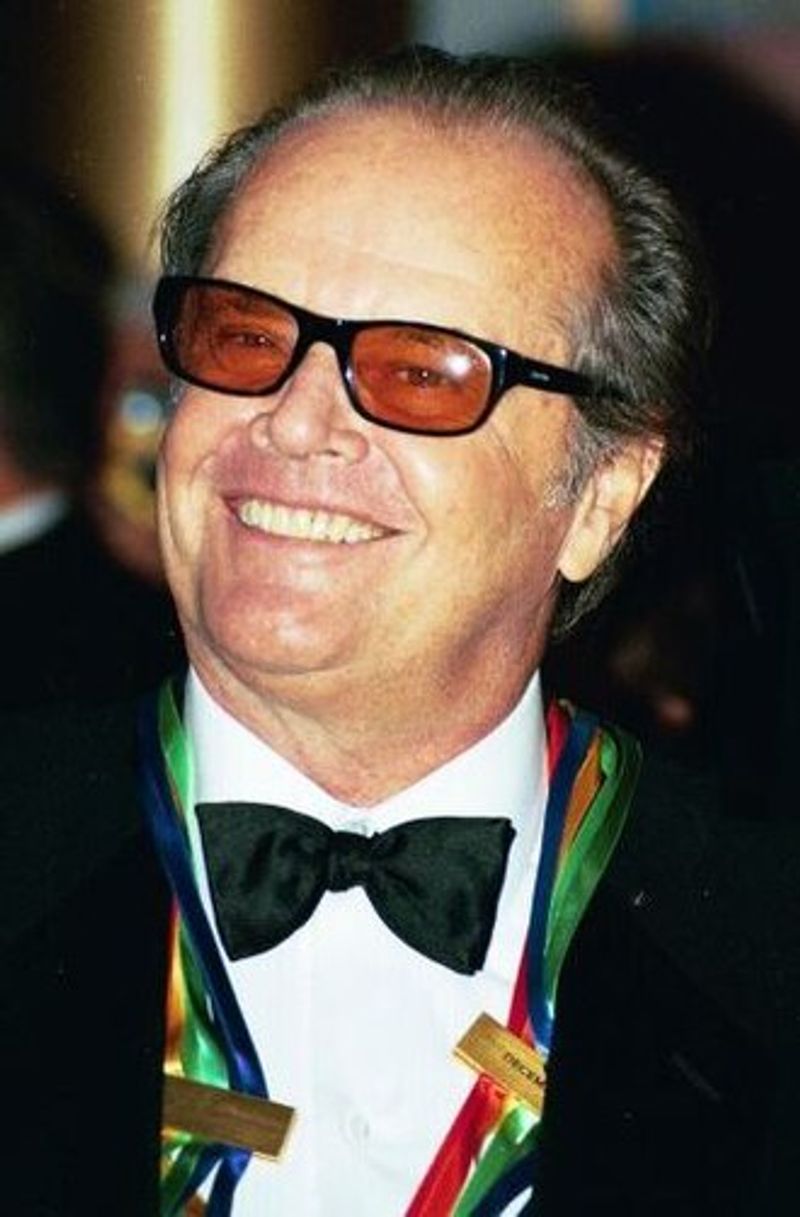
Grumpy romance novelist Melvin Udall storms through As Good as It Gets, turning bad manners and obsessive habits into one of cinema’s most unexpectedly tender character arcs.
Jack Nicholson delivered the famous “You make me want to be a better man” moment with perfect timing, transforming a line that could have sounded sentimental into something quietly disarming.
Third Oscar. Still the best at being the worst.
Roberto Benigni – Life Is Beautiful (1998)
Roberto Benigni climbed over seats to reach the stage at the Oscars, which was the most joyful acceptance speech the ceremony had ever seen.
His performance as a Jewish Italian father who shields his son from the realities of a Nazi concentration camp through elaborate storytelling was both funny and completely devastating. Laughter as the ultimate act of love.
Kevin Spacey – American Beauty (1999)
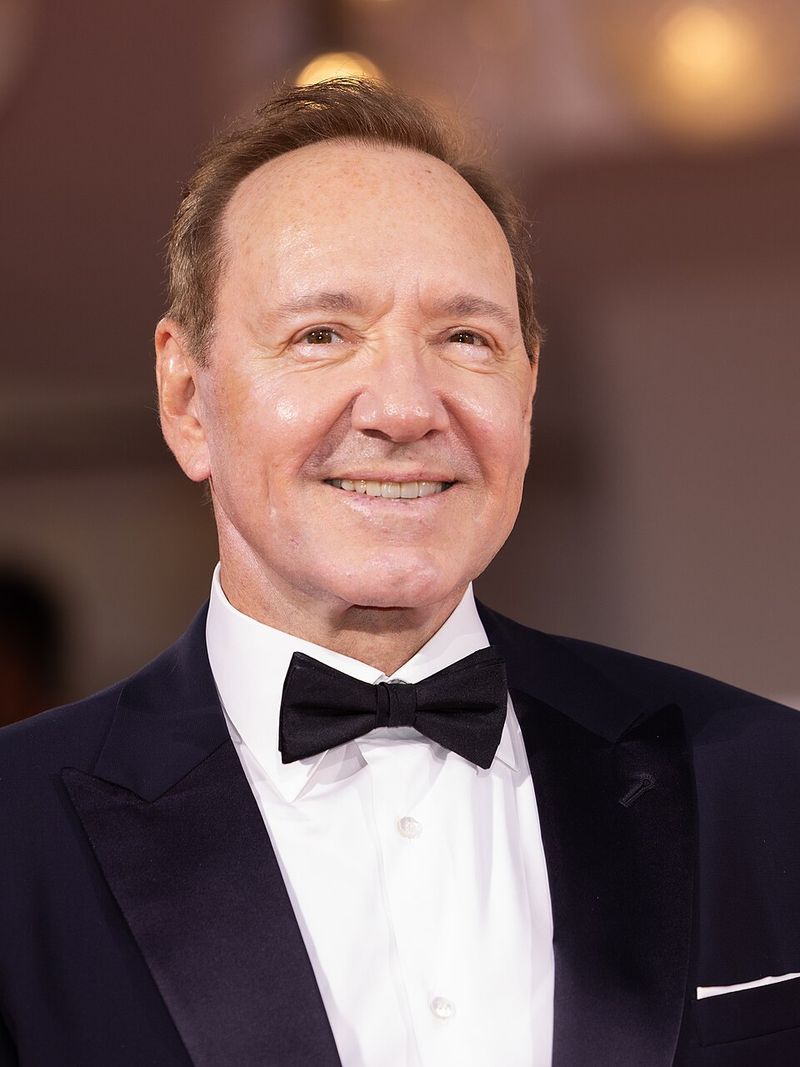
Suburban discontent drives American Beauty, where Lester Burnham slips into a midlife unraveling filled with dry wit and flashes of unexpected vulnerability.
Narration from beyond the grave gives the film an eerie frame that lingers well beyond its year of release.
Kevin Spacey keeps the performance balanced between humor and discomfort, which is exactly why audiences laughed and winced at the same time. Roses, regrets, and a role that still leaves a sting.
Russell Crowe – Gladiator (2000)
Are you not entertained? Russell Crowe delivered that line with such raw fury that it became one of the most quoted moments of the early 2000s.
Gladiator brought the ancient epic back to life, and Crowe’s Maximus was the kind of reluctant hero you would follow anywhere.
Rome fell. Crowe stood. Oscar followed.
Denzel Washington – Training Day (2001)
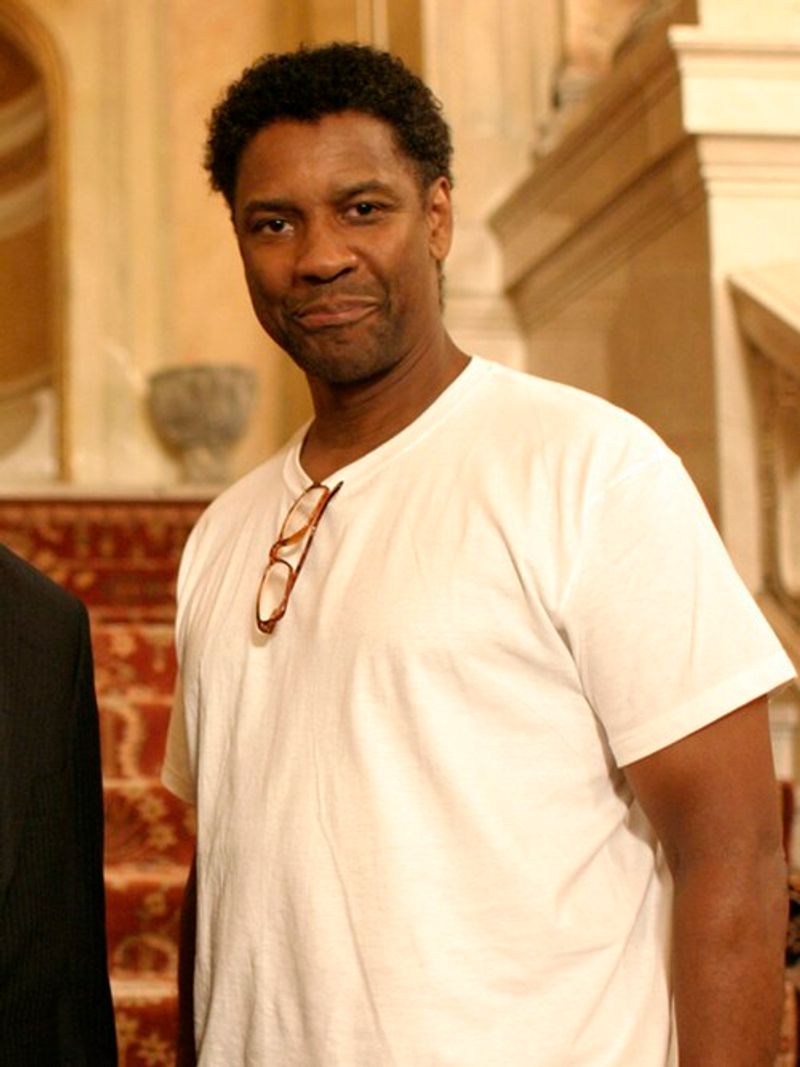
Years of heroic roles made the shift feel electric once a corrupt, unnervingly charismatic detective took over the screen in Training Day.
“King Kong ain’t got nothing on me” became instantly iconic, and the Best Actor win made Denzel Washington only the second Black performer to claim that category at the Oscars after Sidney Poitier. Villain mode activated, and absolutely Oscar-worthy.
Adrien Brody – The Pianist (2002)
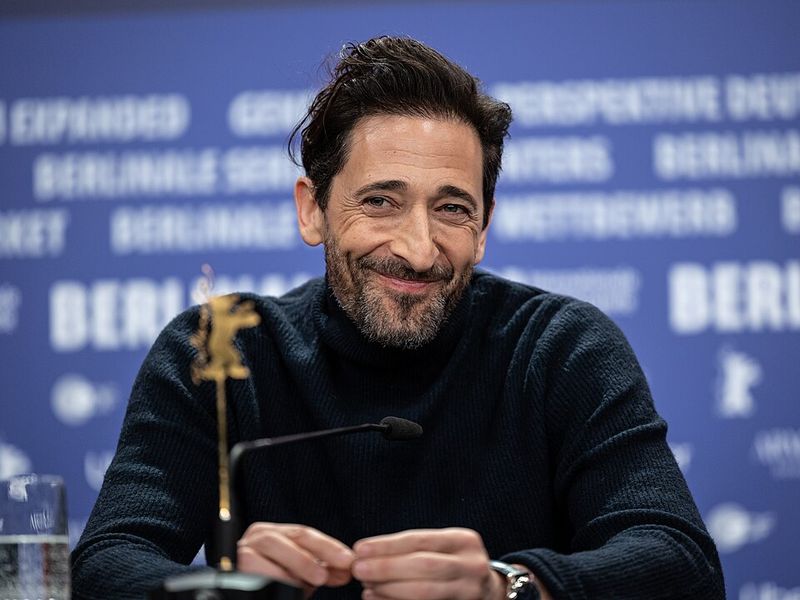
Extreme preparation shaped the performance in The Pianist, with Adrien Brody reportedly losing 30 pounds, selling his car, giving up his apartment, and stepping away from everyday life.
Story follows a Jewish pianist struggling to survive the devastation of the Warsaw Ghetto during World War II. Every scene carries visible physical strain and quiet emotional weight.
Performance often leaves audiences in complete silence. Sacrifice on screen turns into a powerful act of historical remembrance.
Sean Penn – Mystic River (2003)
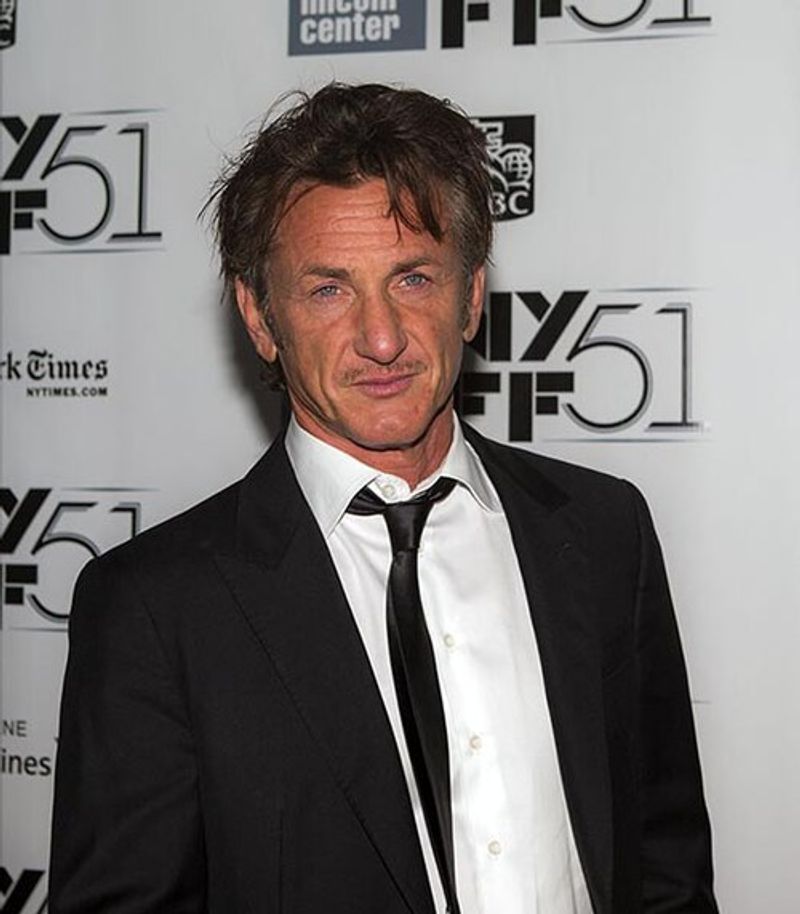
Sean Penn played a father shattered by tragedy in Mystic River, and his breakdown scene when he learns the news about his daughter is one of cinema’s most visceral moments of grief.
Director Clint Eastwood gave him space to go to the rawest possible places, and Penn went there without hesitation. Is that my daughter in there?
Pure, unfiltered devastation.
Jamie Foxx – Ray (2004)
Total immersion defined the performance in Ray, where prosthetic eyelids and months of piano practice helped recreate the physical presence of Ray Charles. Jamie Foxx disappears into the role across multiple decades of the musician’s complicated life.
Every musical moment feels convincingly lived rather than performed.
Film becomes a tribute to one of America’s most influential artists. Energy and confidence carry the story all the way through.
Philip Seymour Hoffman – Capote (2005)
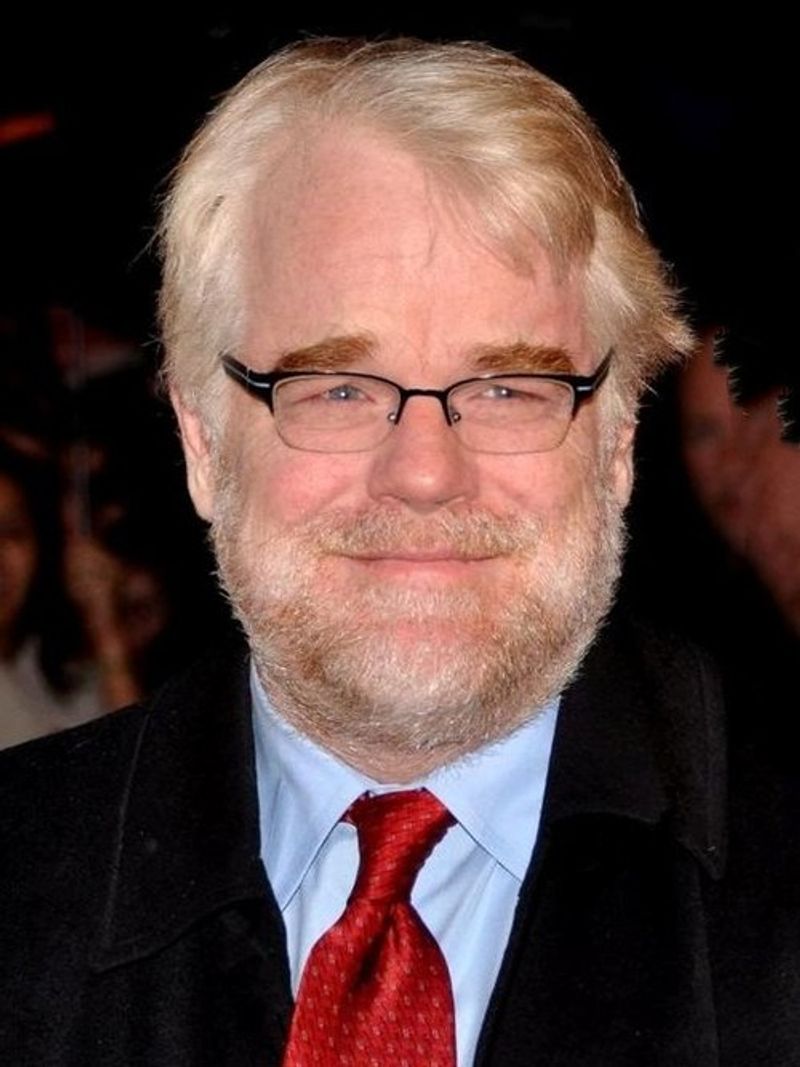
Precision shaped every movement, every syllable, and every flicker of charisma in the portrayal of writer Truman Capote.
Capote follows the moral cost of transforming real tragedy into literature, and Philip Seymour Hoffman made each ethical compromise feel painfully human. Truth costs something. Hoffman paid in full.
Forest Whitaker – The Last King Of Scotland (2006)
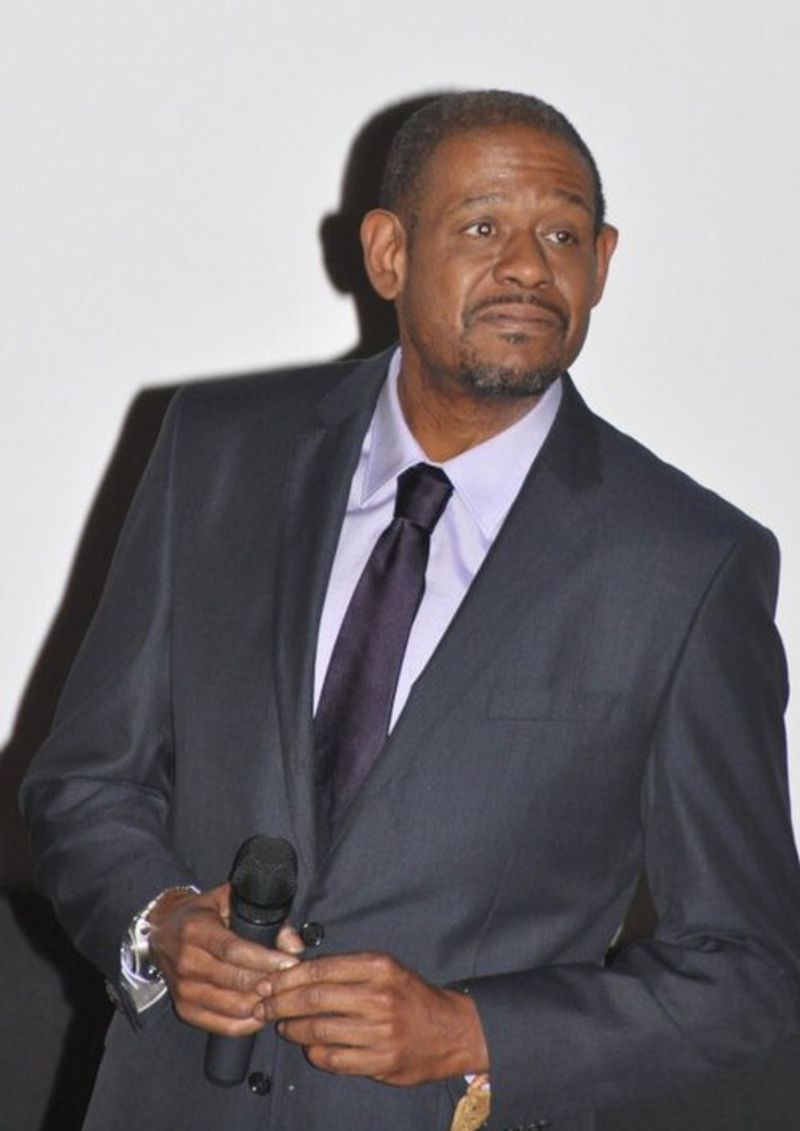
Volcanic unpredictability defines the portrayal of Ugandan dictator Idi Amin in The Last King of Scotland.
Throughout the performance, Forest Whitaker strikes a mix between abrupt harshness and unsettling tenderness. Shifts between those two emotional extremes create constant tension.
Physical presence and emotional intensity dominate every scene. Charm and menace somehow live in the same unforgettable face.
Daniel Day-Lewis – There Will Be Blood (2007)
Ambition seeps into every corner of There Will Be Blood, where oilman Daniel Plainview slowly sacrifices every human bond in pursuit of power.
“I drink your milkshake” exploded into pop culture, yet the film’s final moments land like pure, unnerving theater. Second Oscar for Daniel Day-Lewis.
Still the most intense man in any room.
Sean Penn – Milk (2008)
Long before Milk arrived, Sean Penn had already built a reputation as one of Hollywood’s most respected actors. Transformation into Harvey Milk revealed a performance filled with warmth, humor, and striking humanity.
Second Oscar followed his earlier win for Mystic River, and his acceptance speech drew headlines for its passionate support of equal rights.
Conviction behind the performance gave the film an emotional depth few roles that year could match.
Jeff Bridges – Crazy Heart (2009)
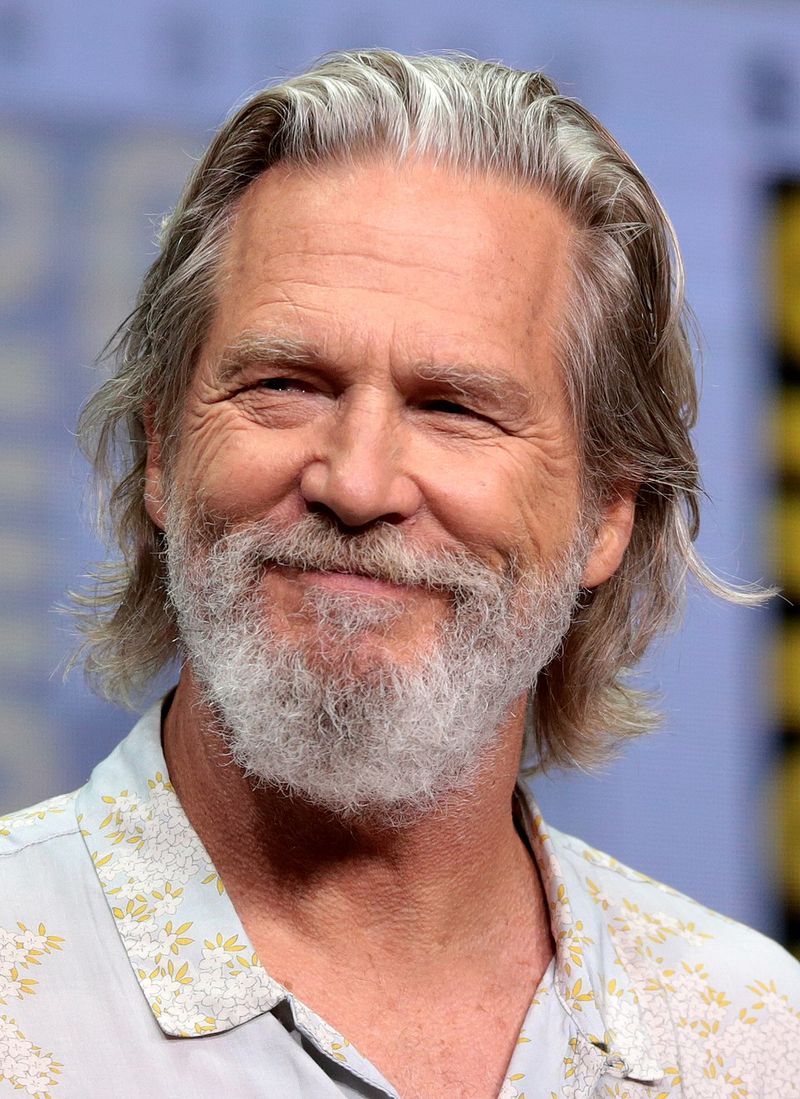
Bad Blake drifts through smoky bars and dusty stages, a washed-up country singer barely holding life together in Crazy Heart. Weathered authenticity made every song and stumble feel completely real on screen.
Best Actor finally went to Jeff Bridges after decades of admired work without a win.
Long overdue, perfectly earned.
Colin Firth – The King’s Speech (2010)
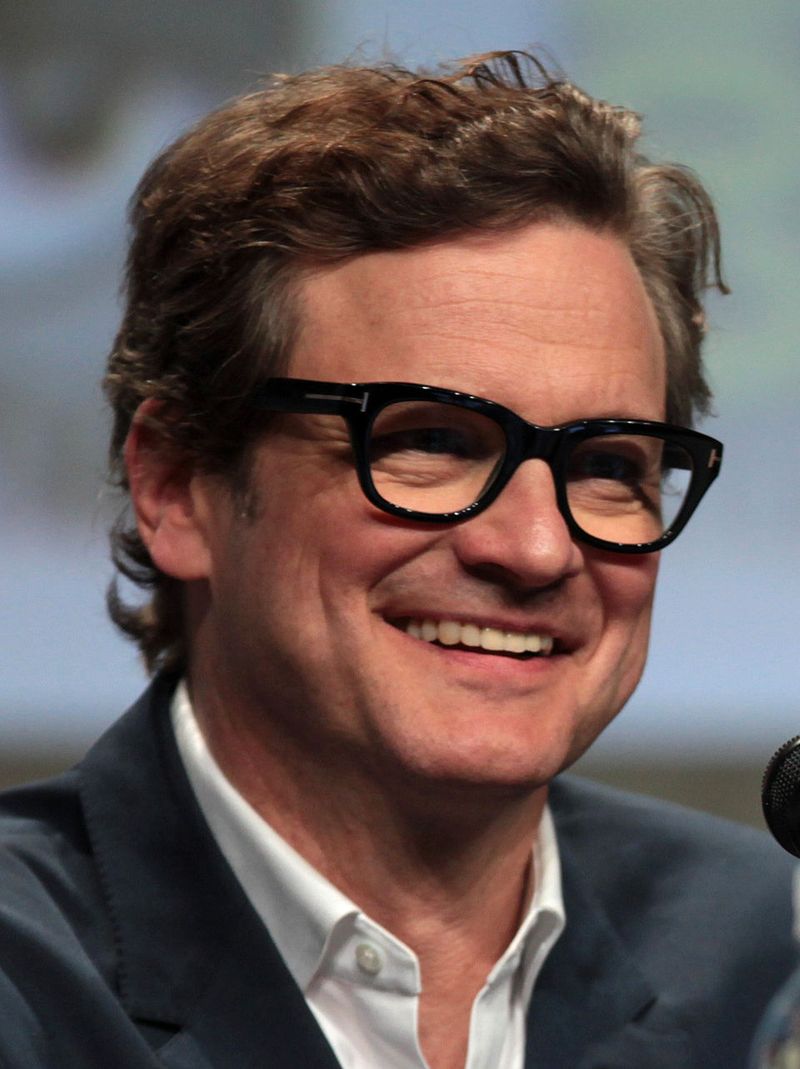
Colin Firth’s portrayal of King George VI turns the struggle with a severe stammer into one of modern cinema’s most quietly powerful character studies. Careful pauses, strained breaths, and hard-won words reveal the immense discipline behind the performance.
The King’s Speech became a major success with audiences and critics, making the Oscar win feel fully earned.
Graceful charm carried through his acceptance speech as well, closing the moment with the same restraint that defined the role.
Jean Dujardin – The Artist (2011)
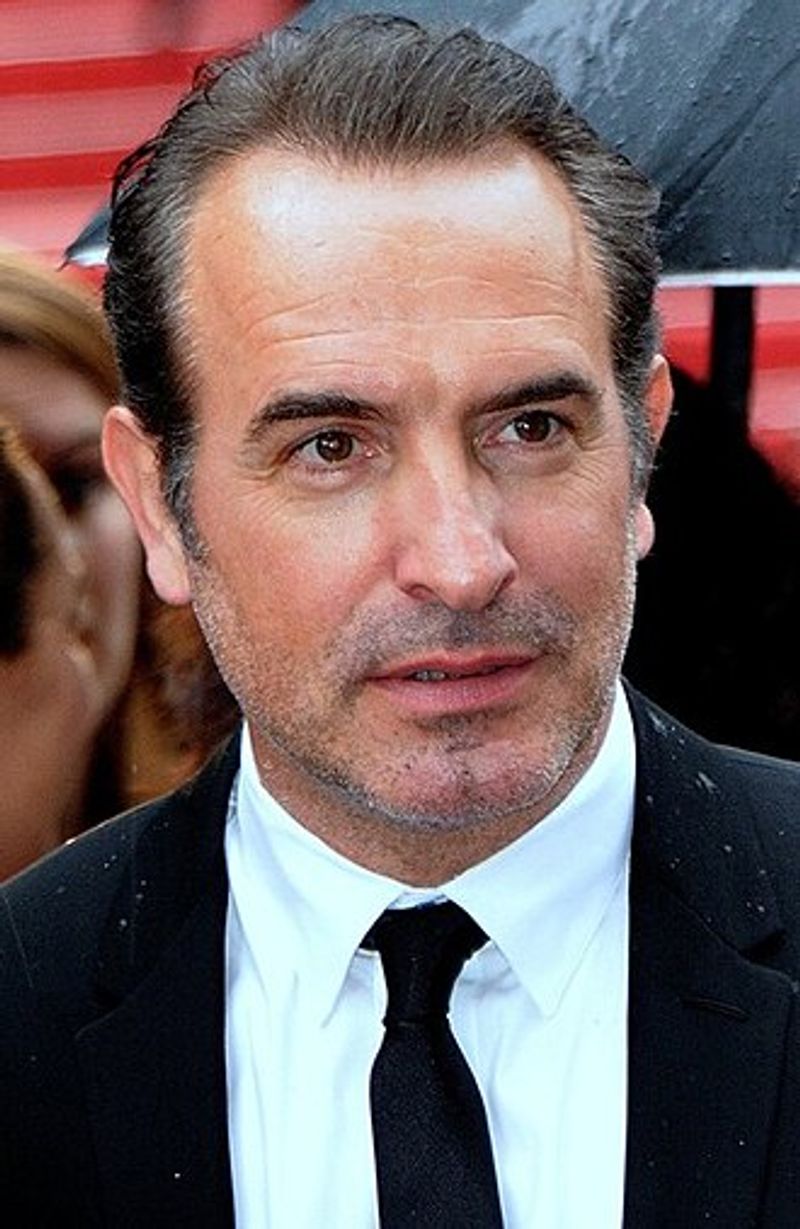
Pure silent-film charm carried Jean Dujardin to an unexpected Best Actor Oscar in the 21st century for a black-and-white movie.
Role of a fading silent star confronting Hollywood’s move to talking pictures relies entirely on expression, posture, and effortless screen presence.
Historic win made Dujardin the first French actor ever to claim the Best Actor prize. Performance proves that great acting can transcend language, era, and even dialogue itself.
Daniel Day-Lewis – Lincoln (2012)
Three Best Actor Oscars stand unmatched in Academy history, and the third arrived with a towering portrayal of Abraham Lincoln.
Voice, posture, and quiet storytelling turned the president into a fully human figure rather than a marble monument.
Lincoln, directed by Steven Spielberg, followed the tense push to pass the Thirteenth Amendment through Congress. Watching Daniel Day-Lewis felt less like seeing a performance and more like witnessing history unfolding again.
Matthew McConaughey – Dallas Buyers Club (2013)
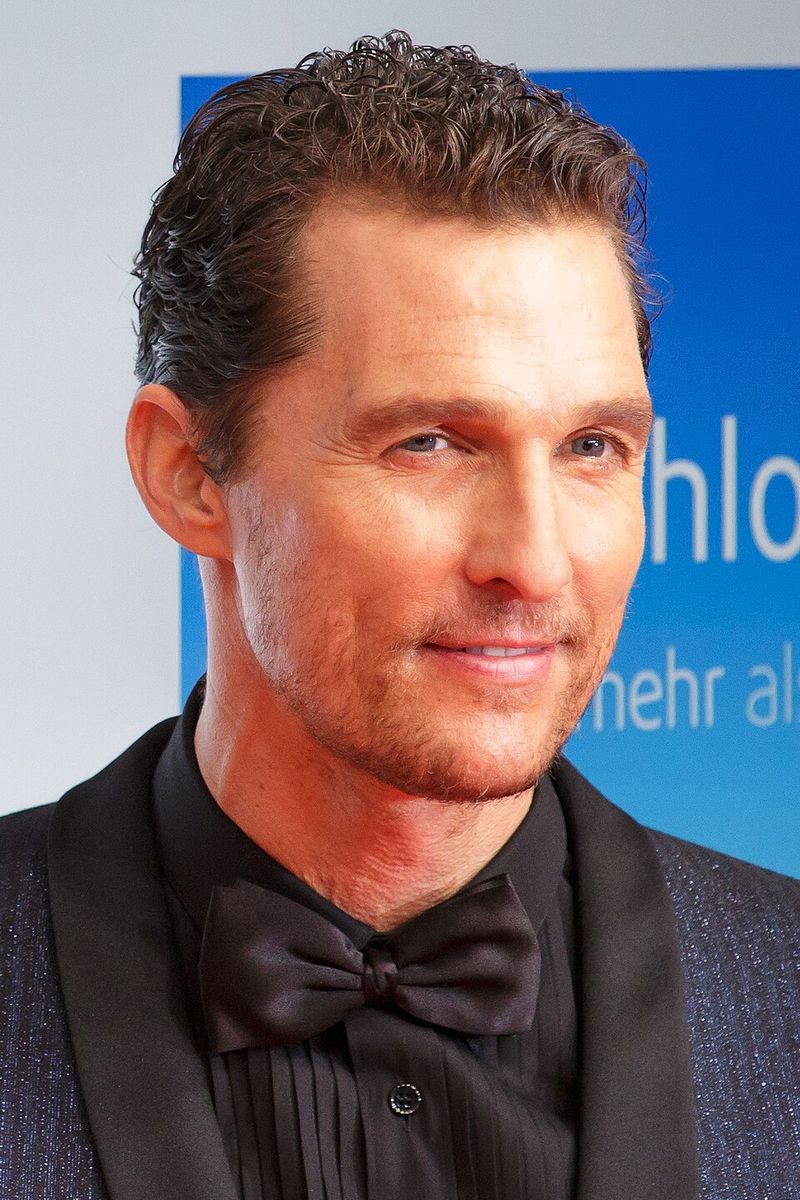
Dramatic transformation defined Matthew McConaughey’s performance in Dallas Buyers Club. He lost a substantial amount of weight for the role to portray Ron Woodroof, a Texas electrician diagnosed with HIV/AIDS in the 1980s who battled the medical establishment to obtain life-saving medication.
Physical sacrifice matched the emotional complexity of the role, revealing a flawed man who slowly discovers compassion.
Oscar win marked the peak of the so-called McConaissance, confirming his shift from romantic-comedy lead to serious dramatic force.
Eddie Redmayne – The Theory Of Everything (2014)
Portraying a globally recognized scientist facing ALS demanded extraordinary precision and emotional control.
Gradual physical changes and quiet resilience brought the life of Stephen Hawking to the screen with remarkable sensitivity in The Theory of Everything.
Best Actor arrived at age 33 for Eddie Redmayne, making him one of the younger winners in the category. Approval from Hawking himself sealed the achievement.
Leonardo DiCaprio – The Revenant (2015)
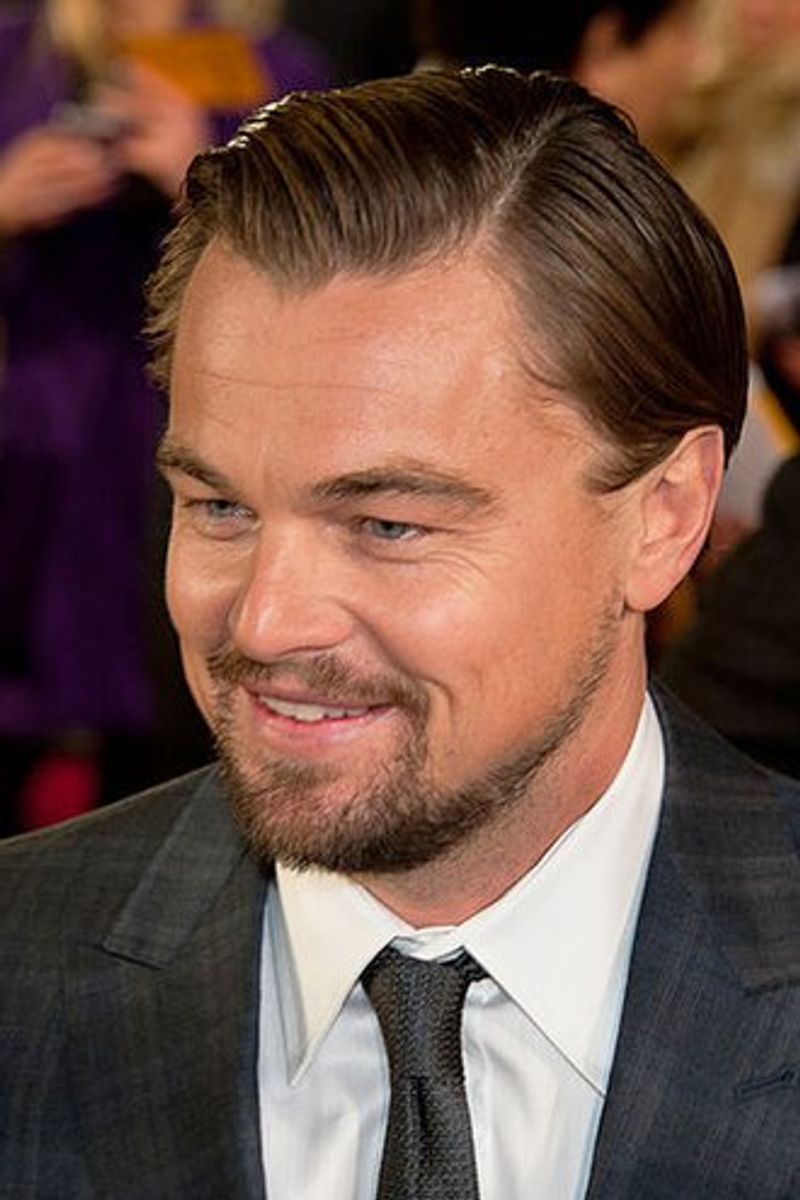
Years of acclaimed performances and several nominations built anticipation before Leonardo DiCaprio finally claimed an Oscar.
Frontiersman Hugh Glass in The Revenant pushed him through brutal survival scenes after a bear attack and across frozen wilderness.
Standing ovation on Oscar night felt like the entire industry exhaling as the long-awaited win finally arrived.
Casey Affleck – Manchester By The Sea (2016)
Quiet devastation hangs over Manchester by the Sea, where grief shapes every step Lee Chandler takes.
Crushing loss leaves the character frozen in place, expressed through suffocating stillness and almost no raised voice.
Best Actor went to Casey Affleck for the performance. Many critics called it one of the decade’s most deserved wins.
Gary Oldman – Darkest Hour (2017)
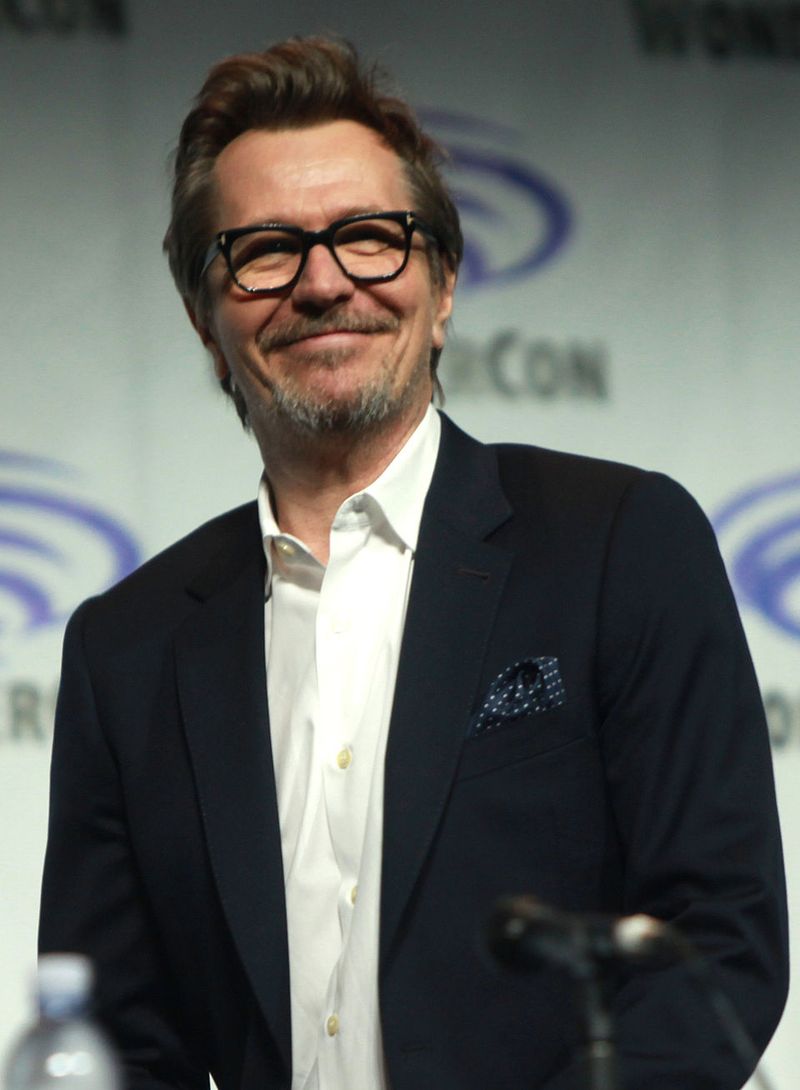
Total transformation defined Gary Oldman’s portrayal of Winston Churchill in Darkest Hour.
Heavy prosthetics and hours of makeup hid the actor’s features, yet the performance captured Churchill’s bluster, humor, vulnerability, and stubborn resolve during Britain’s most desperate wartime moment. Towering vocal and physical work anchored the entire film.
Long-awaited Oscar finally recognized decades of respected performances, and his emotional speech thanking his mother became one of the ceremony’s most memorable moments.
Rami Malek – Bohemian Rhapsody (2018)
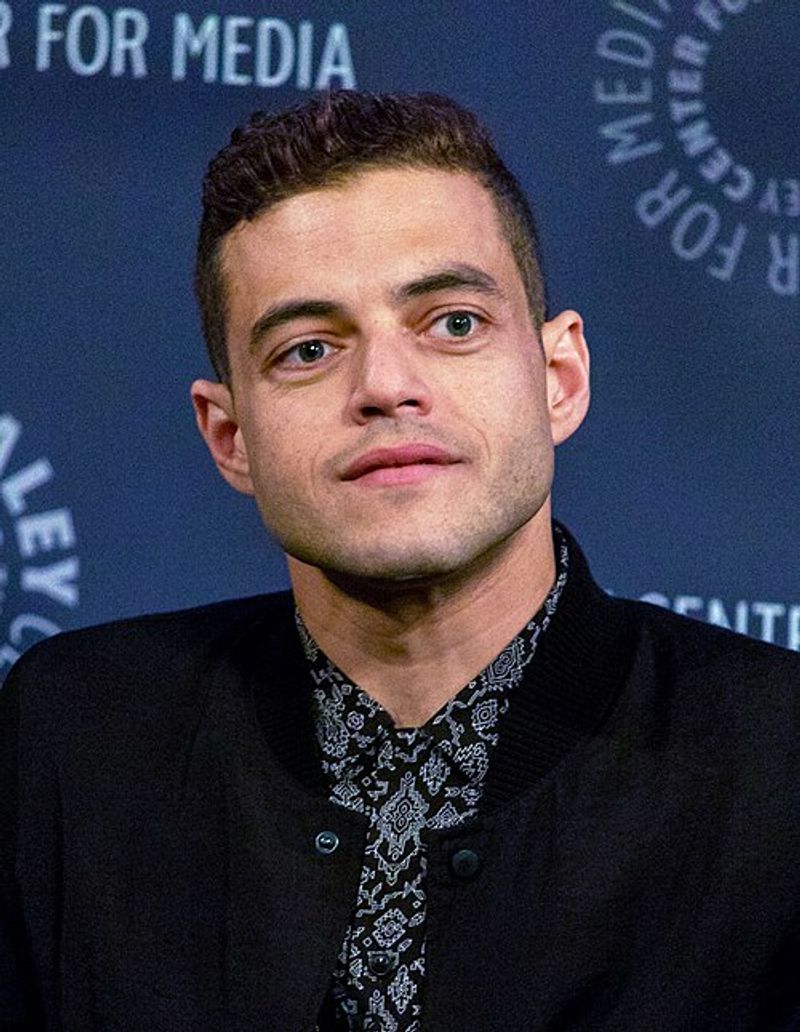
Recreating the explosive stage energy of Freddie Mercury demanded nerve and absolute commitment to spectacle.
Electric performances and private vulnerability shaped the portrayal in Bohemian Rhapsody.
The Live Aid sequence alone convinced many viewers the Oscar belonged to Rami Malek. Biopic acting rarely feels so transformative.
Joaquin Phoenix – Joker (2019)
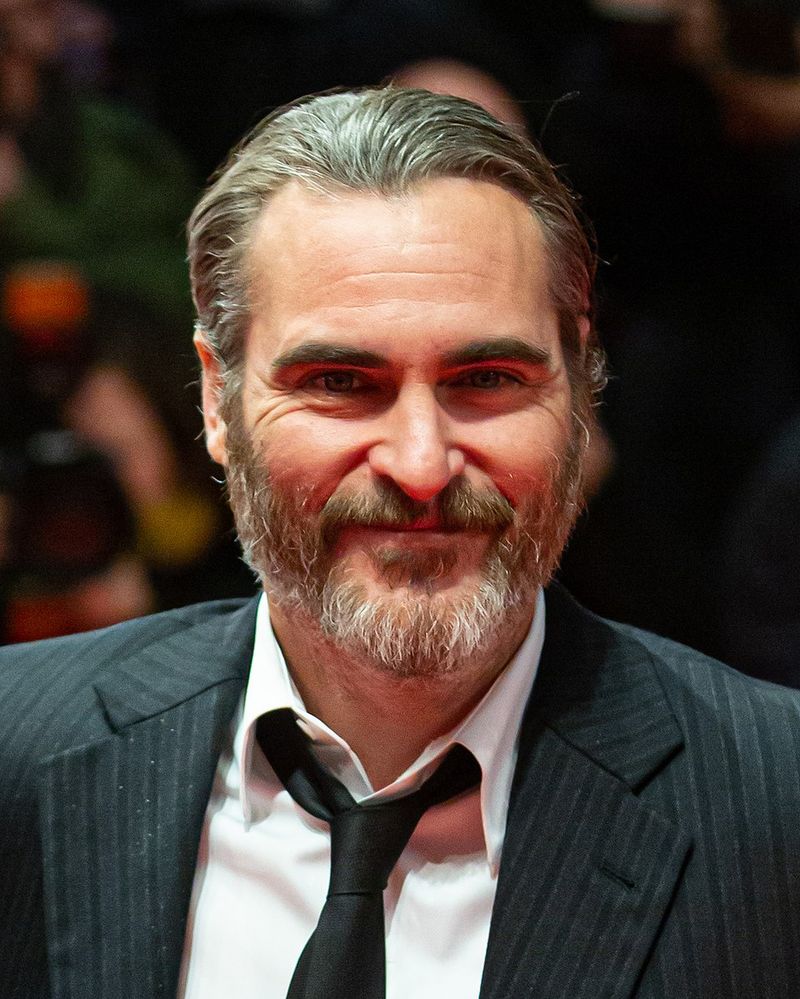
Disturbing intensity defined Joaquin Phoenix’s portrayal of the Joker, one of the rare comic-book performances embraced so seriously by the Academy.
Over fifty pounds vanished from his frame while he crafted a version of the villain built on isolation, mental distress, and simmering anger. Unpredictable energy runs through every scene, making the film both gripping and uncomfortable to watch.
Oscar win marked a milestone for comic-book cinema, and his raw, unconventional acceptance speech proved just as unforgettable as the performance.
Anthony Hopkins – The Father (2020/21)
Age records fell when a performance about dementia claimed Best Actor at the 2021 Oscars.
Disorientation and quiet terror filled The Father, placing audiences directly inside a mind slowly losing its grip on reality. Best Actor went to Anthony Hopkins at age 83, making him the oldest winner in the category.
Expectations had largely favored Chadwick Boseman for Ma Rainey’s Black Bottom, and Hopkins’ absence from the ceremony left the historic moment unusually quiet.
Will Smith – King Richard (2021)
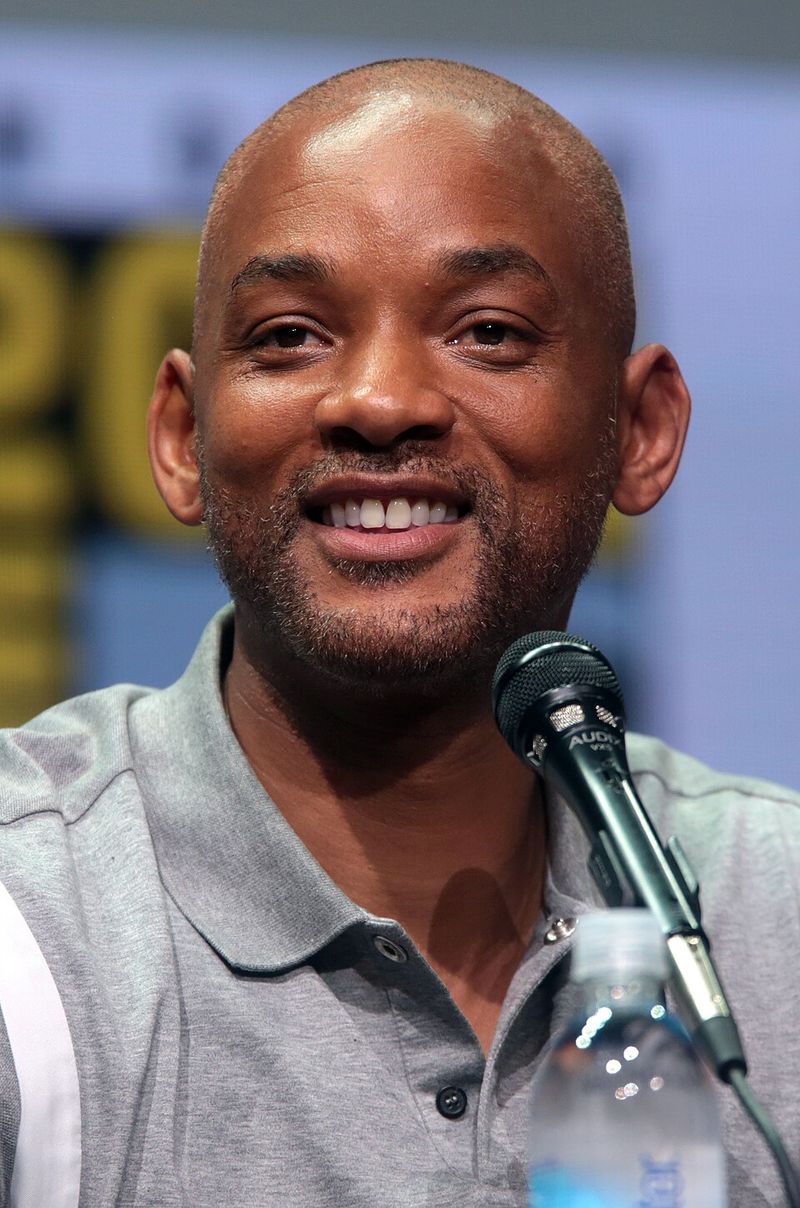
Decades of stardom finally led to an Oscar when the role of Richard Williams arrived in King Richard.
Will Smith portrays the determined father who guided Venus and Serena Williams toward greatness.
Charm, stubborn drive, and deep parental devotion shape the performance. Controversy from that ceremony later dominated headlines, yet the work on screen remains one of Smith’s most powerful and heartfelt roles.
Brendan Fraser – The Whale (2022)
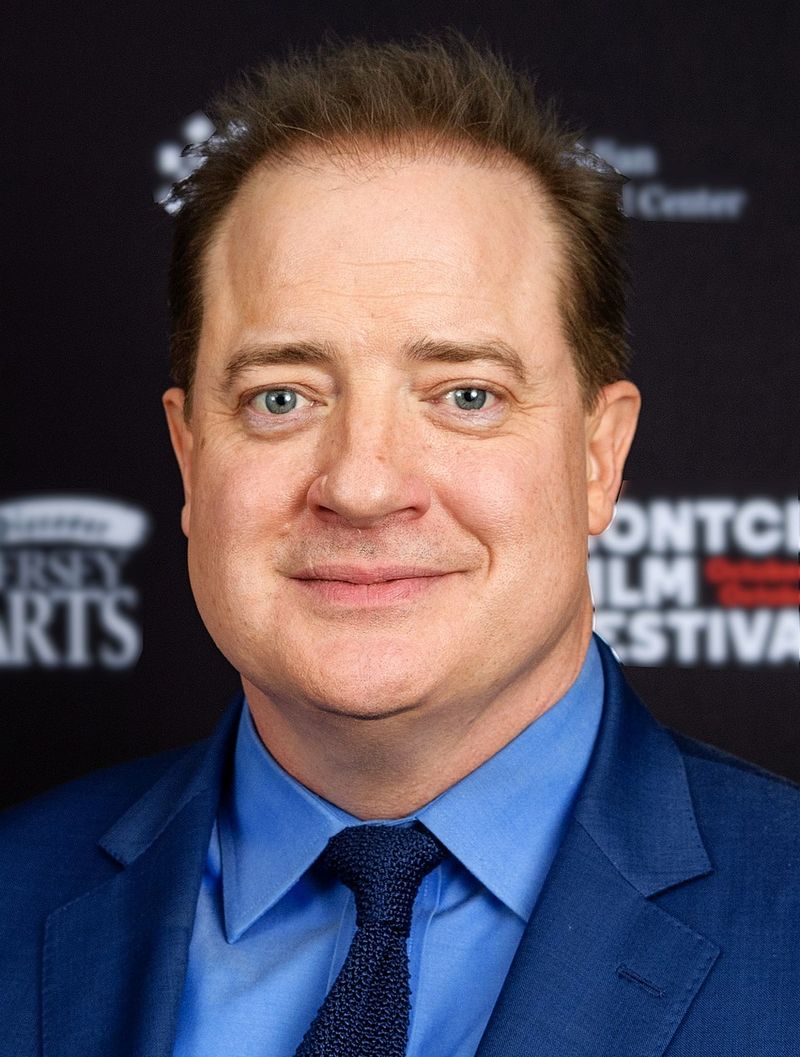
Comeback energy filled the Oscars when a long-absent star returned with one of the ceremony’s most emotional victories in years.
Heavy prosthetics transformed the character of Charlie, a reclusive man seeking reconciliation with his daughter in The Whale. Raw vulnerability powered the performance that earned Best Actor for Brendan Fraser.
Tearful acceptance speech turned the moment into something closer to a reunion than an award.
Cillian Murphy – Oppenheimer (2023)
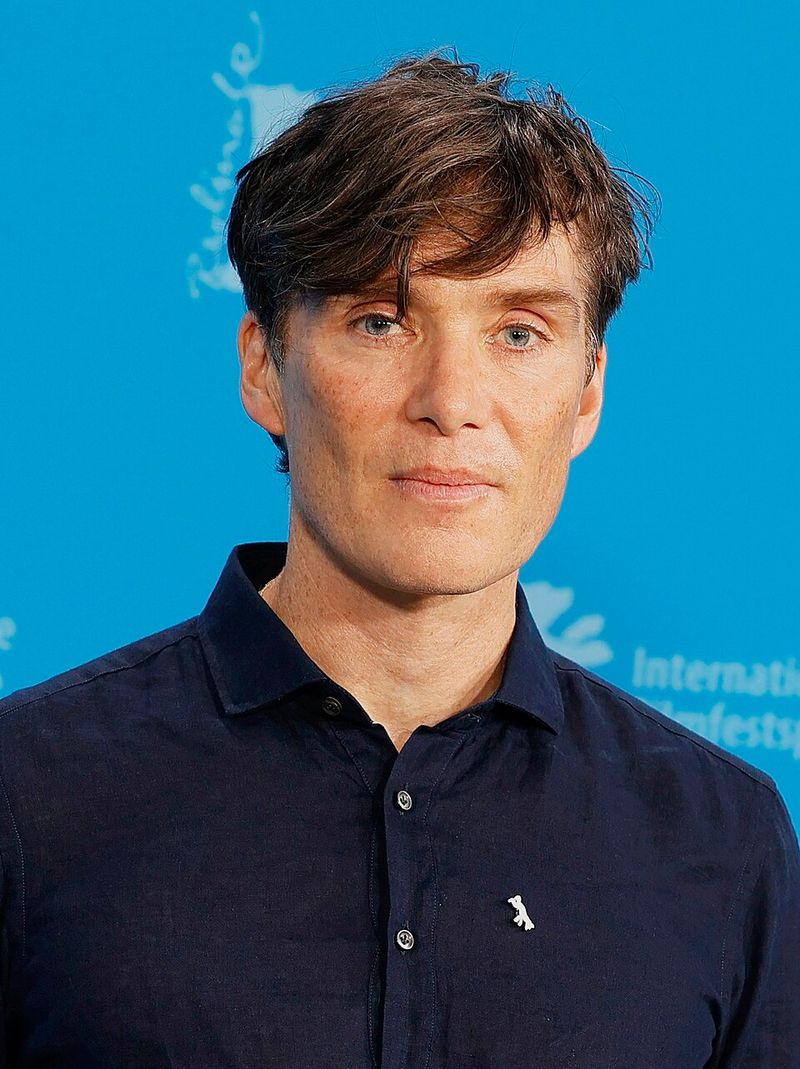
Long admired for intense character work, Cillian Murphy finally stepped into the Academy spotlight with his portrayal of J. Robert Oppenheimer in Oppenheimer.
Role carries immense internal conflict as the scientist behind the atomic bomb wrestles with the moral weight of his own achievement.
Christopher Nolan’s sweeping epic gives the performance room to breathe, and Murphy fills it with controlled intensity. Oscar win arrived the same night the film swept major categories, making the moment feel historic and well earned.
Adrien Brody – The Brutalist (2024)
Oscar history rarely repeats itself across decades, yet a second Best Actor win arrived years after the first breakthrough performance.
Three-hour epic The Brutalist centers on Hungarian-Jewish architect Laszlo Toth rebuilding life and legacy in postwar America.
Extraordinary focus and emotional range carried every minute of the film for Adrien Brody. Second trophy confirmed that some careers only grow more compelling with time.
Michael B. Jordan – Sinners (2025)
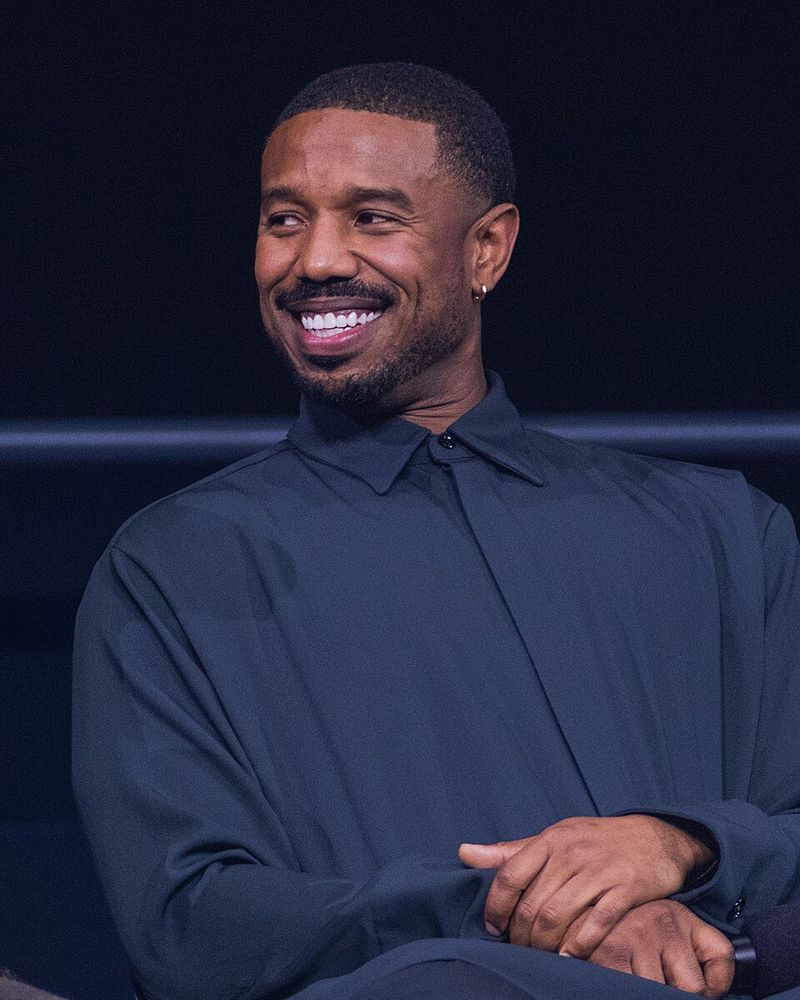
Years of rising acclaim culminated in a defining Oscar moment when Michael B. Jordan delivered a show-stopping performance in Sinners.
Ryan Coogler’s 1930s Mississippi Delta-set film gave him the dual challenge of playing twin brothers navigating worlds of blues, violence, and the supernatural.
Both characters emerge fully realized, distinct, and unforgettable under Jordan’s intense, precise work.
Win became a deeply personal milestone, reuniting him with Coogler and capped by an electric, grateful, and wholly compelling acceptance speech.
Note: This article is a historical editorial roundup of Academy Award winners in the Best Actor category, organized by eligibility year and film year. Winner names, film titles, and major milestone facts were checked against the Academy’s official records and ceremony pages, but the descriptive language around performances reflects editorial interpretation rather than official Academy commentary.
This content is intended for general informational and entertainment purposes.