13 Everyday Chores That Used To Be Surprisingly Time-Heavy
Modern life has spoiled us with conveniences our grandparents could only dream about.
Back in the day, simple household tasks ate up entire afternoons and left people exhausted.
What takes us minutes today once required hours of backbreaking effort, clever tricks, and serious dedication just to keep a home running smoothly.
It wasn’t just “chores”; it was a full-body workout mixed with a crash course in creativity.
And yet, somehow, they still found time to bake, fix, mend, and raise families without ever touching a single “smart” gadget.
Disclaimer: This content is for general informational and entertainment purposes only and reflects historical and cultural observations about everyday life; it is not intended as professional advice, nor as a judgment of past or present lifestyles.
1. Hand-Washing Laundry
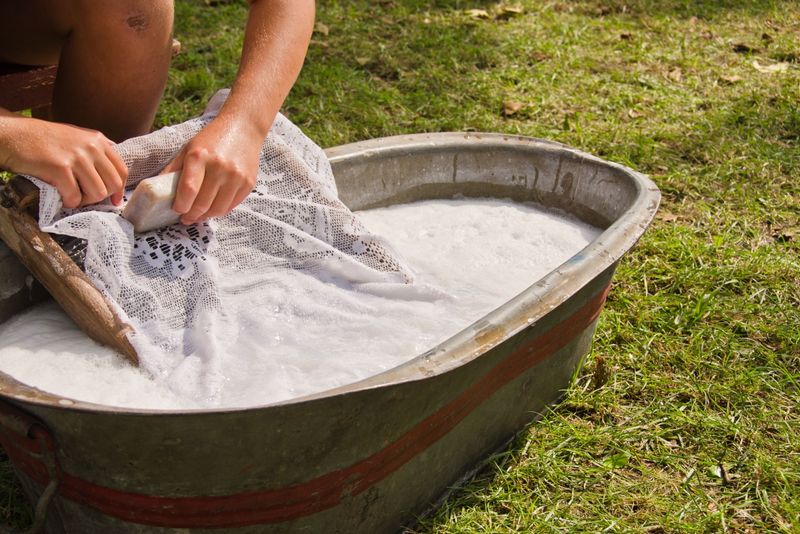
Picture this: no spinning drum, no detergent pods, just you versus a mountain of dirty clothes.
Before washing machines became household staples, laundry day was an all-hands-on-deck marathon that could stretch from sunrise to sunset.
Clothes were dumped into giant tubs filled with soapy water, then scrubbed against ridged washboards until your knuckles turned red and raw.
Heavy fabrics like denim and wool were the worst offenders.
They soaked up water like sponges, making them incredibly difficult to wring out by hand.
Twisting and squeezing each piece required serious arm strength, and you had to get every drop out or risk mildew setting in.
Once wrung, everything was hauled outside and draped over clotheslines, weather permitting.
Rain meant starting over or hanging damp garments near the stove, filling the house with humidity.
Winter laundry could freeze stiff as boards on the line, requiring thawing before folding.
Families with several children faced piles that seemed endless.
Just saying, it’s no wonder people owned fewer clothes back then washing them was practically a full-time job!
Share your thoughts below if you’ve ever tried hand-washing anything heavier than a dish towel.
2. Ironing Clothes
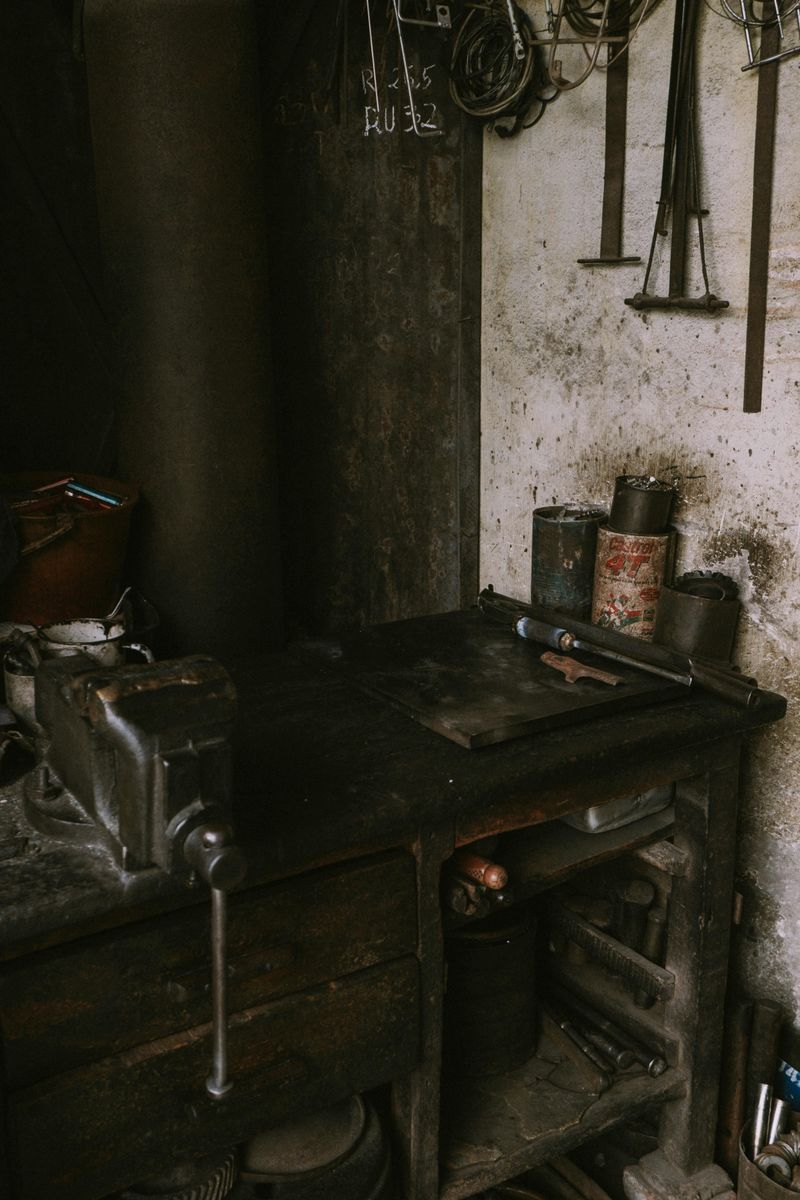
If you think ironing is a drag now, imagine doing it without steam, auto-shutoff, or lightweight materials.
During the 1950s, wrinkle-free fabrics didn’t exist.
Cotton and linen dominated wardrobes, and both crumpled if you so much as looked at them funny.
Housewives armed themselves with glass soda bottles fitted with special perforated caps to sprinkle water over garments, keeping fabric damp enough to press smooth.
The irons themselves were beasts, heavy hunks of metal that heated on stovetops before electric models arrived.
No adjustable temperature settings meant constant vigilance.
Too hot, and you’d scorch a shirt beyond repair.
Too cool, and the wrinkles laughed in your face.
Each piece of clothing demanded careful attention, from collars to cuffs, and a family’s weekly wardrobe could take hours to finish.
Dress shirts with pleats and ruffles? Absolute nightmares.
Kids’ school uniforms, Dad’s work clothes, Sunday best, everything needed pressing.
By the time you finished, your arms ached and your back screamed for mercy.
However, people took pride in crisp, perfectly pressed outfits.
Wrinkled clothes suggested laziness or poverty, so the effort was non-negotiable despite the exhaustion it brought.
3. Beating Rugs Outdoor
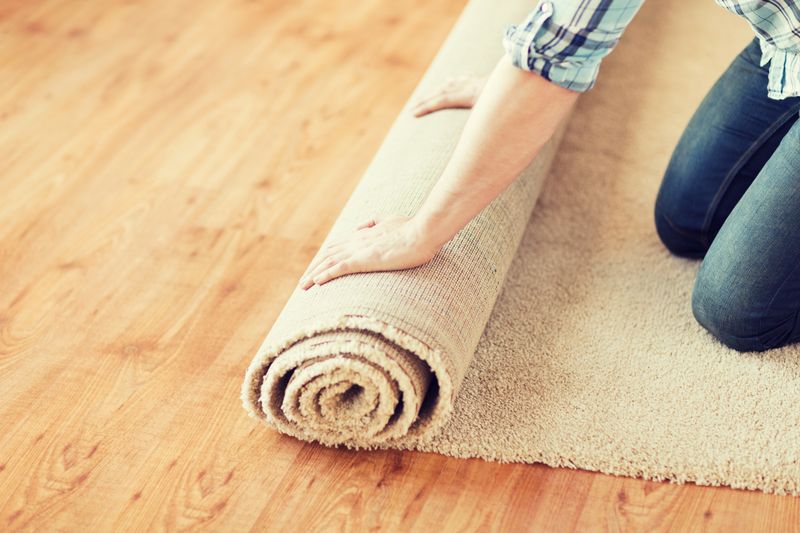
Vacuums existed, sure, but they were clunky, heavy monsters that barely sucked up surface dirt.
Deep cleaning rugs required old-school elbow grease and a trip to the backyard.
First, you rolled up the rug, already a workout since those things weighed a ton, then dragged it outside like you were wrestling a giant burrito.
Finding a sturdy clothesline or porch railing strong enough to support the weight was step two.
Then came the main event: whacking it repeatedly with a wire or cane rug beater until clouds of dust, pet hair, pollen, and mysterious particles erupted into the air.
Your neighbors probably thought you were fighting invisible demons.
Each whack sent shockwaves up your arms, and you had to keep going until the dust clouds stopped appearing.
Depending on the rug’s size and how long since its last beating, this could take twenty minutes or more.
Allergies weren’t really understood back then, so people just powered through the sneezing fits and watery eyes.
After the beating, you lugged the rug back inside and wrestled it into place, usually needing help because by now your arms felt like cooked spaghetti.
Pass this on to someone who’d smile reading about the original CrossFit workout!
4. Washing Windows By Hand
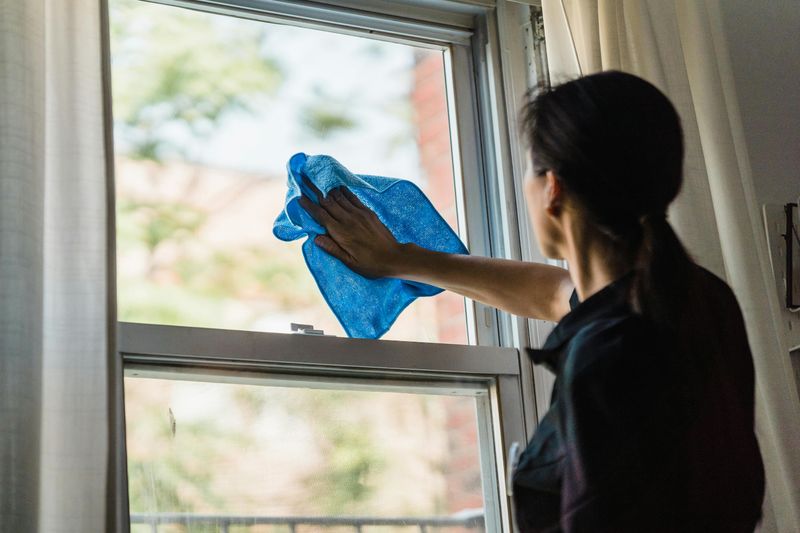
Sparkling windows didn’t come from a spray bottle and paper towels, they demanded serious dedication.
Window cleaning in the 1950s was a full production requiring warm soapy water, sponges, squeegees for the lucky folks, and endless patience.
You started by hauling a bucket of water mixed with soap or vinegar to wherever the windows lived.
Step stools were essential for reaching higher panes, and climbing up and down repeatedly turned the task into an accidental leg day.
Scrubbing away months of grime, fingerprints, and mysterious smudges took real effort, especially on the outside where weather left its mark.
Rain streaks, bird droppings, pollen, all of it clung stubbornly to glass.
Then came the tricky part: getting them streak-free.
Without modern glass cleaners, achieving crystal-clear transparency required multiple passes, different cloths for washing and drying, and sometimes crumpled newspaper for buffing.
One wrong move and you’d leave smears that looked worse than before.
Houses with lots of windows faced marathon sessions.
Some families designated entire days to window washing, tackling one floor at a time.
Though exhausting, clean windows were a source of pride, signaling a well-maintained home.
If you’ve ever wrestled with streaky windows, you understand the frustration, but imagine doing every window in your house without shortcuts!
5. Churning Butter By Hand
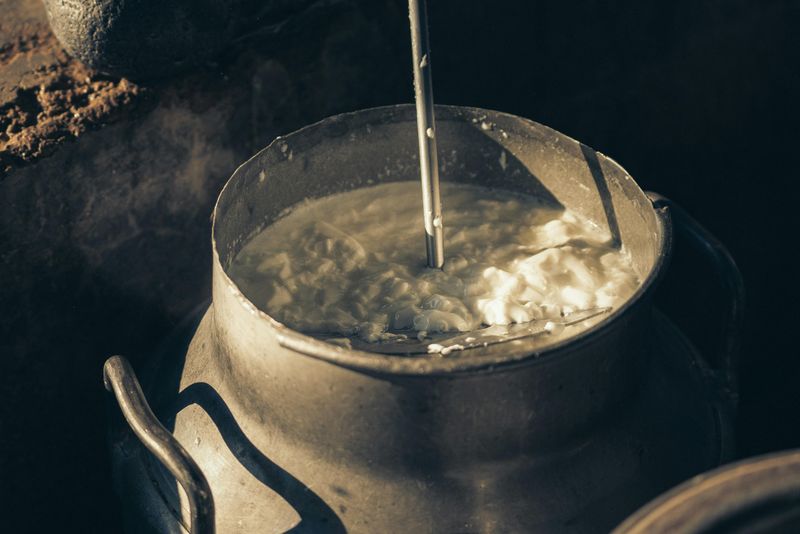
Store-bought butter is so convenient we forget it once required superhuman patience and arm endurance.
Churning butter by hand was a marathon task that turned fresh cream into golden goodness through sheer repetitive motion.
Fresh cream got poured into a wooden churn, and then the real battle began pumping, stirring, or shaking the handle up and down, over and over and over.
It wasn’t a quick five-minute job.
Making butter could consume hours of your day, and stopping too soon meant the cream wouldn’t separate properly into butter and buttermilk.
Kids often got roped into taking turns because adult arms gave out from the monotonous motion.
The churn had to maintain a steady rhythm, too fast and you’d tire instantly, too slow and nothing happened.
You kept going until you felt the consistency change, hearing the satisfying slosh transform into something thicker.
Finally, when golden chunks appeared, you’d drain off the buttermilk, rinse the butter in cold water, and work out excess liquid by kneading it.
Salt was added for flavor and preservation.
Families who relied on homemade butter faced this ordeal regularly since refrigeration was limited and butter didn’t last long.
Though exhausting, fresh butter tasted incredible, rich, creamy, and worth every aching muscle, at least according to people who had no other choice!
6. Fetching Water From A Well
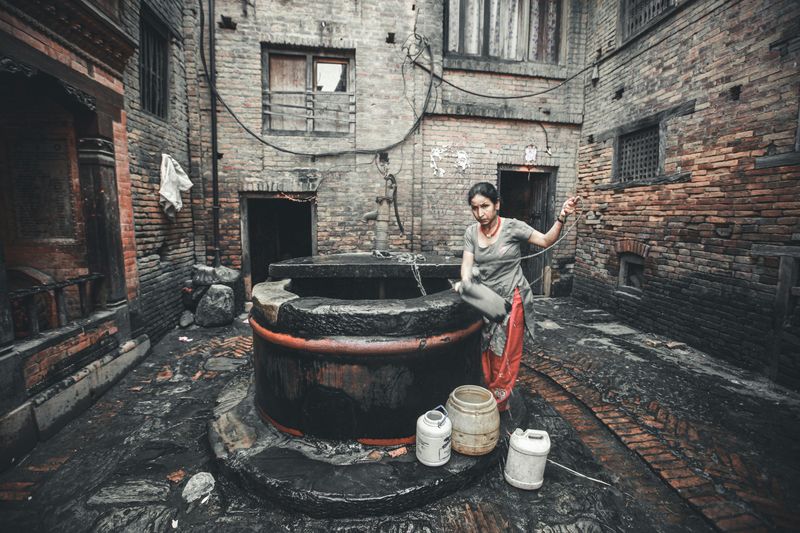
Turn on a faucet and water flows, magic we completely take for granted.
Before indoor plumbing became standard, households relied on wells, and fetching water was a daily grind that built serious arm muscles.
You’d lower a bucket down into the well, wait for it to fill, then haul it back up hand over hand, fighting gravity and the weight of water.
One bucket wasn’t enough for a family’s daily needs.
Drinking, cooking, cleaning, bathing; all required multiple trips back and forth between the well and the house.
Carrying full buckets without sloshing water everywhere was an art form. Winter made everything ten times worse.
Wells could freeze over, requiring ice-breaking before you could access water.
Your hands would go numb from cold metal handles, and spilled water froze instantly on the ground, creating slippery hazards.
Families lucky enough to have pumps still faced physical labor, cranking handles until their shoulders burned.
By the mid-20th century, indoor plumbing spread like wildfire, liberating millions from this exhausting routine.
Suddenly, water appeared at the twist of a knob, hot or cold on demand.
However, people who grew up fetching water never wasted a drop, they understood its true cost in sweat and time.
Share your thoughts below if you’ve ever hauled water and appreciated modern plumbing afterward!
7. Cooking On A Wood-Burning Stove
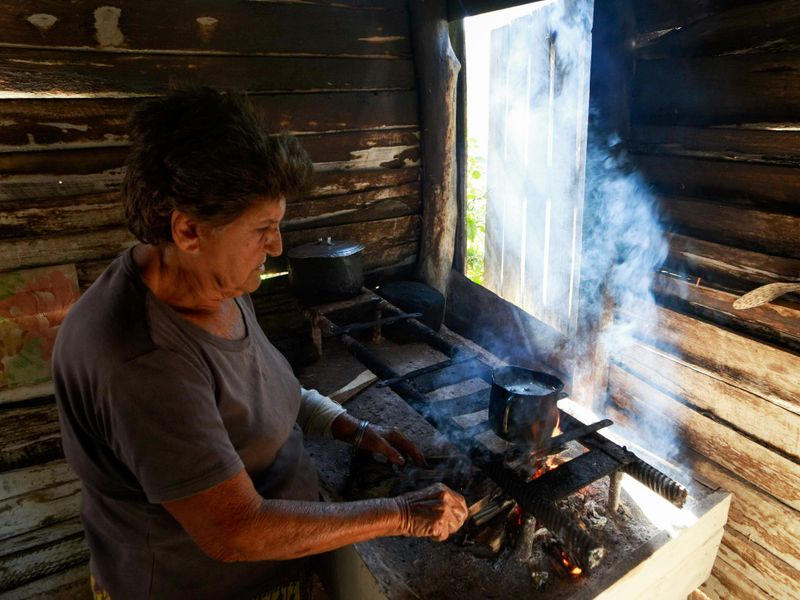
Forget precise temperature dials and instant heat, cooking once meant mastering the unpredictable moods of fire.
Wood-burning stoves demanded constant attention, turning meal preparation into an endurance test.
Before you could even start cooking, you had to build and maintain a fire, chopping or gathering wood, arranging kindling, and coaxing flames to life.
Getting the temperature right required experience and intuition since there were no thermostats.
Too much wood and your stove became an inferno, scorching everything.
Too little and nothing cooked properly.
You had to constantly adjust by adding fuel or opening vents, checking progress by feel and smell.
Burnt dinners were common casualties of distraction or misjudgment.
The stoves themselves radiated intense heat, making summer cooking absolutely miserable.
Kitchens became saunas, and cooks sweated through their clothes while preparing meals.
Cleaning was another ordeal, ashes had to be removed regularly, and soot coated everything.
Spills on the hot surface baked into crusty messes requiring serious scrubbing.
Baking was particularly challenging since maintaining steady oven temperatures for cakes or bread demanded vigilance.
Where modern ovens regulate themselves, wood stoves required babysitting.
Despite the hassles, families had no choice, and skilled cooks became experts at reading their stove’s quirks.
Though romantic in hindsight, the reality was exhausting, dirty work that modern appliances mercifully eliminated.
8. Polishing Silverware
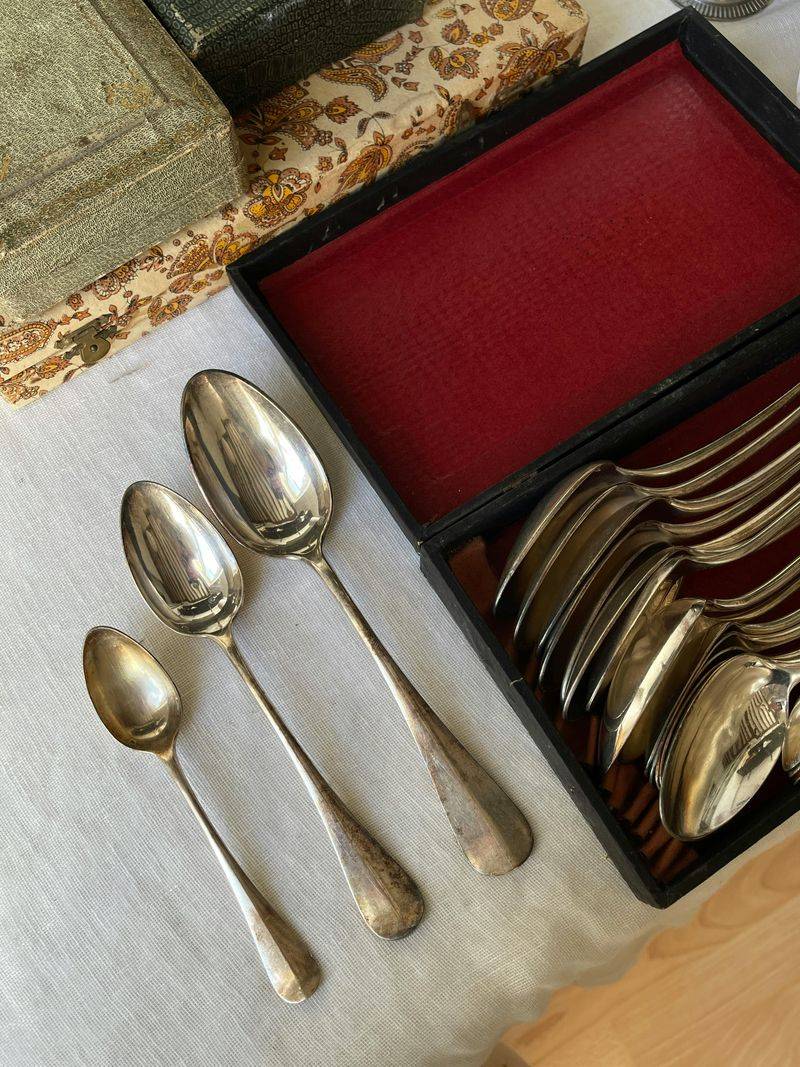
Silver looks stunning when it gleams, but keeping it that way was a never-ending battle against chemistry.
Tarnish attacks silver relentlessly, and in the 1950s, that meant regular polishing sessions before every holiday gathering or fancy dinner party.
Each fork, spoon, knife, and serving piece required individual attention, rubbed with special paste until it shone brilliantly.
The polish itself smelled terrible and left residue on your hands that took forever to wash off.
You’d apply it with one cloth, rub in circular motions until the tarnish disappeared, then carefully rinse and dry with another cloth to prevent water spots.
Large serving pieces like ornate trays, tea sets, and candlesticks took even longer, especially designs with intricate patterns where tarnish hid in tiny crevices.
Toothbrushes or special tools helped reach those spots, but progress was slow and tedious.
Families with extensive silver collections faced hours of work.
Some people wore gloves to avoid fingerprints undoing their efforts immediately.
Why bother? Because tarnished silver signaled neglect, while sparkling silver demonstrated wealth and good housekeeping.
Social pressure made the chore non-negotiable despite the time investment.
Did you know that storing silver properly in anti-tarnish cloth could slow the process?
Most people didn’t have such luxuries, so they polished and polished and polished some more, arms aching but silverware dazzling!
9. Washing Curtains And Drapes
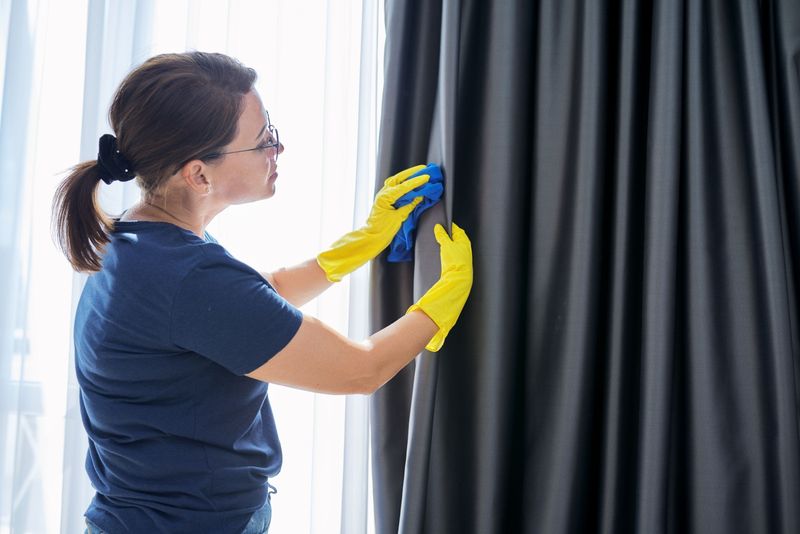
Curtains absorbed everything, cooking smells, cigarette smoke, dust, pet odors – and washing them was a major undertaking.
Taking them down was the first challenge, involving climbing step stools and wrestling with stubborn hooks, rings, or rods that never cooperated.
Heavy drapes weighed a ton, especially the fancy lined ones that added elegance but quadrupled the work.
Once down, you faced the washing dilemma.
Delicate fabrics required gentle hand-washing in the tub, while sturdier materials might survive a machine cycle if you were brave.
Either way, you had to be careful not to shrink, tear, or fade them.
Hand-washing meant filling a tub with lukewarm water, adding gentle soap, and swishing the curtains around carefully before rinsing multiple times to remove all soap residue.
Wringing out heavy, wet curtains was nearly impossible, they held gallons of water and dripped everywhere.
Hanging them to dry created another problem.
Outdoor lines worked in good weather, but wet curtains stretched under their own weight, potentially distorting their shape.
Indoor drying meant draping them over furniture or shower rods, creating humidity and inconvenience for days.
After drying, ironing was often necessary to remove wrinkles before rehanging.
The entire process could consume a full day or more.
How often did people wash curtains? Ideally seasonally, but many stretched it longer to avoid the hassle!
10. Mending And Sewing Clothes
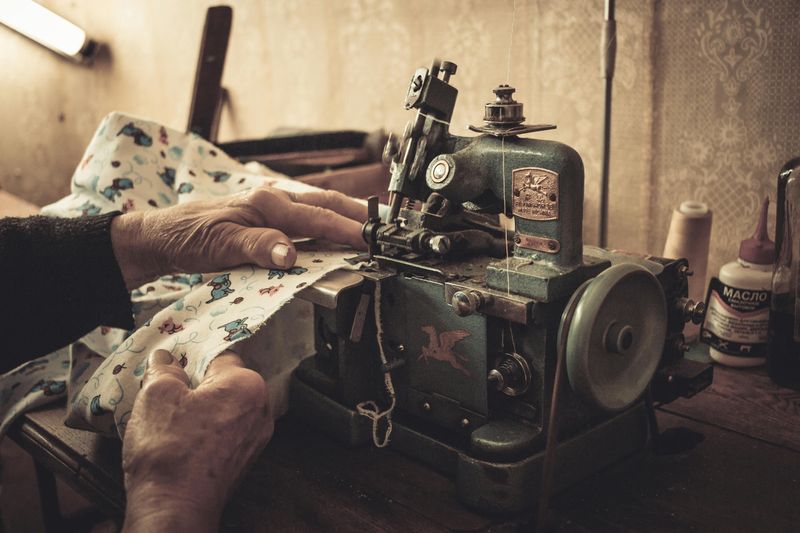
Fast fashion didn’t exist-clothes were investments you repaired until they literally fell apart.
A hole in your socks meant grabbing needle and thread for darning, weaving new fabric across the gap until it held together for more wear.
Missing buttons required immediate replacement before the garment became unwearable.
Clothing was expensive and not easily replaced, so sewing skills weren’t optional, they were survival necessities.
Most households maintained a designated sewing basket stuffed with needles, thread in various colors, fabric scraps, buttons, and other repair supplies.
Ripped seams needed reinforcement, worn elbows on shirts got patched, and hems that came undone required restitching.
Kids were especially hard on clothes, constantly tearing knees in pants or popping buttons during play.
Mothers spent evenings under lamplight performing these repairs, often while listening to radio programs.
Though tedious, the alternative buying new – simply wasn’t affordable for most families.
Sewing also extended to alterations.
Hand-me-downs were standard practice, and adjusting clothes to fit different-sized children required skill.
Taking up hems, letting out waists, adding length where possible, all fell under the endless sewing workload.
Some women were talented enough to create new garments from scratch or remake old clothes into something fresh.
If you think about it, this mindset promoted sustainability and creativity, but it also meant countless hours hunched over needlework that strained eyes and fingers!
11. Scrubbing Floors On Hands And Knees
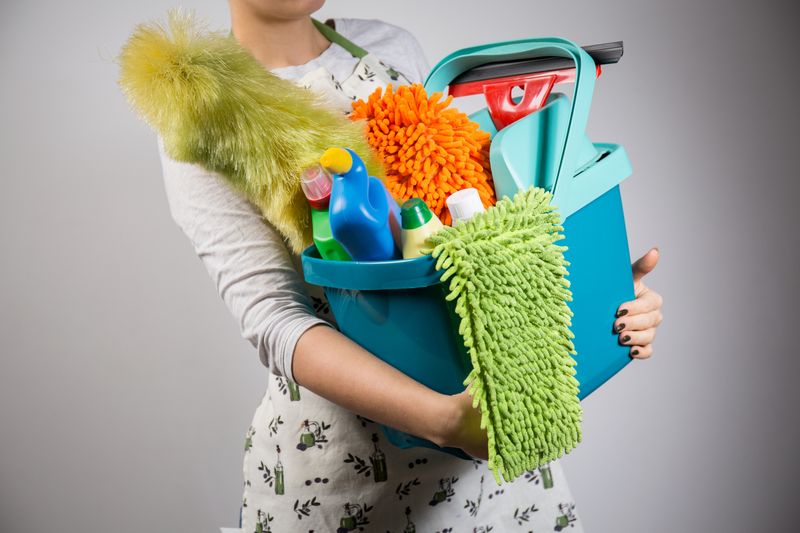
Mops existed, but they were primitive compared to today’s microfiber magic, so really clean floors meant getting down and personal.
Scrubbing floors on hands and knees was standard practice, armed with a stiff-bristled brush, bucket of hot soapy water, and determination.
You’d start in one corner and work your way across, scrubbing in circles to loosen dirt ground into wood, linoleum, or tile.
Kitchens saw the most traffic and required frequent scrubbing.
Spills, tracked-in mud, food droppings, all embedded themselves into floor surfaces.
The physical toll was brutal.
Knees ached from kneeling on hard surfaces, even with folded towels for cushioning.
Backs screamed from hunching over, and hands grew raw from hot water and harsh soaps.
Larger homes with multiple rooms meant hours of this torture.
Rinsing required changing the water and going over everything again to remove soap residue, then waiting for floors to air-dry before anyone could walk on them.
Waxing added another layer of work.
Floors were often waxed to protect them and add shine, requiring application, drying time, and buffing by hand or with heavy buffing machines.
The whole process was exhausting, yet necessary for maintaining a respectable home.
Though modern mops and cleaning solutions have made this easier, nothing quite matches the scrubbing power of elbow grease applied directly to stubborn grime!
12. Making Ice Without A Freezer
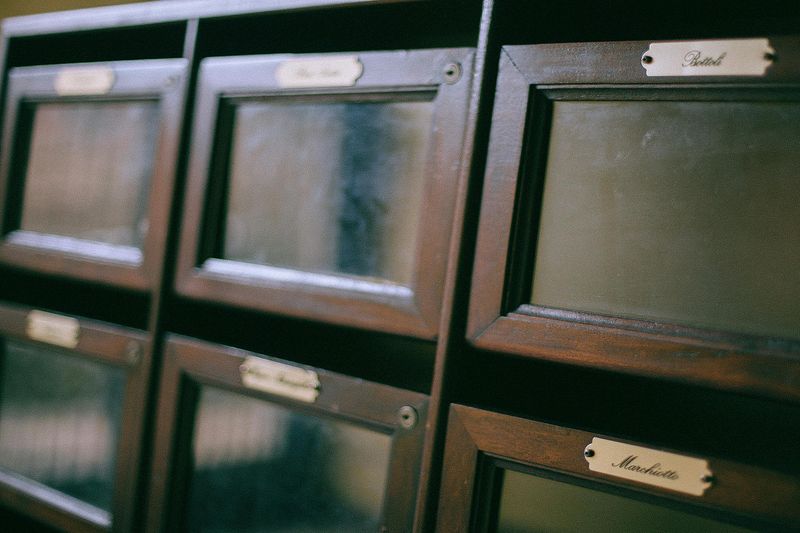
Cold drinks on demand? Not without serious planning and outside help!
Before electric refrigerators with built-in ice makers, keeping things cold required iceboxes, insulated cabinets that held large blocks of ice delivered by icemen.
These blocks melted slowly, providing cooling for a few days before needing replacement.
Families placed cards in their windows indicating how many pounds of ice they needed, and icemen hoisted heavy blocks with special tongs, carrying them inside and fitting them into the icebox’s ice compartment.
The melting ice drained into a pan underneath that required regular emptying, forget to empty it, and you’d flood your kitchen floor.
Ice for drinks or recipes meant chipping pieces off the main block using ice picks, a skill requiring care to avoid stabbing yourself.
Making actual ice cubes was even more complicated.
Metal trays filled with water were placed directly on the ice block, hoping they’d freeze, but results were inconsistent.
When electric refrigerators arrived, they revolutionized home life.
Early models required manual defrosting – ice built up inside and had to be melted and drained periodically, but automatic ice makers were pure science fiction.
Imagine hosting a party and having to calculate ice needs days in advance!
However, people adapted, and the iceman’s regular visits became part of neighborhood rhythm.
Pass this on to someone who’d smile reading about life before ice on demand!
13. Preserving Food Without Modern Refrigeration
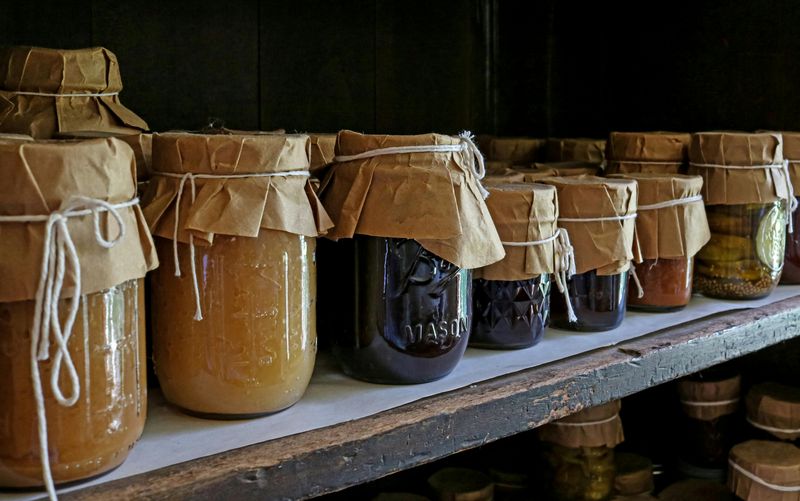
Refrigerators changed everything, but before them, keeping food from spoiling required knowledge, effort, and creativity.
Preserving food was essential for survival, especially before grocery stores offered year-round produce.
Canning was the most common method, fruits and vegetables were prepared, packed into glass jars with lids, then boiled in huge pots to create seals that prevented spoilage.
The process was hot, steamy work that turned kitchens into saunas, especially during summer when harvests peaked.
Timing was critical, improper sealing meant botulism risk, and nobody wanted that nightmare.
Pickling offered another preservation method, submerging vegetables in vinegar or brine solutions that prevented bacterial growth.
Root cellars provided cool, dark storage for potatoes, carrots, and apples, though maintaining proper humidity and temperature required attention.
Smoking and salting meat extended its usability, but both methods demanded skill and special equipment.
Drying fruits and herbs was simpler but time-consuming, requiring sunny days and protection from insects.
Families planned their food year around preservation schedules.
Summer’s abundance had to last through winter’s scarcity.
Women spent weeks canning hundreds of jars, stocking pantries and cellars with colorful rows that represented security.
Did you know that improperly canned food could explode?
Jars sometimes burst from built-up pressure, creating spectacular messes and wasting precious food.
Though exhausting, preservation skills meant the difference between eating well and going hungry during lean months!