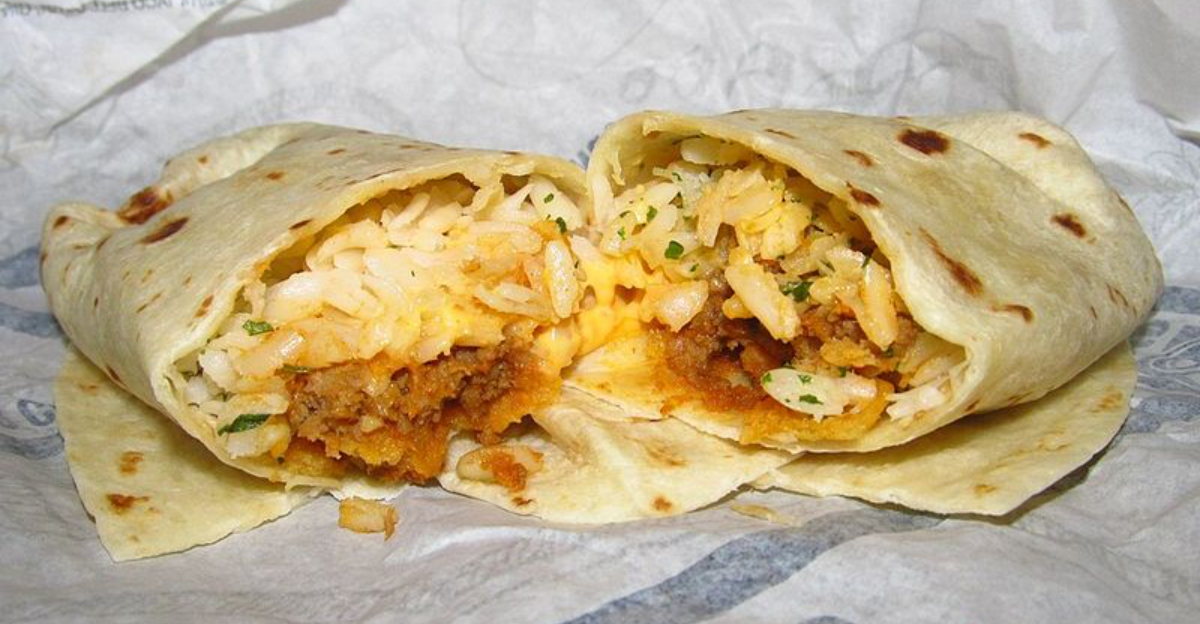
10 Everyday Foods That Quietly Wreck Cholesterol Levels
Your heart works nonstop, quietly keeping everything in motion, and it deserves some serious respect in return. But here is the twist: some of the most harmless looking foods on the plate can quietly push things in the wrong direction.
Cholesterol is a waxy substance in the blood, and when LDL levels climb too high, it can lead to clogged arteries and increase the risk of heart disease or stroke. No flashing lights, no loud warnings, just a slow build that often goes unnoticed.
Many everyday choices can influence those levels more than expected. It is not always about one big indulgence, but the small habits that stack up over time.
That is what makes awareness so powerful. Understanding what goes into a meal can be the difference between supporting heart health and unknowingly working against it.
Every bite is a small decision with long term impact, and that is where knowledge steps in as the real game changer. Disclaimer: This overview is based on widely known health facts and general research about cholesterol and heart health.
1. Butter
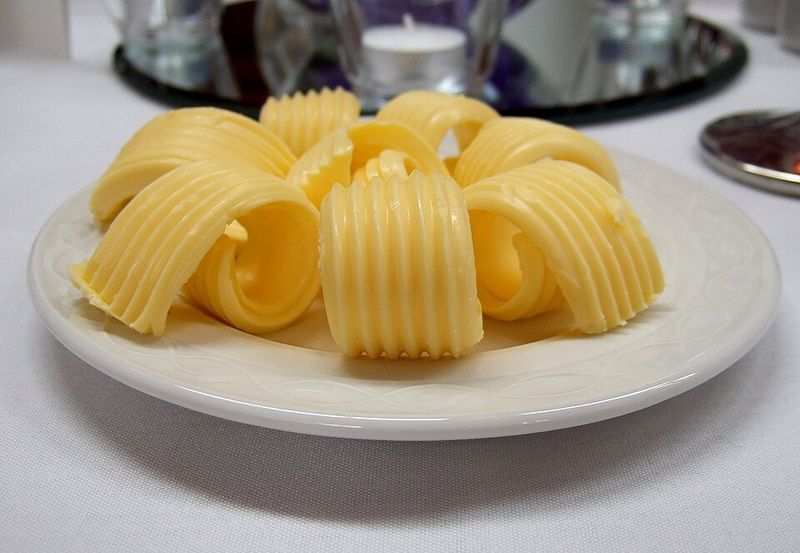
Spread it on toast, melt it over popcorn, stir it into mashed potatoes, and suddenly butter is everywhere. Delicious?
Absolutely. Heart-friendly?
Not so much. Butter is loaded with saturated fat, the kind that signals your liver to pump out more LDL cholesterol into your bloodstream.
Just one tablespoon of butter contains around 7 grams of saturated fat, which is nearly a third of the daily recommended limit for most adults. Swapping butter for olive oil or avocado spread can make a surprisingly big difference over time.
Small daily choices stack up fast. Your arteries are quietly keeping score.
2. Full-Fat Dairy Products
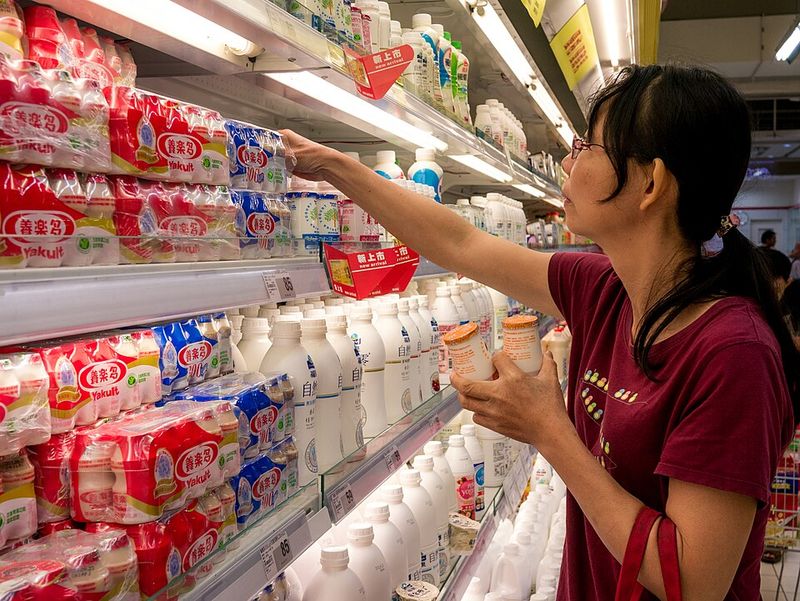
Whole milk, heavy cream, and rich cheeses feel like comfort in a glass or on a cracker. However, full-fat dairy products carry a heavy load of saturated fat that can quietly nudge LDL cholesterol higher with every serving.
A single ounce of cheddar cheese packs about 6 grams of saturated fat. Multiply that across daily snacking, and the numbers add up faster than a viral math problem.
Switching to low-fat or fat-free versions of your favorite dairy items keeps the flavor while cutting down on the artery-clogging risk.
Your bones still get the calcium. Your heart gets a much-needed break.
3. Red Meat
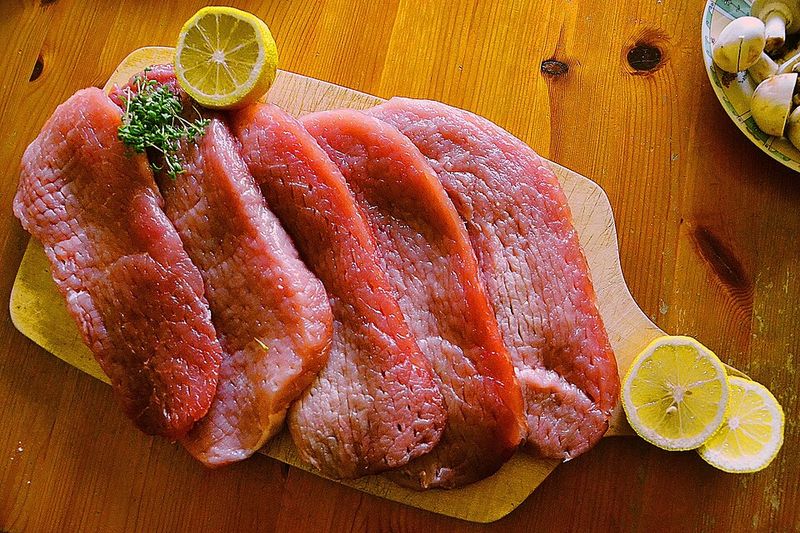
A sizzling steak might feel like a reward after a long week, but red meat carries a hidden cost your cholesterol levels quietly pay. Beef, lamb, and pork are naturally high in saturated fats and dietary cholesterol, a combo that encourages LDL buildup in the arteries.
Studies show that eating red meat regularly, especially fatty cuts, is linked to higher rates of heart disease. Leaner options like chicken breast or fish offer solid protein without the same cardiovascular baggage.
If red meat is a regular on your plate, consider trimming portions and choosing leaner cuts. Balance is the real secret weapon here.
4. Processed Meats
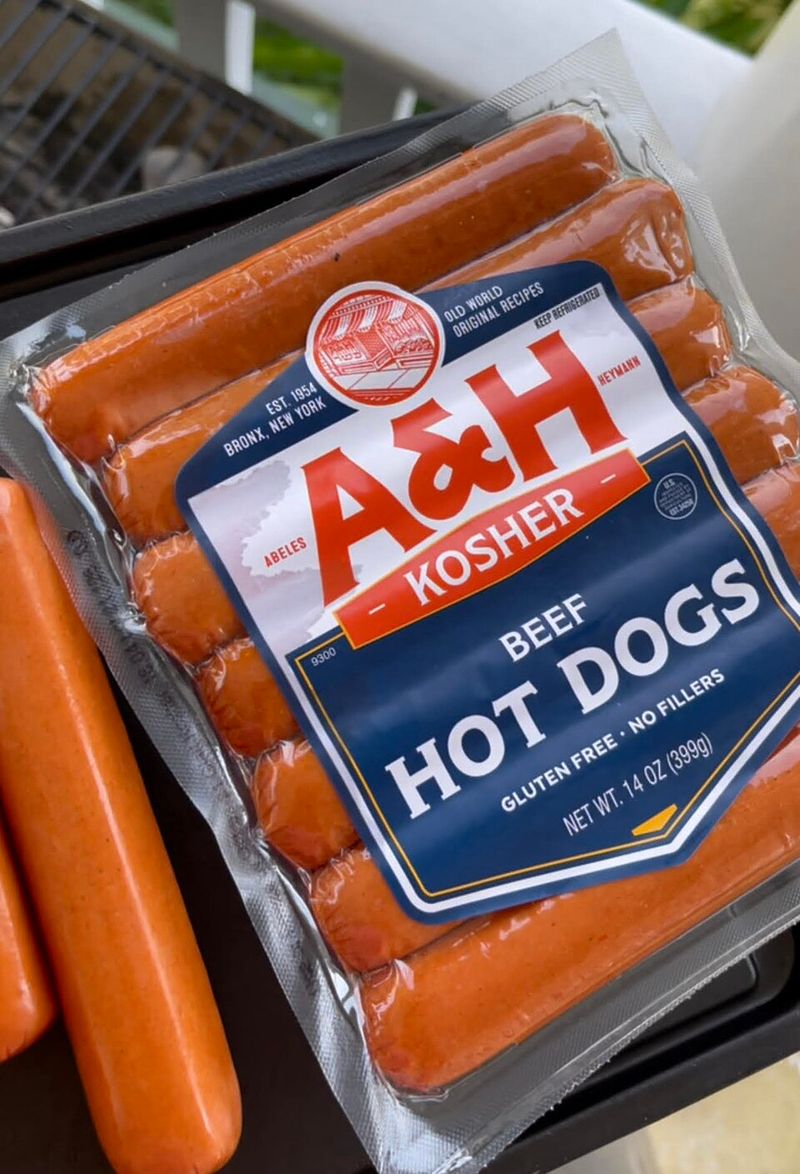
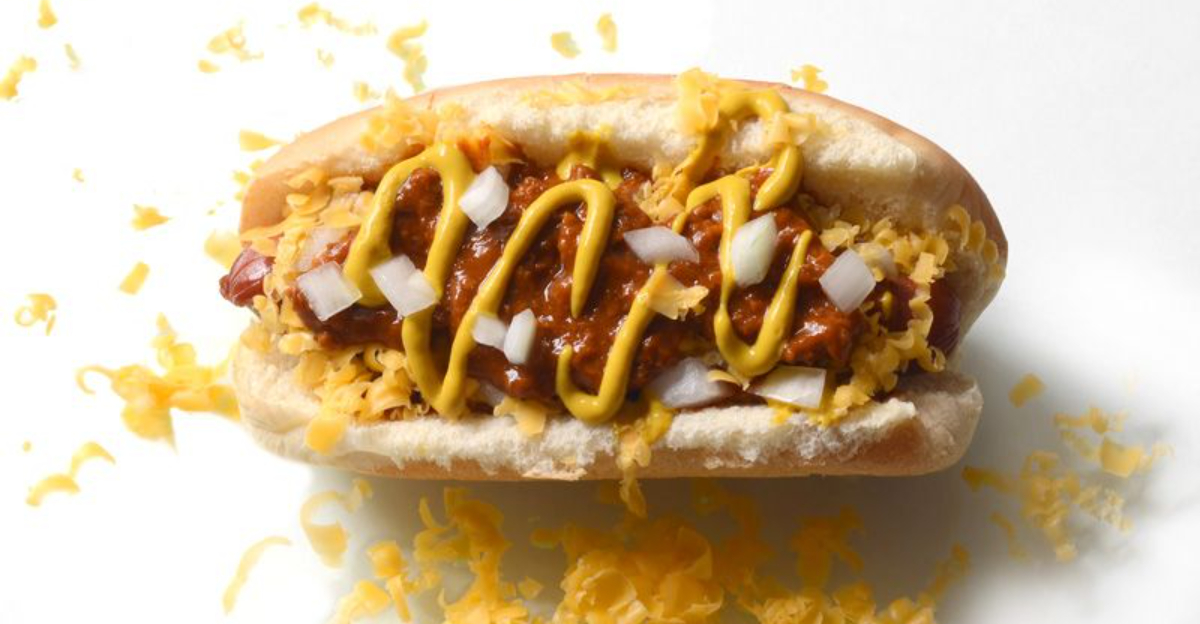
Hot dogs at the ballpark, salami on a sandwich, pepperoni on Friday night pizza: processed meats are practically woven into everyday eating habits. However, behind all that smoky, salty flavor lurks a serious cholesterol concern.
Sausages, deli meats, and hot dogs are packed with saturated fat and sodium, both of which can raise LDL cholesterol and stress the cardiovascular system. The American Heart Association recommends limiting processed meat intake as part of a heart-healthy diet.
Replacing deli slices with grilled turkey or hummus on sandwiches is a small swap. Over months, small swaps build into seriously healthier habits.
5. Fried Foods

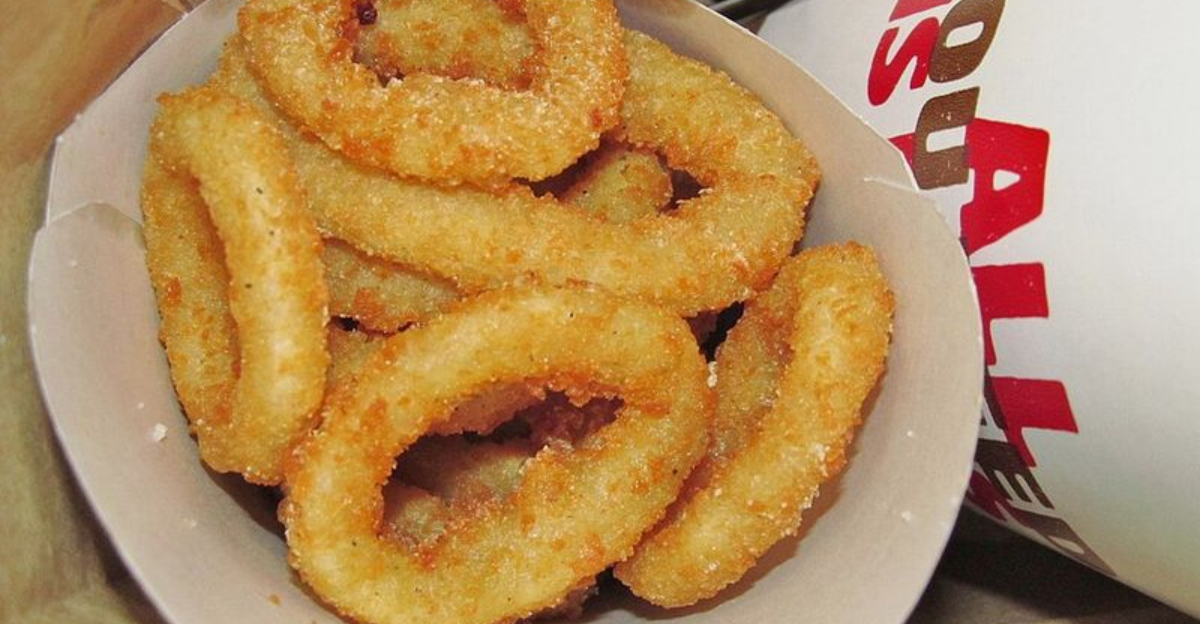
Crispy, golden, and undeniably satisfying, fried foods are basically the superheroes of comfort eating. Except instead of saving the day, fried chicken and French fries are quietly working against your cholesterol levels.
When foods are deep-fried in partially hydrogenated oils, they absorb trans fats, which are widely considered the worst type of fat for heart health. Trans fats raise LDL cholesterol AND lower HDL, the good kind, making it a double hit your heart did not sign up for.
Air-frying or baking gives you that satisfying crunch without the cholesterol chaos. Your taste buds barely notice the difference, but your arteries absolutely will.
6. Baked Goods
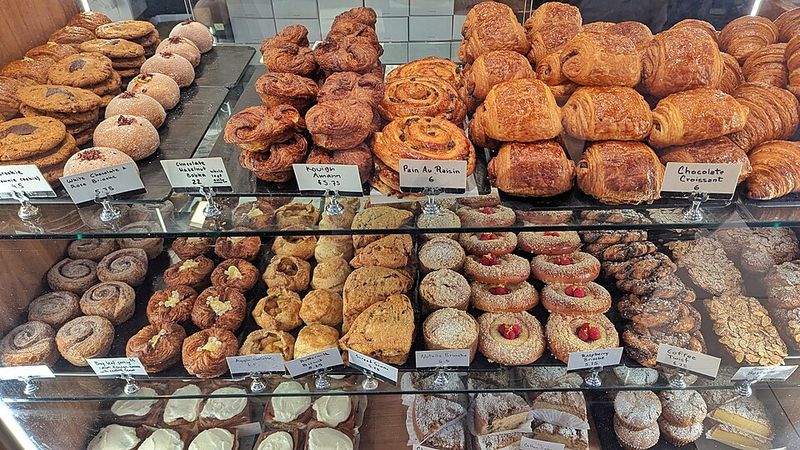
Walking past a bakery window is basically a test of willpower nobody asked for. Croissants, cookies, cakes, and muffins smell incredible, but most store-bought and homemade baked goods are built on a foundation of butter, shortening, or partially hydrogenated oils.
All three ingredients are rich in saturated or trans fats, which drive LDL cholesterol higher. A single glazed donut can contain up to 3 grams of trans fat, which is already over most health guidelines for the entire day.
Baking at home using applesauce, mashed banana, or avocado oil as substitutes dramatically reduces the fat damage. Treats can still happen, just smarter ones.
7. Tropical Oils
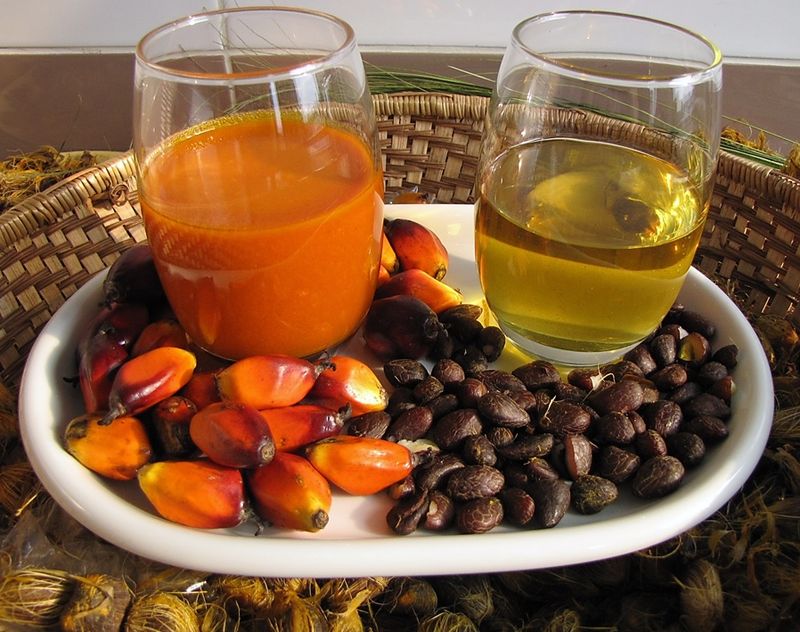
Coconut oil got a massive glow-up on social media a few years back, marketed as a superfood cure-all. However, science tells a more complicated story.
Both coconut oil and palm oil are tropical oils packed with saturated fat, sometimes even more than butter.
Coconut oil is about 82% saturated fat. For comparison, butter sits around 63%.
Regularly cooking with tropical oils can raise LDL cholesterol levels over time, even if the packaging looks natural and organic.
Heart-healthy alternatives like olive oil, canola oil, or sunflower oil are far better choices for daily cooking. Trendy does not always mean healthy, just saying.
8. Fast Food
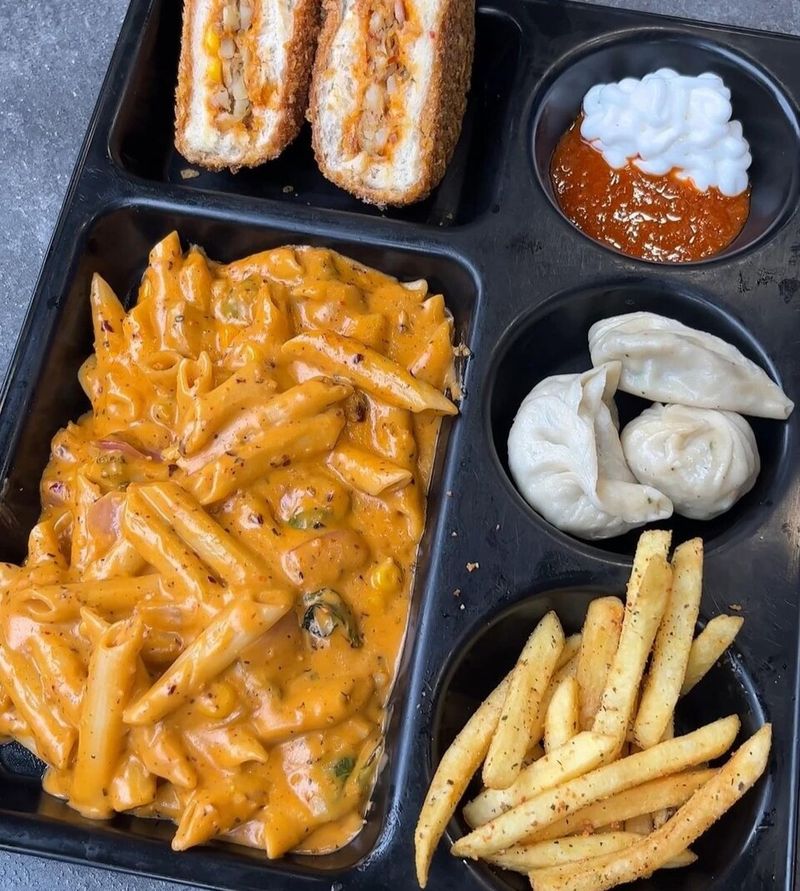
Convenient, cheap, and ready in minutes, fast food fits into busy lives like a puzzle piece nobody wants to admit is the wrong shape. Burgers, fried sandwiches, and loaded pizzas are typically built on layers of saturated fat, trans fat, and sodium.
A single fast food meal can deliver more saturated fat than the recommended daily limit in one sitting. Regular fast food consumption is strongly linked to elevated LDL cholesterol and increased cardiovascular risk according to multiple nutrition studies.
Choosing grilled over fried, skipping the extra cheese, and opting for water over soda are small but meaningful moves. Progress beats perfection every single time.
9. Snack Foods
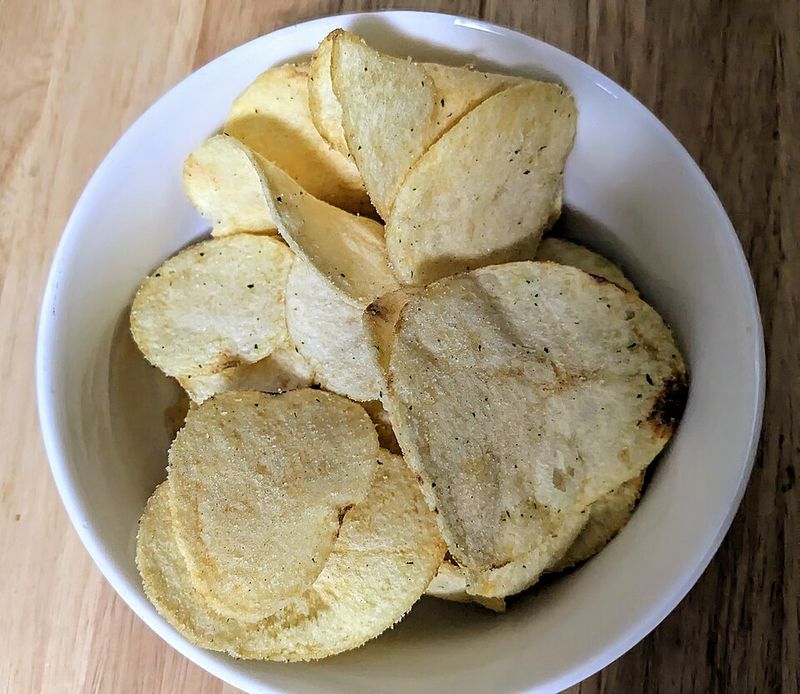
Potato chips, cheese puffs, and buttery crackers are the ultimate couch companions, crunchy, salty, and impossible to stop eating once the bag is open. However, many packaged snack foods contain trans fats or high levels of saturated fat hiding right in the ingredient list under sneaky names like partially hydrogenated vegetable oil.
Even snacks labeled zero trans fat can still contain up to 0.5 grams per serving, which adds up quickly across multiple handfuls. Reading nutrition labels is genuinely one of the most powerful health habits anyone can build.
Swapping chips for air-popped popcorn or roasted nuts keeps the crunch alive without the cholesterol drama. Snacking smart is an art form worth mastering.
10. Certain Margarines
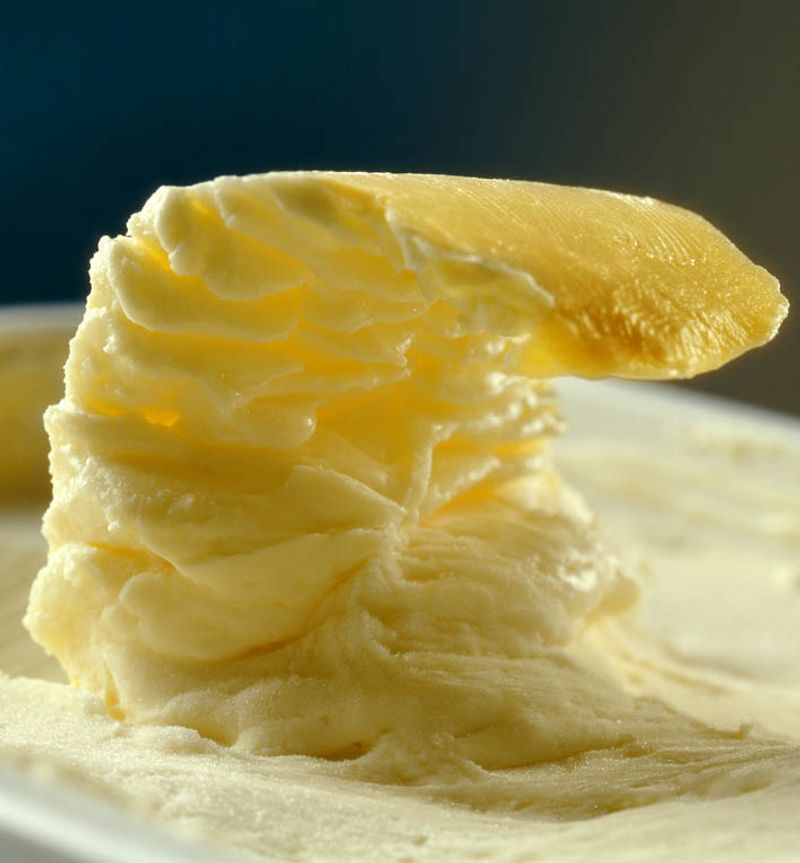
Margarine was originally marketed as the heart-healthy alternative to butter, which sounds great until you flip the container and read the fine print. Older and certain budget margarines are made using a process called partial hydrogenation, which creates trans fats as a byproduct.
Trans fats are particularly harmful because they raise LDL cholesterol while simultaneously lowering HDL cholesterol, basically a two-for-one deal nobody wants. Not all margarines are created equal, though.
Newer soft-tub varieties made without hydrogenated oils are significantly better for cardiovascular health.
Always check for the words partially hydrogenated oil on any label before buying. If it is listed, put it back on the shelf confidently.