10 Expert Tips For Discovering The Best Food While Traveling In Japan
Japan isn’t just about sushi and ramen anymore. Around every corner, down narrow alleyways, and inside bustling markets, an entire world of flavors waits to surprise your taste buds.
Bite into crispy takoyaki in Osaka, slurp steaming udon in a quiet countryside shop, or discover hidden izakayas serving dishes locals swear by. Navigating Japan’s culinary scene is like unlocking secret levels in a favorite video game, each stop more delicious than the last.
Explore these insider tips and eat your way through the Land of the Rising Sun like a true local foodie.
1. Hunt Down Local Markets Like a Treasure Seeker
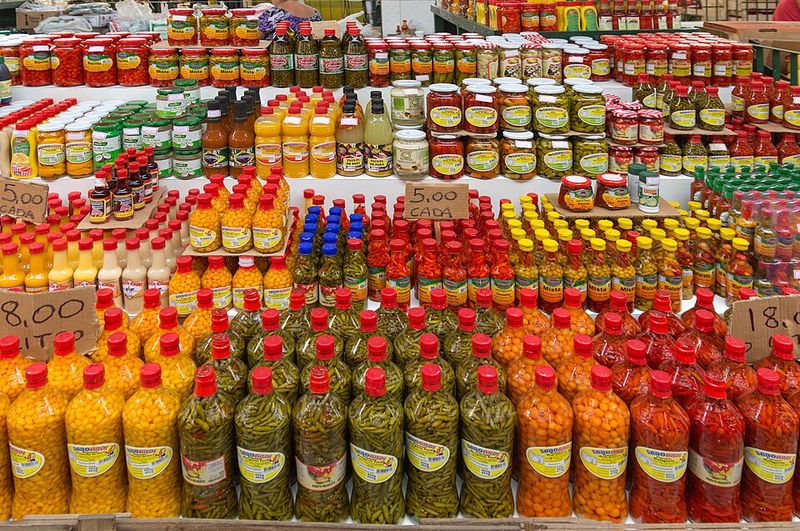
Tokyo’s Tsukiji Outer Market still thrives with energy, while Toyosu handles the wholesale action. Kyoto’s Nishiki Market stretches like a delicious tunnel filled with pickles, sweets, and grilled seafood skewers that smell absolutely incredible.
Osaka’s Kuromon Ichiba Market is nicknamed “Osaka’s Kitchen” for good reason. Vendors grill scallops right before your eyes, and you can munch on fresh sashimi while wandering through the aisles.
Markets reveal what locals actually eat daily, not just tourist favorites. Bring cash, wear comfy shoes, and arrive hungry because you’ll want to sample everything!
2. Follow Your Nose to Hidden Izakayas
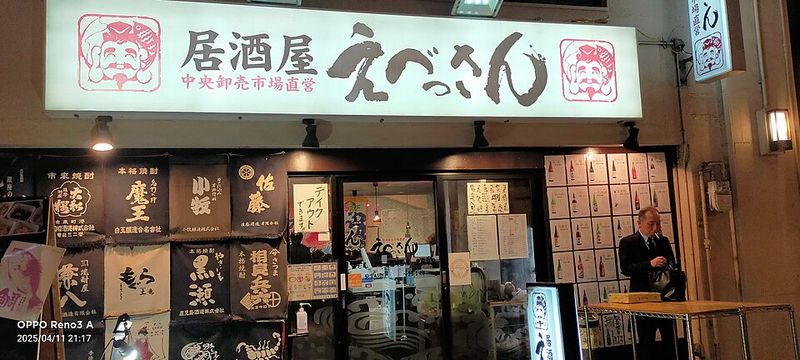
Forget fancy restaurant guides sometimes. The best meals hide behind unmarked doors in residential neighborhoods where salary workers unwind after long days.
These izakayas serve grilled yakitori, crispy karaage, and seasonal dishes that change with the chef’s mood. Look for places with steamy windows, laughter spilling out, and absolutely zero English menus.
That’s your jackpot! Sure, ordering might feel like charades, but pointing and smiling works wonders.
Many izakayas display plastic food models outside, making ordering super easy even without speaking Japanese.
3. Master Tabelog Like a Local Food Critic
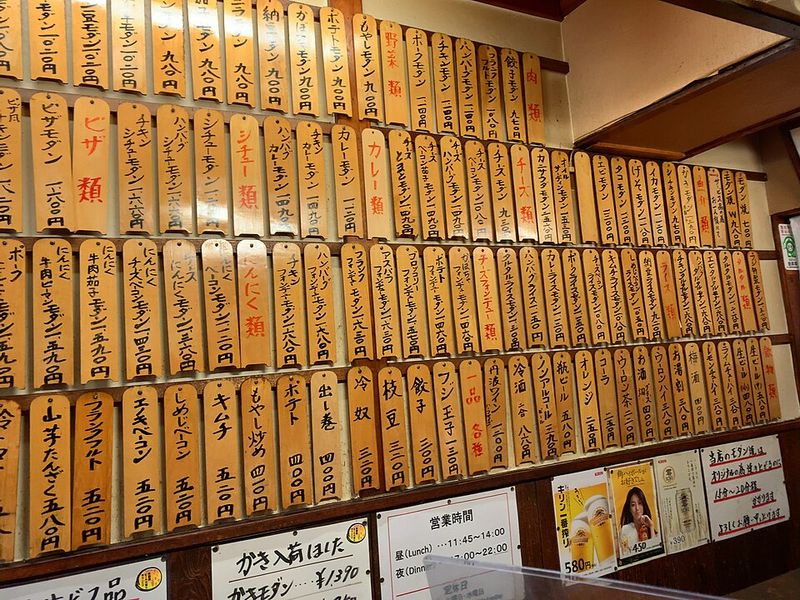
Tabelog is basically Japan’s Yelp, except locals actually trust it. Japanese diners rate restaurants brutally honestly, so a 3.5 rating there equals five stars anywhere else.
Download the app, turn on translation, and suddenly you’ve got insider knowledge in your pocket. Filter by area, cuisine type, and price range to find exactly what you’re craving.
High ratings mean quality that Japanese people vouch for, not just tourist traps with multilingual menus. Pro tip: Check photos uploaded by recent reviewers to see what dishes look amazing right now!
4. Chase Regional Specialties Across Prefectures
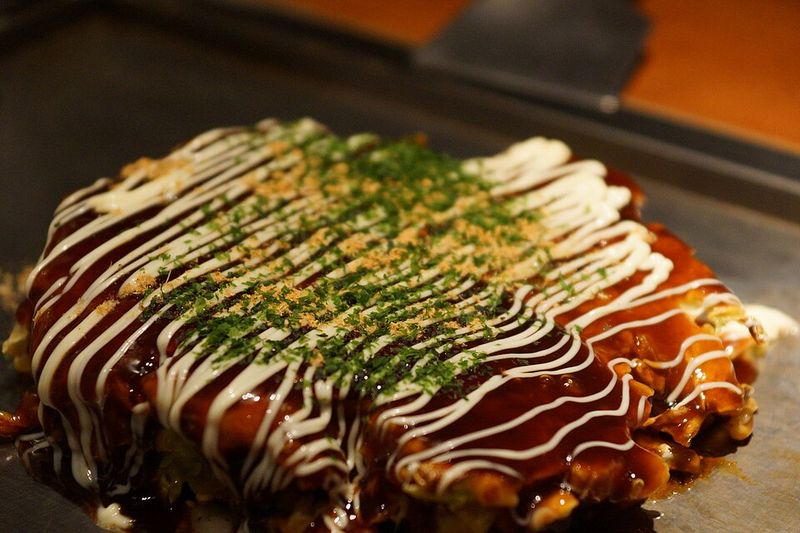
Every Japanese region flexes its own signature dish like a superhero’s special power. Osaka owns okonomiyaki and takoyaki, those addictive octopus balls that pop in your mouth.
Hokkaido boasts creamy soft-serve ice cream and buttery seafood that’ll ruin regular fish forever. Hiroshima serves okonomiyaki layered differently than Osaka’s version, sparking friendly rivalry between cities.
Fukuoka’s tonkotsu ramen hits different than Tokyo’s shoyu style, proving ramen isn’t just ramen. Planning your route around regional foods turns your trip into a delicious scavenger hunt!
5. Respect Dining Etiquette Without Stressing Out
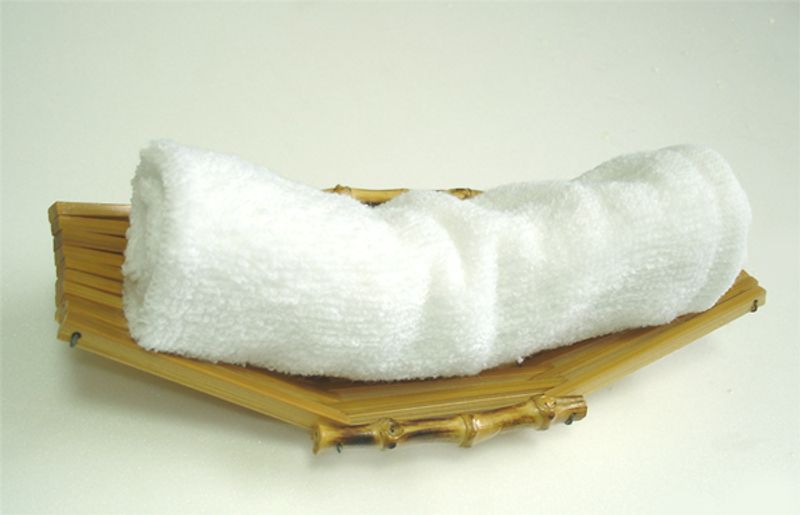
Using the oshibori towel for your hands before eating shows respect, but wiping your face with it? That’s a no-go.
Slurping noodles loudly is actually polite because it shows you’re enjoying your meal and cools down hot noodles simultaneously. However, sticking chopsticks upright in rice looks like funeral rituals, so avoid that move.
Passing food chopstick-to-chopstick also resembles funeral customs and feels awkward for locals. Don’t panic about perfection though.
Japanese people appreciate when visitors try, and they’re usually super understanding about cultural differences!
6. Raid Convenience Stores for Surprisingly Good Grub
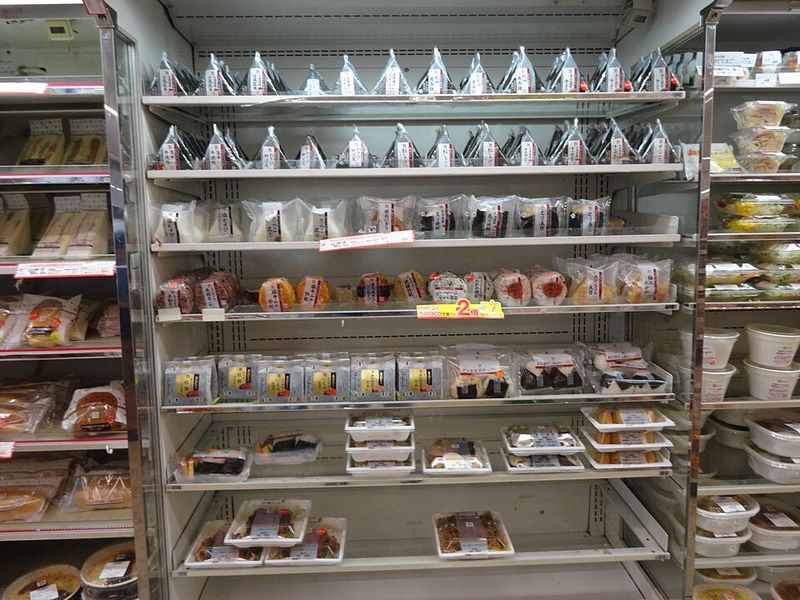
Japanese konbini aren’t your average gas station snack stops. FamilyMart, Lawson, and 7-Eleven stock onigiri with salmon, tuna mayo, or pickled plum that taste freshly made.
Their egg sandwiches have cult followings online for good reason. Hot food sections offer fried chicken, steamed buns, and oden stew during winter months.
Everything’s affordable, available 24/7, and quality-controlled to Japanese standards, meaning it’s legitimately tasty. Grab a konbini haul for picnics in parks or quick meals between temple visits.
Your wallet and stomach will thank you!
7. Book Food Tours for Behind-the-Scenes Access
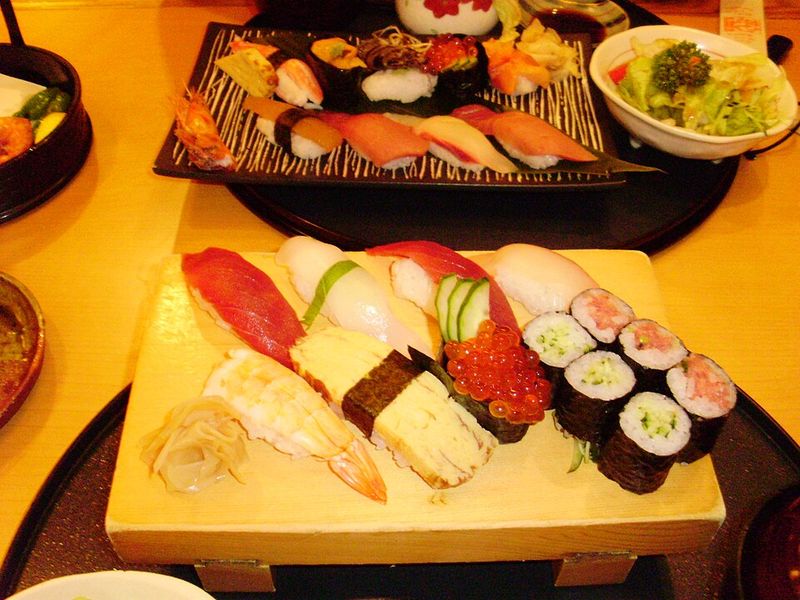
Guided food tours unlock doors that independent travelers might miss entirely. Local guides know which stalls serve the crispiest tempura, which shops hide century-old recipes, and how to order like a regular customer instead of a confused tourist.
Many tours include market visits where you’ll meet vendors, learn ingredient selection tips, and taste samples most visitors never discover. Some even arrange kitchen visits where chefs explain techniques passed through generations.
Yes, tours cost extra, but the knowledge and connections gained make them worth every yen for food enthusiasts!
8. Take Cooking Classes to Decode the Magic
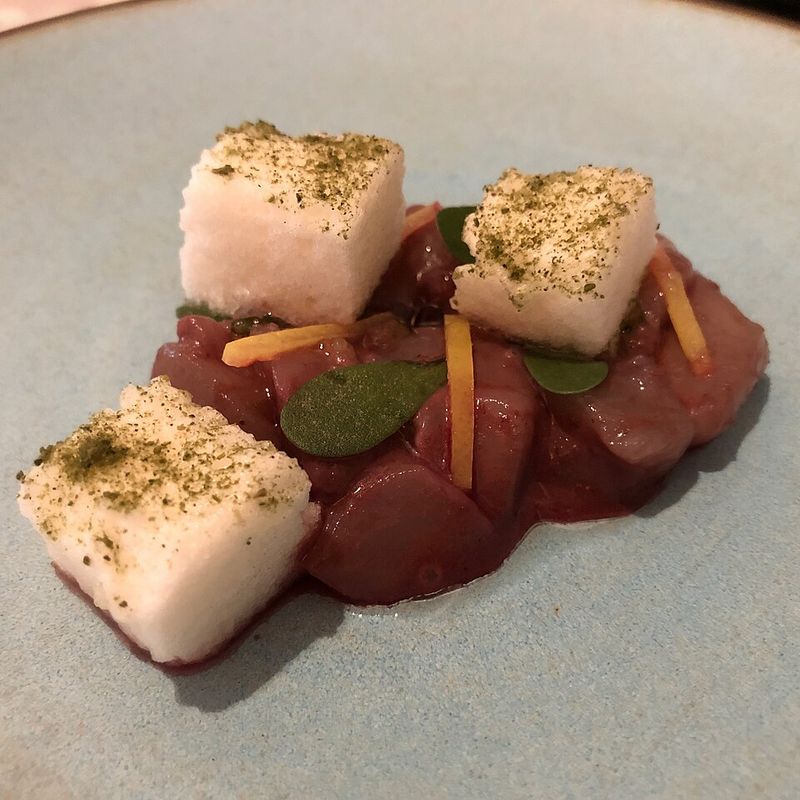
Watching someone make perfect sushi or silky ramen broth teaches you way more than just eating it. Cooking classes throughout Japan range from home-style meals in local apartments to professional techniques in culinary schools.
You’ll learn why Japanese rice tastes different, how dashi broth creates umami depth, and the proper way to roll maki without everything falling apart. Plus, you get to eat your creations afterward, which feels incredibly satisfying.
Many classes provide recipe cards so you can recreate dishes at home and impress your friends with authentic Japanese cooking!
9. Venture Beyond Tokyo’s Tourist Bubble
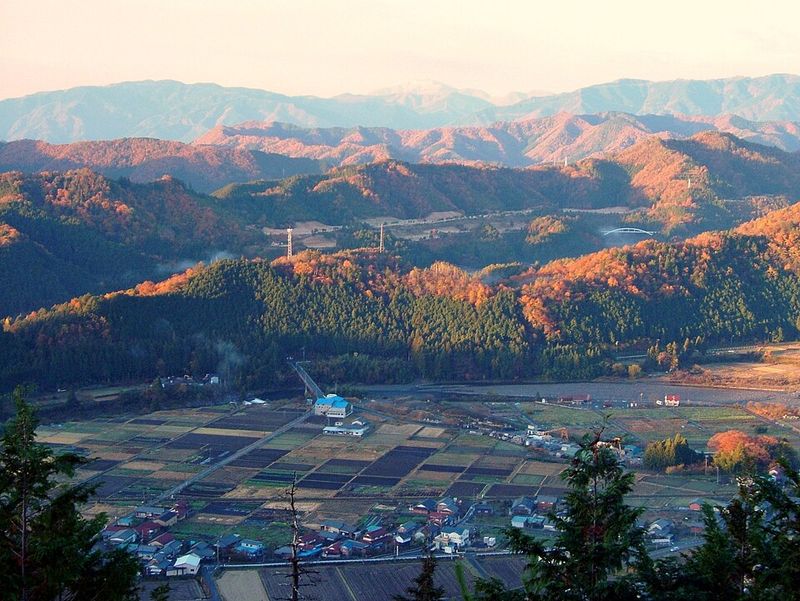
Tokyo’s amazing, but some of Japan’s most memorable meals happen in tiny towns where grandmothers cook recipes unchanged for decades. Countryside shokudo serve home-style teishoku sets with miso soup, rice, pickles, and whatever’s seasonal that day.
These family-run spots don’t appear on Instagram much, but locals line up because the food tastes like comfort wrapped in tradition. Menus might be entirely Japanese, but smiling and pointing at neighboring tables usually works perfectly.
Train rides to smaller cities become culinary adventures when you stop at random stations and explore nearby restaurants!
10. Learn Basic Food Japanese Phrases
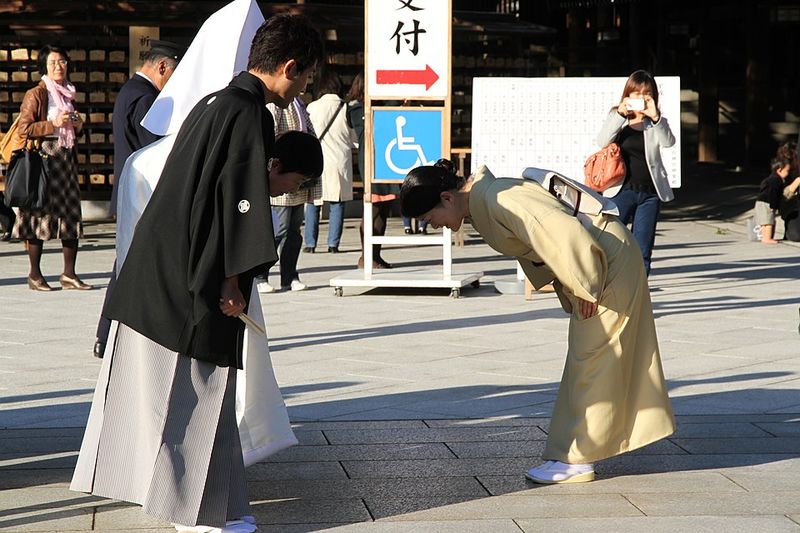
Knowing a few key phrases transforms your dining experience from confusing to confident. “Oishii” means delicious and makes servers smile when you say it after amazing bites. “Itadakimasu” before eating and “gochisousama deshita” after finishing show gratitude and respect. “Sumimasen” gets attention politely, while “osusume wa nan desu ka” asks for recommendations, often leading to chef’s special dishes. Download a translation app, but practicing basic phrases shows effort that Japanese people genuinely appreciate.
Even broken Japanese opens doors to warmer interactions and sometimes extra treats from grateful restaurant owners!