20 Expressions Older Generations Use That Sound Totally Foreign Now
Language changes faster than you can say “groovy.”
Phrases that once rolled off everyone’s tongue now make younger folks scratch their heads in confusion.
These old-timey expressions carry stories from decades past, and hearing them today feels like stepping into a time machine without leaving your living room.
1. Don’t Touch That Dial

Back when televisions had actual rotating knobs, people warned you not to mess with the channel selector.
Radios worked the same way, requiring physical turning to find your favorite station.
Today’s remote controls and streaming services make this phrase sound ancient.
Nobody under thirty has probably ever touched a dial on their entertainment device, making this expression wonderfully obsolete.
2. You Sound Like a Broken Record

Vinyl records would skip and repeat the same section endlessly when scratched or damaged.
Annoying doesn’t even begin to describe hearing the same lyrics loop forever.
When someone kept repeating themselves, this comparison made perfect sense.
Nowadays, with digital music dominating, younger generations have never experienced the frustration of a stuck record groove.
3. Don’t Take Any Wooden Nickels

During the Great Depression era, con artists supposedly tried passing fake wooden coins as real currency.
This farewell warning meant to stay alert and avoid getting scammed.
The phrase sounds completely bizarre to modern ears.
Most young people have never even seen a nickel made of actual nickel, let alone a wooden counterfeit version of one!
4. Let’s Make Tracks

Railroad travel dominated American transportation for generations, and leaving somewhere meant literally making tracks down the rails.
The expression stuck around long after trains stopped being the primary travel method.
Saying this today gets you strange looks from anyone born after 1990.
The connection between leaving and railroad tracks has completely vanished from everyday consciousness.
5. Heavens to Betsy

Nobody knows who Betsy was or why heaven needed to reach her specifically.
This exclamation of surprise has mysterious origins that language experts still debate today.
Grandparents still blurt this out when shocked, but teenagers think it sounds absolutely ridiculous.
The phrase has zero connection to anything in modern culture, making it perfectly foreign to younger ears.
6. That’s the Bee’s Knees

Jazz Age slang from the 1920s declared something exceptional by comparing it to bee anatomy. Why knees specifically?
Because it rhymed and sounded snappy, which was all that mattered to flappers.
Using this phrase now marks you as either very old or ironically retro.
Modern compliments have evolved far beyond insect joints, though the expression remains charmingly quirky.
7. Hold Your Horses

When horses provided the main transportation, you literally needed to hold their reins to prevent them from bolting forward.
Patience meant keeping your animals under control before proceeding.
Cars replaced horses over a century ago, yet the expression lingers.
Kids today have never held actual horse reins, making this patience plea sound completely outdated and weird.
8. Don’t Flip Your Wig
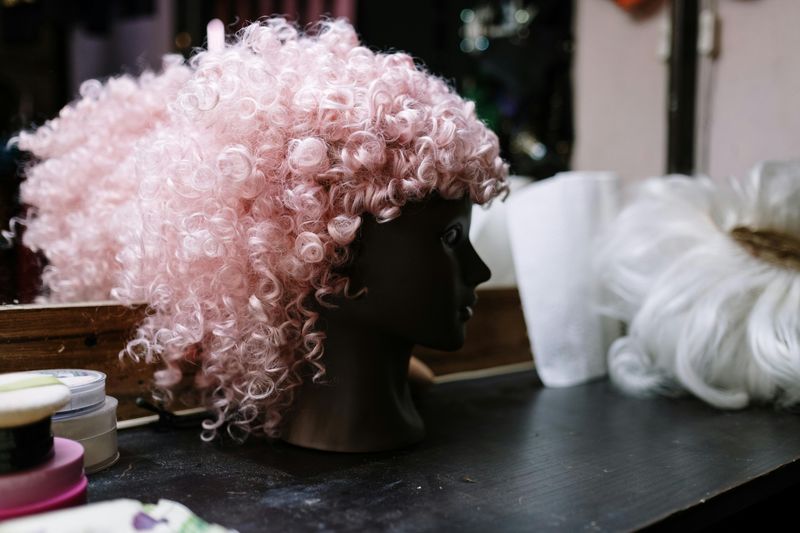
Fancy powdered wigs were fashion statements centuries ago, and losing your composure meant your hairpiece might literally flip off.
The expression warned against getting too excited or angry.
Wigs aren’t everyday wear anymore, except for special occasions.
Telling someone not to flip theirs sounds completely absurd to anyone under forty who’s never worn formal headwear.
9. Cool Your Jets

Jet engines revolutionized aviation in the 1950s, running incredibly hot and requiring cooldown periods.
The metaphor meant to calm down and stop being so aggressive or impatient.
While jets still fly overhead, the connection between airplane engines and personal anger has faded.
Younger folks find this expression oddly specific and unnecessarily complicated for such a simple concept.
10. That’s a Real Gas
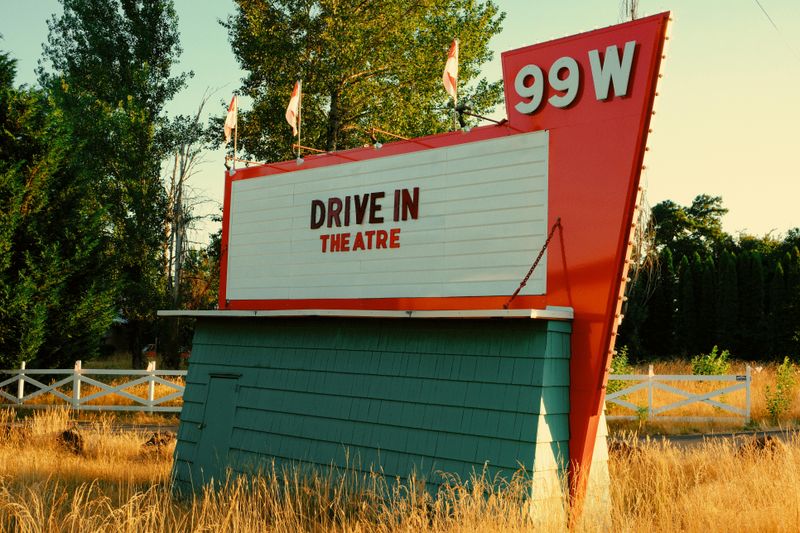
Laughing gas and gasoline-powered fun dominated the 1950s and 60s, making “gas” slang for something exciting or hilarious.
Drive-in movies and hot rods defined entertainment for that generation.
Environmental consciousness has changed how we view gasoline completely.
Calling something “a gas” now sounds dated and disconnected from modern sensibilities about fossil fuels and climate change.
11. Burning the Midnight Oil
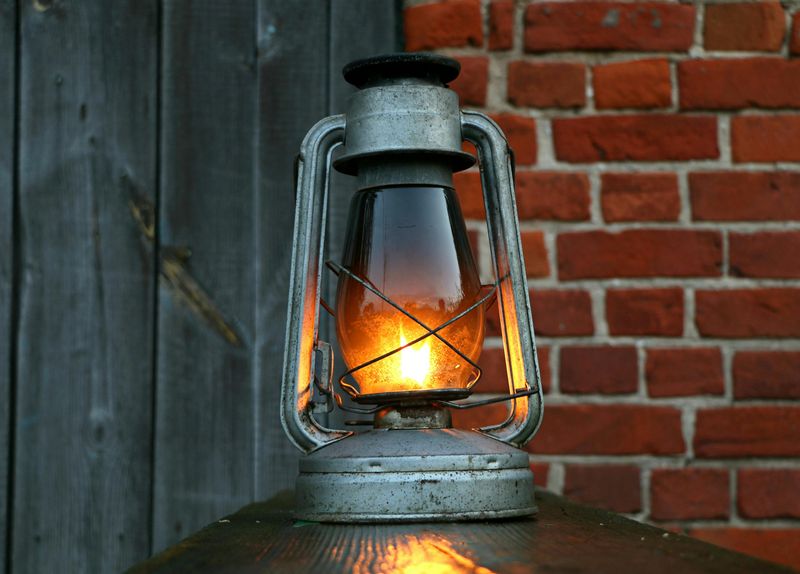
Before electricity, oil lamps provided the only light for working after sunset.
Staying up late meant literally burning through your oil supply to keep the flame going.
Electric lights have been standard for over a century now.
The phrase persists, but younger people have no frame of reference for oil lamps as essential lighting sources.
12. Don’t Have a Cow
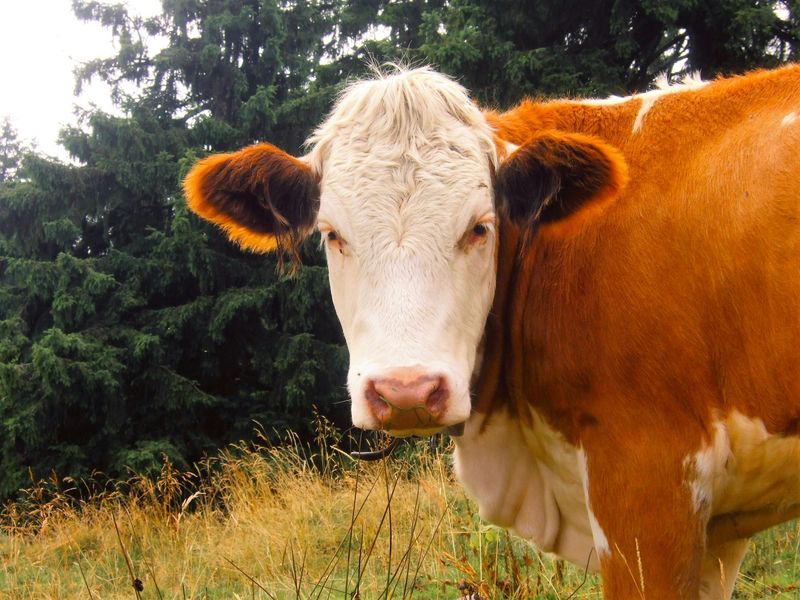
Having a cow meant experiencing an extreme overreaction, like a cow giving birth – dramatic, messy, and loud.
The phrase gained popularity through 1980s and 90s television shows.
While not ancient, it already sounds dated to Generation Z.
The connection between bovine birthing and human anger seems random and unnecessarily agricultural to urban kids today.
13. That Really Creams My Corn
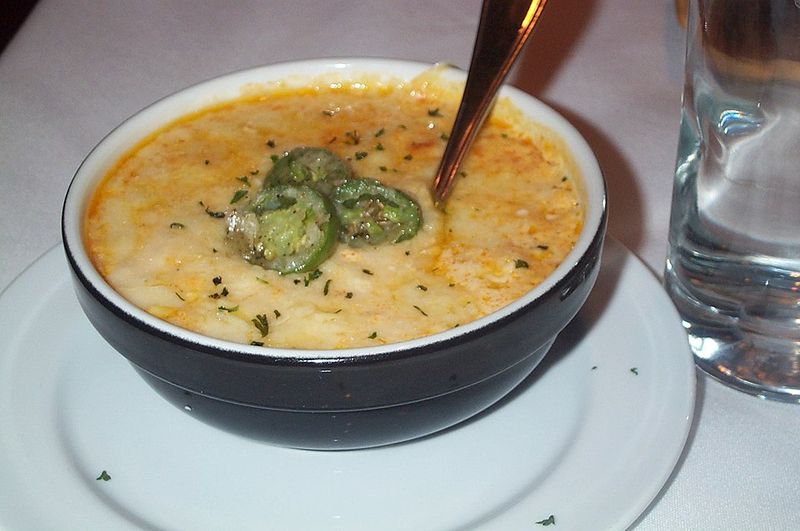
Midwestern farm culture gave us this bizarre expression of annoyance.
Creamed corn required extra work to prepare, and the phrase suggested something was unnecessarily bothersome.
Agricultural references have lost relevance as fewer people grow their own food.
The expression sounds completely random to anyone unfamiliar with traditional corn preparation methods.
14. Cut a Rug
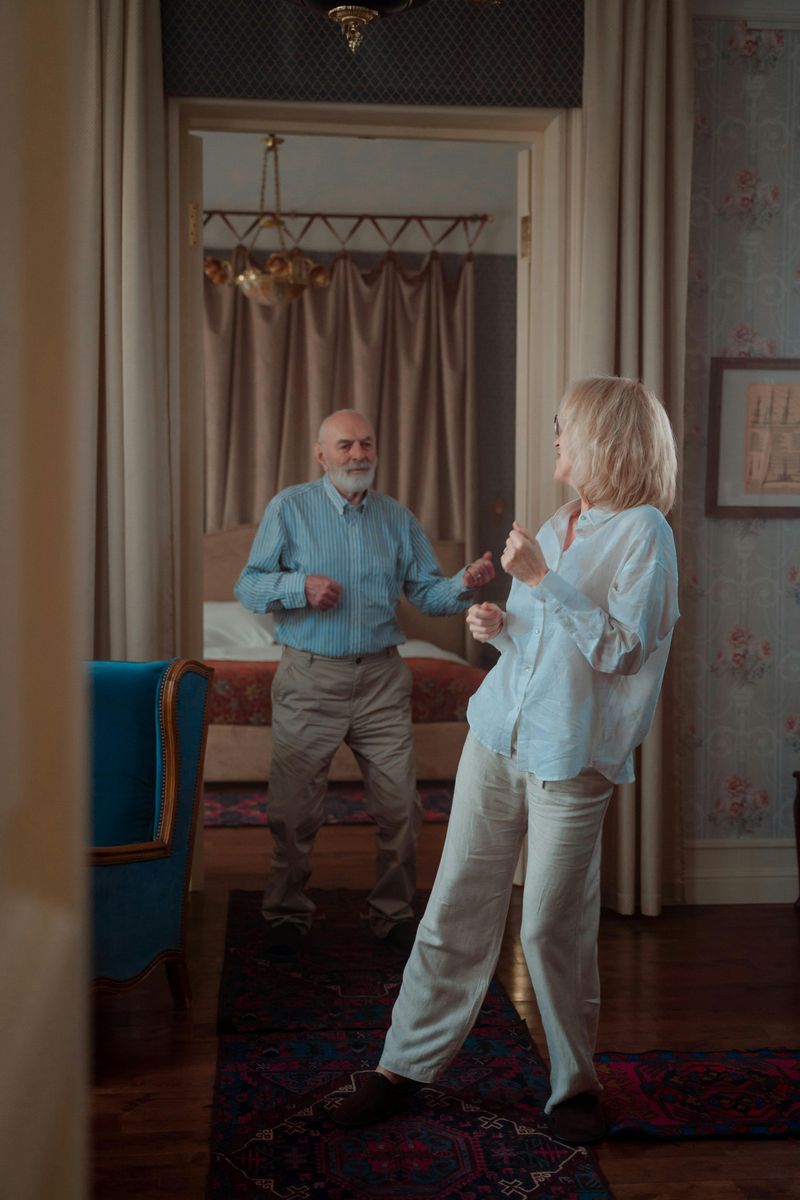
Energetic dancing during the swing era supposedly wore patterns into carpets, as if dancers were cutting designs with their feet.
Dance halls saw so much action that rugs genuinely showed damage.
Wall-to-wall carpeting and modern flooring have replaced fancy rugs in most venues.
Younger dancers have no concept of literally damaging floor coverings with their moves.
15. You’re in Hot Water Now

Before modern plumbing, heating water required significant effort and expense.
Being in hot water meant you were in a costly, uncomfortable situation you couldn’t easily escape.
Instant hot water from taps has eliminated the struggle our ancestors faced.
The metaphor still works, but the visceral understanding of water-heating difficulty has completely vanished.
16. That’s the Cat’s Pajamas
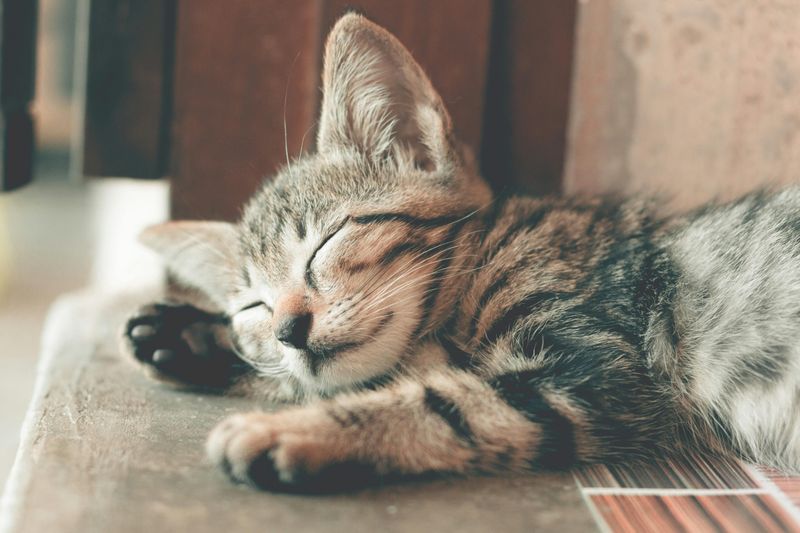
Jazz Age slang struck again with this absurd compliment suggesting something was as impressive as a feline in sleepwear.
The 1920s loved creating nonsensical phrases that sounded catchy.
Cats don’t wear pajamas, and nobody talks like a flapper anymore.
The expression sounds completely ridiculous to modern ears, which honestly makes it kind of charming in its weirdness.
17. Mind Your P’s and Q’s

Theories about this phrase’s origin range from printing press letters to pub tabs.
Regardless of its source, it means to watch your behavior and be on your best manners.
The specific letter reference confuses young people who’ve never encountered the historical context.
Saying “be polite” would communicate the same idea without the mysterious alphabet involvement.
18. Beat Around the Bush

Hunters once beat bushes to flush out game birds without directly approaching them.
Beating around instead of going straight to the bush meant avoiding the main point unnecessarily.
Most people have never hunted with such techniques.
The phrase survives, but its hunting origins are completely unknown to urban populations who’ve never flushed game from vegetation.
19. The Whole Nine Yards
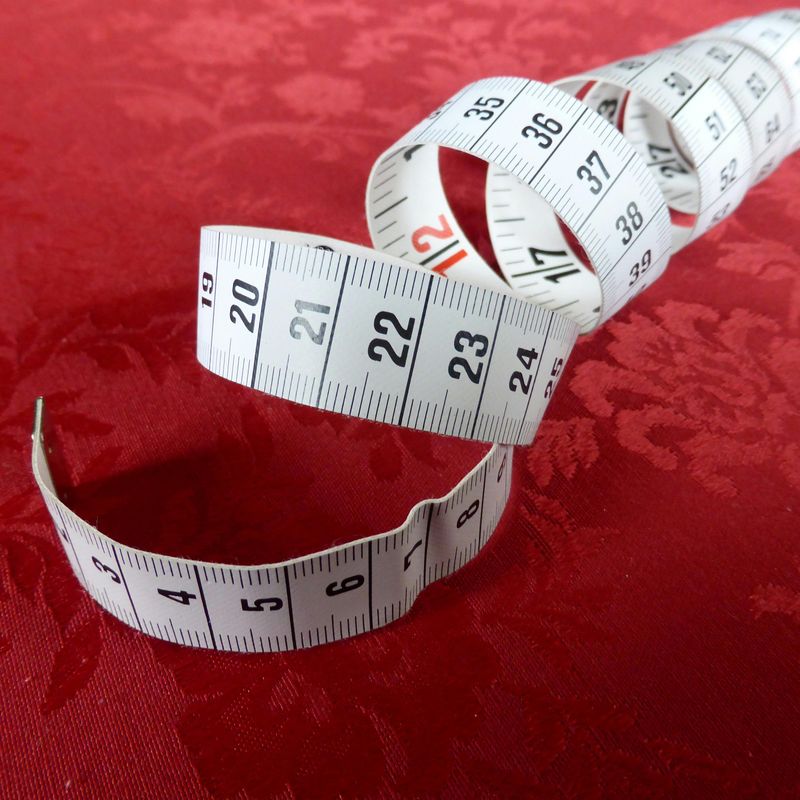
Arguments rage about this phrase’s origin – ammunition belts, fabric bolts, or concrete trucks all claim credit.
Whatever the source, it means giving absolutely everything you’ve got.
Without knowing the original nine-yard reference, the phrase sounds arbitrary. Why nine yards specifically?
Younger generations find the measurement oddly specific and historically disconnected from their experience.
20. Bob’s Your Uncle
This British expression supposedly originated from political nepotism in Victorian England.
It means something will work out easily, though Americans rarely use or understand it.
The phrase makes zero logical sense without historical context.
Younger people hearing it wonder who Bob is and why having him as an uncle suddenly makes everything simple!