12 Facts About George Carlin And The Voice That Changed Comedy
Rules show up and George Carlin immediately starts questioning them.
Simple observations turn into sharp ideas that make people laugh and think at the same time.
Language gets flipped, norms get challenged, and suddenly a joke feels like it is doing more than just being funny.
12. A Manhattan Kid With Street-Smart Roots
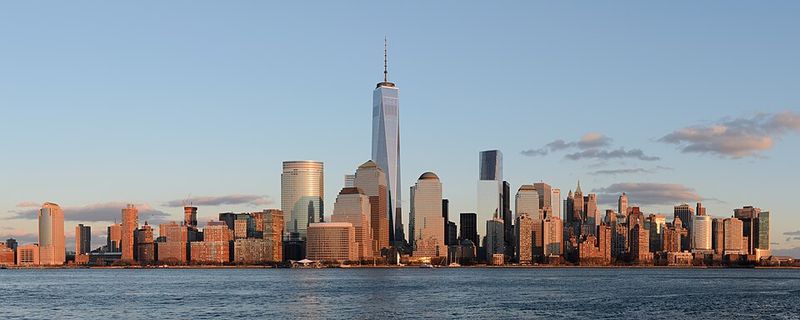
Growing up in Manhattan gave young George Carlin a front-row seat to the noise, humor, and grit of city life.
That rhythm of the streets seeped into every punchline he ever wrote. The quick wit of New York was basically his first comedy school.
Born on May 12, 1937, Carlin absorbed the cadence of the city before he ever stepped near a microphone.
11. From Airman To Comedian

Long before the shaggy hair and razor-edged social commentary, George Carlin spent part of the 1950s in a U.S. Air Force uniform, a chapter many fans still do not associate with him right away.
Military life and stand-up comedy sound like total opposites, yet that period became one of the least expected chapters in his early story. Even back then, rules never seemed to fit him especially well.
10. The Reinvention That Changed Everything
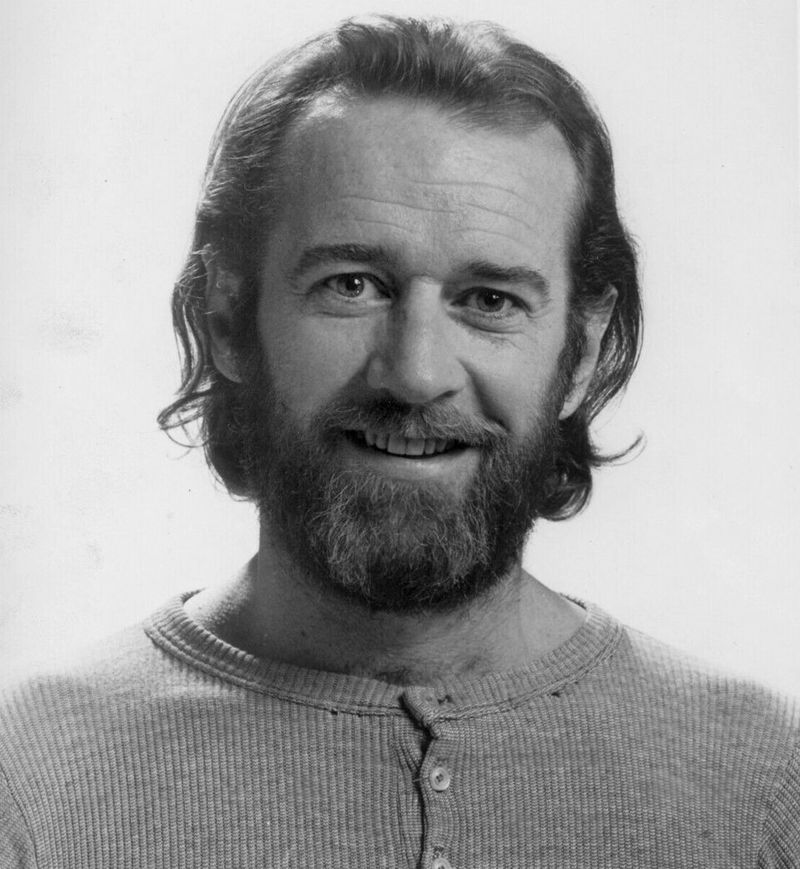
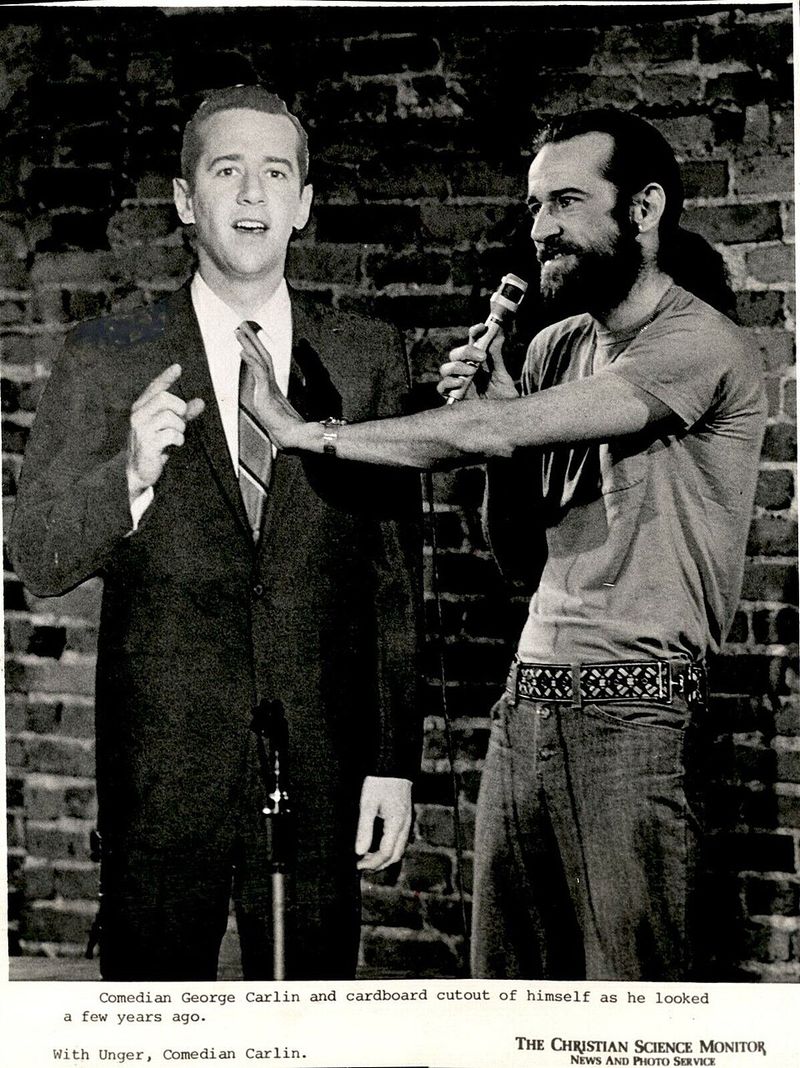
Around 1970, Carlin made a bold creative leap. Out went the suit and tie, and in came jeans, a beard, longer hair, and a much sharper edge in the material.
It was not just a wardrobe change. The whole voice shifted, becoming more rebellious, more personal, and more willing to poke at power.
That reinvention turned a solid career into a legendary one.
9. Seven Words That Shook Radio

“Seven Dirty Words” landed on Class Clown like a cultural flashpoint. Performance from George Carlin laid out a list of words he argued could not be said on television, delivered with a tone that felt almost instructional.
Audience reactions ranged from laughter to discomfort, while broadcasters and regulators responded with immediate concern.
Conversation around language, censorship, and comedy shifted in a lasting way, cementing the routine as one of the era’s most discussed pieces.
8. Arrested At A Music Festival

Warm July air at Summerfest, a crowd in Milwaukee laughing hard, and police suddenly moving toward the stage turned one George Carlin set in 1972 into instant legend.
Arrest followed the routine at Milwaukee’s Summerfest in July 1972, turning a comedy set into a much larger argument about speech and broadcast standards.
Very few comedians ever made censorship look so dramatic. Even fewer made it look so absurd.
7. The Supreme Court Heard His Act
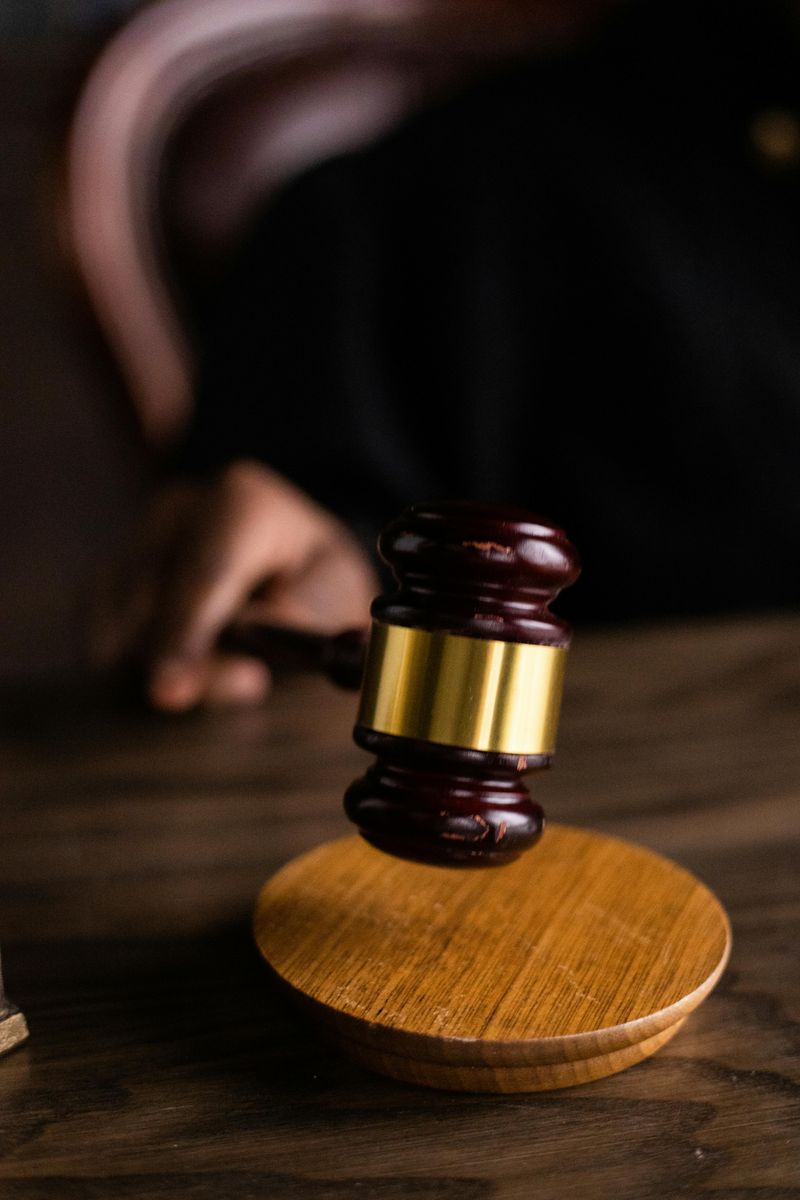
Not many comedy routines end up argued before the highest court in the land, but Carlin’s did. The ‘Seven Dirty Words’ routine became central to the landmark Supreme Court case FCC v. Pacifica Foundation.
The 1978 ruling shaped the rules around broadcast indecency in the U.S. for decades to come.
His words, quite literally, changed the law of the airwaves.
6. He Opened Saturday Night Live
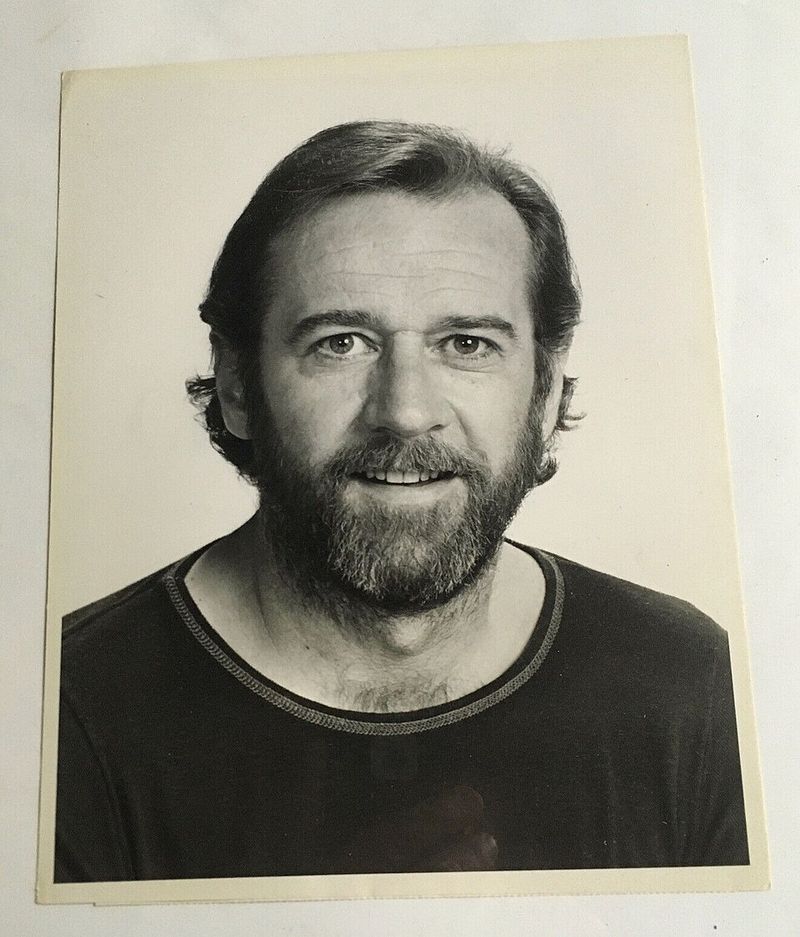
Opening night of Saturday Night Live featured George Carlin as host, placing him at the very start of a long-running television legacy.
Unusual choice defined his appearance, opting out of sketches and sticking strictly to stand-up segments between acts. Creative control stayed firmly in his hands, reflecting a style built around doing things his own way.
Show itself grew into a lasting cultural institution, with that first episode now part of television history.
5. HBO’s Favorite Stand-Up Voice

Comedy history does not have many partnerships quite like the one George Carlin built with HBO, where 14 stand-up specials turned his run with the network into one of the medium’s most substantial comedian-channel relationships.
Each special felt like a performance event rather than just another taped set, with the final one, It’s Bad for Ya, airing in 2008. Fourteen alone tells the story.
4. Five Grammys And Counting

Five Grammy Awards and 17 nominations place George Carlin among the most recognized figures in recorded comedy. Recognition at the Grammy Awards highlights how his albums stood alongside top-tier performances year after year.
Consistency across decades showed that acclaim came from more than popularity alone.
Repeated wins reflected a body of work that the industry continued to view as truly exceptional.
3. More Than Just Stand-Up
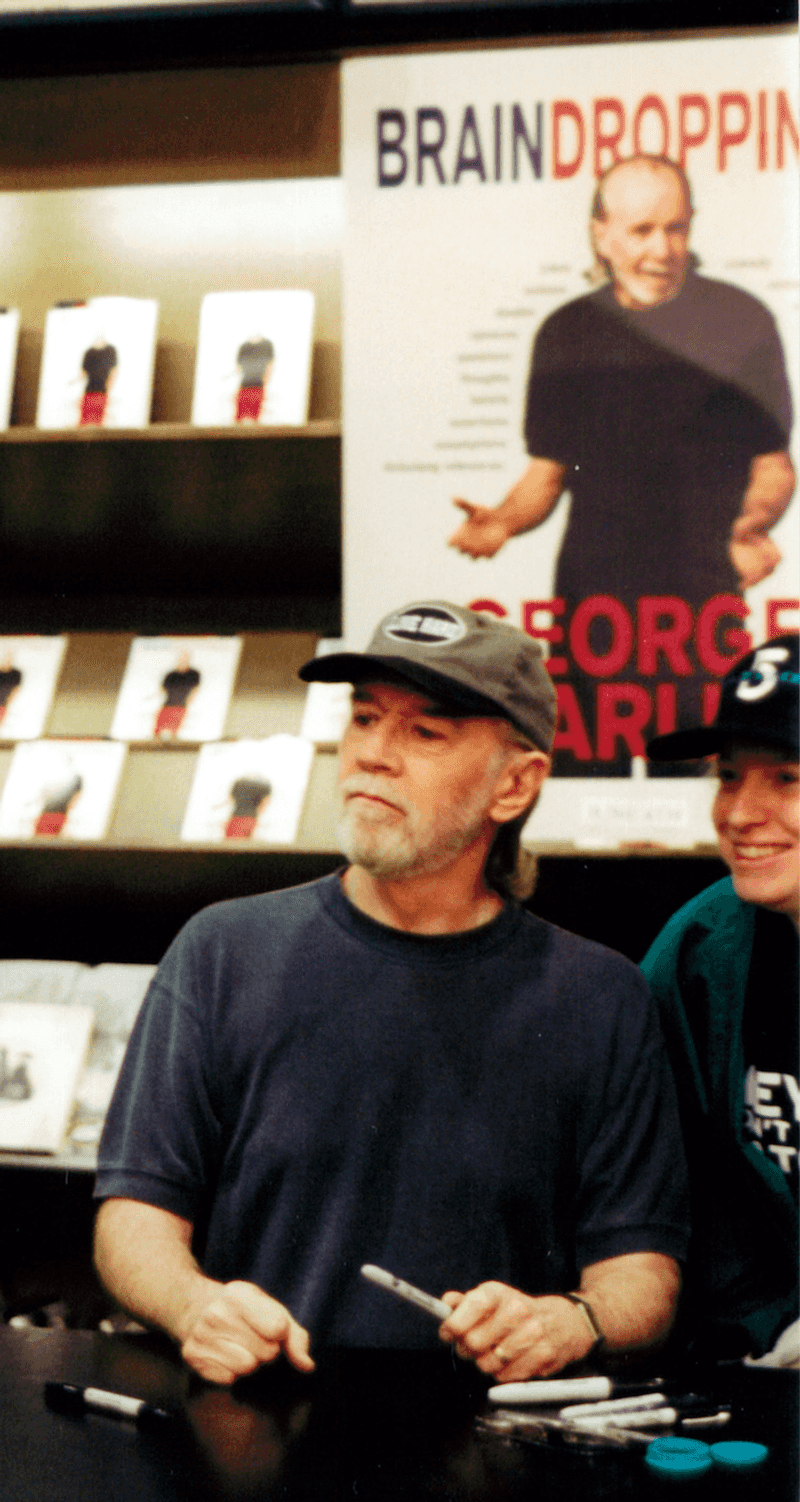
Stand-up was the foundation, but the building had many floors. Carlin acted in films, appeared on television, and wrote several books that expanded his ideas far beyond the stage.
Fans who only knew the live performer were sometimes surprised to find a warm, thoughtful author waiting on the page.
He played a conductor in the kids’ film Thomas and the Magic Railroad, which delighted a whole new generation.
2. The Mark Twain Prize And A Top-Two Ranking
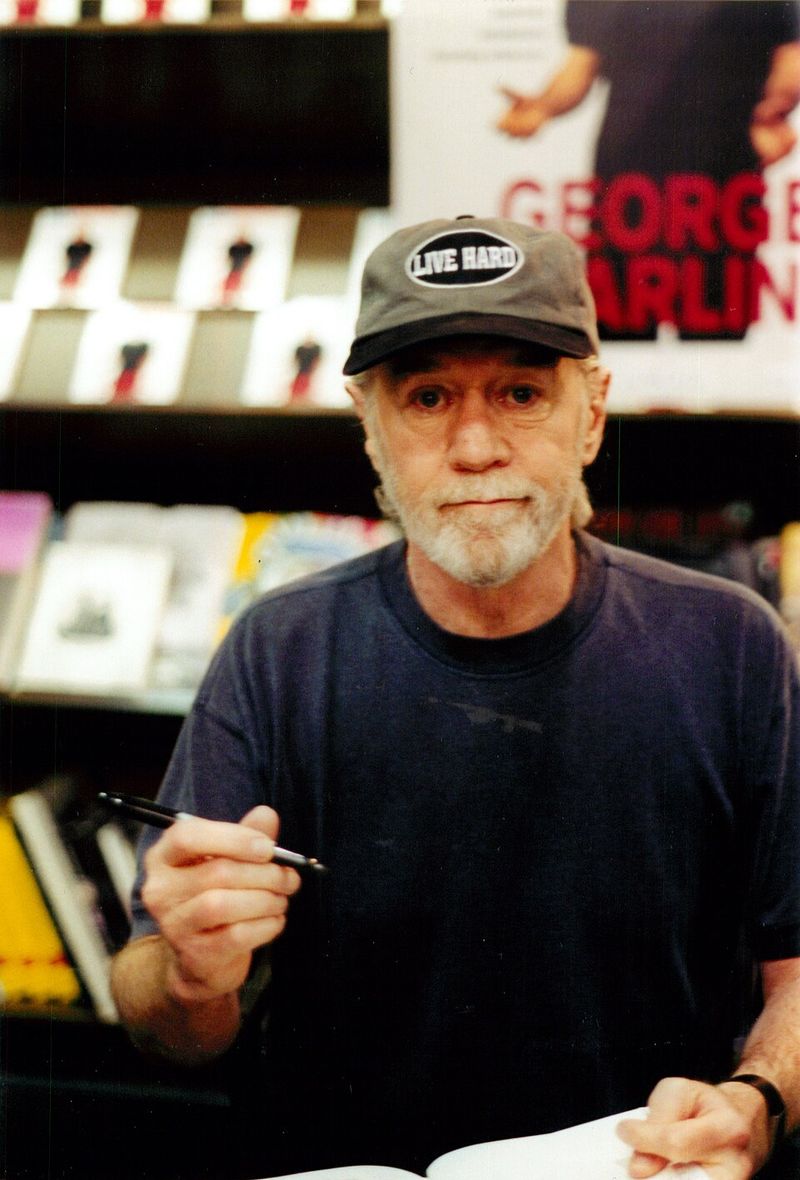
Recognition from the Mark Twain Prize for American Humor in 2008 placed George Carlin among the most celebrated names the comedy world could possibly honor.
Comedy Central had already ranked him second in its 2004 ranking of stand-up comedians, with only Richard Pryor placed above him. Second place in company like that still feels extraordinary.
1. A Final Bow, Then Gone
Just one week after his final performance at the Orleans Hotel and Casino, George Carlin died of heart failure in Santa Monica on June 22, 2008, closing a career that never really slowed down.
Decades of recordings, books, and routines remain, continuing to surface in everyday conversations and shared moments. Lasting influence comes from words that still resonate across generations.
Voice may be gone, yet the impact continues to echo long after the microphone fell silent.
Note: This article is intended for general informational and entertainment purposes and offers a fact-checked overview of major milestones in George Carlin’s life and career based on widely cited biographical, legal, and awards sources.
Descriptions of influence, legacy, and cultural impact reflect editorial interpretation built on documented events rather than a definitive academic assessment.