15 Lesser-Known Facts About John Wayne
John Wayne’s screen image was so oversized it can feel like the whole man arrived fully formed in black-and-white, already squinting into the distance and sounding like American myth in a cowboy hat.
That version stuck. It also did an excellent job of flattening everything around it.
A star this iconic tends to get reduced to a handful of familiar images, which leaves plenty of room for the stranger, sharper, more surprising pieces to slip past people.
Behind the swagger, the slow drawl, and the larger-than-life persona was a career full of turns and the kind of offscreen facts that make a famous figure feel a lot less carved in stone.
Disclaimer: This article is intended for general informational and entertainment purposes only. Details about John Wayne’s life and career are based on publicly available biographies, interviews, historical records, and media reports, which may vary in interpretation depending on the source.
1. The High School Sports Writer
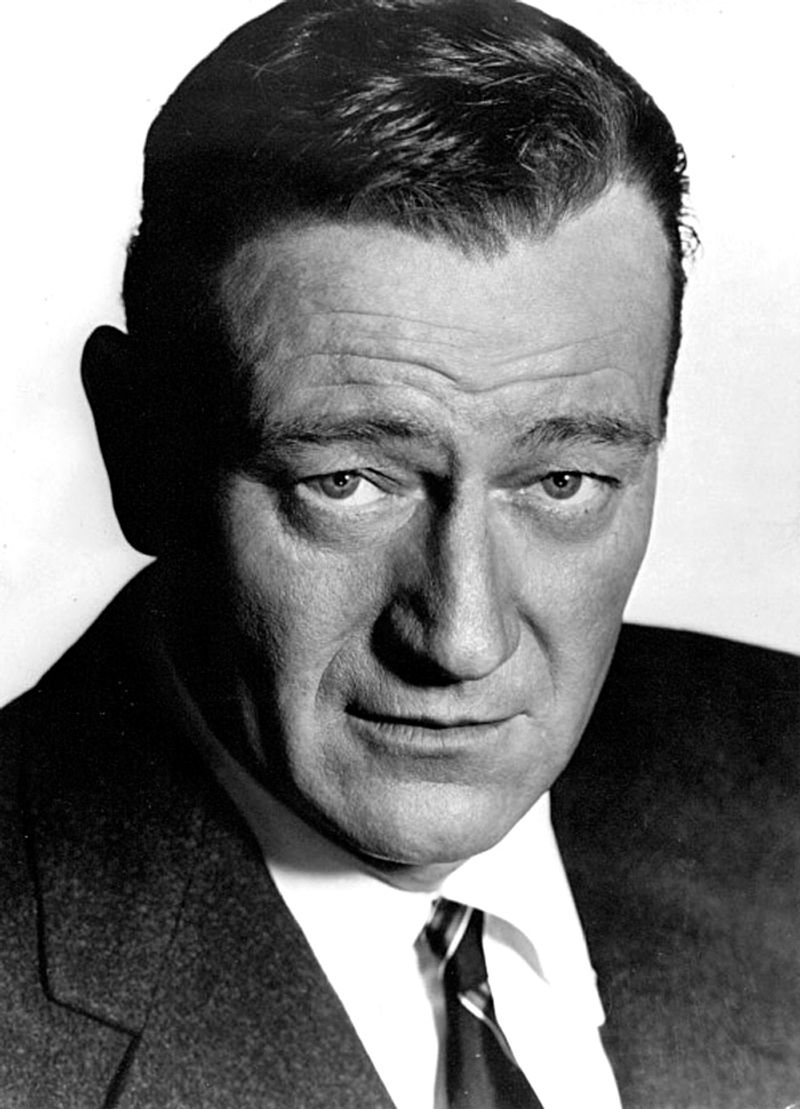
Before he was drawing six-shooters on screen, a teenage Marion Morrison was typing up sports copy for his high school paper.
At Glendale High School, he contributed to The Explosion, the school’s student newspaper, covering athletic events with the same intensity he’d later bring to movie sets.
Writing sports journalism sharpened his eye for storytelling and drama, skills that clearly served him well in Hollywood.
How many movie legends can say their career started with a byline? Not many.
2. Student Government Superstar
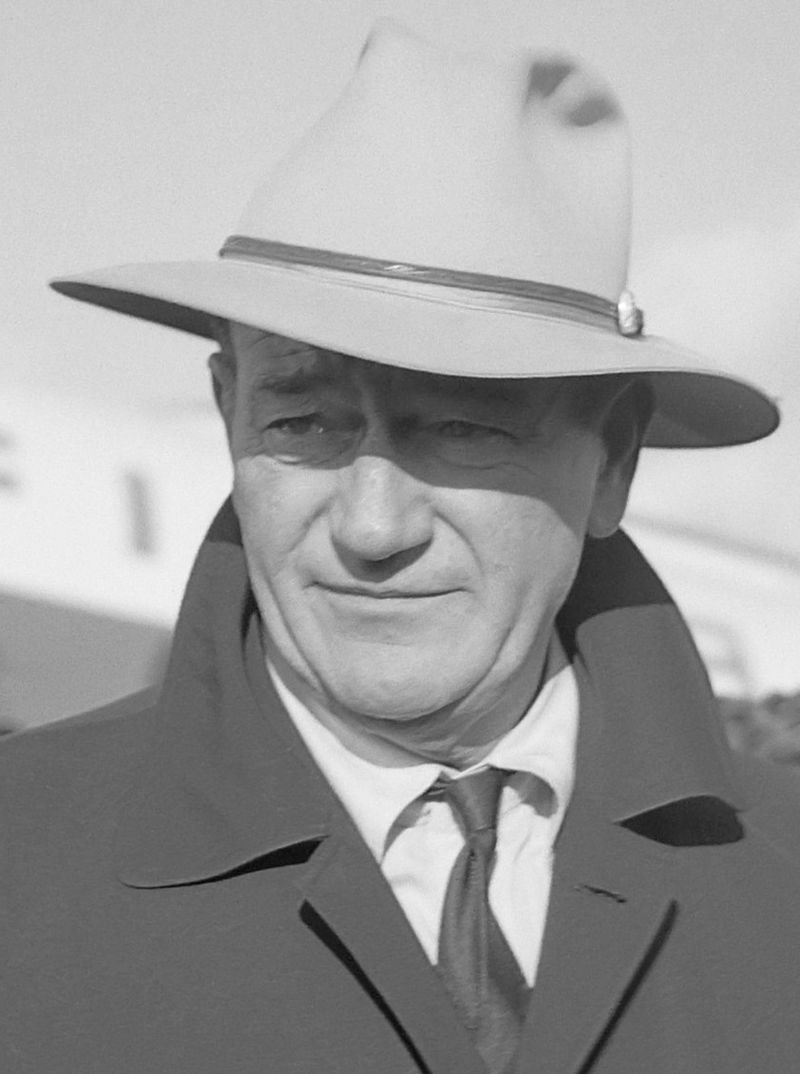
Think of John Wayne as just a loner cowboy type? Think again.
At Glendale High, he was deeply involved in student government, serving as junior class representative before climbing the ranks to vice president.
He eventually won the top spot, becoming president of the class of 1925. That’s basically the equivalent of being elected mayor of your school, and he pulled it off.
Leadership clearly ran in his blood long before directors started handing him scripts.,
3. The Bronze Honor Pin Student
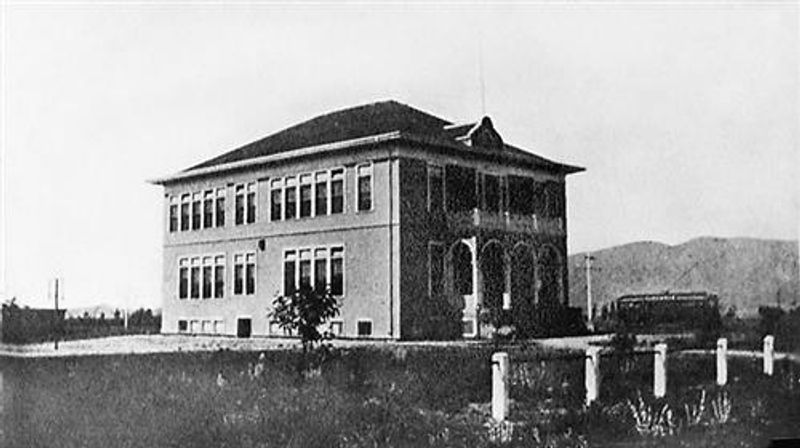
Here is something that might genuinely surprise you: John Wayne was a strong enough student to earn an academic honor award.
The official John Wayne timeline confirms he received Glendale High’s Bronze Honor Pin for scholastic achievement.
So the man who spent decades playing rough-and-tumble cowboys was actually a recognized scholar in his younger years. Not exactly the image Hollywood sold, right?
4. Prop Mover Before Movie Star
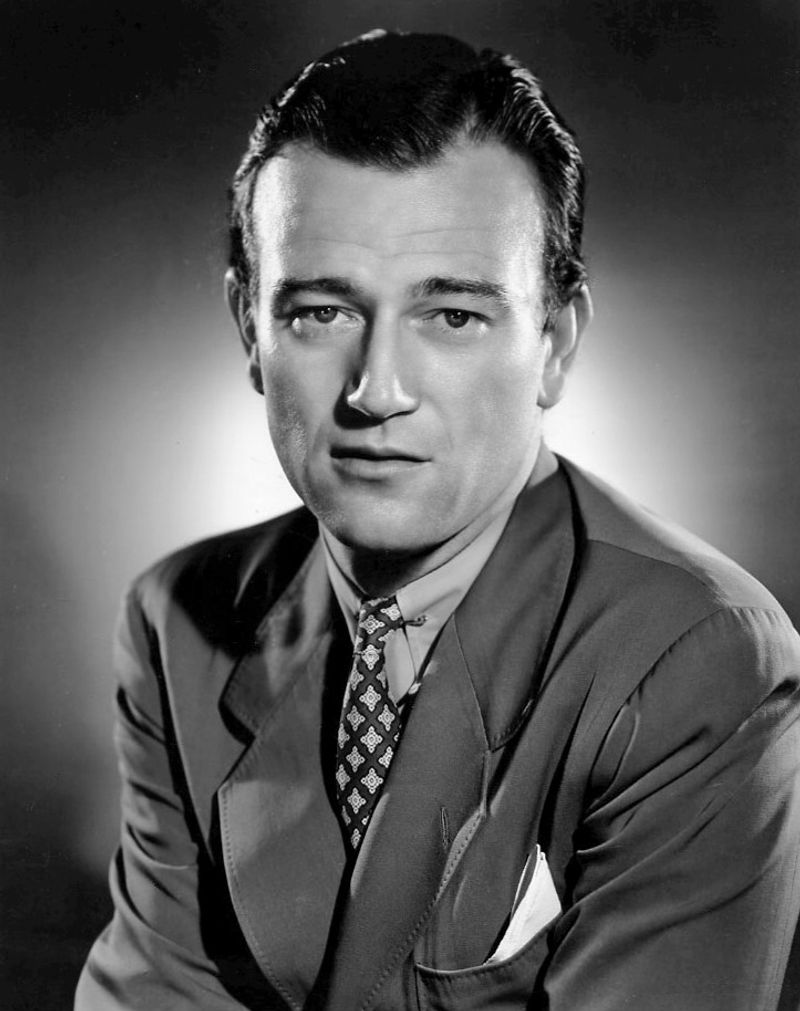
Long before his name appeared on any marquee, Wayne was doing the heavy lifting, literally.
While attending USC, he landed work at Fox Film Corporation as part of the swing gang, the crew responsible for moving props and rearranging sets between shots.
Manual labor was his Hollywood audition, and he showed up every single day. If you’ve ever moved furniture and thought it was rough, imagine doing it on a film lot hoping a director notices you.
Fortunately for cinema history, one very important director did notice him. That director was John Ford, and the rest is legend.
5. The Football Extra
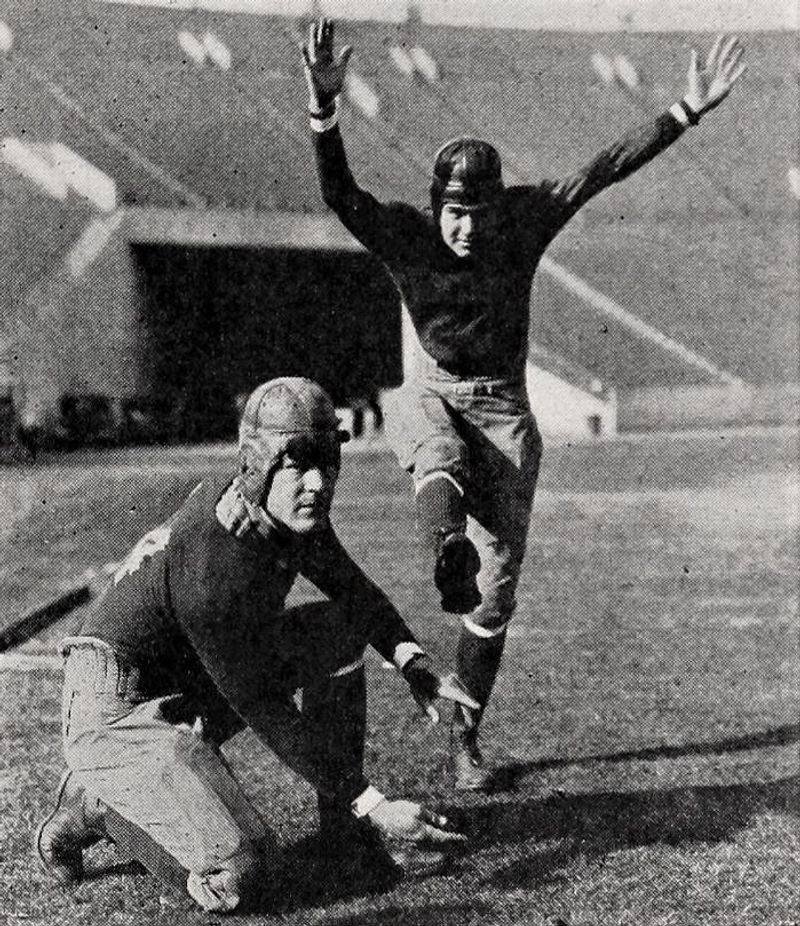
Some actors get discovered at diners. Wayne got discovered moving furniture, but his earliest actual screen appearances? Those came courtesy of his football background.
He showed up on film as a Yale football player in Brown of Harvard (1926) and as a USC football player in Drop Kick (1927).
Basically, his athletic build and real football experience made him a natural fit for those early background roles. Hollywood was essentially casting him as himself, just with a different school jersey each time.
6. 60 Films Before Stardom
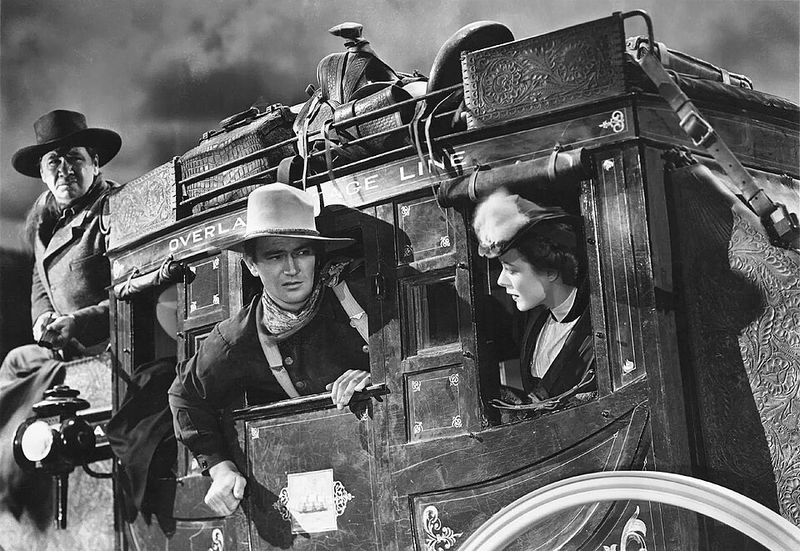
After The Big Trail flopped commercially in 1930, Wayne didn’t exactly rocket to fame.
He spent years grinding through more than 60 low-budget films before Stagecoach (1939) finally flipped the script on his career.
Sixty films! That’s not just persistence, that’s superhero-level determination. Most people would have packed up and gone home after film number ten.
Wayne kept showing up, kept working, and eventually the industry caught up with what he already knew: he was a star.
7. McLintock! His One Big Comedy Win
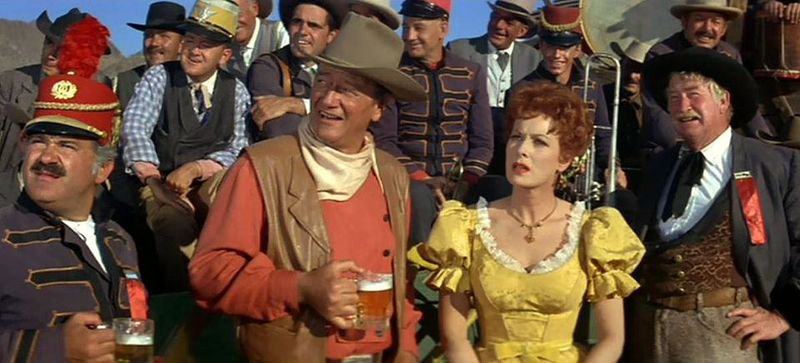
Westerns, war films, and rugged adventures defined most of his filmography, but Wayne actually tried comedy too.
McLintock! (1963) is often told to be the only successful comedy starring Wayne, which is a pretty narrow slice of a very long career.
Starring alongside Maureen O’Hara, the film blended slapstick with Western charm and audiences genuinely loved it.
If you’ve never seen it, picture a classic screwball comedy wearing cowboy boots and spurs.
8. The Alamo Was His Dream
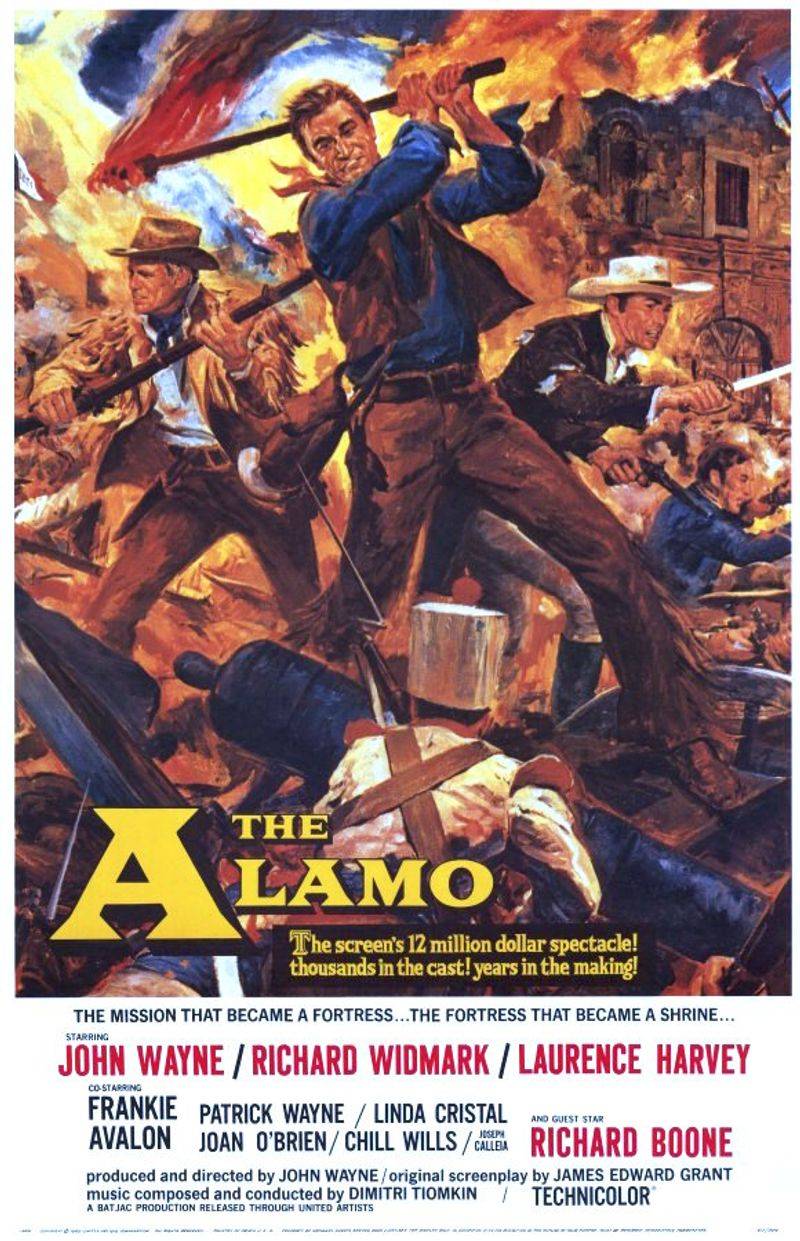
Passion projects are risky, but Wayne went all in on The Alamo (1960).
Wayne starred in it, directed it, produced it, and even helped finance it personally. That’s not just wearing multiple hats; that’s wearing the entire hat store.
The film told the story of the legendary 1836 Texas battle, and Wayne poured his heart, time, and money into making it happen.
Whether you think it’s a masterpiece or a flawed epic, you absolutely cannot question his commitment.
9. USO Trips To The Front Lines
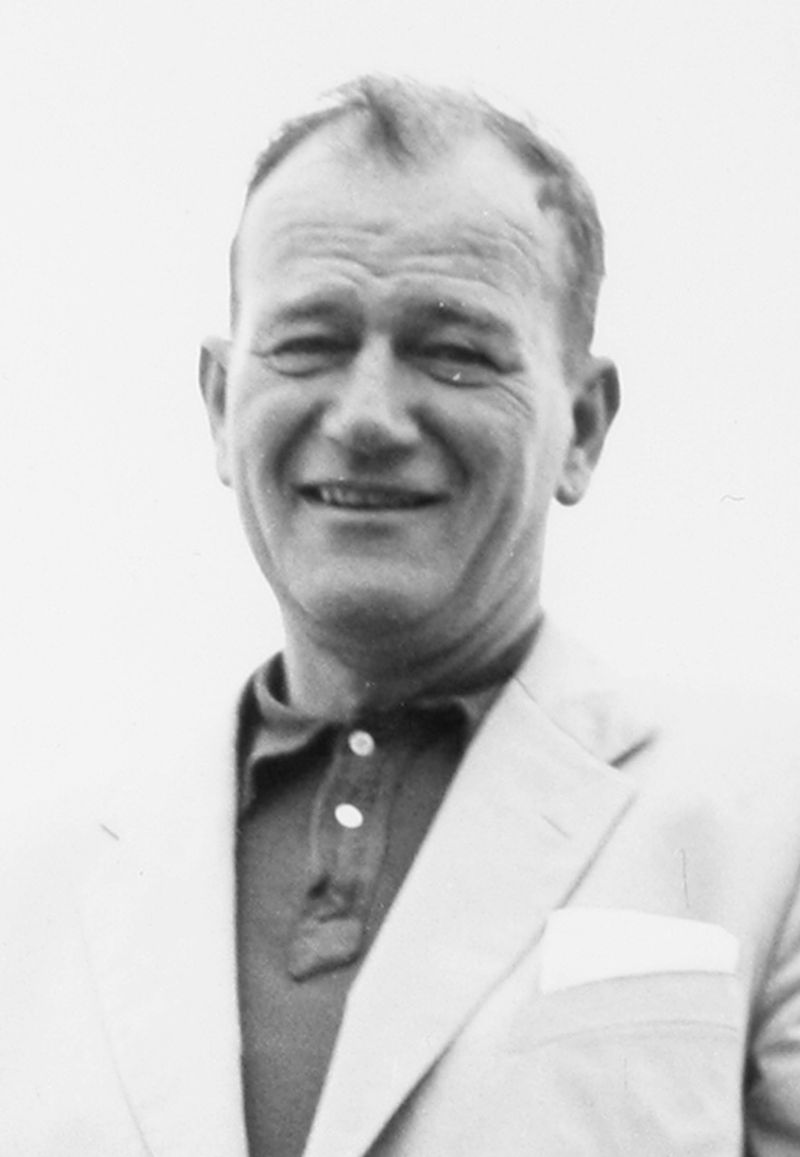
Wayne didn’t serve in the military during World War II, something that weighed heavily on him personally throughout his life. However, he didn’t stay home and do nothing either.
The official John Wayne site confirms he made multiple trips to active front lines as part of the USO to entertain and boost the morale of troops overseas.
Those weren’t comfortable, safe trips. Front-line visits during active wartime were genuinely dangerous.
Wayne showed up anyway, because that’s who he was.
10. His Yacht Was A Former Warship
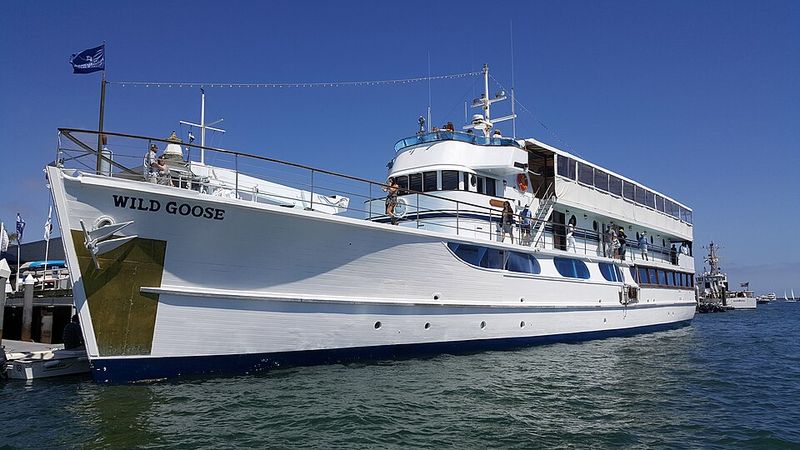
Wayne’s beloved yacht, the Wild Goose, had one seriously dramatic backstory.
Originally commissioned as USS YMS-328, it was a wooden naval minesweeper launched by the U.S. Navy in 1942 during World War II.
After the war, it was converted into a private vessel and eventually became Wayne’s floating retreat. He absolutely loved that boat, spending as much time on it as possible between film projects.
There’s something poetic about a man so connected to American military history sailing around on a converted warship.
11. Real Rancher, Not Just Reel Cowboy
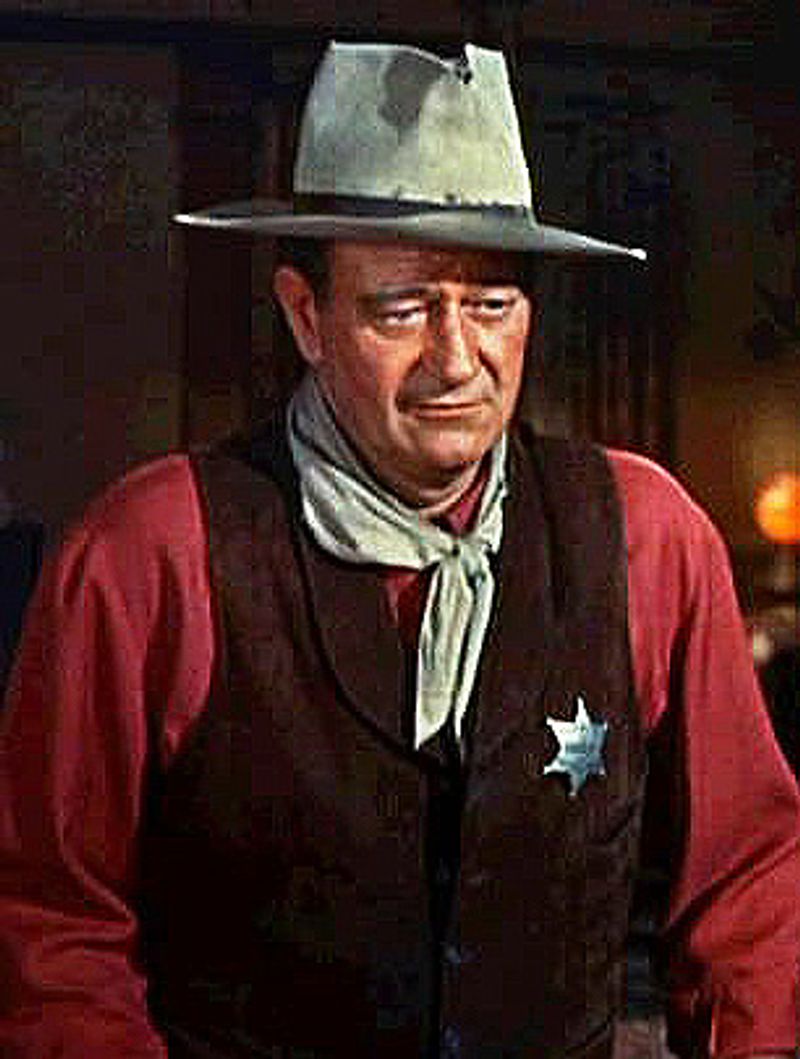
Playing cowboys on screen clearly wasn’t enough for Wayne.
He and business partner Louis Johnson owned Arizona’s 26 Bar Ranch, a legitimate working operation that raised more than 400 purebred Hereford bulls annually.
That’s serious ranching, not a hobby farm with a couple of photogenic horses. The 26 Bar Ranch was a real agricultural business producing real cattle for real markets.
Wayne understood land, livestock, and hard work from the ground up.
12. One Oscar, Narrower Than You Think
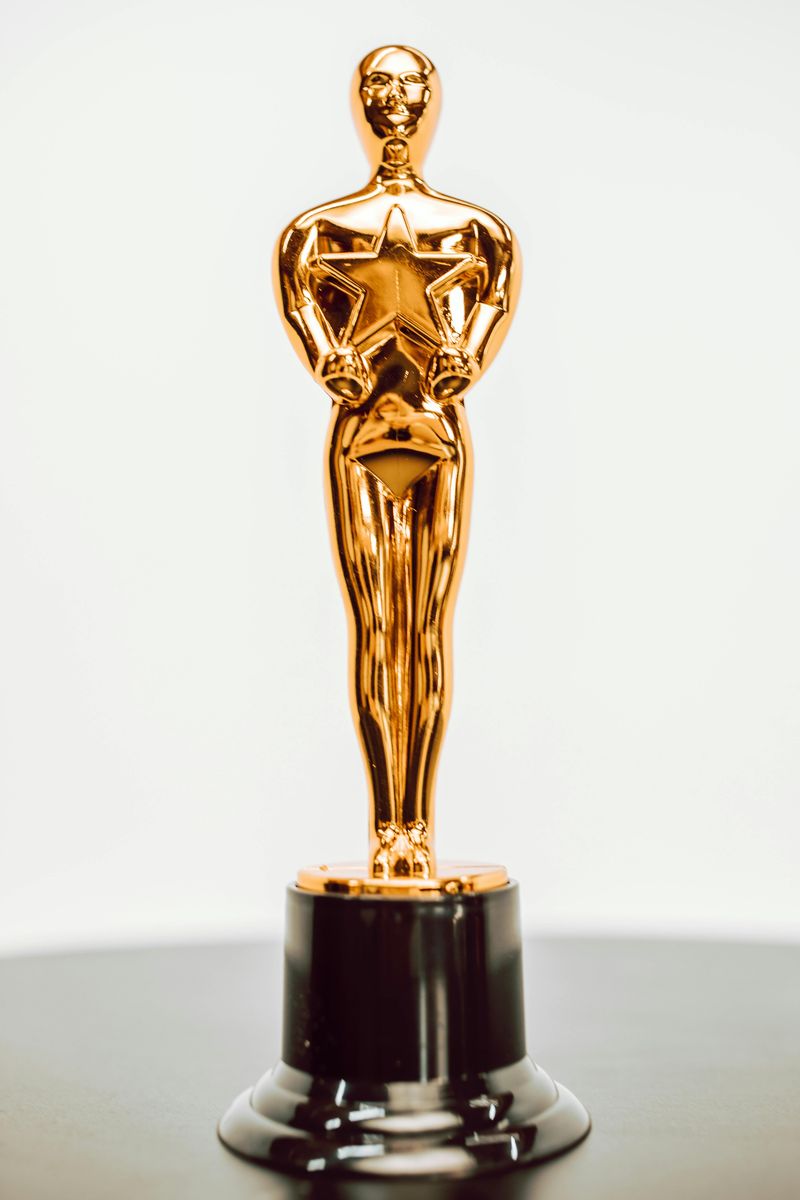
Given his enormous fame and decades-long career, many people assume Wayne collected a shelf full of Oscars. The reality is actually much simpler.
He won exactly one Oscar for Best Actor, earned for his performance in True Grit (1969).
He did receive earlier nominations, one for acting in Sands of Iwo Jima and another for producing The Alamo, but only that single golden statuette made it home.
One win from a career spanning nearly five decades feels almost stingy in hindsight.
13. The Shootist Mirrored His Real Life
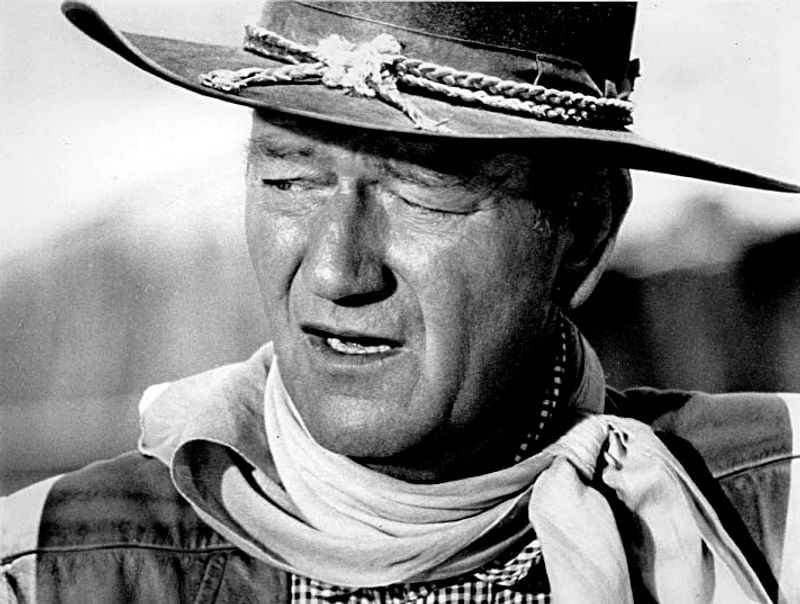
Art and life collided in a genuinely moving way with Wayne’s final film.
In The Shootist (1976), he played an aging gunfighter facing cancer. The film is described as a poignant farewell, and it truly was.
Wayne himself was battling health issues throughout production.
Three years after the film’s release, he passed away from cancer complications. The parallel between character and actor is almost too heavy to sit with comfortably.
However, there’s also something beautiful about an artist’s last work reflecting their truest, most honest self.
14. Congressional Gold Medal Inscription
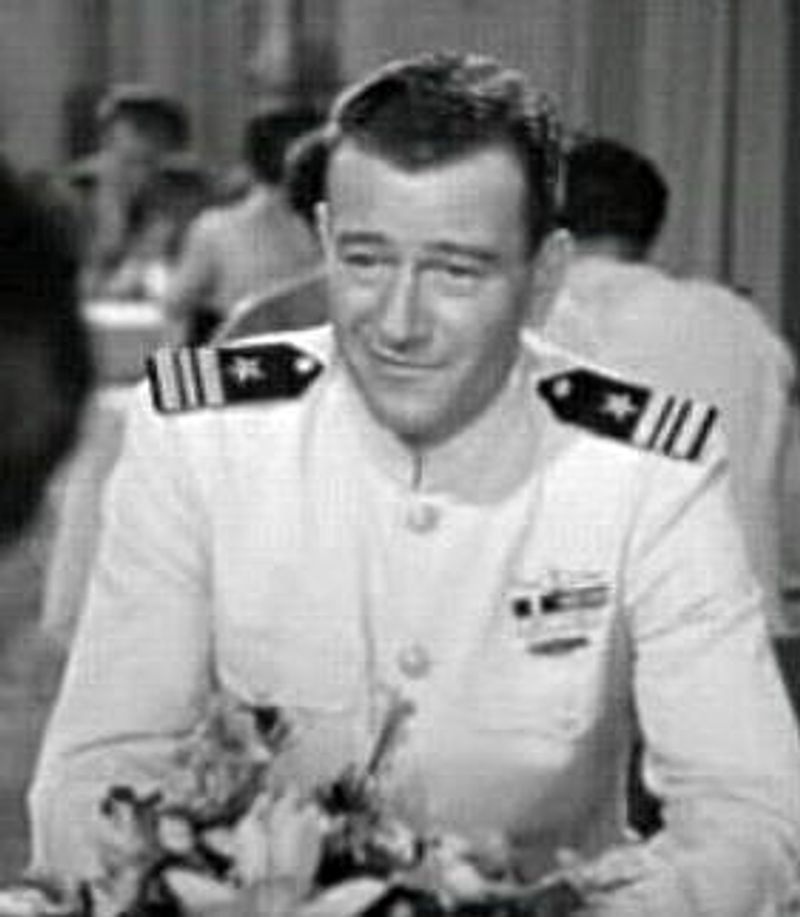
Congress awarded Wayne a posthumous Congressional Gold Medal, one of the highest civilian honors the United States government can bestow.
What makes this particular medal unforgettable is the inscription chosen for it. According to the official John Wayne site, it reads simply: “John Wayne, American.”
No list of film titles. No military ranks. No awards mentioned. Just his name and a single, powerful word that said everything.
15. The Airport Named In The Same Month He Passed
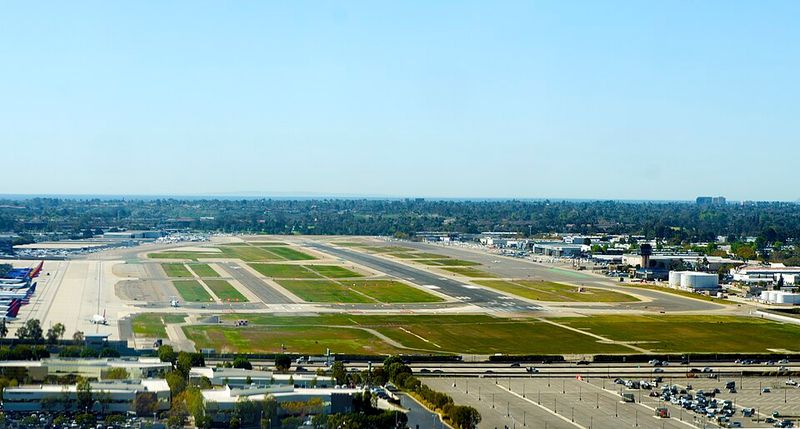
Orange County, California, moved remarkably fast to honor its most famous resident.
Orange County Airport was officially renamed John Wayne Airport in June 1979, the very same month Wayne passed away.
That timing is striking. The community didn’t wait for anniversaries or formal ceremonies.
They acted immediately, almost as if the region instinctively knew it needed to mark the moment before it slipped away.
Every traveler passing through that airport today is greeted by a bronze statue of Wayne in the terminal.