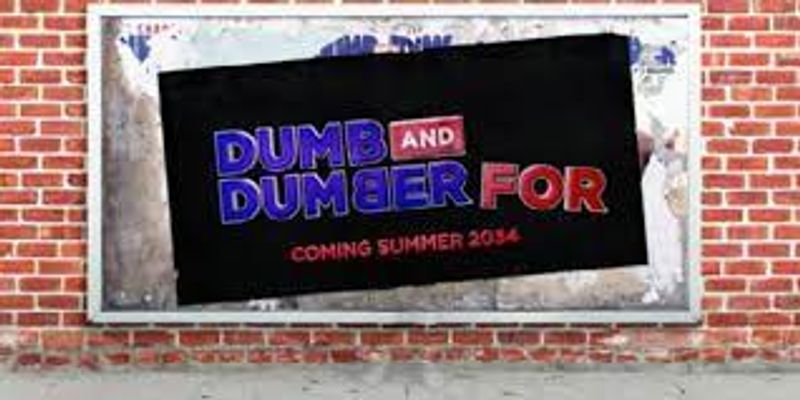
15 Facts From ‘Dumb & Dumber’ Many Fans Missed
Okay, so, some movies are, like, watch-once-and-you’re-done kind of deals.
And then there are movies like Dumb & Dumber, where you watch it again and go, “Wait… that was there the whole time?!”
Stuff keeps popping up, behind-the-scenes secrets, weird little details, things you definitely missed while you were busy laughing at, you know – everything.
Basically, it’s the kind of movie that gets funnier the more your brain tries to catch up.
1. Originally A John Hughes Idea
Imagine a Hollywood pitch meeting where a classic begins to take shape almost by accident.
Peter and Bobby Farrelly later said John Hughes had the basic premise first, built around two dimwitted guys headed to Aspen.
From that small spark grew the foundation for one of the most memorable road comedies ever made. Sometimes simple ideas gather momentum and turn into something legendary.
2. The Farrellys Wrote The Script Quickly
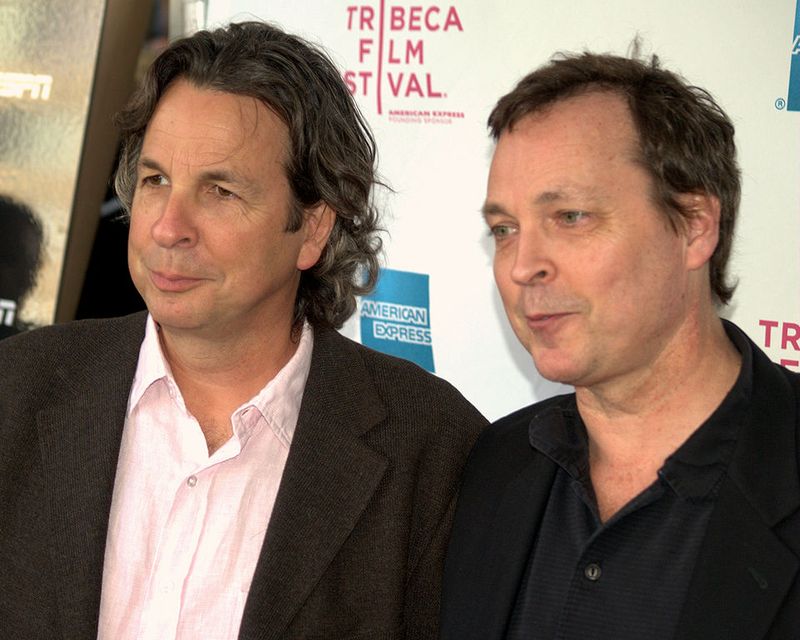
The script came together fast once the Farrellys locked into the premise.
Momentum picked up once the project started taking shape in their hands, pushing the Farrelly brothers into a writing sprint that would wear most people out. Energy carries through every scene, giving the film a sense of life that never slows down.
Speed pairs with passion here, and the result proves how well that combination can work.
3. John Hughes Said His Name Could Not Promote The Film
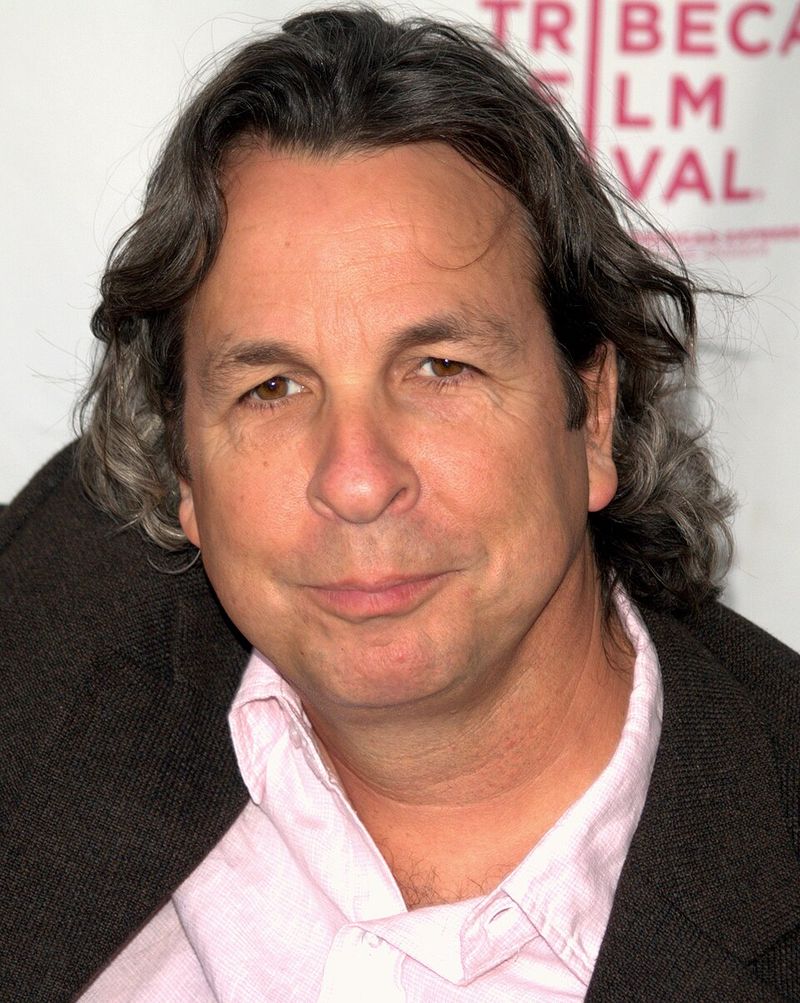
Hughes gave the brothers his blessing, yet kept a firm boundary around attaching his name.
Due to issues with the studio, the Farrellys later claimed that Hughes did not want his name used to promote the movie.
That made his involvement something the filmmakers had to discuss carefully. Some endorsements end up costing more than they are worth.
4. Jim Carrey Basically Got Film Made
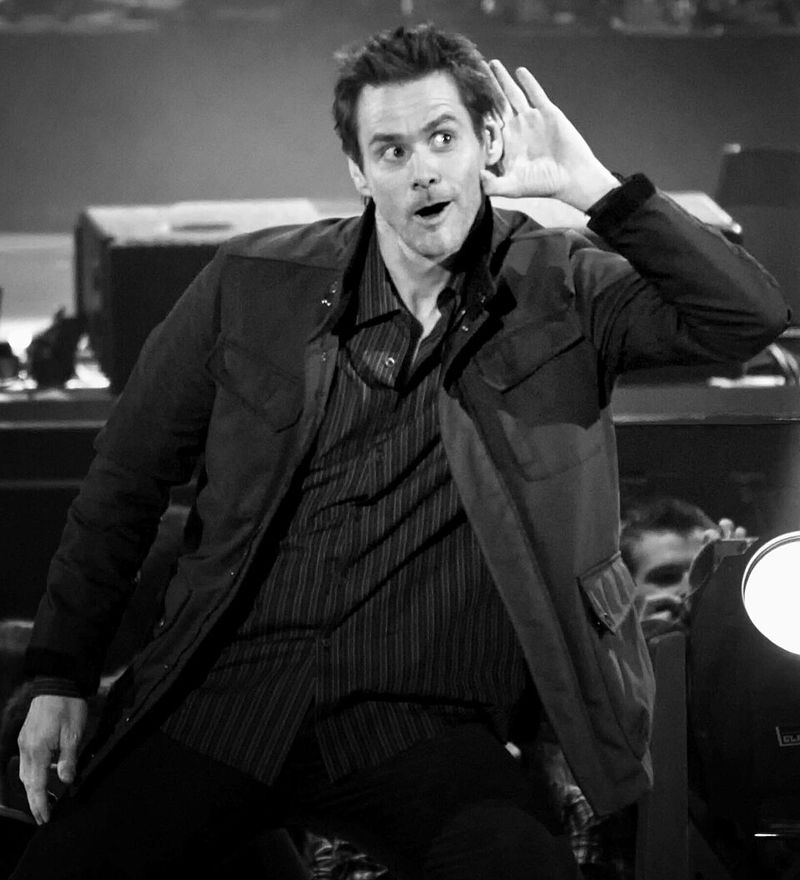
Progress stalled again and again before Jim Carrey ever entered the picture.
Studios kept passing until his name landed on the contract, and suddenly the project moved into an entirely different tier.
Everything shifted with that single decision, turning hesitation into momentum almost overnight. Star power can tip the balance fast, separating a stalled idea from something that actually gets made.
5. The Studio Rejected Jeff Daniels. Jim Carrey Wanted Him.
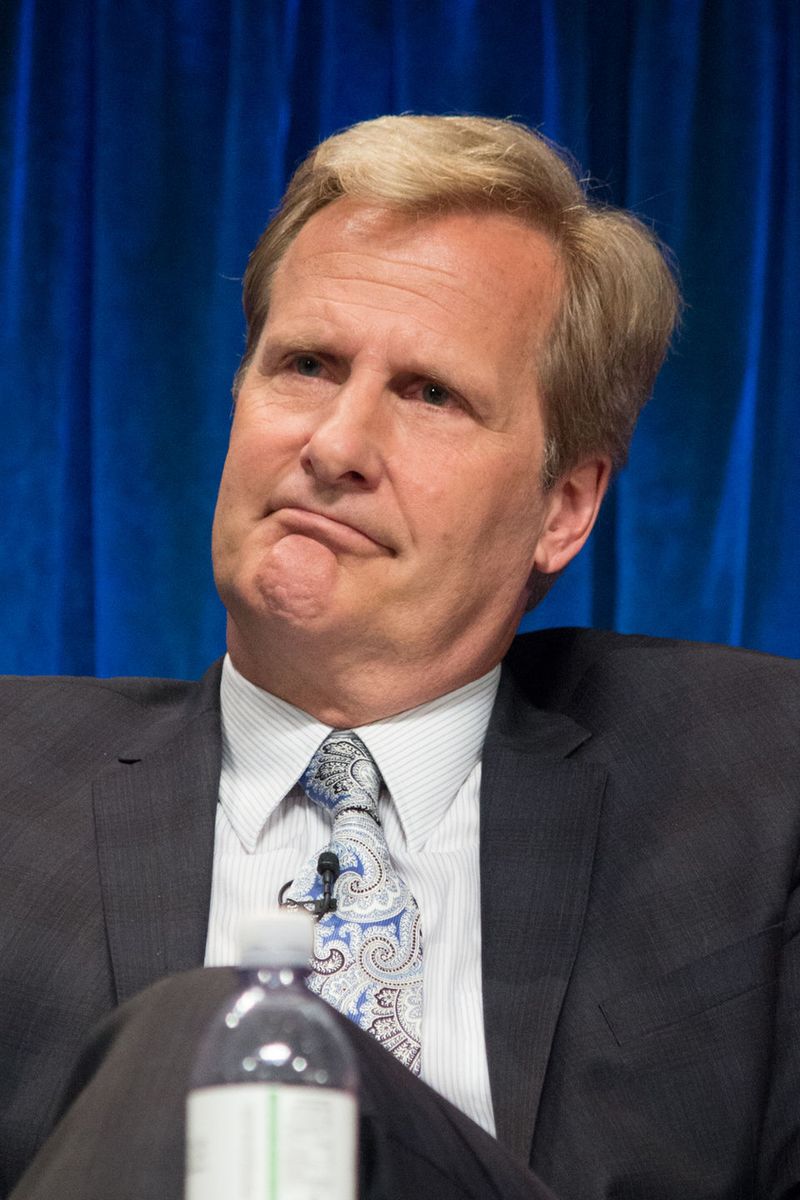
Casting battles do not always end with the studio getting its way.
Executives doubted Daniels had the comedic firepower for the role, but Carrey read with him, saw the chemistry, and pushed hard for his co-star.
Carrey’s read on the pairing proved sharper than any boardroom calculation. Loyalty between actors like that is rarer than a good parking spot on a busy Tuesday.
6. Jeff Daniels Took The Role Anyway

Agents had a point, because sharing the screen with peak-era Jim Carrey is no small challenge.
Concerns about being overshadowed hovered around Jeff Daniels, yet the chance to dive into full comedy ended up outweighing every hesitation.
Curiosity pushed him forward where caution might have held him back, turning the risk into something worthwhile. Safe choices rarely leave a mark, and that decision proves exactly why.
7. Jeff Daniels’s Strange Hair Was Deliberate

No stylist, no product line, no mood board. Just hotel shampoo and a towel.
Daniels said he would wash his hair without conditioner, rough it dry, and skip the comb entirely. That gloriously chaotic result became Harry Dunne’s most recognizable feature.
Sometimes the best character choices happen in a bathroom at six in the morning.
8. Lloyd’s Chipped Tooth Was Real
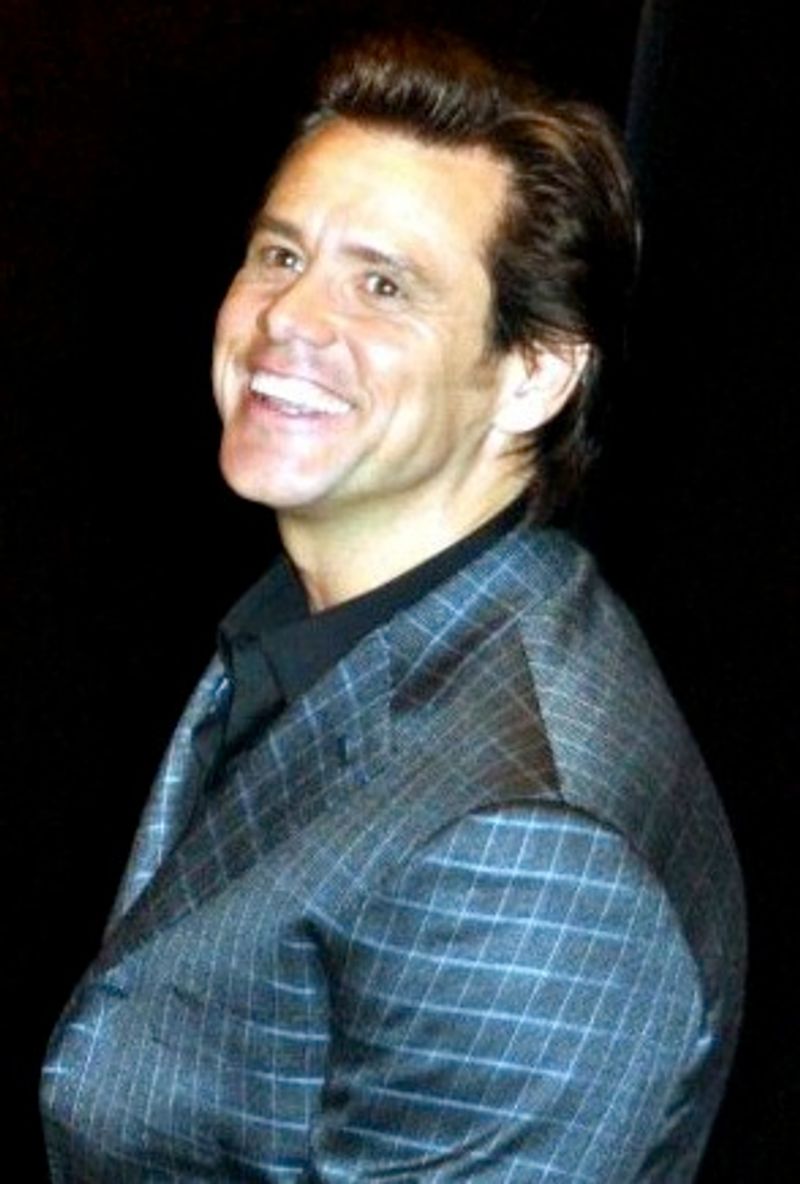
Childhood mishap left Carrey with a chipped tooth, later capped and then altered again specifically for Lloyd Christmas.
Farrelly brothers confirmed the detail, so every time that uneven grin shows up, a real piece of Carrey’s past is right there on screen. Call it method acting with a dental bill attached.
Real history gives fictional characters a lived-in edge.
9. The Famous Ending Almost Became A Normal Happy One
The studio wanted Harry and Lloyd to board the bikini-tour bus and ride off into the sunset.
Carrey and Daniels pushed back, arguing the characters were simply too gloriously oblivious to recognize a golden opportunity. The filmmakers sided with their stars, and the result became one of comedy’s great closing gags.
Staying true to your characters beats a tidy bow every time.
10. Aspen Was Mostly Not Really Aspen
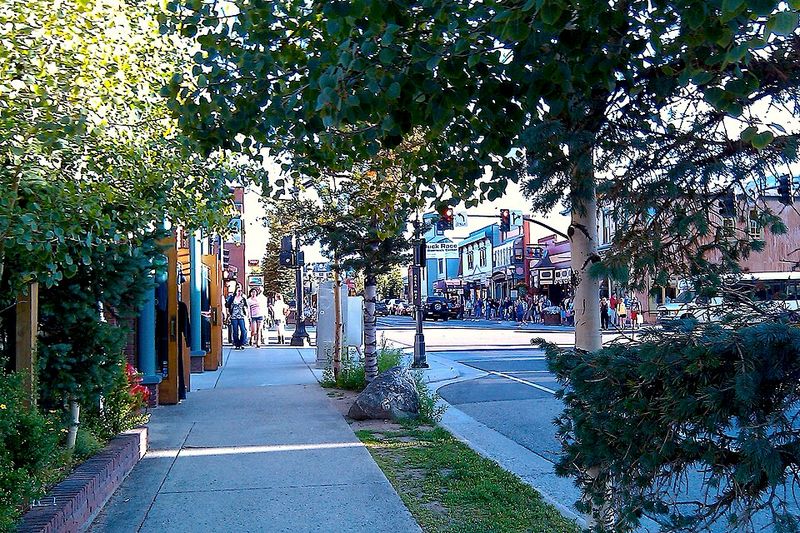
Scenes labeled as Aspen send viewers somewhere else entirely once you look a little closer.
Much of what appears on screen actually comes from Breckenridge, Colorado, with additional moments filmed in Park City, Utah.
Geography turns into a patchwork of mountain towns, stitched together to sell a single destination. Hollywood has never treated location names as strict truth, more like a flexible suggestion that gets the job done.
11. The Danbury Hotel Used The Stanley Hotel
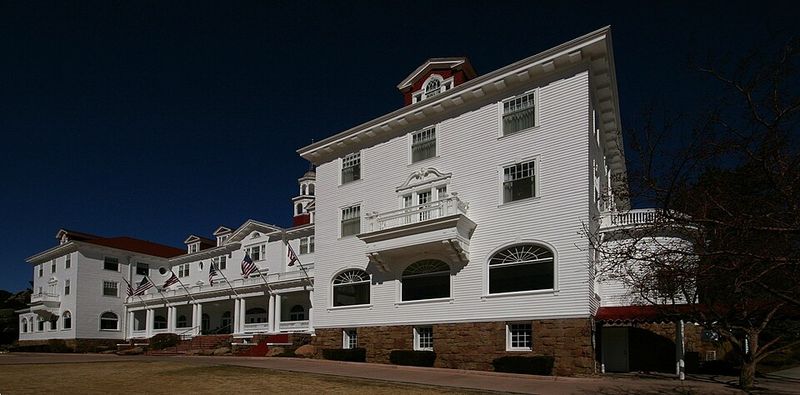
Bar and staircase scenes for the “Danbury Hotel” were filmed inside the Stanley Hotel in Estes Park, Colorado.
Fame usually ties the building to Stephen King’s The Shining, which makes its turn as a comedy backdrop feel like a sharp left turn. Versatility like that gives a single location a surprisingly wide film résumé.
Once a place gets recognized, it starts showing up in the most unexpected corners.
12. Some Snow Scenes Filmed At Copper Mountain
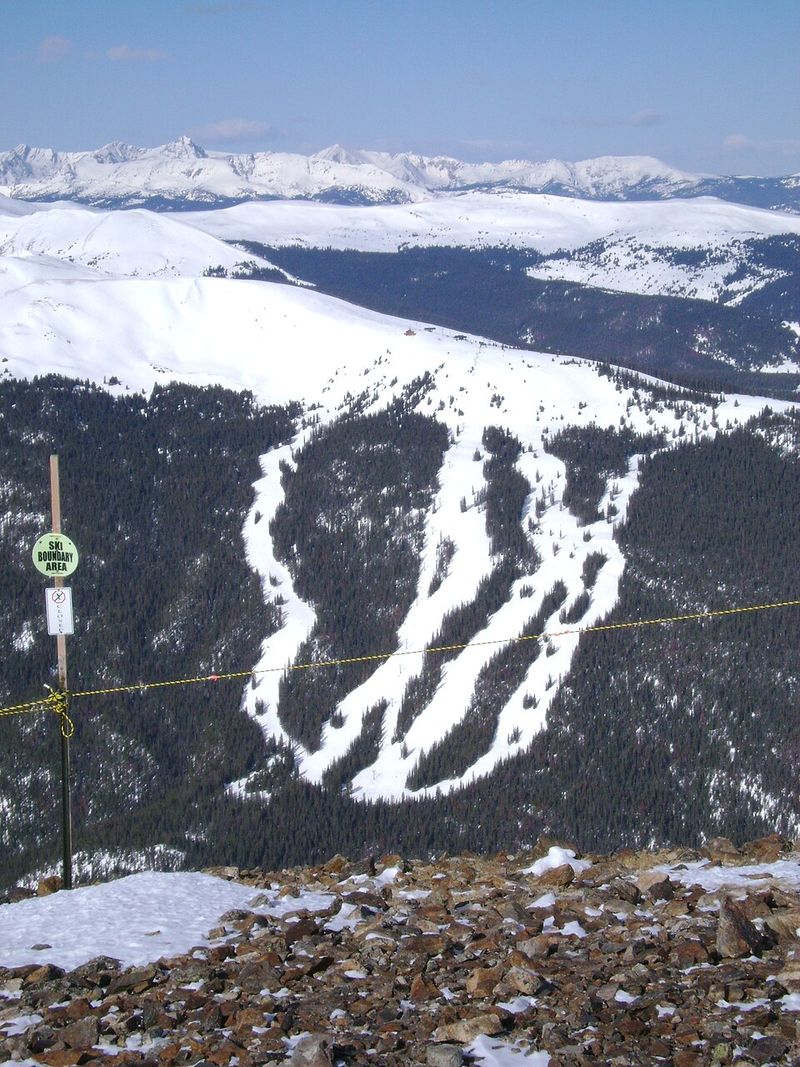
Another layer gets added with snow-covered scenes filmed at Copper Mountain Resort rather than anywhere near Aspen.
Production notes place key outdoor moments there, expanding a location map that keeps drifting further from the name on the script.
Breckenridge, Park City, Copper Mountain, and the Stanley all step in, while Aspen barely shows up in its own supposed spotlight. Cartography turns into creativity at that point, and the crew clearly leaned into the fun of stitching it all together.
13. Starts In Providence, Airport In Salt Lake City
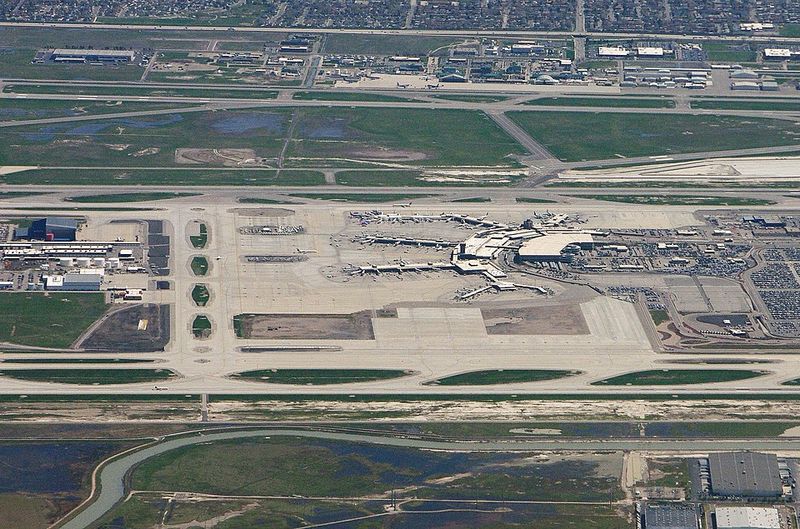
Rhode Island fans watching the opening scenes are on solid ground, but the airport sequence is a Utah transplant.
The production used Salt Lake City International Airport for those early travel moments, blending it seamlessly with the Providence footage. Most viewers never notice the seam.
Good editing is the art of making geography irrelevant.
14. Cam Neely Played Sea Bass

That enormous trucker staring everyone down across the diner was actually former Boston Bruins power forward Cam Neely.
Presence alone did most of the work, giving Sea Bass a real sense of menace without needing much dialogue. Turns out a professional hockey enforcer translates very naturally into a convincing on-screen threat.
Sometimes casting works best when intimidation comes built in.
15. Key Songs Cut; Beck Said No
Several songs stand out clearly in the film, yet never show up on the official soundtrack.
“Boom Shack-A-Lak” and the a cappella “Mockingbird” stay off the album, while Beck passes on letting “Loser” take the theme spot.
Alternate versions of that choice are easy to picture, with the whole tone shifting just a little in the process. Music rights keep shaping what audiences remember, often without anyone noticing it happening.
Note: This article is based on publicly discussed production history, filming-location records, soundtrack notes, and cast and filmmaker anecdotes connected to Dumb & Dumber.
Some behind-the-scenes stories come from interviews and retrospective retellings, so exact details may vary slightly across sources.