18 Interesting Facts About Looney Tunes You May Not Know
Looney Tunes never really behaved like ordinary cartoons, which is a big part of why they still feel so alive.
Plenty of animated series were made to entertain for a moment and drift away with time, yet Bugs Bunny, Daffy Duck, Porky Pig, and the rest of that wildly chaotic world never stopped rattling around in popular culture.
Jokes moved fast, personalities crashed together beautifully, and the energy always felt a little unhinged in the best possible way.
Beneath all that mayhem, there is also a long history packed with origins, clever decisions, changes, and behind-the-scenes details that make the cartoons even more fascinating once you know where to look.
1. Two Series, One Big Universe
Here is something that surprises a lot of fans: Looney Tunes and Merrie Melodies were actually two separate cartoon series, not just two names for the same thing.
Warner Bros. launched both as companion lines in the early 1930s, each with its own identity and purpose.
Merrie Melodies was initially tied more closely to promoting the studio’s music catalog, while Looney Tunes had a slightly different creative direction.
Over time, the two series blended together so naturally that most viewers never noticed the difference.
2. Bosko Was The Very First Star
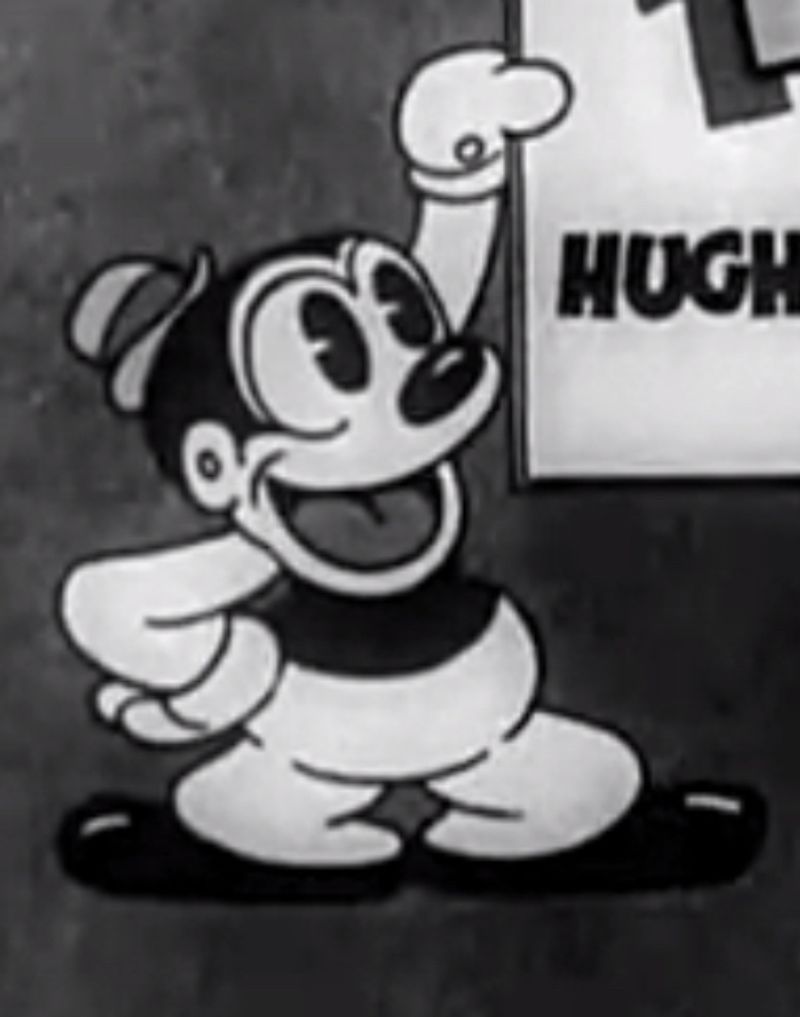
Long before Bugs Bunny ever chomped a carrot, a character named Bosko was holding down the fort as the very first major Looney Tunes star.
Bosko debuted in 1929 and carried the series through its earliest years, back when animation was still figuring itself out as a storytelling medium.
He was simple by later standards, but he was charming and helped Warner Bros. establish its cartoon identity.
Most people today have never heard of Bosko, which makes him one of animation’s most overlooked pioneers.
3. Porky Pig Was The First Breakout Hit
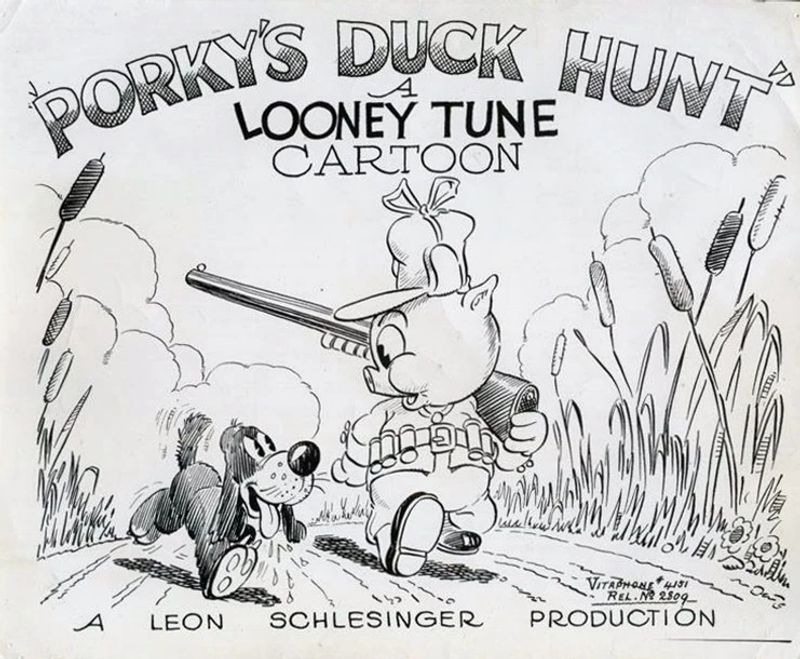
Before anyone else, Porky Pig was the one audiences actually lined up to see.
His debut came in a 1935 short called “I Haven’t Got a Hat,” and from the moment he stuttered his way through his lines, something clicked with viewers.
Porky was relatable, a little awkward, and surprisingly endearing, which made him a perfect anchor for the series in those early years.
His stutter was not a mistake or a gimmick added later. It was right there from the very beginning, baked into his personality from his very first performance.
4. Daffy Duck Arrived Before Bugs Bunny’s Classic Persona
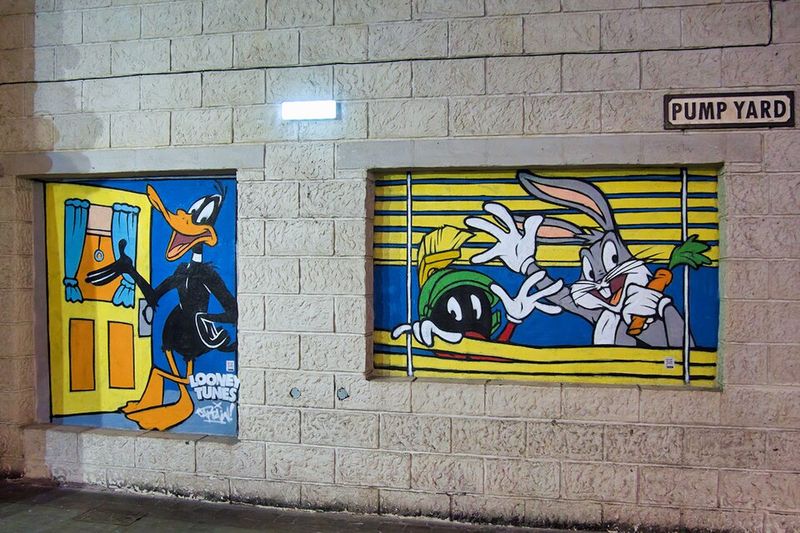
Daffy showed up in “Porky’s Duck Hunt” in 1937, bouncing around like he had too much sugar and absolutely no plans to calm down.
Bugs Bunny’s familiar, cool, and clever personality did not fully take shape until “A Wild Hare” in 1940.
So for a few years, Daffy was the edgier, wilder presence in the Warner Bros. cartoon universe.
Honestly, early Daffy was basically chaos with feathers, and audiences loved every second of it.
5. Bugs Bunny Was Not Always Bugs Bunny
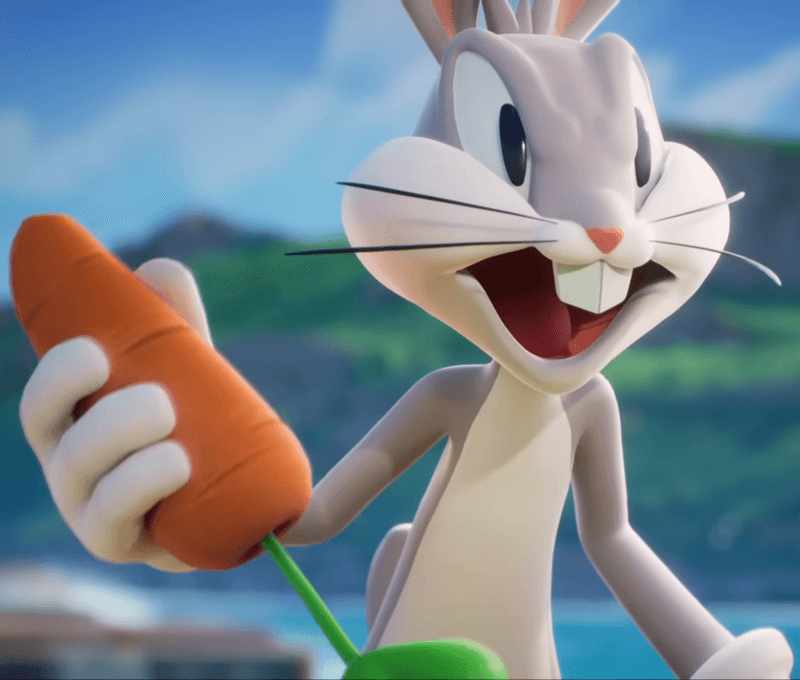
The Bugs Bunny the world knows and loves did not just appear out of thin air fully formed.
Several early rabbit prototypes showed up in Warner Bros. cartoons before the version audiences now recognize finally clicked into place.
According to Britannica, Bugs’s true personality really solidified with the 1940 short “A Wild Hare,” which is widely considered his proper debut as the character fans know today.
Think of those earlier versions like rough drafts, close but not quite there yet.
6. Bugs Was Built To Be The Anti-Mickey Mouse
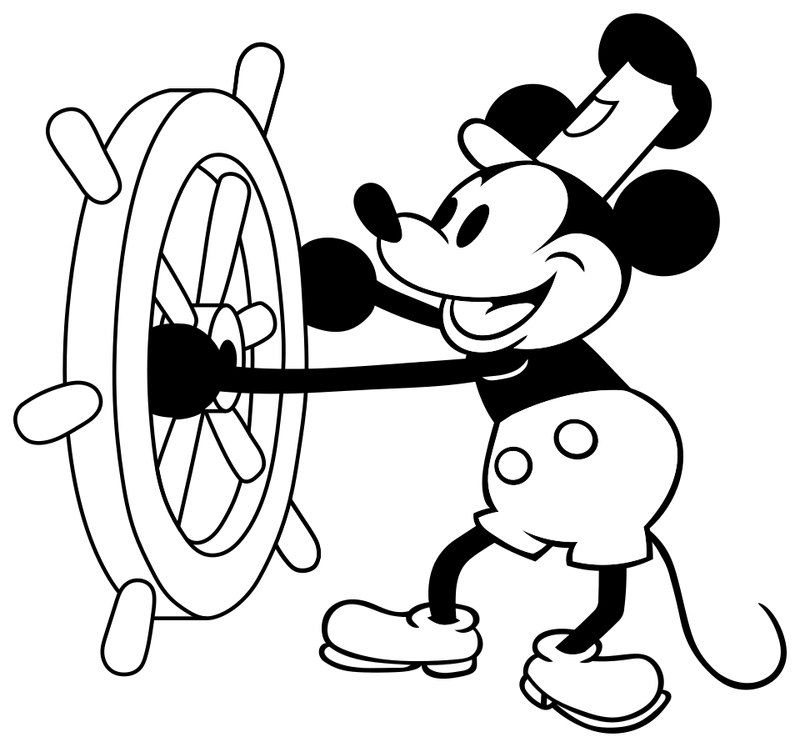
Mickey Mouse was polite, cheerful, and squeaky clean. Bugs Bunny was the exact opposite, and that was completely on purpose.
Britannica describes Bugs as shrewd, irreverent, quick-witted, and outspoken, qualities that set him apart from everything Disney was putting out at the time.
Warner Bros. leaned hard into a more mischievous, street-smart style of humor, and Bugs became the perfect symbol of that attitude.
Where Mickey played by the rules, Bugs rewrote them mid-scene.
7. Friz Freleng Made The Cartoons Dance
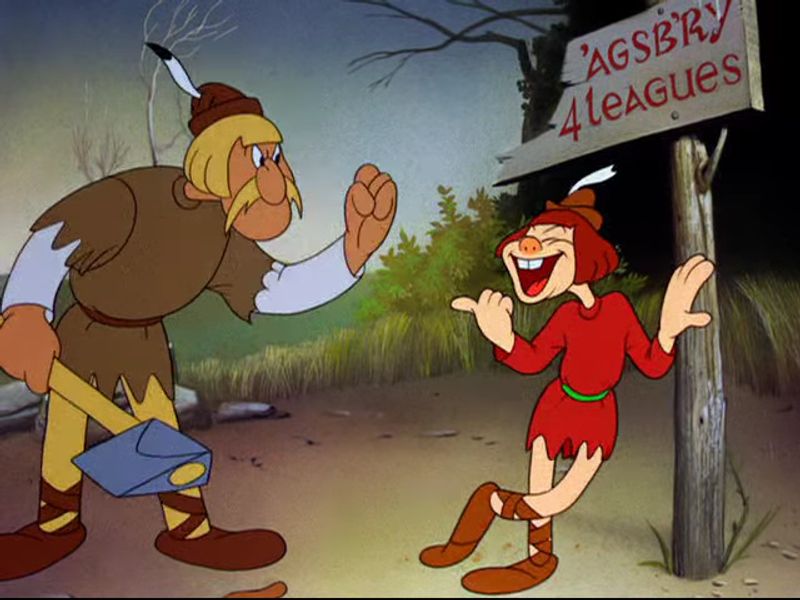
Not everyone who shaped Looney Tunes was a character on screen.
Friz Freleng worked behind the camera as a director, and his specialty was something that made the cartoons feel alive in a way other studios could not quite match: he synchronized movement with music in ways that felt almost magical.
Watch any Looney Tunes short where a character’s steps perfectly match a drumbeat or a chase scene flows like a jazz number, and there is a good chance Freleng had something to do with it.
His musical instincts gave the series a rhythm and energy that became a core part of its identity.
8. Chuck Jones Turned Shorts Into Art
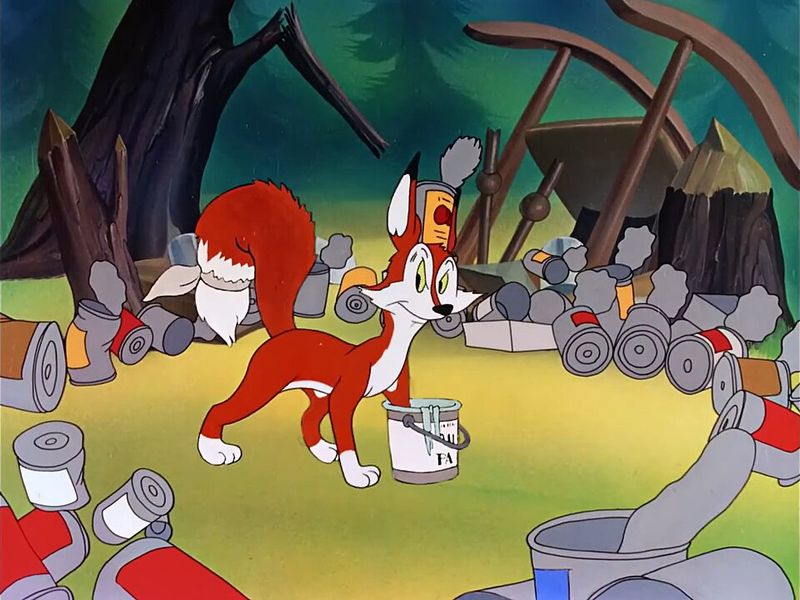
If Looney Tunes is a hall of fame, Chuck Jones has a permanent spot near the front door.
Britannica identifies him as one of the key creative forces behind the franchise, directing critically acclaimed shorts that pushed the boundaries of what animated comedy could do.
Jones had a gift for visual storytelling and comic timing that made even simple premises feel fresh and inventive.
His work showed that a seven-minute cartoon could be as carefully crafted as any feature film.
9. Mel Blanc Was The Voice Of An Entire Universe
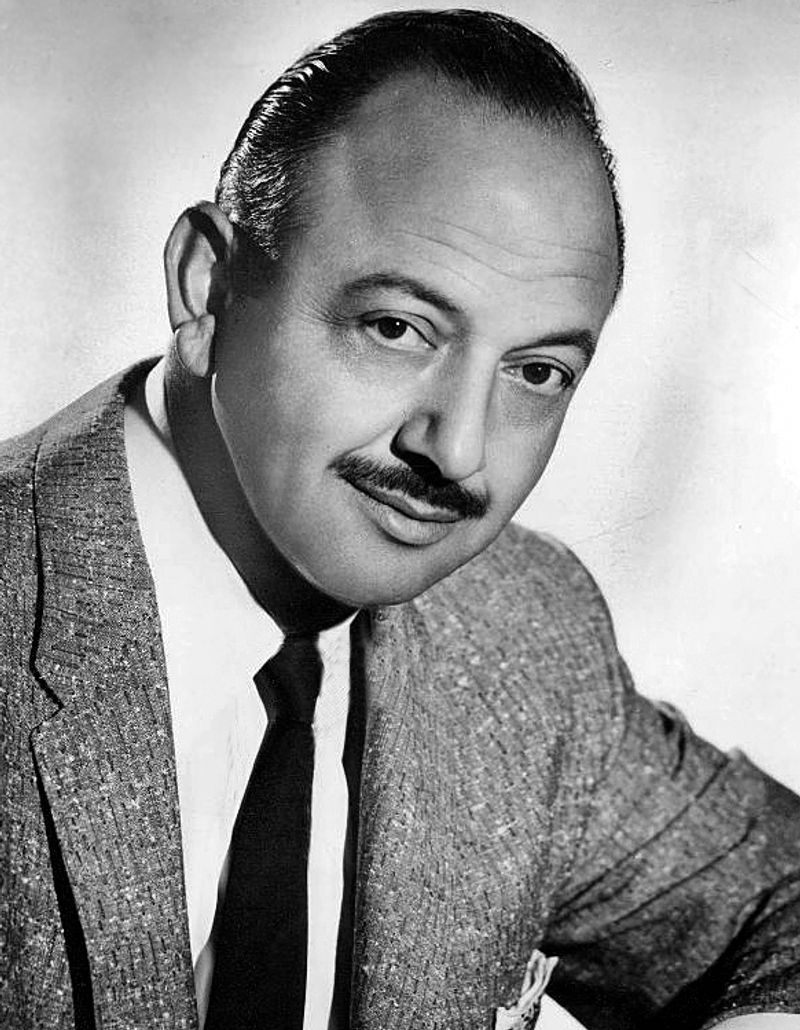
Imagine one person voicing Bugs Bunny, Daffy Duck, Porky Pig, Tweety, Sylvester, Yosemite Sam, and dozens more.
That was Mel Blanc’s actual job, and he did it so well that the Library of Congress specifically called out his work as central to the franchise’s identity.
Each voice was distinct, recognizable, and perfectly matched to its character’s personality. Blanc’s ability to shift between characters mid-session was genuinely jaw-dropping.
10. Duck Amuck Is A Masterpiece Of Cartoon Chaos
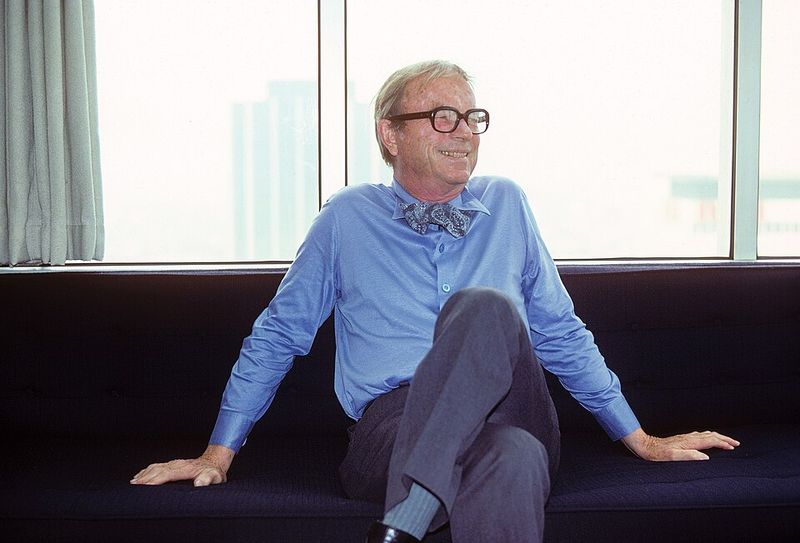
Most cartoons tell a story. “Duck Amuck” from 1953 told a story about the story itself, and that is what makes it so brilliantly weird.
In the short, Daffy Duck battles an unseen animator who keeps erasing his background, changing his design, and messing with the sound. Spoiler: the animator turns out to be Bugs Bunny.
The Library of Congress calls it one of the defining examples of Chuck Jones’s creativity, and it holds up as one of the cleverest pieces of animation ever made.
11. Warner Bros. Cartoons Were Built On Sarcasm And Chaos
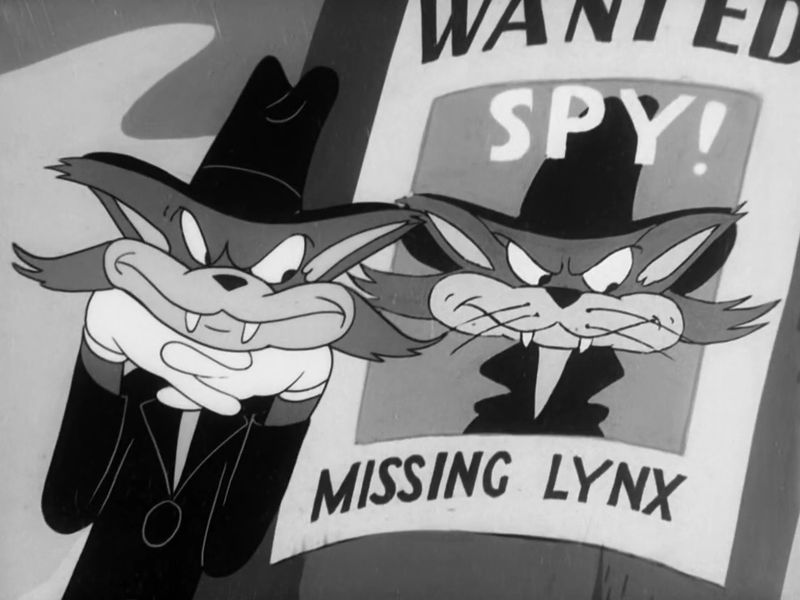
While Disney was crafting fairy tales and heartwarming adventures, Warner Bros. was essentially building a comedy club inside a cartoon studio.
Britannica’s description of the broader Warner roster reflects a house style built around smart-aleck energy, verbal wit, and cheerful defiance of every rule.
Characters talked back, outsmarted their enemies, broke the fourth wall, and generally refused to behave the way cartoon characters were supposed to.
That rebellious spirit was not accidental. It was a deliberate creative choice that gave the series a personality.
12. The Golden Age Packed In A Lot Of Debuts
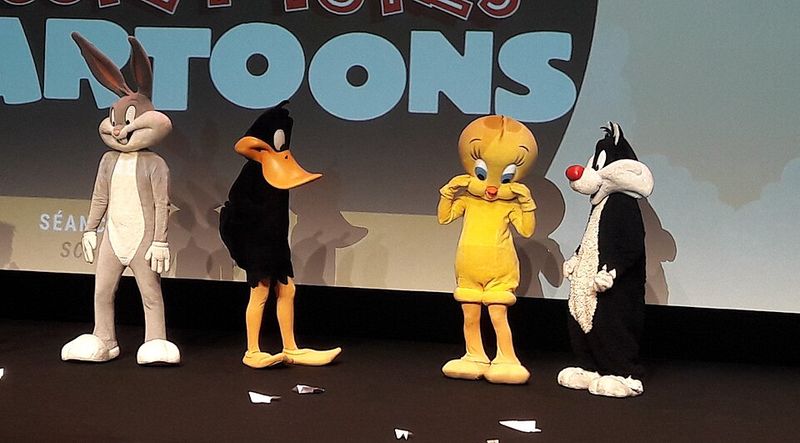
The 1930s and 1940s were basically a non-stop character factory for Warner Bros. cartoons.
Britannica points to that era as the period when many of the most enduring Looney Tunes stars made their first appearances, arriving in a surprisingly tight creative window.
Porky, Daffy, Bugs, Tweety, Elmer Fudd, and others all debuted within roughly a decade of each other, which is remarkable when you consider how iconic each one became independently.
It was like the studio hit a creative hot streak and just kept going.
13. Short Cartoons Became A Star System
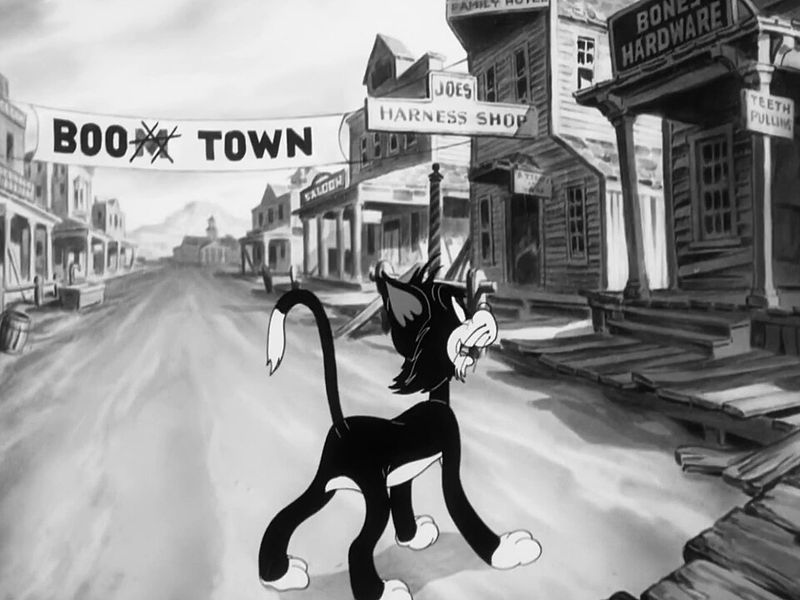
Before Looney Tunes, animated shorts were mostly filler content shown before the main movie.
Warner Bros. changed that by turning their cartoon characters into genuine stars that audiences came back to see again and again, like returning to visit a favorite friend.
Porky, Daffy, and Bugs were not throwaway one-off creations. They were recurring personalities with established traits, running gags, and loyal fan bases.
That shift from disposable filler to beloved recurring characters helped transform how the entertainment industry thought about animation.
14. What’s Up, Doc? Became An Immortal Line
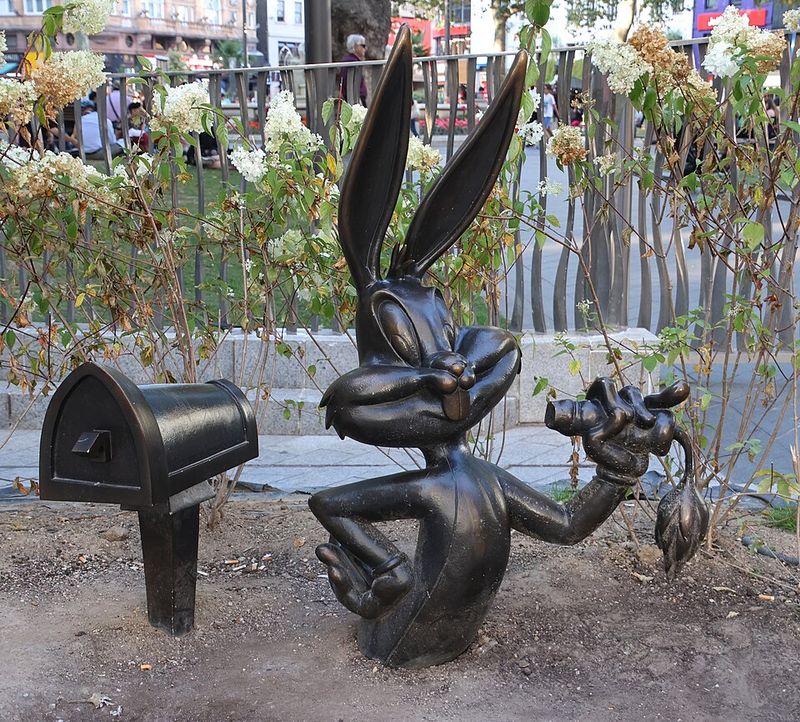
Few lines in entertainment history have stuck around as long or as stubbornly as “What’s up, Doc?”
Britannica lists it among Bugs Bunny’s signature phrases, and it has been quoted and referenced in pop culture for over eight decades without losing any of its charm.
What makes the line work is its delivery. Bugs says it with total calm, usually while someone is pointing a gun at him, which somehow makes it funnier every single time.
It is the verbal equivalent of leaning back in your chair and putting your feet up during a crisis. Bugs Bunny basically invented unbothered cool.
15. Elmer Fudd And Yosemite Sam Were Perfect Foils
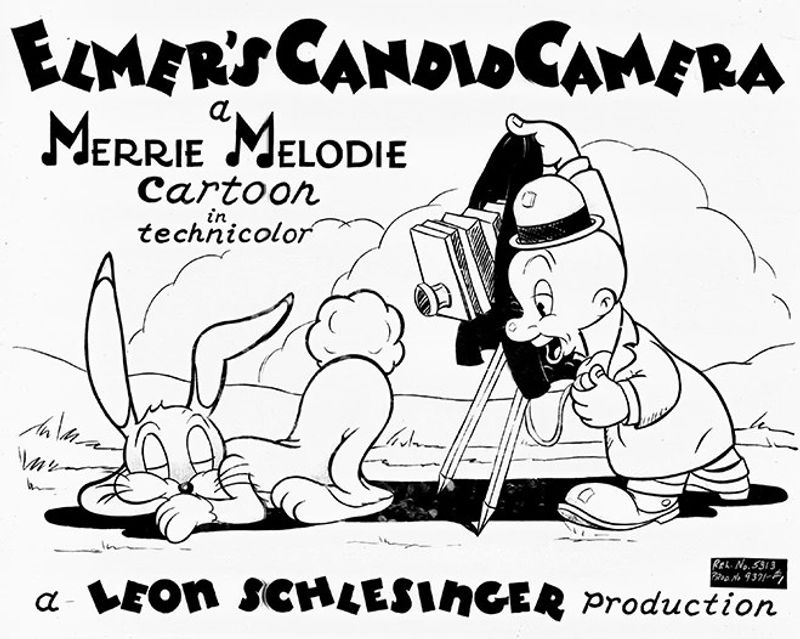
Every great hero needs a great villain, and Bugs Bunny had two of the best.
Britannica specifically names Elmer Fudd and Yosemite Sam as his most frequent nemeses, and both characters served completely different comedic purposes while hunting the same rabbit.
Elmer was bumbling and soft-spoken, which made Bugs look effortlessly brilliant by comparison. Sam was loud, explosive, and completely over the top, giving Bugs a chance to stay cool while chaos erupted around him.
Together, they created the franchise’s most repeatable and satisfying comic setups.
16. Friz Freleng Created Yosemite Sam And Tweety
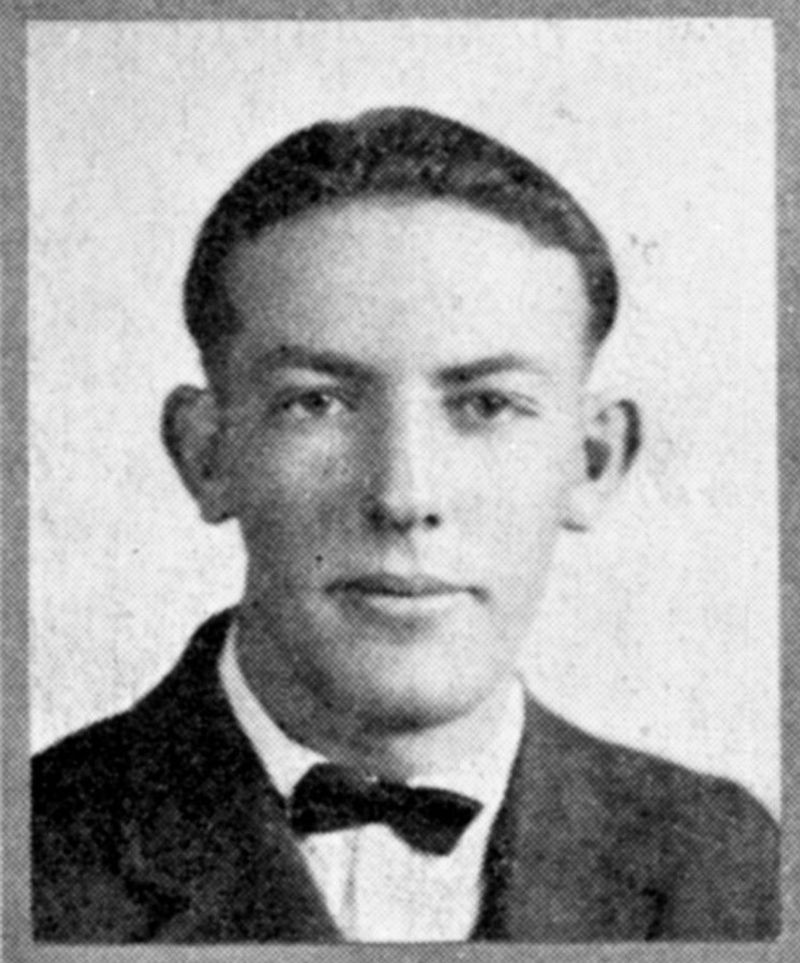
Friz Freleng was not just the guy who made cartoons move to music. He was also responsible for bringing some of the franchise’s most beloved characters into existence.
Britannica credits him with creating or significantly redesigning both Yosemite Sam and Tweety Pie, two characters who could not be more different from each other.
Sam was all volume and fury, while Tweety was small, sweet-looking, and quietly ruthless. That range says a lot about Freleng’s creative flexibility.
17. The Whole Thing Started As A Business Strategy
Here is a fact that reframes everything: Looney Tunes did not start because a group of artists woke up one day and decided to make the world’s funniest cartoons.
Merrie Melodies was originally designed to help market Warner Bros.’ music holdings, essentially turning animated shorts into glorified promotional content.
The studio owned a massive music catalog and needed a creative way to get those songs in front of audiences. Cartoons turned out to be the perfect vehicle.
What began as a commercial strategy eventually became one of the most celebrated animation franchises in history.
18. The Name Itself Was Always About Music
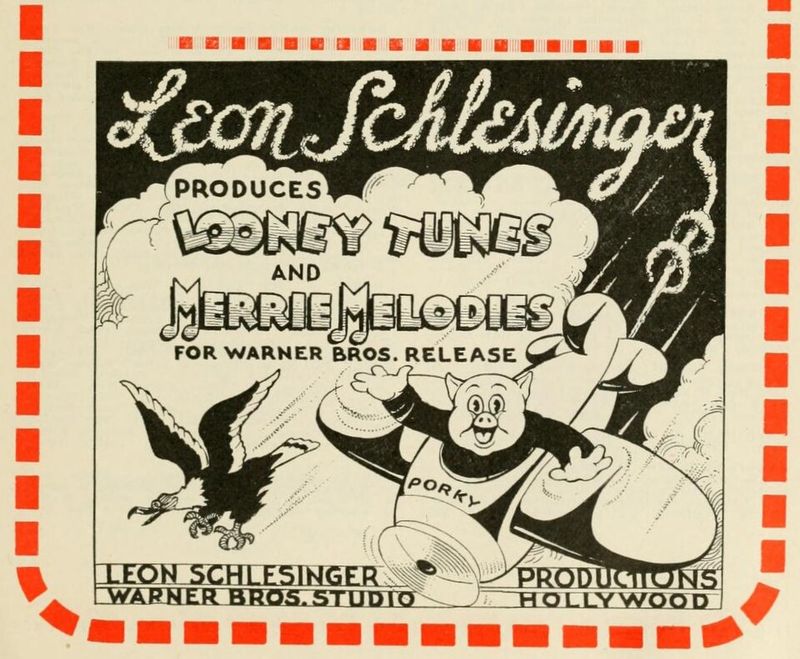
Take another look at those two series names: Looney Tunes and Merrie Melodies. Both of them have music baked directly into the title, and that was absolutely intentional.
The word “Tunes” and the word “Melodies” were chosen because music was central to the concept from day one.
Even as the cartoons evolved into character-driven comedies, the musical roots never fully disappeared.
Background scores, perfectly timed sound effects, and characters bursting into song remained part of the formula throughout the franchise’s run.