Falafel Explained: A Complete Guide To The Classic Dish
Falafel has a way of winning people over fast, turning simple ingredients into something crave-worthy across cultures and continents.
That crispy exterior, tender center, and punch of herbs and spices make it just as perfect for a quick street-food lunch as it is for a sit-down meal.
Digging into the legumes, seasonings, and cooking technique behind falafel reveals why this classic has stayed beloved for generations.
Note: This article is intended for general informational and entertainment purposes, using commonly cited culinary history and widely used preparation guidance to explain falafel and its regional variations.
10. What Falafel Is (And What It Isn’t)
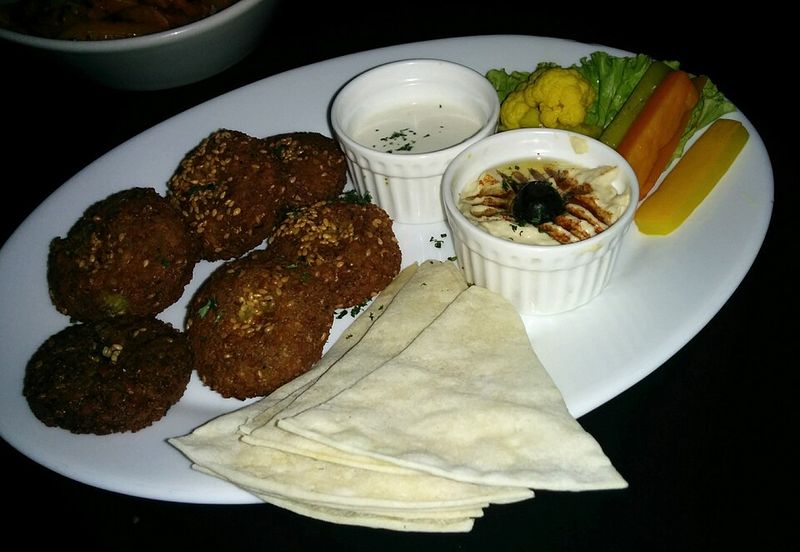
Picture a golden-brown fritter that crunches when you bite into it, then gives way to a soft, herb-flecked center.
Falafel is a deep-fried ball or patty made from ground legumes – chickpeas or fava beans – mixed with fresh herbs and spices. Most recipes skip meat entirely, making it a go-to for vegetarians and anyone looking for a protein-packed option that doesn’t rely on animal products.
That crisp-tender contrast is what keeps people coming back, whether they’re grabbing a quick bite or building a full meal. It’s street food that feels both humble and special at the same time.
9. Where It Likely Started
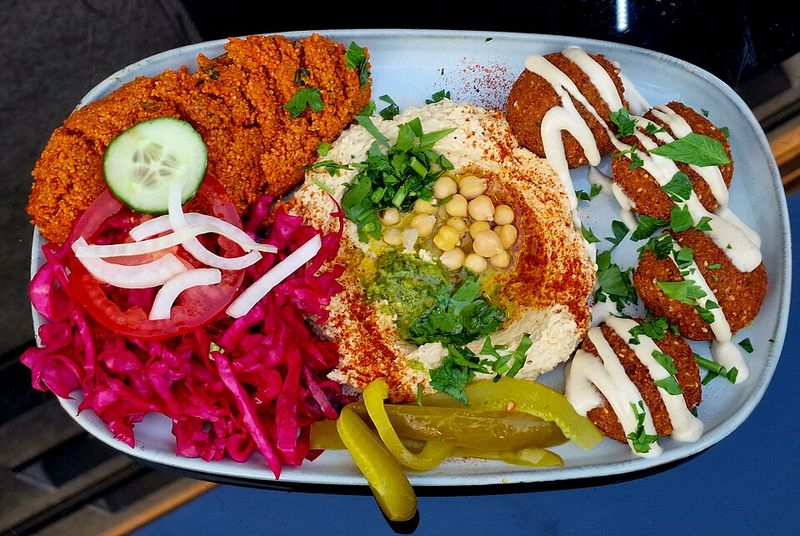
Egypt is frequently cited when food historians discuss falafel’s roots, though the exact origin is still debated. Many sources connect the dish to Egypt, where ta’ameya is a well-known fava-bean version of falafel.
From there, it spread across the Levant and beyond, becoming a staple on street corners and in homes.
Exact origins are still debated. Some accounts suggest older roots or different regions, but Egypt’s role is widely discussed.
What started as a local specialty turned into a dish that crossed borders and became a symbol of Middle Eastern cuisine worldwide.
8. The Core Legume Question: Chickpeas Vs Fava Beans
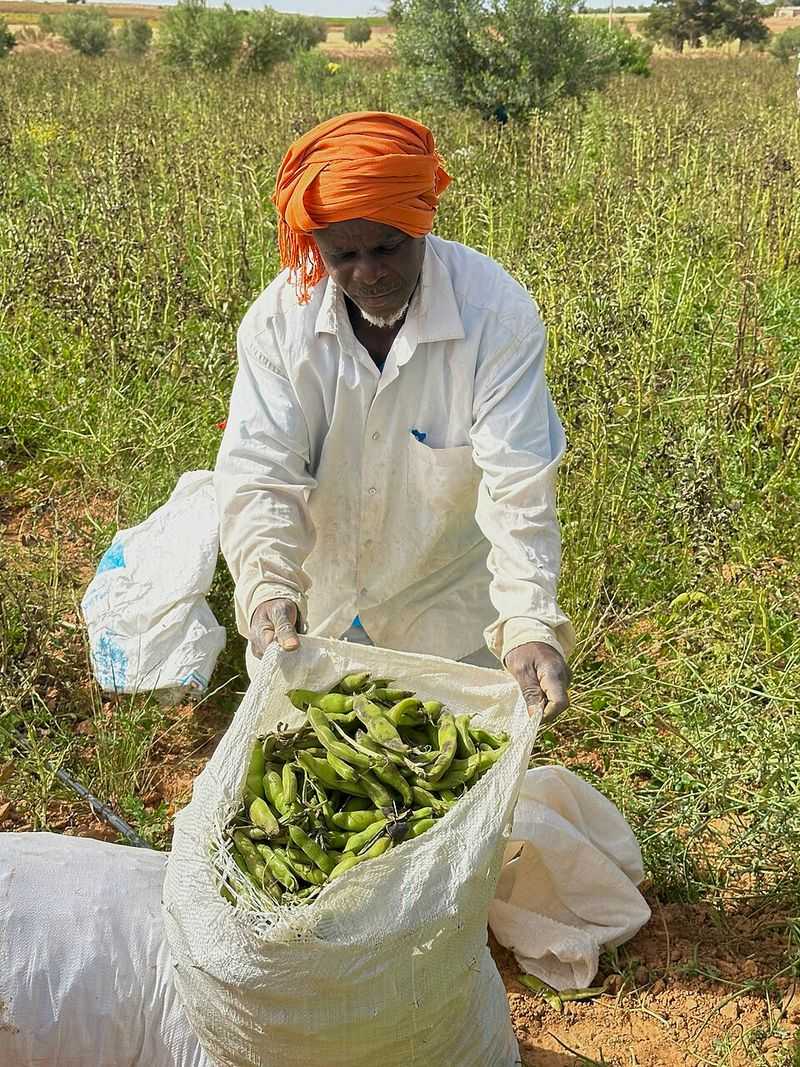
Egyptian-style ta’ameya commonly uses fava beans, while many Levantine versions lean chickpea, and blends exist too.
That one choice changes flavor, color, and texture in a noticeable way. Fava beans tend to produce a brighter green interior and a slightly earthier taste, while chickpeas offer a nuttier, sweeter profile and a more golden hue.
Some cooks even mix the two to get the best of both worlds. If you’ve ever wondered why one falafel tastes different from another, the legume is often the first clue.
7. Chickpeas Matter Because Texture Starts At The Seed
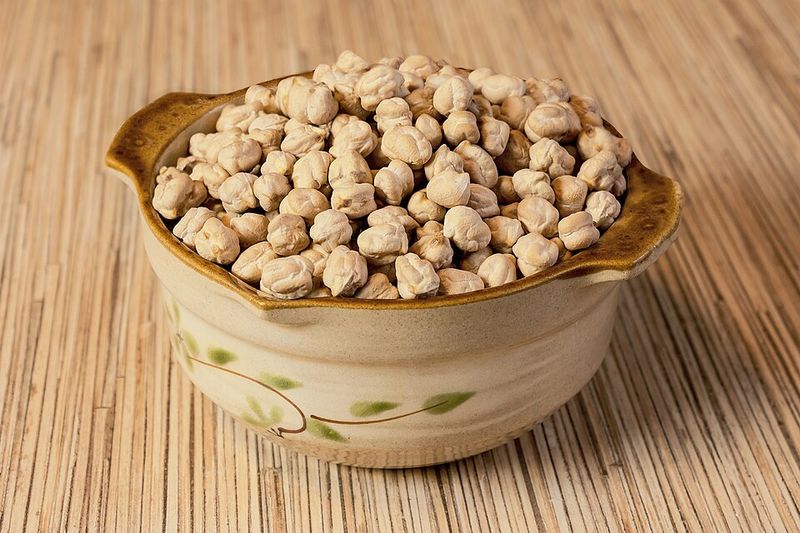
Chickpeas bring a nutty, slightly sweet base and a crumbly-tender interior when the mix is ground properly.
Using dried chickpeas – soaked overnight, not canned, is a common technique for keeping the inside light instead of pasty. Canned chickpeas hold too much moisture, which can turn your falafel dense and heavy.
Traditionally, cooks soak dried chickpeas, drain them well, then grind them into a coarse mixture that holds together without turning to mush. That simple step is what separates airy, fluffy falafel from the kind that feels like a brick.
6. Herbs Aren’t Garnish, They’re Part Of The Structure
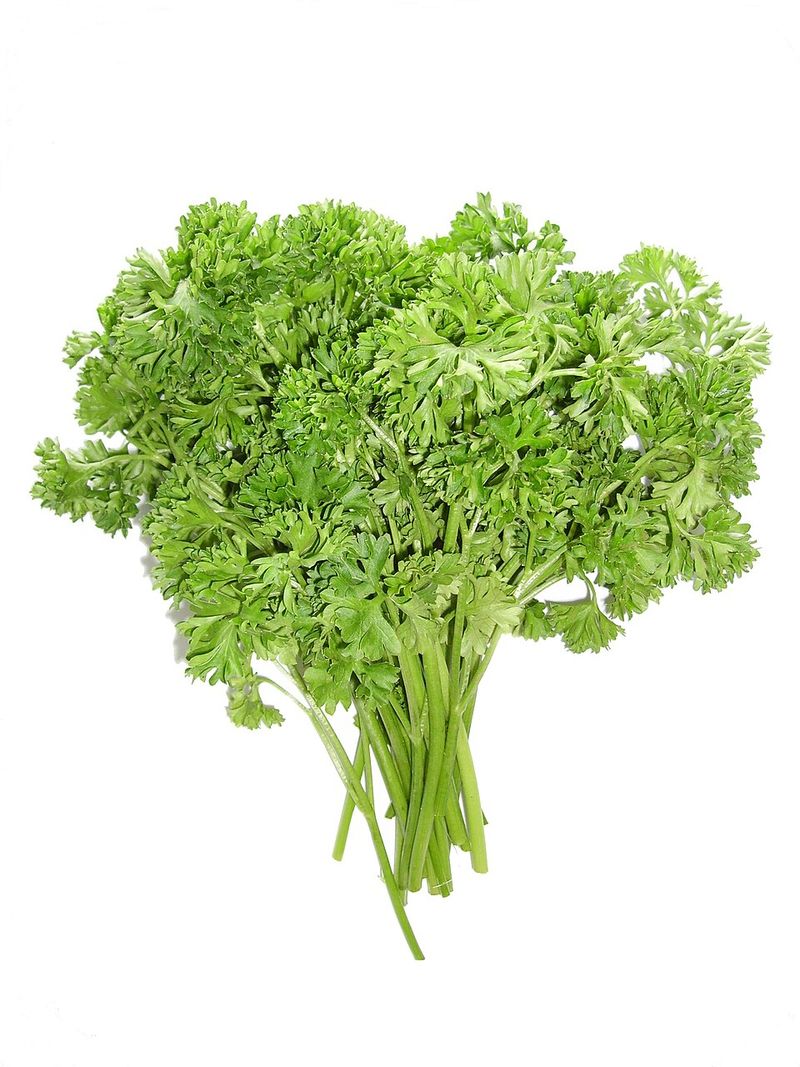
Fresh herbs, often parsley and cilantro, brighten flavor and add moisture and color, which can support a lighter texture when the mixture is ground properly. Many cooks aim for a mixture that looks green-flecked before frying.
If you’ve ever cut into a falafel and seen those little bursts of green, that’s the herbs doing their job.
Beyond flavor, herbs add moisture and lightness, which balances the starchy legumes. Think of them as the secret ingredient that keeps each bite from feeling too heavy or one-note.
5. Spices Define The Falafel Signature
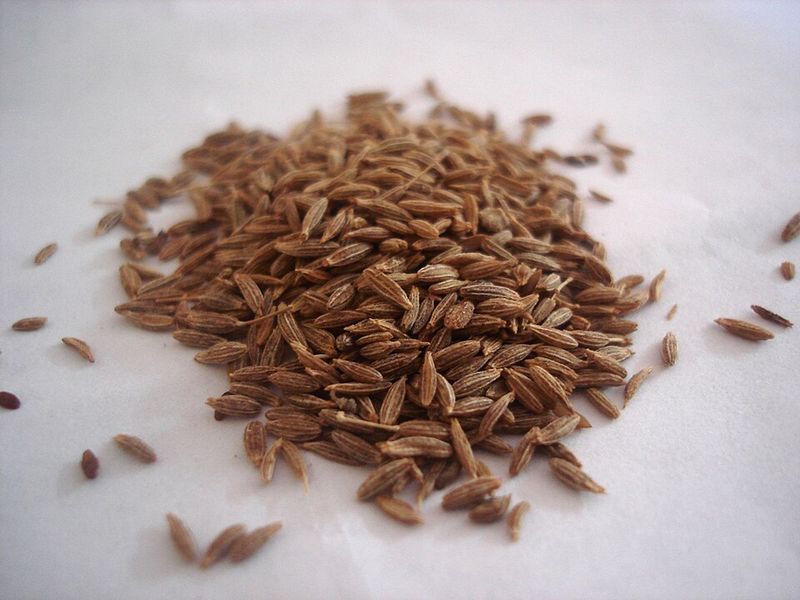
Cumin is one of the most common spice notes associated with classic falafel flavor, often paired with other warm spices depending on region and family style.
Small shifts in seasoning can make one batch taste totally different from another. Maybe you add a pinch of coriander for earthiness, or a touch of cayenne for heat.
However you blend them, spices are what give falafel its unmistakable aroma – the kind that drifts from a food cart and makes you hungry before you even see the dish.
4. The Fry Is The Identity: Crisp Shell, Soft Center
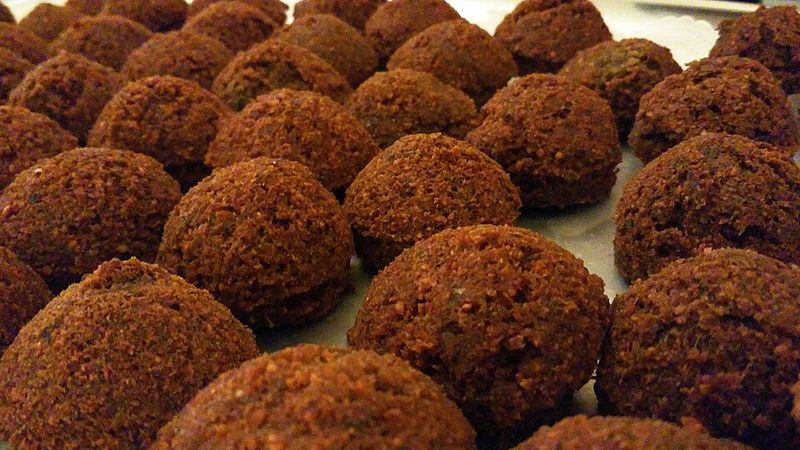
Traditional falafel is deep-fried to create the contrast people expect: a crunchy exterior with a tender interior. Baked or air-fried versions can work too, but the texture will differ.
Temperature and mixture moisture are the difference between light and crisp versus oily and heavy.
If the oil is too cool, the falafel soaks up grease; too hot, and the outside burns before the inside cooks. Getting it just right means you bite through a shell that shatters gently, revealing a fluffy, flavorful center.
That’s the moment when all the prep work pays off.
3. Tahini Sauce Is The Classic Partner
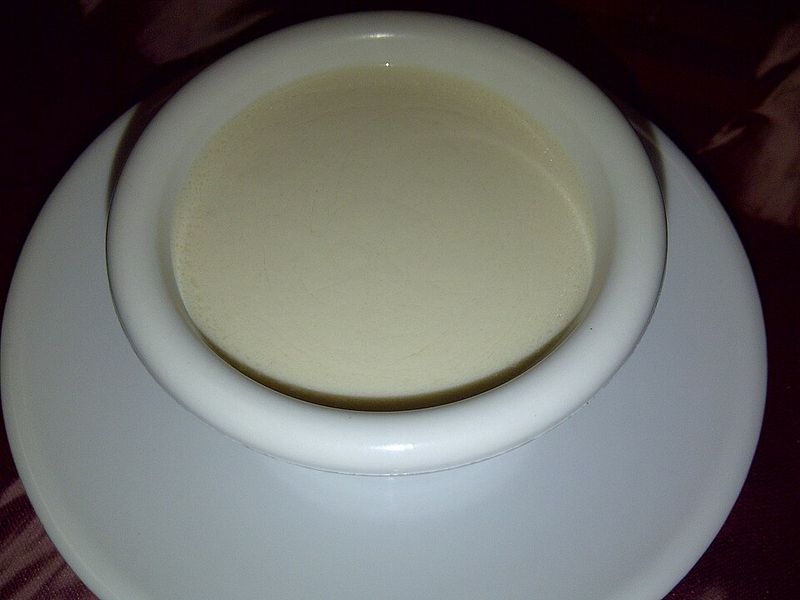
Tahini-based sauce adds creamy richness and a roasted sesame edge that balances the fried exterior. Plenty of servings lean on tahini as the default drizzle rather than a side option.
Usually, it’s thinned with lemon juice, garlic, and a bit of water until it reaches a pourable consistency.
A good tahini sauce can make the whole bite feel more balanced. It cools the heat, cuts richness, and brings the flavors together.
Think of it as the glue that turns individual elements into a cohesive bite.
2. Pita (And Other Flatbreads) Turn It Into A Full Meal
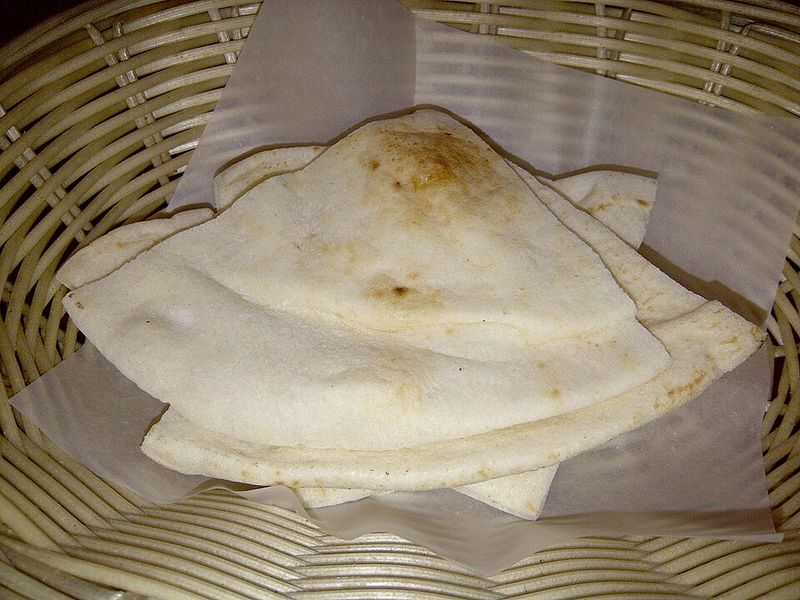
Falafel is often served stuffed in flatbread like pita, which makes it portable and easy to load with vegetables, pickles, and sauce.
The bread also helps manage heat and crunch in one bite. Wrapped up, it becomes a handheld meal that travels well – perfect for a lunch break or a quick dinner on the go.
While pita is the most common choice, other flatbreads work just as well, each adding its own texture and flavor. It’s the ultimate example of how bread can transform a simple fritter into something satisfying and complete.
1. The Sandwich Build Is Part Of The Classic Experience
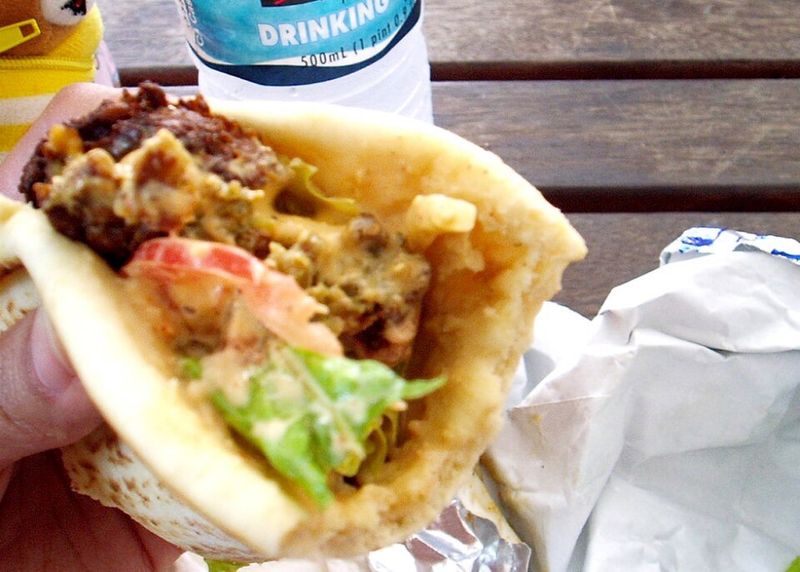
A falafel sandwich isn’t just falafel in bread – usually, it’s layered with crunchy add-ins and a sauce that soaks slightly into the pita.
That mix of crisp, creamy, tangy, and fresh is what many people picture when they hear the name. Maybe you add pickled turnips for tang, sliced tomatoes for juiciness, or shredded lettuce for crunch.
Ultimately, the sandwich is where all the components come together, creating a bite that’s greater than the sum of its parts. This kind of meal feels both casual and crave-worthy.