7 Famous Americans Who Nearly Boarded The Titanic And 6 Who Did
Luxury, headlines, and one disastrous travel story collided in April 1912.
Boarding passes were booked, plans were made, and then at the very last minute, a few famous names either stepped bac, or stepped straight into history.
Some missed the ship by pure chance, others boarded without knowing how the story would end, and every decision suddenly mattered more than anyone could have imagined. Turns out, changing travel plans has never carried quite this much weight.
1. Missed: J. P. Morgan
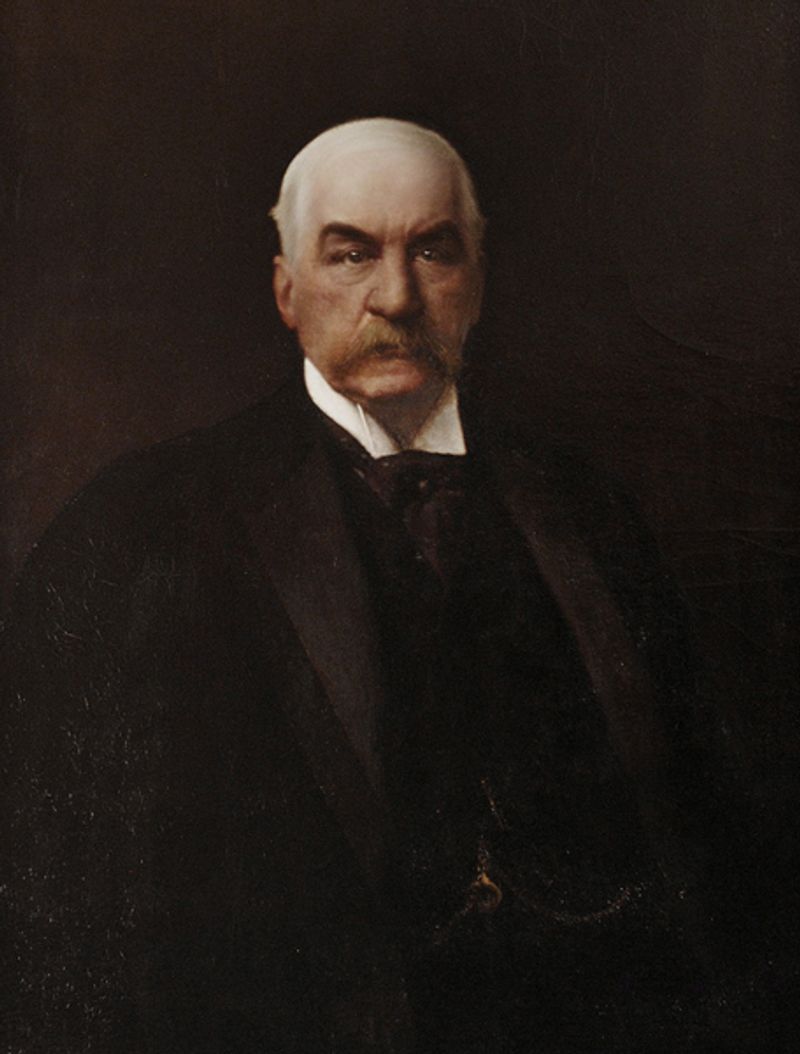
Plans shifted at the last minute for J. P. Morgan, and the decision became one of the most famous near-misses tied to the voyage. He had booked a place on the Titanic maiden voyage, then quietly canceled just before departure, citing health reasons and a stay at a French spa.
Raised eyebrows followed the timing, with some historians questioning the sudden change of plans.
Morgan went on to continue leading his financial empire for another year, passing away in 1913.
2. Missed: Milton S. Hershey
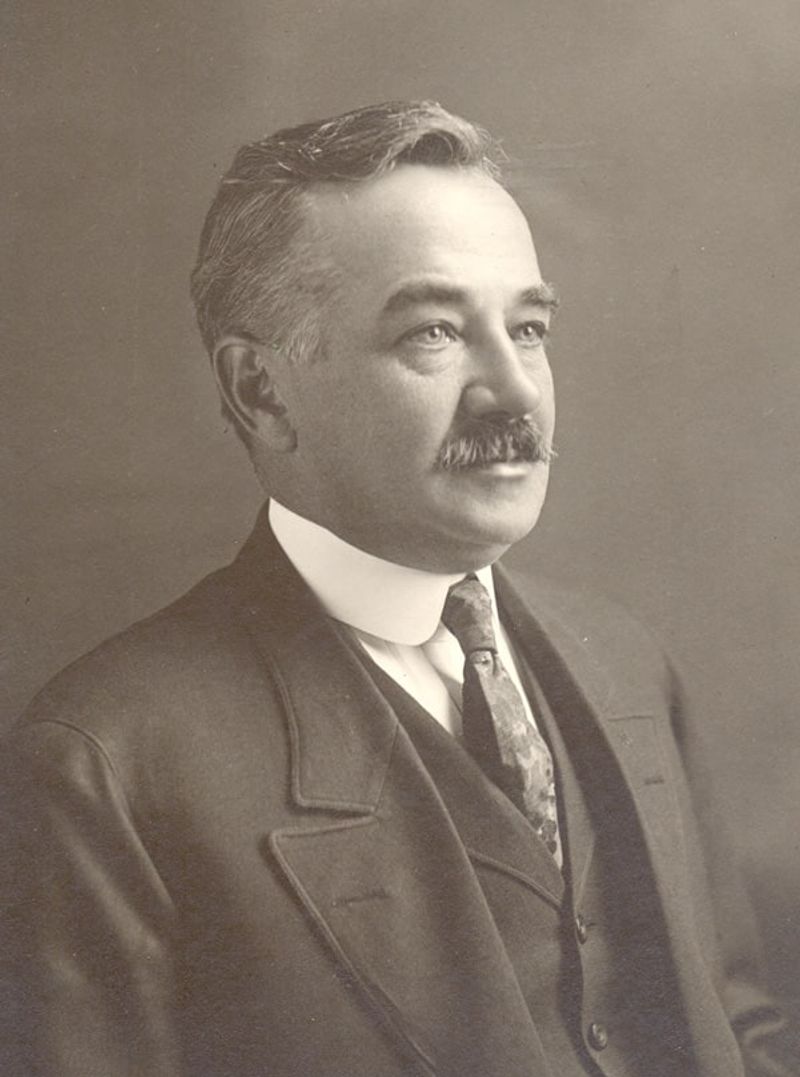
Close calls rarely feel this consequential, especially for Milton S. Hershey.
Booked passage on the Titanic maiden voyage, then switched to an earlier ship, the Amerika, when pressing business pulled him back home.
Deposit receipt for that Titanic booking still exists today, tying his name to a very different possible outcome. Last-minute decisions kept the Hershey legacy firmly on track.
3. Missed: Henry Clay Frick
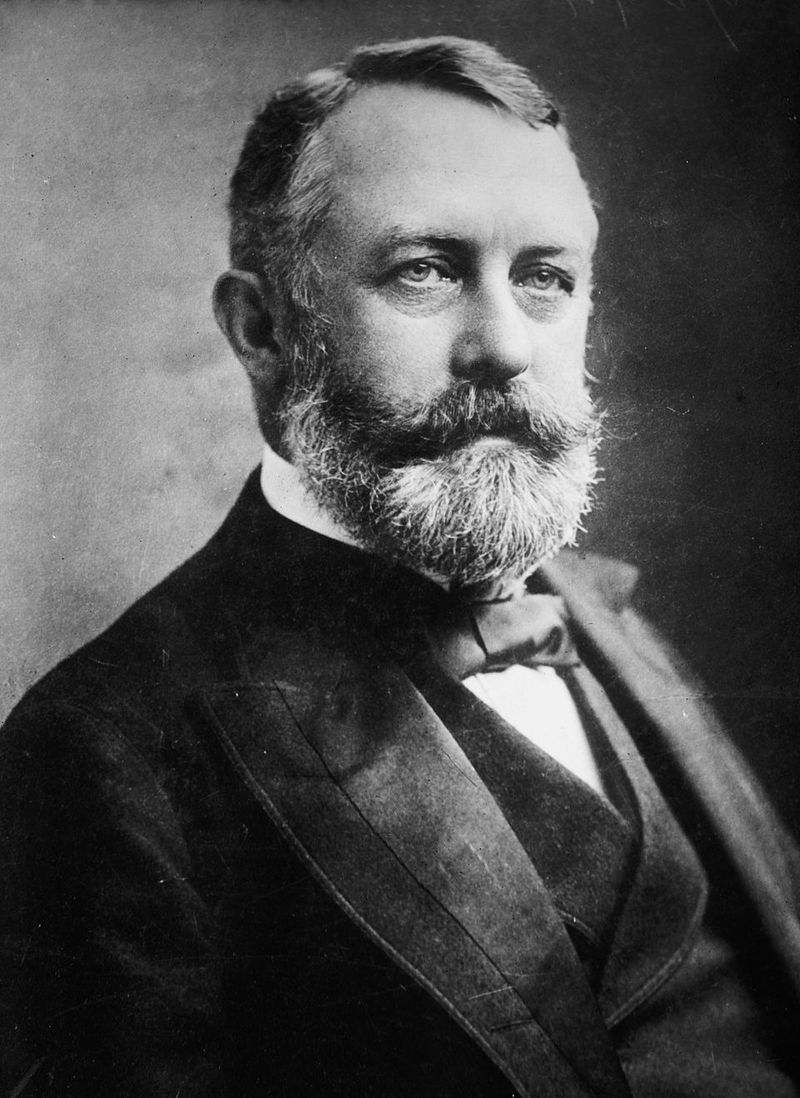
Steel magnate Henry Clay Frick had reserved a luxurious suite aboard the Titanic, the kind with a private promenade deck and all the expected first-class luxuries.
His wife Adelaide sprained her ankle while the couple vacationed in Europe, and the injury made the voyage impractical.
Fate stepped in wearing a walking boot. The Fricks canceled, returned safely on another liner, and Henry went on to build one of New York’s finest art collections.
4. Missed: Theodore Dreiser
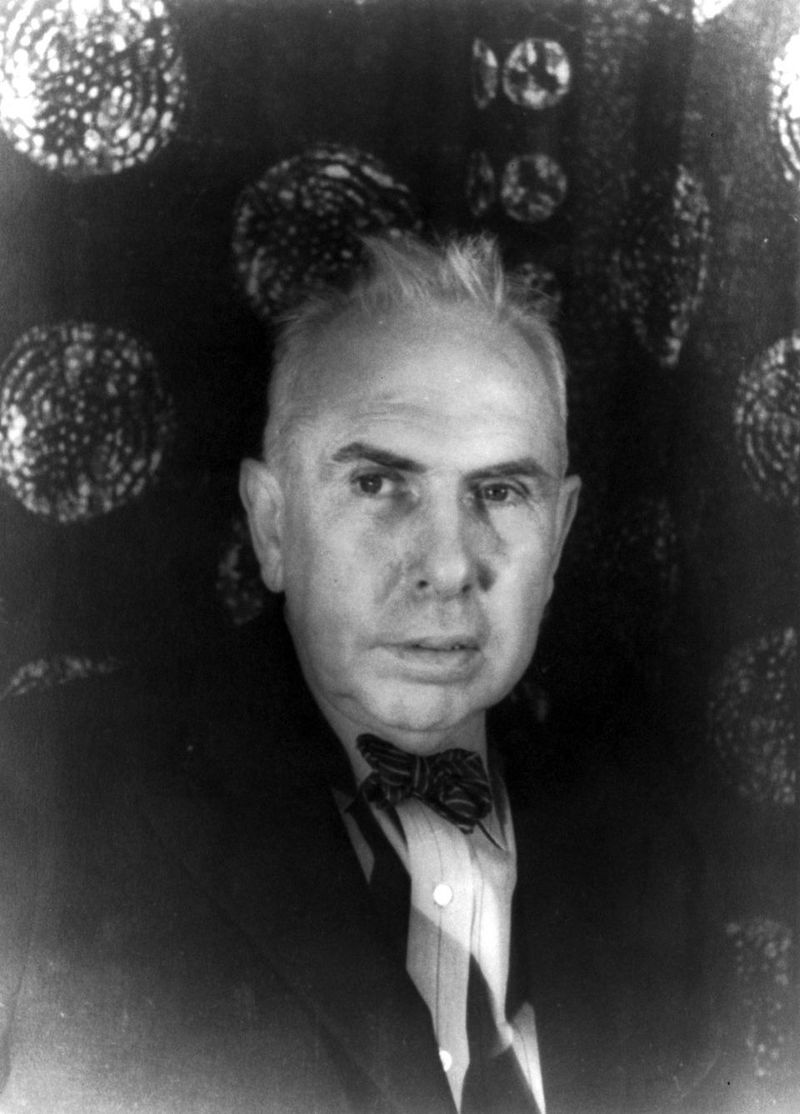
Grit and ambition defined the work of Theodore Dreiser, who nearly chose the RMS Titanic for his return journey home.
Advice from a friend steered him toward a cheaper ship instead, a small decision that ended up saving both money and his life.
Later reflections carried the same dark irony that shaped much of his fiction. Occasionally, a simple bargain ends up carrying far more weight than expected.
5. Missed: John R. Mott
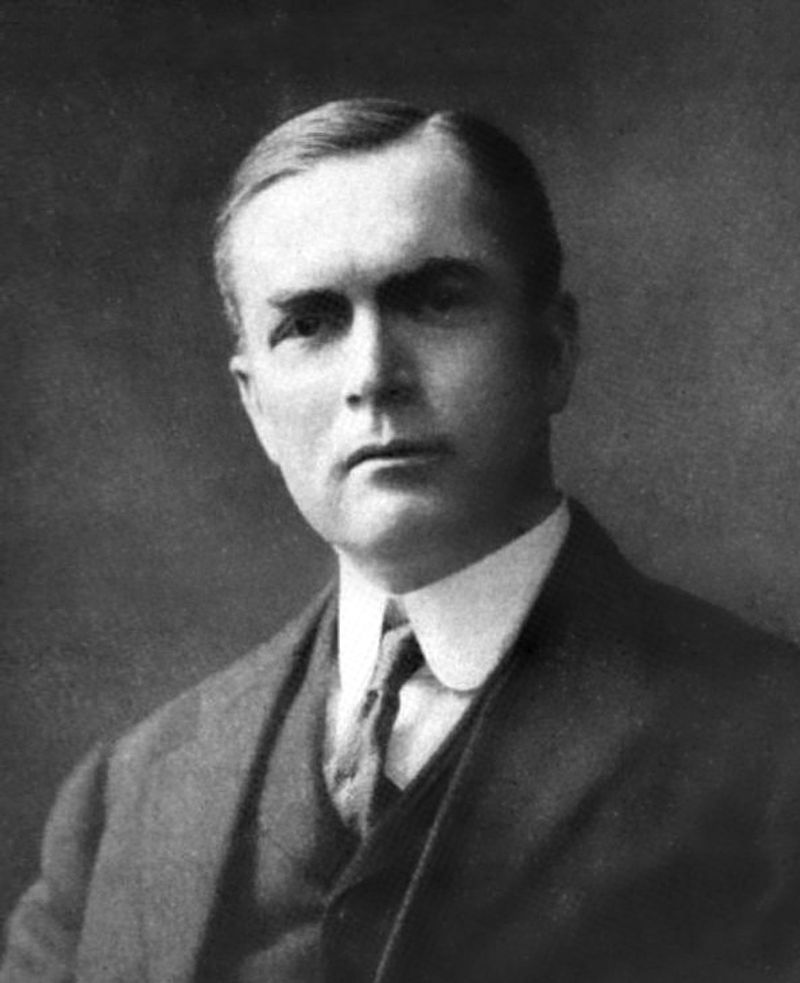
Turning down a Titanic passage invitation turned into an unexpectedly consequential decision for John R. Mott.
Offered a place on the Titanic maiden voyage, he chose the RMS Lapland instead, a practical call that drew little attention at the time but stands out in hindsight.
Years ahead would see him shape global humanitarian work and later receive the Nobel Peace Prize. Calm, deliberate instincts may have guided him away from this voyage long before any iceberg entered the picture.
6. Missed: Alfred Gwynne Vanderbilt
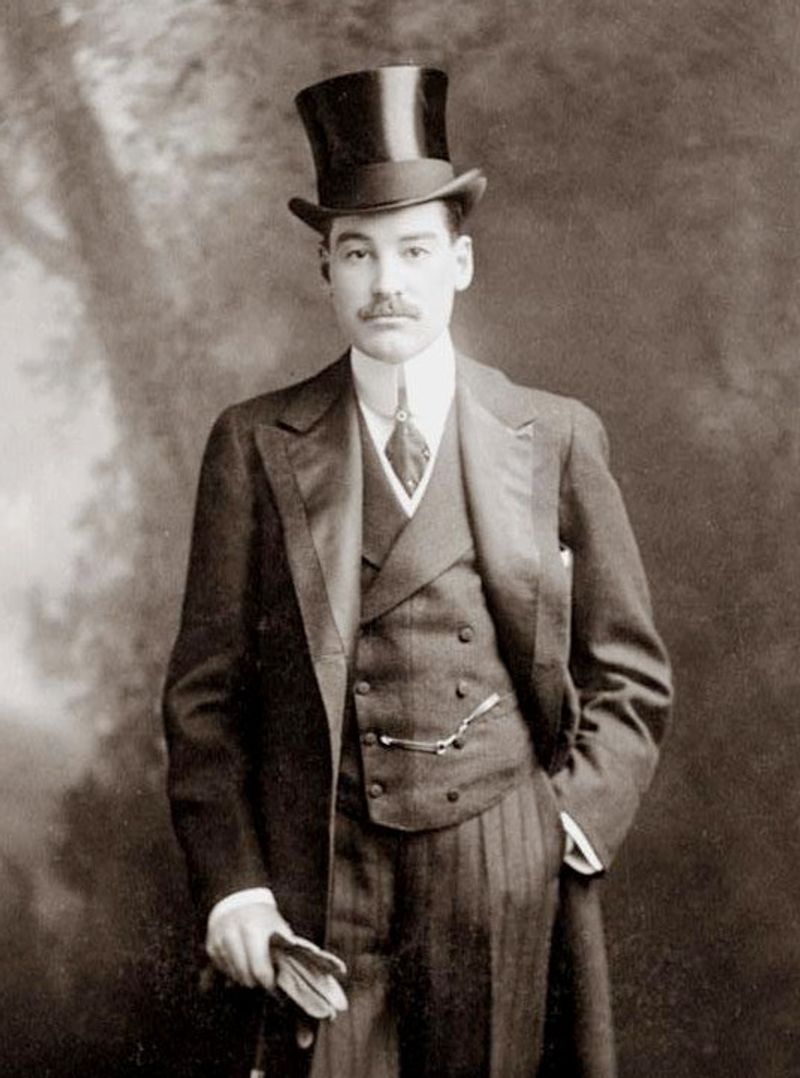
Alfred Gwynne Vanderbilt is often listed among the prominent Americans said to have skipped Titanic before it sailed, though the documentation is less firm than in some other near-miss cases.
Details around that decision remain uncertain, yet the story carries an unsettling turn. Fate caught up later aboard the RMS Lusitania, where he lost his life in 1915.
Timing has a way of shaping outcomes, even when it seems like luck is on your side.
7. Missed: Henry Adams
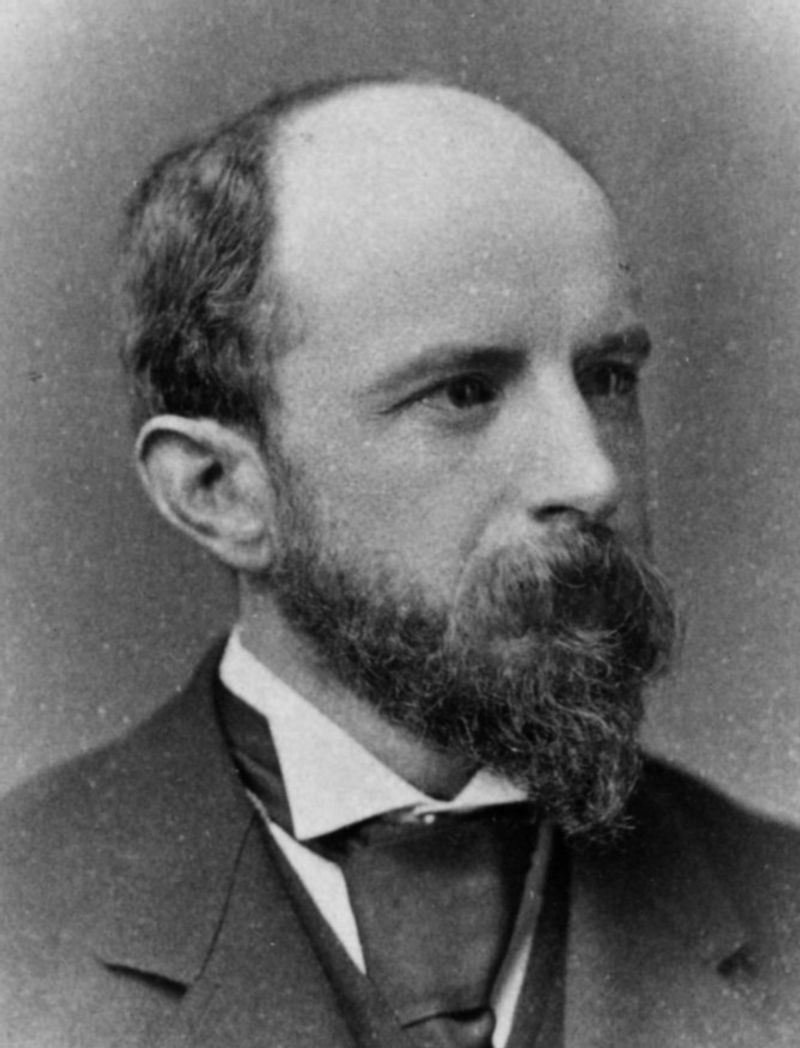
Titanic’s planned eastbound return crossing was the journey Henry Adams expected to board, not the maiden voyage itself.
Intention centered on sailing during the ship’s first eastbound return, a journey that never came to pass.
Years of writing explored collisions between history and modernity, tracing how confidence in progress could meet sudden, harsh limits. Titanic’s fate echoed those themes in a stark way, mirroring the very rupture he had spent a lifetime examining.
8. Boarded: John Jacob Astor IV
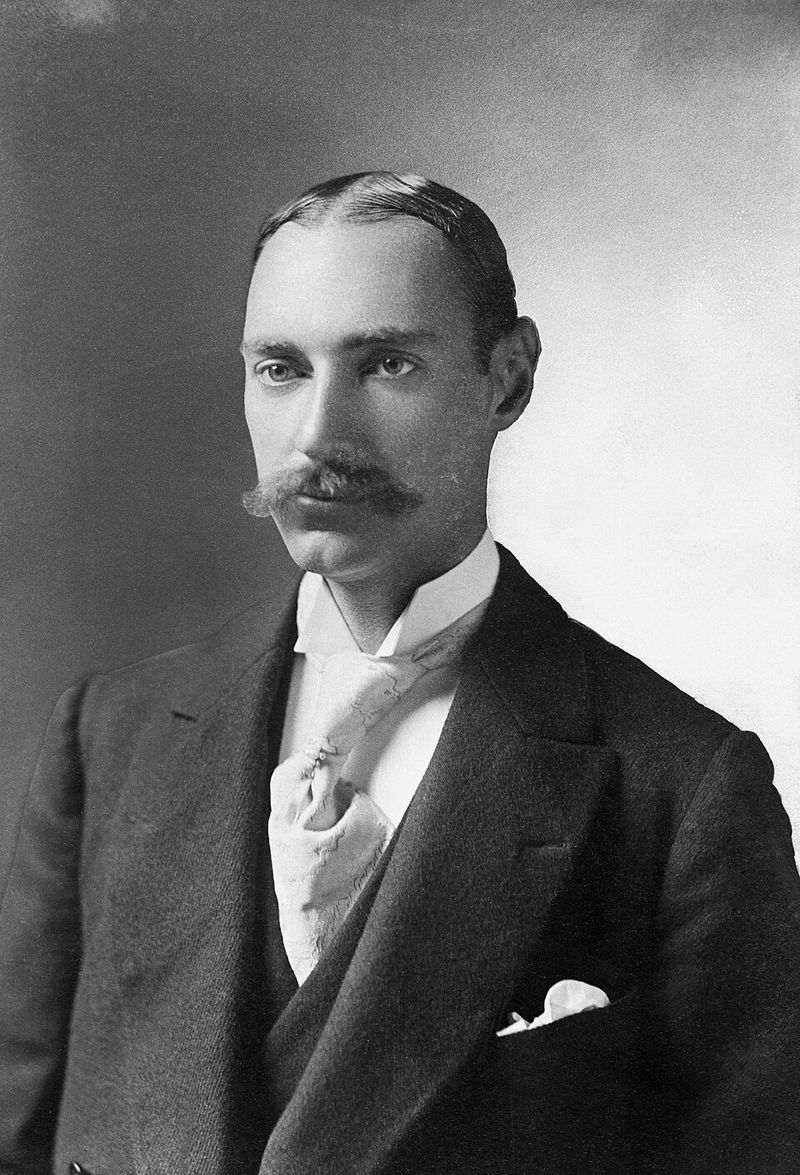
One of the wealthiest men in the world stepped onto the Titanic alongside his young bride Madeleine, and the world would never forget either of them.
John Jacob Astor IV helped Madeleine into a lifeboat before stepping back onto the deck, choosing a gentleman’s end over a survivor’s shame.
His body was later recovered from the Atlantic. The colonel’s watch, rings, and cufflinks were returned to his family, small relics of a vast fortune and a final hours that became part of Titanic history.
9. Boarded: Benjamin Guggenheim
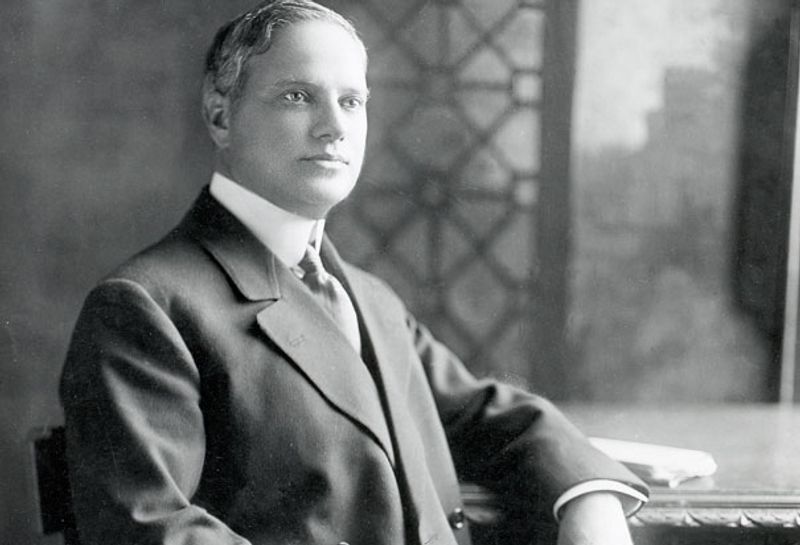
Evening clothes replaced more practical choices as Benjamin Guggenheim prepared for what he knew was coming aboard the RMS Titanic.
Words passed through a steward carried a final message to his wife, telling her he had played the game straight to the end. Chance to board a lifeboat never came for him.
Composure in those final moments turned his story into one of the most often repeated accounts from the disaster, a portrait of resolve held all the way through.
10. Boarded: Margaret “Molly” Brown
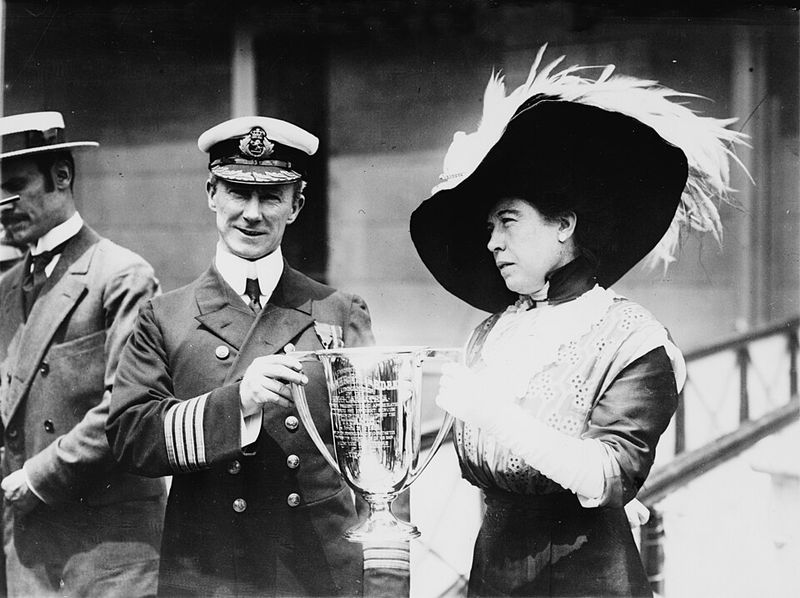
Taking charge came naturally once Lifeboat 6 hit the freezing Atlantic, with Margaret Brown stepping forward instead of waiting. Reports describe her urging the crew to row back for survivors while keeping spirits steady through long, dark hours until the RMS Carpathia arrived at dawn.
Survival marked only the beginning, as she spent years advocating for fellow passengers and supporting workers’ causes.
Broadway later carried her story even further, and the nickname “Unsinkable” stayed for a reason.
11. Boarded: Isidor Straus
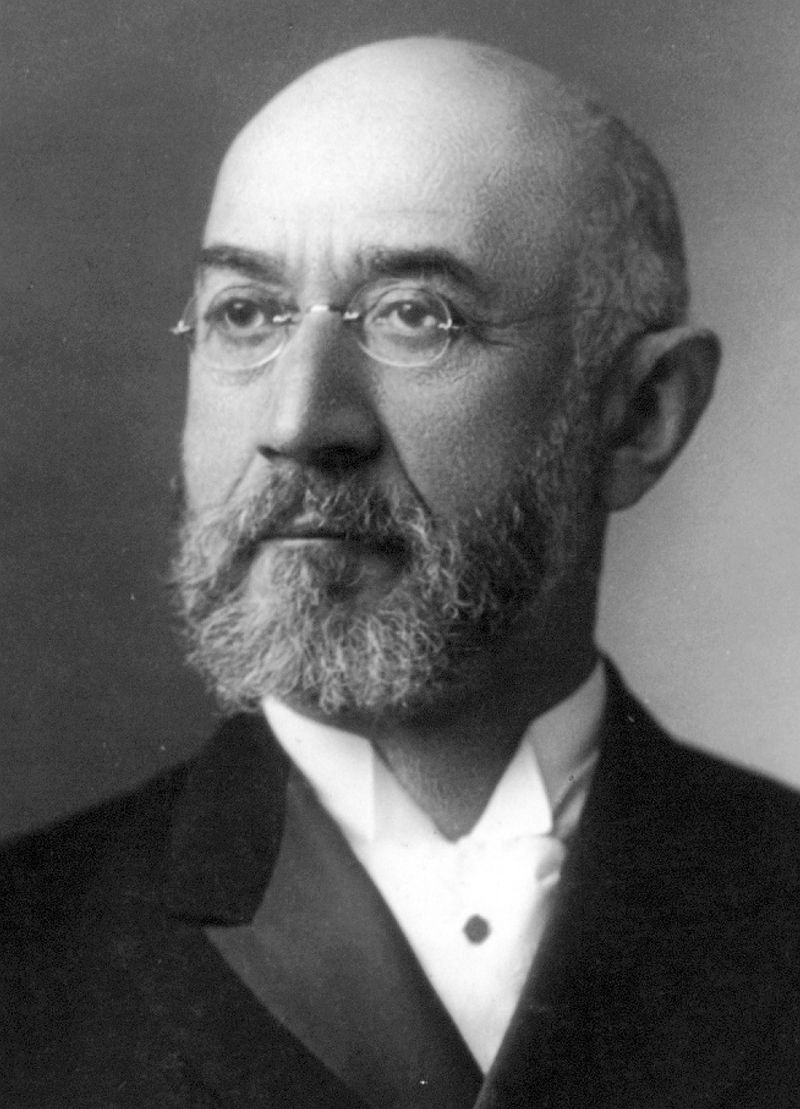
Respect and responsibility shaped the final choices of Isidor Straus aboard the RMS Titanic. Offer of a lifeboat came his way, yet he declined rather than take a place ahead of others still on deck.
Decision carried both consequence and meaning, defining how his story would be remembered.
Bond shared with his wife Ida turned their final moments into one of the most enduring love stories tied to the disaster. New York honored him in the years that followed, and a memorial fountain in Manhattan still bears his name.
12. Boarded: Ida Straus
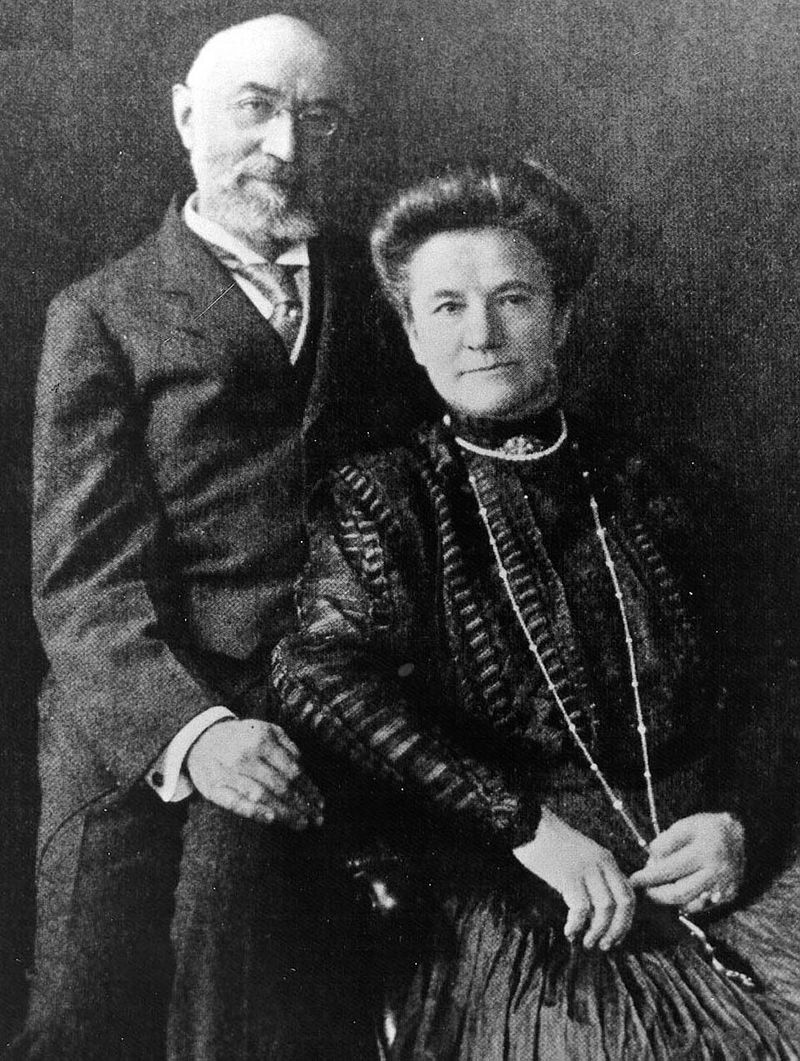
Ida Straus stepped into a lifeboat, then stepped right back out again.
She looked at her husband Isidor and said, simply, that she would not be separated from him after so many years together.
The two were last seen sitting side by side on deck chairs, holding hands as the ship went down around them. Of all the stories that came out of that April night, theirs is the one that still quietly stops people cold.
13. Boarded: Archibald Butt
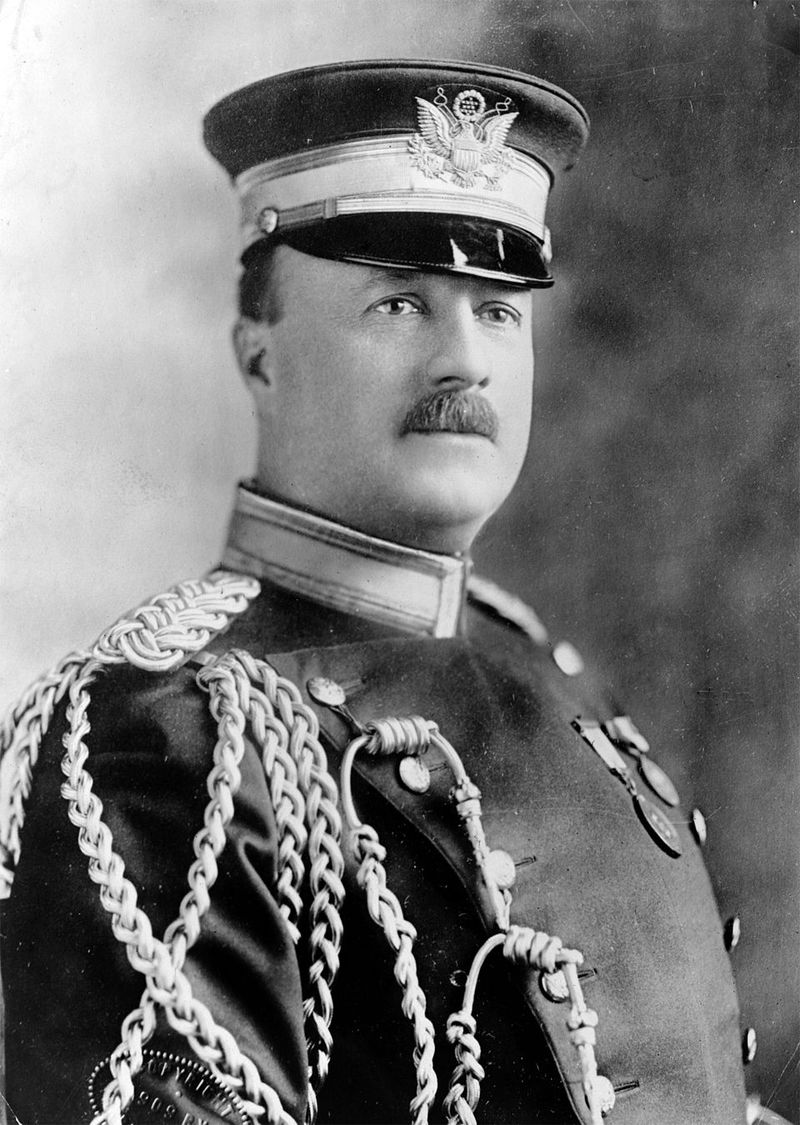
Archibald Butt was returning from Europe after a trip taken during a personally and professionally difficult period.
Multiple survivors later recalled President Taft’s trusted military aide helping women and children into lifeboats with the steady composure of someone shaped by years of service at the highest level.
News of Butt’s death reportedly hit Taft hard, with accounts saying the president was reportedly deeply affected when he learned his aide had not survived. Memorial fountain in Washington, D.C., later honored both Butt and fellow passenger Francis Millet.
Note: This article has been reviewed for general factual accuracy using available historical reporting and reference sources, though documentation for some Titanic near-miss stories is stronger than for others.
Because parts of Titanic lore have been repeated with varying levels of evidence over time, the content is provided for general informational and entertainment purposes rather than as a definitive archival record.