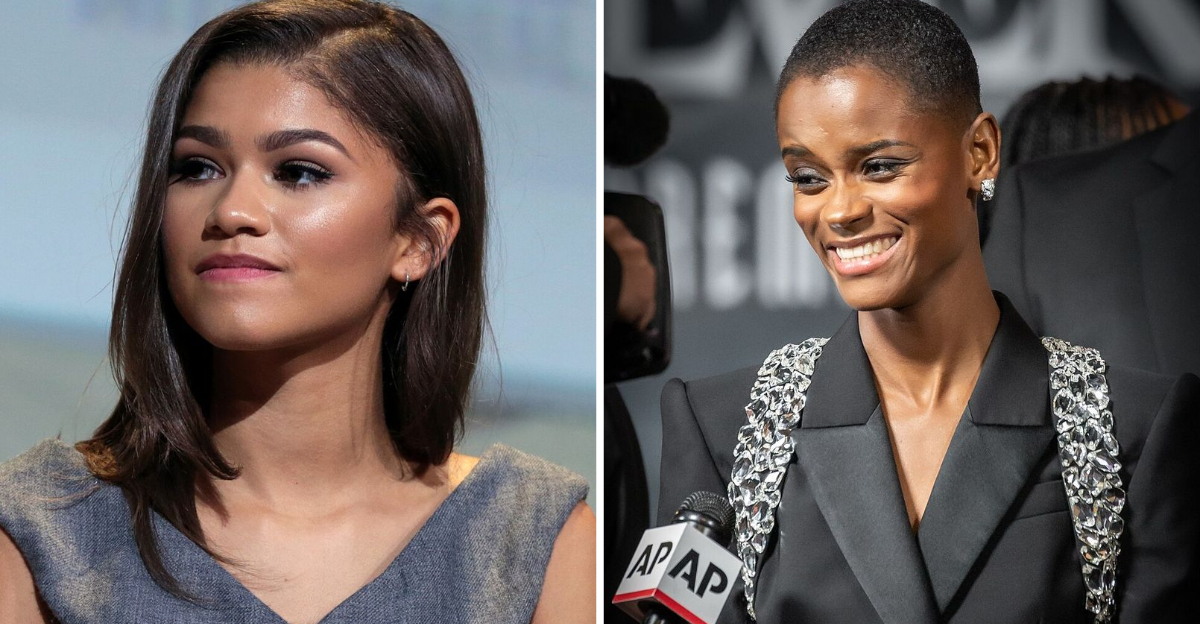
15 Famous Figures Who Redefined Traditional Standards Of Beauty And Fame
Beauty has never followed a single rule, yet for years screens and runways tried to pretend otherwise. A narrow standard got repeated so often it started sounding like truth.
Then came the people who refused to fit into it. Different backgrounds, different eras, different paths, all sharing one thing: a refusal to shrink for approval.
Some were dismissed at first glance, others were told to change before they even got started. Instead of bending, they doubled down on what made them stand out.
A distinct face, an unconventional presence, a look that did not match expectations, all of it turned into something stronger than rejection. It became identity.
Over time, those once questioned became impossible to ignore. Fashion campaigns shifted, casting changed, and entire industries started widening their idea of what belongs on a stage, a cover, or a screen.
What used to be labeled unusual slowly became unforgettable. Step into this lineup of trailblazers and see how confidence reshaped beauty itself.
These stories bring different sparks, showing how powerful it is to never fade into the background.
1. Marilyn Monroe
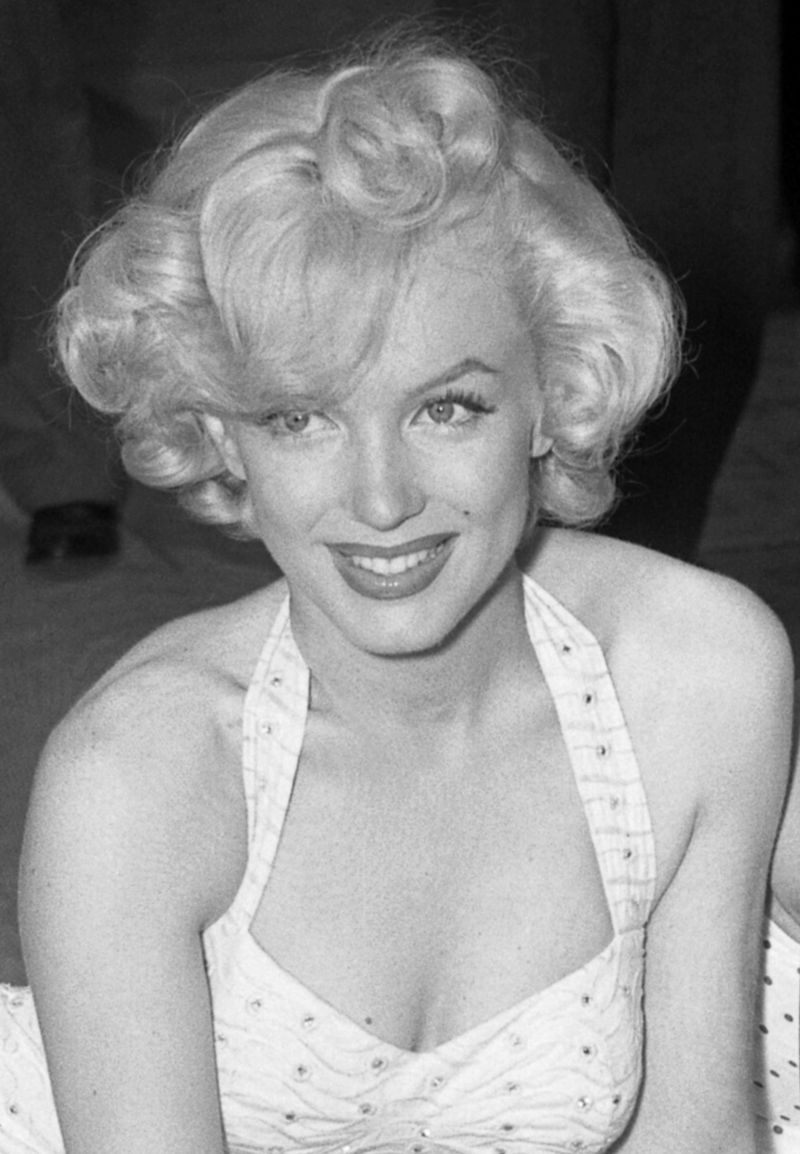
Curves were once considered a Hollywood problem, until one woman made them the main event. Monroe’s hourglass silhouette and platinum blonde waves stormed into the 1950s and refused to leave quietly.
At a time when slender was considered the gold standard, she strutted onto screens and red carpets looking gloriously different.
Hollywood executives pressured countless actresses to slim down, but Monroe’s popularity made curves impossible to ignore. Her confidence inspired early body positivity conversations long before hashtags existed.
Fun fact: Monroe reportedly wore a size 12 by 1950s standards, proving beauty has always come in more sizes.
2. Audrey Hepburn
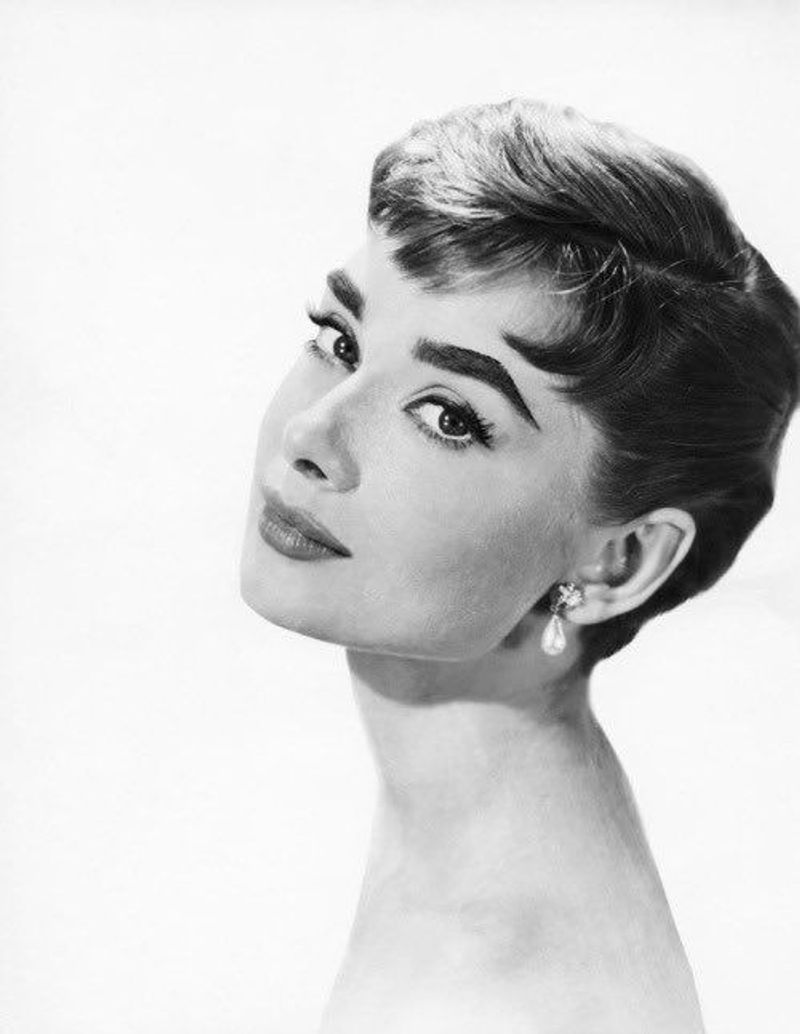
Sophistication took on a whole new shape when Audrey Hepburn arrived on the Hollywood scene. Slim, angular, and sporting a short pixie cut, Hepburn looked nothing like the bombshell actresses ruling the era.
Instead of competing, she simply carved out a brand-new lane and owned it completely.
Studios initially doubted her appeal, yet audiences fell head over heels for her graceful energy and understated charm. Hepburn proved elegance does not require curves or conventional features.
How refreshing it must have been for millions of girls who finally saw a different kind of beauty celebrated on the silver screen.
3. Sophia Loren
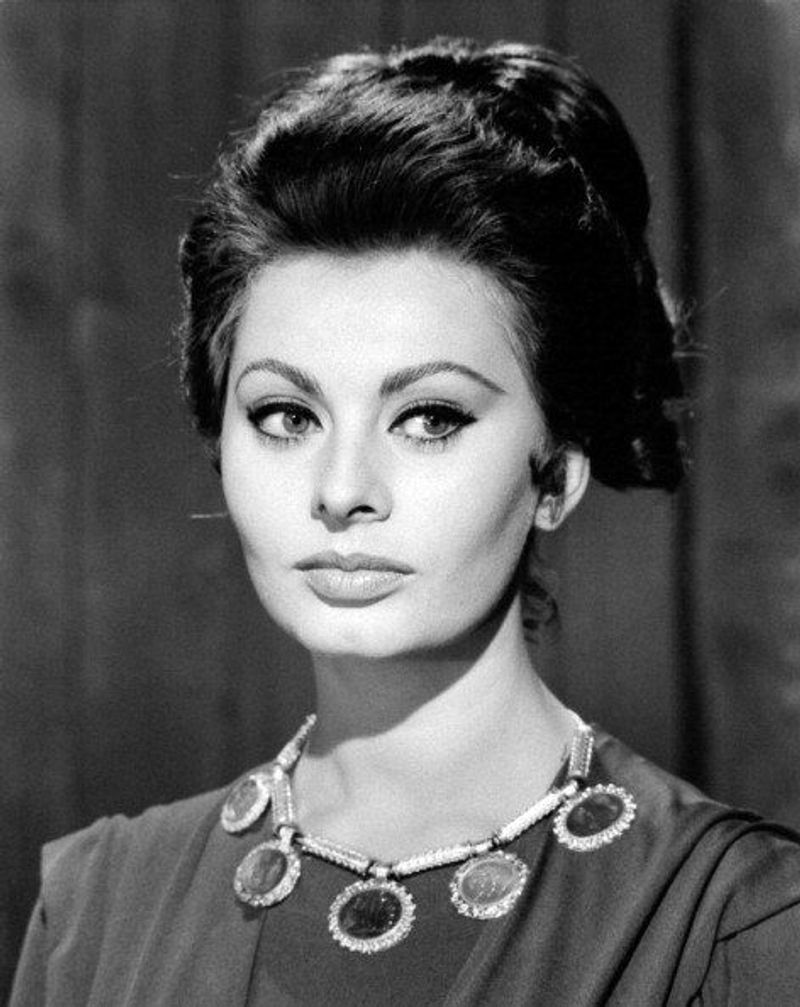
Not every beauty revolution happens in America. Sophia Loren brought Italian fire and fullness to a Hollywood landscape obsessed with a very specific kind of looks.
Bold eyes, dramatic curves, and Mediterranean features made her instantly magnetic and undeniably herself.
Loren famously said everything she owed to spaghetti, which is arguably the most legendary beauty quote in history. Her success forced the industry to acknowledge that beauty existed beyond one culture’s narrow preferences.
For curvy women and women of Mediterranean heritage worldwide, seeing Loren celebrated felt like a long-overdue standing ovation. She was proof that authenticity always wins.
4. Cher
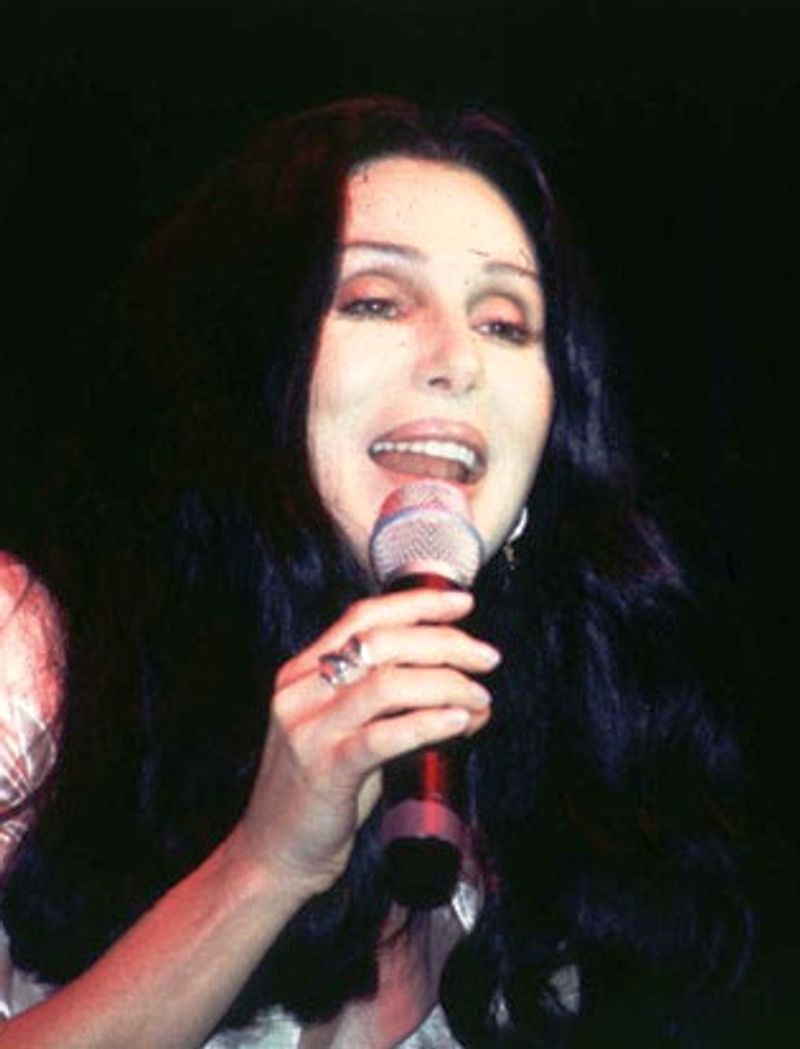
Bold, unapologetic, and completely impossible to ignore, Cher built a career on looking and sounding like absolutely no one else. Long straight dark hair, sharp features, and fashion choices that made people gasp became her signature.
Bell-bottoms, bedazzled jumpsuits, and bandanas were all fair game in her world.
Critics questioned her looks early in her career, yet fans kept showing up in massive numbers. Cher also refused to “fix” her distinctive features despite industry pressure, which was quietly revolutionary.
Decades later, she is still selling out arenas and breaking records. If that is not a beauty win, nothing is.
5. Jennifer Lopez
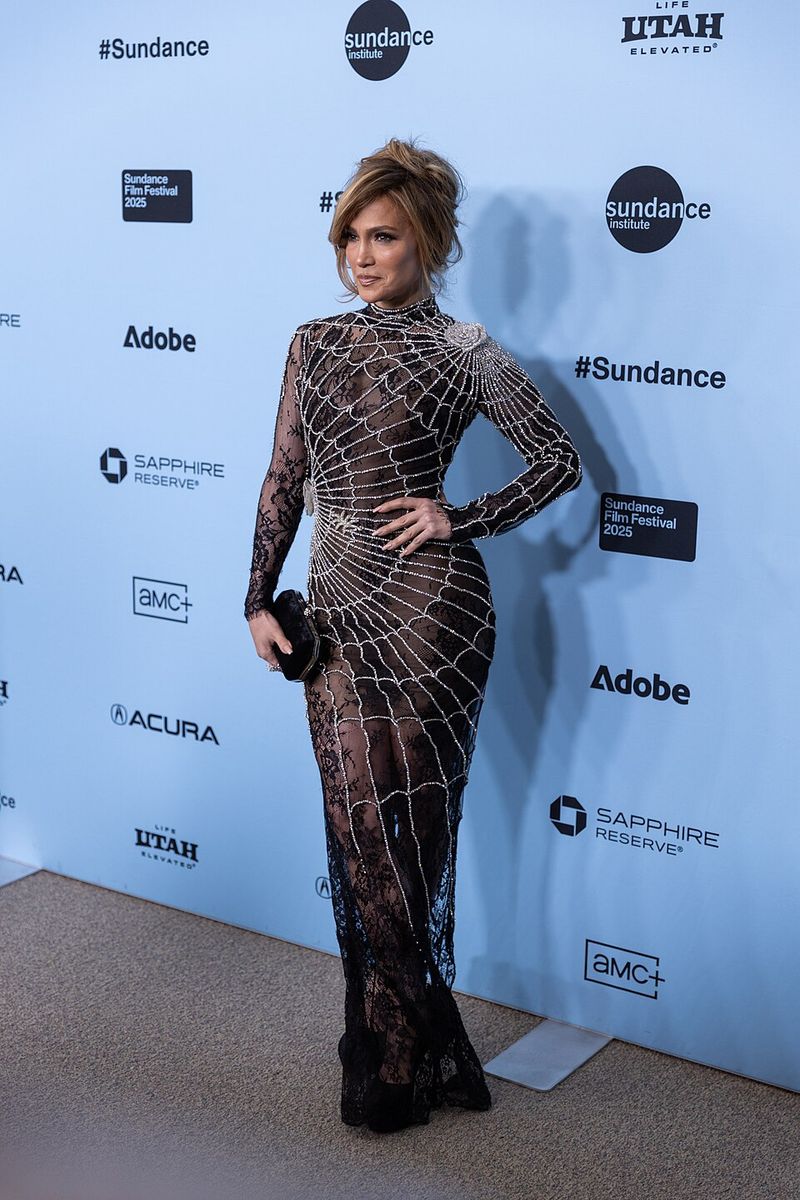
Long before body positivity trended online, Jennifer Lopez walked red carpets confidently in outfits that celebrated every curve. Her curvaceous figure and proud Latina identity challenged a mainstream entertainment world that rarely made room for either.
Suddenly, a whole generation of women saw someone who looked like them being celebrated loudly.
Lopez’s influence stretched beyond music and film into fashion, culture, and self-image conversations. Designers who once ignored curvier bodies started rethinking runway samples.
Her 2000 Grammy dress, a plunging green Versace gown, reportedly inspired the creation of Google Image Search. Yep, she literally changed the internet.
Talk about impact!
6. Barbra Streisand
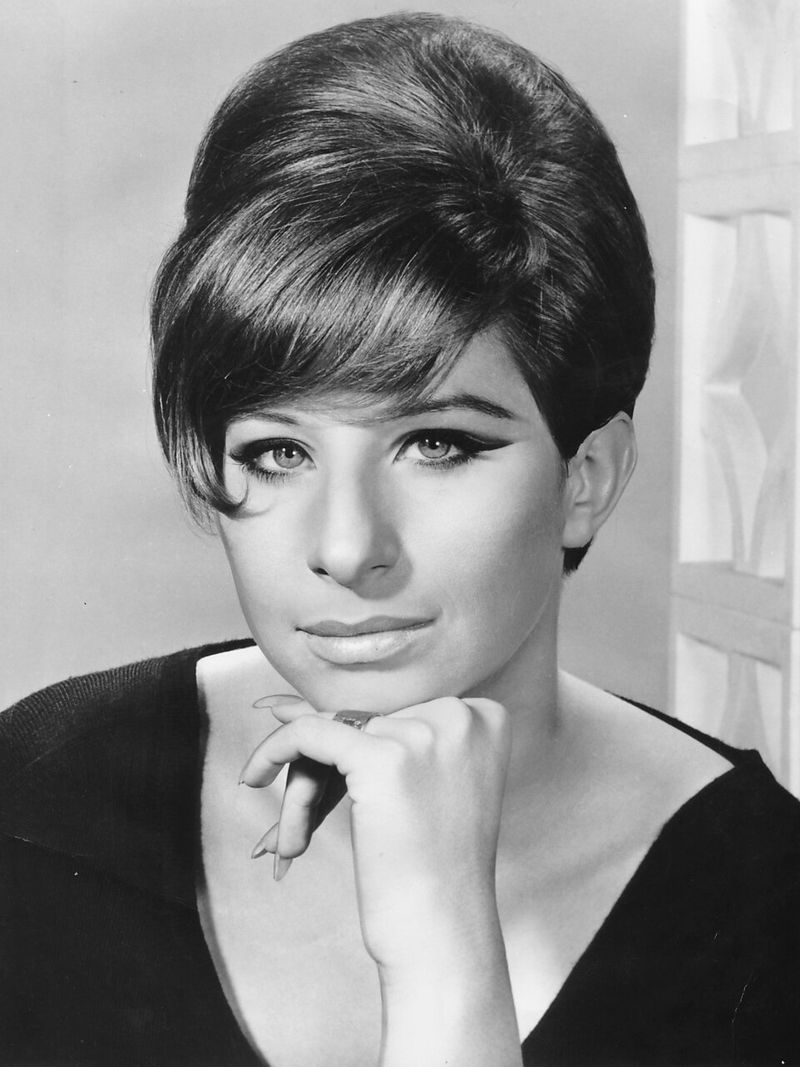
Hollywood handed Barbra Streisand a simple choice early in her career: change her nose or risk losing roles. She chose a third option and simply became one of the most successful entertainers in history.
Streisand’s distinctive profile became as recognizable as her extraordinary voice.
Industry gatekeepers assumed people only wanted one type of face on screen. Streisand proved spectacularly wrong every single time.
Winning an Academy Award, multiple Grammys, and a Tony award while looking exactly like herself was the ultimate mic drop. Her refusal to conform quietly told millions of people: your face is already enough, exactly as it is.
7. Twiggy
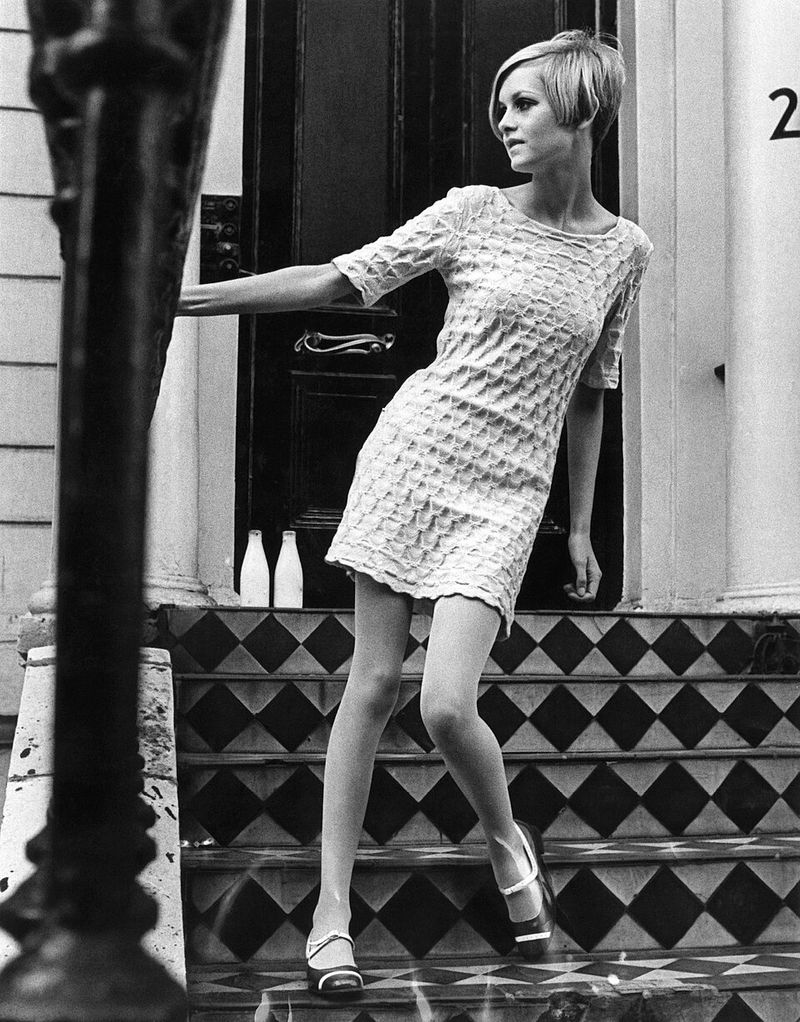
Nobody saw Twiggy coming. A teenage girl from London named Lesley Lawson walked into the modeling world in 1966 looking like nothing the industry had ever booked before.
Short hair, super slender frame, enormous painted eyes, and a boyish silhouette completely shook the fashion establishment to its core.
Vogue editors scrambled, designers redesigned, and suddenly the mod look was everywhere. Twiggy did not just model clothes; she redefined what a model could look like.
Androgyny became fashionable almost overnight. Her influence echoes through every runway show celebrating non-conventional body types, proving one unconventional face can genuinely rewrite the entire rulebook.
8. Lupita Nyong’o
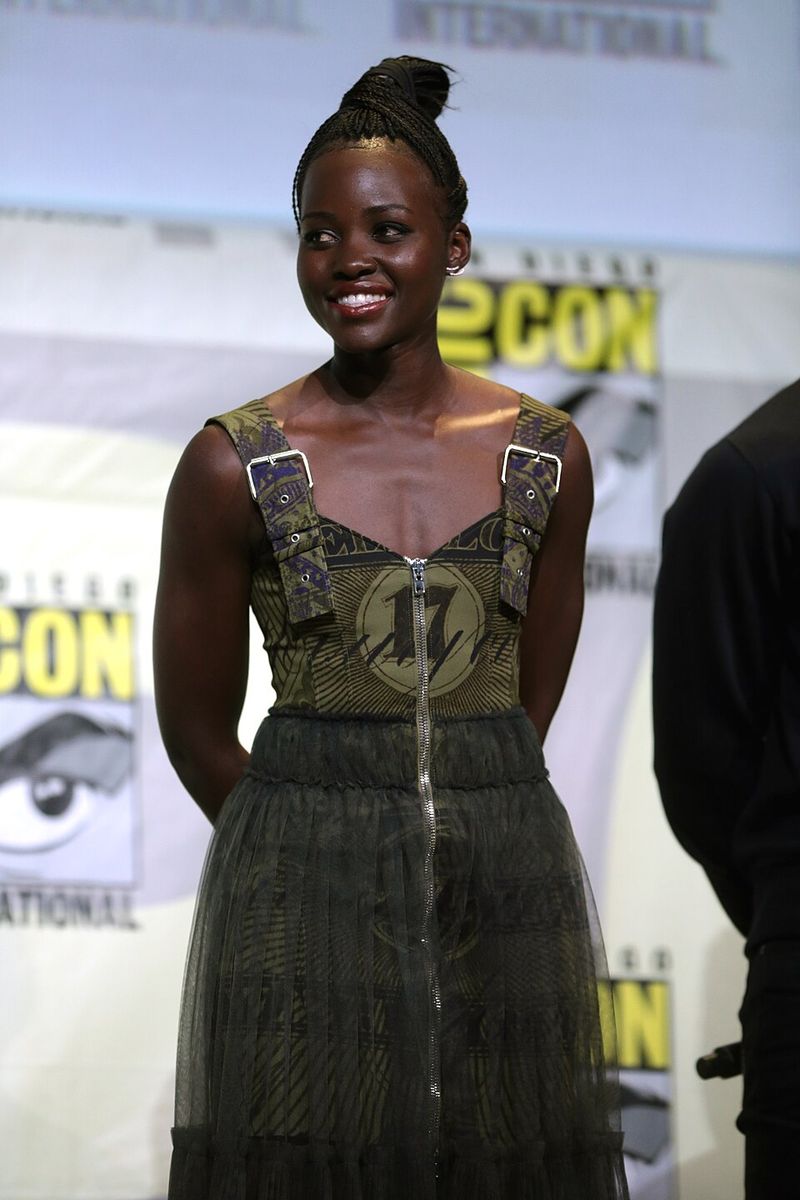
Winning an Academy Award is impressive enough. Doing it while simultaneously challenging Hollywood’s deeply rooted colorism made Lupita Nyong’o’s 2014 Oscar win feel genuinely historic.
Dark skin and natural hair had long been underrepresented and undervalued in mainstream entertainment, and her arrival changed that conversation permanently.
Nyong’o spoke openly about struggling to see herself reflected in beauty magazines growing up. Her honesty resonated powerfully.
Suddenly, young girls everywhere heard a major Hollywood star say their features were worth celebrating. Cosmetics brands that once ignored deeper skin tones started expanding shade ranges.
One person’s courage can genuinely shift an entire industry’s priorities.
9. Frida Kahlo
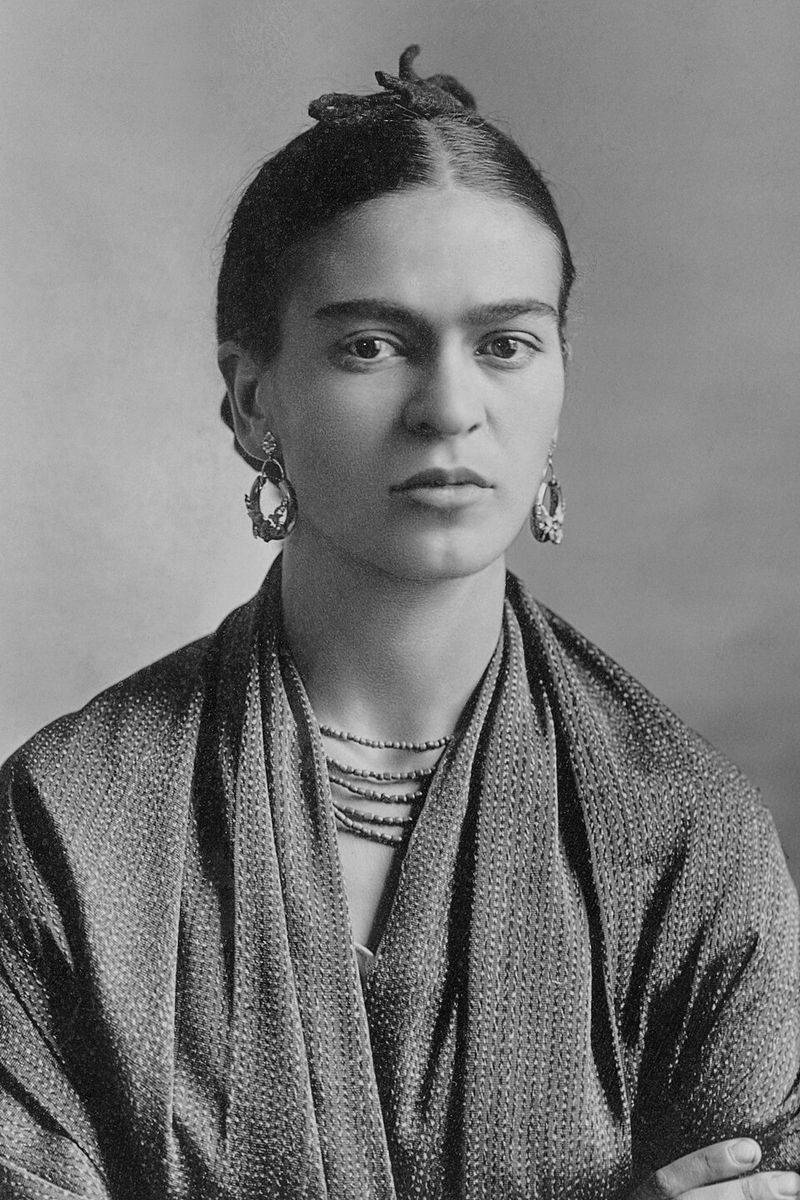
Frida Kahlo painted herself exactly as she was, unibrow, faint mustache, and all, during an era when women were expected to hide or correct every perceived flaw. Her self-portraits became some of the most celebrated artworks of the 20th century, which is a spectacular plot twist nobody predicted.
Kahlo turned her physical differences into powerful artistic statements about identity, pain, and pride. Decades after her passing, her image appears on everything from museum walls to fashion runways.
The unibrow she refused to wax is now a celebrated symbol of radical self-acceptance. If art could high-five someone, it would high-five Frida first.
10. Naomi Campbell
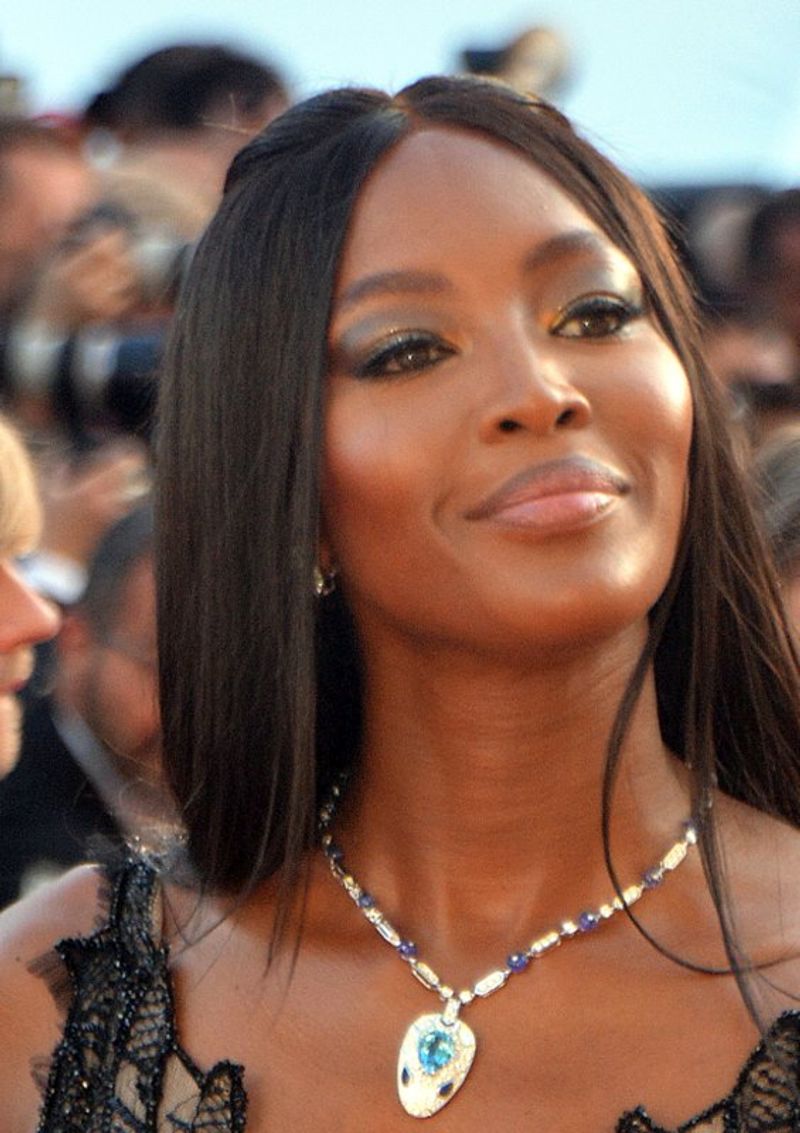
Runways in the 1980s had a serious diversity problem. Fashion houses routinely booked almost exclusively white models, treating the industry like a very exclusive and very limited club.
Naomi Campbell walked in, turned every head in the room, and refused to be the last Black model standing at the top.
Vogue covers, luxury campaigns, and runway shows gradually opened their doors wider because Campbell proved the public for Black beauty was enormous and hungry. She also mentored younger models of color, actively building pathways rather than just walking through them alone.
Supermodel is a title, but trailblazer is a legacy.
11. Sarah Jessica Parker
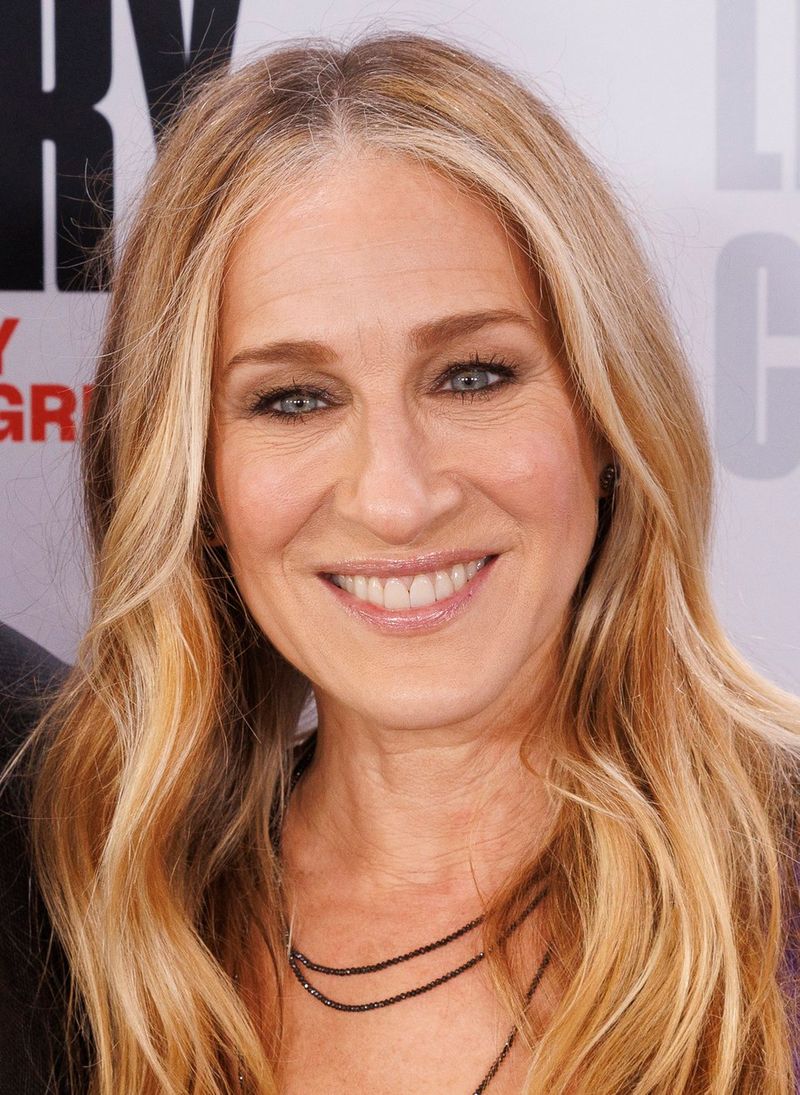
Hollywood has a very specific checklist for leading ladies, and Sarah Jessica Parker cheerfully ignored most of it. Distinctive nose, curly hair, unconventional features by industry standards, yet she became the face of one of the most influential television shows of the late 1990s and early 2000s.
Critics occasionally said unkind things about her appearance. Parker simply kept working, kept winning awards, and kept inspiring millions of women who did not fit the cookie-cutter mold either.
Her character Carrie Bradshaw became a fashion icon precisely because she celebrated individuality over conformity. Sometimes refusing to be “fixed” is the most powerful statement anyone can make.
12. Gisele Bundchen
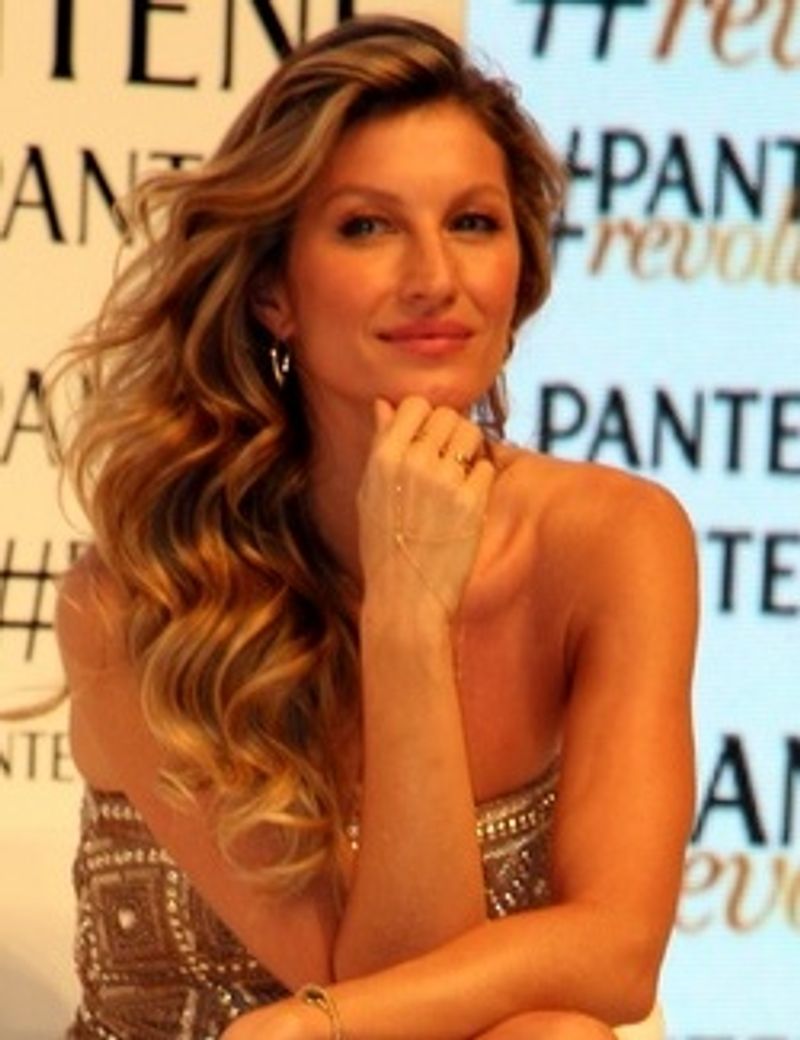
At a time when ultra-thin was the runway ideal, a Brazilian teenager named Gisele Bundchen arrived at modeling agencies looking athletic, tanned, and gloriously healthy. Bookers initially turned her away.
Several agencies told her she was too curvy for high fashion, which is now one of the most hilariously wrong predictions in modeling history.
Bundchen became the highest-paid model in the world and helped shift the industry toward celebrating stronger, healthier body types. Her success opened doors for athletic and curvier models who followed.
Sometimes the people who say no are just pointing you toward a better yes somewhere further down the road.
13. Lady Gaga
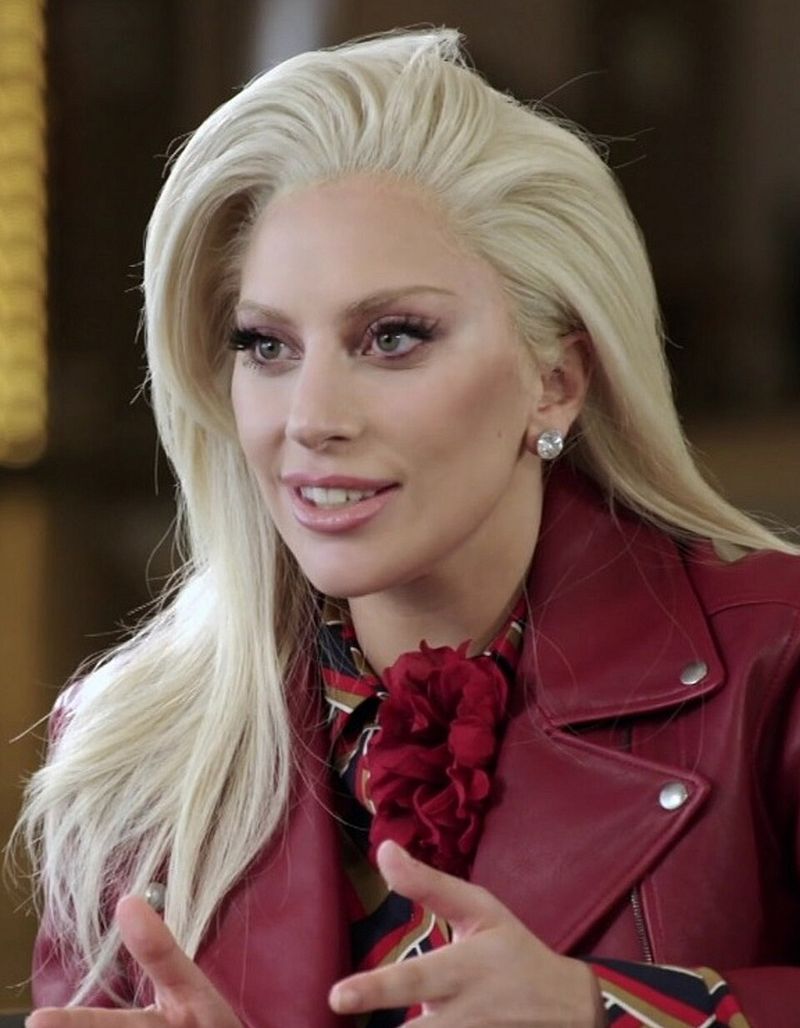
Nobody does a dramatic entrance quite like Lady Gaga. Arriving at the 2010 Grammy Awards in an egg-shaped pod was just Tuesday for her.
Gaga built an entire career on the radical idea that self-expression matters far more than fitting into any existing beauty box, and millions of fans loved her for it.
Beyond the costumes and theatrics, Gaga spoke openly about bullying, insecurities, and mental health, creating a community called the Little Monsters who felt seen and celebrated. Art and beauty, she argued, should provoke thought, not just approval.
How often does a pop star double as a philosophy professor? Gaga pulls it off brilliantly.
14. Winnie Harlow
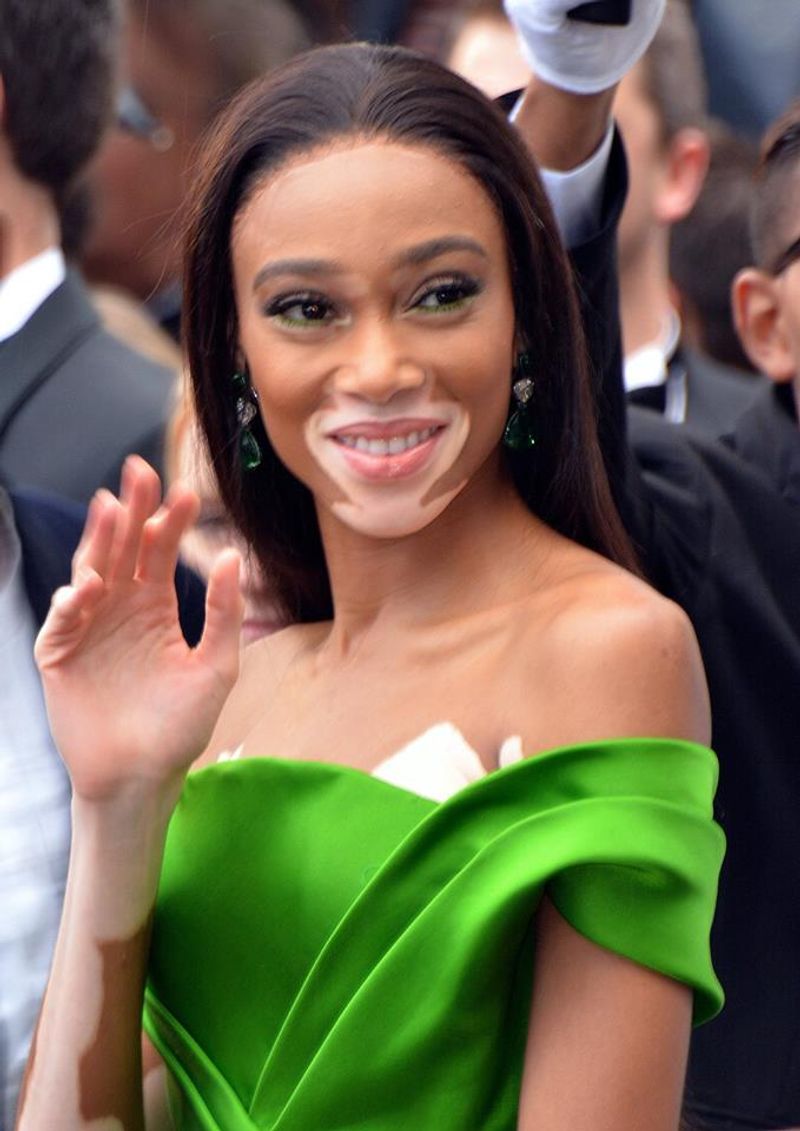
Spotted skin was once something bullies mocked on playgrounds. Winnie Harlow, born Chantelle Brown-Young, grew up hearing cruel comments about her vitiligo, a condition causing patches of skin to lose pigmentation.
Instead of hiding, she stepped directly onto international runways and magazine covers and let the world stare in admiration instead.
Harlow competed on America’s Next Top Model and later walked for major fashion houses worldwide. Her visibility helped normalize vitiligo and sparked broader conversations about skin diversity in beauty campaigns.
Young people growing up seeing Harlow on covers learn something powerful: what makes you different can absolutely become what makes you unforgettable.
15. Beyonce
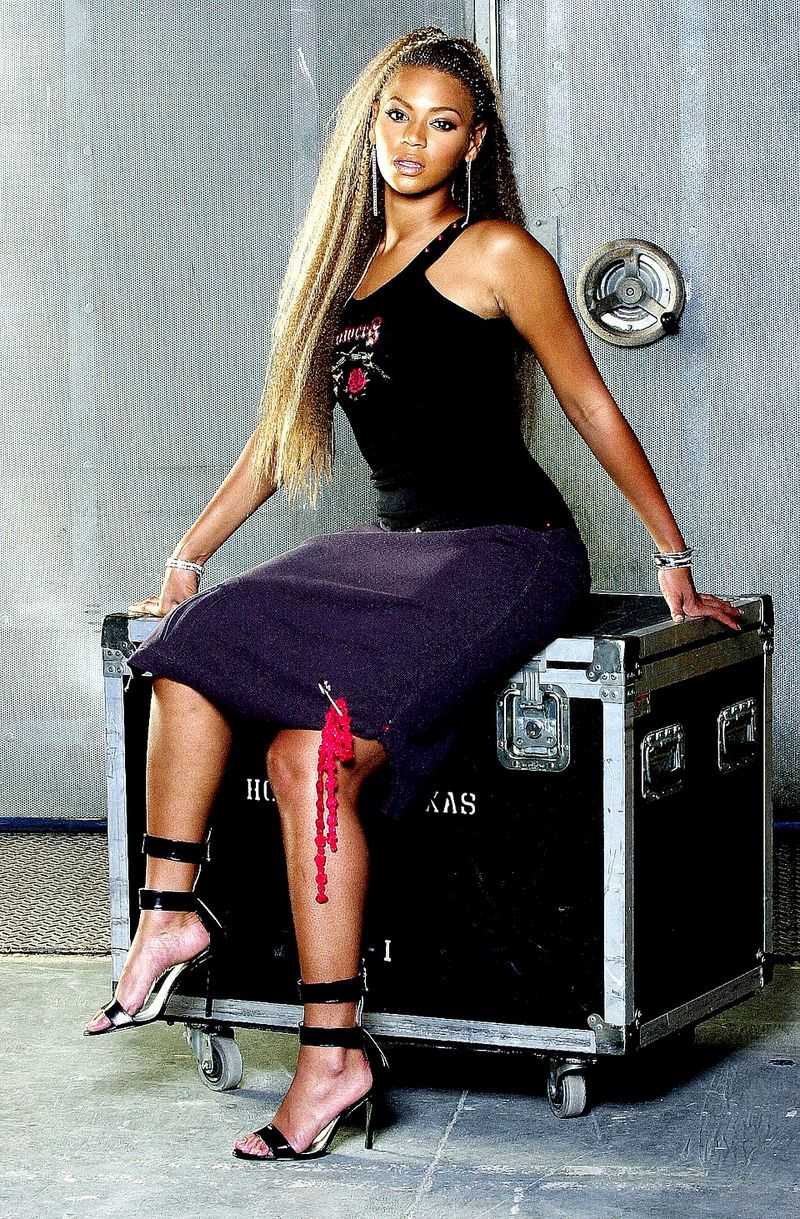
Few artists have used fame quite as deliberately as Beyonce to celebrate Black beauty, culture, and identity. Albums like Lemonade were not just music releases; they were visual love letters to Black womanhood that mainstream media had long overlooked or undervalued.
Every artistic choice carried cultural weight and intention.
Beyonce’s curvaceous figure, natural hair moments, and Afrocentric imagery pushed back against decades of beauty standards that centered whiteness as the default. She also built a business empire proving that cultural pride and commercial success are not opposites.
Generations of young Black girls now grow up seeing their features celebrated at the very top of global pop culture.