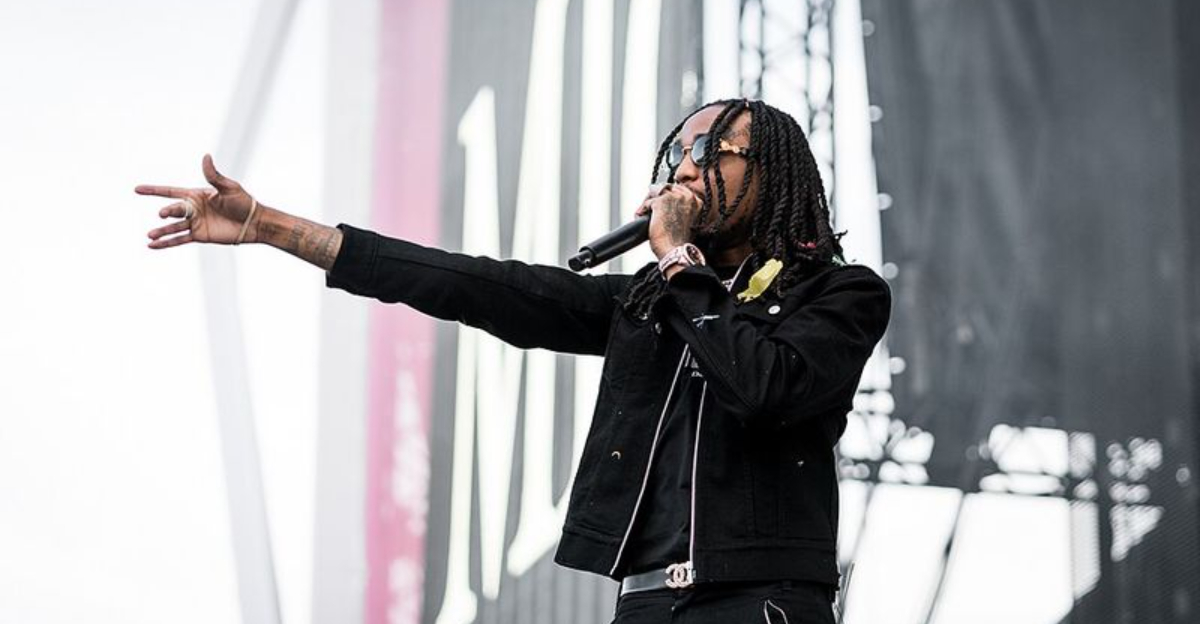
11 Famous People Who Struggle With Serious Sleep Disorders
Sleep seems simple, but for millions, it can feel like an impossible challenge. Even the biggest stars struggle with those precious hours of rest, proving fame and fortune can’t always solve every problem.
Celebrities across music, film, and sports battle insomnia, sleep apnea, and other sleep disorders, showing that even the lives we envy come with hidden struggles. Pop icons lie awake after sold-out stadium tours.
Actors wrestle with restless nights before red-carpet appearances. Some wake exhausted despite hours in bed.
Others rely on strict routines, guided meditation, or doctor-supervised strategies just to get a few uninterrupted hours. Chronic sleep issues affect mood, memory, and overall health, reminding fans that no one is immune, not even the brightest Hollywood stars.
Knowing that your favorite celebrities share these late-night battles can make fans feel less alone. It’s comforting to realize that even people who seem to have it all sometimes stare at the ceiling, restless and wide awake.
These 11 famous faces offer a reminder that sleep challenges touch everyone, even lives lived in the spotlight.
1. Lady Gaga
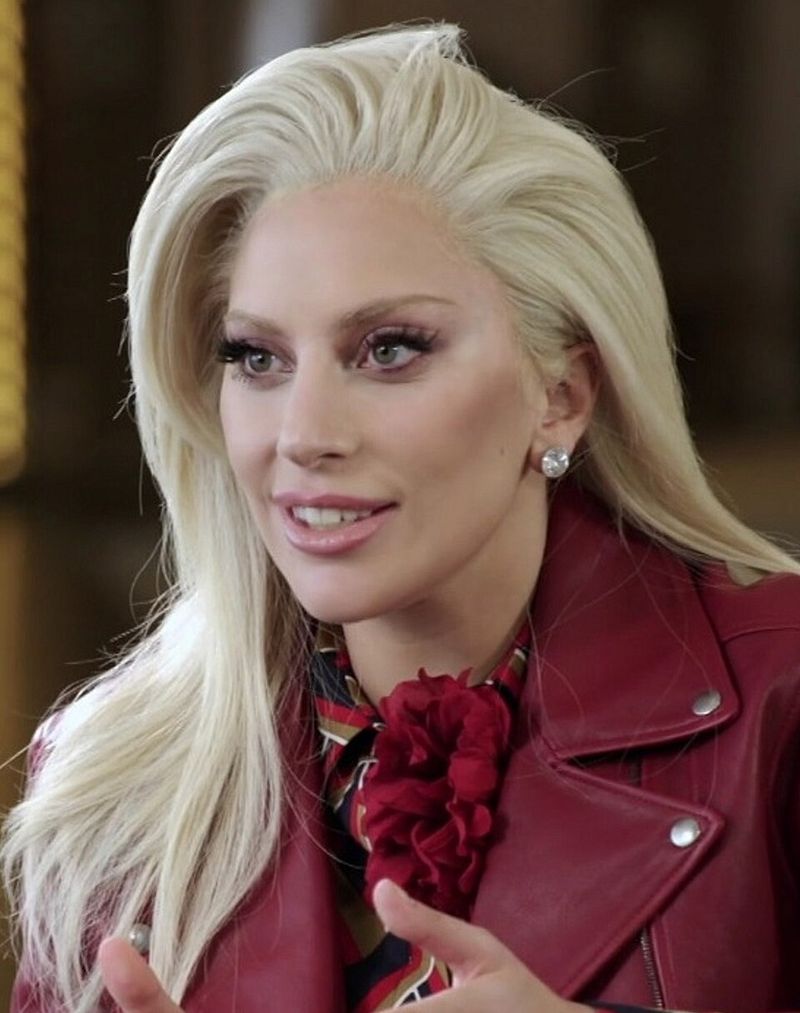
An overactive mind can feel like a playlist stuck on shuffle at 3 a.m., and Lady Gaga knows all about it. The mega-talented singer and actress has openly shared that her brain simply refuses to power down, sometimes keeping her awake for up to three days straight.
Her relentless creative energy, packed touring schedule, and nonstop ideas make sleep feel like a distant dream.
Doctors and sleep experts warn that extended sleep deprivation seriously harms the body and brain. If even a global superstar struggles to switch off, it’s a strong reminder to protect your own sleep routine every single night.
2. Shaquille O’Neal
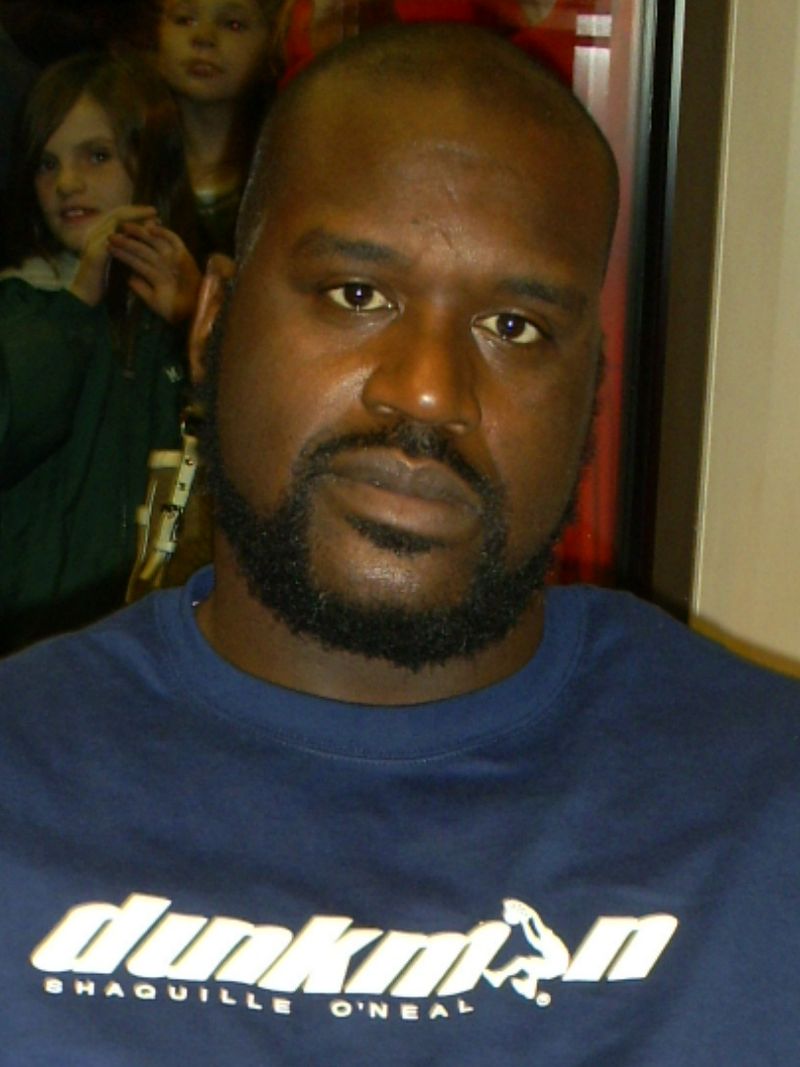
Standing over seven feet tall and weighing around 325 pounds during his NBA career, Shaquille O’Neal was a force of nature on the court. Off the court, however, a sneaky condition called sleep apnea was quietly disrupting his rest every single night.
A Harvard Medical School sleep study confirmed he had moderate sleep apnea, where breathing repeatedly stops during sleep.
O’Neal started using a CPAP machine, a device worn over the nose and mouth to keep airways open, and noticed huge improvements almost immediately. His honesty about the diagnosis has helped raise awareness about a condition millions of people have but never get treated.
3. William Shatner
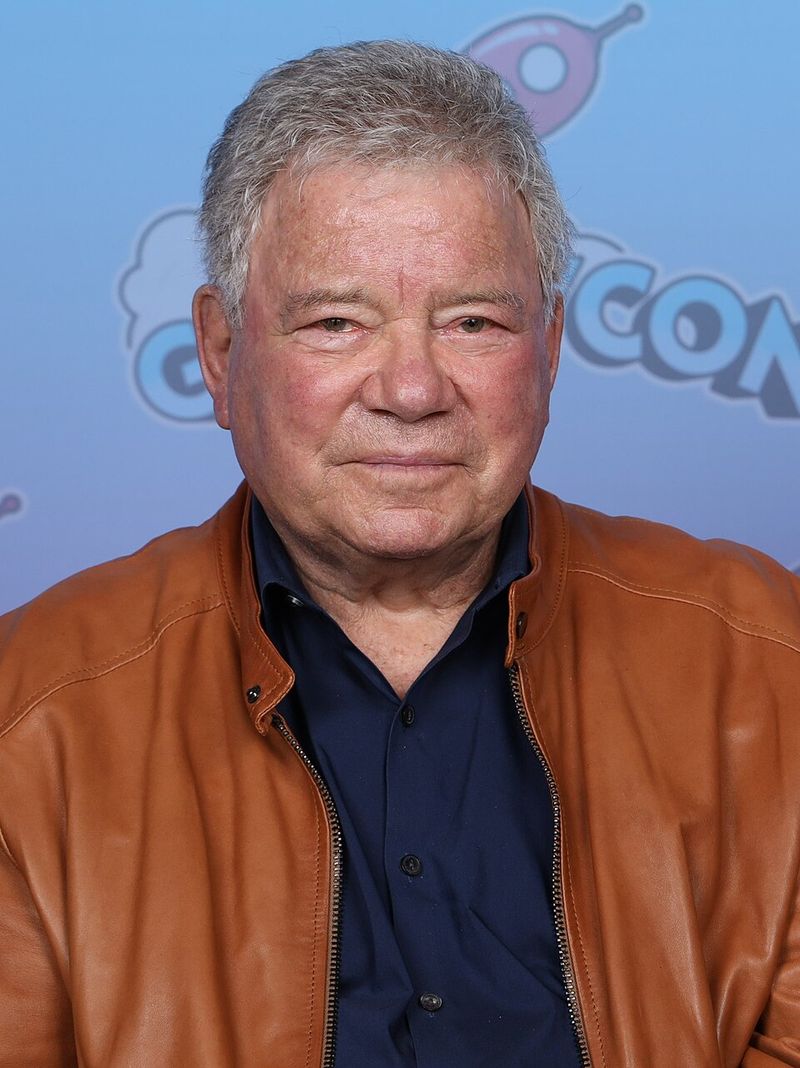
Captain Kirk boldly went where no man had gone before, but sleep apnea nearly made his nights a real-life nightmare. Best recognized for his legendary role in Star Trek, William Shatner was diagnosed with sleep apnea in 2016 and didn’t hesitate to talk about it publicly.
Loud snoring and constant daytime tiredness were major warning signs he couldn’t ignore any longer.
After starting CPAP therapy, Shatner reported feeling dramatically more rested and alert. His openness encouraged many older adults to get tested, since sleep apnea becomes more common with age.
Sometimes the bravest mission is simply asking for help.
4. Rosie O’Donnell
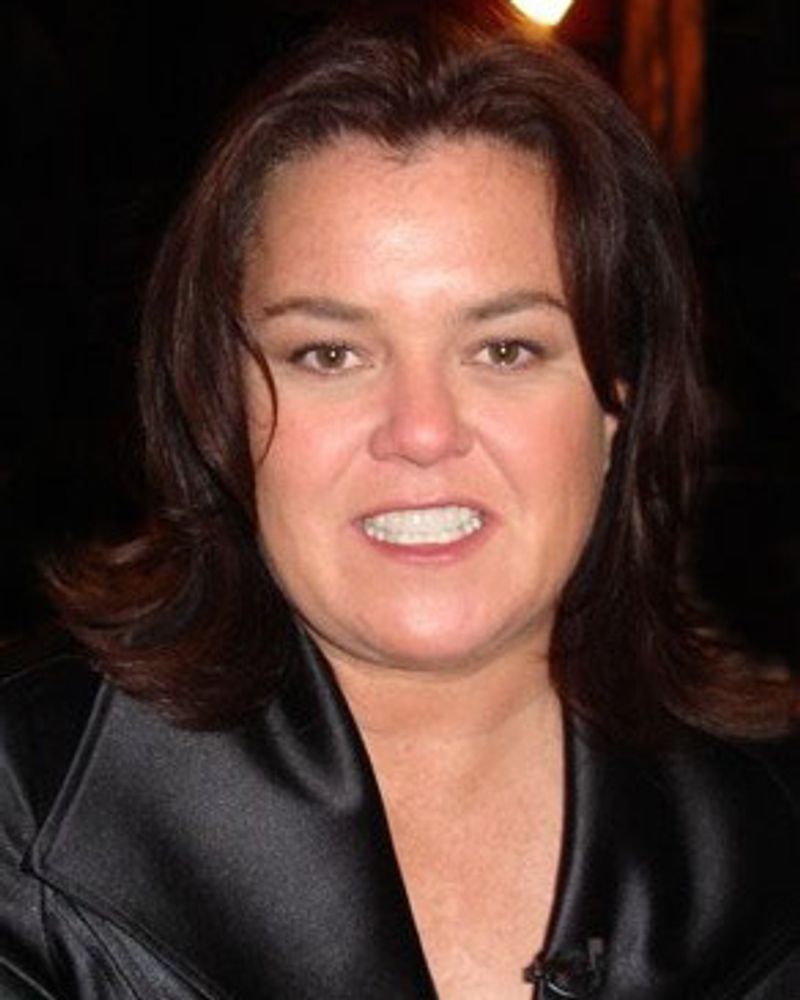
Loud snoring and constantly waking up gasping for air are two classic signs of sleep apnea, and Rosie O’Donnell experienced both on a regular basis. The beloved comedian and talk show host decided to take action and completed a home sleep test, which confirmed the diagnosis without any hospital visits required.
Treating sleep apnea can literally be life-changing, not just for the person suffering but also for anyone sharing a bedroom nearby.
O’Donnell’s willingness to share her experience publicly helped normalize conversations around sleep health. Home sleep tests are now widely available, making it easier than ever to get answers quickly and affordably.
5. Amy Poehler
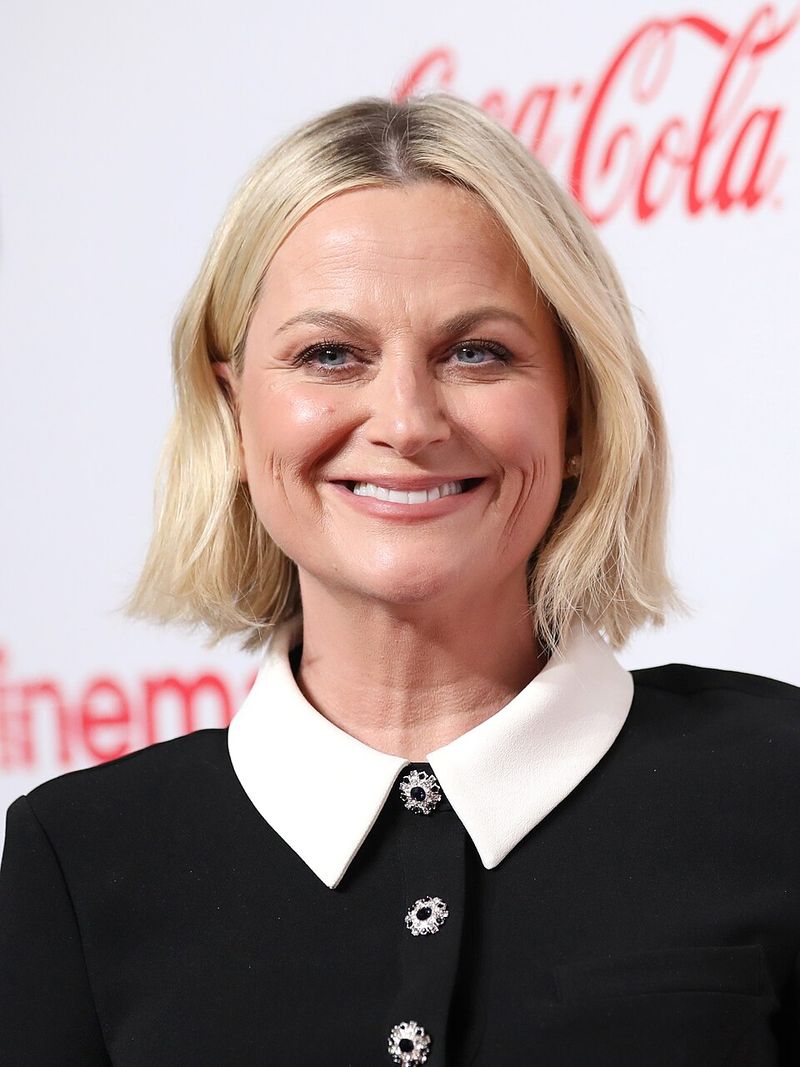
Funny, fearless, and apparently a very loud sleeper, Amy Poehler has dealt with sleep apnea for most of her adult life. People close to her reportedly described the snoring as sounding more like choking than sleeping, which is actually a textbook description of obstructive sleep apnea at work.
Air passages become partially blocked during sleep, creating those alarming sounds and cutting off oxygen temporarily.
Sleep apnea doesn’t discriminate by age, size, or celebrity status. Poehler’s situation is a helpful reminder that snoring is never just snoring if it sounds severe.
Getting checked out by a sleep specialist could genuinely be one of the smartest health decisions anyone makes.
6. Jerry Garcia
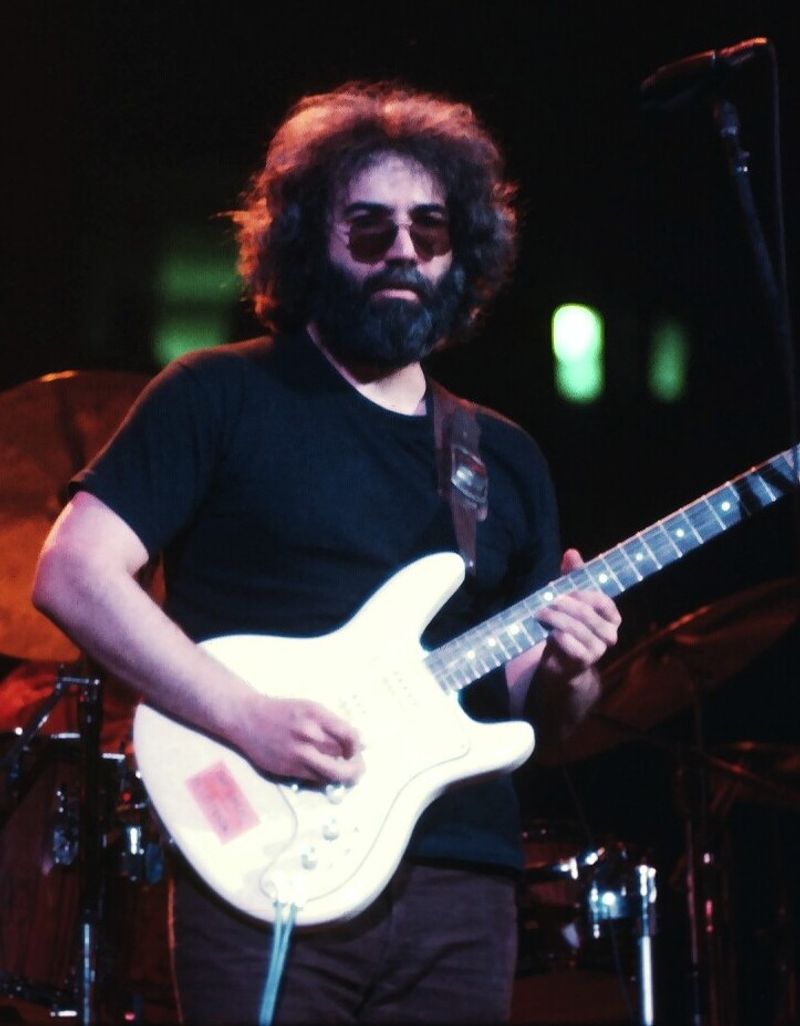
Few guitarists in rock history carried as much soul and sound as Jerry Garcia. Sadly, Garcia passed away in 1995 at age 53, and doctors believe undiagnosed sleep apnea played a significant role in his fatal heart attack.
Sleep apnea strains the cardiovascular system over time, silently raising the risk of serious heart problems.
Garcia never received proper treatment for the condition, partly because awareness about sleep disorders was far less widespread back in the 1990s. His story serves as a sobering lesson: ignoring chronic snoring or poor sleep quality can carry consequences far greater than just feeling tired the next morning.
7. Carrie Fisher
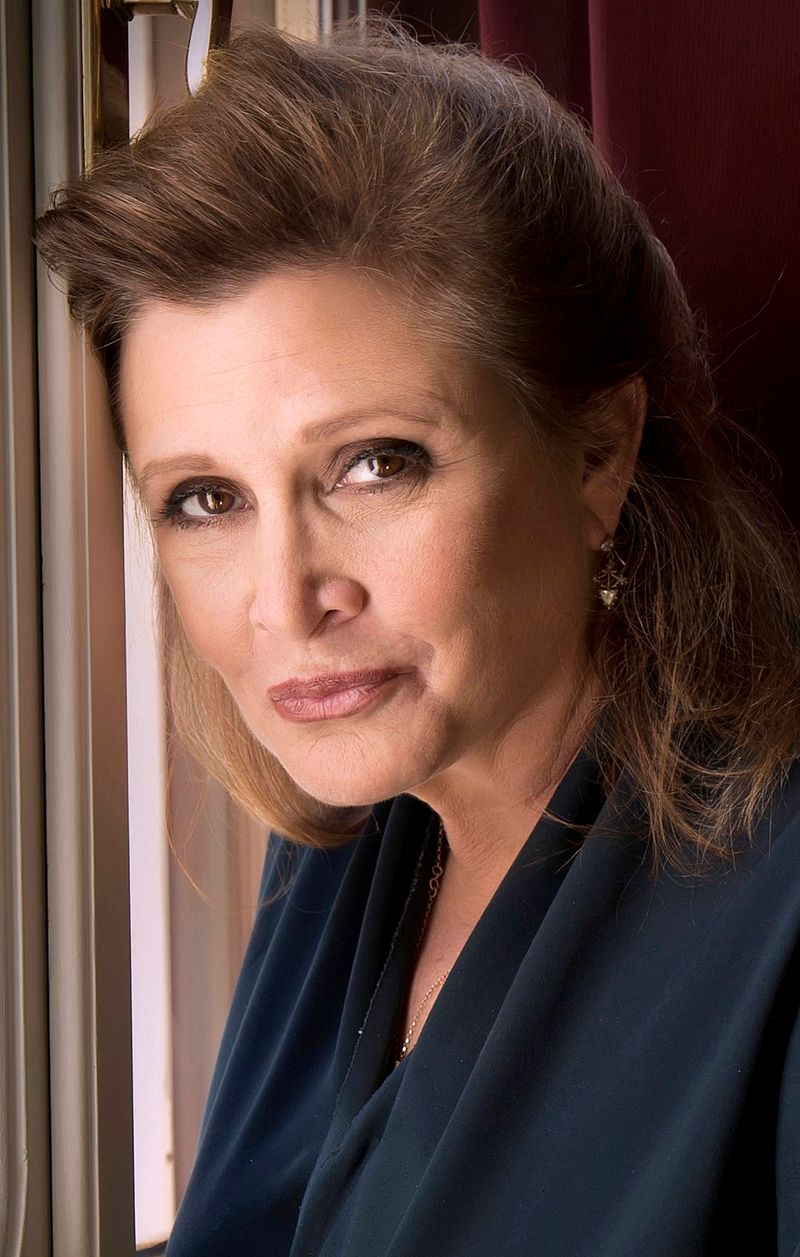
No character in movie history is as iconic as Princess Leia, brought to life by the brilliant and outspoken Carrie Fisher. Behind the scenes, Fisher battled sleep apnea alongside other health challenges for years.
Medical reports following her passing in 2016 listed sleep apnea and heart disease as contributing factors, highlighting just how serious untreated sleep conditions can become over time.
Sleep apnea increases stress on the heart with every disrupted breathing episode through the night. Fisher’s legacy lives on not just in cinema but also as a reminder to take sleep health seriously, no lightsaber required to fight for better rest.
8. George Clooney
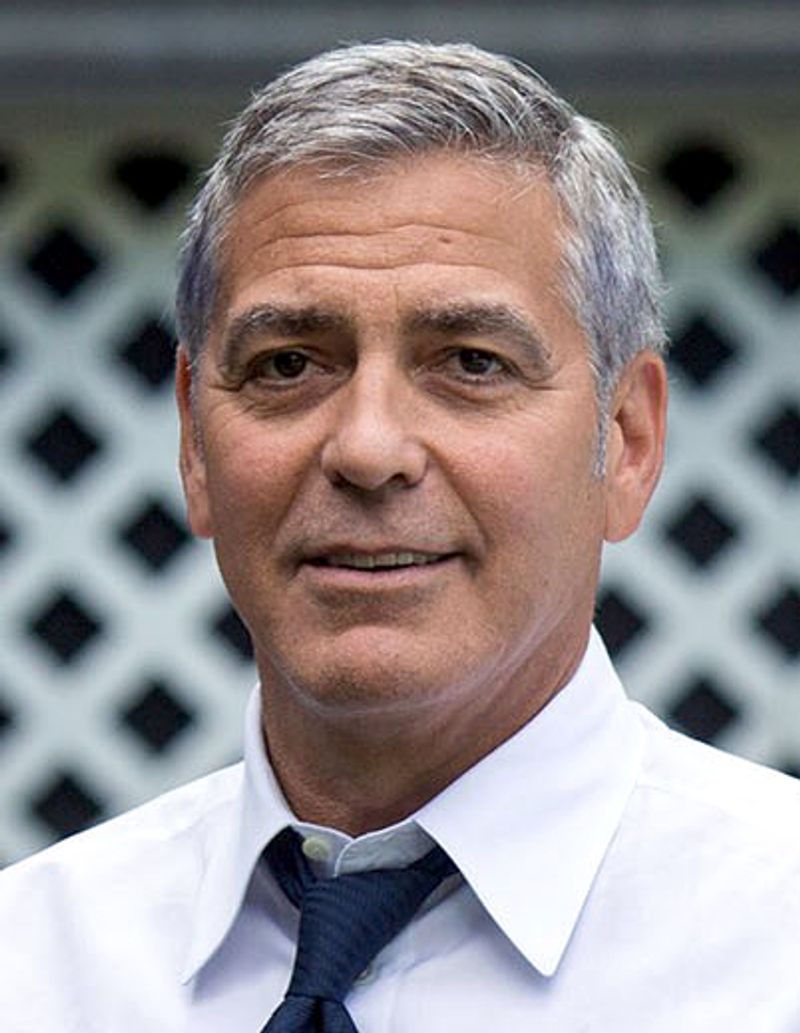
Charming, award-winning, and apparently wide awake at 2 a.m., George Clooney has openly admitted to struggling with insomnia for years. Waking up multiple times during the night and finding it nearly impossible to drift back to sleep is a pattern he described in interviews, something millions of people experience but rarely talk about openly.
Chronic insomnia affects concentration, mood, and even physical health over time.
Clooney’s candid admissions help chip away at the idea that successful people always have everything perfectly under control. Sleep struggles are real, relatable, and worth addressing.
Even the most effortlessly cool person on the planet apparently spends some nights staring at the ceiling.
9. Madonna

Nobody works harder or travels more relentlessly than Madonna, and all of that nonstop activity comes at a serious cost to her sleep. The Queen of Pop has spoken publicly about chronic insomnia, linking it directly to her demanding lifestyle, constant time zone changes, and the mental pressure of always being in the spotlight.
Jet lag alone can completely disrupt the body’s natural sleep cycle for days at a time.
Sleep experts call the body’s internal clock the circadian rhythm, and frequent travel absolutely wrecks it. Madonna’s experience highlights how high-performance lifestyles can make quality sleep feel genuinely out of reach, even for someone surrounded by every possible luxury and resource available.
10. Michael Jackson
Behind the moonwalk and the music was a man desperately searching for sleep. Jackson suffered from severe chronic insomnia and reportedly used powerful medications, including propofol, an anesthetic normally reserved for surgical procedures, just to fall asleep at night.
His dependency on these substances ultimately contributed to his tragic passing in June 2009.
Chronic insomnia is a genuine medical condition, not a personal weakness, and it deserves proper professional treatment. Jackson’s heartbreaking story underscores the dangers of seeking extreme solutions without proper medical supervision.
Healthy sleep hygiene and licensed medical care should always be the first line of defense.
11. Jennifer Aniston
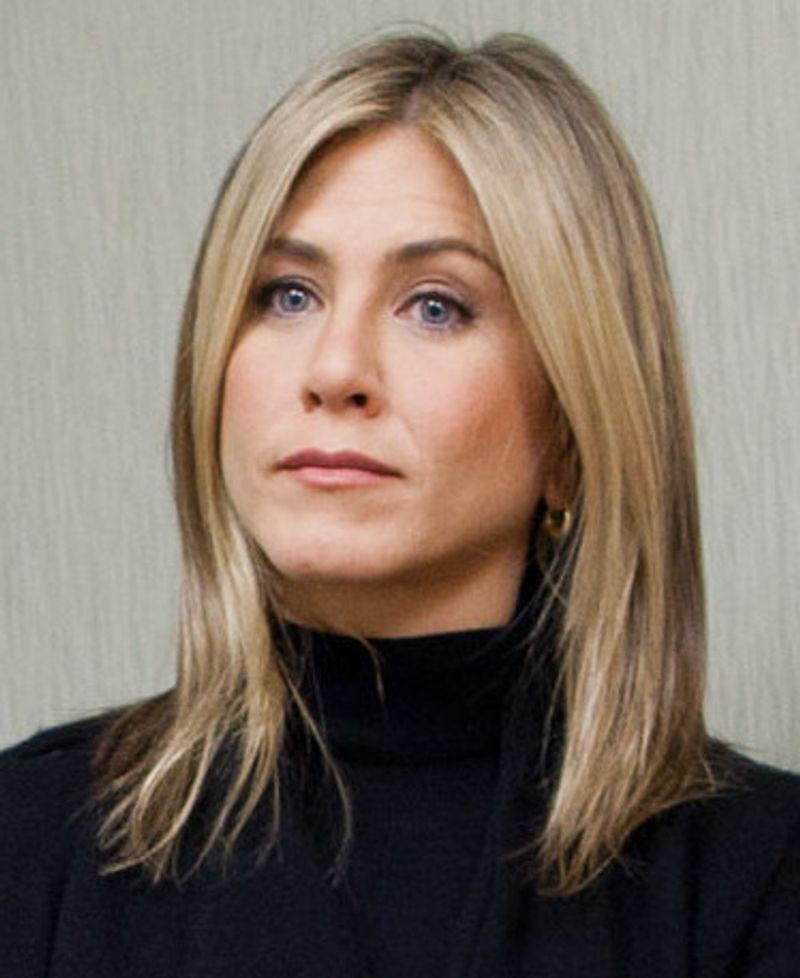
Even America’s most beloved TV neighbor can’t always get a peaceful night’s rest. Jennifer Aniston has spoken candidly about her battles with insomnia, describing the experience as waking up mid-night and having full mental conversations that absolutely refuse to stop.
Racing thoughts are one of the most common triggers of insomnia, keeping the brain alert long after the body begs for sleep.
Aniston credits one practical habit above all others: staying completely away from electronic screens before bedtime. Blue light emitted by phones and tablets signals the brain to stay awake, making quality sleep harder to achieve.
Small changes like powering down early can make a surprisingly big difference.