13 Famous Singers Who Faced Vocal Struggles During Their Careers
La la… then oh no, the note won’t go. Voices that once soared suddenly wobble, crack, or fall short of the show.
Even the biggest stars have faced nights where the music did not flow. When the singing stumbles, the struggle behind the silence becomes a story fans never see but always feel.
Disclaimer: This article is based on publicly reported information about vocal health challenges discussed by performers and covered by reputable media outlets. Medical situations can be complex and may be described differently across interviews, updates, and time periods, so details are presented in a general, non clinical way for readability.
1. Adele

In 2011, Adele canceled shows and underwent vocal cord microsurgery to address recurrent bleeding linked to a benign polyp.
Medical advice required complete vocal rest, meaning no talking, singing, or even whispering for an extended period.
Long recovery pushed her patience to the limit as she focused entirely on healing.
Return to the stage afterward showed renewed strength, proving that stepping back can sometimes be the only path forward.
2. Julie Andrews

Surgery meant to help ended up stealing the singing voice that defined a generation. In 1997, Julie Andrews underwent surgery to remove noncancerous vocal cord nodules, but the procedure resulted in scarring and permanent damage to her singing voice.
The surgery left permanent damage that significantly reduced her ability to sing, even though her screen legacy includes The Sound of Music and Mary Poppins.
The loss devastated fans and the star herself, though she continued acting and speaking roles. Her story stands as a cautionary tale about the risks even routine medical procedures can pose to delicate vocal tissues.
3. John Mayer

A vocal cord granuloma forced John Mayer into an extended period of silence.
Mayer was diagnosed with a vocal cord granuloma in 2011, underwent surgery in October 2011, and later dealt with recurrence that affected touring plans and recovery time.
Condition, often linked to vocal strain or acid reflux, put the smooth delivery that defined his sound at real risk. Doctors ordered strict vocal rest, cutting out singing, interviews, and most speaking while healing took priority.
Time away allowed him to rethink technique and performance habits, eventually returning with healthier vocal practices and a deeper respect for caring for his voice.
4. Sam Smith

Sudden vocal cord hemorrhage hit just as Sam Smith was rising rapidly to global fame. Diagnosis in 2015 led to surgery and an extended break from performing to allow proper healing.
The injury happened during a busy period of performances, and recovery required time off and vocal rest.
Weeks of complete silence followed, a difficult requirement for someone whose career relies on constant communication.
Return to the stage came with adjusted techniques and stronger awareness of vocal care, showing how setbacks can lead to healthier long term habits.
5. Miley Cyrus

Pushing vocal limits finally caught up with this former Disney star.
Miley Cyrus underwent vocal cord surgery in November 2019 and was advised to rest her voice for several weeks during recovery.
Doctors mandated weeks of complete vocal rest, meaning no singing, talking, or even humming. The experience taught her valuable lessons about pacing herself and protecting her instrument.
She emerged with a renewed commitment to vocal health and techniques that would preserve her voice for the long haul.
6. Björk

Björk revealed she had a vocal polyp and later underwent surgery, followed by a period of vocal rest. Björk discovered the growth on her vocal cords and faced the difficult decision to undergo surgery, knowing the risks involved.
The procedure successfully removed the polyp, but recovery required patience and discipline.
She described staying quiet for about three weeks, then gradually returning to singing after recovery.
The experience deepened her appreciation for vocal anatomy and influenced how she composed music moving forward, incorporating more vocal rest periods into her creative process and touring schedules.
7. Justin Timberlake

Bruised vocal cords forced Justin Timberlake to postpone shows on his Man of the Woods Tour, with doctors advising vocal rest.
The condition, caused by vocal strain and overuse, required immediate rest to prevent more serious damage.
Doctors warned that continuing to perform could lead to permanent injury, making the decision to cancel shows an easy one despite the disappointment to fans. The recovery period allowed him to work with vocal coaches on techniques that would prevent future injuries and extend his performing career for years to come.
8. Meghan Trainor

Meghan Trainor had a severely hemorrhaged vocal cord in 2015 that led to surgery and schedule changes during recovery.
The injury followed a stretch of nonstop activity after her breakthrough hit, showing how sudden success can push a voice past safe limits.
Complete vocal rest meant no talking, singing, or even whispering for weeks, an especially frustrating challenge so early in her career.
Return to the stage came with renewed focus on warm ups, healthier technique, and the importance of turning down overloaded schedules.
9. Shania Twain

Dysphonia nearly ended the career of country pop icon Shania Twain.
Years of struggling with a mysterious vocal condition left her voice weakened and made singing increasingly difficult. Twain has said Lyme disease contributed to her vocal problems, and she has discussed being diagnosed with dysphonia, a neurological voice disorder.
Recovery became a lengthy process involving experimental treatments and dedicated vocal therapy. Return to the stage came with adjustments to her technique, showing how resilience, patience, and adaptation can help artists move forward with new limitations.
10. Keith Urban

In 2011, Keith Urban announced throat surgery to remove a vocal cord polyp, followed by vocal rest and postponed commitments.
The surgery and recovery period forced him to cancel shows and step away from the spotlight temporarily.
Doctors emphasized the importance of complete silence during the healing process, a difficult prescription for someone whose career revolves around communication and performance. He returned to the stage with renewed vocal strength and a commitment to better vocal care practices, including proper warm-ups and avoiding performances when feeling under the weather.
11. Lionel Richie
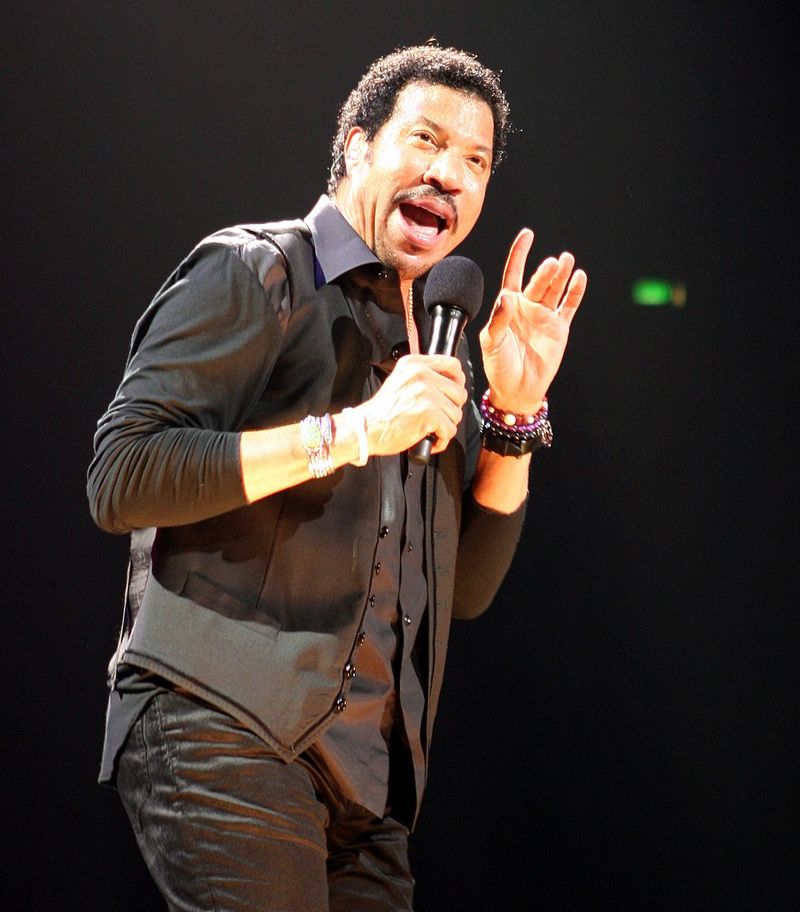
Lionel Richie has said vocal issues led to multiple throat surgeries, including several procedures in the 1990s, and that the experience seriously affected his ability to sing for a time.
Cumulative strain from decades of performing can contribute to chronic issues that demand ongoing medical care and careful monitoring.
Even with those setbacks, he kept returning to the stage while working closely with vocal coaches and healthcare professionals. Long career built on persistence shows how proper treatment, discipline, and support can help artists manage lasting vocal challenges.
12. Elton John

Elton John underwent throat surgery in Sydney in January 1987 to remove a nonmalignant lesion after throat problems on tour. His voice later became noticeably deeper over time.
The surgery addressed a medical condition but came with unexpected consequences that changed his vocal tone and range.
Fans noticed the differences in his performances, though he continued to tour and record extensively. The experience taught him to adapt his singing style and song selections to work with his modified voice, proving that even when voices change, performers can find new ways to connect with audiences and deliver memorable shows.
13. Steven Tyler

In September 2023, Aerosmith postponed tour dates after Steven Tyler suffered vocal cord damage and a fractured larynx, and in August 2024 the band retired from touring, citing that a full recovery was not possible.
Decades of high-energy rock performances contributed to injuries that eventually caught up with him.
Medical experts voiced concern about potential permanent harm that could curtail his touring career entirely.
Long history of pushing vocal limits underscored how even the toughest voices in rock need lifelong attention to vocal health and care.