18 Famous Songs Most People Don’t Realize Are Covers
Ever belted out a song in the shower, convinced you were channeling the original artist, only to discover someone else sang it first?
Music history is packed with these surprising plot twists.
Many tracks we consider classics were actually reimagined versions that overshadowed their predecessors.
Get ready to have your mind blown by these iconic covers that fooled almost everyone!
1. I Will Always Love You by Whitney Houston
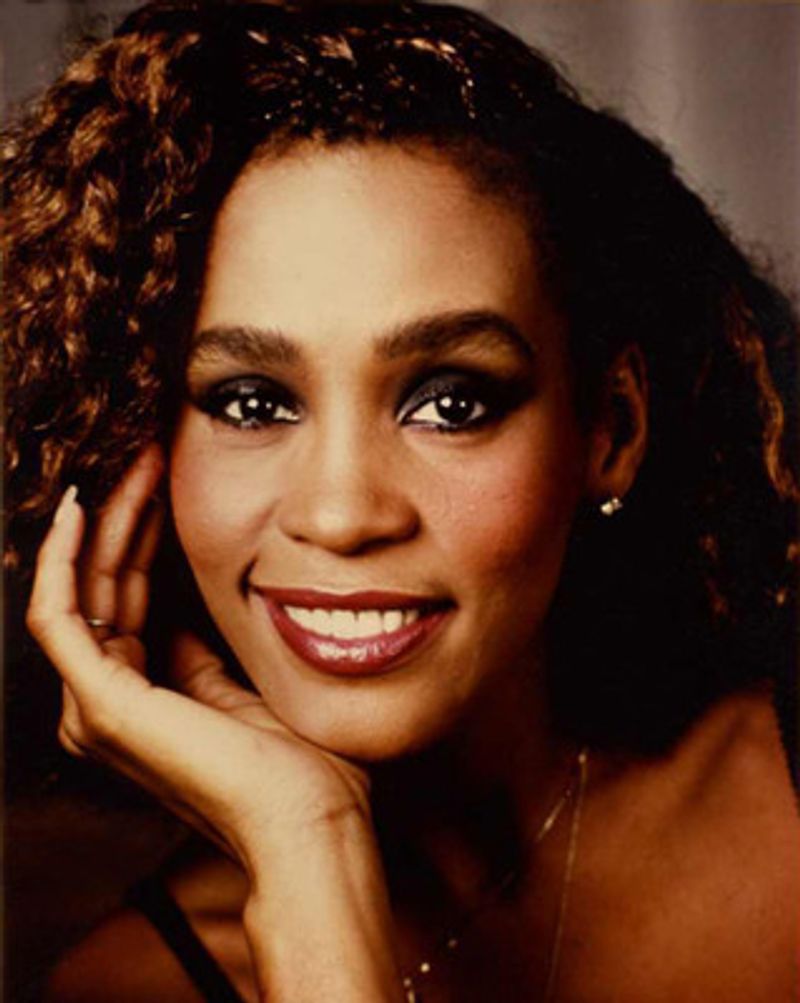
Dolly Parton penned this heartbreaker in 1973 as a farewell to her business partner.
When Whitney Houston recorded it nearly two decades later for The Bodyguard soundtrack, she transformed it into a powerhouse ballad.
Houston’s version became one of the best-selling singles ever, with those legendary high notes that still give us goosebumps.
Parton’s original had country charm, but Whitney’s rendition reached stratospheric heights that redefined the song completely.
2. Tainted Love by Soft Cell
Gloria Jones brought this soulful number to life in 1964, but it barely made a ripple.
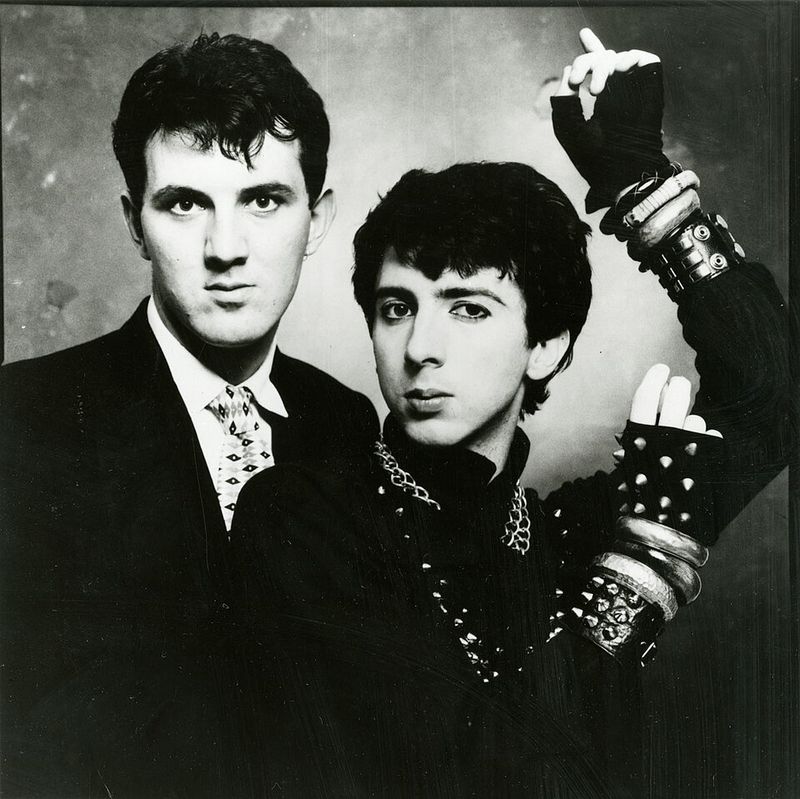
Fast-forward to 1981 when Soft Cell drenched it in synthesizers and created pure new wave magic.
Marc Almond’s distinctive vocals paired with electronic beats turned it into a dancefloor essential.
The cover became so massive that most folks assume Soft Cell wrote it themselves, completely overshadowing Jones’s original Northern Soul gem.
3. Respect by Aretha Franklin
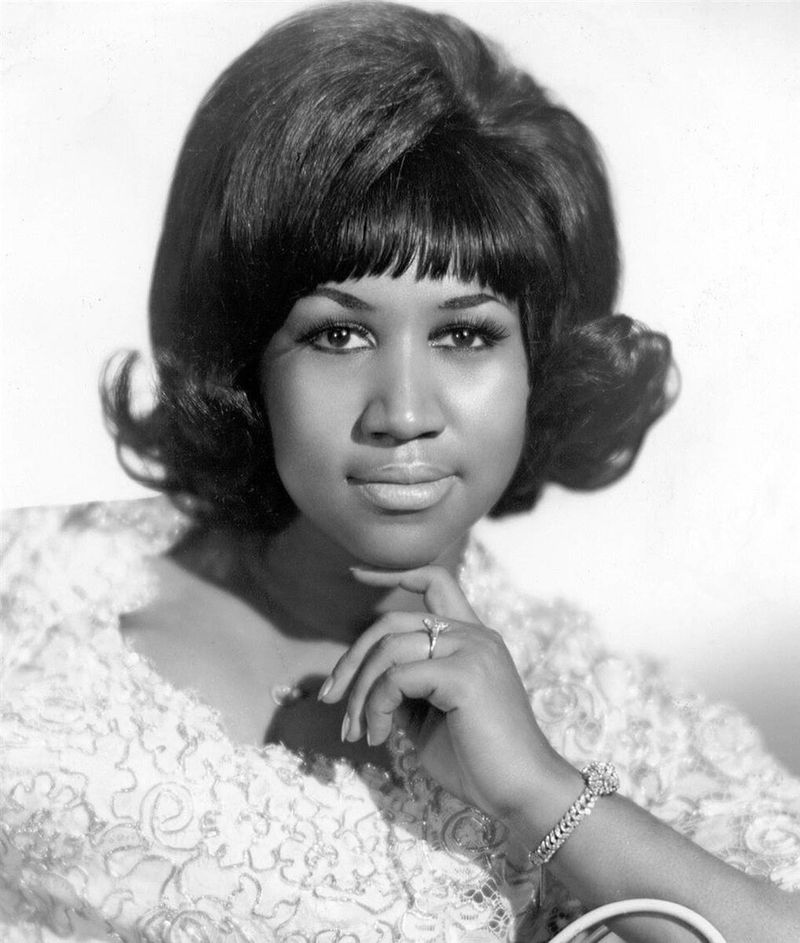
Otis Redding recorded this track in 1965 from a man’s perspective, asking for respect when coming home.
Aretha Franklin flipped the script entirely in 1967, transforming it into a feminist anthem that demanded recognition.
She added the iconic R-E-S-P-E-C-T spelling and backing vocals that became instantly recognizable worldwide.
Franklin’s version became the definitive recording, earning her a Grammy and cementing her title as the Queen of Soul forever.
4. I Love Rock ‘n Roll by Joan Jett and the Blackhearts
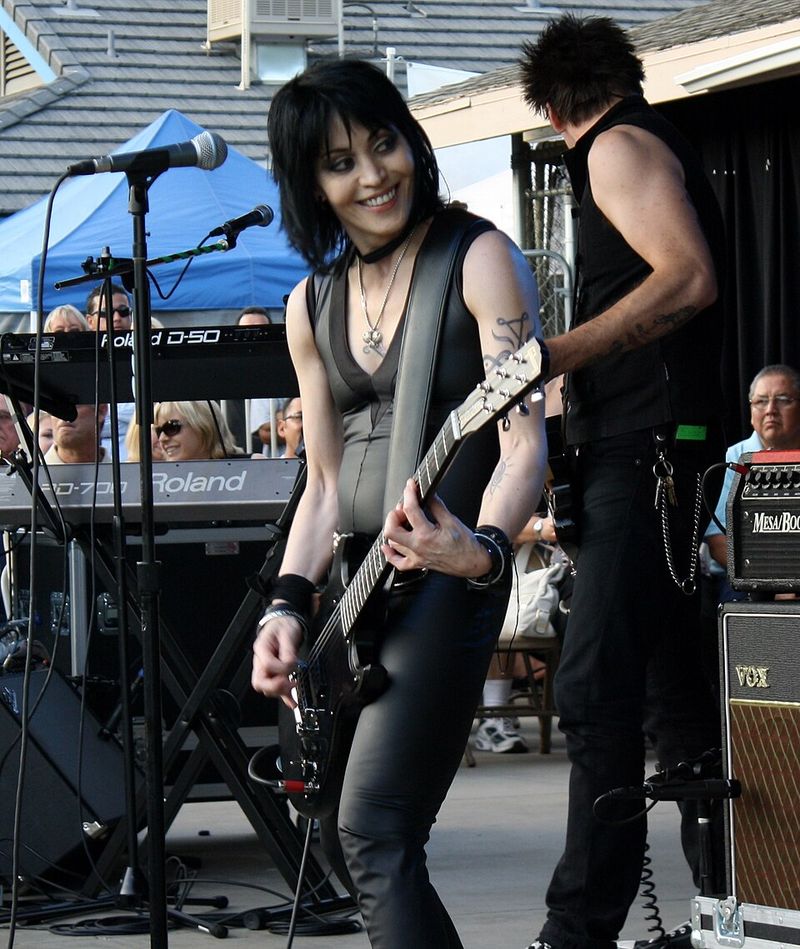
The Arrows, a British band, originally released this rocker in 1975 with modest success.
Joan Jett discovered it while touring England and knew she had to make it her own.
Her 1981 version cranked up the attitude, guitars, and pure rock energy to eleven.
Jett’s cover dominated charts for seven weeks and became her signature song, making people forget The Arrows ever existed in the first place.
5. Girls Just Want to Have Fun by Cyndi Lauper
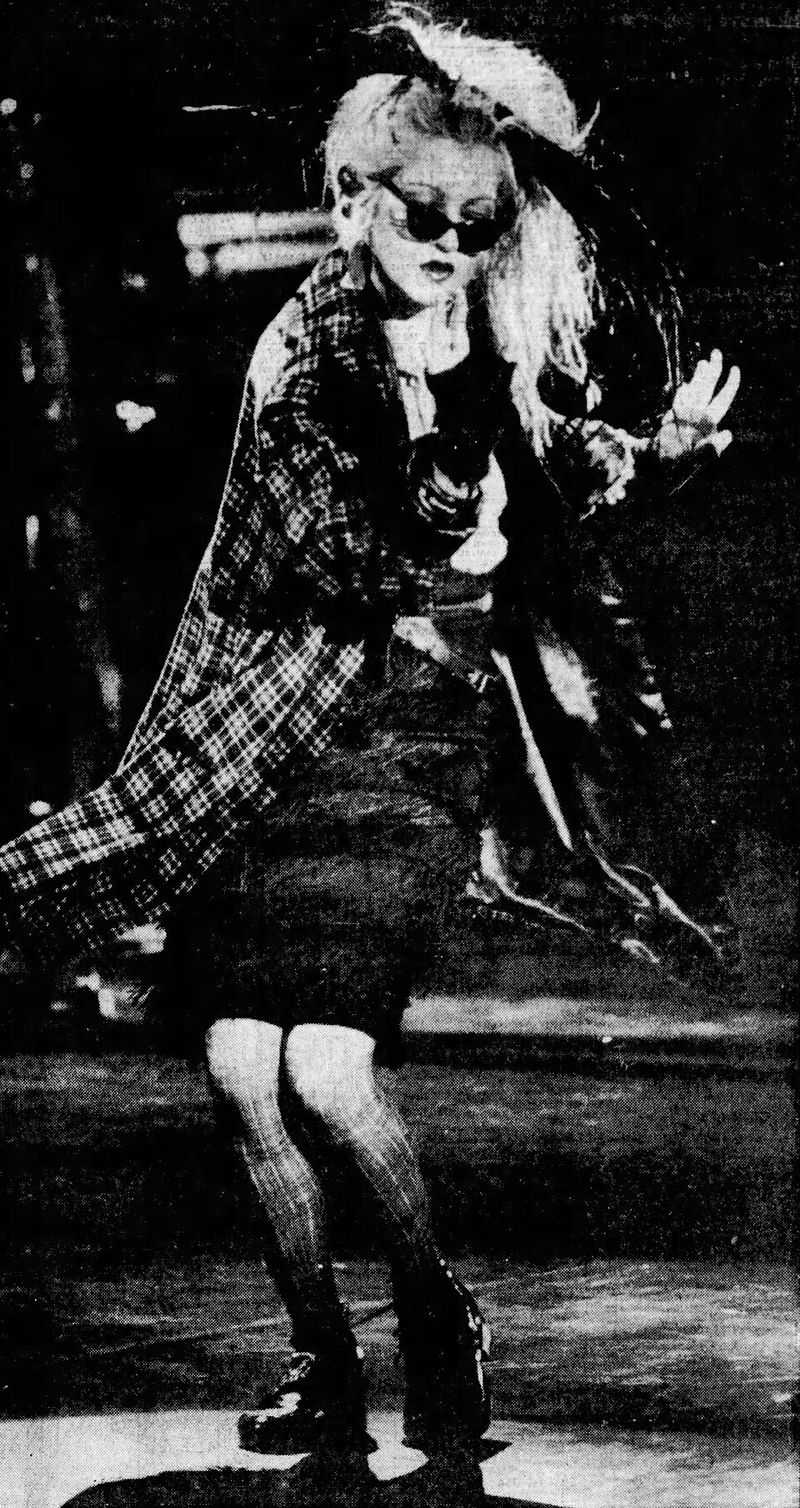
Robert Hazard wrote this tune in 1979 from a guy’s perspective about what women want.
Cyndi Lauper grabbed it and transformed it into an empowering anthem for women everywhere.
Her 1983 version burst with color, energy, and unapologetic joy that perfectly captured the MTV generation.
Lauper’s interpretation became a cultural phenomenon, with a legendary music video that defined 1980s pop culture and female independence beautifully.
6. Nothing Compares 2 U by Sinéad O’Connor
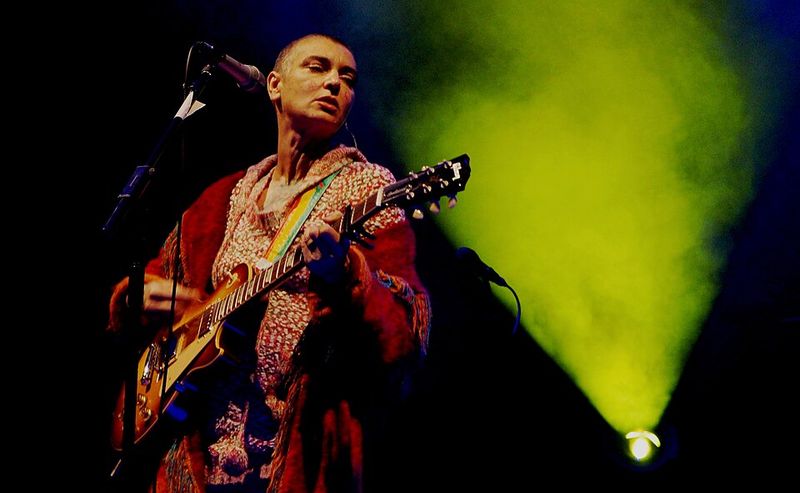
Prince wrote this emotional masterpiece and gave it to The Family, who recorded it in 1985.
Sinéad O’Connor’s 1990 version stripped everything down to raw vulnerability and heartbreak.
That iconic music video showing her face and a single tear became unforgettable television history.
O’Connor’s haunting vocals made the song her own, reaching number one worldwide and overshadowing Prince’s original recording by miles and miles.
7. Torn by Natalie Imbruglia

Ednaswap released this song in 1995, but it barely registered on anyone’s radar.
Natalie Imbruglia’s 1997 cover became an instant global smash with her emotive delivery.
Her version captured perfectly that feeling of romantic disillusionment that everyone could relate to immediately.
Imbruglia’s rendition became so iconic that Ednaswap’s original is practically lost to history, with most people never knowing it existed beforehand.
8. All Along the Watchtower by The Jimi Hendrix Experience
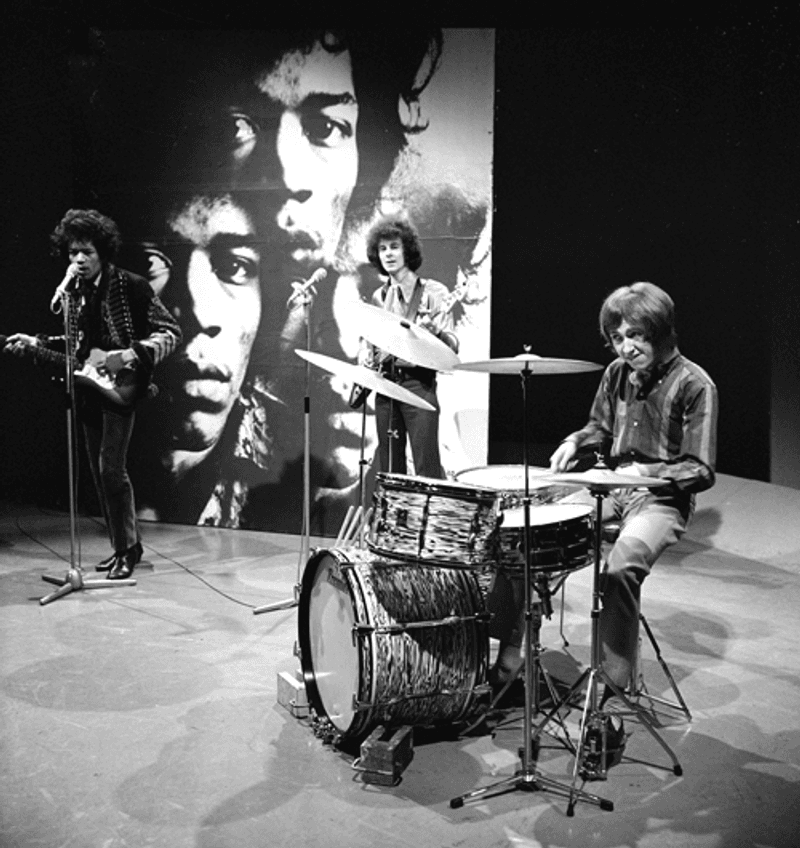
Bob Dylan wrote and recorded this mysterious track in 1967 with his signature folk sound.
Jimi Hendrix electrified it the following year, adding psychedelic guitar solos that became legendary.
Hendrix’s version became so definitive that even Dylan started performing it Jimi’s way afterward.
The cover completely overshadowed the original, with many fans shocked to learn that Dylan, not Hendrix, actually penned this absolute masterpiece.
9. The Man Who Sold the World by Nirvana
David Bowie created this eerie track in 1970 with glam rock sensibilities.
Nirvana stripped it down for their legendary MTV Unplugged performance in 1993.
Kurt Cobain’s haunting acoustic interpretation gave the song new life and introduced it to Generation X.
Many younger fans genuinely believed Nirvana wrote it, discovering Bowie’s original only after digging deeper into music history and feeling absolutely shocked.
10. Twist and Shout by The Beatles
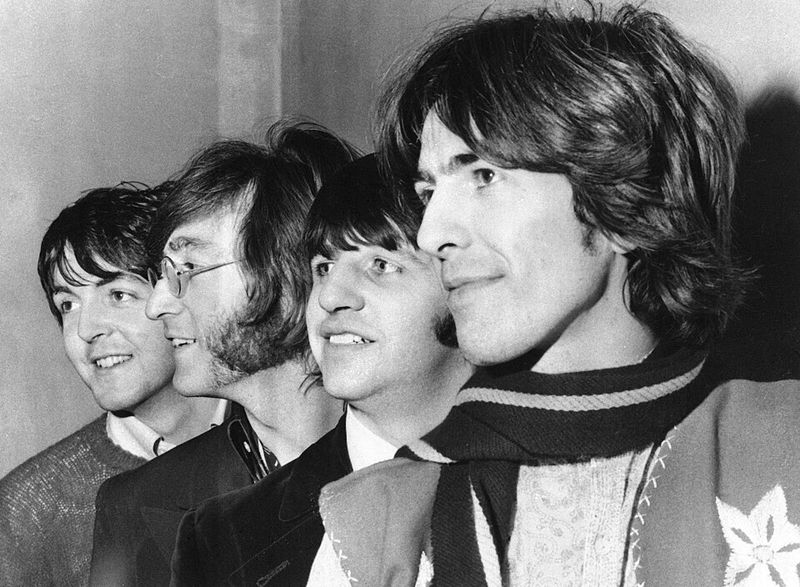
The Isley Brothers released their version in 1962, which became a significant hit.
The Beatles recorded their take in 1963 during a marathon recording session, with John Lennon’s voice nearly shot.
That raw, raspy energy made their version unforgettable and became a Beatlemania staple.
Most fans associate this song exclusively with The Beatles, completely unaware that the Isley Brothers brought it to prominence first.
11. Hound Dog by Elvis Presley
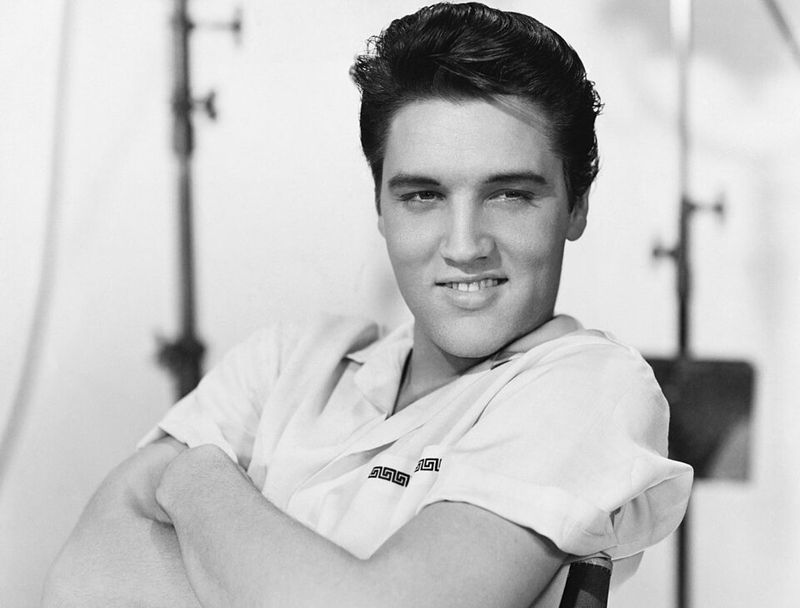
Big Mama Thornton recorded this bluesy number in 1952, earning an R&B hit.
Elvis Presley transformed it in 1956 into a rock and roll explosion with his signature swagger.
His controversial hip-shaking performance on television scandalized parents but thrilled teenagers everywhere.
Presley’s version became the definitive recording, overshadowing Thornton’s original so completely that her contribution was nearly forgotten by mainstream audiences unfortunately.
12. Black Magic Woman by Santana
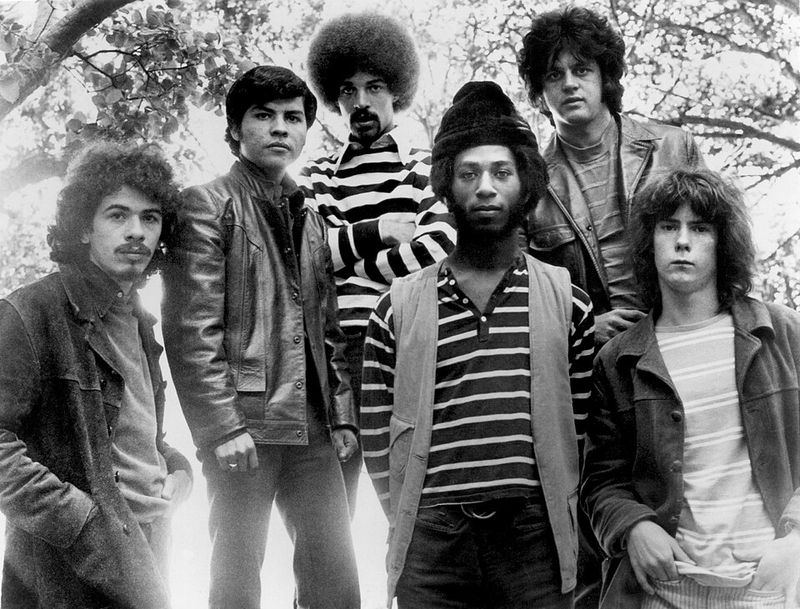
Fleetwood Mac’s Peter Green wrote and recorded this track in 1968 as a blues number.
Santana grabbed it in 1970 and infused it with Latin percussion and searing guitar solos.
Carlos Santana’s version became a rock radio staple with its hypnotic groove and unforgettable riffs.
Most listeners have no clue that Fleetwood Mac created it originally, assuming Santana wrote this Latin rock masterpiece himself.
13. Ring of Fire by Johnny Cash
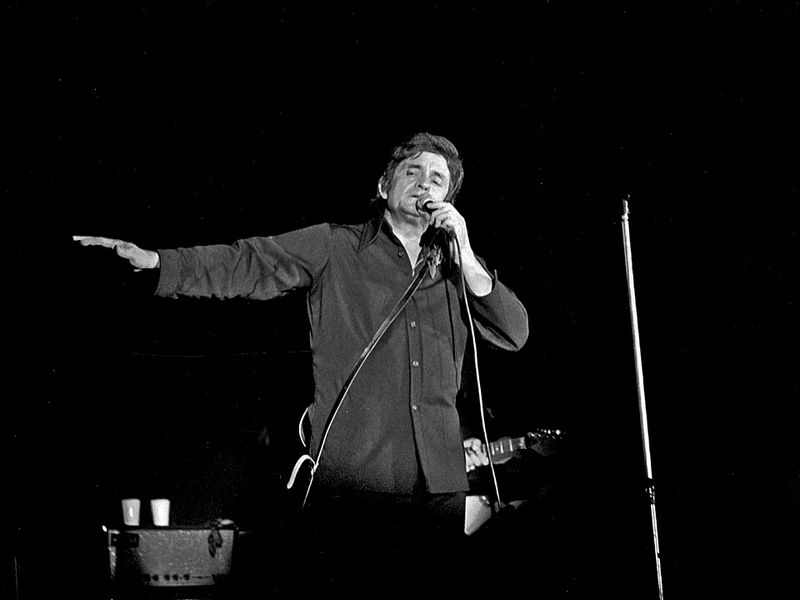
Anita Carter first recorded this song in 1962, co-written by her and Merle Kilgore.
Johnny Cash’s 1963 version added those iconic mariachi-style horns that became instantly recognizable.
His deep, commanding voice turned it into one of country music’s most beloved classics ever.
Cash’s interpretation became so definitive that Carter’s original recording is practically unknown, even among die-hard country music fans today.
14. Valerie by Mark Ronson featuring Amy Winehouse
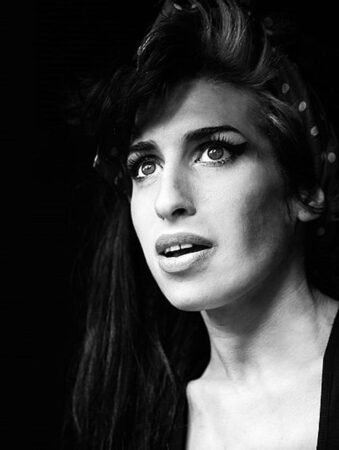
The Zutons released this indie rock track in 2006 with moderate UK success.
Mark Ronson transformed it in 2007 with Amy Winehouse’s soulful vocals and retro production.
Winehouse’s interpretation gave the song a timeless, vintage quality that resonated worldwide.
Their version became so massively popular that most people assume Winehouse wrote it, never realizing The Zutons created this gem originally.
15. Hallelujah by Jeff Buckley
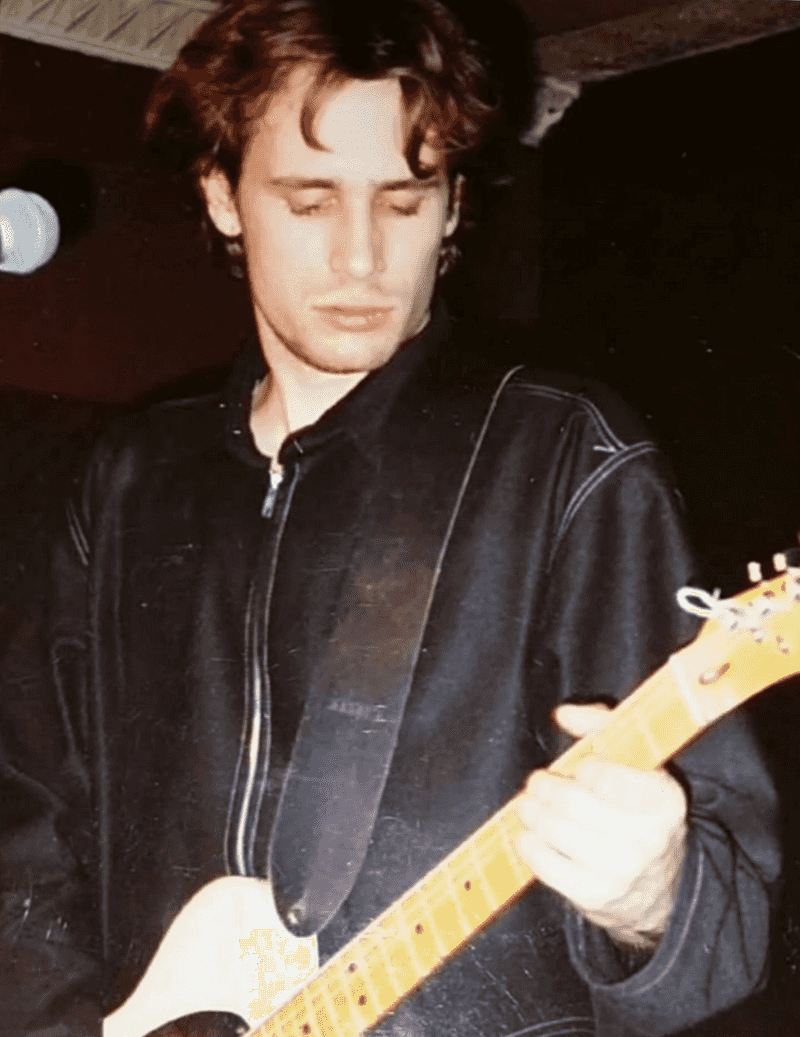
Leonard Cohen wrote this spiritual masterpiece in 1984, but it initially flopped commercially.
Jeff Buckley recorded a heartbreaking version in 1994 that showcased his ethereal voice.
Buckley’s interpretation became the gold standard, inspiring countless covers and TV show placements.
Many listeners discovered Cohen’s genius only after falling in love with Buckley’s rendition, never realizing Cohen created this timeless beauty.
16. I Feel for You by Chaka Khan
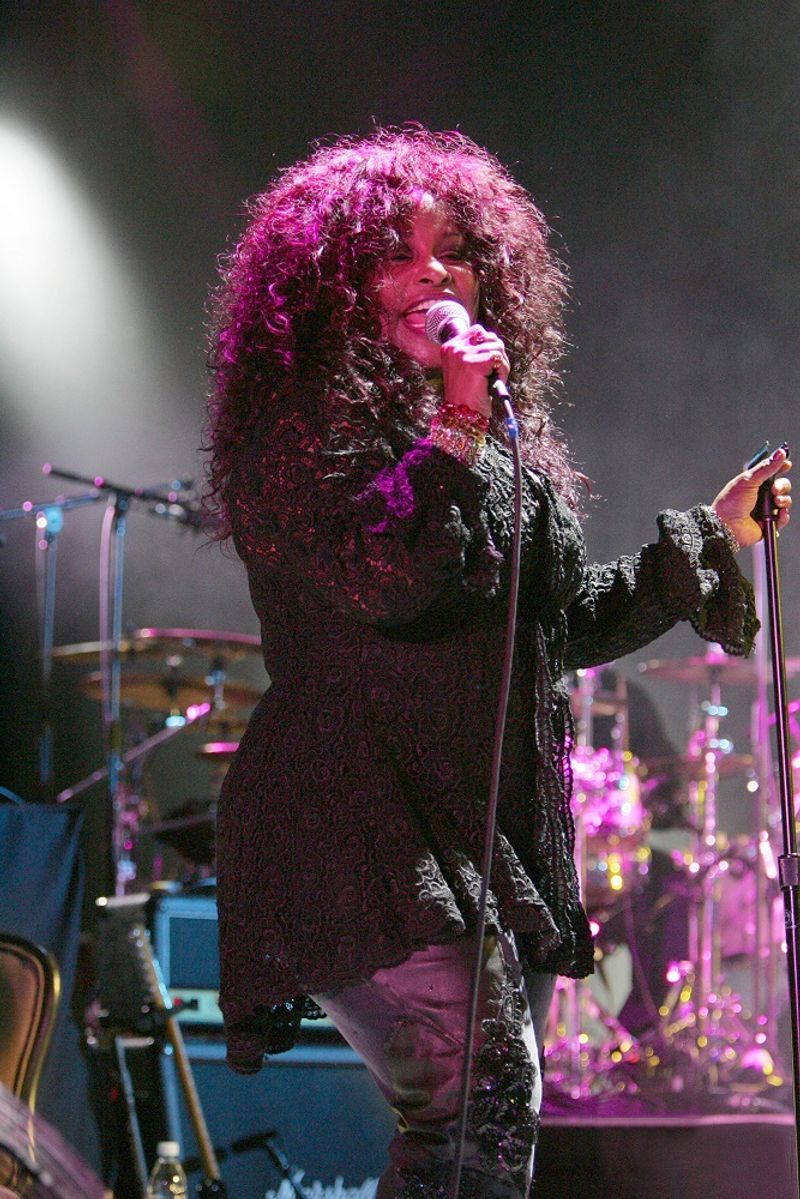
Prince wrote and recorded this funky track in 1979 on his self-titled album.
Chaka Khan transformed it in 1984 with rapping by Melle Mel and Stevie Wonder’s harmonica.
Her version became a groundbreaking fusion of R&B, funk, and hip-hop that dominated radio.
Khan’s cover won a Grammy and became so iconic that Prince’s original is rarely remembered, even by his biggest fans.
17. Dazed and Confused by Led Zeppelin

Jake Holmes wrote and recorded this folk-rock song in 1967 with acoustic arrangements.
Led Zeppelin electrified it in 1969, adding heavy guitars and Robert Plant’s wailing vocals.
Their version became a concert staple featuring Jimmy Page’s legendary violin bow guitar solos.
Zeppelin’s interpretation overshadowed Holmes so completely that he had to fight for songwriting credit decades later, finally receiving recognition.
18. Because the Night by 10,000 Maniacs
Patti Smith Group originally released this co-written Bruce Springsteen collaboration in 1978.
10,000 Maniacs delivered a softer, more melodic interpretation in 1993 that reached new audiences.
Natalie Merchant’s vocals gave the song a different emotional texture than Smith’s punk poetry.
While Smith’s version remains well-known, many alternative rock fans discovered the song through 10,000 Maniacs, never connecting it to Patti Smith initially.