12 Fantasy Books Readers Often Compare To Harry Potter
The final page turns, the epilogue fades, and suddenly the arena lights flip back on.
In one corner stands the wizarding saga that raised a generation of readers on castles, courage, and late-night “just one more chapter.” In the other corners, challengers line up with secret societies, mythical creatures, dangerous schools, and young heroes ready to prove they can carry the torch.
The question is not whether the magic can be matched. The question is which new world steps into the ring and earns your loyalty next.
Round one starts the moment you pick up the next book.
1. The Lightning Thief (Percy Jackson And The Olympians #1) – Rick Riordan
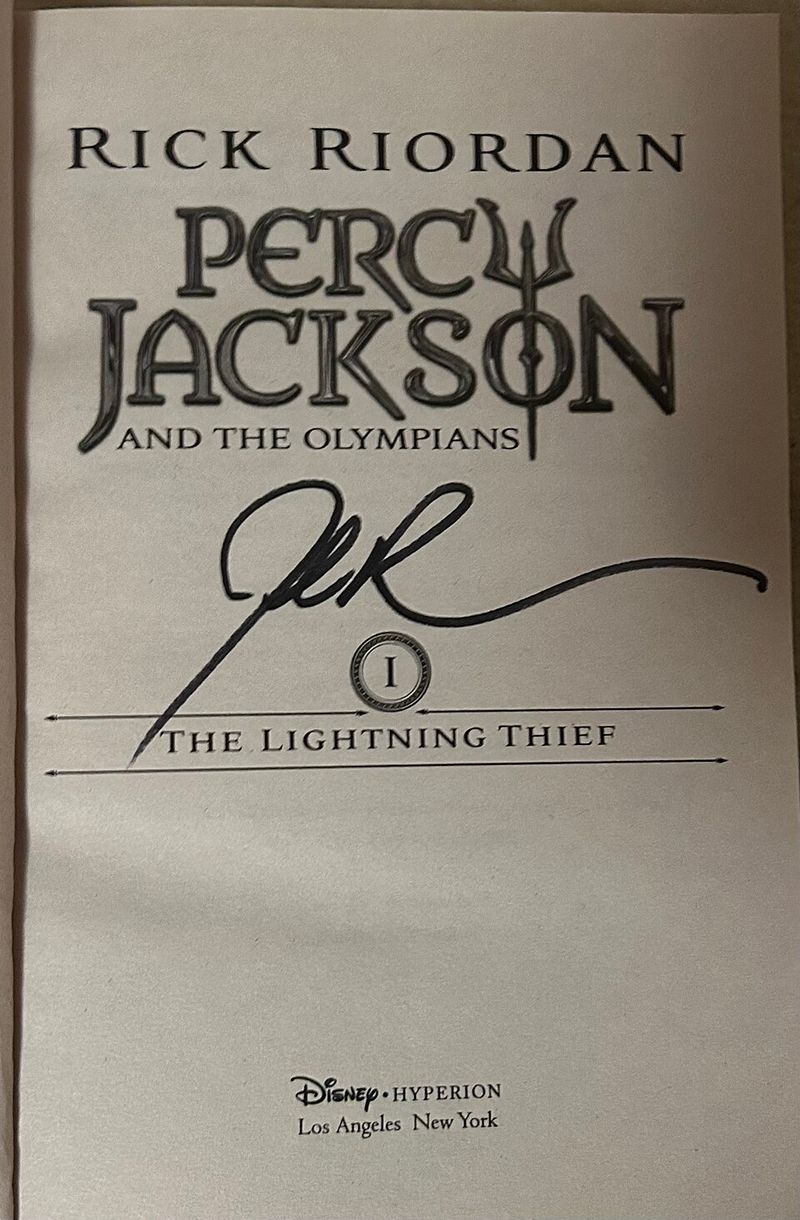
A phone buzzes with a message from a best friend who has just uncovered an unexpected truth about being a demigod. Reality shifts for Percy Jackson once he learns that Greek gods exist and that one of them happens to be his father.
Snarky humor, monster battles across modern New York, and a summer camp where kids practice swordplay instead of canoeing give the series its sharp momentum. Each chapter lands with the snap of a well-timed cliffhanger.
Fast pacing makes the books easy to finish over a weekend camping trip, while mythology lessons slip in without ever feeling like homework.
2. The Golden Compass (His Dark Materials #1) – Philip Pullman

Lyra Belacqua talks to her daemon the way you chat with your dog, except her animal companion is part of her soul. Pullman built a universe where everyone has a visible spirit animal, the Northern Lights hide doorways between worlds, and a mysterious substance called Dust might explain consciousness itself.
The story sprawls across frozen wastelands, Oxford colleges, and parallel dimensions.
Armored polar bears throw down in gladiator-style battles, and witches fly through auroras on cloud-pine branches. The trilogy grows darker and more philosophical with each book, raising questions about free will and authority that linger long after the kettle clicks off.
3. The Magicians (The Magicians #1) – Lev Grossman

An acceptance letter arrives for Quentin Coldwater, yet the magic school awaiting him comes with messy consequences, tangled relationships, and the sobering truth that mastering spells does not repair a life.
Brakebills University offers rigorous sorcery training to brilliant misfits who quickly learn that wielding power proves far more complicated than passing exams.
Lev Grossman writes with the voice of an older cousin who adored fantasy novels while also navigating the turbulence of college life.
Terrible choices drive the story forward, real consequences follow close behind, and depression lingers even for characters capable of turning invisible. Viewed through that lens, the series feels like a post-adolescent reckoning with magic, tailored for readers who prefer sharp edges over comforting prophecies.
4. City Of Bones (The Mortal Instruments #1) – Cassandra Clare
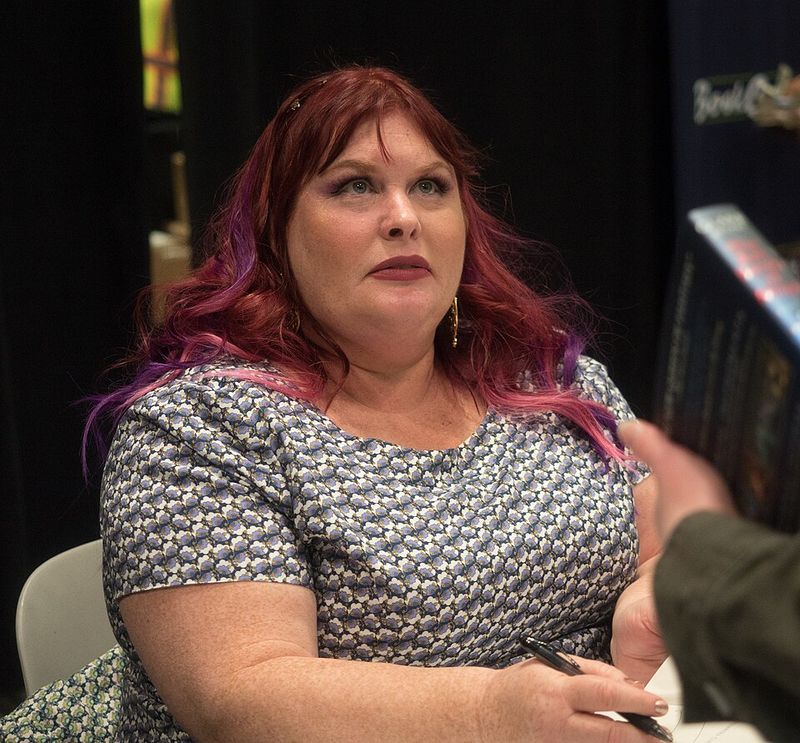
Clary Fray watches a boy with tattoos kill a demon in a New York nightclub, and suddenly her whole reality cracks open.
Shadowhunters are warriors with angelic runes inked on their skin, fighting vampires and warlocks in the alleys between coffee shops. Clare built an urban fantasy playground where every subway station might hide a portal, and that cute guy at the bookstore could secretly hunt monsters for a living.
The series hooks you with forbidden romance, family secrets that keep twisting, and enough mythology to fuel six books. Think Buffy the Vampire Slayer meets Gossip Girl, with ancient prophecies scribbled in the margins.
5. The Alchemyst (The Secrets Of The Immortal Nicholas Flamel #1) – Michael Scott
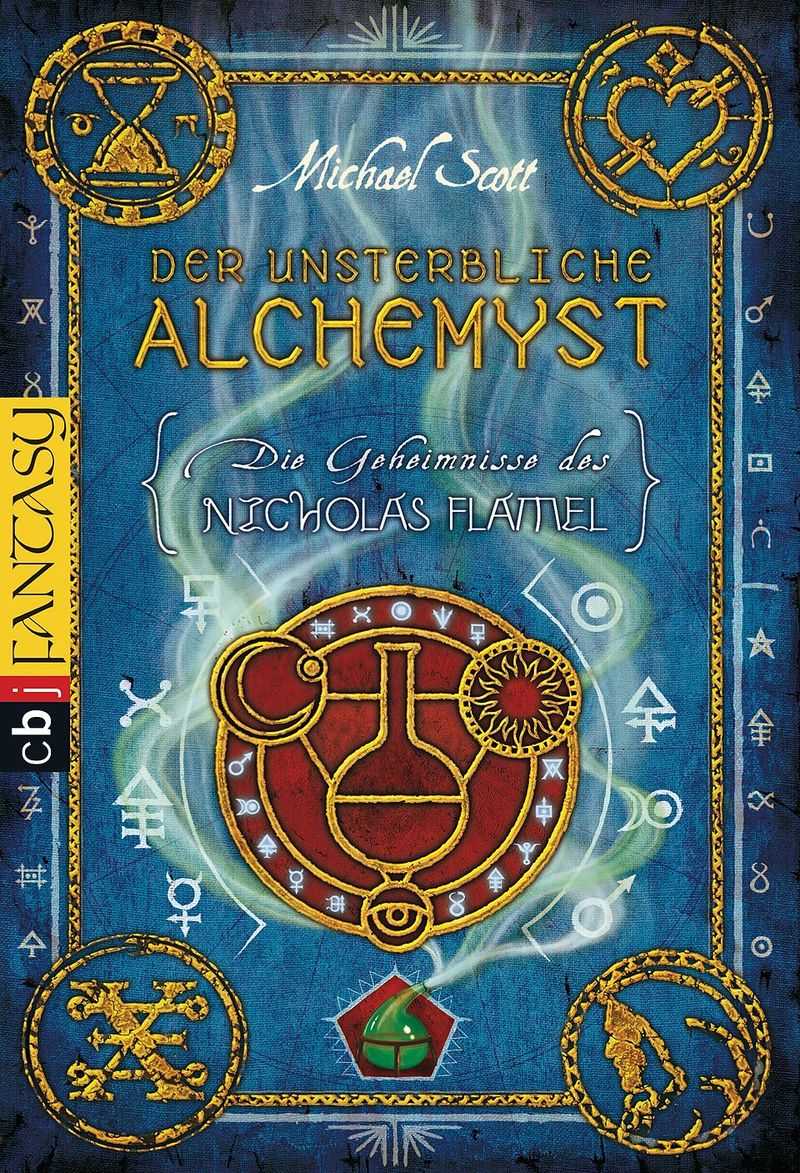
Nicholas Flamel stands as far more than a passing footnote in Harry Potter lore. Michael Scott reimagines him as an immortal alchemist guarding ancient secrets while working quietly inside a San Francisco bookshop.
Fifteen-year-old twins Sophie and Josh stumble into an age-old war after sorcerers attack the store, forcing them to train in elemental magic alongside figures such as Joan of Arc and Billy the Kid.
Action sweeps across real cities and mythologies drawn from multiple continents.
Every installment unveils gods, monsters, and historical icons said to have escaped death, shaping a grand conspiracy that can make any museum field trip feel charged with possibility.
6. Neverwhere – Neil Gaiman

Kindness toward an injured stranger sends Richard Mayhew tumbling beneath London’s surface and into London Below, a shadow city where subway stations function as fiefdoms and rats hold court.
Neil Gaiman transforms familiar Tube stops into literal puns and portals edged with danger. Somewhere in that hidden world, the Floating Market drifts from place to place without warning.
Elegant yet menacing, assassins Croup and Vandemar speak with the polish of Victorian villains while carrying out distinctly modern crimes.
Reading it can feel like uncovering a secret basement beneath your own hometown, a refuge of forgotten people and restless magic suited to a quiet, rain-soaked afternoon.
7. Shadow and Bone (The Grisha Trilogy #1) – Leigh Bardugo
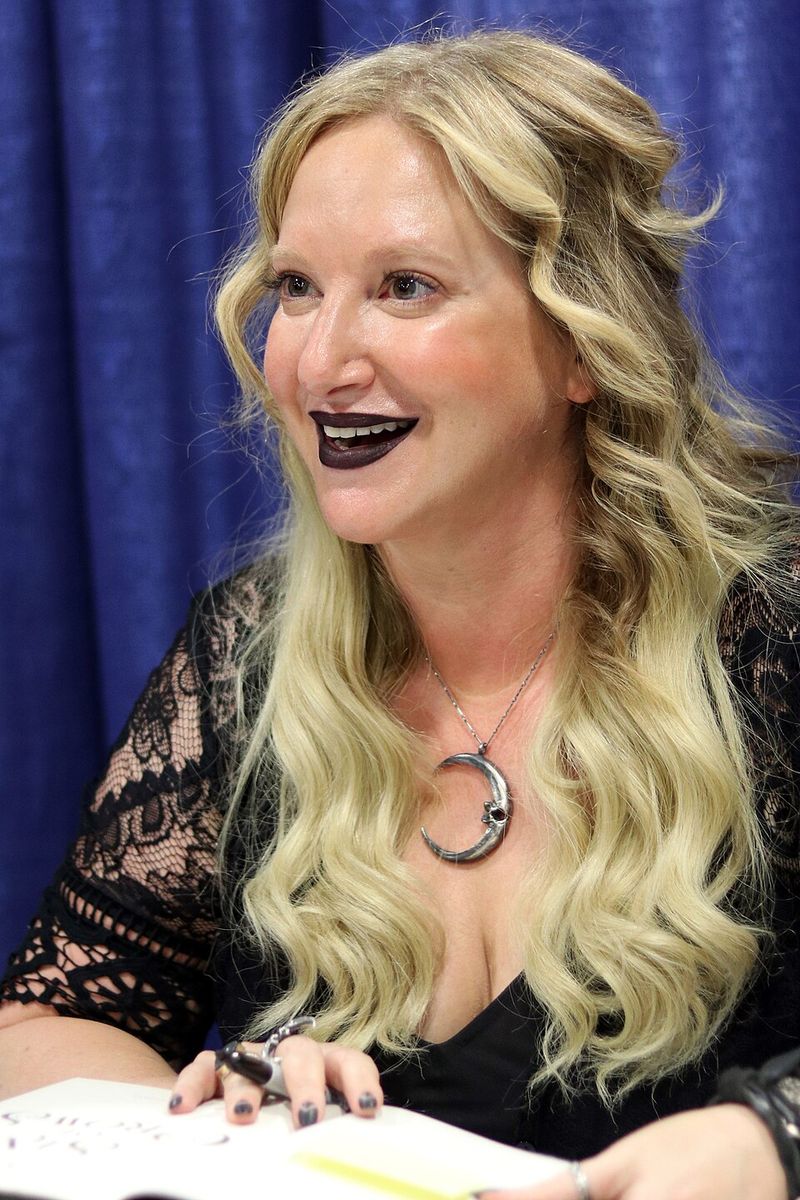
Alina Starkov is a mapmaker until she discovers she can summon light, which makes her either the kingdom’s savior or its most valuable weapon.
Bardugo built Ravka, a fantasy Russia where magic users called Grisha wear color-coded robes and serve in the Second Army. The Shadow Fold is a strip of darkness full of monsters that cuts the country in half, and only Alina might be able to destroy it.
The story mixes military academy politics with a love triangle that actually matters to the plot. The world expands into multiple series, so finishing the trilogy is like opening a door to an entire fictional universe with heists, pirates, and saints.
8. The Field Guide (The Spiderwick Chronicles #1) – Holly Black & Tony DiTerlizzi

Discovery of a mysterious book inside a creaky old house allows the Grace kids to suddenly spot goblins in the backyard and sprites hiding in kitchen cupboards.
Tony DiTerlizzi and Holly Black shape the story as a field guide to faeries, written like a naturalist’s journal and filled with detailed creature sketches.
Short chapters make it easy to read while waiting for the school bus, yet momentum steadily grows into a full adventure featuring trolls, dwarves, and a dragon dwelling in a nearby quarry.
Many readers treat the series as an inviting first step toward longer fantasy novels. Carefully rendered illustrations lend the magic a documented feel, as if cataloging a strange insect online, except the creature has three eyes and a habit of stealing socks.
9. Artemis Fowl (Artemis Fowl #1) – Eoin Colfer

Twelve-year-old Artemis Fowl is a criminal mastermind who discovers fairies are real and decides to kidnap one for ransom.
Colfer flipped the hero script by making his protagonist a genius villain who treats magic like a business opportunity. The Lower Elements Police are fairies with plasma guns and time-stop technology, and they do not appreciate being extorted by a human kid, no matter how clever.
The books balance heist-movie plotting with Irish folklore, and Artemis slowly grows a conscience across eight novels. Think Ocean’s Eleven meets Peter Pan, told from Captain Hook’s perspective, perfect for readers who always rooted for the clever bad guy anyway.
10. The Dark Is Rising (The Dark Is Rising Sequence) – Susan Cooper
Midwinter’s Day marks Will Stanton’s eleventh birthday, and he learns he is an Old One chosen to resist a growing darkness. Susan Cooper weaves Arthurian legend and Celtic mythology into modern Britain, where ancient power lingers in manor houses and village churches.
Across the series, a distinctly British atmosphere settles over fields, forests, and narrow lanes that seem quietly enchanted.
Snow falls as Will gathers six mystical signs under watchful ravens, while the Dark answers with storms and troubling dreams. Mythic weight runs through the prose, making the quest feel urgent and well suited to a quiet afternoon with tea and fading light.
11. Inkheart – Cornelia Funke

Meggie’s father can read characters out of books and into reality, which sounds amazing until you realize he accidentally trapped his wife inside a story years ago. Cornelia Funke wrote a love letter to reading itself, where books act as portals and words carry real physical power.
Villains from a fantasy novel called Inkheart escape into our world. Suddenly Meggie is running from fire-jugglers and trying to rewrite reality by reading aloud.
Celebration of libraries, bookbinders, and storytelling runs through the story without ever feeling preachy.
Perfect choice for anyone who has ever wished to climb into a favorite book, with the added warning that fictional villains remain dangerous even when standing in a kitchen.
12. The Amulet Of Samarkand (Bartimaeus Trilogy #1) – Jonathan Stroud

Nathaniel is a young magician who summons Bartimaeus, a five-thousand-year-old djinni with a sharp tongue and zero respect for humans.
Stroud built alternate London where magicians rule the government and spirits do all the actual work, told through footnotes full of Bartimaeus’s sarcastic commentary. The djinni narrates like your funniest friend who also happens to have witnessed the fall of Rome and the building of the pyramids.
The books mix political intrigue with genuinely funny banter, and the magic system has rules and consequences that matter. Think Harry Potter if the portraits could roast you back and the house-elves wrote their own memoirs full of sharp jokes.
Important: This article highlights fantasy novels that readers and critics often discuss in the same conversation as Harry Potter, based on shared themes such as magic, hidden worlds, and coming-of-age storytelling.
Descriptions summarize widely known premises and may include subjective comparisons used for editorial context.