8 Fantasy Creatures Invented By Authors And 9 Drawn From Ancient Legends
Fair warning: someone, somewhere, thought bedtime needed more nightmares. Creatures with too many claws, glowing eyes, or extremely questionable intentions wandered out of imaginations, legends, and late-night storytelling sessions and never went back.
Some were invented with ink and paper, others survived centuries of whispers, growing bolder every time they were retold.
Seventeen of these beings are still lurking in our stories, daring you to look closer and remember why humans have always loved being just a little scared.
Note: This piece blends author-created fantasy creatures with beings drawn from ancient and medieval traditions, and specific traits can vary by text, translation, region, and retelling.
1. Balrog
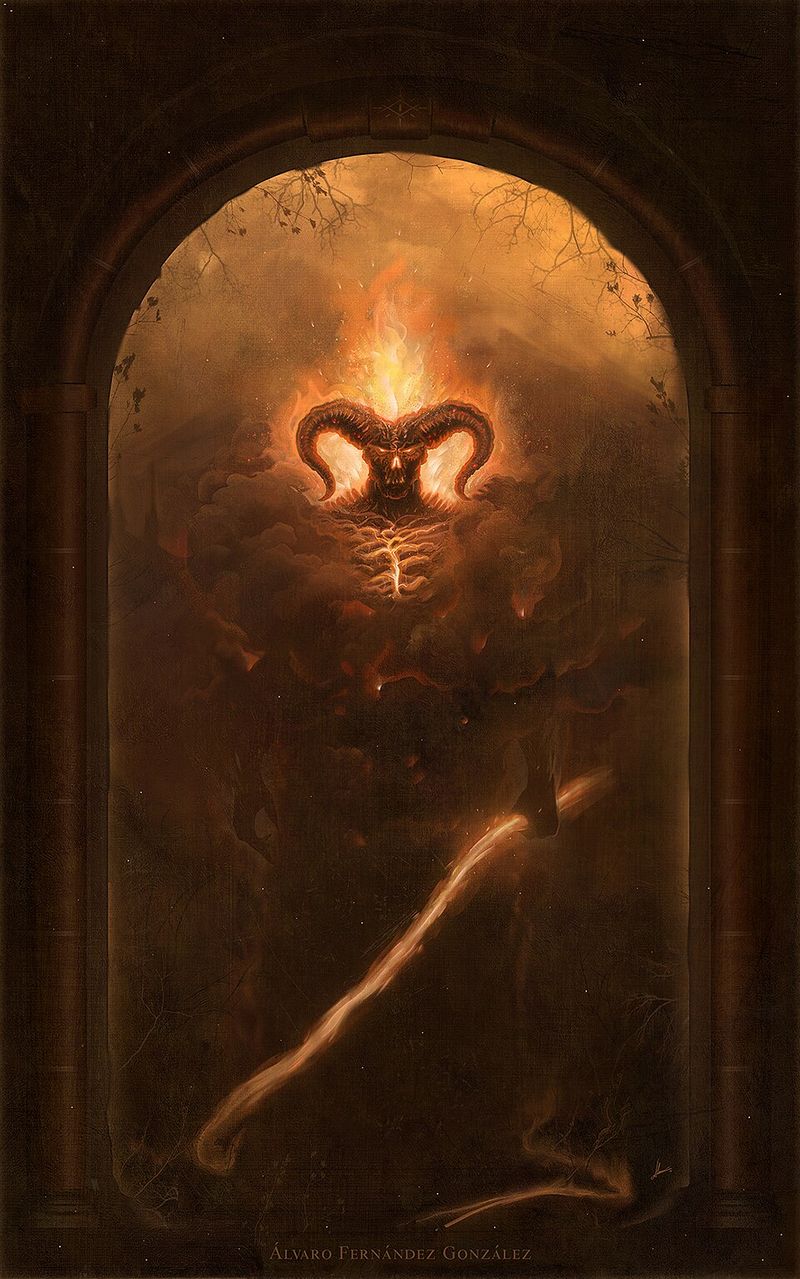
Fire takes shape where shadows should stay still. Through Middle-earth, J. R. R.
Tolkien unleashed a demon of fire and darkness so old that even wizards hesitate to name it.
Fear doesn’t come only from a flaming whip or vast wings of smoke, but from what the Balrog embodies. Power without mercy and wrath without reason define its presence.
Breath caught worldwide when Gandalf faced the Balrog on a bridge already falling apart.
Nothing about bedtime stories prepared anyone for a monster that makes the ground tremble simply by waking up.
2. Ent
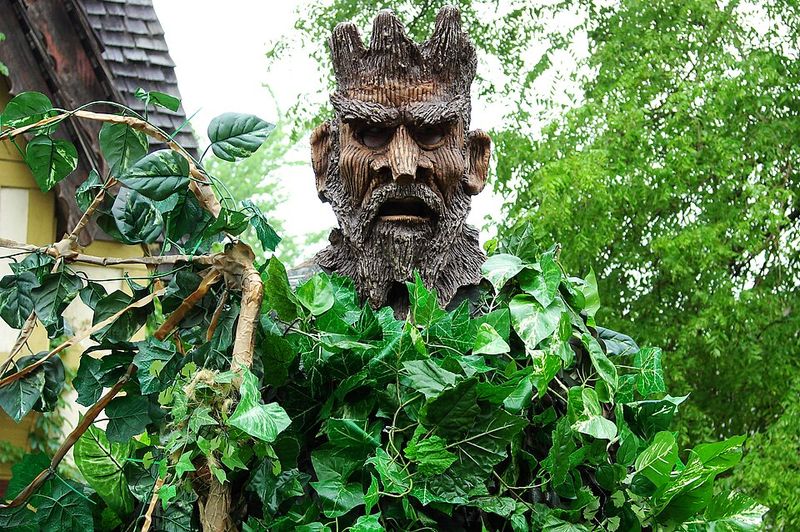
Trees that walk and talk sound charming until you remember they can crush stone with their roots. Tolkien turned forests into characters, giving them voices deeper than thunder and patience measured in centuries.
Ents move like glaciers and think like philosophers.
They’re the ultimate reminder that nature isn’t just pretty scenery to walk through on a Sunday. When these shepherds of the woods finally lose their temper, entire fortresses crumble like sandcastles at high tide.
3. Nazgûl (Ringwraiths)
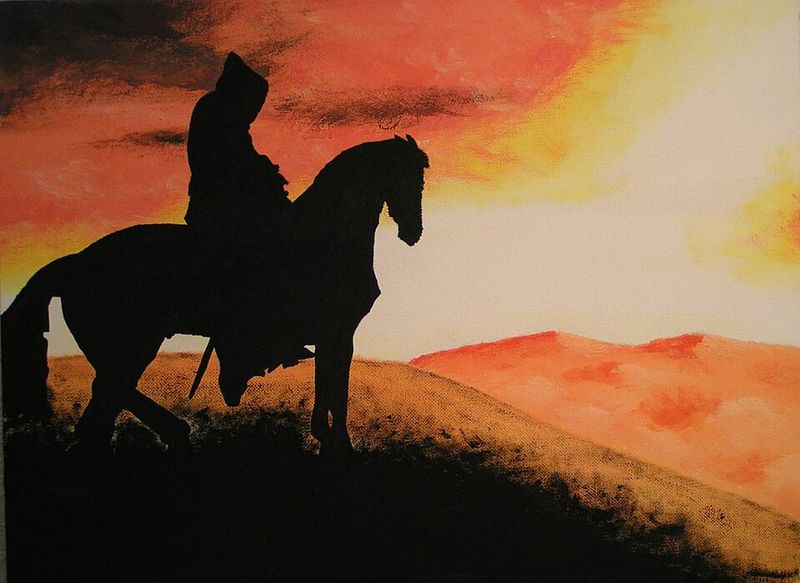
Black robes sway atop horses, turning an otherwise ordinary sight into something deeply wrong.
Nine kings once accepted power at the cost of their humanity, only to earn an eternity of servitude, a bargain that reads like the cruelest deal in literature.
What makes the Nazgûl unsettling is the reminder that they began as people who made catastrophic choices. Sound alone becomes a weapon, with shrieks capable of draining bravery and replacing it with blind panic.
Behind that horror sits J. R. R. Tolkien’s quiet insight that evil rarely arrives fully formed.
One ring, one decision, and one surrender at a time can be enough to erase a soul.
4. Dementor
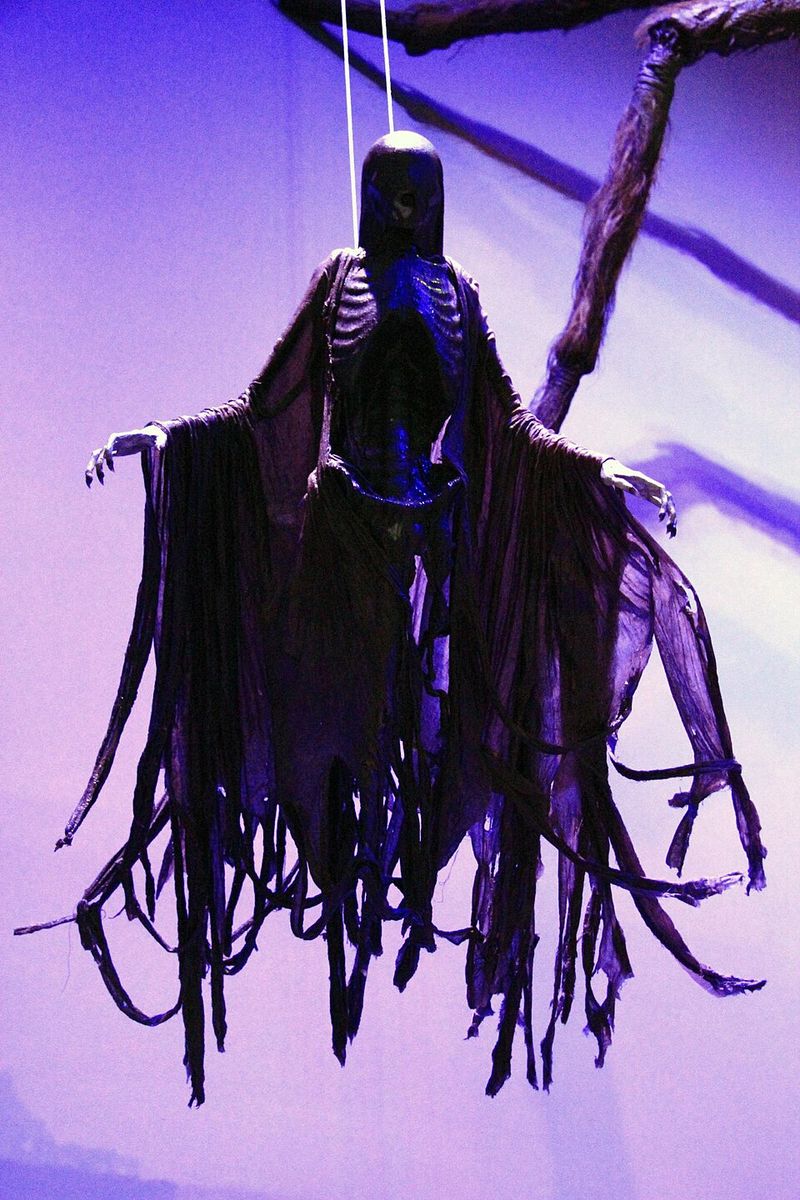
Despair got a costume, and Rowling dressed it in ragged robes that float like funeral shrouds.
Dementors don’t just guard prisons; they feed on happiness itself, leaving victims hollow and shivering. Every joyful memory becomes their meal, every warm thought turns cold under their presence.
They’re walking reminders that some darkness can’t be fought with swords. The only defense is a spell powered by your happiest memory, which feels like the perfect metaphor for battling real despair.
5. Jabberwock
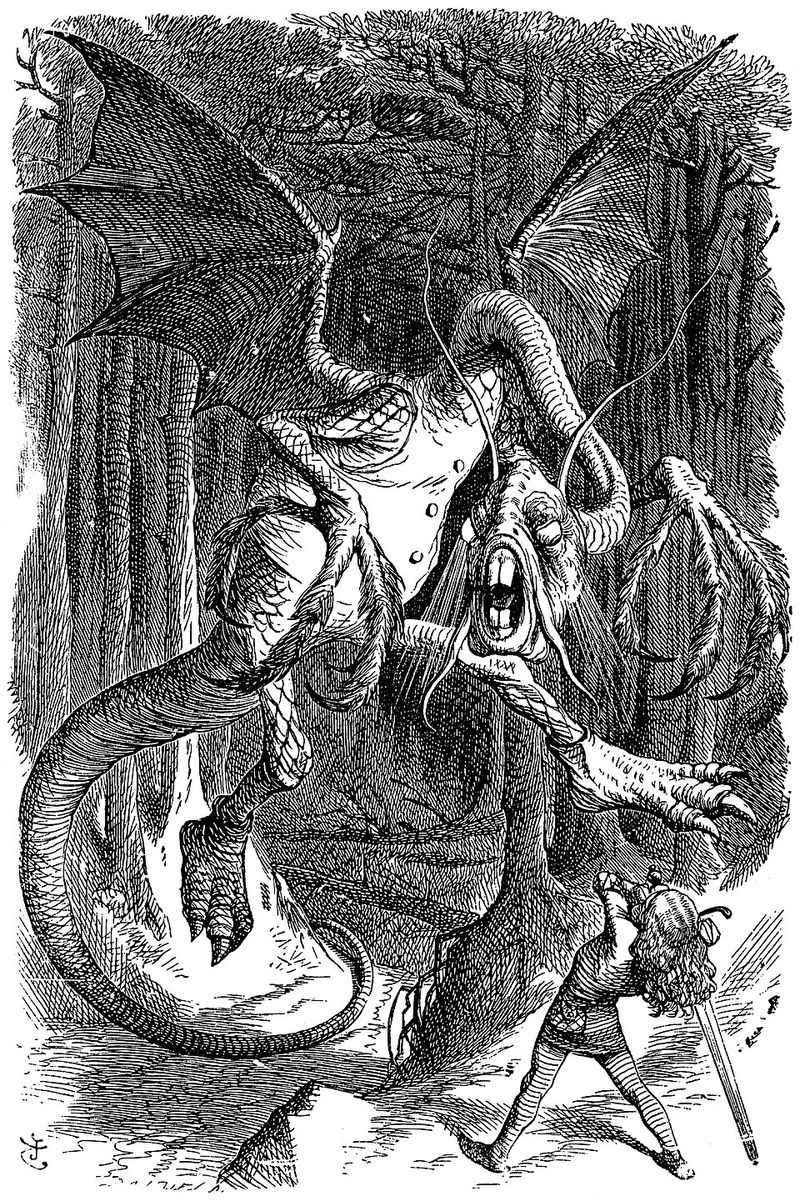
Nonsense became a playground once Lewis Carroll dreamed up a monster simply to house one of literature’s most joyful poems. Loose syllables tumble as the Jabberwock burbles and whiffles through Tulgey Wood, armed with jaws that bite and claws that catch.
Mystery deepens because no single image ever settles into place. Each reader ends up inventing a personal version of the beast, stitched together from dragon parts, nightmare fuel, and playful absurdity.
Behind the silliness sits a quiet truth about how frightening ideas can hide inside funny words, while vorpal swords keep going snicker-snack no matter what.
6. Snark
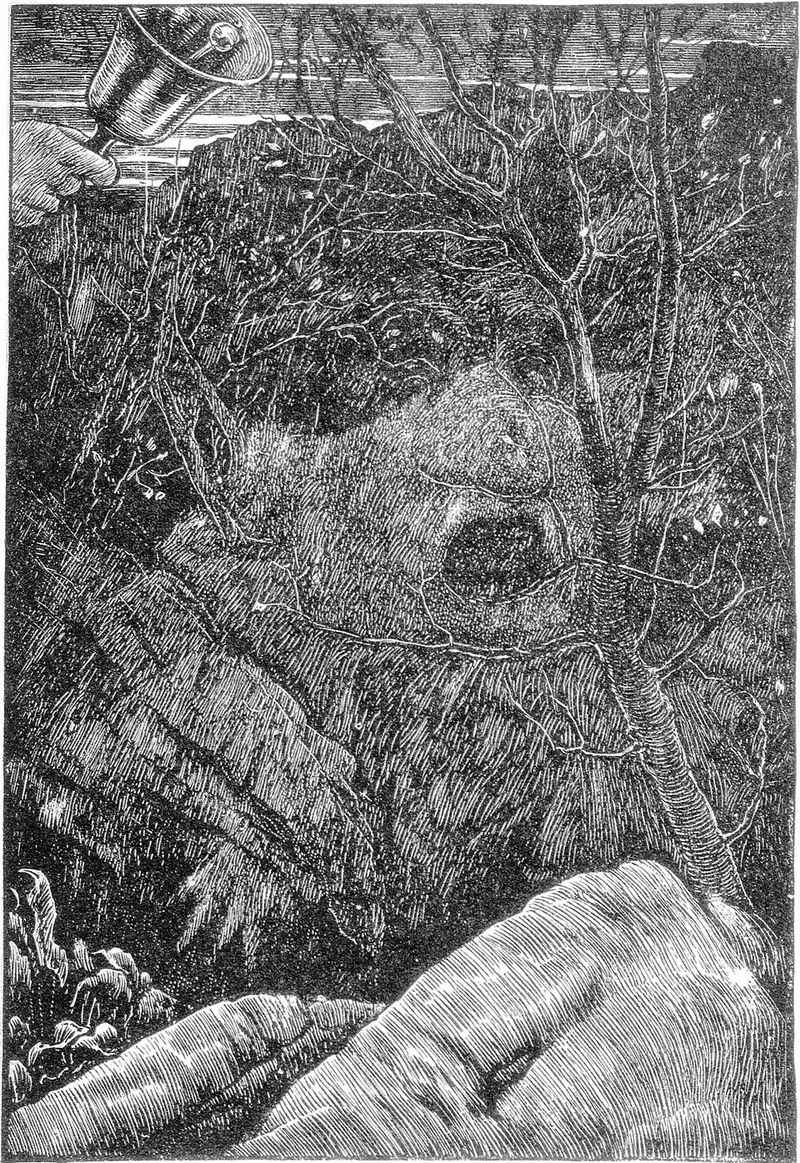
Absurdity found sharp edges once Lewis Carroll launched the ultimate wild goose chase and gave it teeth.
Uncertainty drives the hunt, since the Snark might not exist at all, turning pursuit into a fool’s errand wrapped in playful verse.
Logic gleefully unravels as sailors set out armed with thimbles, care, and soap, following rules that make sense only inside nonsense. Occasionally, a Snark reveals itself as a Boojum, and then you softly and suddenly vanish away.
Meaning settles in through the joke itself, suggesting some quests earn beauty by being pointless, where the journey matters far more than any destination.
7. Cthulhu
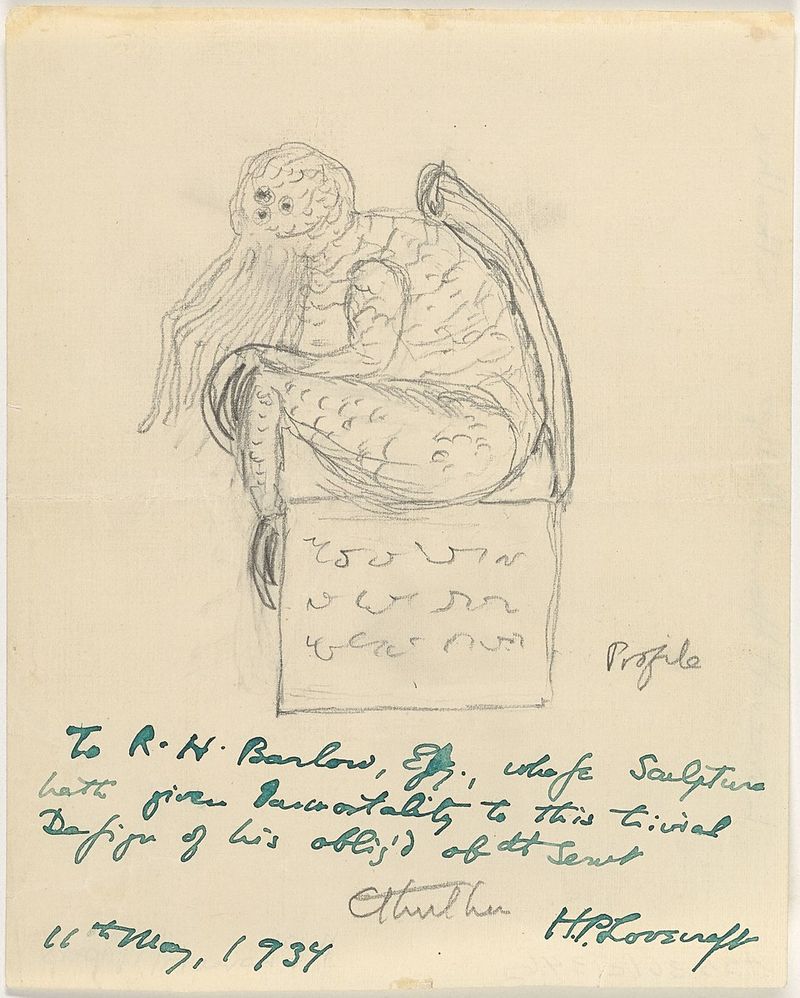
Lovecraft gave horror a new face, and that face had tentacles where a mouth should be.
Cthulhu sleeps beneath the ocean, dreaming dreams that unravel minds just by proximity.
This cosmic entity doesn’t care about humanity the way hurricanes don’t care about sandcastles. The terror isn’t that it’s evil; it’s that we’re so insignificant it doesn’t notice us at all.
When it wakes, reality itself might crack like old pottery, and our sanity goes first.
8. Ancalagon The Black
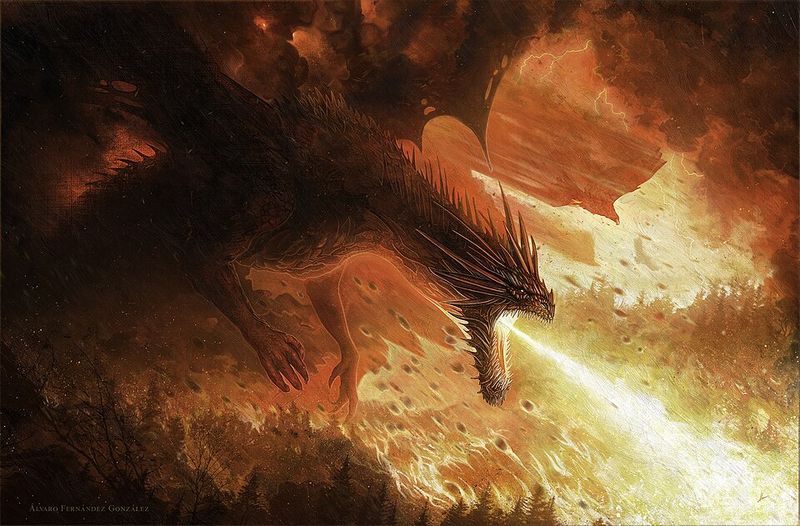
Scale shifts immediately once Tolkien’s largest dragon enters the picture. Ancalagon towers so far beyond other fire-breathers that they start to resemble house lizards by comparison.
Ancient wars reveal their magnitude through his downfall alone, since a single impact shattered entire mountain ranges.
Leading a full dragon host felt almost redundant, yet apocalypse-sized excess fit the age just fine. Pure devastation defined this winged furnace, built as the ultimate weapon in a world still writing its legends.
1. Dragon
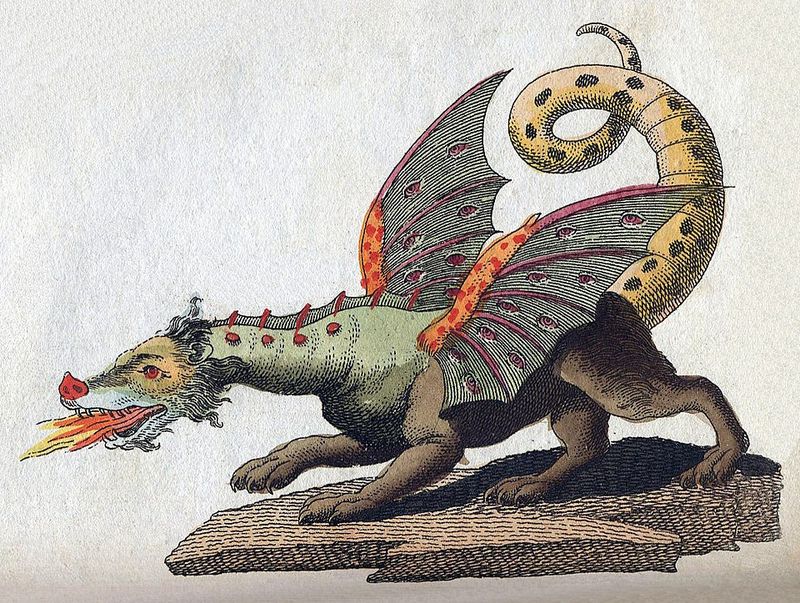
Many cultures looked at the sky and imagined something with wings, fire, and a serious attitude problem.
Dragons guard treasure, kidnap royalty, and occasionally grant wisdom if you’re polite and fireproof.
Chinese dragons bring rain and luck; European ones hoard gold and incinerate knights. These serpentine sky-tyrants have been terrifying humans since we first learned to tell stories around fires.
They’re among the oldest recurring monsters in human storytelling, the template every fantasy writer returns to when they need something properly magnificent and dangerous.
2. Phoenix
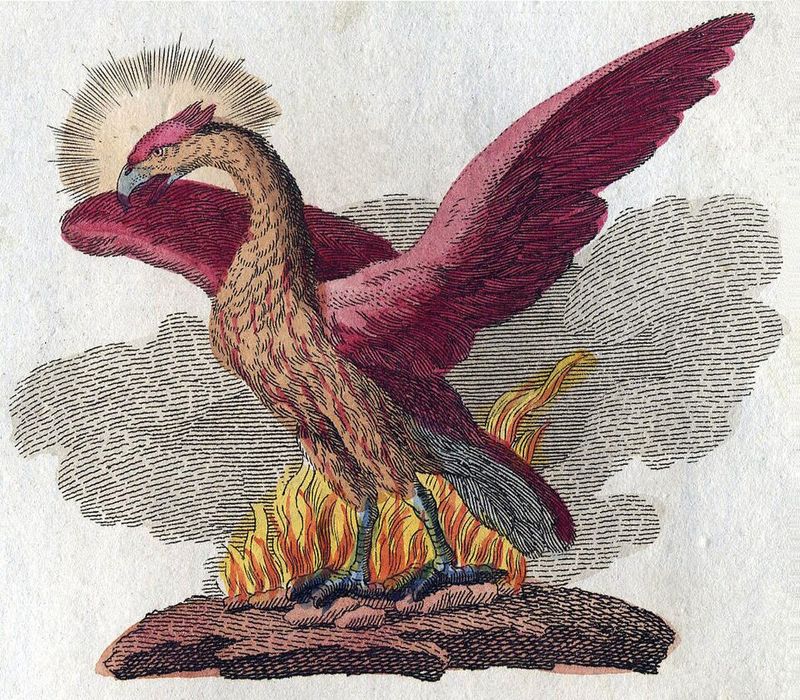
Greek and Egyptian myths gave us a bird that turns death into a light show.
The phoenix doesn’t fear endings because every finale is just intermission before the next act.
When its time comes, it builds a nest of spices and ignites in flames that smell like cinnamon and hope.
From those ashes, a new bird rises, young again but carrying all the memories of its previous lives. It’s the ultimate symbol that sometimes you have to burn down completely to start fresh.
3. Unicorn
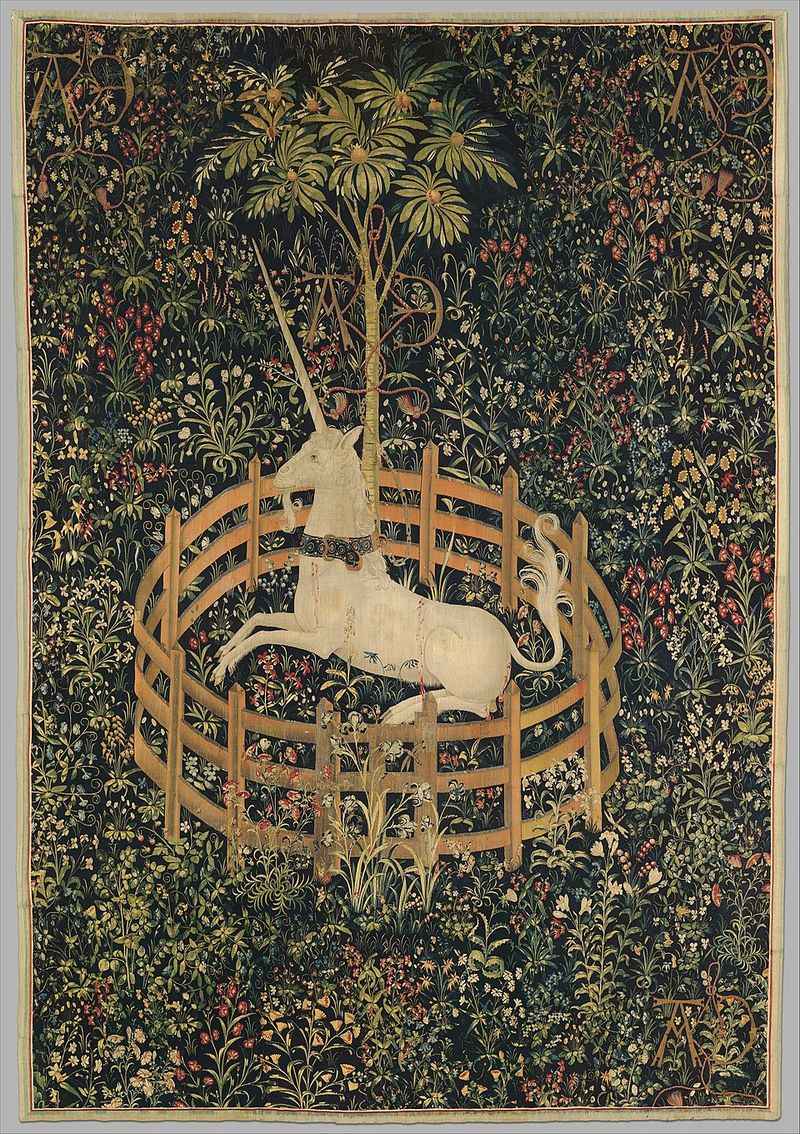
Medieval imaginations couldn’t resist gifting a horse a horn and declaring it sacred. Purity became the calling card, so exclusive that only the most virtuous could supposedly draw near, an absurd amount of expectation for a magical animal.
Legends credited the horn with neutralizing poison and curing illness, conveniently turning the symbol of innocence into a prize for hunters who missed the point entirely.
Woven into tapestries and whispered through fairy tales, unicorns came to stand for untouched innocence in a world aching to believe something wild can remain unspoiled.
4. Kraken
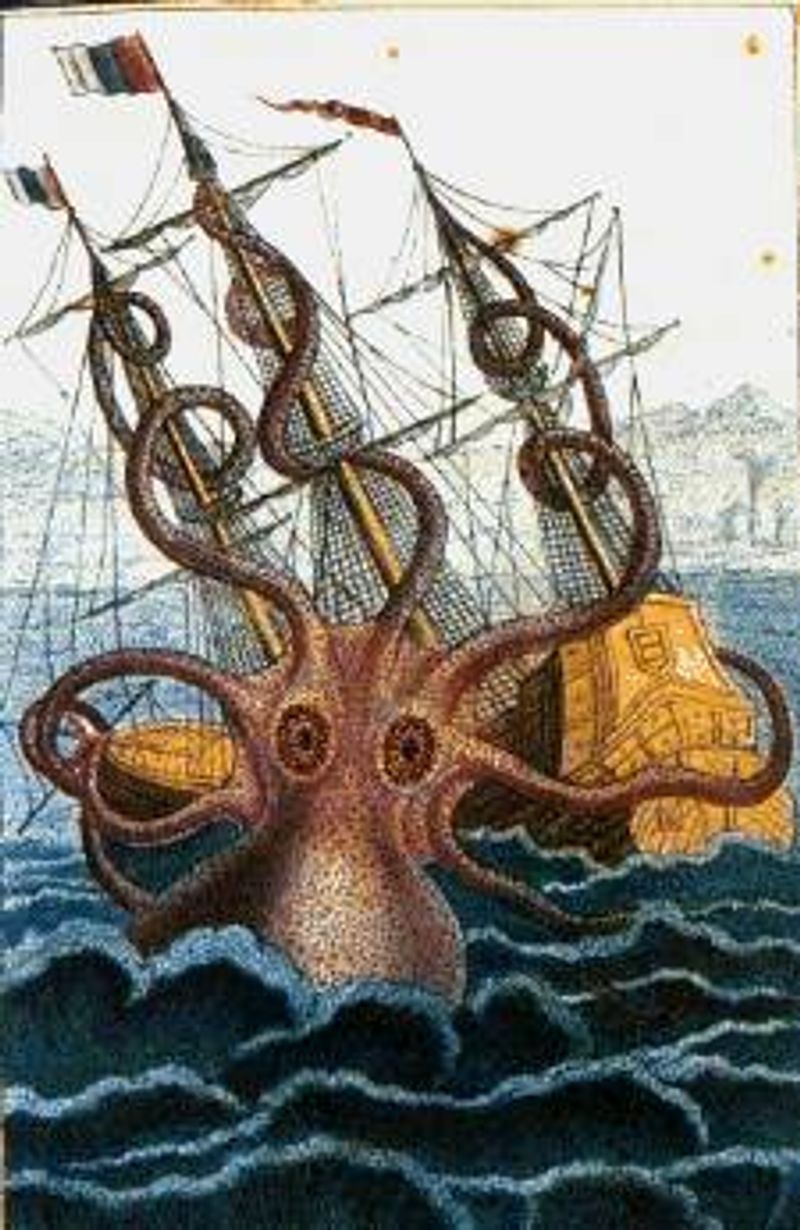
Scandinavian sailors needed an explanation for why ships disappeared, so they invented a squid the size of an island.
The kraken lurks in deep water, waiting to wrap tentacles around hulls and drag entire crews to the bottom.
Some legends say it’s so huge that sailors mistake its back for land and try to anchor there, which ends exactly as badly as you’d expect. This ocean nightmare represents every sailor’s fear of what swims beneath calm surfaces, hungry and patient.
5. Griffin
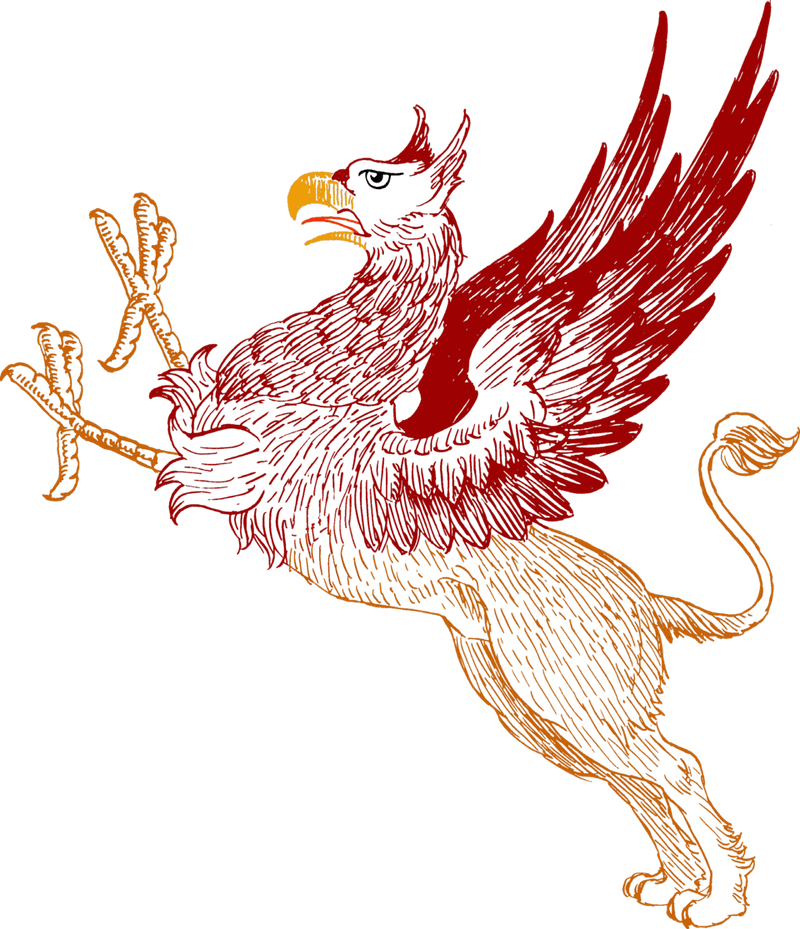
Ancient imaginations studied lions and eagles, then fused the most intimidating traits into a single mythic guardian. With a predator’s muscle and a raptor’s vision, Griffins stood watch over treasure hoards like a living security system built to terrify intruders.
Across Near Eastern and Mediterranean worlds, stone carvings placed those hybrids on temples and palaces as emblems of divine authority.
Legend settled into certainty through the idea that combining two apex creatures could produce something even more formidable, turning hybrid design into mythological perfection.
6. Basilisk
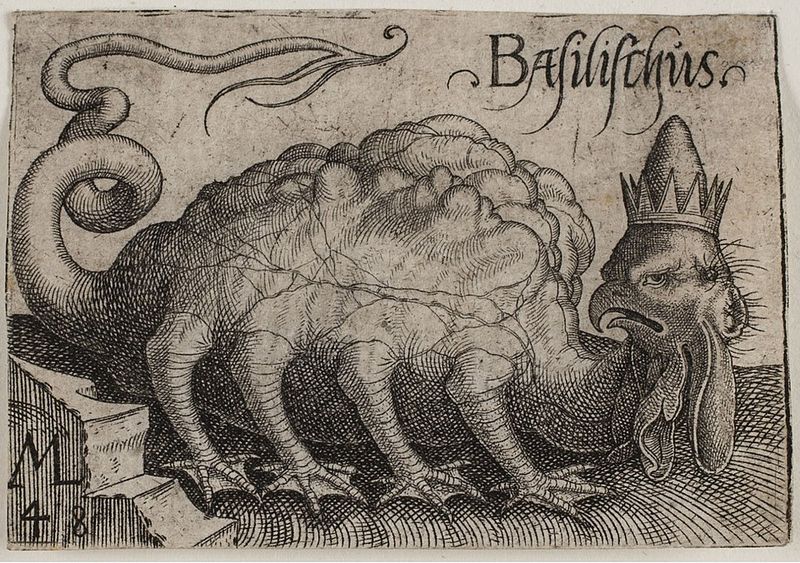
Classical and later bestiaries described the basilisk as a deadly serpent, with medieval versions amplifying its powers.
The basilisk doesn’t need venom when its stare turns victims to stone or stops their hearts mid-beat.
Medieval writers added details about roosters hatching it from serpent eggs, because apparently regular deadly snakes weren’t weird enough. It’s the king of serpents, wearing its crown like a warning label.
Mirrors become weapons against it, reflecting that fatal gaze back where it belongs.
7. Minotaur
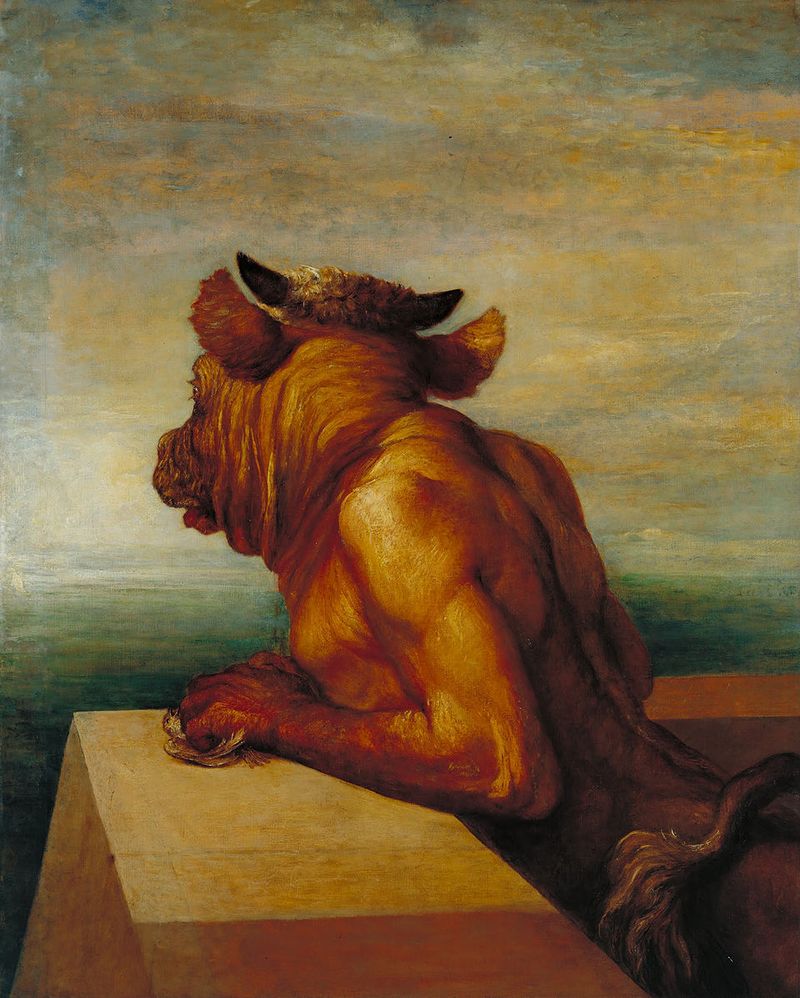
Ancient Greek myth locked a bull-headed man inside a maze and labeled the outcome justice, revealing as much about the culture as the creature itself.
Within the twisting corridors of Crete’s Labyrinth, Minotaur hunted tributes of young people while waiting for a hero bold enough to find a way through.
Born from a cursed union, the monster grew into a symbol of consequence and buried shame that no wall could fully contain. Clever resolve finally prevailed when Theseus struck the fatal blow, guided out by Ariadne’s thread.
8. Cyclops (Polyphemus Tradition)
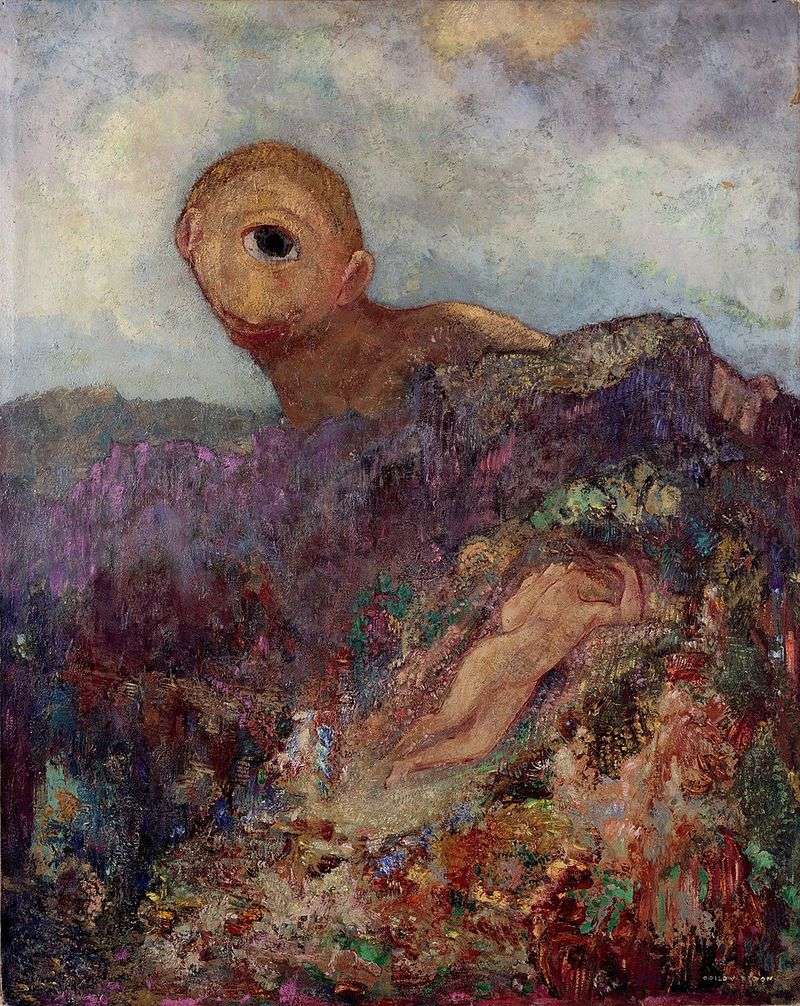
One eye should be a disadvantage, but Greek giants made it work through sheer size and bad temper.
Polyphemus the Cyclops herded sheep, ate sailors, and learned the hard way not to trust strangers offering a drink.
Odysseus blinded him with a burning stake, then escaped by clinging to sheep bellies, which might be the cleverest prison break in mythology.
These one-eyed shepherds prove that physical power can’t compete with quick thinking and a talent for lying about your name.
9. Kitsune
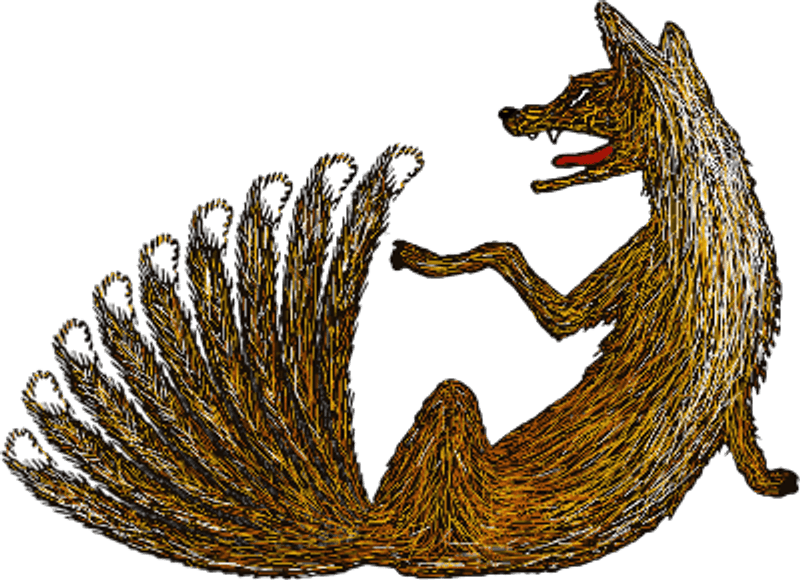
Japanese folklore reimagined foxes as sharp-witted shapeshifters wrapped in magic and attitude. With age comes wisdom and extra tails for Kitsune, where nine tails signal power that edges close to the divine.
Shape-shifting opens endless possibilities, allowing elegant human disguises, clever pranks aimed at the arrogant, or quiet service as messengers for the rice god Inari.
Behind those graceful faces sits a familiar lesson, reminding anyone paying attention that intelligence and magic often wear the most innocent disguises.