15 Fascinating Things About Marzipan And Its Sweet Timeless Story
Soft, sweet, and endlessly shape shifting, marzipan feels like the edible version of a chef’s wildest imagination. A simple blend of almonds and sugar transforms into something that plays dress up as fruits, animals, and even royal portraits.
This confection has been stealing the spotlight for centuries, turning dessert tables into galleries and snack time into an art exhibit. Almonds get ground down, sweetened up, and suddenly the kitchen feels like a creative studio where flavor meets sculpture.
Tracing its journey leads back to ancient Persia, where almond paste began its slow rise to fame. It traveled through markets, across empires, and into European royal kitchens, earning a reputation that mixed luxury with pure indulgence.
Bakers treated it like edible gold, shaping it into intricate designs that looked too good to eat yet too tempting to resist. Today, marzipan still brings a touch of whimsy to cakes, pastries, and festive treats.
A nutty sweetness lingers in every bite, delivering a playful twist that feels both nostalgic and indulgent. Some recipes fade over time, yet this one keeps rolling out new shapes and flavors, proving that a classic can stay fresh without losing its charm.
1. Ancient Persian Roots
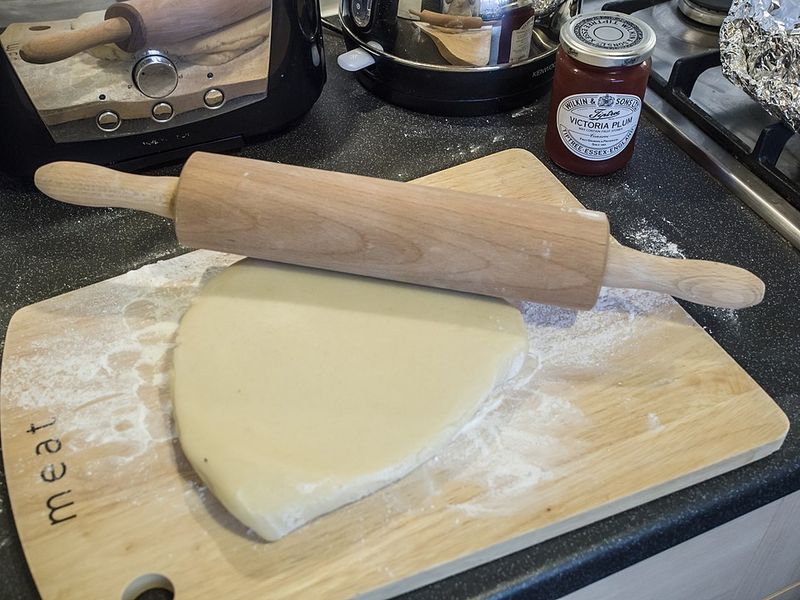
Long before marzipan showed up in European bakeries, it was already a star in ancient Persia, roughly around the 9th century. Skilled cooks blended ground almonds and sugar into a paste so delicious and versatile it quickly became legendary.
At first, it served a more serious purpose, acting as a medicinal remedy for digestive troubles and general wellness.
Physicians actually prescribed it! Over time, the recipe crossed borders, carried by traders and explorers who could not resist sharing something so extraordinary.
If history had a candy aisle, ancient Persia would absolutely own the best shelf space.
2. The Moors Bring It To Spain
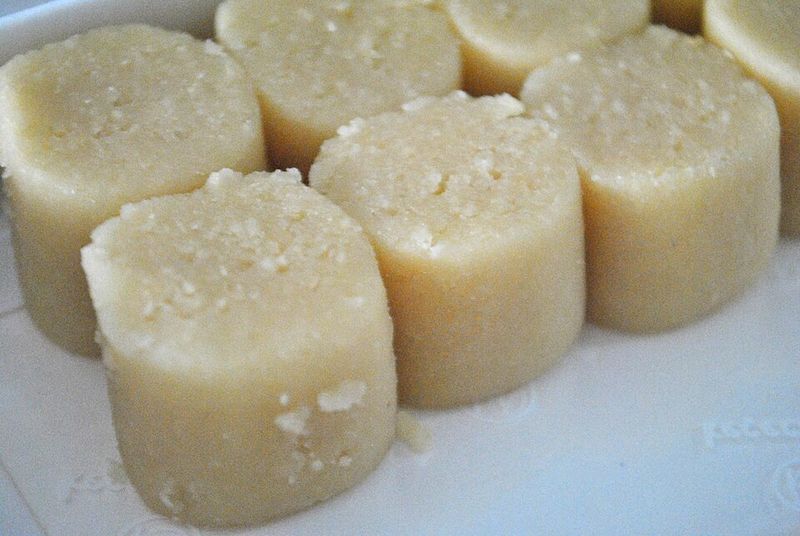
Around the 8th century, the Moors swept into Spain and brought more than just architecture and science. Hidden among their cultural treasures was a sweet almond paste that would transform Spanish dessert culture forever.
Toledo, a city already famous for swords, suddenly became equally famous for something far sweeter.
Artisans in Toledo perfected marzipan recipes that are still celebrated centuries later. Local legend even credits a convent of nuns for keeping the tradition alive during food shortages.
How cool is it that a candy helped a city survive hard times? Toledo’s marzipan legacy is absolutely delicious history.
3. Lubeck’s Protected Marzipan Fame
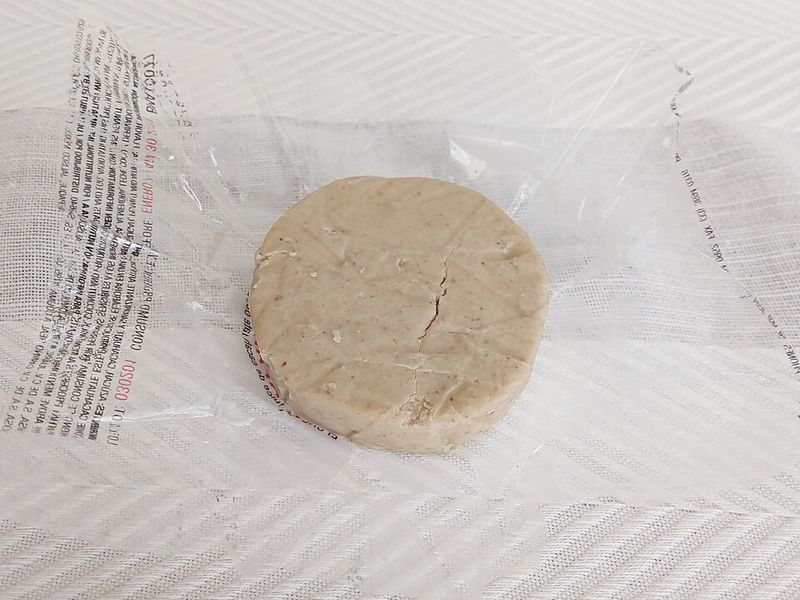
Not every city can claim a candy as part of its official identity, but Lubeck, Germany, pulls it off effortlessly. Lubeck marzipan holds a Protected Geographical Indication, or PGI, status, meaning only marzipan made according to strict traditional methods in the region can carry the Lubeck name.
No shortcuts allowed!
Lubeck’s marzipan uses a higher almond-to-sugar ratio than most, giving it a richer, more intense almond flavor. The famous Niederegger brand, founded there in 1806, still ships its legendary treats worldwide.
Earning a geographic food protection label is basically the candy world’s version of winning an Olympic gold medal.
4. A Name With Royal Mystery
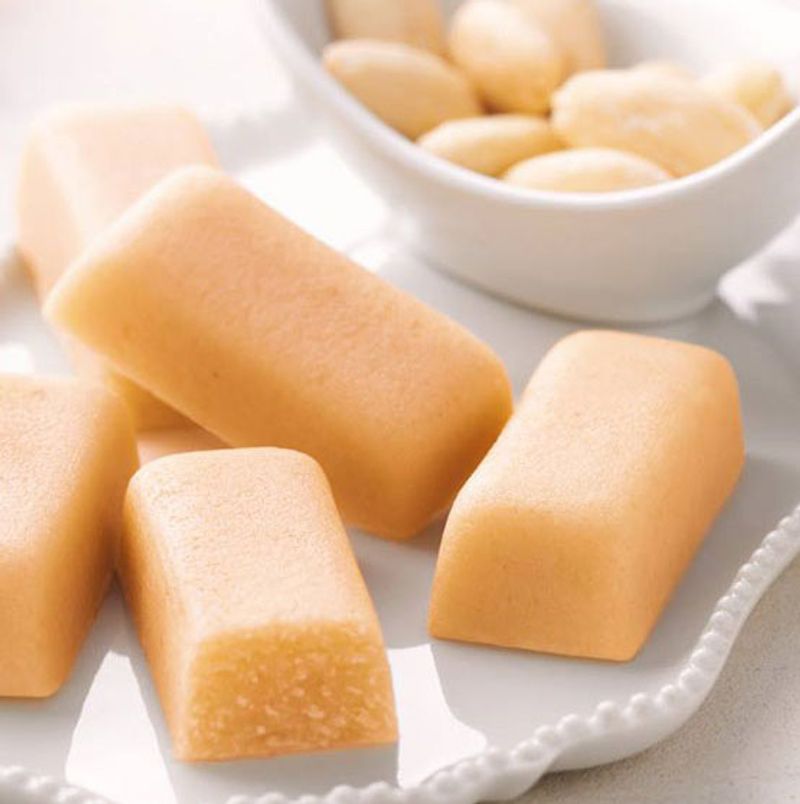
Ever wonder where the word marzipan actually comes from? Linguists have been debating it for centuries, and honestly, the leading theory is fascinating.
Many scholars believe it traces back to the Arabic word mauthaban, referring to a Byzantine coin showing Christ seated on a throne.
Over time, the coin’s name became associated with the boxes used to store the sweet paste, and eventually the paste itself inherited the name. Other theories link it to Latin or even Venetian trade slang.
Language is wild like that. A candy named after an ancient coin depicting a seated king?
Marzipan wins the most dramatic origin story award, no contest.
5. Medieval Medicine In Disguise
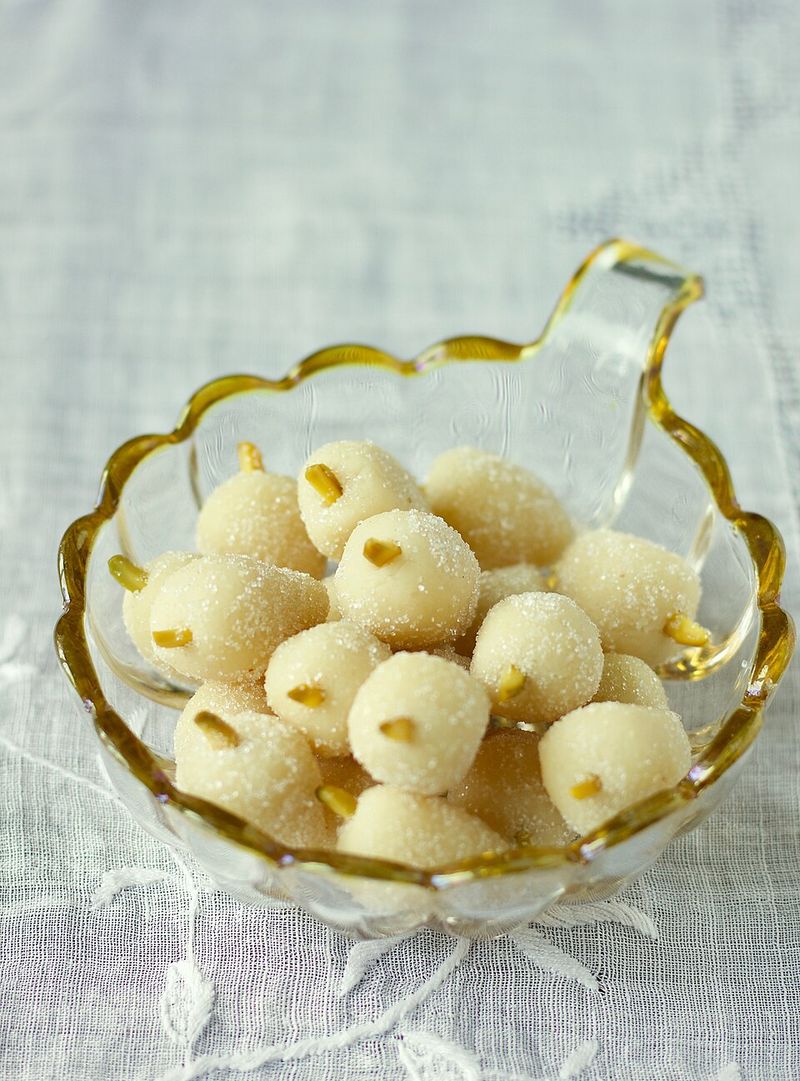
Back in the Middle Ages, eating marzipan was practically a doctor’s order. Physicians across Europe genuinely believed almond paste could cure digestive problems, calm nerves, and even boost overall health.
Patients probably did not complain too loudly about that particular prescription.
Almonds were considered almost magical in medieval medicine, packed with what healers called restorative properties. Apothecaries sold marzipan alongside actual herbal remedies, making it one of history’s most delicious crossover products.
Of course, modern science confirms almonds do offer real nutritional benefits. So while medieval medicine got a lot of things hilariously wrong, prescribing almond paste?
Actually not bad advice at all.
6. Royal Courts Went Absolutely Wild For It
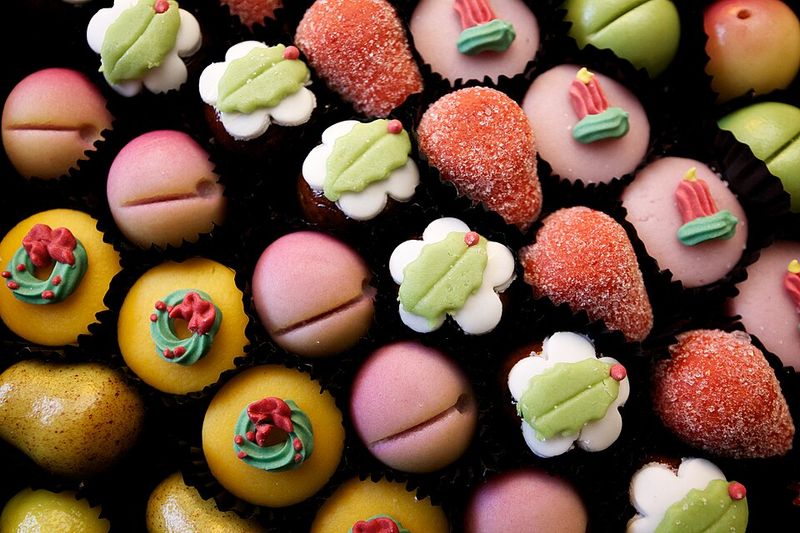
Marzipan was basically the VIP pass of the dessert world in European royal courts. King Louis XIV of France reportedly adored it, and it was regularly served at lavish court banquets as a symbol of wealth and refined taste.
If marzipan was on the menu, you knew the host was serious about impressing guests.
Sculptors crafted marzipan into elaborate centerpieces, including castles, animals, and coats of arms. Elizabeth I of England was also said to enjoy it enthusiastically.
Royals across the continent competed to have the most spectacular marzipan displays. Honestly, it was like the Renaissance version of a viral food moment.
7. Sculpted Into Edible Art
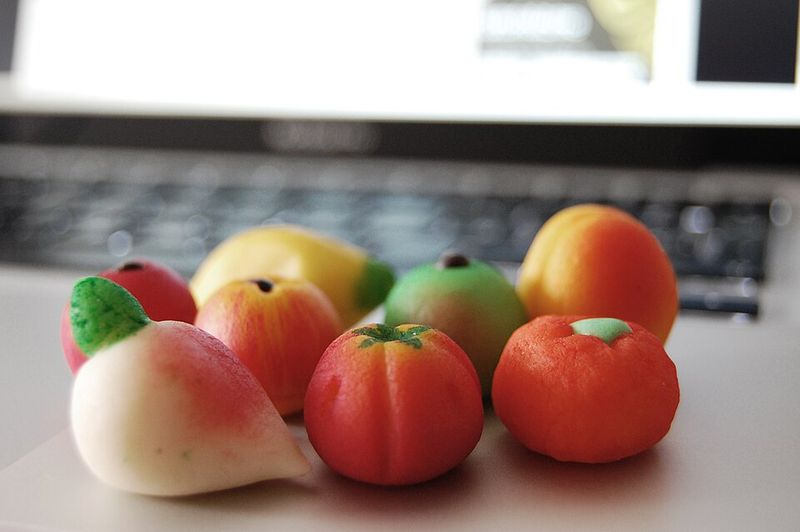
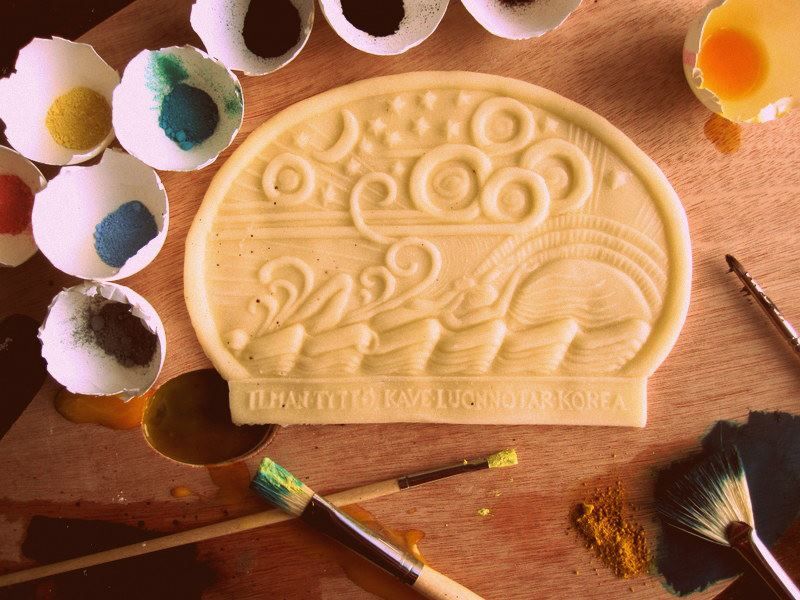
Marzipan is basically the Play-Doh of the culinary world, except far more delicious and significantly classier. Skilled confectioners can mold it into incredibly realistic fruits, animals, flowers, and even famous landmarks.
Coloring marzipan is simple, and it holds its shape beautifully, making it a sculptor’s dream ingredient.
In Sicily, artisans create stunning frutta martorana, marzipan fruits so lifelike you might accidentally try to peel one. Street markets display them like tiny edible art galleries.
Professional pastry chefs spend years perfecting marzipan sculpting techniques. If Michelangelo had worked in a bakery, he absolutely would have reached for a block of almond paste first.
8. Sicily’s Frutta Martorana Tradition
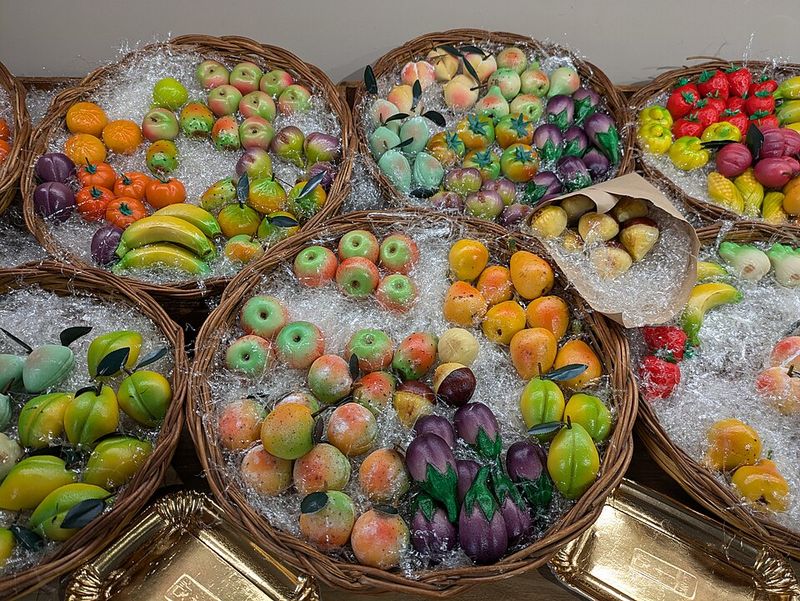
Sicily takes marzipan seriously, like, seriously seriously. Every year, especially around Christmas and All Saints Day, Sicilian artisans craft frutta martorana, which are jaw-droppingly realistic marzipan fruits.
The tradition supposedly started at the Martorana church in Palermo, where nuns made almond paste fruits to decorate bare trees during a bishop’s visit.
Whether or not the story is completely accurate, the tradition stuck and grew into a beloved cultural art form. Visiting a Sicilian market during the holidays and spotting rows of perfect marzipan oranges, figs, and peaches feels like stepping into a magical, edible museum.
No museum ticket required, just an appetite.
9. Germany’s Lucky Marzipan Pigs
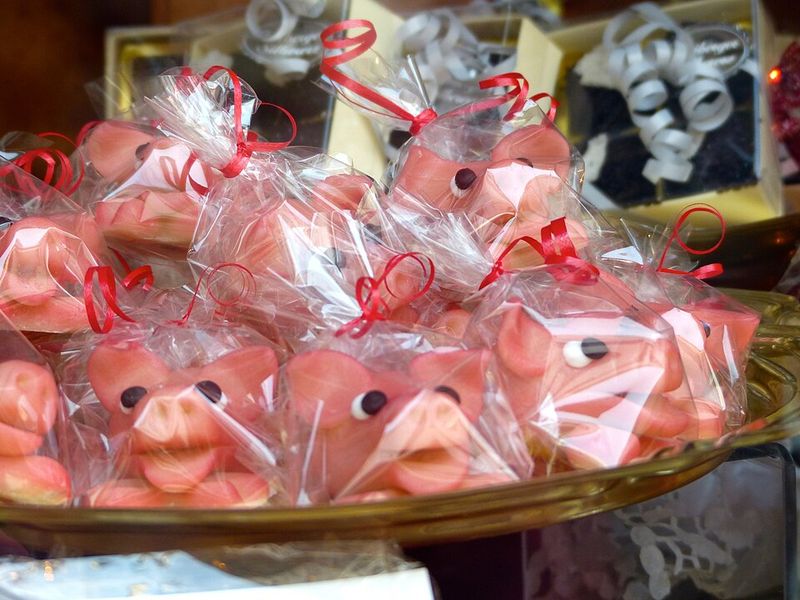
Forget four-leaf clovers. In Germany, a marzipan pig is the ultimate good luck charm.
Every New Year, Germans give miniature marzipan pigs to friends and family as symbols of prosperity, happiness, and fortune for the coming year. Pigs have been considered lucky animals in German culture for centuries.
Marzipan pig figurines range from simple and cute to elaborately decorated little works of art. Bakeries compete to create the most charming versions, and kids absolutely love receiving them.
If a tiny pink almond-paste pig can carry all your hopes for a great year, honestly, sign everyone up. Luck has never tasted so good.
10. Spain’s Christmas Mazapan Obsession
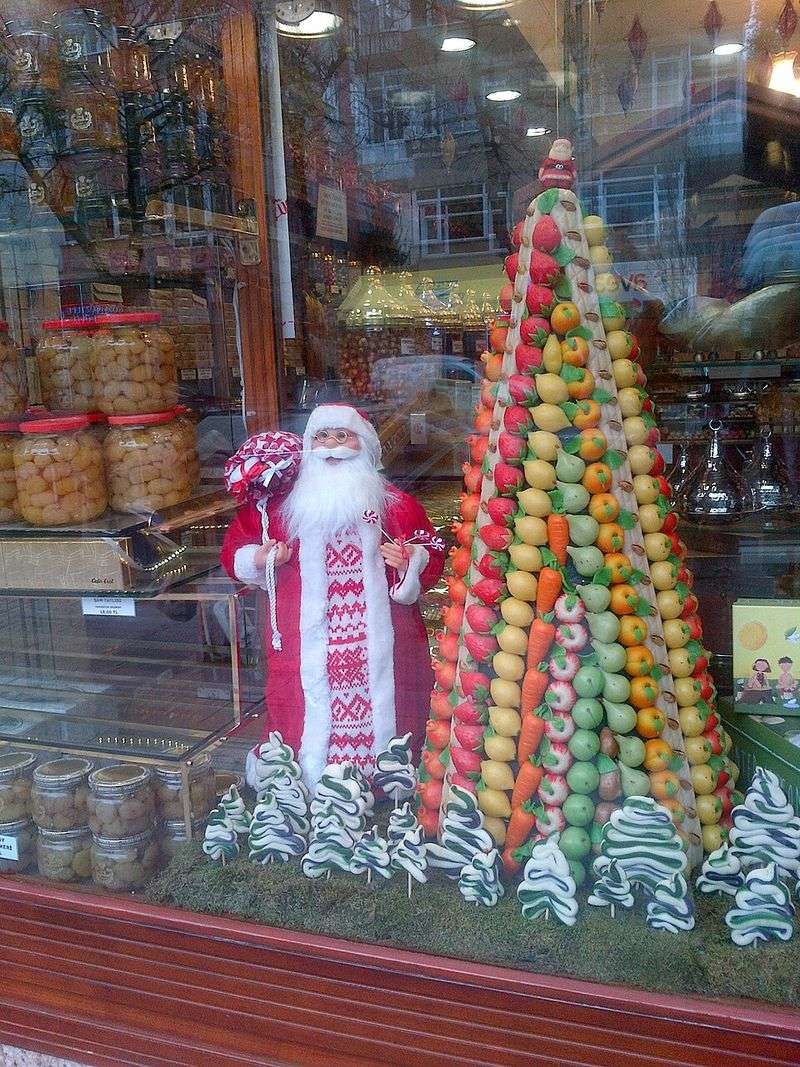
Spain does not just enjoy marzipan during the holidays. It practically worships it.
Known locally as mazapan, it is a cornerstone of Spanish Christmas celebrations, especially in Toledo where production has continued uninterrupted for hundreds of years. Families gather to make it, share it, and give it as gifts.
Spanish mazapan tends to be slightly drier and less sweet than German varieties, shaped into rounds or festive figures. Convents still produce some of the most prized batches, following recipes passed down across generations.
Biting into a piece of Toledo mazapan during Christmas is like tasting centuries of tradition in a single, perfect, almond-sweet moment.
11. Mexico’s Peanut Twist On Marzipan
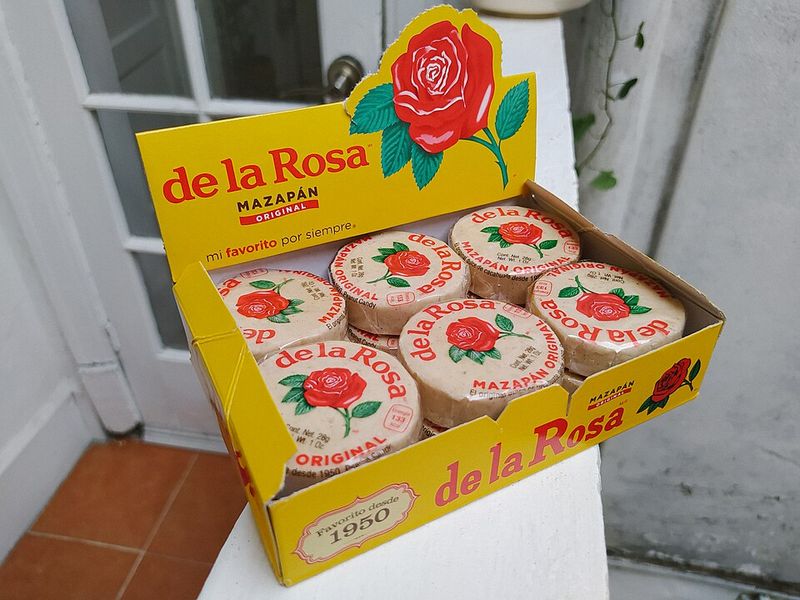
Not every culture reached for almonds when creating marzipan-style sweets. Mexico went a completely different direction, using peanuts instead.
The result is mazapan de la Rosa, a crumbly, melt-in-your-mouth peanut candy that has been a beloved Mexican treat for generations. It is affordable, widely available, and absolutely addictive.
De la Rosa, the brand most associated with it, has been producing its iconic round peanut discs since 1954. Mexican mazapan has a lighter, more crumbly texture compared to its almond-based European cousin.
Unwrapping one is practically a childhood ritual for millions of Mexican kids. Proof positive that a great idea can always be reinvented with local flair.
12. Almonds Pack A Nutritional Punch

Almonds are not just delicious. Science confirms they are legitimately good for you.
Rich in healthy monounsaturated fats, protein, fiber, vitamin E, and antioxidants, almonds support heart health, brain function, and energy levels.
So when you eat marzipan, you are technically consuming something with real nutritional value. (Yes, the sugar is also there, but let’s celebrate the wins.)
Moderation is key, of course. A small piece of quality marzipan made mostly of almonds offers more nutritional benefit than most candy options.
Almonds are also naturally gluten-free, making marzipan a surprisingly accessible treat for people avoiding gluten. Eating candy that comes with actual health benefits?
Marzipan truly is an overachiever.
13. Marzipan’s Role In Wedding Cakes

Long before fondant became the go-to cake covering, marzipan was the original smooth, elegant coating for wedding and celebration cakes. In British baking tradition, a rich fruitcake is first covered in a layer of marzipan before the white royal icing goes on top.
The almond layer seals moisture in and adds an incredible flavor dimension.
British Christmas cakes and wedding cakes have followed this marzipan-first approach for hundreds of years. Bakers carefully smooth it over the cake like a sweet, edible blanket.
Cutting through a cake and hitting that golden marzipan layer is one of life’s underrated joys. Fondant is fine, but marzipan was doing it first and better.
14. How Marzipan Is Actually Made
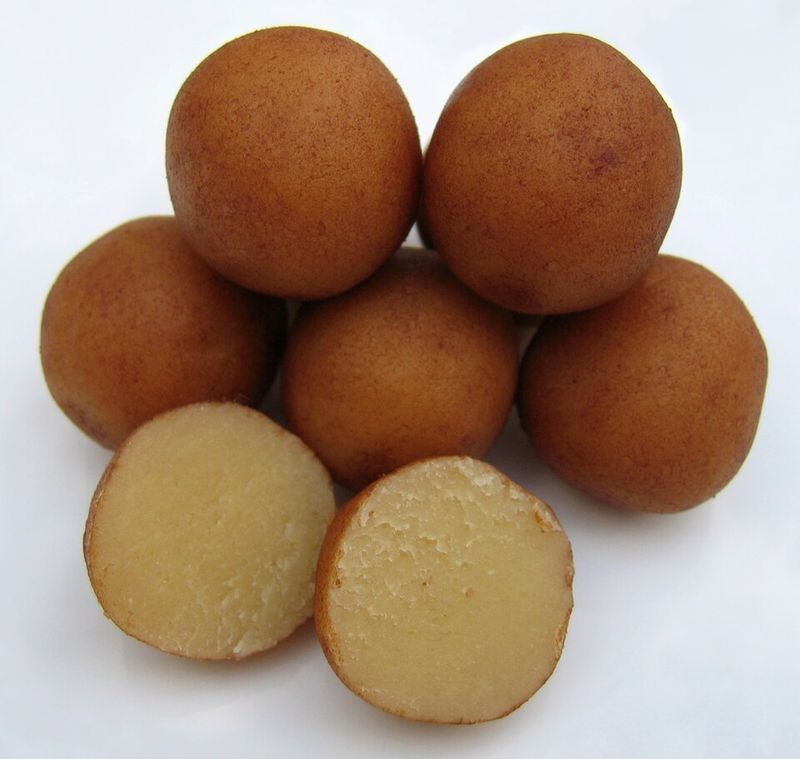
Making marzipan sounds simple, but getting it right is a genuine art form. The basic process involves blanching almonds to remove skins, grinding them into a fine paste, then combining with sugar or confectioners sugar and sometimes a touch of rose water or almond extract.
The ratio of almonds to sugar is everything.
High-quality marzipan uses more almonds than sugar, producing a richer, more complex flavor. Lower-quality versions flip that ratio, resulting in something much sweeter but less nuanced.
Commercial producers sometimes add glucose syrup for shelf stability. Homemade marzipan, crafted carefully in a kitchen, almost always beats store-bought for pure, honest almond flavor.
No contest.
15. Marzipan’s Global Popularity Today
A thousand years after its Persian debut, marzipan is still going strong worldwide. Bakeries in Germany, Italy, Spain, Denmark, and beyond continue producing artisan marzipan that honors centuries of tradition.
Meanwhile, modern pastry chefs are experimenting with bold new flavors, adding matcha, lavender, citrus, and dark chocolate twists to classic recipes.
Online shops now ship premium marzipan globally, meaning anyone anywhere can access the good stuff. Social media has even given marzipan sculpting a viral moment, with artists posting jaw-dropping almond paste creations that rack up millions of views.
Marzipan is not a relic of the past. It is a living, evolving, endlessly creative sweet tradition marching confidently into the future.