15 Fashion Choices That Were Considered Unusual In The 1950s
Fashion rules in the 1950s were basically “blend in and behave.” Then a few people showed up wearing something bold, and suddenly it was treated like a full neighborhood scandal.
These outfits did not just turn heads, they challenged fashion rules that once felt fixed.
1. Bikinis
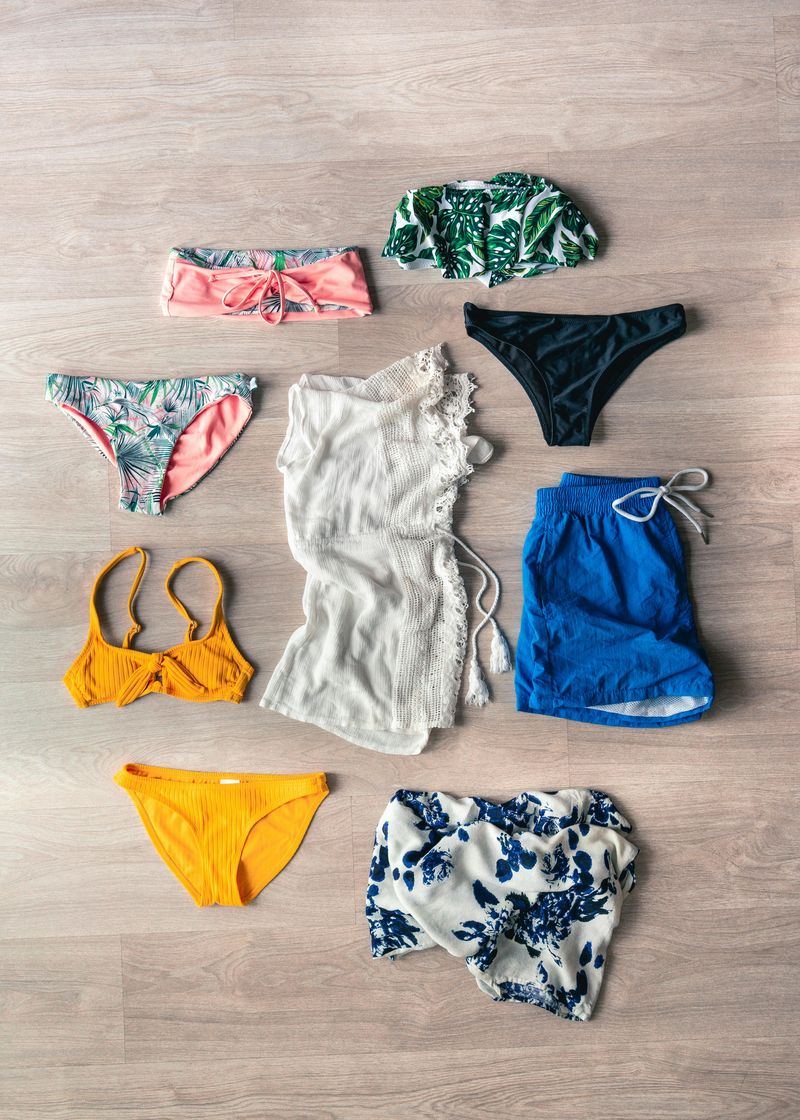
Crowded beaches in the mid-1950s rarely prepared anyone for a tiny two-piece appearing along the shoreline. Jaws dropped, lifeguards stared, and some beaches even banned the style outright.
Invented in 1946 by French designer Louis Réard, the bikini borrowed its name from a nuclear test site to match the explosive reaction.
Wearing one could feel like a public dare, bold for its time and hard to ignore.
2. Capri Pants / Pedal Pushers
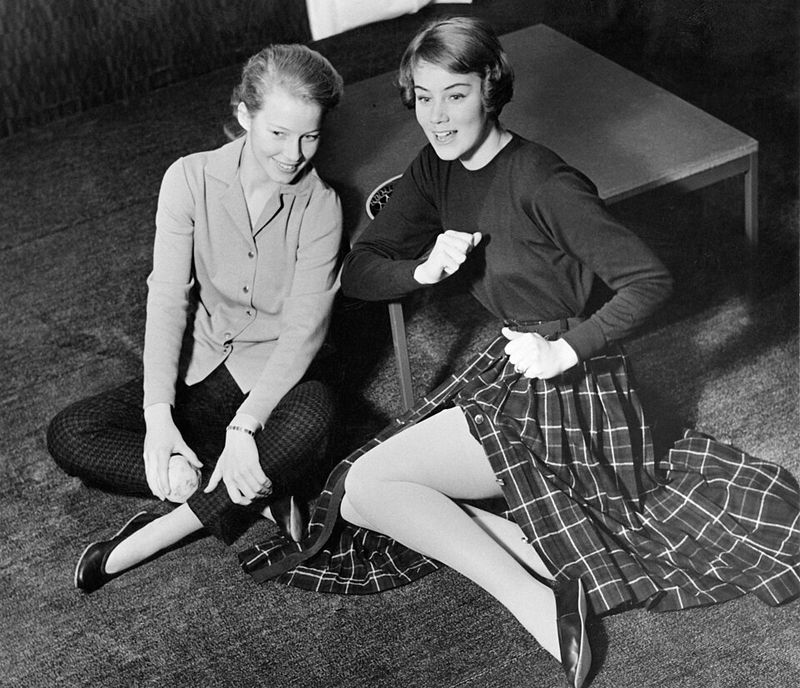
Cropped trousers that hit just below the knee sounds perfectly reasonable today, but in the 1950s, they practically caused neighborhood gossip sessions.
Capri pants were seen as too casual, too European, and frankly a little too comfortable for polite society.
Audrey Hepburn made them iconic anyway, because style always wins eventually. Think of them as the original “I woke up like this” pants, effortlessly chic before that phrase existed.
3. Cigarette Pants
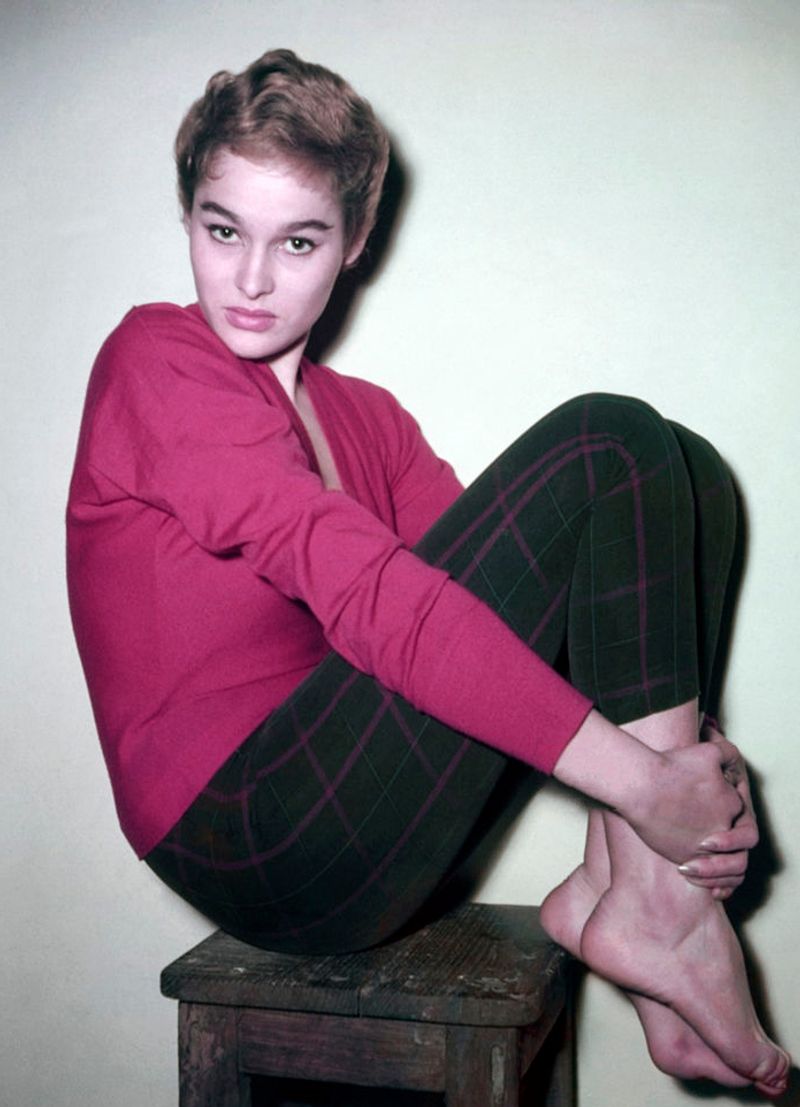
Slim, tapered, and closely fitted, the pants looked strikingly modern for the time.
Full skirts that swished and twirled were still the expectation for women at the time.
Choosing something this fitted read as bold, modern, and slightly rebellious. Named for the narrow silhouette, the style felt like a raised eyebrow at the dinner table, stylish, sharp, and impossible to ignore.
4. Women Wearing Blue Jeans
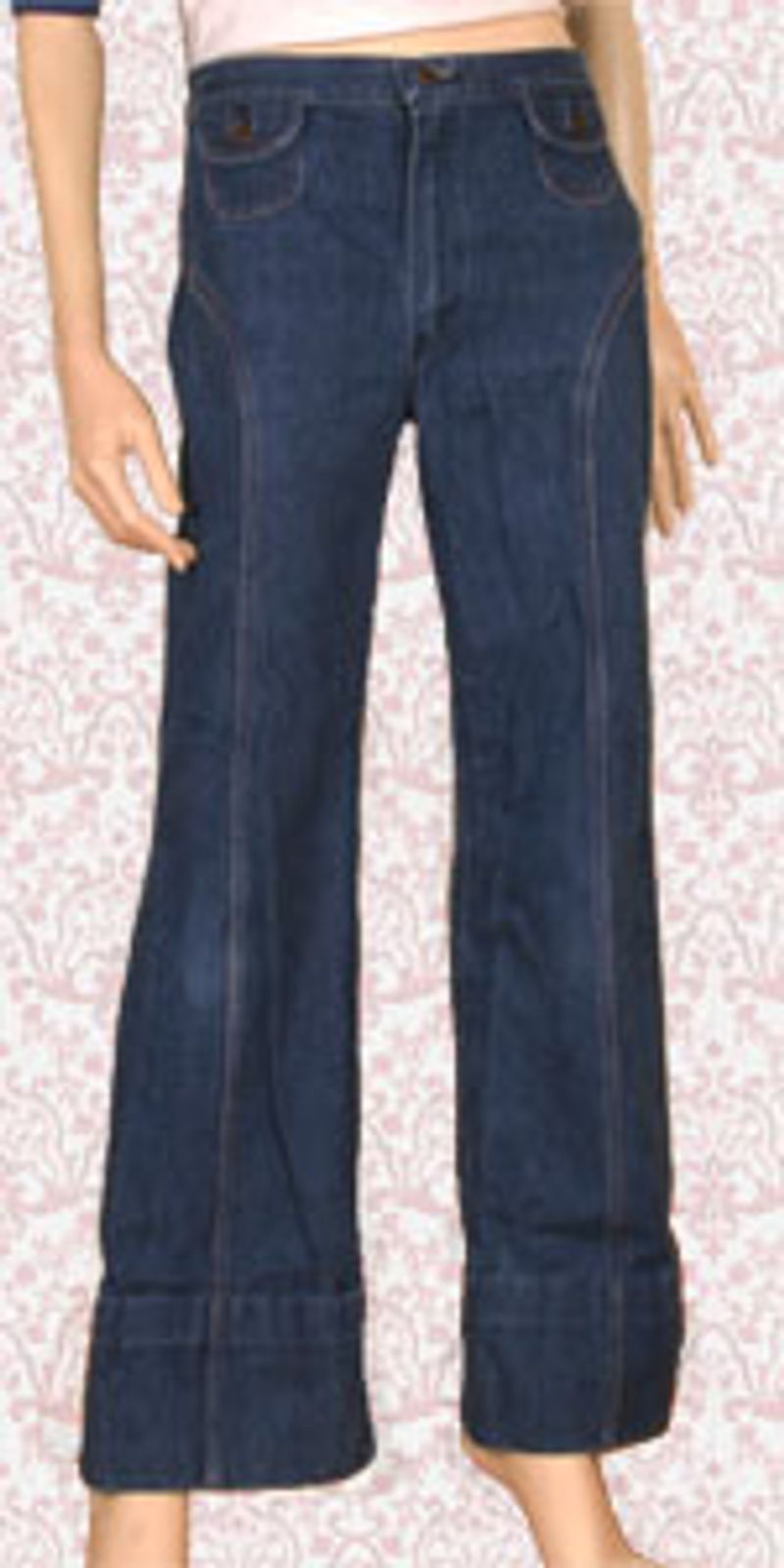
Workwear defined blue jeans, and respectable women were not expected to wear them in public.
Pulling on a pair suggested farming, fixing something, or, according to disapproving neighbors, stepping outside accepted norms.
Cool factor arrived for men through James Dean and Marlon Brando, while women adopting denim were labeled daring. Today’s weekend staple once read as unexpectedly bold in the 1950s.
5. Women Wearing Tailored Slacks In Public
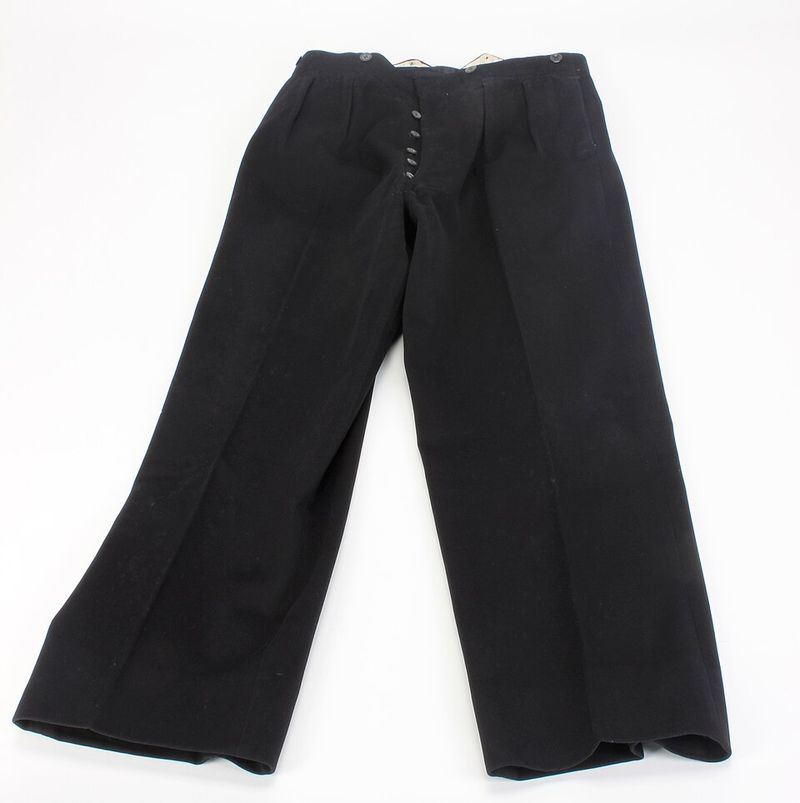
Tailored slacks on a woman running errands sparked disapproval across 1950s America.
Trousers were treated as menswear, and women’s trousers still faced resistance in some formal public settings well into the following decades. Defiance came anyway, with Katharine Hepburn stepping out in them and looking magnificent.
Refusing to change the outfit became the statement that slowly shifted the rules.
6. Leather Biker Jackets
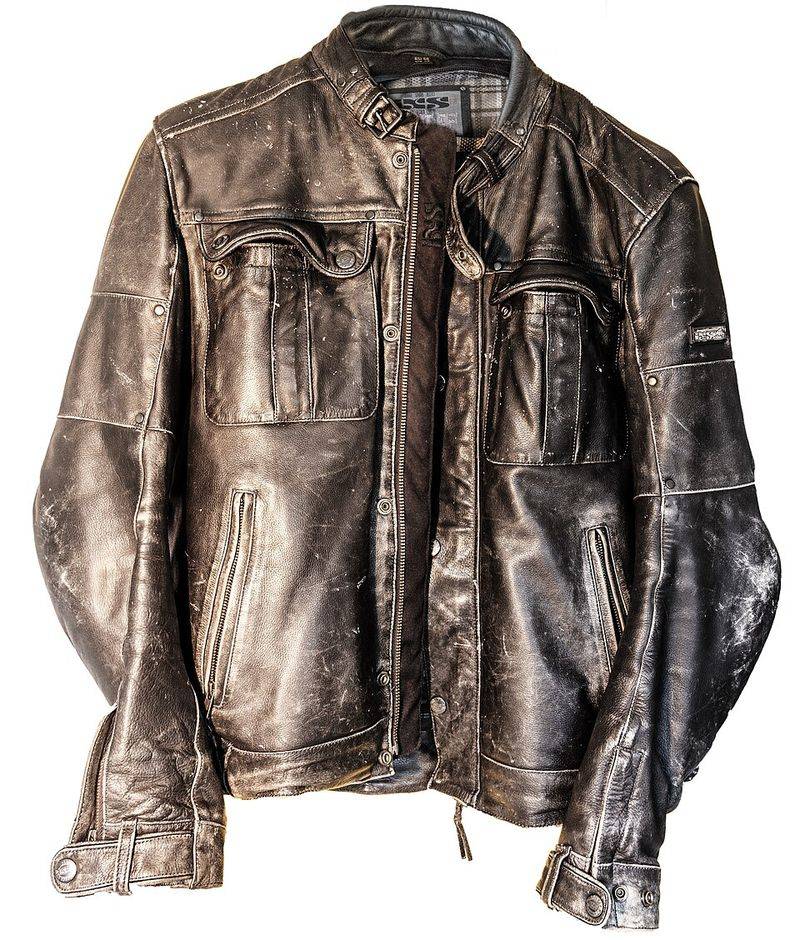
Motorcycle roar and built-in attitude pushed the leather biker jacket onto the cultural scene. Immediate assumptions from parents painted it as the uniform of rebels and questionable influences.
Reputation locked in after Marlon Brando wore one in The Wild One in 1953.
One jacket sparked infinite panic at PTA meetings.
7. Black Beatnik Turtlenecks
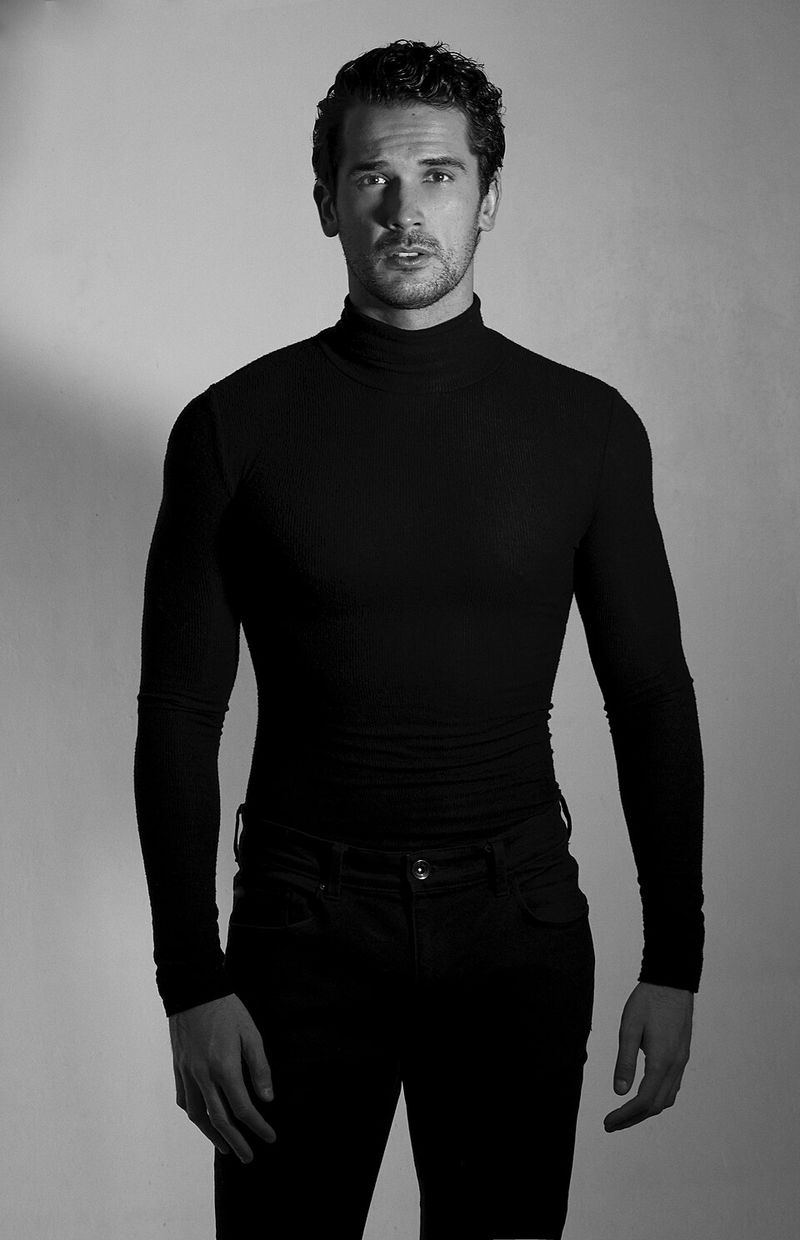
All black, head to toe, with a turtleneck pulled up to the chin. In a decade obsessed with pastels and pressed collars, this look was practically a manifesto.
Beatnik fashion signaled that you read poetry, questioned authority, and probably hung around smoky coffee shops until midnight.
It was the 1950s version of the brooding intellectual aesthetic, equal parts mysterious and mildly alarming to suburban parents everywhere. Very chic. Very suspicious.
8. Berets And Dark Beatnik Accessories
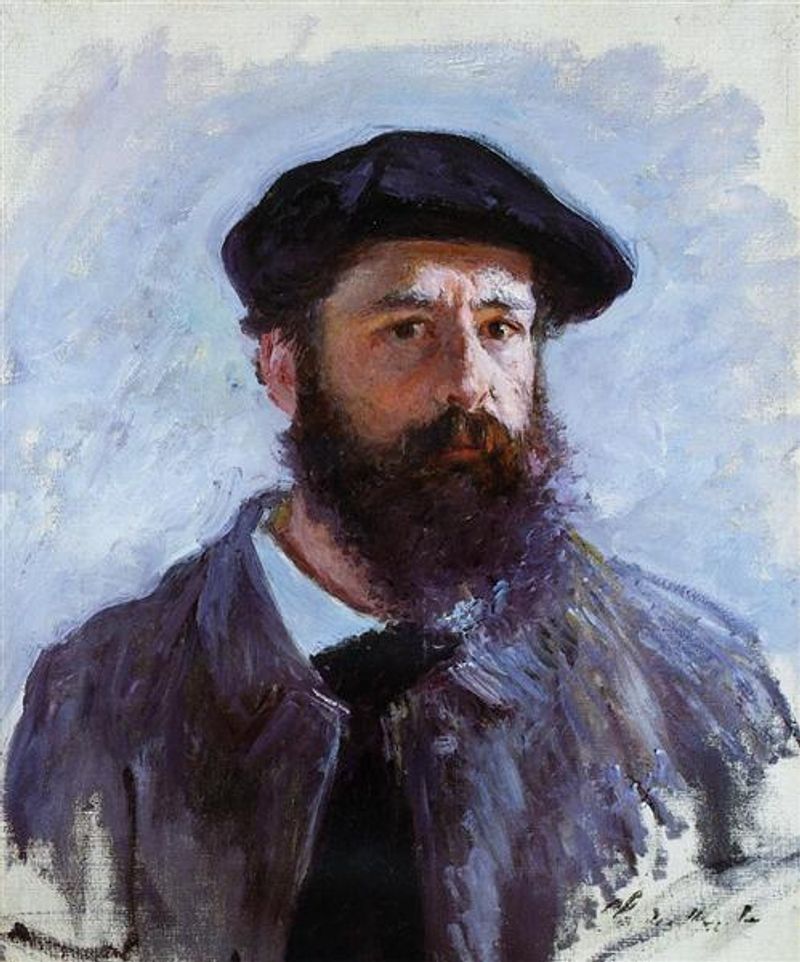
Beret tilted just so, dark sunglasses indoors, and a meaningful scowl turned the beatnik accessory kit into a starter pack for artistic nonconformity.
Mainstream 1950s America viewed the look with suspicion, as if the wearer might suddenly start reciting free verse at the grocery store. Chances were pretty good they actually would.
Beret quickly became shorthand for having strong opinions about jazz and no hesitation about sharing them.
9. Stiletto heels
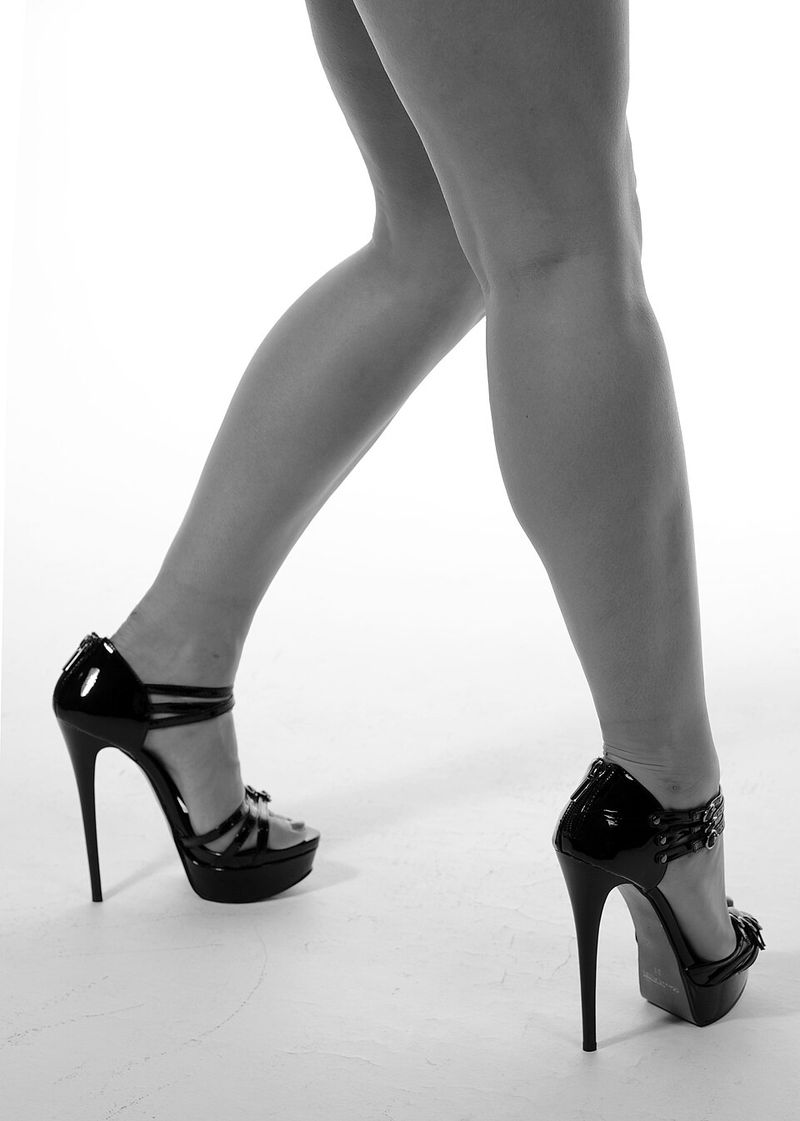
When stiletto heels appeared in the early 1950s, the reaction was split right down the middle between admiration and outright alarm.
Some public spaces pushed back against them because the narrow heels could damage floors.
The heel was so narrow it could reportedly punch through linoleum with one wrong step. Fashion has always had a slightly dangerous side, but the stiletto took that idea and ran with it, carefully.
10. Ballet Flats
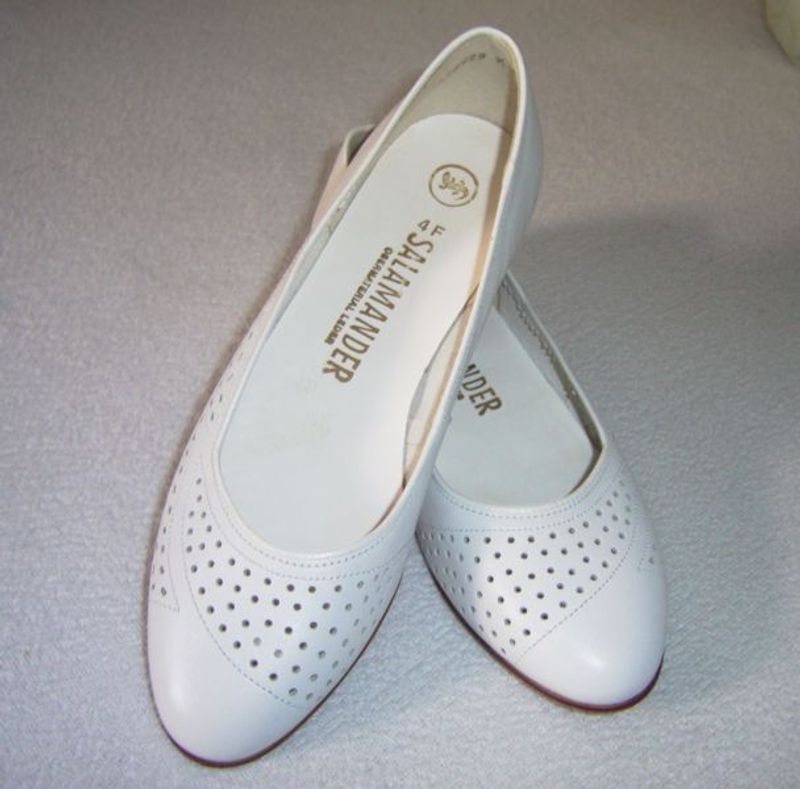
Decades of heels as the expected choice made ballet flats feel surprisingly casual by comparison. Soft silhouette suggested quiet confidence in an era that expected constant polish.
Popularity surged after Audrey Hepburn embraced them, giving flat shoes a French-inspired mystique.
Comfort and style sharing the spotlight left the 1950s unsure how to react.
11. Sack Dresses
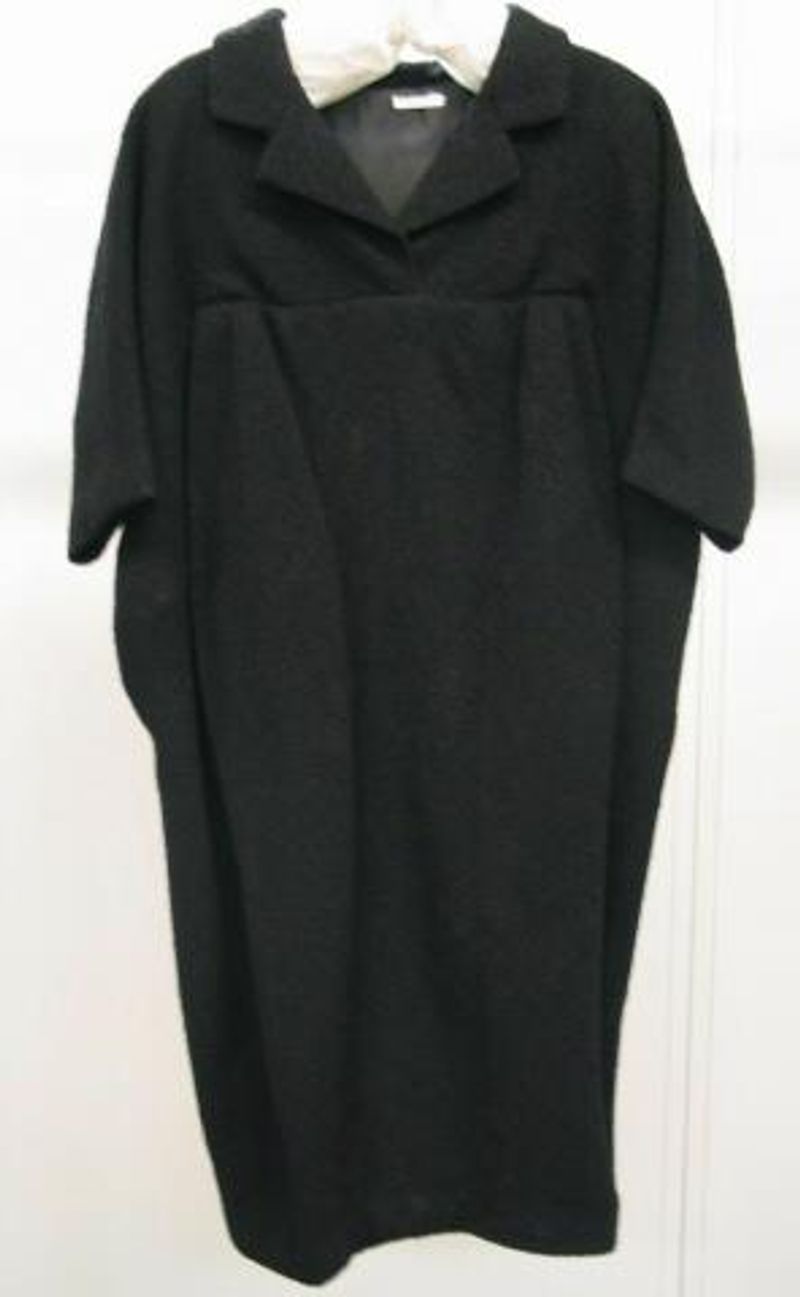
Arriving in 1957, the sack dress felt like a direct challenge to the nipped-waist, full-skirt silhouette everyone adored.
No defined waist, no curve, no structure, just fabric falling straight from shoulder to hem like a very elegant paper bag.
Critics called it unflattering. Fans called it liberating.
Suddenly the fashion world was arguing over whether clothes should shape the body or set it free.
12. Chemise Dresses
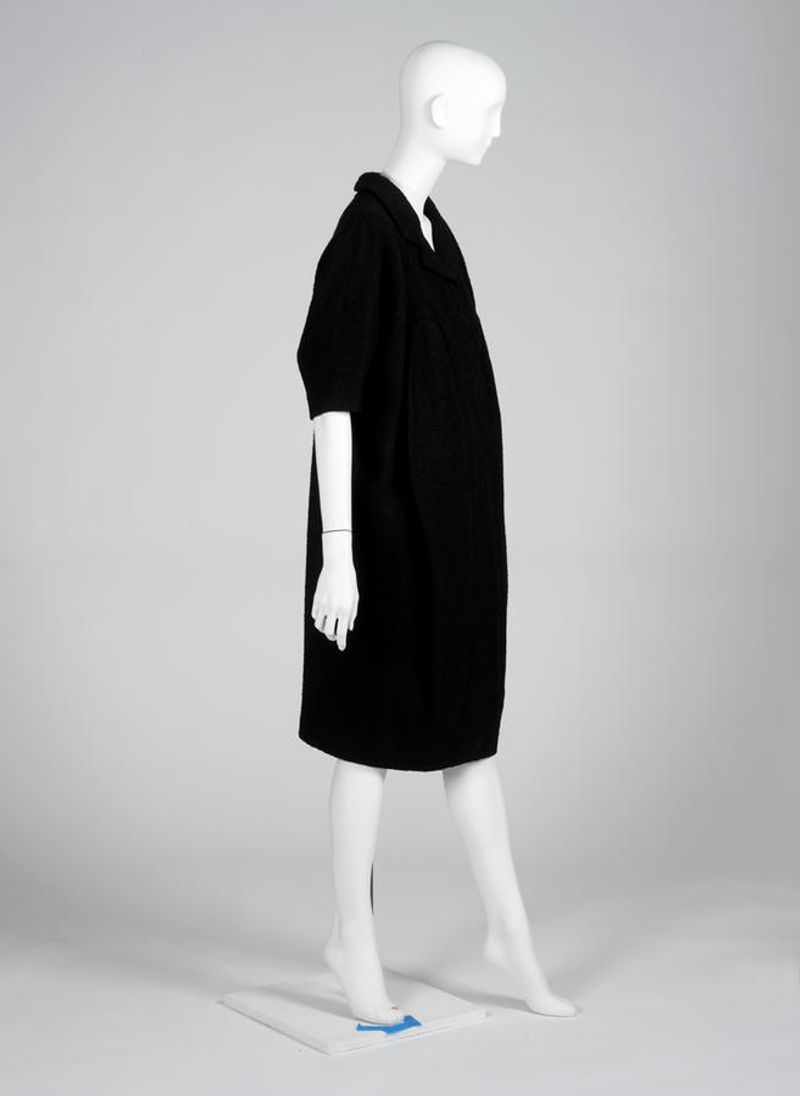
Soft, loose, and deliberately unfitted, the chemise dress challenged every rule the 1950s held dear about feminine dressing.
Balenciaga and Givenchy championed the silhouette, but American department stores reported women returning the dresses in disgust.
Critics used “the sack” as shorthand for what they saw as an unflattering silhouette. Fashion history loves a comeback story, and the chemise eventually won the argument, proving that comfort and elegance are not actually opposites.
13. Cartwheel Hats
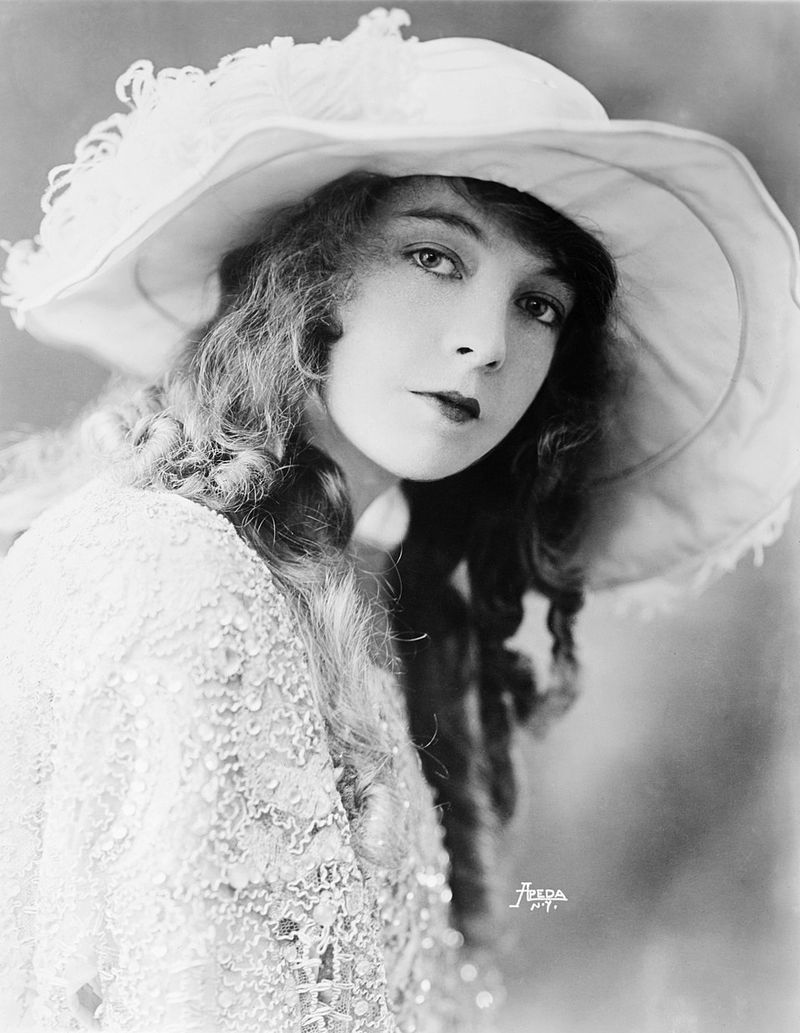
Three-foot brims turned the cartwheel hat into something closer to portable architecture than simple millinery.
Church pews became logistical puzzles once one of these landed in the row ahead.
Even a decade obsessed with hats paused at proportions this dramatic. Fashion blurred into performance art the moment it crossed the doorway.
14. Saddle Shoes
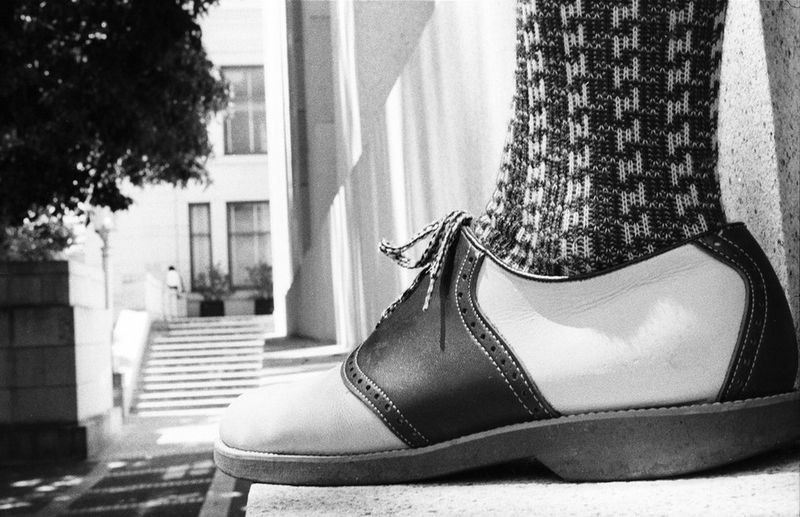
Black and white, two-toned, and squeaking across gymnasium floors, saddle shoes became a teenage staple adults found a little too casual and a little too loud.
Soda shops and sock hops suited them better than polished adult settings.
Paired with bobby socks, the look became a familiar symbol of teenage style and generational change. Perfectly innocent shoes that still managed to announce, “I have my own opinions now.”
15. Cat-Eye Glasses

Winged at the corners, often bedazzled, and impossible to ignore, cat-eye glasses turned a vision correction tool into a full personality statement.
Conservative circles found them theatrical, too flashy for everyday wear, more costume than accessory.
The frames swept upward like permanent raised eyebrows, giving every wearer a permanent expression of amused skepticism. In a decade that preferred blending in, cat-eye glasses quietly insisted on being seen, and honestly, that energy was ahead of its time.
Disclaimer: Historical references, fashion dates, and design attributions in this piece were reviewed against available reference sources at the time of writing.