10 Festival Performances Remembered For Difficult Reasons
Stage lights hit, crowd’s ready, and everything looks like it’s about to be iconic. Then something goes very wrong, very fast, and suddenly the performance takes on a life nobody planned for.
Instead of celebration, the performance becomes part of a much more complicated story, and moments that stick around for reasons nobody on that stage was hoping for.
Disclaimer: This article is provided for general informational and entertainment purposes and is based on publicly available reporting, artist statements, and historical accounts available at the time of writing.
Bob Dylan – Newport Folk Festival (1965)
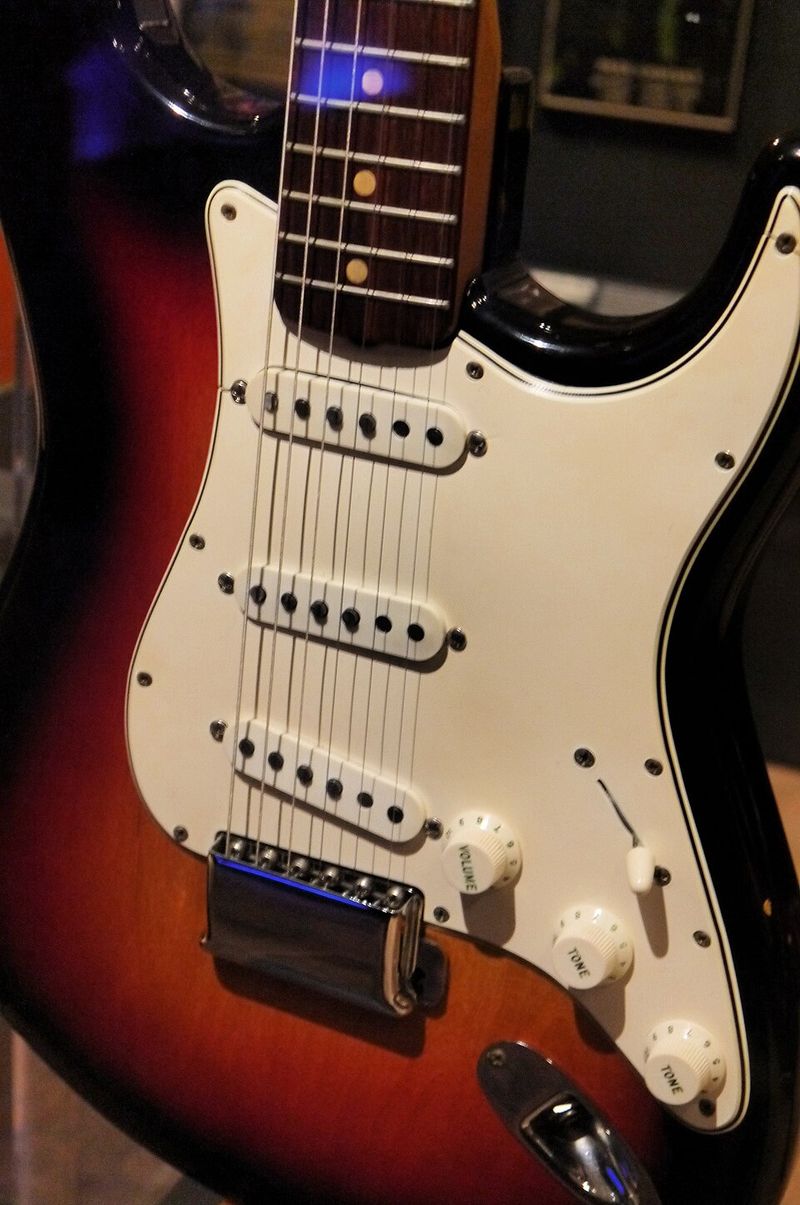
Summer afternoon in Newport, Rhode Island set the stage, with a crowd of folk purists waiting for their acoustic hero. Instead, Bob Dylan stepped out with an electric band, and the reaction turned loud fast.
The reaction was mixed and quickly became part of music history, though later accounts disagreed about whether the crowd objected to the electric sound, the short set, or the sound quality.
Those few minutes grew into decades of mythology. Moment often gets framed as a turning point where rock and folk pulled apart, leaving a legacy far bigger than the set itself.
Green Day – Woodstock ’94
Mud was everywhere at Woodstock ’94, and Green Day somehow turned that into their defining career moment, even if nobody planned it that way.
As the set ended, Mike Dirnt was mistaken for a fan and tackled by security, an incident that left him with damaged teeth.
The whole muddy mess became one of the most photographed scenes of the festival. Billie Joe Armstrong kept playing through all of it, which honestly says everything about the band’s personality.
Limp Bizkit – Woodstock ’99
Tension at Woodstock ’99 had already been building before Limp Bizkit stepped on stage.
During and after the set, parts of the crowd became increasingly destructive, and the festival’s wider problems soon overwhelmed the weekend.
Criticism later landed on Fred Durst for not doing more to calm things down. That set still stands as a defining example of what happens when organization and performer responsibility both fall short at the same time.
The Stone Roses – Reading Festival (1996)
Rarely has a headline slot fallen apart as visibly as The Stone Roses at Reading Festival in 1996.
Years away from the stage showed right away, with timing off and energy struggling to lift. Vocals from Ian Brown drifted out of tune, leaving a crowd that had waited years feeling deflated.
Breakup of the original lineup followed not long after.
Ending like that felt out of step with a band that deserved something far stronger.
Kanye West – Bonnaroo (2008)
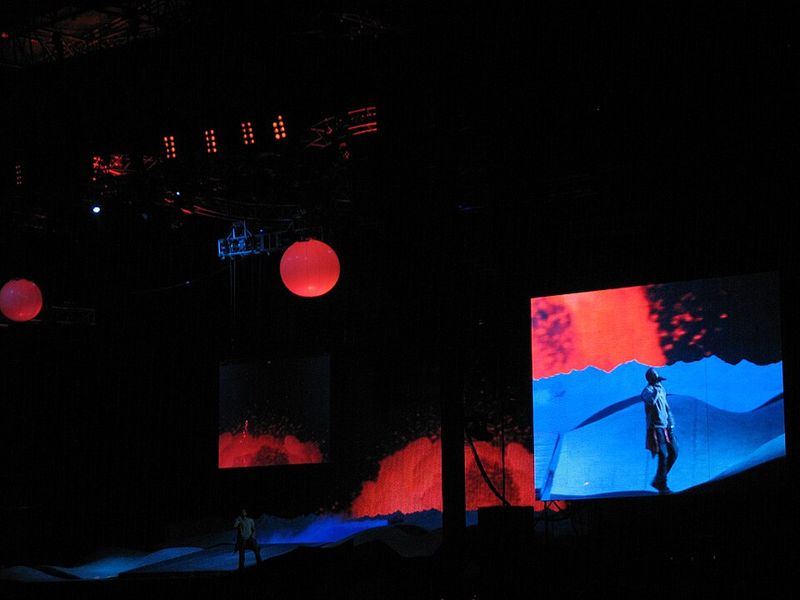
Late-night triumph was the plan for Kanye West’s Bonnaroo headline set, the kind of performance meant to echo for years. Production delays pushed Kanye West’s Bonnaroo set to nearly 4:30 a.m., long after many fans expected it to begin.
Frustration that had been building for hours spilled over as soon as he finally appeared.
Energy in the field had already faded before the first song even landed.
Mismatch between expectation and reality turned the whole moment into a lesson in how timing can derail even the biggest name on a lineup.
Pearl Jam – Roskilde Festival (2000)
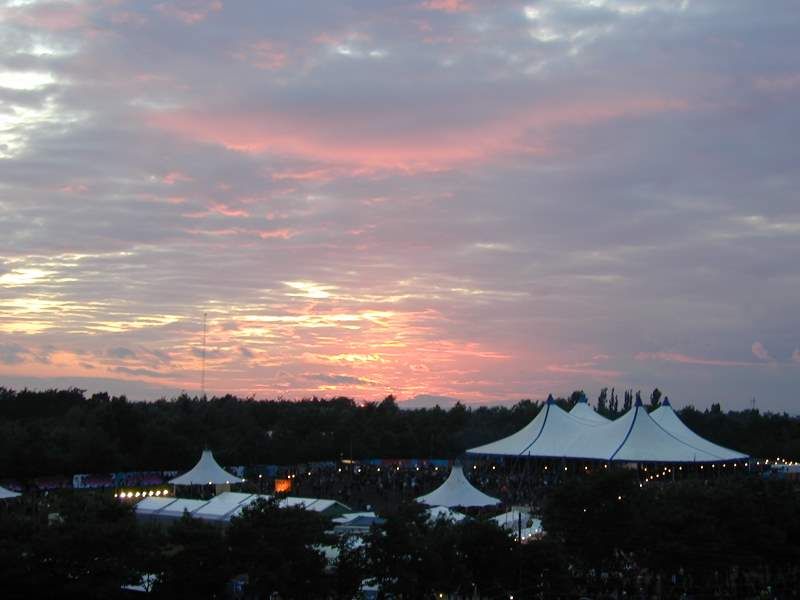
Pearl Jam’s Roskilde set became inseparable from one of the most painful crowd-safety failures in festival history. Crowd surge created a dangerous crush that security teams were unable to control in time.
Nine young men lost their lives as the crowd crush unfolded, a reality that continues to shape conversations around safety at large events.
Touring paused for the remainder of the year as the band processed what had happened.
Lasting weight from that evening still echoes whenever crowd management and festival design are discussed.
Drake – Camp Flog Gnaw Carnival (2019)
Camp Flog Gnaw 2019 had been teasing a mystery headliner for weeks, and the crowd was buzzing with theories about who it might be.
When Drake walked out instead of the artist many fans were convinced was coming, the reaction was immediate and openly negative. Boos filled the air, and Drake left the stage well before his set was finished.
The moment went viral within hours. It remains one of the clearest examples of how fan expectation, when left unmanaged, can turn a big reveal into a public rejection.
Damon Albarn With Africa Express – Roskilde Festival (2015)
Stretching a marathon set far past its scheduled time can sound like dedication, until the headliner ends up being carried offstage. That exact scene played out when Damon Albarn performed with Africa Express at Roskilde in 2015, as the set kept running long after it should have wrapped.
Momentum carried things forward even as the moment started slipping out of control.
Getting carried offstage creates an ending that practically writes its own headline. Forgetting it was never really an option, whether that was the intention or not.
Blur – Coachella (2024)

Coachella crowds are not always the most participatory, and Blur found that out the hard way during their 2024 set.
When a singalong moment fell flat, Damon Albarn stopped the show to tell the audience directly that they would not be seeing the band again. It landed somewhere between a scolding and a breakup speech.
Whether he meant it or not, the quote traveled everywhere. A triumphant festival return turned into a moment that people will probably bring up every time Blur’s name comes up at Coachella again.
Travis Scott – Astroworld Festival (2021)
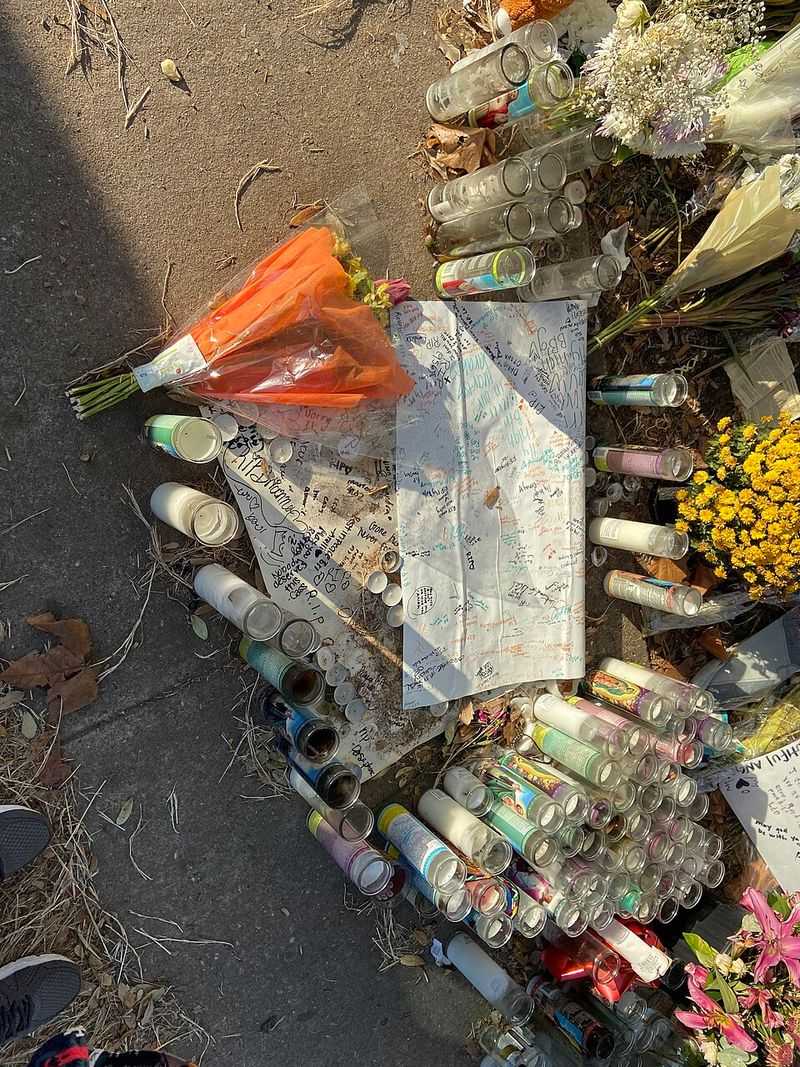
Astroworld 2021 remains one of the most serious crowd-safety failures in recent festival history, and time has done little to soften that reality.
Crowd surge during Travis Scott’s performance created a dangerous situation, with ten people lost their lives and many others were injured as emergency responders struggled to move through the crowd. Images from that night remain difficult to shake.
Future of the festival changed completely, with no return after what happened.
Ongoing conversations around artist responsibility, crowd safety, and event planning shifted in a lasting way.