10 Fight Club Quotes With The Strongest Cultural Echo
Fight Club left behind a set of quotes that still circulate far beyond the film itself.
Every quote lands like a strong impact, fast, sharp, and just uncomfortable enough to make it stick.
Years later, those lines are still in the ring, showing up in conversations, memes, and anywhere people feel like making a point.
1. The “First Rule Of Fight Club” Line
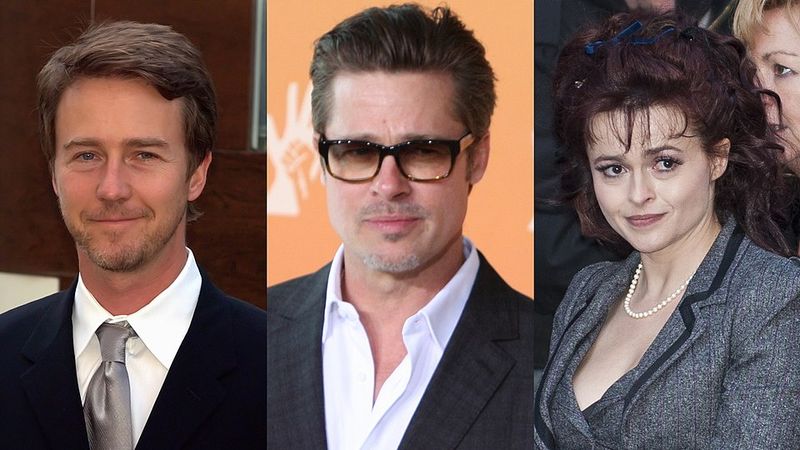
Say it out loud and someone nearby will finish it for you.
That is the strange magic of this line. It became a cultural shorthand almost instantly, a joke, a meme, a wink, a warning, all wrapped into one sentence.
People remix it endlessly for office rules, pet ownership, gym etiquette, and everything in between. No other movie quote from 1999 travels quite this far on this little fuel.
2. The “You Are Not Special / Sn*wflake” Speech

Leaning in close, Tyler Durden drops a line no motivational poster would ever dare to print: you are not a beautiful and unique snowflake.
Back in 1999, it landed like a slap, and the sting only deepens now while scrolling through endless feeds of curated identities.
Across online spaces, that speech still resurfaces whenever self-help culture starts to drown out everything else. At its sharpest, the line works as a pin aimed straight at inflated modern egos.
3. The “You Are Not Your Job / Bank Account / Car” Speech

Calendar reminders stack up with meetings, lunches, and reviews, and Tyler Durden would probably laugh at the whole lineup.
The speech is one of the film’s clearest attacks on identity built around work, money, and possessions.
Material things lose their grip the moment that idea lands, even as closets keep filling up anyway. Nothing in the film states the argument more clearly, and it keeps echoing long after the scene ends.
4. The “Copy Of A Copy Of A Copy” Line
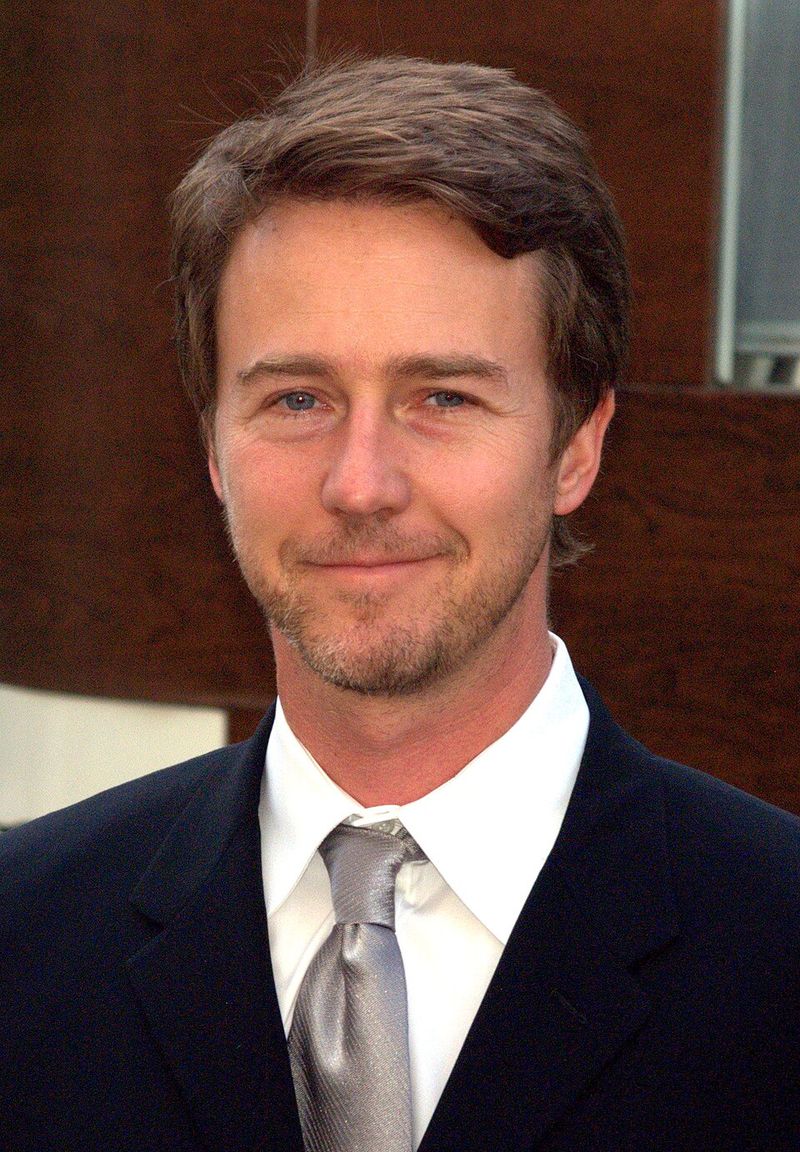
Looking at himself, the narrator compares the image to a fax copied too many times, edges soft and identity slipping.
For anyone caught in repetition, that metaphor lands with uncomfortable precision. Morning routines blur together, commutes repeat, workweeks loop, and the line starts to feel personal.
Conversations about burnout, algorithmic sameness, and modern alienation keep bringing it back into focus.
5. The “This Is Your Life, Ending One Minute At A Time” Line
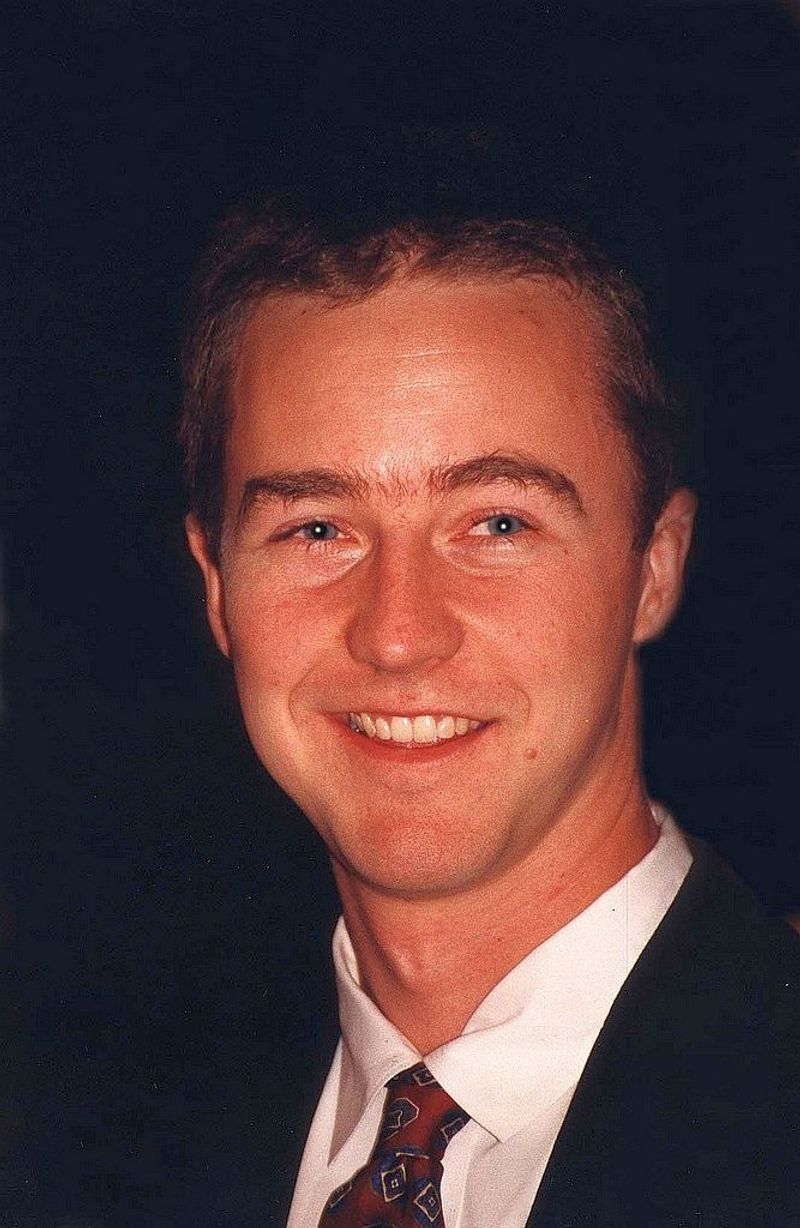
Time starts feeling louder the moment that line lands. Cold splash effect hits instantly, cutting through a slow afternoon without offering comfort or guidance.
Attention shifts straight to the ticking, almost daring anyone to keep pretending it is not there.
Few lines manage to compress that much unease into so little space, which is exactly why it lingers.
6. The “On A Long Enough Timeline, The Survival Rate Drops To Zero” Line

This one escaped the movie entirely and started living its own life online.
You will find it in forum signatures, philosophy threads, and the occasional mug that someone thought was deep enough for morning coffee.
It carries the narrator’s insurance-adjuster brain to its darkest logical conclusion. Cold, statistical, and somehow funny, it is the kind of line that sounds like wisdom until you really sit with it.
7. The “Self-Improvement…” Line
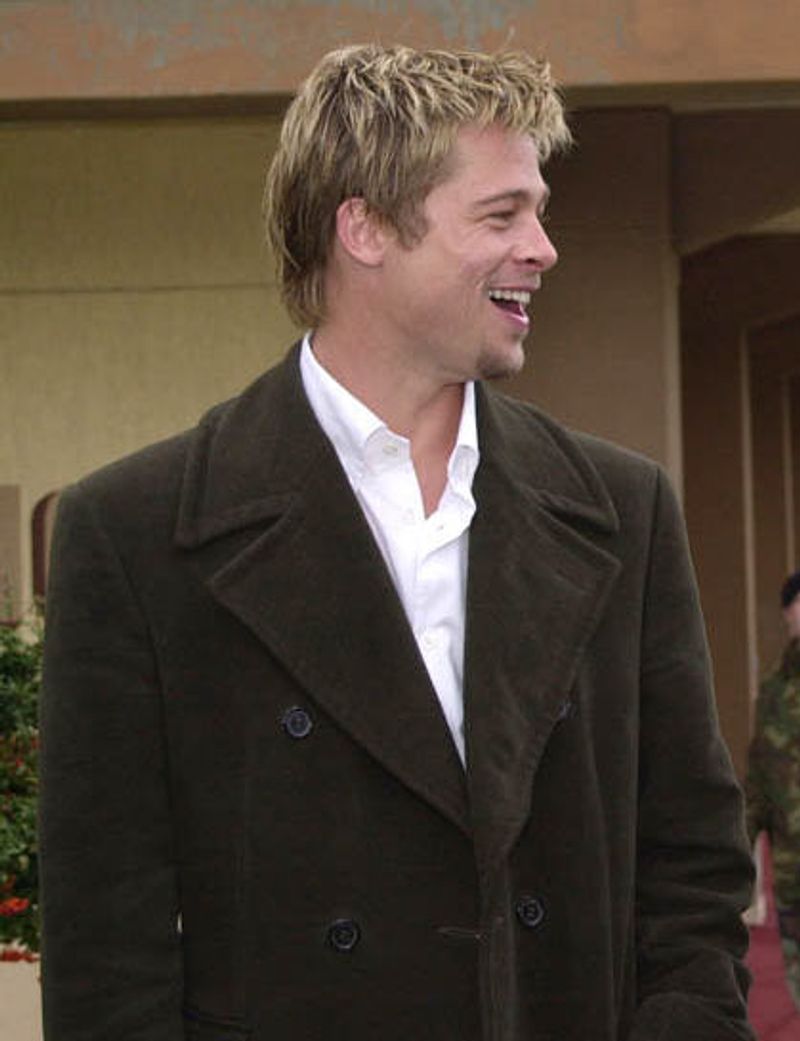
The line is one of the film’s most provocative jabs at self-help culture.
Through Tyler Durden, the quote pivots toward self-destruction, which makes it more provocative and harder to ignore.
By 1999, it already challenged the entire self-help industry, and that target has only grown larger with time. Whenever a new productivity book climbs the charts, critics and fans keep pulling it back into the spotlight.
8. The “Only After We’ve Lost Everything” Line
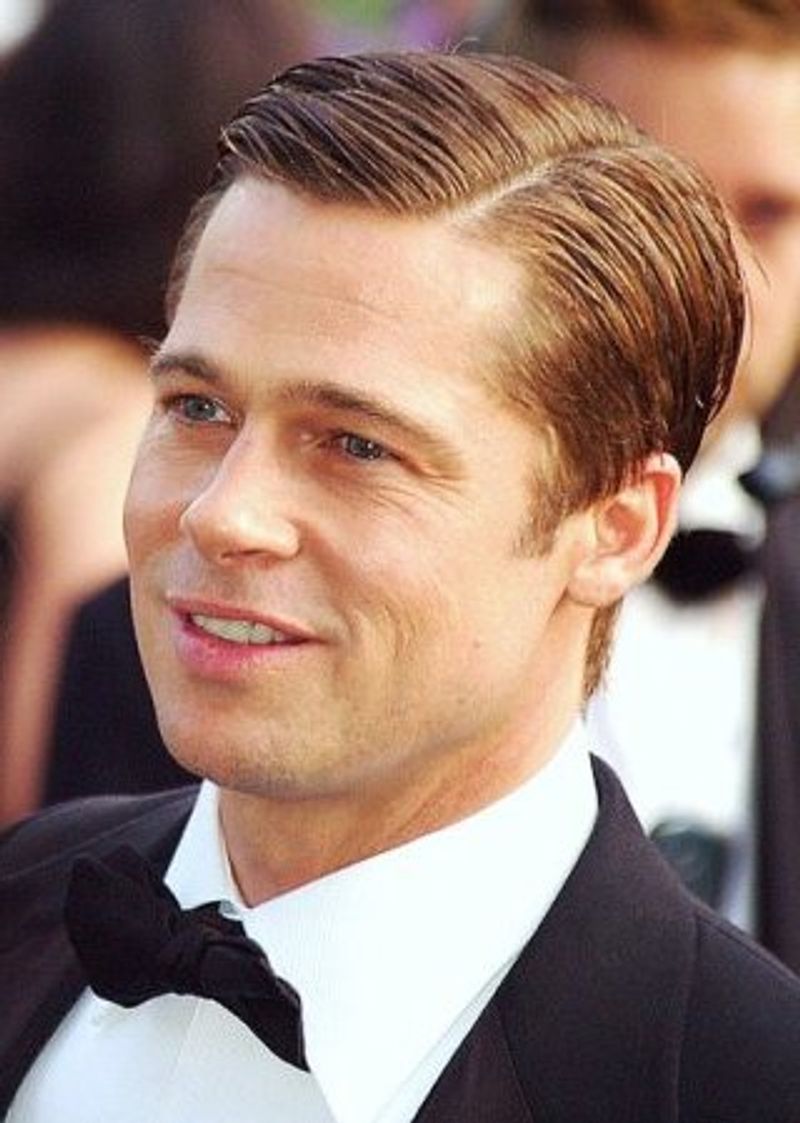
Freedom starts to sound less reckless in those late hours when everything feels heavier than it should.
Around 3 a.m., that idea lands differently, shifting from chaos into something that almost feels like relief.
Total loss gets reframed as an opening rather than an ending, which is exactly why the line keeps resurfacing in conversations about change. Philosophers quote it, captions borrow it, and the message keeps finding new places to live.
9. The “Our Great War Is A Spiritual War” Speech

Late-1990s disaffection had a voice, and this speech gave it the best words it ever found.
Tyler looks at a generation raised on promises that evaporated and names the real battlefield. Masculinity, purpose, advertising, and emptiness all collide in one monologue that critics still cite when analyzing the film’s cultural weight.
The “our great depression is our lives” line remains one of the film’s clearest statements about generational frustration and purposelessness.
10. The “You Met Me At A Very Strange Time In My Life” Line
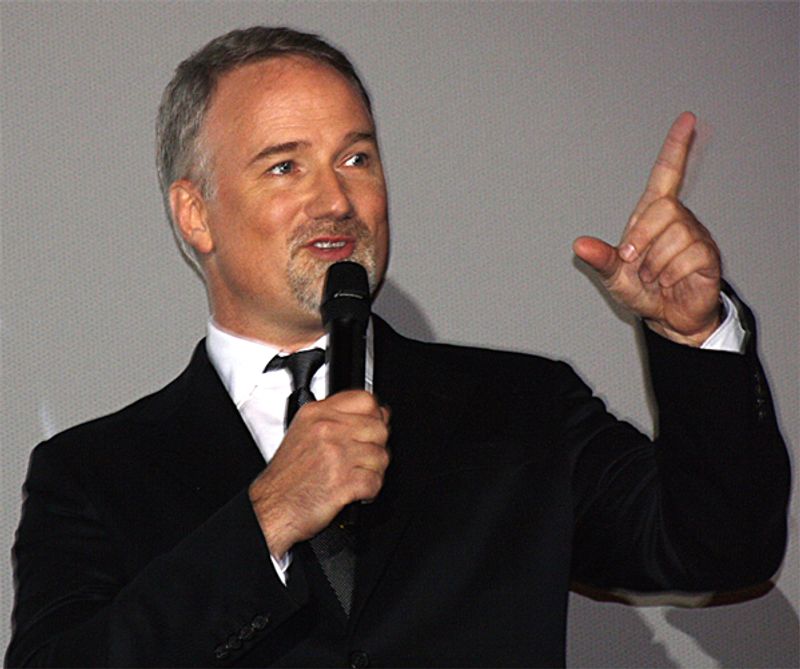
With buildings collapsing in the background, the closing line lands as both a confession and a dark joke. As a goodbye, a confession, and a wink, the words manage to hold three meanings without feeling forced.
Pulled out of context, the quote still travels effortlessly, which explains why it keeps resurfacing long after the credits fade.
Melancholy finds a strangely effortless cool in that closing moment.
Note: This entertainment feature discusses memorable lines from Fight Club and reflects editorial judgment about which quotes have had the strongest cultural afterlife.
Some entries refer to exact film dialogue, while others discuss broader speeches or recurring ideas associated with the movie.