
16 Figures Whose Stories Suit A Biopic
Some lives feel almost unfinished until they’re told on film.
History is filled with famous figures whose triumphs, controversies, and personal battles carry the scale and emotional weight of great cinema, yet their full stories remain largely unexplored on screen.
Each of these individuals lived a story that doesn’t just deserve recognition, it deserves a biopic worthy of the legacy they left behind.
1. Frida Kahlo
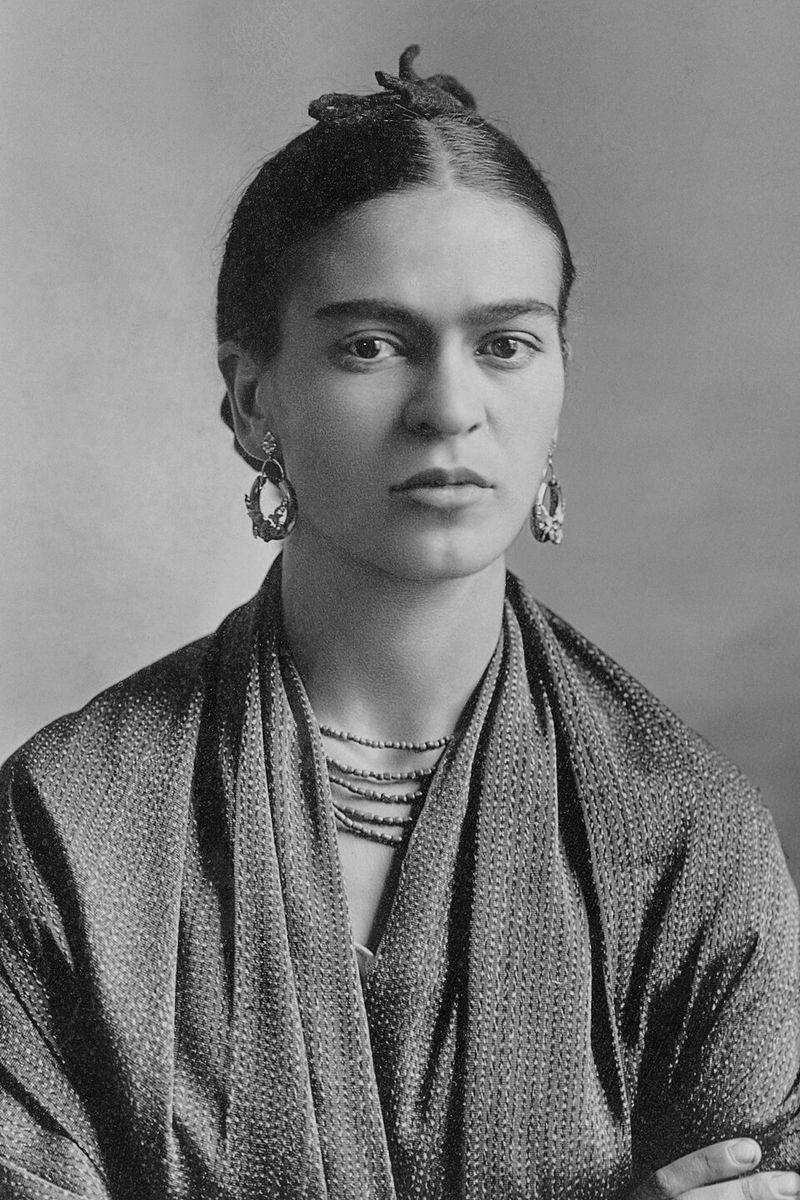
Creative expression emerges as a woman turns physical agony into breathtaking art, one brushstroke at a time. Frida Kahlo turned personal struggle into vivid self-portraits that explored identity, pain, and passion.
Polio during childhood, a devastating bus accident in her teens, and a tumultuous marriage to Diego Rivera shaped every canvas she created.
Her unibrow became iconic while her paintings grew revolutionary in influence. Such a biopic could capture the fire behind those penetrating eyes and the resilience that turned a bed into a studio.
2. Nikola Tesla
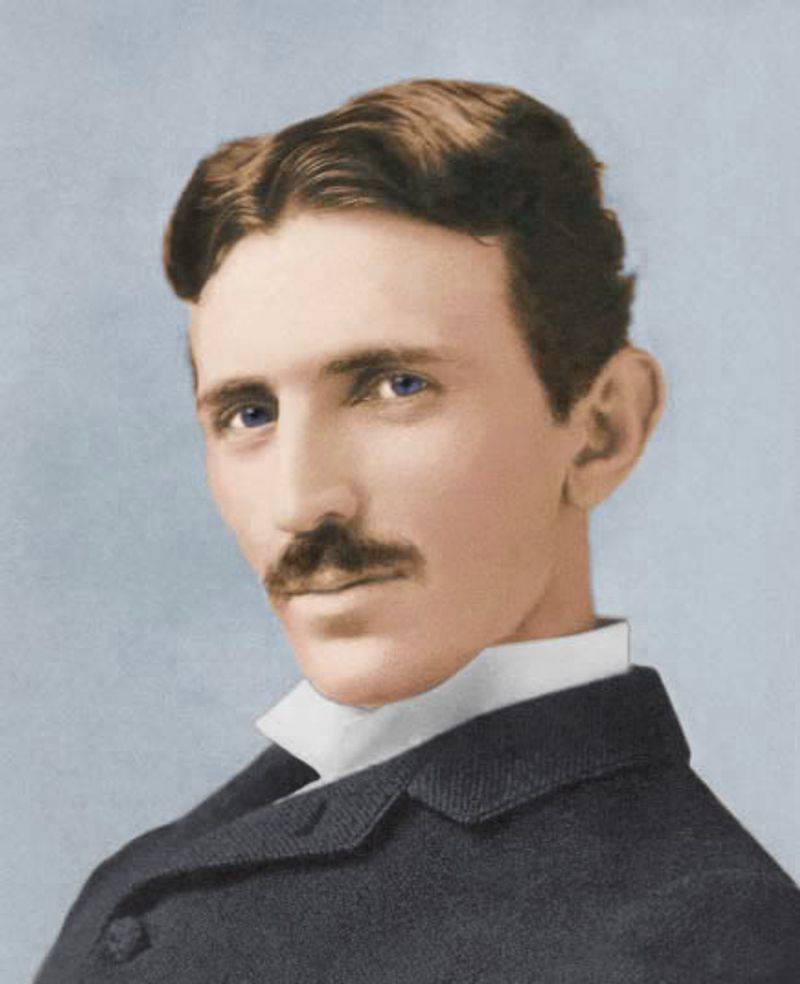
Lightning seems to follow a solitary genius who dreamed of delivering wireless electricity to everyone.
Though he died impoverished in a hotel room in New York, Nikola Tesla helped pioneer alternating-current power and key AC motor work that shaped modern electrical systems.
A fierce rivalry with Thomas Edison ignited what became known as the War of Currents.
Obsessive routines, a photographic memory, and vivid visions of the future shaped a mind that appeared both brilliant and eccentric. Electricity dancing across the screen would mirror the imagination of a man who constantly lived a step ahead of his own time.
3. Ada Lovelace
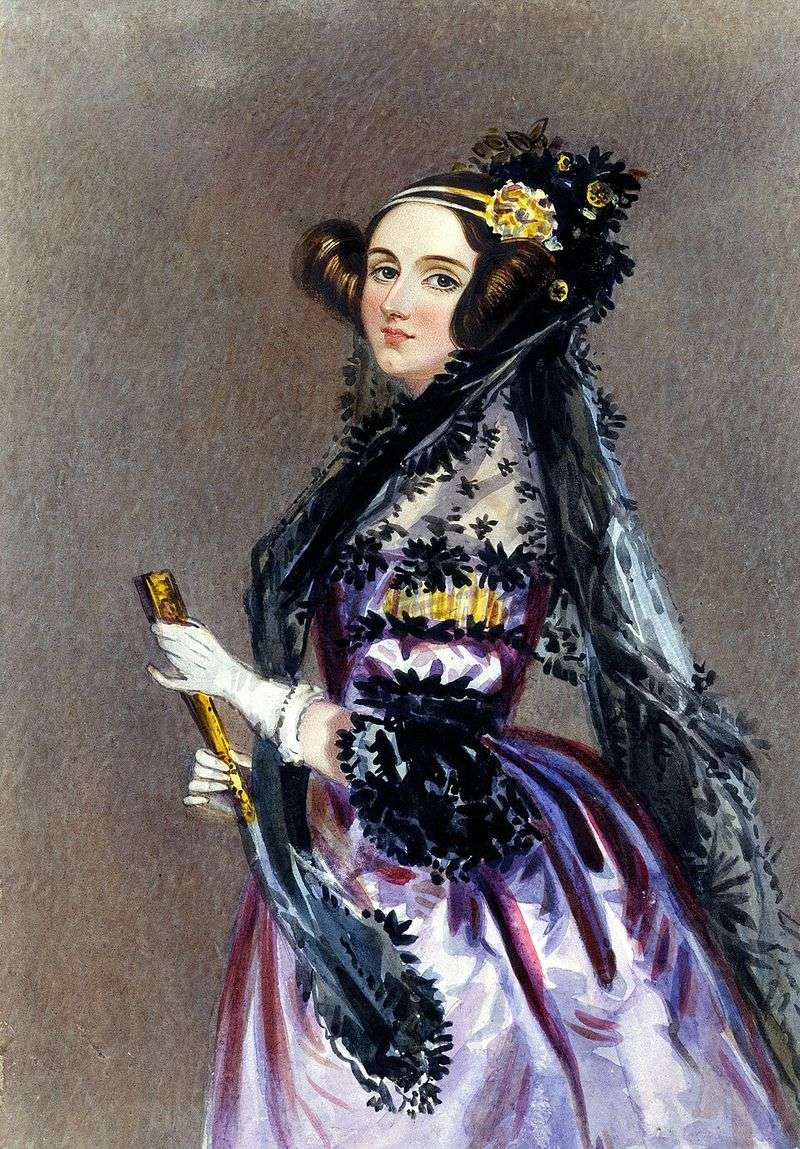
Long before smartphones or laptops, a young mathematician saw computers coming. Lovelace wrote the first algorithm intended for Charles Babbage’s Analytical Engine in the 1840s, essentially creating the first computer program.
Daughter of the poet Lord Byron, she combined poetic imagination with mathematical precision.
Society told women to stay away from science, but she coded anyway. Her story blends Victorian elegance with futuristic vision, a perfect recipe for cinematic wonder.
4. Harriet Tubman
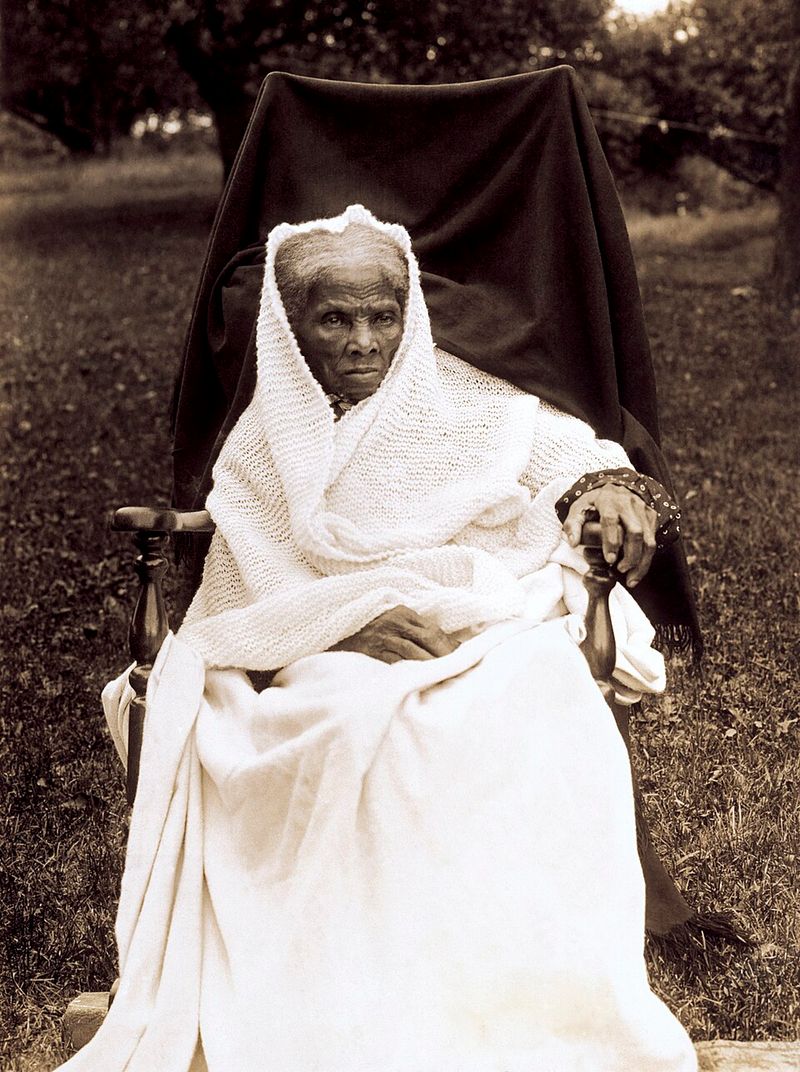
Guided by courage and a lantern, she led dozens of enslaved people to freedom along the Underground Railroad. After escaping slavery herself, Harriet Tubman risked everything by making repeated return trips south that helped lead about 70 people to freedom across 13 missions.
Large rewards were offered by slaveholders for her capture, yet she never lost a single passenger.
During the Civil War, she later served as a spy and scout for the Union Army. Her life unfolds like an action thriller shaped by profound moral conviction and unshakable faith.
5. Marie Curie
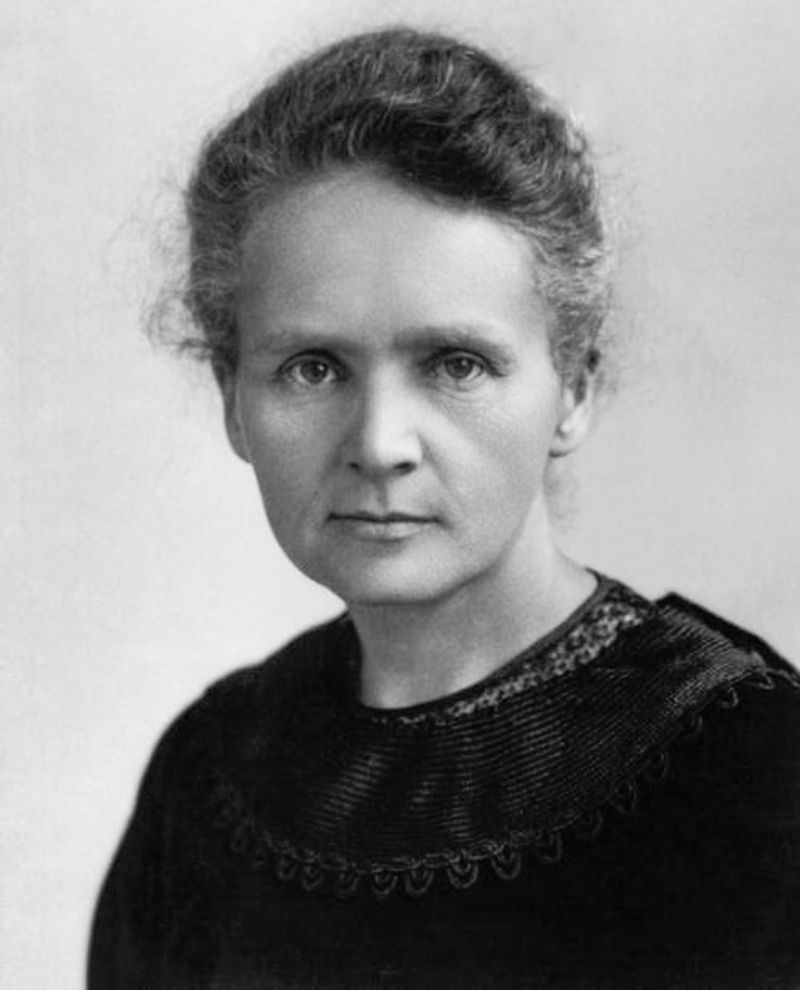
Light from glowing vials fills a drafty shed where relentless scientific work never stops. In addition to breaking down barriers for women in academia, Marie Curie won two Nobel Prizes, in Physics (1903) and Chemistry (1911) and made the discoveries of polonium and radium.
Freezing conditions surrounded her as she stirred boiling material in an iron vat, hands scarred by radiation not yet understood.
Even today, her notebooks remain too radioactive to handle safely. Such a biopic could shine with both literal and metaphorical brilliance while exploring the personal cost of genius.
6. Alan Turing
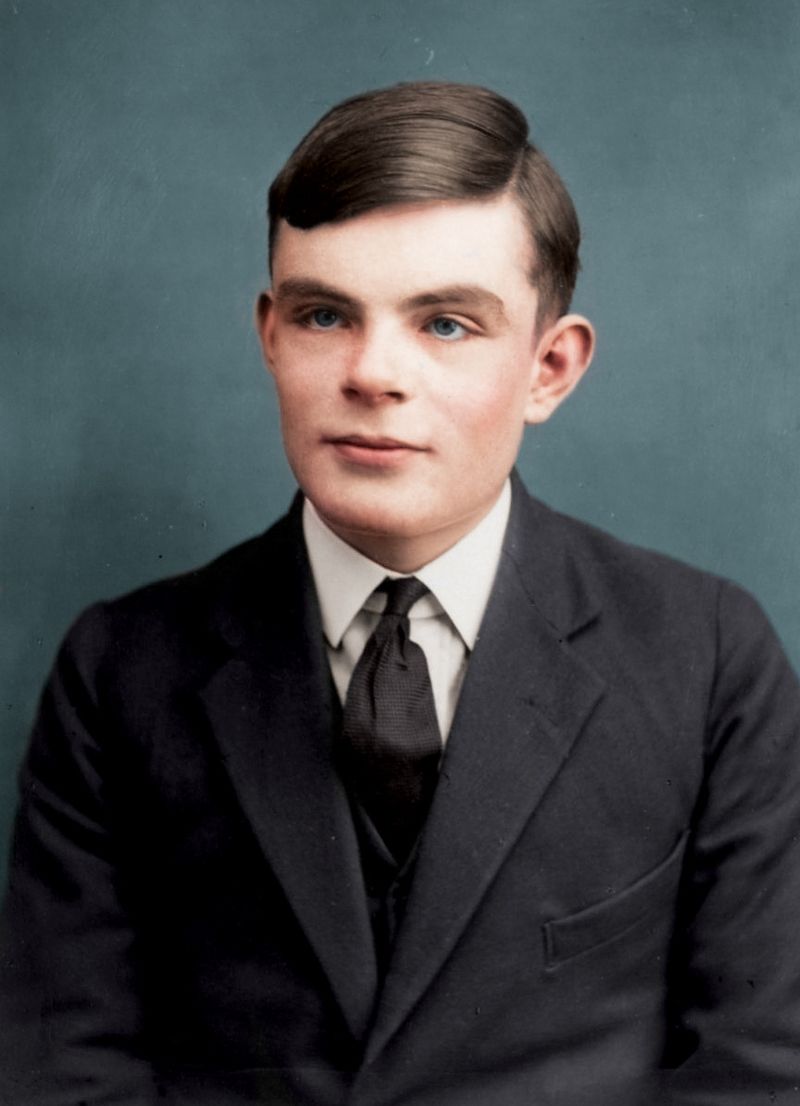
Brilliant codebreaking work helped crack the Nazi Enigma cipher and save millions of lives. Alan Turing laid the foundation for modern computing and artificial intelligence, yet his own country later persecuted him for being gay.
Government punishment forced him to undergo chemical castration, and he passed away at age 41 from cyanide poisoning, with an inquest recording it as self-inflicted.
His extraordinary intellect likely shortened World War II by years, even as society treated him like a criminal instead of a hero. Both tragedy and triumph define a story that deserves to be told with the respect he was denied during his lifetime.
7. Amelia Earhart
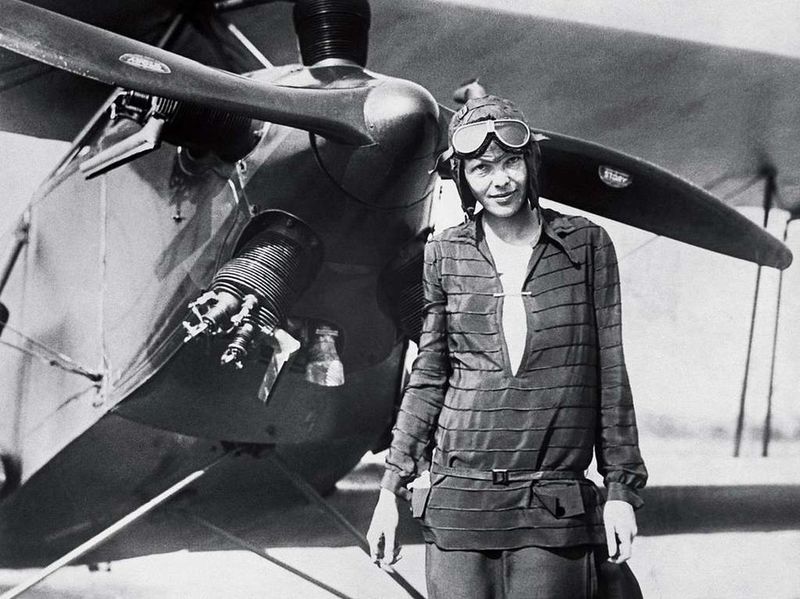
Leather jacket, goggles, and a smile that said “watch me.”
Earhart became the first woman to fly solo across the Atlantic Ocean, shattering assumptions about what women could do.
She set record after record, then vanished over the Pacific in 1937 during an attempt to circumnavigate the globe. Her disappearance remains one of aviation’s greatest mysteries.
A biopic could soar through her achievements while exploring the adventurous spirit that made her push every boundary, even the final one.
8. Nelson Mandela
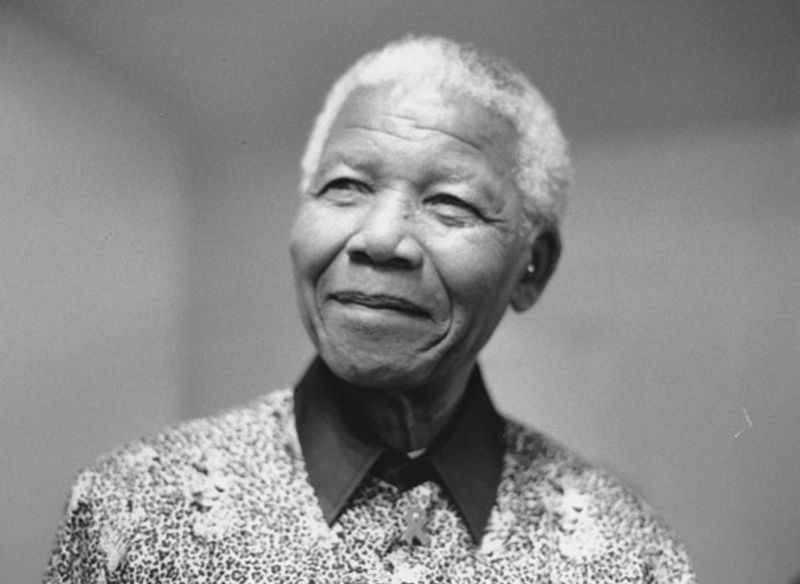
Nearly three decades behind bars failed to break his spirit or his vision for a free South Africa.
After serving time in jail, Nelson Mandela returned with a message of forgiveness rather than resentment, which contributed to the unification of a divided country.
His path moved from freedom fighter to prisoner to president, spanning decades of struggle against apartheid. Forgiveness guided his choices over revenge, while unity mattered more than division.
Such a story offers cinematic power through political intrigue, personal sacrifice, and a form of moral leadership the world rarely witnesses.
9. Mahatma Gandhi
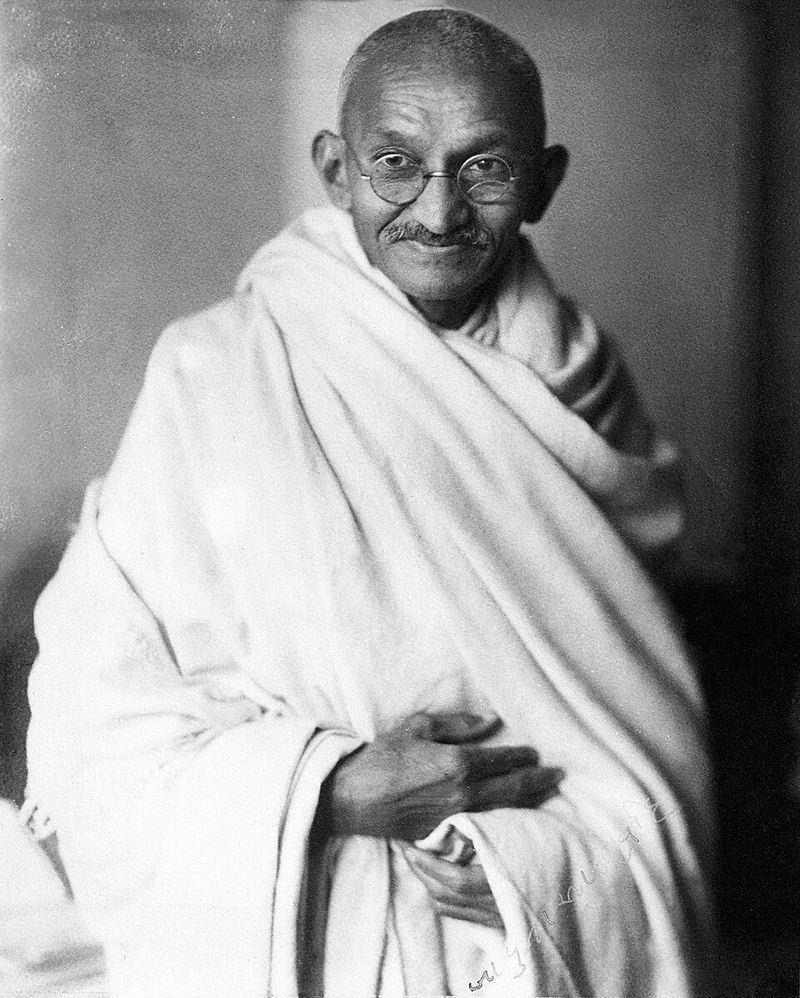
Dressed in simple cloth, a determined figure brought an empire to its knees without firing a single shot.
Through civil disobedience and peaceful protest, Mahatma Gandhi pioneered nonviolent resistance and helped lead India toward independence from British rule. Iconic moments like the Salt March, hunger strikes, and the spinning wheel became lasting symbols of a revolution powered by moral force rather than military strength.
Generations of activists were impacted by his worldview, which later influenced civil rights movements worldwide. Both the esteemed leader and the nuanced person beneath the legend may be explored in a biography.
10. Diana, Princess Of Wales
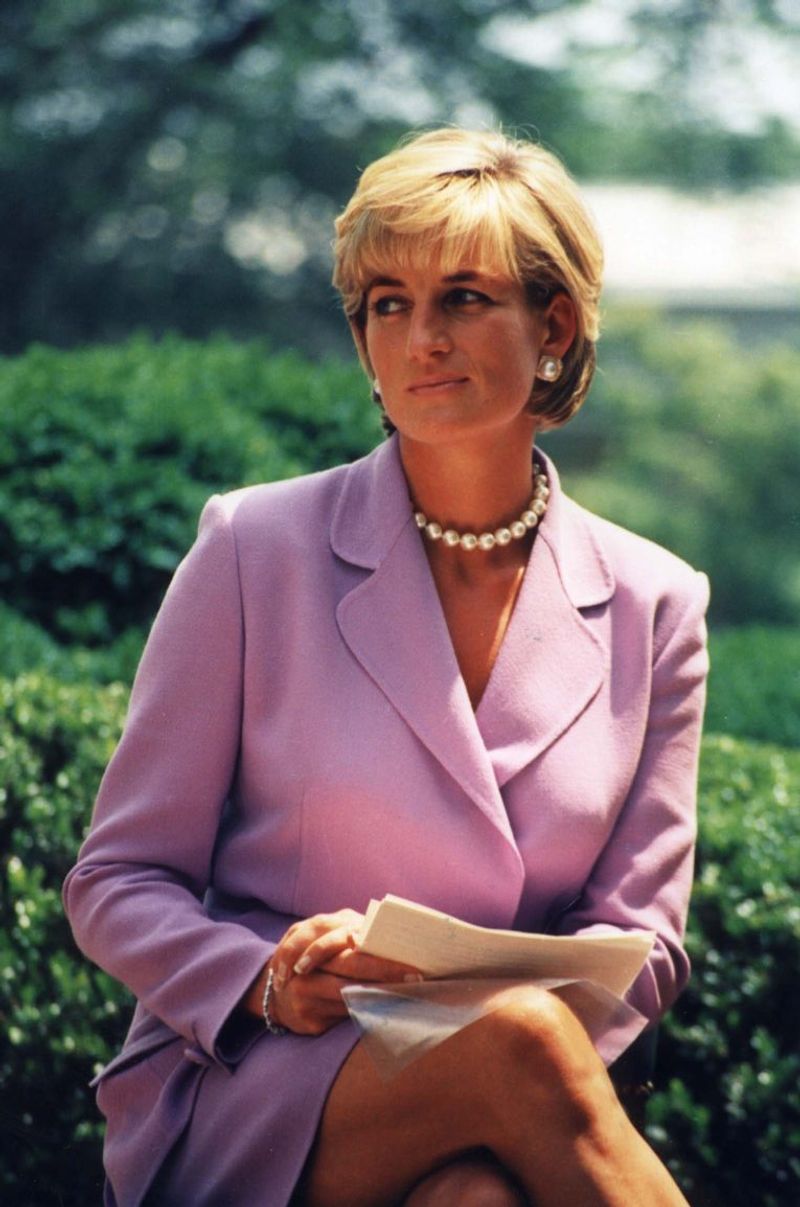
Fairy tale wedding, royal cage, and a heart that refused to follow protocol.
Diana transformed the British monarchy by bringing warmth and humanity to an ancient institution.
She hugged AIDS patients when fear ruled, walked minefields to raise awareness, and spoke openly about mental health struggles. Her divorce, her advocacy, and her final days in Paris captivated the world.
A biopic could capture both the glamour and the genuine compassion that made her the People’s Princess.
11. Steve Jobs
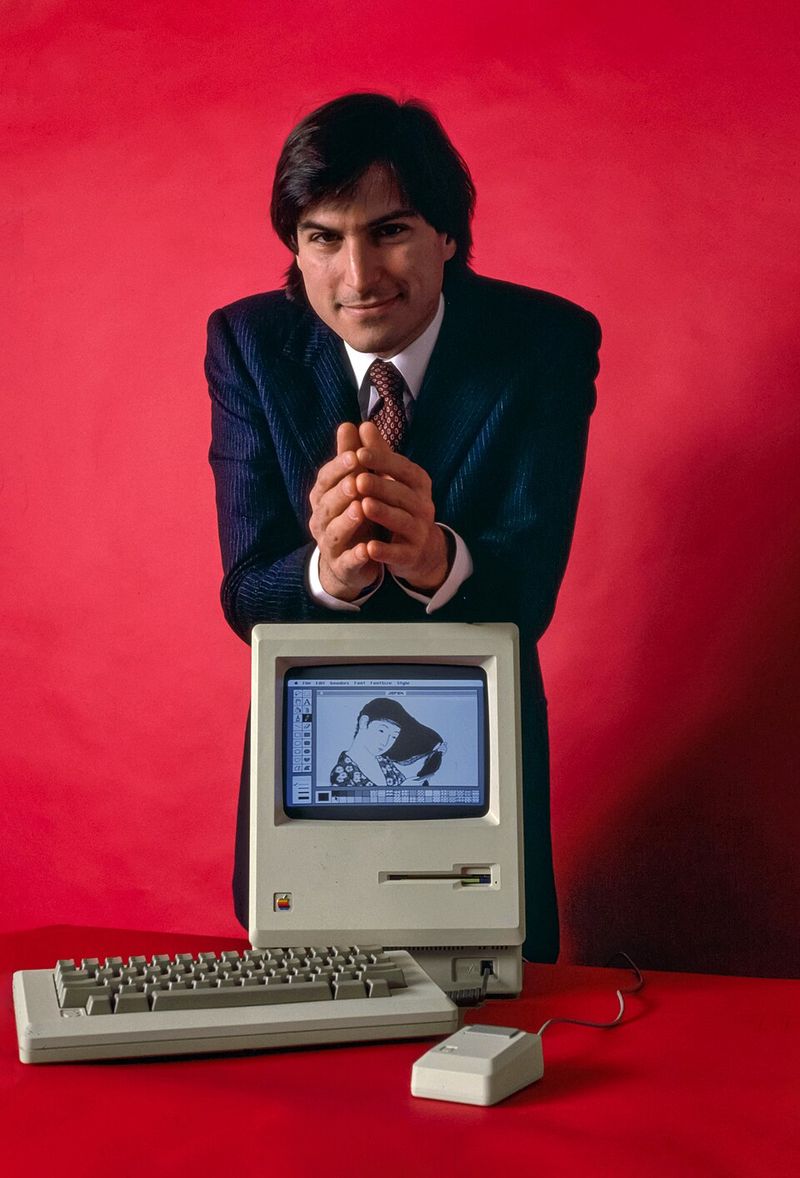
A strong reality distortion field and a black turtleneck came to represent a vision that changed how people engage with technology.
After losing control of his own business and co-founding Apple in a garage, Steve Jobs returned to save the company from impending bankruptcy.
Innovations such as the Mac, iPod, iPhone, and iPad turned everyday devices into extensions of modern life. Perfectionist tendencies, demanding leadership, and an uncompromising vision defined both his successes and his conflicts.
Personal history blends Silicon Valley innovation with private struggles, spanning adoption, Zen Buddhism, and a long battle with cancer.
12. Josephine Baker
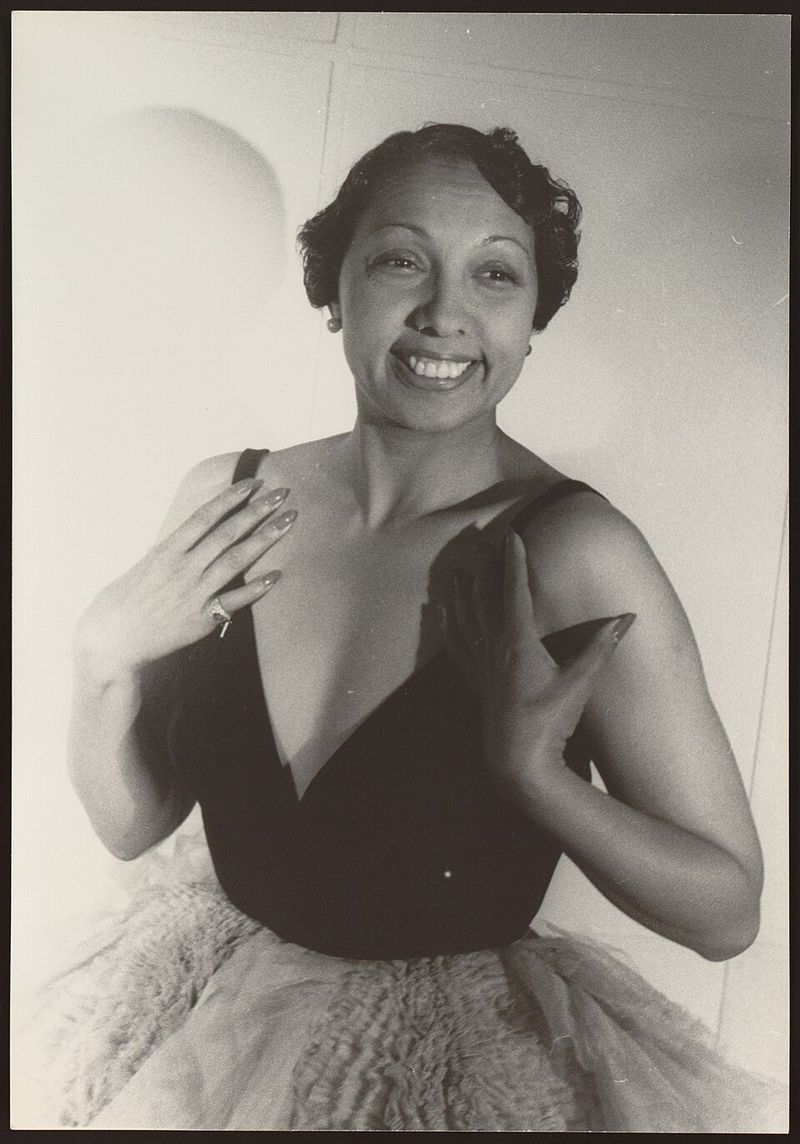
Dance carried her from poverty in St. Louis to dazzling stardom on Parisian stages before wartime courage turned her into a spy for the French Resistance.
Among the first Black women to achieve major international film stardom, Josephine Baker broke down barriers by shocking and exciting audiences with her remarkable performances. During World War II, secret intelligence traveled in invisible ink hidden across her sheet music.
Later in life, she adopted twelve children from different countries, creating a family known as the “Rainbow Tribe.”
Her extraordinary story blends theatrical glamour with bravery, courage, and a life lived in constant motion under the spotlight.
13. Hedy Lamarr
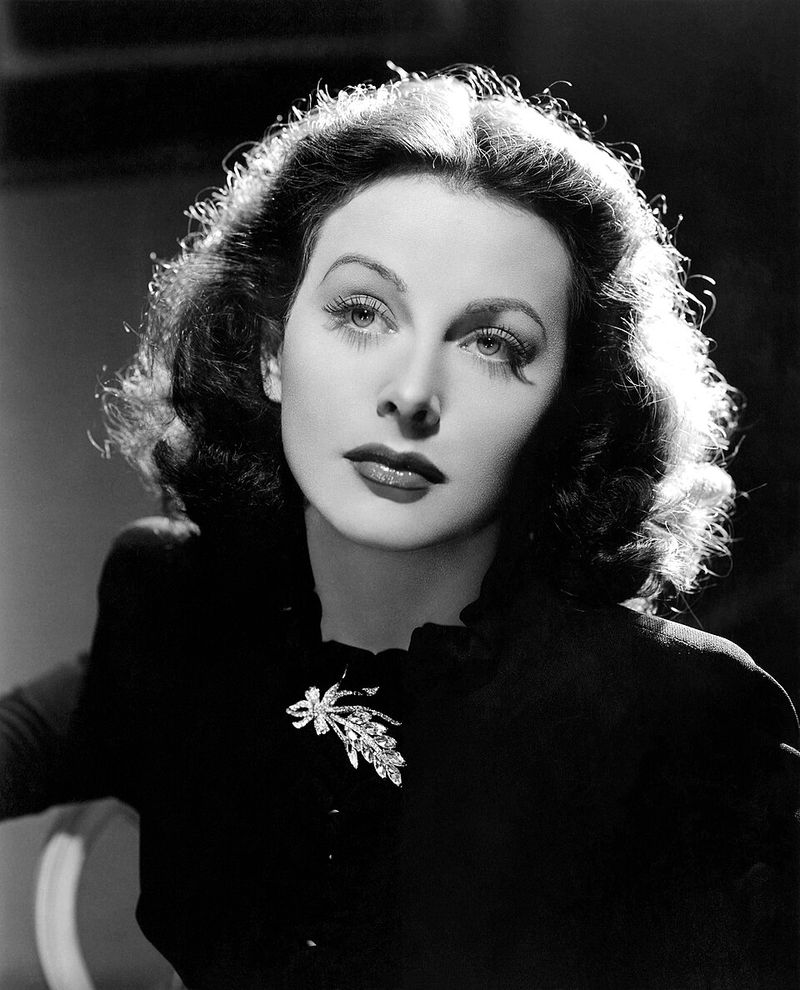
Hollywood once crowned her the most beautiful woman in the world, yet her intellect proved even more remarkable.
While starring in major films, Hedy Lamarr quietly co invented a frequency hopping system that later helped lay the groundwork for WiFi and Bluetooth technology. After fleeing a controlling marriage to an arms dealer, she carried valuable weapons knowledge into her inventive work.
Film studios focused only on her image, while the technology world overlooked her contributions for decades.
A biopic could finally honor a dual legacy that blends cinematic glamour with groundbreaking innovation.
14. Frederick Douglass
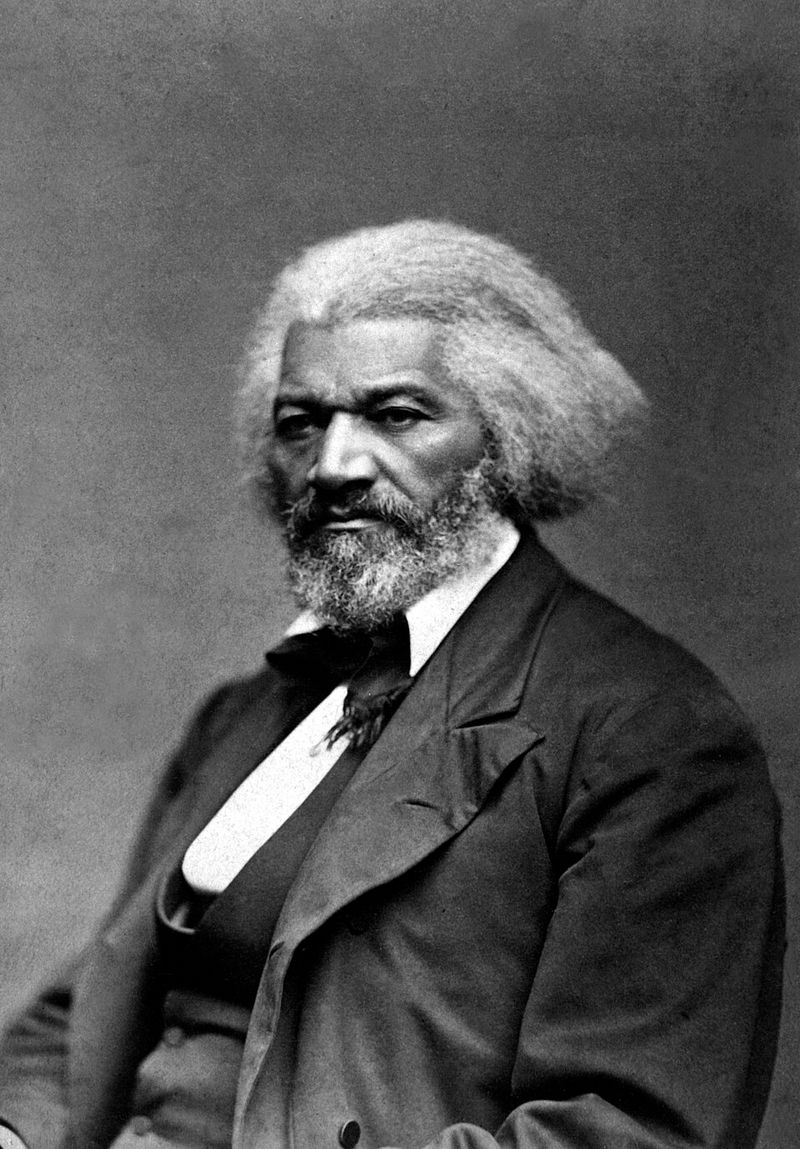
Born into slavery, he taught himself to read and became one of America’s most powerful voices for freedom.
Douglass escaped bondage, then wrote bestselling autobiographies that exposed the cruelties of slavery to the world.
His speeches moved thousands, his newspaper challenged injustice, and his counsel reached presidents. He believed in the power of words to change minds and laws.
A biopic could showcase both the orator’s fire and the man who rose from chains to become a lion of liberty.
15. Jane Austen
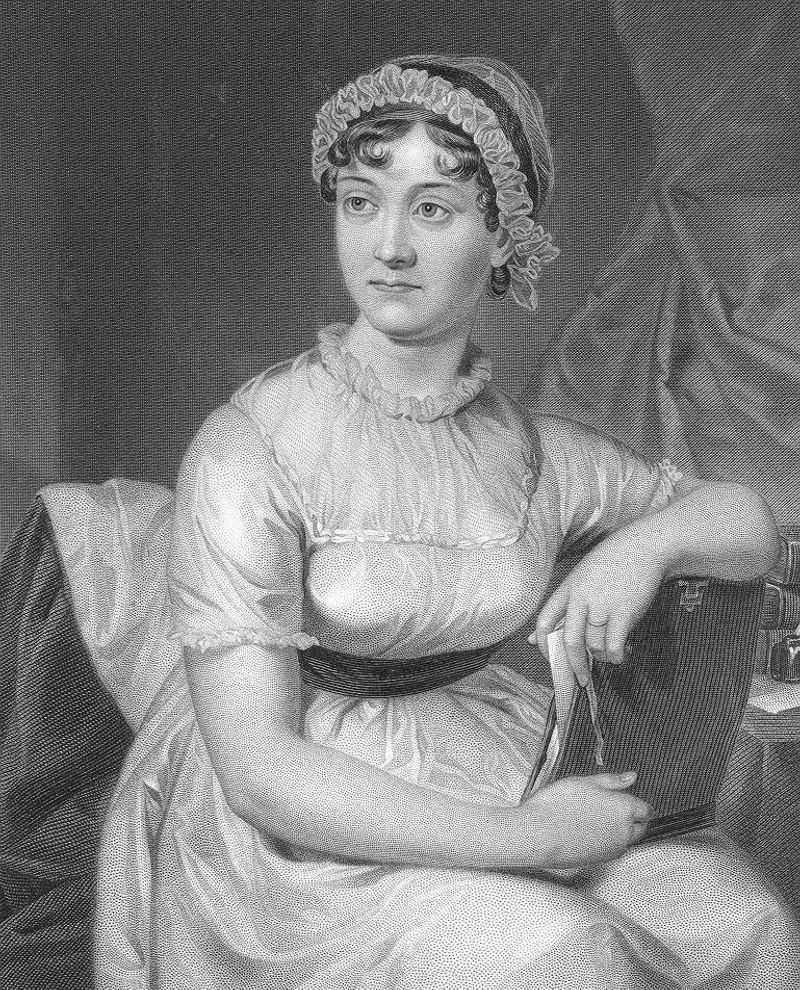
Sharp wit paired with a steady quill allowed society to be skewered while unforgettable characters came to life on the page. While leading a peaceful existence in the English countryside, Jane Austen penned six books that revolutionized literature.
Marriage never came, publication happened anonymously, and death arrived at 41 with much of her brilliance still unrecognized during her lifetime.
Stories centered on love, money, and social ambition remain bestsellers more than two centuries later. Such a biopic could explore the keen observer behind the bonnets, revealing a woman whose pen proved mightier than any sword.
16. César Chávez
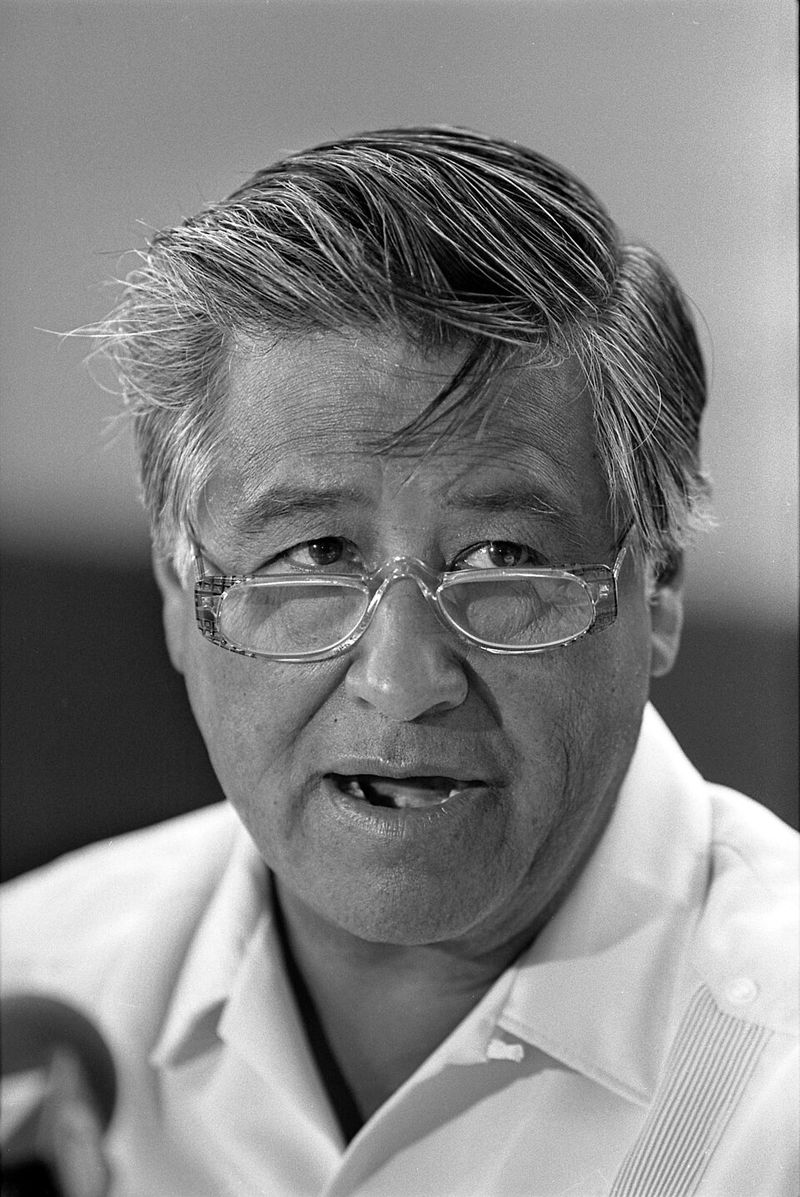
Under a relentless sun, farmworkers endured bent backs, poverty wages, and harsh conditions until one man finally said enough. César Chávez co founded the United Farm Workers union, organizing strikes and boycotts that brought long overdue dignity to agricultural laborers.
Weeks long fasts drew national attention to the cause, while marches stretching hundreds of miles showed commitment to nonviolent resistance even in the face of violence.
Unwavering optimism rang through the rallying cry “Sí, se puede,” a phrase that continues to energize modern activism through grit and resolve. Biopic film could pay tribute to the unseen power that transformed the lives of underappreciated laborers who provide food for an entire country.
Disclaimer: Details about historical figures can vary across reputable sources, and some widely repeated figures or “first” claims are often debated, so readers should treat specific totals and superlatives as best-available summaries at time of writing.
The content is provided for general informational and entertainment purposes and is not legal, financial, medical, or professional advice.



.jpg)


.jpg)

.jpg)


.jpg)

