20 Film Remakes That Are Highly Regarded In Their Own Right
Some movies get remade, and instead of fading into obscurity, they shine just as brightly as the originals.
Filmmakers sometimes take a classic story and add fresh perspectives, updated visuals, or new performances that capture audiences all over again.
When done right, a remake can stand proudly alongside its predecessor, earning its own awards and devoted fans.
Note: For informational and entertainment use only.
The film selections and assessments featured here reflect documented historical reception and broad critical consensus; these interpretations are intended for discussion rather than as objective rankings.
1. Ben-Hur (1959)

Charlton Heston brought unforgettable power to the role of Judah Ben-Hur in this epic remake of the 1925 silent film.
Director William Wyler crafted a spectacle filled with breathtaking chariot races, stunning set pieces, and emotional depth that resonated with audiences worldwide.
Winning eleven Academy Awards, including Best Picture, this version became one of the most celebrated films in cinema history.
Even today, its thrilling action sequences and timeless themes of revenge and redemption captivate viewers like a treasured family heirloom passed down through generations.
2. The Ten Commandments (1956)
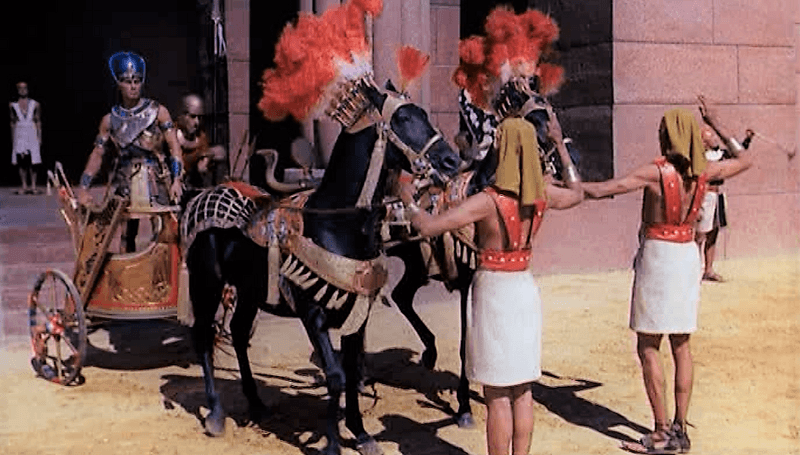
Cecil B. DeMille remade his own 1923 silent masterpiece, transforming it into a Technicolor marvel that defined biblical epics.
Charlton Heston starred as Moses, leading the Israelites out of Egypt in scenes so grand they required thousands of extras and groundbreaking special effects.
Perhaps no other film has captured the parting of the Red Sea with such awe-inspiring majesty.
Families still gather around the television during holidays to watch this monumental story unfold, making it a beloved tradition that bridges generations.
3. The Man Who Knew Too Much (1956)
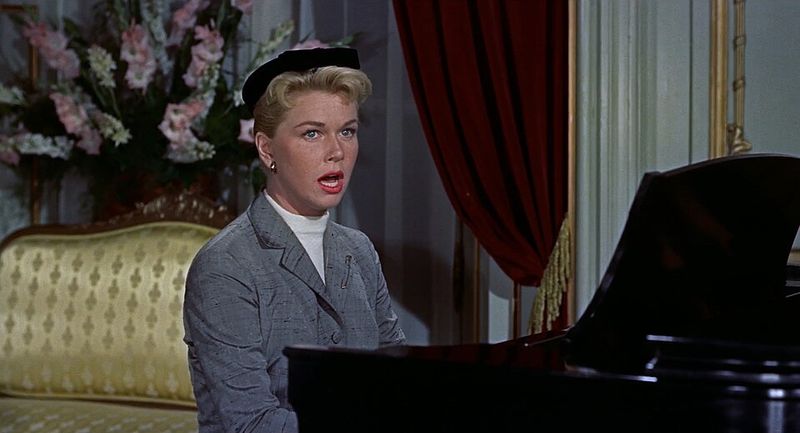
Alfred Hitchcock decided to remake his own 1934 thriller, and the result was a masterclass in suspense.
Jimmy Stewart and Doris Day played an ordinary couple thrust into an international conspiracy after witnessing a murder during their vacation.
The film featured the unforgettable song “Que Sera, Sera,” which became a cultural touchstone.
Hitchcock’s meticulous direction elevated every scene, proving that sometimes revisiting your own work can yield even more polished and thrilling results than the first attempt.
4. A Star Is Born (1954)
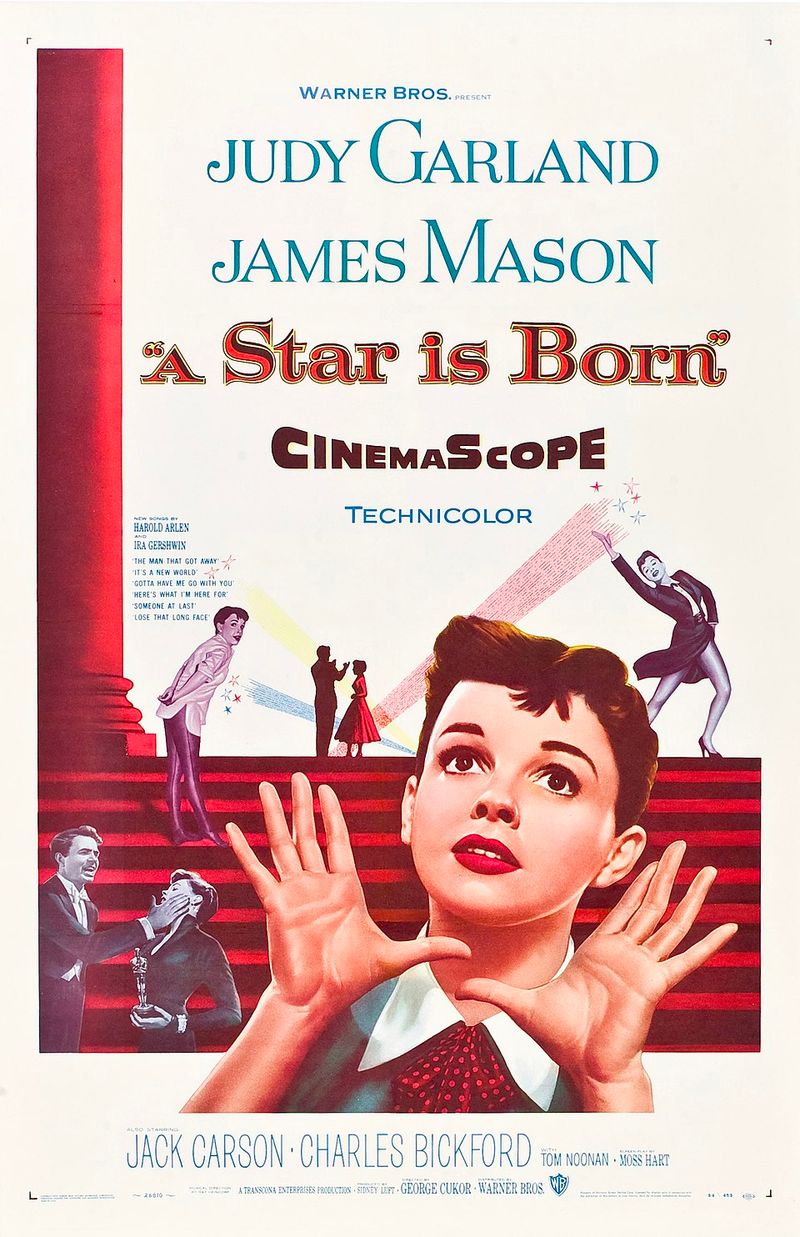
Judy Garland delivered a powerhouse performance in this musical remake of the 1937 drama about fame, love, and sacrifice.
Her portrayal of a rising star married to a fading actor showcased both her incredible vocal talent and dramatic range.
Director George Cukor crafted lush musical numbers alongside heartbreaking emotional moments that left audiences breathless.
Many critics consider this version the definitive take on the story, a testament to Garland’s enduring legacy and the film’s timeless exploration of Hollywood’s bright lights and dark shadows.
5. His Girl Friday (1940)
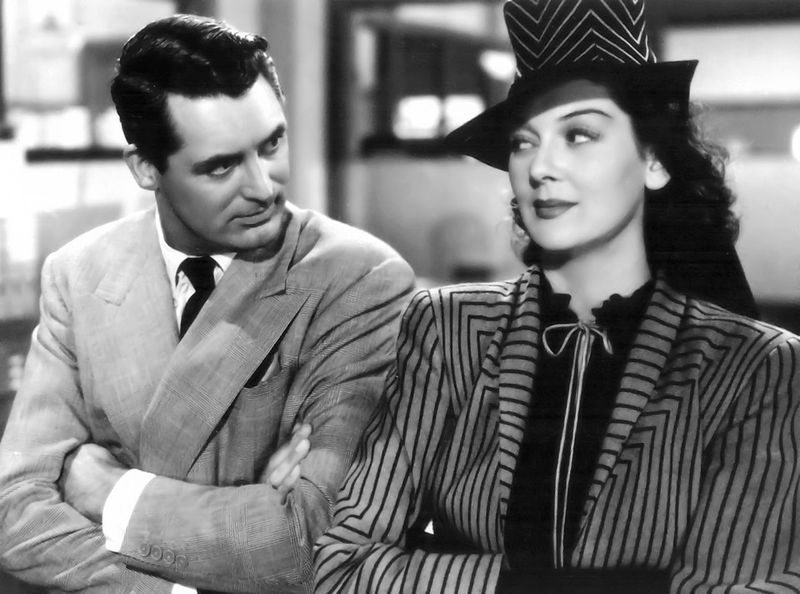
Howard Hawks transformed the stage play “The Front Page” into a screwball comedy masterpiece by changing the male reporter into a woman.
Rosalind Russell and Cary Grant delivered rapid-fire dialogue at a pace that still dazzles modern viewers.
Their chemistry crackled through every scene as they navigated newsroom chaos and romantic tension.
Honestly, the film’s witty banter and breakneck speed make it feel as fresh today as it did decades ago, perfect for anyone who loves smart comedy and snappy repartee.
6. The Maltese Falcon (1941)
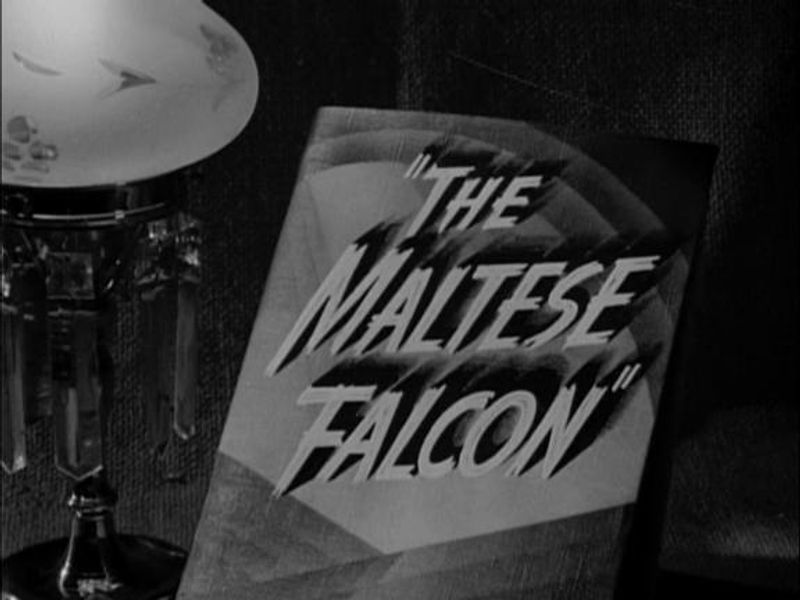
Humphrey Bogart became an icon playing hard-boiled detective Sam Spade in this noir classic, the third adaptation of Dashiell Hammett’s novel.
Director John Huston made his directorial debut with this shadowy tale of greed, betrayal, and a mysterious statuette.
The film established many conventions of film noir that countless movies would later emulate.
While earlier versions existed, Bogart’s performance and Huston’s atmospheric direction made this the definitive version, cementing its place as one of cinema’s greatest detective stories.
7. Gaslight (1944)
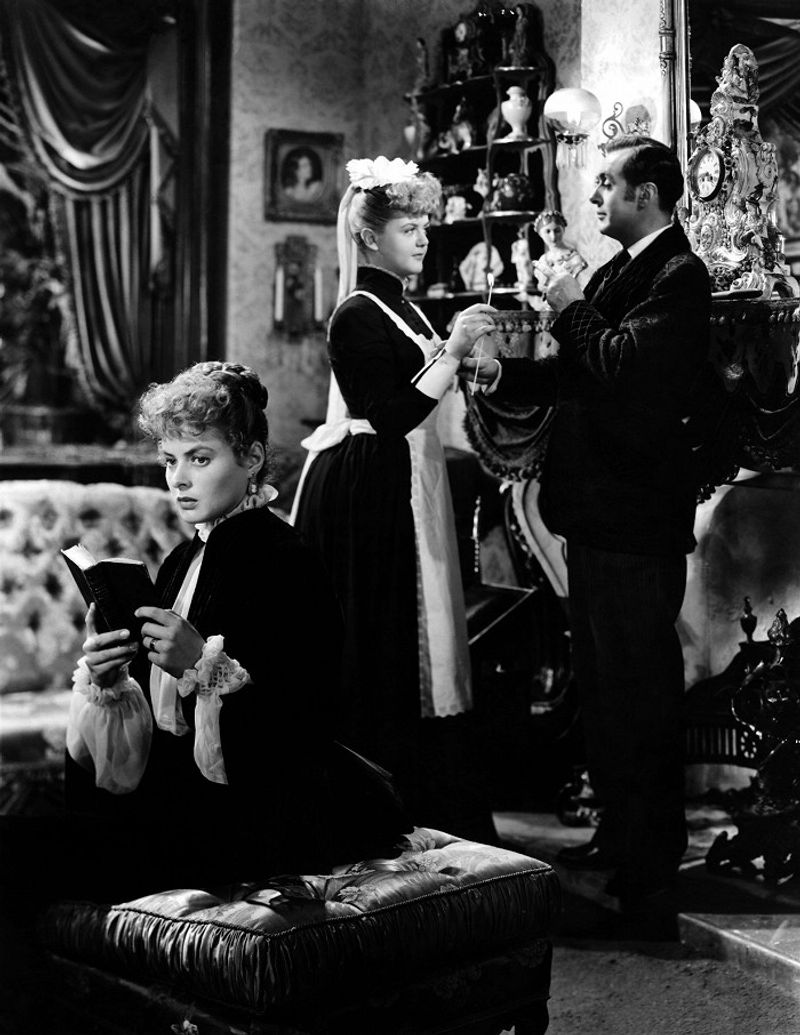
Academy Award went to Ingrid Bergman for haunting portrayal of spouse pushed toward doubting sanity by manipulative partner.
Psychological thriller remade 1940 British film, bringing Gothic atmosphere plus emotional intensity to American audiences.
Charles Boyer played sinister husband with chilling effectiveness, creating one of cinema most memorable villains.
Cultural impact followed when Gaslight introduced term gaslighting, remaining relevant within discussions of manipulation plus psychological abuse while standing as cinematic achievement plus reference point.
8. Imitation Of Life (1959)
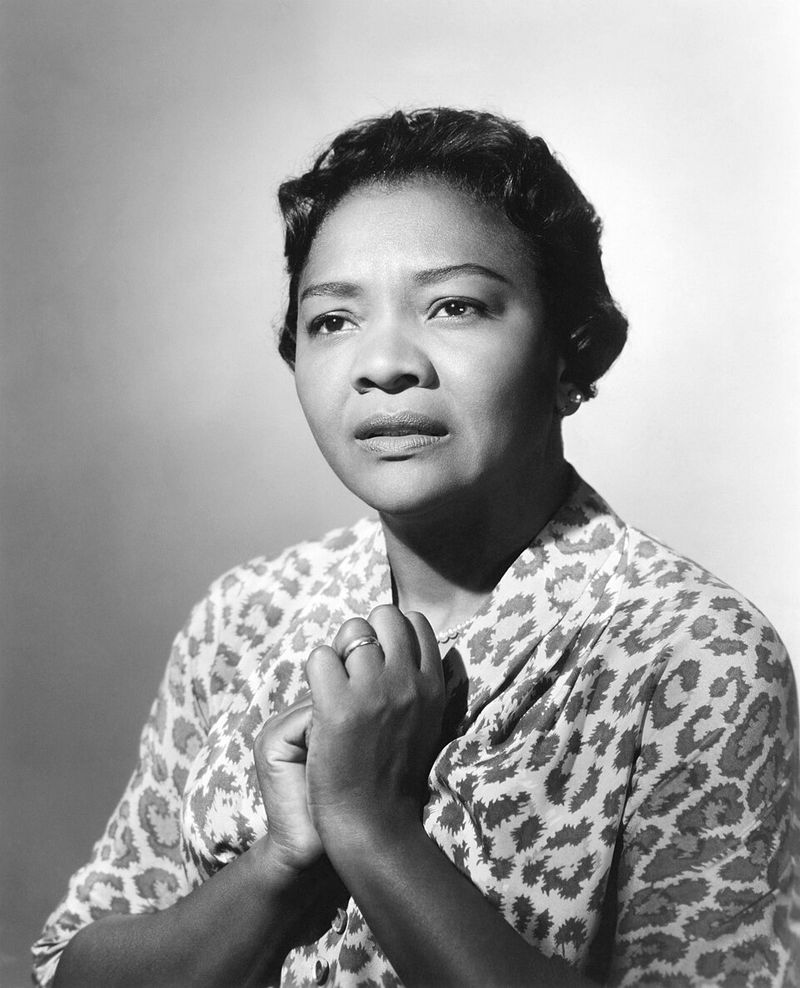
Douglas Sirk remade 1934 drama using lush Technicolor plus melodramatic flair tackling race, identity, motherhood.
Lana Turner starred as widow finding success while Black housekeeper struggles with daughter passing as white.
Emotional climax within Imitation of Life remains one of most powerful funeral scenes ever filmed.
Direction elevated potential melodrama into searing examination of American society still resonating during conversations on racial identity plus belonging.
9. Magnificent Obsession (1954)

Rock Hudson and Jane Wyman starred in this lavish remake of the 1935 film about redemption, love, and second chances.
Hudson played a reckless playboy who accidentally causes a woman’s blindness, then secretly works to restore her sight.
Director Douglas Sirk infused the story with rich colors and emotional depth that transformed a simple plot into something extraordinary.
Maybe the premise sounds far-fetched, but the performances and Sirk’s visual style create a moving experience that feels like discovering an old love letter tucked inside a forgotten book.
10. An Affair To Remember (1957)
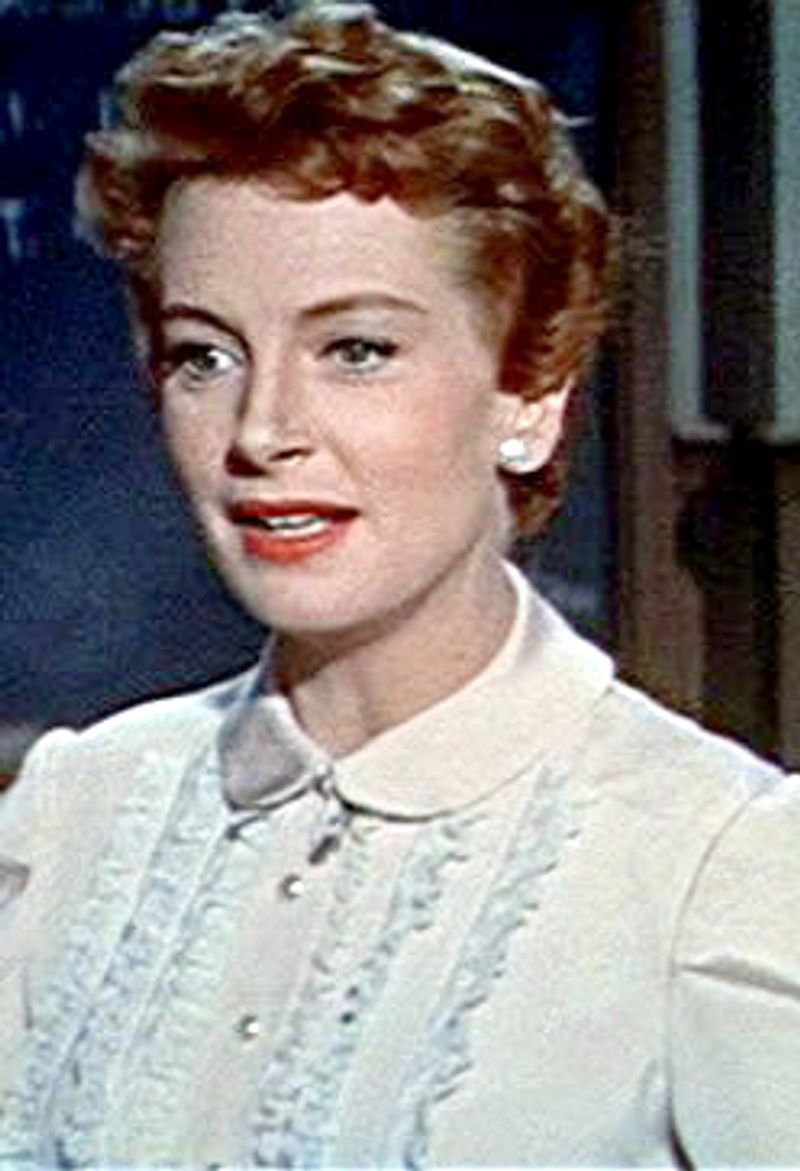
Cary Grant and Deborah Kerr brought elegance and heartbreak to this remake of the 1939 film “Love Affair.”
Their characters meet on a cruise ship and plan to reunite atop the Empire State Building six months later, but fate intervenes tragically.
The film became the gold standard for romantic dramas, influencing countless movies including “Sleepless in Seattle.”
Watching it feels like wrapping yourself in a warm blanket on a rainy afternoon, with tissues nearby for the inevitable tears that come with such beautiful, bittersweet romance.
11. The Thief Of Bagdad (1940)
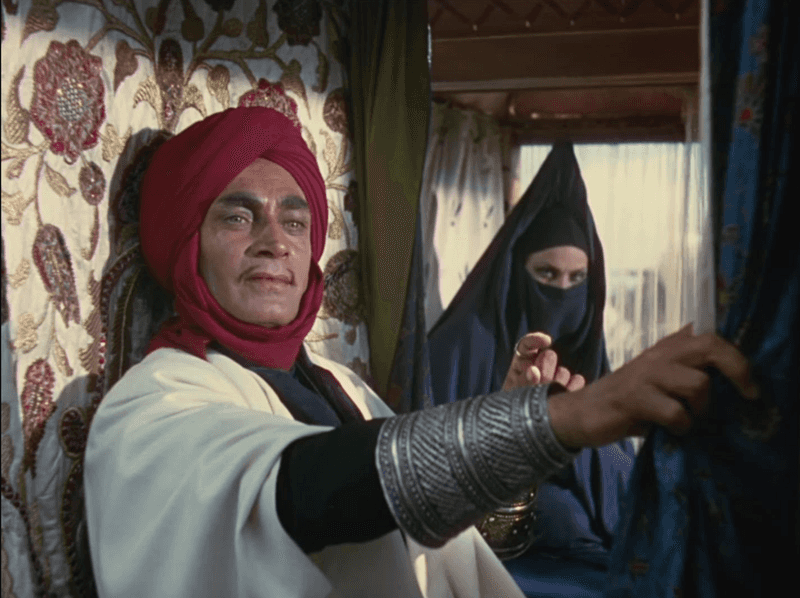
Technicolor magic transformed this remake of the 1924 silent film into a fantasy adventure that dazzled audiences.
Flying carpets, genies, and evil sorcerers filled the screen with vibrant colors and imaginative special effects that were groundbreaking for their time.
The film won three Academy Awards for its technical achievements.
Children and adults alike were transported to a world of Arabian Nights wonder, creating memories that lasted lifetimes and inspiring generations of filmmakers to dream bigger and bolder with their fantastical visions.
12. The Hunchback Of Notre Dame (1939)

Heartbreaking emotion defined portrayal of Quasimodo within remake of 1923 silent version of Victor Hugo novel, led by Charles Laughton.
Hollywood debut arrived for Maureen O’Hara as beautiful Esmeralda, bringing grace plus compassion into role.
Elaborate sets recreated medieval Paris with stunning detail plus atmosphere throughout The Hunchback of Notre Dame.
Definitive interpretation of misunderstood bell-ringer endures, reminding viewers that true beauty grows from within during moments of self-doubt plus judgment.
13. The Mark Of Zorro (1940)

Tyrone Power brought swashbuckling charm to this remake of the 1920 silent film, establishing the template for modern superhero movies.
His dual role as foppish aristocrat by day and masked avenger by night showcased both his acting range and athletic sword-fighting skills.
The film’s action sequences were choreographed with balletic precision that still impresses today.
Power’s Zorro became the standard against which all future versions would be measured, proving that heroism, humor, and heart make for timeless entertainment that never goes out of style.
14. The Prisoner Of Zenda (1937)
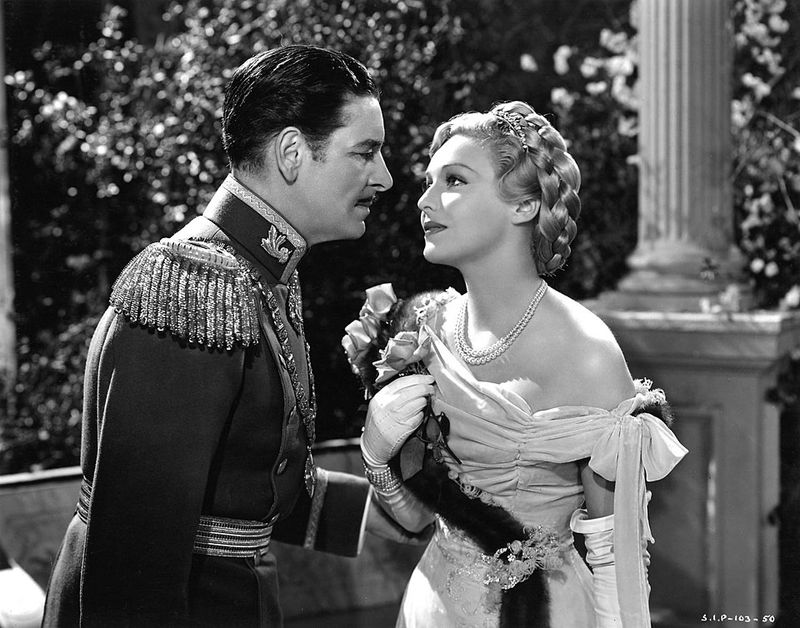
Ronald Colman starred in this adventure remake of the 1922 silent film about mistaken identity and royal intrigue.
Playing dual roles as both an English gentleman and a kidnapped king, Colman delivered performances that were both charming and heroic.
The film featured thrilling sword fights, political conspiracies, and romantic complications that kept audiences on the edge of their seats.
Its influence on adventure cinema cannot be overstated, inspiring everything from “The Princess Bride” to countless tales of ordinary people thrust into extraordinary circumstances requiring courage and quick thinking.
15. The Glass Key (1942)

Alan Ladd and Veronica Lake brought their iconic chemistry to this noir remake of the 1935 film based on Dashiell Hammett’s novel.
Political corruption, murder, and loyalty drive the plot as Ladd’s character investigates a crime that could destroy his boss.
The film featured one of cinema’s most brutal fight scenes, shocking audiences with its raw intensity.
Ladd’s tough-guy persona and Lake’s mysterious allure created the kind of partnership that defined film noir, making this version far more memorable than its predecessor in style and substance.
16. Beau Geste (1939)
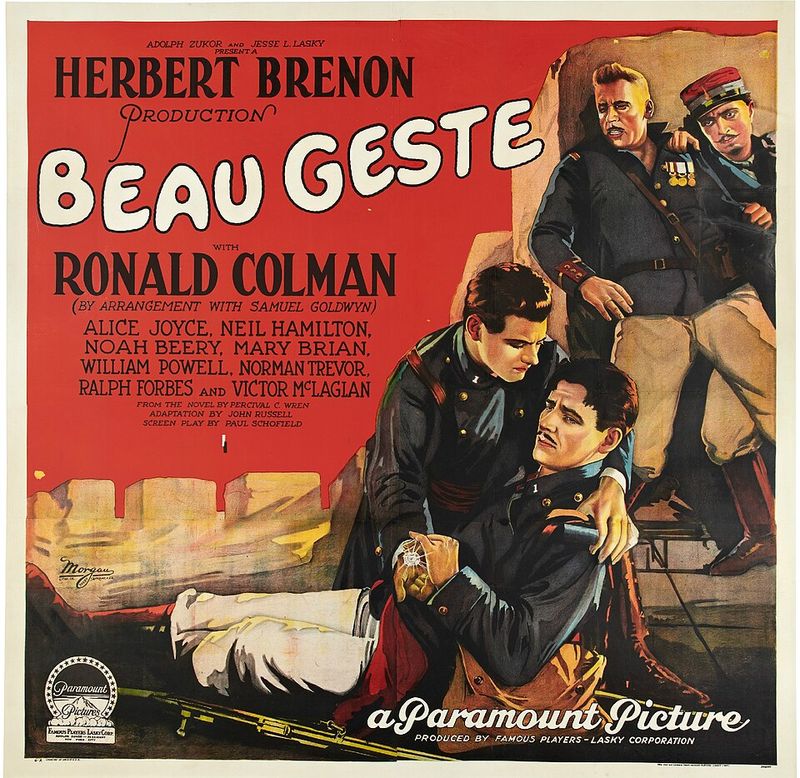
Adventure remake of 1926 silent film about brotherhood plus honor within French Foreign Legion featured leadership by Gary Cooper.
Mysterious opening sequence showing fort manned only by dead soldiers instantly seized viewer attention.
Themes of sacrifice, loyalty, plus family bonds lifted desert adventure beyond simple action within Beau Geste.
Quiet strength plus emotional depth secured status as definitive adaptation for viewers valuing honor over survival plus brotherhood above everything.
17. Dr. Jekyll And Mr. Hyde (1931)
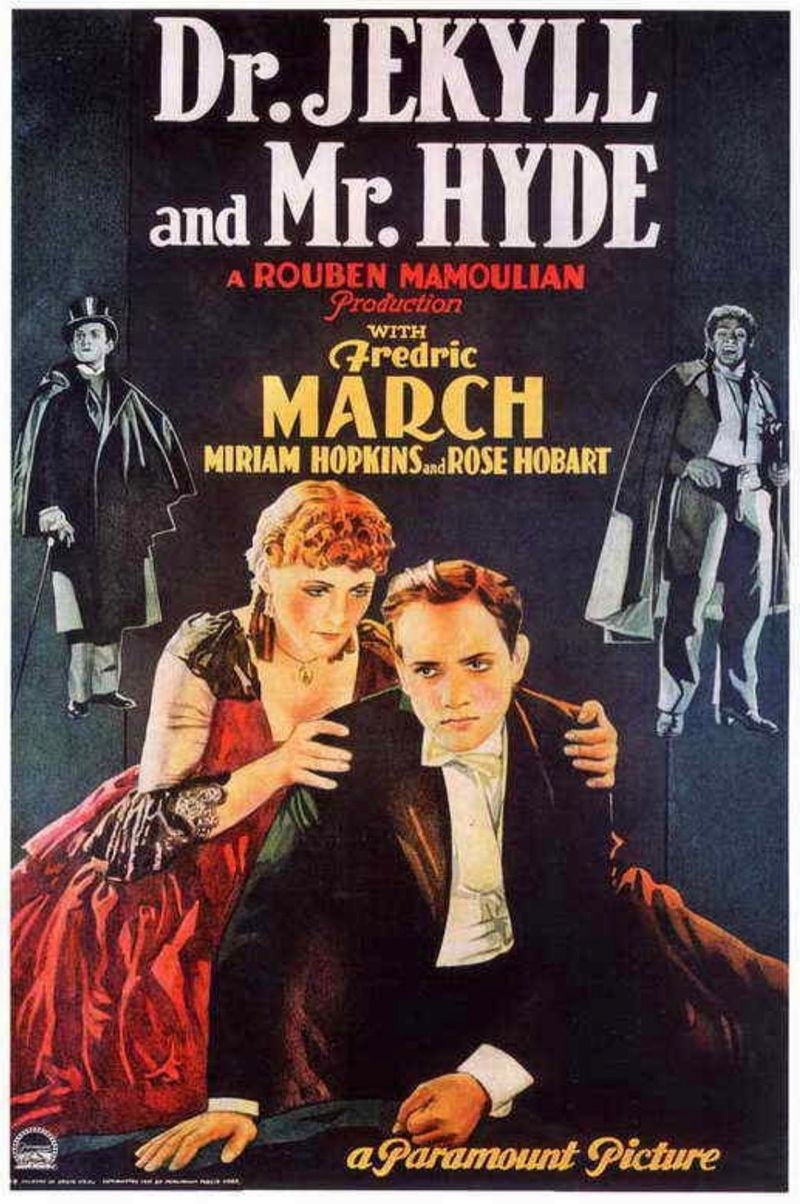
Fredric March won an Academy Award for his terrifying dual performance in this pre-Code remake of the 1920 silent version.
The transformation sequences used groundbreaking makeup and camera techniques that shocked and amazed audiences.
March’s portrayal of Hyde was genuinely frightening, exploring the darker sides of human nature with disturbing intensity.
While multiple versions of Robert Louis Stevenson’s story exist, this adaptation remains the most celebrated, reminding viewers that our inner demons require constant vigilance, especially during moments when temptation whispers its sweetest promises.
18. The Wizard Of Oz (1939)
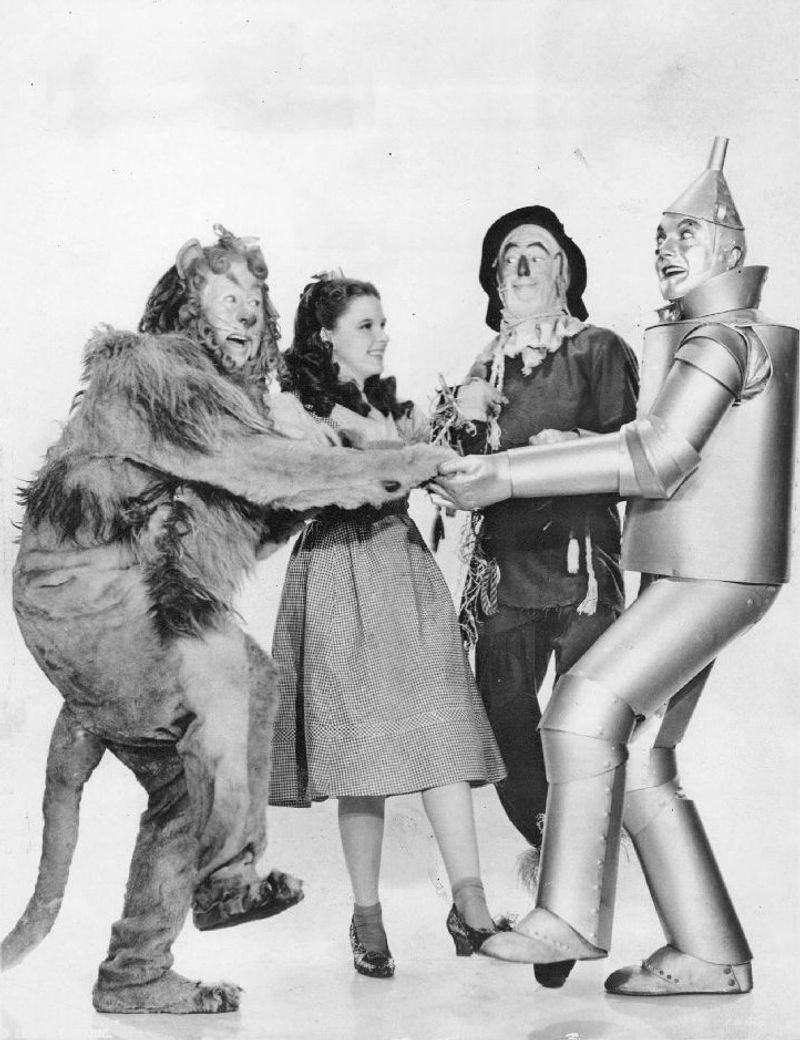
Eternal icon status emerged when Dorothy Gale appeared in Technicolor remake of 1925 silent film inspired by novel by L. Frank Baum, carried by performance from Judy Garland.
Transition from sepia-toned Kansas into vibrant Oz remains one of cinema most magical moments within The Wizard of Oz.
Songs like Over the Rainbow plus We’re Off to See the Wizard became part of American culture.
Generations grew up with film, turning experience into shared bond linking great-grandparents plus great-grandchildren, proving some stories truly hold home within hearts.
19. The Four Feathers (1939)
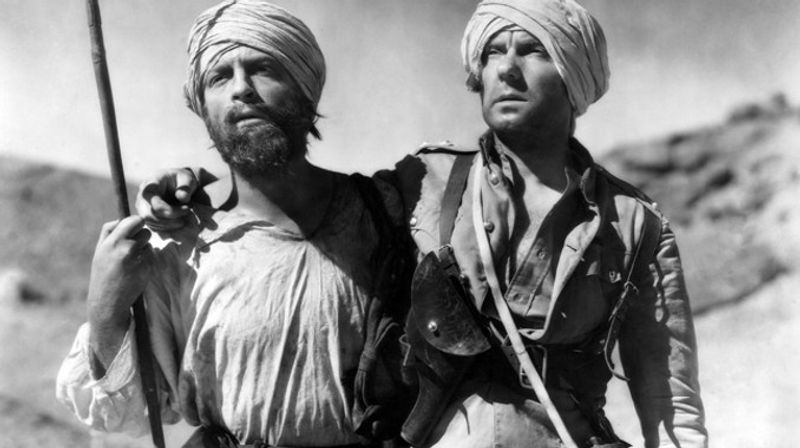
Spectacular Technicolor photography brought this remake of the 1929 silent film to vivid life, showcasing African landscapes with breathtaking beauty.
The story followed a British officer branded a coward who secretly redeems himself through acts of extraordinary bravery.
Themes of honor, courage, and redemption drove the narrative beyond simple adventure.
Director Zoltan Korda created sweeping vistas and intimate character moments that made this version the most acclaimed adaptation, reminding audiences that true courage often means facing our deepest fears when nobody’s watching.
20. Mutiny On The Bounty (1935)

Clark Gable and Charles Laughton delivered powerhouse performances in this remake of the 1916 silent film about the famous naval mutiny.
Laughton’s tyrannical Captain Bligh became one of cinema’s greatest villains, while Gable’s Fletcher Christian embodied heroic rebellion.
The film won Best Picture and featured stunning seafaring sequences that transported audiences to the 18th century.
Its exploration of authority, justice, and human dignity remains relevant today, making it essential viewing for anyone who believes that standing up against injustice matters, even when the odds seem impossible to overcome.