9 Films Where Character Development Defies Logic
Movies are supposed to take audiences on a journey, with characters growing in ways that feel authentic and earned. Sometimes, though, filmmakers take wild detours that leave viewers scratching their heads, asking, “Would they really do that?” A beloved hero might suddenly act in ways that contradict everything established, or a villain could shift motives with zero explanation.
These moments of bad character development can derail even the most exciting story, turning suspense into confusion and emotional payoff into frustration. Plot twists lose impact when actions feel forced, and carefully built tension collapses under inconsistent behavior.
Examining nine films notorious for this issue shows how easily a strong premise can be undermined by shaky writing. Character arcs that spiral off course, sudden personality shifts, and confusing moral choices remind fans that even the most polished productions can stumble when the heart of the story, the characters, fails to hold together.
1. Star Wars: The Last Jedi (2017)
Few moments shocked Star Wars fans more than watching Luke Skywalker, the galaxy’s greatest hero, nearly murder his sleeping nephew. That is not the Luke who faced Darth Vader with compassion and faith.
His transformation into a bitter, broken hermit felt like a stranger wearing a familiar face.
Director Rian Johnson wanted to subvert expectations, but many fans felt the execution crossed a line. Luke’s defining trait across the original trilogy was hope, yet here he tossed it away like old cargo.
Sometimes bold storytelling choices feel more like character assassination than genuine growth.
2. Toy Story 4 (2019)

Buzz Lightyear spent three films being bold, brave, and hilariously self-assured. So why did Toy Story 4 suddenly turn him into someone who consults his chest buttons like a Magic 8-Ball for life advice?
It played more like a running gag than real character work.
Bo Peep’s makeover was equally jarring. She went from a gentle, caring figure to a tough street-smart adventurer overnight, with zero story explaining the shift.
Pixar usually earns its emotional punches fair and square. This time, it felt like the script skipped a few very important chapters along the way.
3. Batman & Robin (1997)
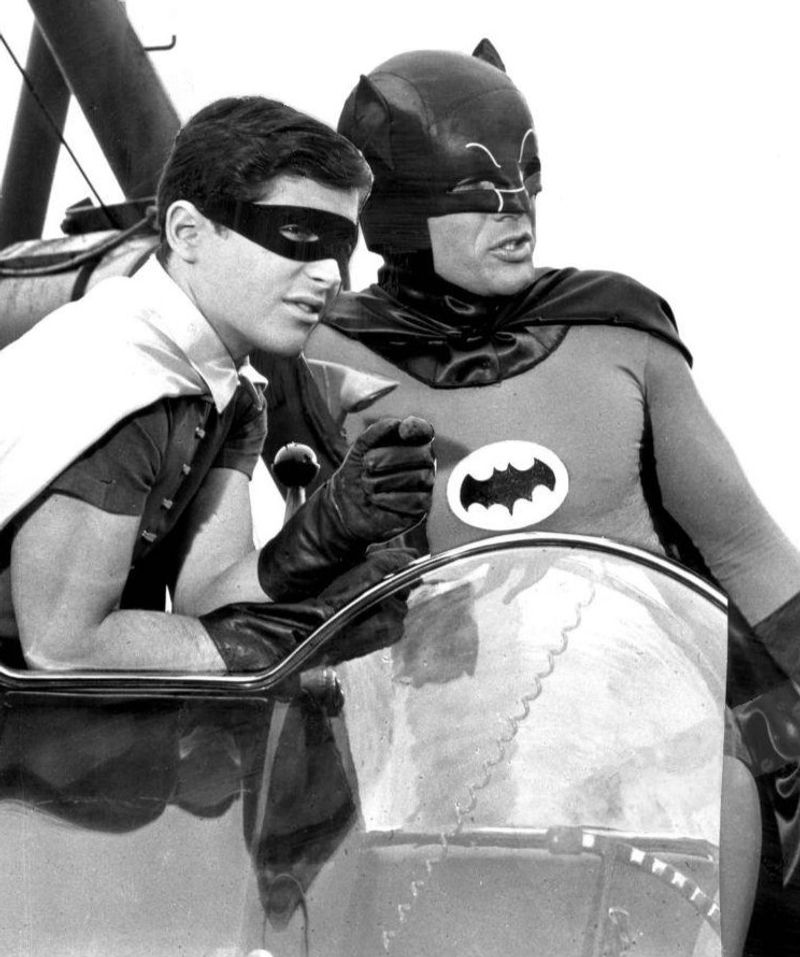
Joel Schumacher’s Batman and Robin is basically a master class in how not to write superhero characters. Batman, normally brooding and fiercely independent, suddenly spends half the movie bickering with Robin over a girl like they are in a teen sitcom.
Where did the Dark Knight go?
Robin’s arc is equally baffling. He whines, rebels, and almost destroys Gotham because he has a crush.
The emotional stakes feel paper-thin, and no character earns their decisions through meaningful story beats.
4. Thor: Love and Thunder (2022)
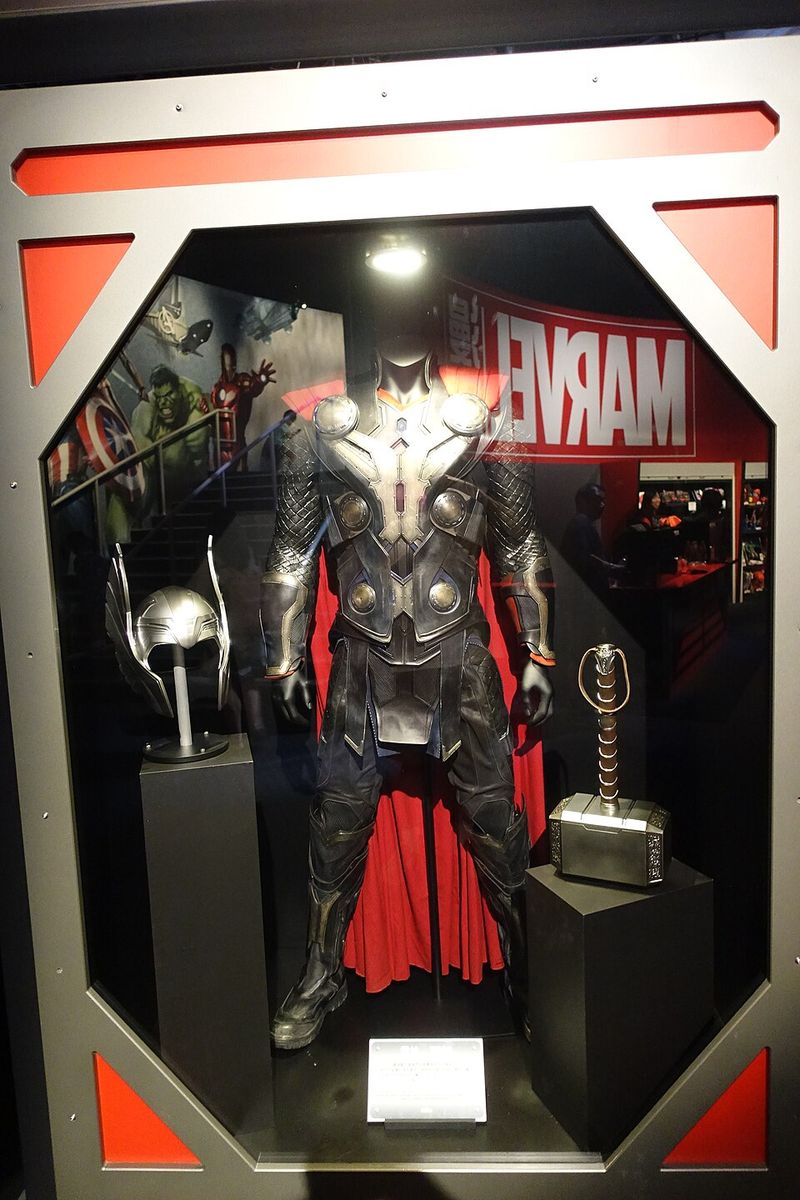
After Avengers: Endgame gave Thor one of the MCU’s most emotionally raw arcs, Love and Thunder walked it all back with pratfalls and screaming goats. Thor went from a deeply wounded hero rediscovering purpose to a lovesick goofball who barely felt like the same character.
Gorr the God Butcher, played brilliantly by Christian Bale, deserved a villain arc worthy of his screen presence. Instead, even he got shortchanged by a story more interested in jokes than emotional payoff.
Taika Waititi’s humor is usually a strength, but here it bulldozed the character work audiences had invested years caring about.
5. Indiana Jones and the Dial of Destiny (2023)

Harrison Ford deserved a send-off as legendary as the man himself. Instead, Indiana Jones and the Dial of Destiny opened with Indy depressed, retired, and barely resembling the witty, resourceful adventurer fans have loved since 1981.
It felt less like a conclusion and more like a goodbye note written by someone who had never met the character.
Helena, his goddaughter, starts as a self-serving rogue but pivots to hero without enough story justification. Villain Voller’s motivations shift awkwardly too.
When a film’s characters feel like they are reacting to plot demands rather than their own inner logic, audiences notice immediately.
6. Grease (1978)
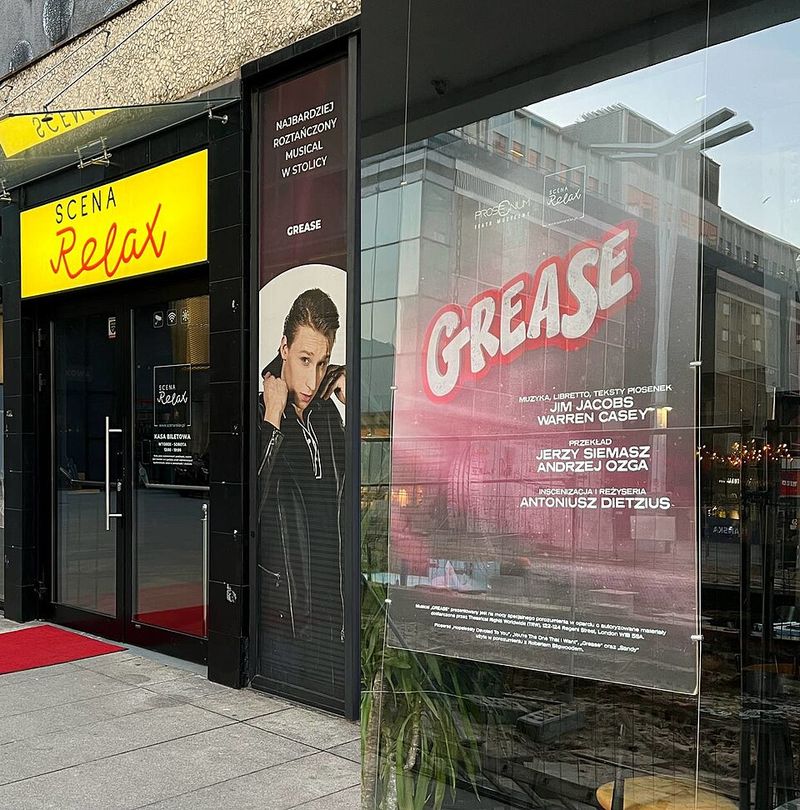
Grease is an all-time classic, but let’s be honest about Sandy’s finale. After an entire film about staying true to herself, she completely changes her personality, wardrobe, and values to impress Danny.
If that message landed in a school essay today, it would earn a serious red pen.
Danny does briefly try joining the track team for her, but that subplot evaporates quickly. Sandy’s transformation gets the big musical number, the applause, and the happy ending.
How a film this beloved managed to center its climax on “change yourself for a boy” without blinking remains one of cinema’s great mysteries.
7. Fantastic Four (2015)

Josh Trank’s Fantastic Four reboot is remembered for many things, and sadly none of them are good character arcs. Reed Richards, one of Marvel’s most brilliant and compassionate scientists, spends most of the film being passive and emotionally unavailable.
Where is the genius who inspires people?
Doctor Doom’s transformation from brooding loner to skull-melting monster happens so fast you barely have time to blink. The film skips the connective tissue that makes a villain feel earned.
Characters need time to breathe, fail, and grow on screen. Here, everyone just kind of… happens, like background extras in their own origin story.
8. Transformers: Age of Extinction (2014)
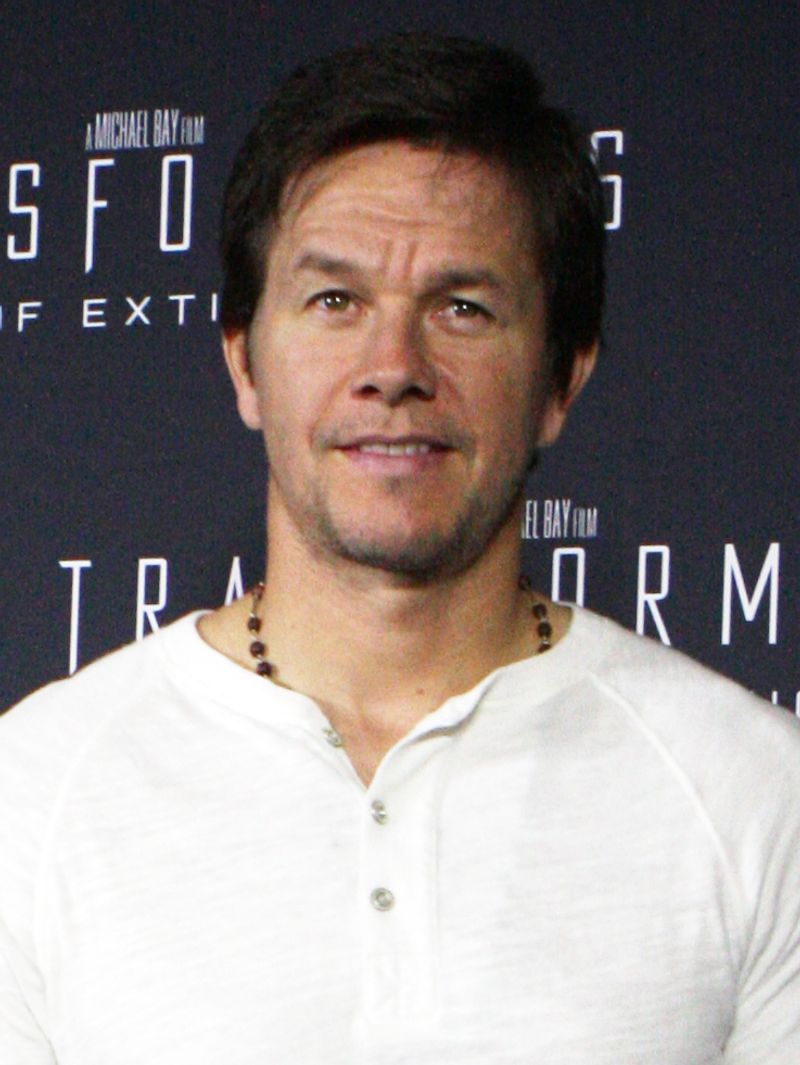
Cade Yeager, played by Mark Wahlberg, arrives as a protective father fiercely guarding his teenage daughter. That is a solid starting point.
However, within the same film, he practically hands her off to her secret older boyfriend and shrugs it off like it never happened. Consistency?
Never heard of it.
Optimus Prime’s arc is even wilder. He goes from noble protector of humanity to threatening to destroy Earth in a fit of rage.
Four films of selfless heroism, erased in one dramatic speech. When characters abandon their core beliefs without meaningful story justification, audiences stop trusting the story entirely.
And honestly, fair enough.
9. Prometheus (2012)
Prometheus asked enormous questions about human origins and then filled its cast with scientists who behaved like they had never taken a single science class. Charlie Holloway goes from passionate believer to nihilistic wreck within one disappointing data point.
That is not character development. That is a mood swing written by a plot outline.
Meredith Vickers is set up as cold, calculating, and razor-sharp, then runs in a straight line from a falling circular spacecraft and gets crushed. Even the script seemed to forget who she was.
If your characters make choices that would embarrass a first-year logic student, audiences will notice and remember.