12 Films Marketed As True Stories That Took Major Creative Liberties
“Based on a true story” can feel like a trust handshake between a film and its audience, yet that phrase covers a wide spectrum.
Some movies stick closely to the record while smoothing rough edges for pacing.
Others reshape timelines, merge real people into composite characters, or invent scenes that never happened, all to land a cleaner arc, a sharper villain, or a more satisfying ending.
Marketing often leans hard on the true-story hook because reality carries instant weight, even when the finished screenplay plays fast and loose with the facts.
None of that automatically makes the result bad. Craft can still shine, performances can still hit, and the emotional core can still ring true. Still, it helps to know where the story ends and the storytelling begins.
1. Argo (2012)
The Oscar-winning film minimized Canada’s major role in the real-life rescue operation, a creative choice that struck a sour note with audiences north of the border.
The Canadian ambassador and his wife sheltered the Americans and did most of the heavy lifting, but the film made it look like a mostly American show.
That nail-biting airport chase scene? Totally fabricated for maximum adrenaline.
The real departure was surprisingly calm and uneventful.
The film also reshaped how other countries contributed, amping up danger where there wasn’t much to create Hollywood-worthy suspense.
2. The Imitation Game (2014)
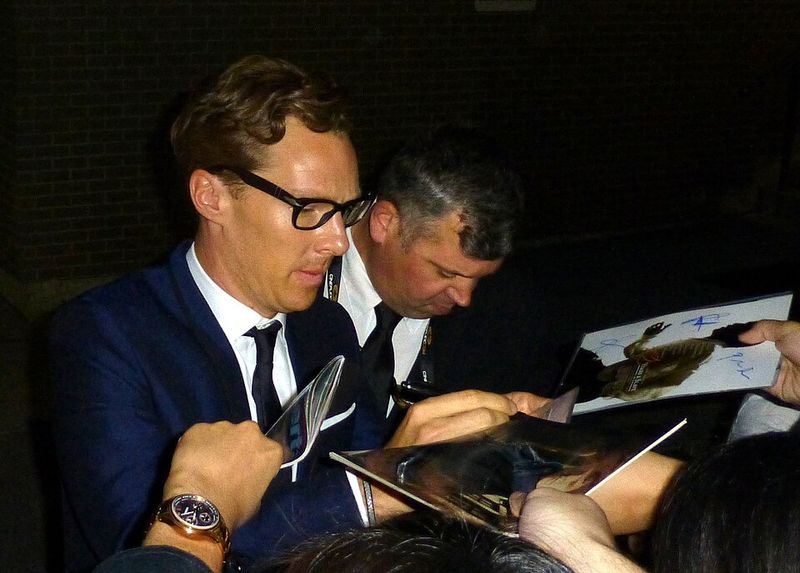
A powerhouse performance anchored the film, but Benedict Cumberbatch’s portrayal drew criticism after Alan Turing’s biographer objected to several scenes that were invented for dramatic effect.
The film created fictional conflicts with teammates and reshaped Turing’s personality to fit a more traditional underdog narrative that screenwriters love.
Key relationships got Hollywood makeovers, including how Turing interacted with colleagues at Bletchley Park. The movie also simplified the brilliant mathematician’s complex life into a cleaner three-act structure.
3. Bohemian Rhapsody (2018)
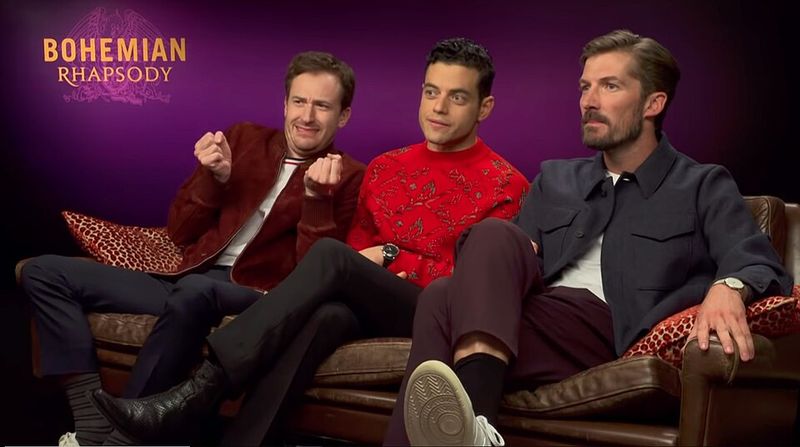
Rami Malek’s jaw-dropping performance earned him an Oscar, but the film shuffled Queen’s timeline like a playlist on shuffle mode.
Freddie Mercury’s diagnosis happened much later than shown, and the band never actually broke up before Live Aid like the movie dramatically suggests.
Major events got rearranged to build a cleaner redemption arc that works better cinematically than chronologically.
The film compressed years of band history and moved personal milestones around to create emotional peaks in all the right places.
4. U-571 (2000)

This submarine thriller angered British veterans by giving American sailors credit for capturing the Enigma machine.
In reality, British forces seized the first naval Enigma years before the U.S. even entered the war, making this swap pretty awkward historically speaking.
The film compressed multiple real operations into one fictional mission, changing nationalities and timelines like shuffling a deck of cards. Even the British Parliament debated the movie’s historical liberties.
5. Catch Me If You Can (2002)
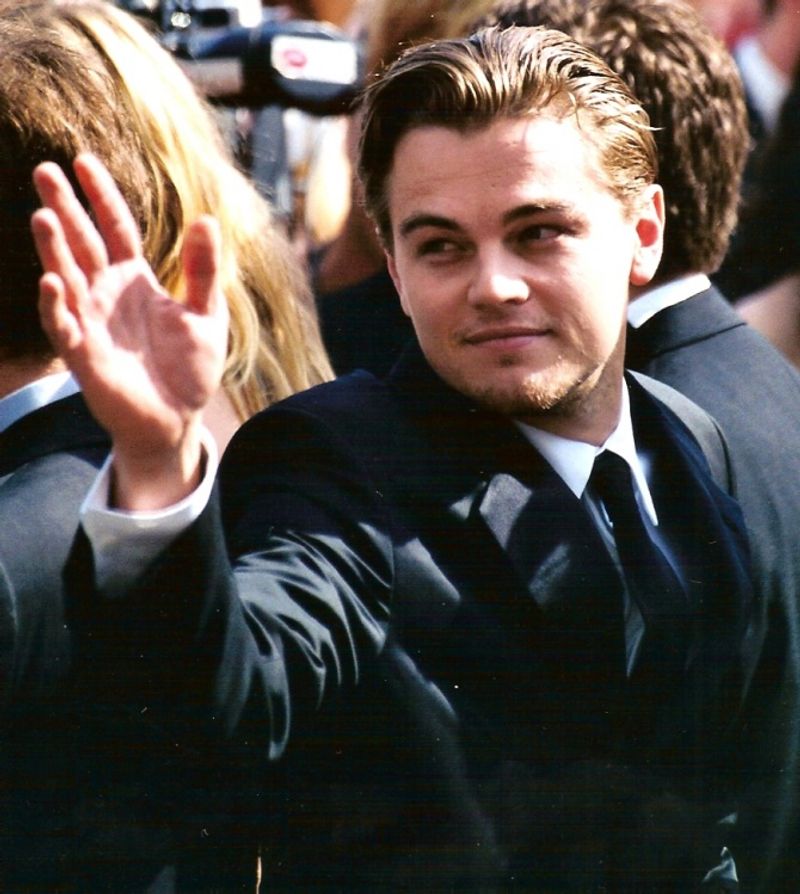
Audiences were won over by Leonardo DiCaprio’s take on teen con artist Frank Abagnale Jr., but later investigations have cast serious doubt on how much of the story truly happened.
Journalists and researchers digging through records found major gaps between Abagnale’s claims and verifiable facts, like a detective story in reverse.
Some of his most famous exploits may have been exaggerated or invented entirely for his lucrative speaking career.
The romantic subplots were Hollywood additions, and even his time as a fake pilot faces scrutiny.
6. A Beautiful Mind (2001)
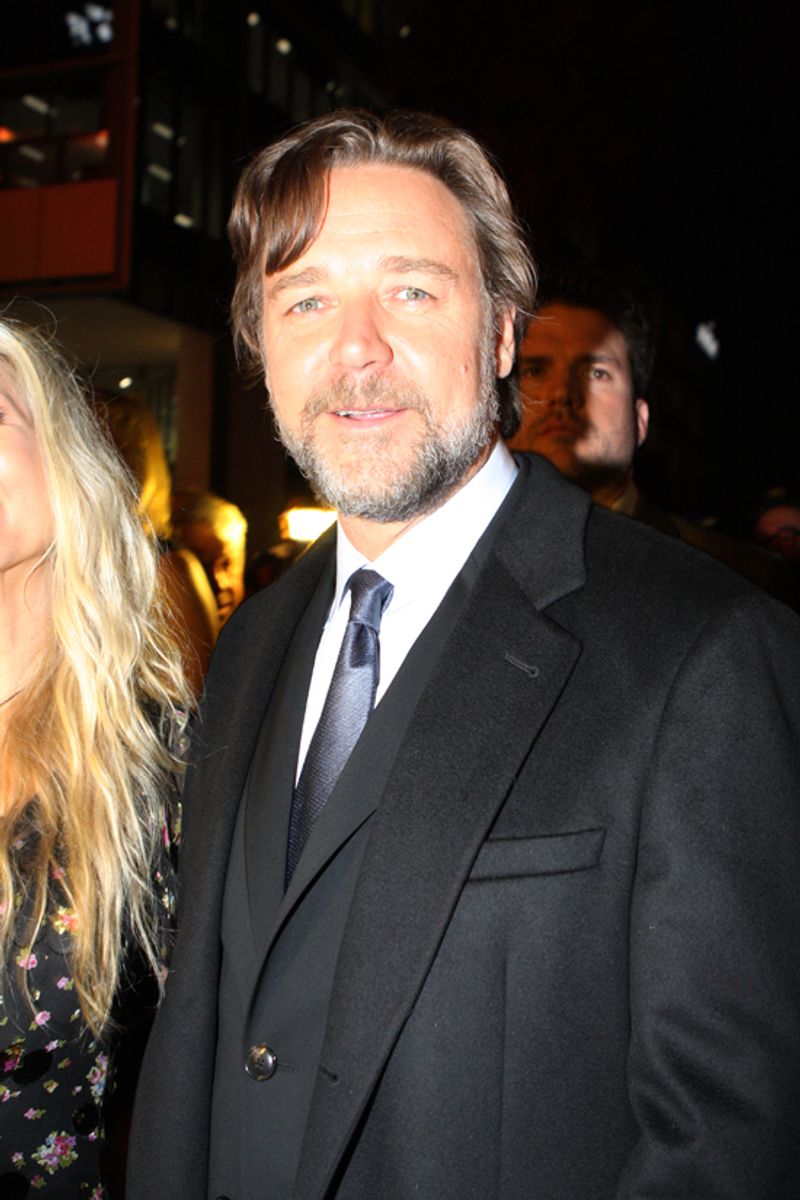
Awards followed Russell Crowe’s portrayal of mathematician John Nash, but the film added visual hallucinations that Nash did not actually experience.
The real Nash dealt with auditory hallucinations, but filmmakers needed something more cinematic, so they created imaginary people for that big reveal twist.
His relationship with his wife was simplified and sanitized, omitting complexities that didn’t fit the redemption storyline.
While it brought attention to mental illness, psychiatrists noted it misrepresented schizophrenia symptoms in ways that confused public understanding.
7. Braveheart (1995)
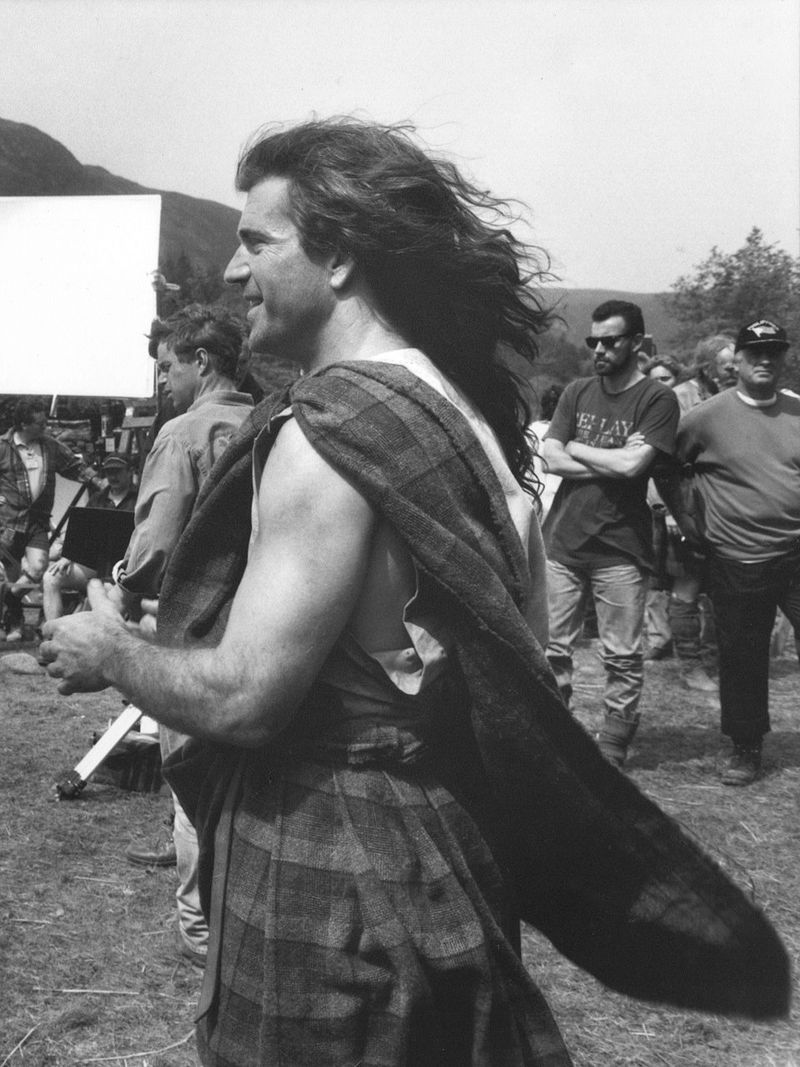
Mel Gibson’s Scottish freedom fighter became a cultural icon, but historians practically needed smelling salts after watching this one.
That famous blue face paint? Medieval Scots never rocked that look, it belonged to ancient Picts who lived centuries earlier.
The film also invented romantic storylines and political meetings that never happened. Even Wallace’s iconic kilt was about 300 years too early for the period.
Historical accuracy took a backseat to epic battle sequences and emotional gut-punches that made audiences cheer despite the timeline gymnastics happening onscreen.
8. Patch Adams (1998)
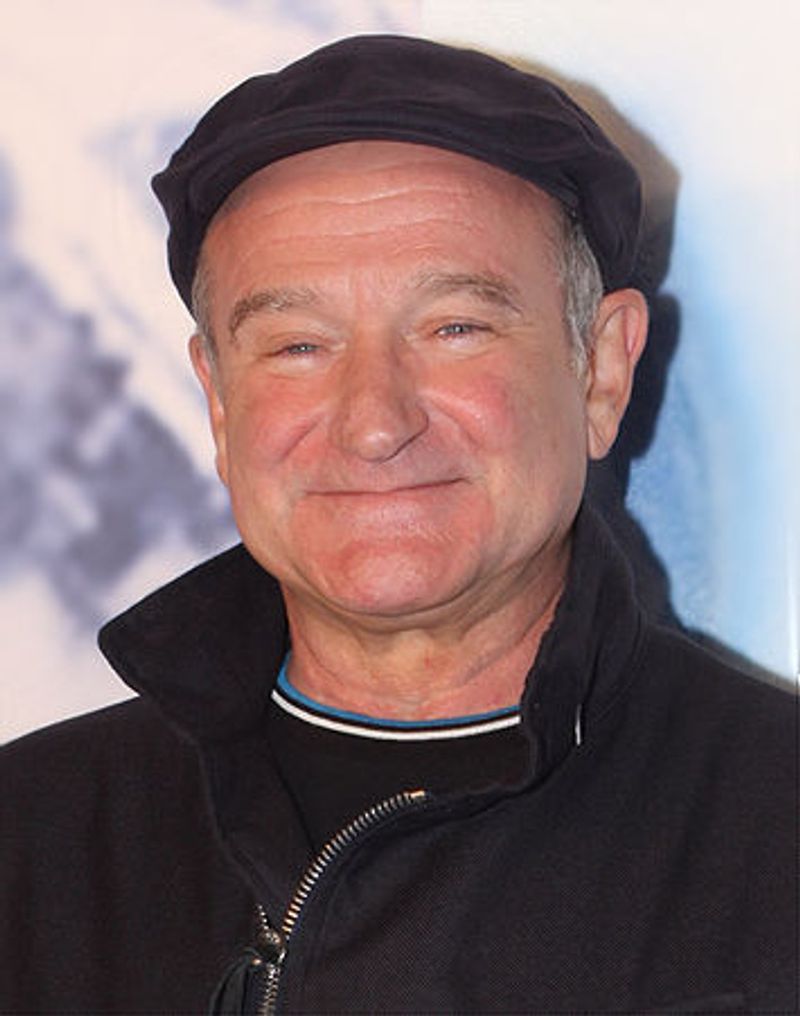
Trademark warmth carried Robin Williams’ performance, but the real Patch Adams has long criticized how Hollywood reshaped his life and philosophy for the screen.
The actual doctor felt the film completely misunderstood his approach to medicine and turned serious healthcare reform ideas into sentimental fluff.
Adams has stated the movie reduced his complex vision for medical practice to simplistic clowning around.
The film’s portrayal of his methods and motivations missed the point so badly that its subject became one of its harshest critics.
9. The Texas Chain Saw Massacre (1974)
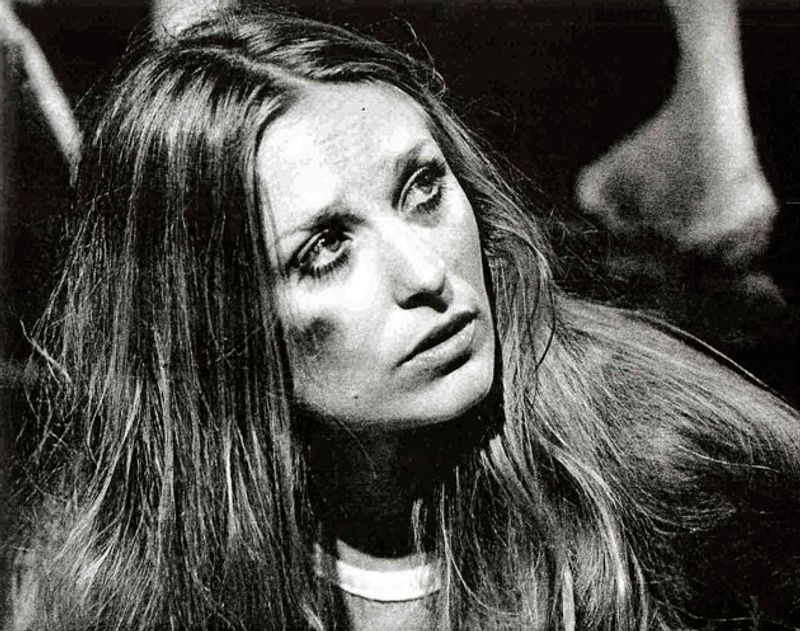
That opening crawl claiming this actually happened? Total horror movie marketing genius, not actual fact.
The film was loosely inspired by Wisconsin’s Ed Gein, but there was never a chainsaw-wielding family terrorizing Texas backroads like the movie depicts in gruesome detail.
Director Tobe Hooper borrowed the idea of using human remains for household items from Gein’s crimes, then invented everything else.
No chainsaw massacres occurred, and the specific story is pure fiction designed to maximize terror.
The “true story” label was brilliant marketing that made the horror feel more immediate and disturbing to unsuspecting audiences.
10. The Conjuring (2013)

This supernatural thriller carries “based on a true story” branding, but the real-life Warrens’ cases have been disputed for decades.
Skeptics have challenged many of their paranormal claims, and some families involved in their investigations have later contradicted the Warrens’ versions of events through legal disputes.
The film presents the Warrens’ accounts as factual without acknowledging ongoing controversies about their work.
Many of the scariest moments are creative embellishments rather than documented occurrences.
11. The Pursuit of Happyness (2006)
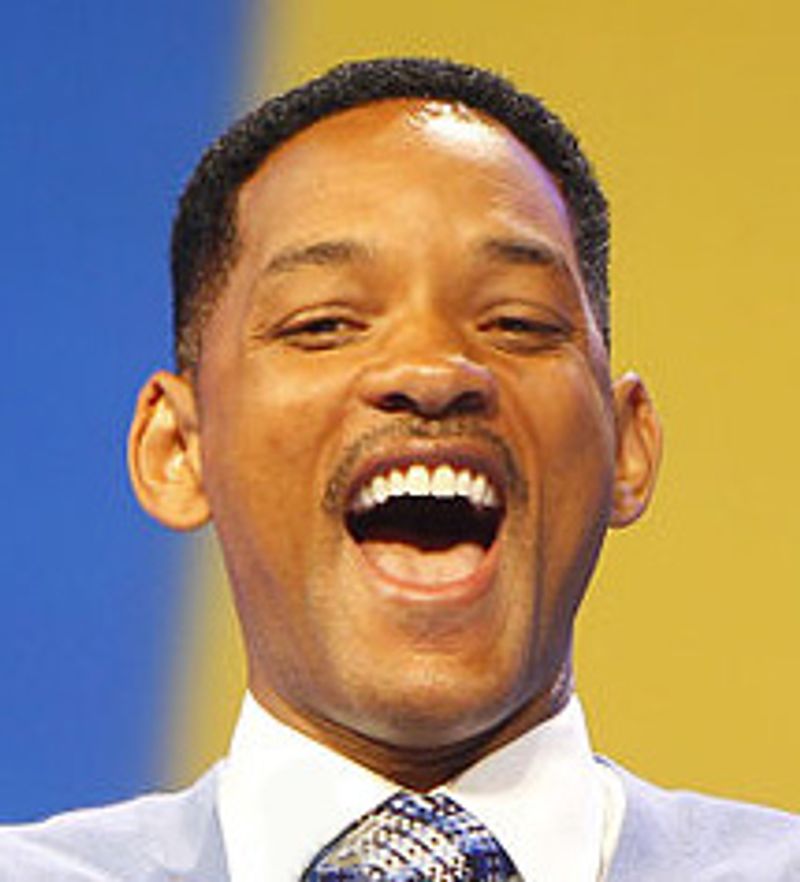
The tearjerker leaned on a key inaccuracy that the real Chris Gardner has publicly addressed himself.
The film shortened Gardner’s journey and adjusted certain details to fit a cleaner rags-to-riches story that audiences could follow without getting lost in complications.
Timeline adjustments and simplified relationships helped create emotional beats that land harder on screen than messy reality might allow.
Some struggles were emphasized while others were minimized to maintain focus on the central father-son relationship.
12. The Hurricane (1999)
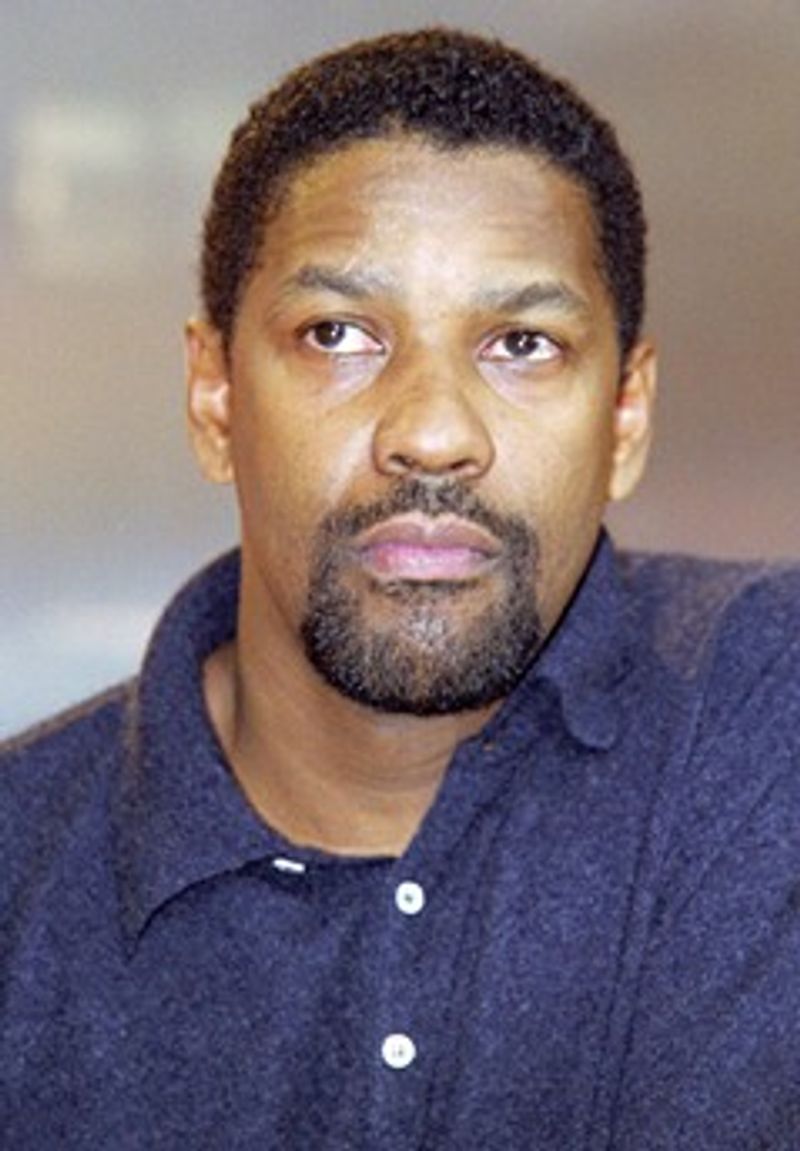
Denzel Washington delivered powerful performances as wrongly imprisoned boxer Rubin Carter, but the film has been criticized for reshaping who did what in the lengthy legal battle.
The movie simplified the complicated network of lawyers, activists, and supporters who worked for years to free Carter into a more focused narrative.
Key omissions and narrative choices altered how Carter’s case actually progressed through the justice system.
Some people who played significant roles in the real story were minimized or excluded entirely.