15 Old Films That Tried To Predict The Future And Failed
Hollywood has always loved playing fortune teller, gazing into its crystal ball and guessing what tomorrow might bring.
Sometimes those guesses were hilariously off the mark, imagining flying cars and robot butlers that never quite materialized.
These classic films took their best shot at predicting our future, but reality had other plans entirely.
1. Blade Runner

Ridley Scott painted 2019 Los Angeles with neon-soaked streets, flying police cars, and off-world colonies where replicants toiled away.
Reality check: we got rideshare apps and electric scooters instead.
Though the film nailed the dystopian vibe and corporate dominance, those Spinner vehicles remain firmly grounded in our imaginations.
The aesthetic was spot-on cyberpunk, but the tech predictions missed their landing pad entirely.
2. Logan’s Run
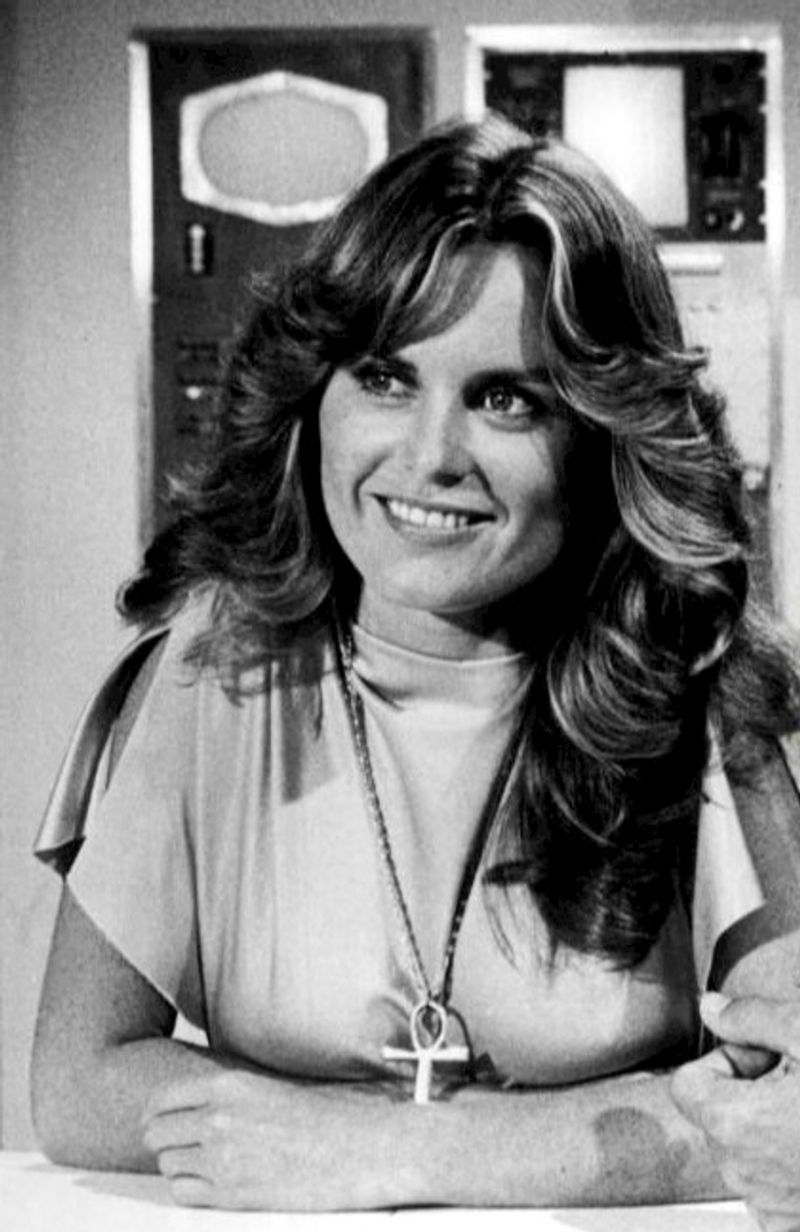
Imagine turning 30 and getting vaporized in a fancy carousel ceremony because society decided population control needed dramatic flair.
This 1976 film bet on domed cities and mandatory termination ages that never became policy anywhere, thankfully.
While overpopulation concerns exist, no government has implemented glowing crystal hand implants as life clocks.
The fashion was gloriously 70s disco-futuristic, but the premise remains pure dystopian fantasy that didn’t age well beyond its cult status.
3. 2001: A Space Odyssey
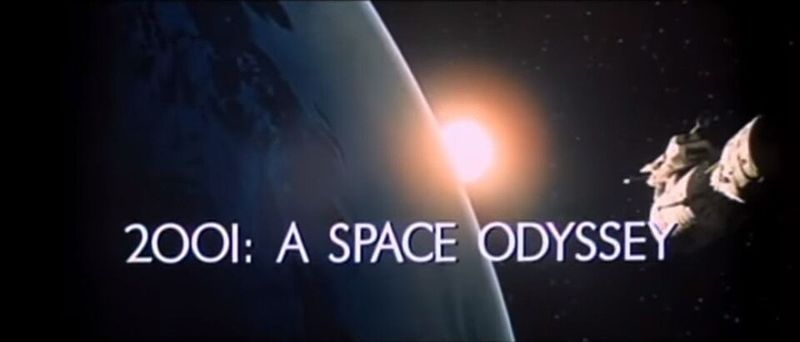
Stanley Kubrick envisioned lunar bases, commercial space flights, and HAL 9000 chatting with astronauts by the turn of the millennium.
Fast forward to actual 2001, and we were still using dial-up internet while arguing about Y2K leftovers.
Space tourism existed only for billionaires, not everyday travelers.
The monolith remains undiscovered, and sentient AI thankfully hasn’t locked us out of any spaceships yet, though Siri occasionally comes close to HAL’s stubbornness.
4. Escape from New York

By 1997, Manhattan had been reimagined as America’s ultimate maximum-security prison, with deserted streets and the lone figure of Snake Plissken slipping through the chaos in Escape from New York, directed by John Carpenter.
Spoiler alert: Manhattan remained a pricey real estate market instead of a walled penitentiary.
Crime rates actually dropped significantly through the 90s rather than spiraling into apocalyptic chaos.
The Big Apple kept its theaters, restaurants, and sky-high rent prices instead of becoming a lawless detention center for the nation’s worst criminals seeking urban exile.
5. Soylent Green
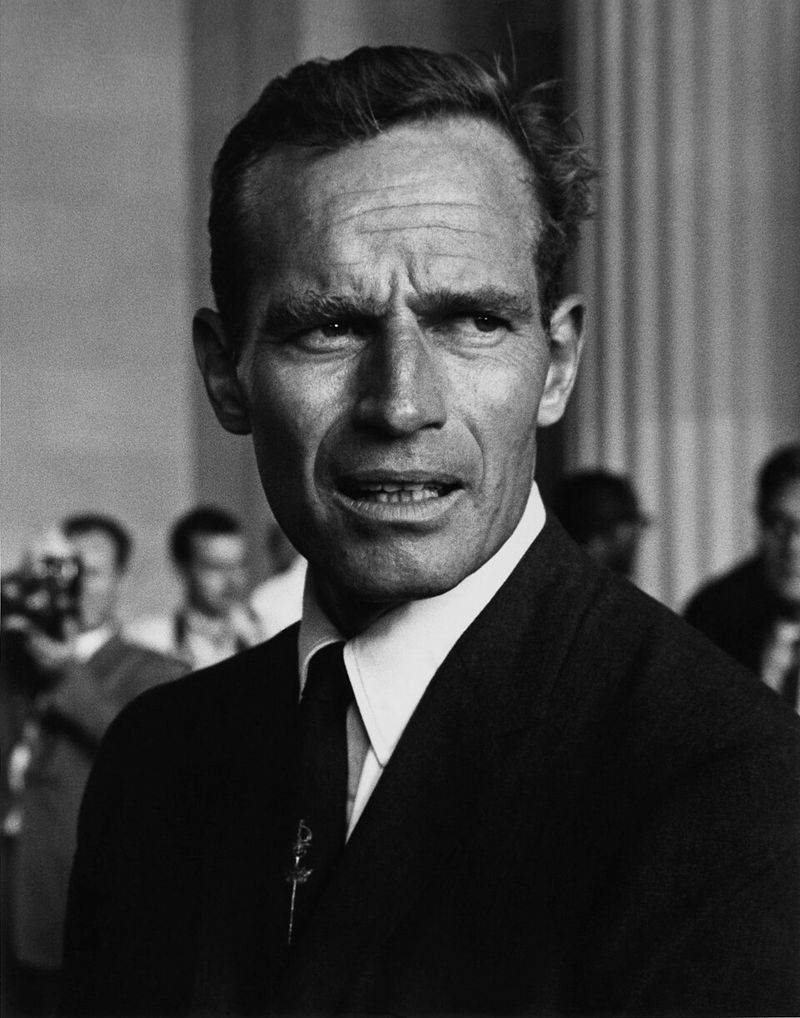
Charlton Heston discovered the horrifying truth about processed food rations in an overpopulated 2022 New York drowning in pollution and poverty.
While 2022 brought its own challenges, we weren’t eating mystery wafers made from questionable ingredients.
Climate concerns exist, but society hasn’t collapsed into the desperate scenario depicted here.
6. Back to the Future Part II
This imagined version of 2015 leaned hard into futuristic excess, filling Marty McFly’s world with hoverboards, self-lacing sneakers, flying DeLoreans, and even fax machines everywhere.
Reality delivered smartphones and streaming services instead.
Nike eventually made self-lacing shoes as a novelty, but hoverboards became those wheeled scooter things that kept catching fire.
The film got video calls and biometric security right, but wildly overestimated our love for fax technology and underestimated our addiction to social media scrolling.
7. The Running Man
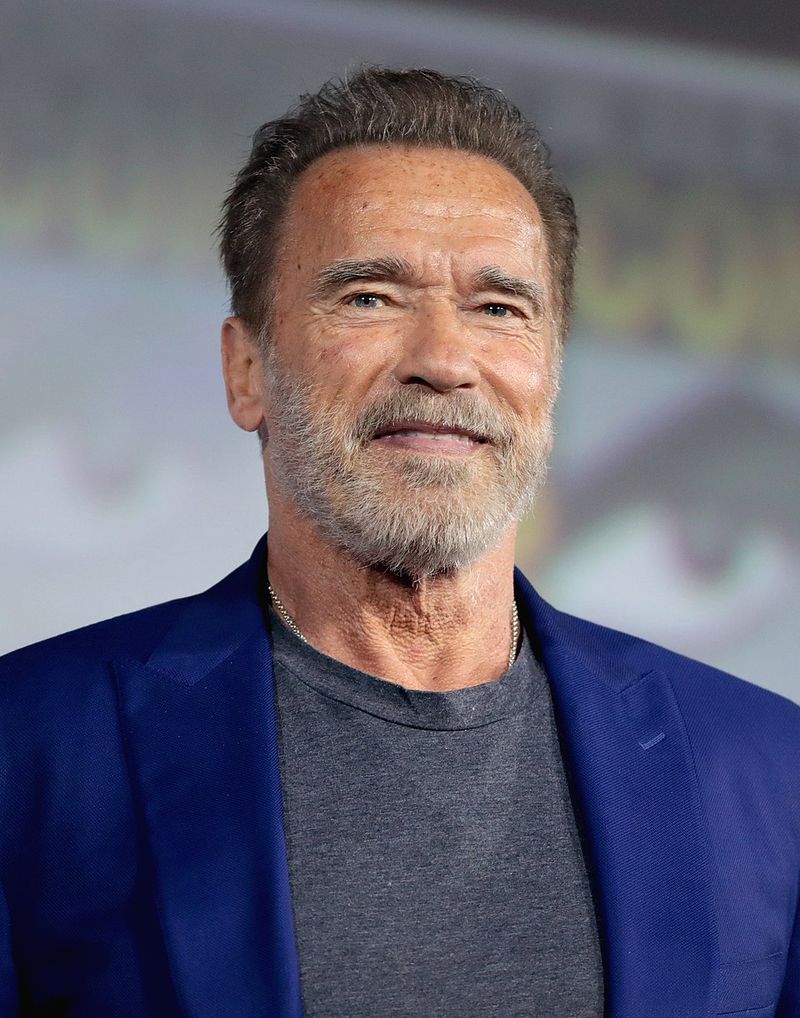
Arnold Schwarzenegger fought for survival in televised death matches broadcast to a dystopian 2017 America obsessed with violent reality TV.
While reality television certainly exploded in popularity, nobody’s actually hunting contestants with chainsaws and flamethrowers for prime-time entertainment.
Competition shows got intense, sure, but they stopped short of actual murder.
8. Total Recall

Arnold’s character headed to Mars for adventure tourism and discovered alien atmosphere generators hidden beneath the red planet’s surface.
Actual Mars exploration involves lonely rovers taking selfies and collecting rock samples instead of thriving colonies.
Memory implants remain science fiction, though virtual reality headsets let us pretend convincingly.
Space tourism exists for billionaires visiting orbit briefly, but colonizing Mars by 2084 seems increasingly optimistic given current rocket development timelines and budget constraints facing space agencies worldwide.
9. Demolition Man
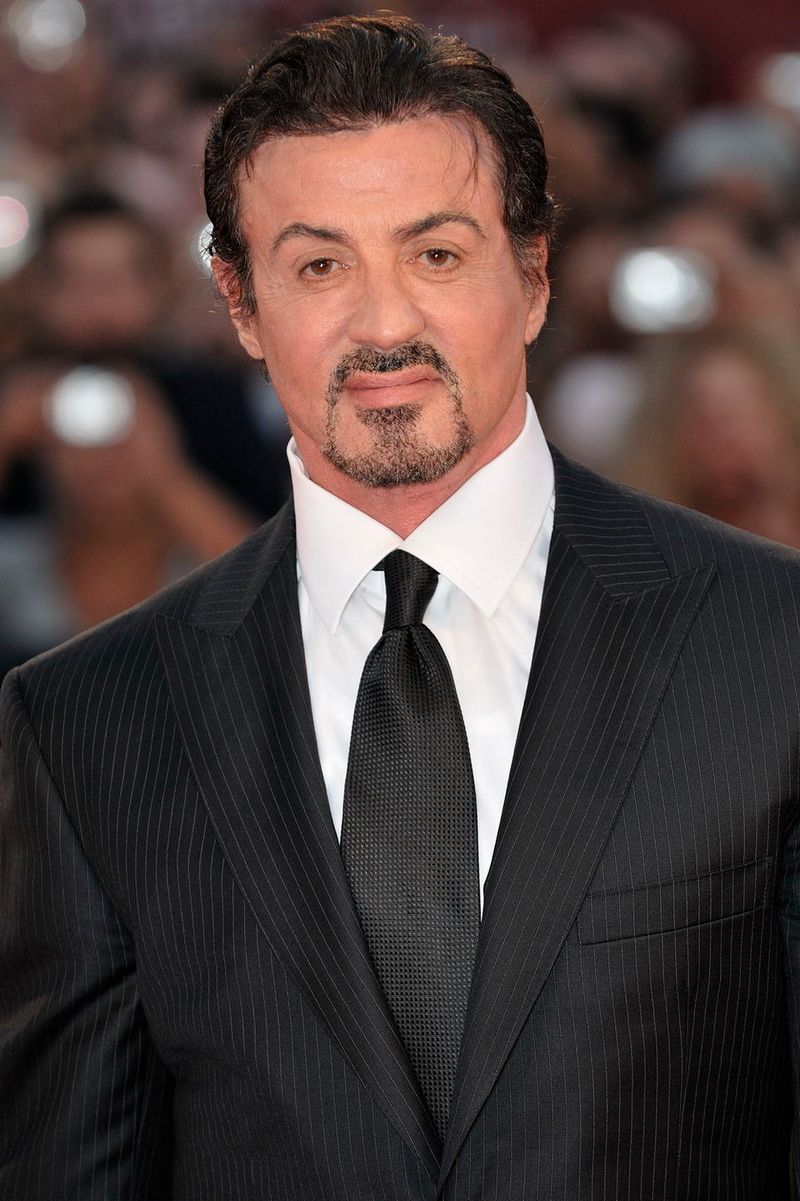
Sylvester Stallone woke up in 2032 to discover a sanitized society where physical contact was illegal, Taco Bell won the franchise wars, and nobody could explain those three seashells.
COVID-19 briefly made contactless living relatable, but society didn’t permanently ban handshakes or swearing.
Fast food chains continue battling for supremacy, though no single winner has emerged victorious.
10. THX 1138
George Lucas’s debut film portrayed a sterile underground society where emotions were chemically suppressed and surveillance monitored every citizen constantly.
While privacy concerns and surveillance technology increased dramatically, governments haven’t mandated emotion-suppressing drugs or shaved everyone’s heads for conformity.
Social media surveillance feels invasive, but we chose that voluntarily for cat videos.
11. The Omega Man
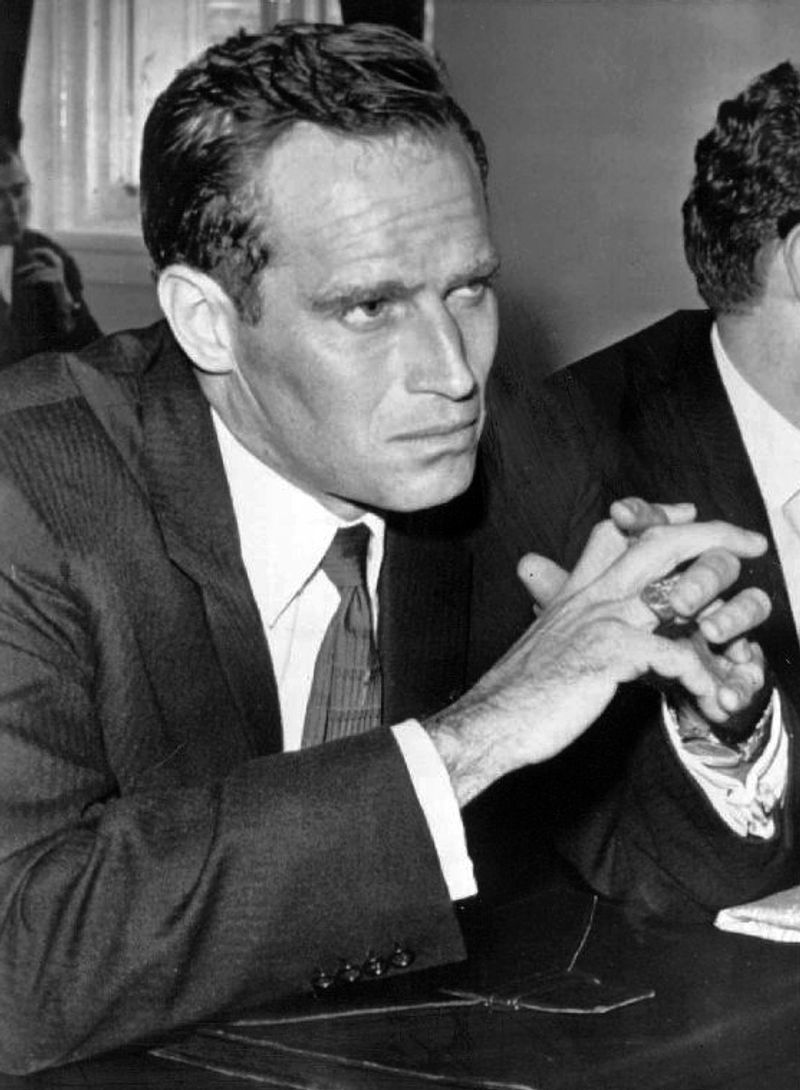
Once again cast as humanity’s last line of defense, Charlton Heston battles the aftermath of biological warfare that wipes out civilization by 1977, fending off mutant survivors in The Omega Man.
Obviously, 1977 came and went without apocalyptic plague warfare destroying civilization.
Biological threats remain serious concerns, but humanity survived into the 21st century relatively intact.
12. Planet of the Apes

Astronauts discovered Earth’s future ruled by intelligent apes after nuclear war destroyed human civilization completely.
Spoiler: humans remained in charge, and apes continue living in zoos rather than building societies with courtrooms and horseback riding.
Nuclear anxiety drove Cold War-era storytelling, but mutual destruction didn’t occur.
13. Johnny Mnemonic
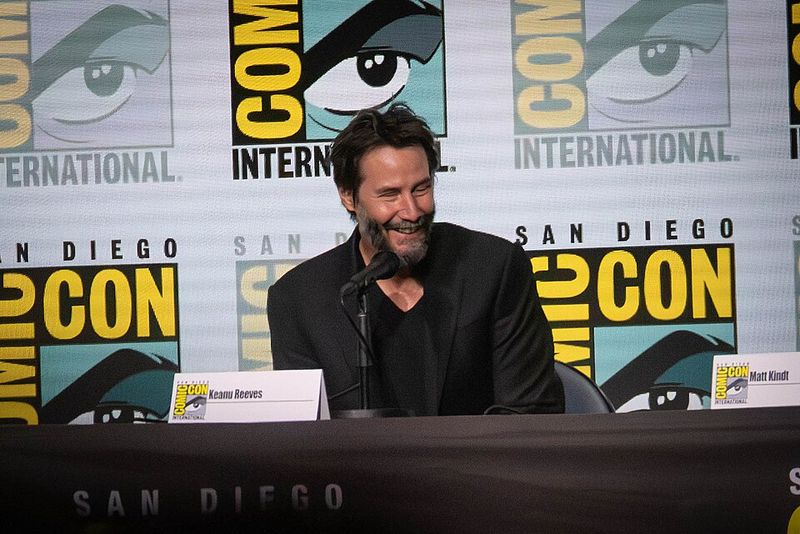
In Johnny Mnemonic, Keanu Reeves stored gigabytes of corporate data directly in his brain implant, risking neural overload by 2021.
Actual 2021 brought cloud storage and smartphones with terabytes instead of wetware implants.
Brain-computer interfaces remain experimental medical devices rather than data storage solutions.
The film predicted internet addiction and corporate data wars accurately, though our information overload comes from doomscrolling social media rather than literal brain uploads causing headaches and nosebleeds.
14. A Clockwork Orange

Stanley Kubrick adapted Anthony Burgess’s novel about near-future social collapse, youth gang violence, and controversial psychological conditioning experiments.
While juvenile delinquency concerns persist across generations, society didn’t collapse into the stylized ultra-violence depicted here.
Behavioral psychology advanced, but not toward forced aversion therapy for criminals.
15. Virtuosity
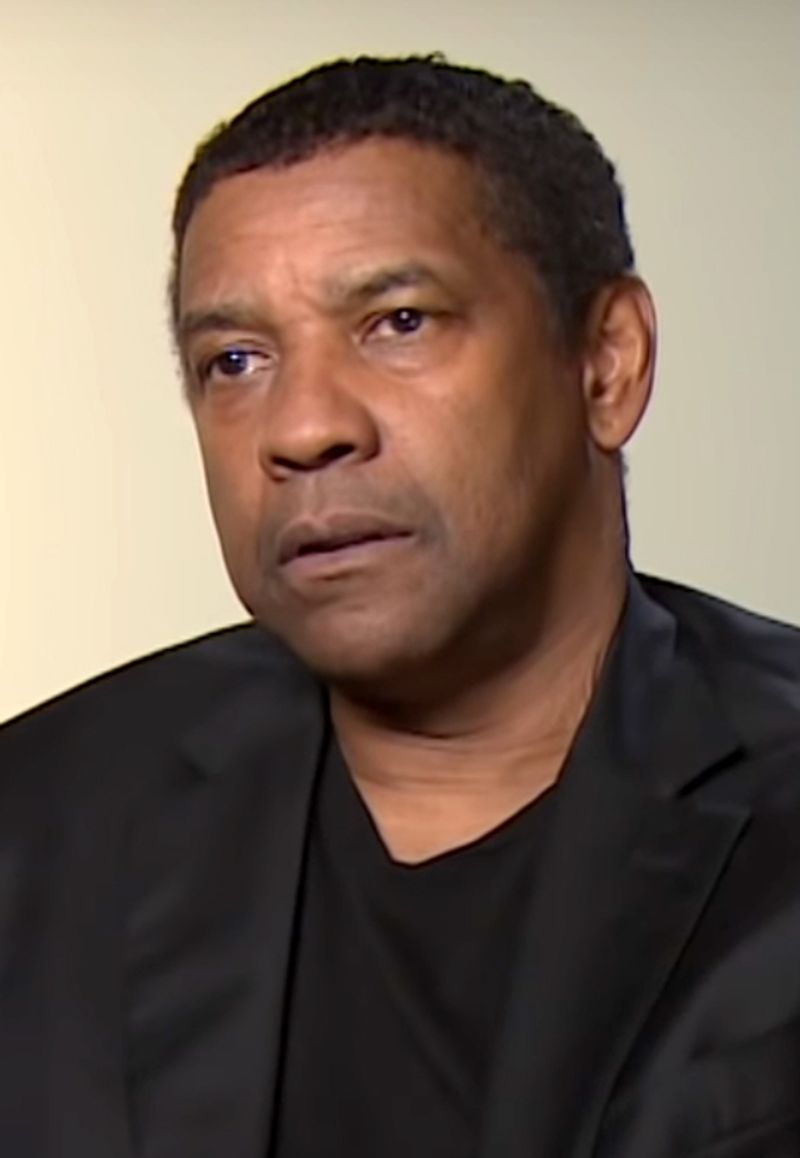
Denzel Washington chased an AI villain created by combining personality profiles of history’s worst serial killers into one virtual reality entity.
Artificial intelligence advanced significantly, but nobody’s programming composite murder personalities for entertainment or research purposes.
Virtual reality gaming exploded in popularity without creating sentient psychopathic programs.