20 Films That Redefined Cinema In The 2000s
Picture a decade when filmmakers stopped playing it safe and started bending every rule in the book.
The 2000s gave us movies that didn’t just entertain—they changed how stories could be told on screen, mixing groundbreaking technology with bold artistic risks.
These films proved cinema could be smarter, weirder, and more unforgettable than anyone imagined.
1. Spirited Away (2001)
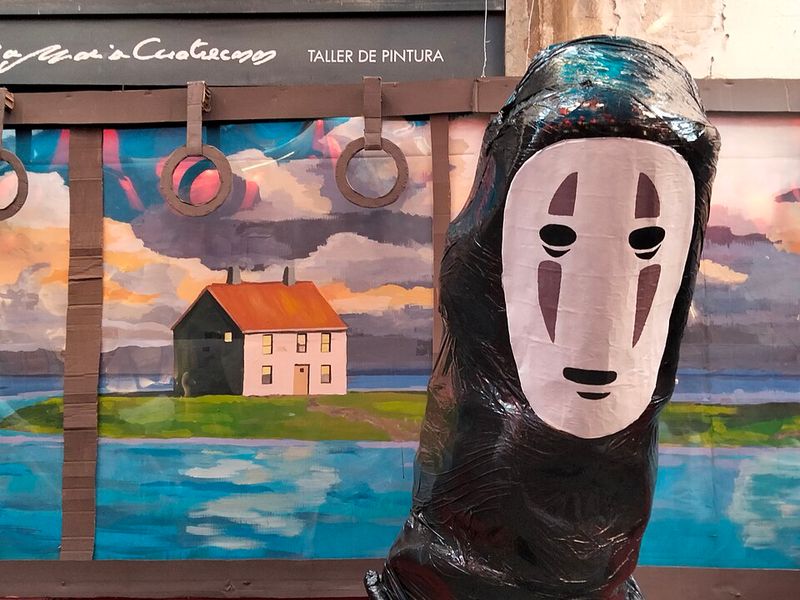
Hayao Miyazaki crafted a hand-drawn masterpiece that proved animation could compete with any live-action drama.
When ten-year-old Chihiro stumbles into a spirit world to save her parents, audiences worldwide fell under its spell.
It snagged the Oscar for Best Animated Feature and remains the only hand-drawn film to achieve that honor.
Every frame bursts with imagination, from bathhouse spirits to the mysterious No-Face character.
This film showed Hollywood that animation wasn’t just for kids anymore.
2. The Dark Knight (2008)
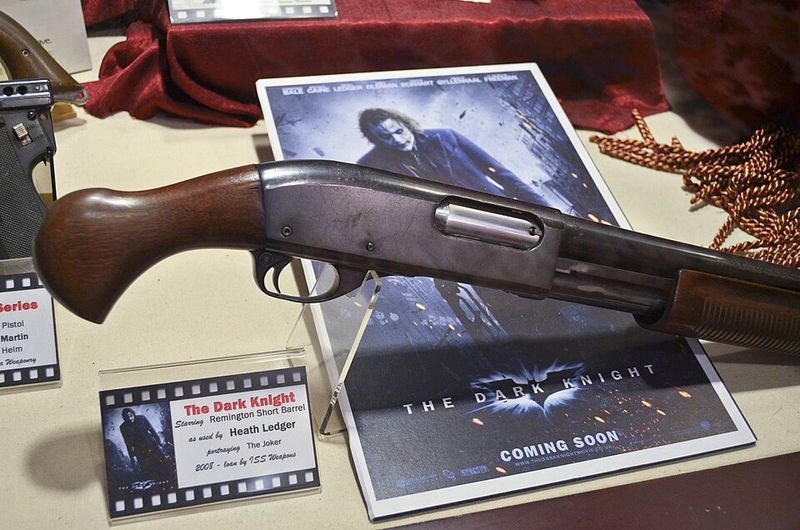
Christopher Nolan transformed superhero movies from popcorn entertainment into serious cinema.
Heath Ledger’s Joker became the villain every other movie tried to copy, earning him a posthumous Academy Award.
Instead of bright costumes and simple good-versus-evil plots, we got moral dilemmas that kept philosophers talking for years.
The film’s gritty realism made comic book adaptations respectable among critics who’d previously dismissed the genre.
Suddenly, capes and cowls meant something deeper than Saturday morning cartoons.
3. Avatar (2009)
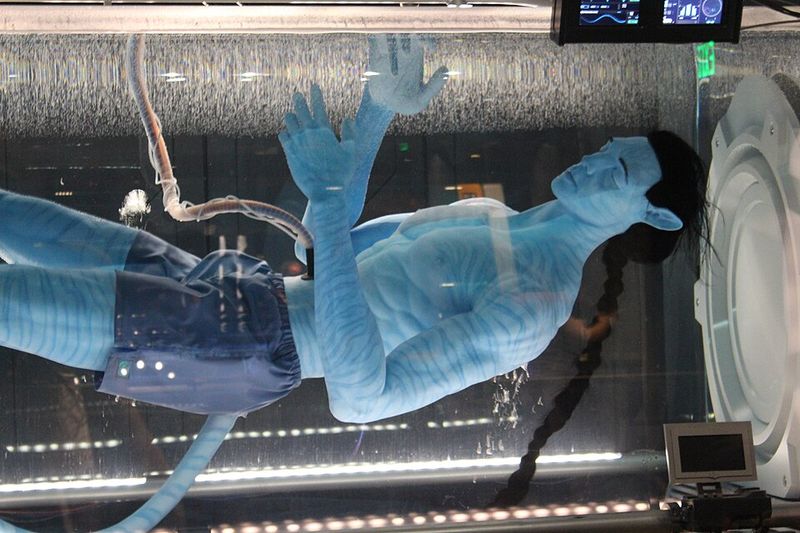
James Cameron spent years developing technology that didn’t even exist yet, just to bring his alien world to life.
When Avatar finally hit theaters, it revolutionized 3D cinema and became the highest-grossing film ever (until 2019).
The visual effects were so stunning that other filmmakers had to completely rethink what was possible on screen.
Sure, the story borrowed from classics like Pocahontas, but nobody cared when they were flying through Pandora’s floating mountains.
This movie proved blockbusters could push technological boundaries beyond anyone’s wildest dreams.
4. Eternal Sunshine of the Spotless Mind (2004)

Michel Gondry took a wild premise—what if you could erase someone from your memory?—and turned it into something heartbreakingly beautiful.
Jim Carrey ditched his usual comedy antics to play Joel, a guy literally running through his own disappearing memories.
Kate Winslet’s blue-haired Clementine became the manic pixie dream girl who actually had depth and complexity.
The film’s backwards narrative and practical effects created a dreamlike atmosphere that felt genuinely innovative.
Romantic movies haven’t been the same since this mind-bending exploration of love and loss.
5. No Country for Old Men (2007)
The Coen Brothers stripped away Hollywood conventions and delivered a thriller that felt uncomfortably real.
Javier Bardem’s Anton Chigurh, with his bowl haircut and cattle gun, became one of cinema’s most terrifying villains.
Instead of triumphant music and clear resolutions, we got silence, ambiguity, and a coin toss that decides someone’s fate.
The film won four Oscars and proved audiences could handle stories without easy answers or heroes who always win.
This neo-western reminded everyone that sometimes the bad guy really does get away.
6. Pan’s Labyrinth (2006)
Guillermo del Toro blended Spanish Civil War horror with dark fairy tale magic, creating something nobody had seen before.
Young Ofelia escapes her brutal stepfather by entering a fantasy world that’s somehow even more dangerous than reality.
The Pale Man creature, with eyes in his hands, haunted viewers’ nightmares for years afterward.
Del Toro proved fantasy films could tackle heavy themes like fascism and childhood trauma without talking down to audiences.
This Spanish-language masterpiece showed Hollywood that subtitles weren’t box office poison after all.
7. Lord of the Rings: The Fellowship of the Ring (2001)
Peter Jackson took a supposedly unfilmable book series and created a fantasy epic that actually lived up to the source material.
New Zealand’s landscapes became Middle-earth, and suddenly location shooting mattered as much as CGI effects.
The film’s success launched a trilogy that won 17 Oscars total and proved fantasy deserved serious critical respect.
From groundbreaking motion-capture work with Gollum to massive battle scenes, the technical achievements were staggering.
This franchise showed Hollywood that audiences would commit to long, complex stories if filmmakers respected their intelligence.
8. Mulholland Drive (2001)
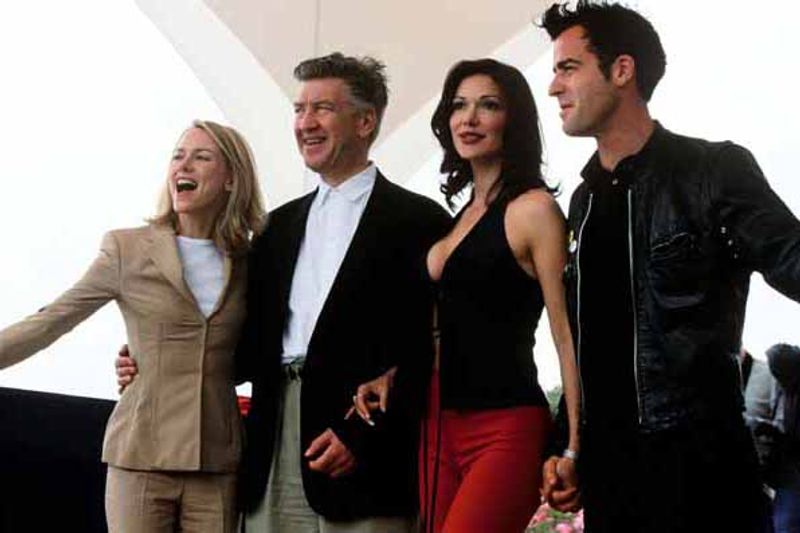
David Lynch delivered a surreal Los Angeles nightmare that film scholars are still trying to decode decades later.
Naomi Watts stars as an aspiring actress caught in a twisted reality where nothing is quite what it seems.
The film’s dream logic and haunting imagery—especially that terrifying dumpster scene—burrow into your brain and stay there.
Critics initially felt divided, but it’s now considered one of the greatest films of the century.
Lynch proved that mainstream cinema still had room for experimental, challenging work that refused to explain itself.
9. Amélie (2001)
Jean-Pierre Jeunet painted Paris in saturated colors and showed the world that whimsy could carry an entire feature film.
Audrey Tautou’s pixie-faced Amélie became an instant icon, inspiring countless Halloween costumes and dorm room posters.
The film’s inventive visual style—with its saturated greens and reds—influenced cinematography choices for years afterward.
Instead of grand romance, we got tiny moments of connection: returned photo albums, ripples in coffee, garden gnome adventures.
This French charmer proved international films could become global phenomena without compromising their unique cultural perspective.
10. Children of Men (2006)
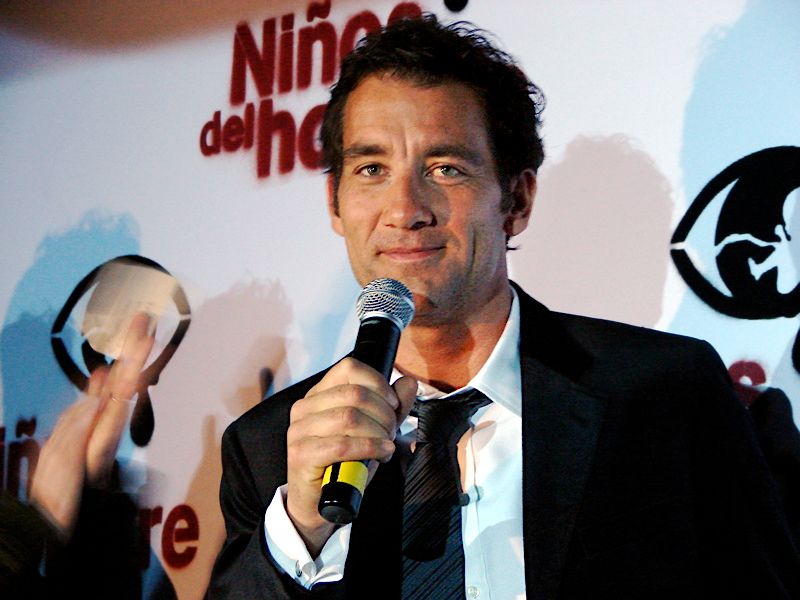
Alfonso Cuarón imagined a future where humanity can’t have children anymore, and the result felt terrifyingly plausible.
The film’s long, unbroken takes—especially that jaw-dropping car ambush scene—set new standards for action cinematography.
Clive Owen plays a reluctant hero protecting the first pregnant woman in 18 years through a war-torn England.
Instead of flashy sci-fi technology, the dystopia looks like our world just slightly more broken and desperate.
This bleak masterpiece showed that speculative fiction could explore contemporary anxieties about immigration, terrorism, and environmental collapse.
11. The Incredibles (2004)
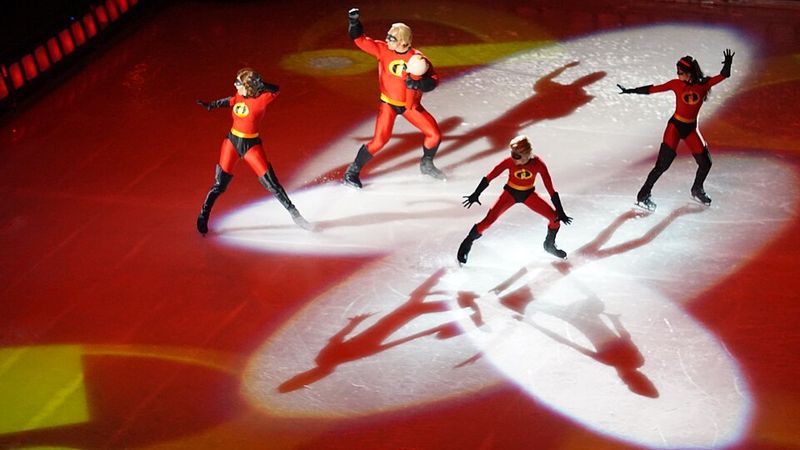
Brad Bird took the superhero family concept and made it feel more real than most live-action comic book adaptations.
Pixar proved animation could tackle midlife crises, marital problems, and the frustrations of feeling ordinary when you’re built for greatness.
Edna Mode’s “no capes!” rant became an instant classic, showcasing the film’s sharp wit and attention to superhero genre details.
The action sequences rivaled anything in live-action blockbusters, with creative power combinations and genuine stakes.
This family film showed that animated movies could satisfy adult viewers without relying on cheap pop culture references.
12. Kill Bill: Volume 1 (2003)
Quentin Tarantino blended samurai films, kung fu movies, and spaghetti westerns into one glorious revenge fantasy.
Uma Thurman’s yellow tracksuit became as iconic as any superhero costume, and that Hattori Hanzo sword gleamed with deadly purpose.
The Crazy 88 fight sequence mixed cartoon violence with balletic choreography, creating something both brutal and beautiful.
Tarantino’s genre mash-up approach influenced countless filmmakers who realized you could mix styles without apology.
This two-part epic proved that pure style, when executed perfectly, could elevate a simple revenge story into high art.
13. The Departed (2006)

Martin Scorsese remade a Hong Kong thriller and finally won his long-overdue Best Director Oscar.
Leonardo DiCaprio and Matt Damon play mirror-image moles—one cop infiltrating the mob, one mobster infiltrating the police.
The film’s rat-a-tat dialogue and shocking violence reminded everyone why Scorsese remained the master of crime cinema.
That elevator scene near the end left audiences gasping, proving Scorsese could still surprise even after decades in the business.
This Boston-set thriller showed that classic crime genre formulas still worked when executed with absolute precision and star power.
15. Gladiator (2000)
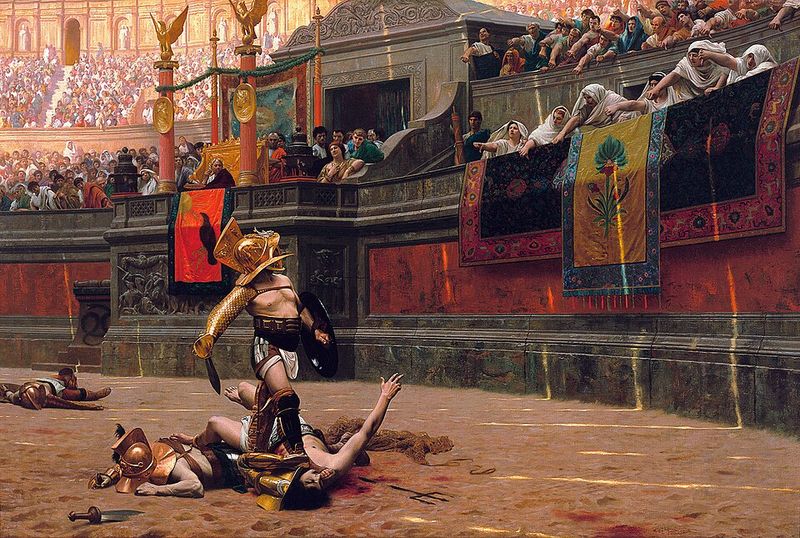
Ridley Scott resurrected the sword-and-sandals epic that Hollywood had abandoned for decades.
Russell Crowe’s “Are you not entertained?” became one of the most quoted movie lines of the decade.
The film’s digital effects seamlessly recreated ancient Rome, proving CGI could enhance historical epics without overwhelming them.
Its success triggered a wave of historical action films and reminded studios that audiences still craved old-fashioned heroic storytelling.
This Best Picture winner showed that classical narratives about honor and revenge never really go out of style.
16. Brokeback Mountain (2005)

Ang Lee transformed a short story about two cowboys into a groundbreaking exploration of forbidden love.
Heath Ledger and Jake Gyllenhaal delivered heartbreaking performances that challenged Hollywood’s traditional masculinity.
The film’s sweeping Wyoming landscapes mirrored the characters’ vast, unexpressed emotions.
Though it controversially lost Best Picture to Crash, Brokeback Mountain changed conversations about LGBTQ+ representation in mainstream cinema.
This western romance proved that love stories could break genre conventions and still connect with audiences across all backgrounds.
17. Up (2009)
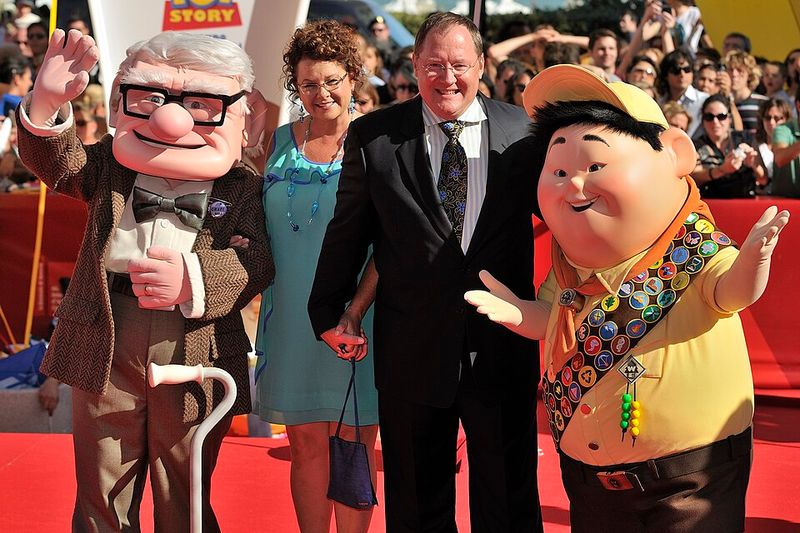
Pixar devastated audiences within the first ten minutes with a wordless marriage montage that should come with a tissue warning.
Carl Fredricksen’s journey to South America in a balloon-powered house became a metaphor for dealing with grief and finding new purpose.
The film balanced heavy themes about aging and loss with talking dogs, chocolate-obsessed birds, and plenty of laughs.
That opening sequence became a masterclass in visual storytelling that film schools dissect to this day.
This adventure proved animated films could make grown adults cry just as hard as any prestige drama.
18. Slumdog Millionaire (2008)
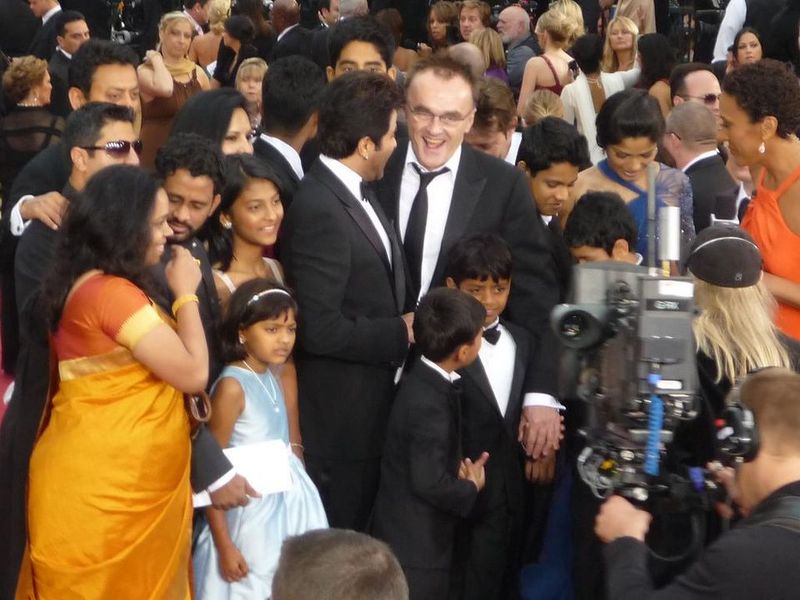
Danny Boyle took a Mumbai underdog story and turned it into a kinetic, colorful celebration that swept the Oscars.
Dev Patel’s Jamal answers quiz show questions by flashing back through his traumatic childhood, creating a structure that kept audiences hooked.
The film’s vibrant cinematography and A.R. Rahman’s pulsing score made poverty look simultaneously beautiful and brutal.
Though some critics questioned its “poverty tourism,” the film’s energy and optimism won over audiences worldwide.
This Best Picture winner proved that stories from anywhere could achieve universal appeal with the right vision and execution.
19. The Bourne Identity (2002)
Doug Liman stripped away James Bond’s gadgets and quips, giving us a spy who didn’t even know his own name.
Matt Damon’s amnesiac assassin fights with brutal efficiency, using magazines, pens, and whatever’s handy instead of fancy weapons.
The film’s shaky-cam action style and grounded fight choreography influenced action cinema for the entire decade afterward.
Instead of superhuman invincibility, Jason Bourne felt vulnerable and human despite his deadly skills.
This thriller franchise proved that smart, character-driven action could compete with explosion-filled blockbusters at the box office.
20. Shaun of the Dead (2004)

Edgar Wright and Simon Pegg took zombie horror seriously while simultaneously making it absolutely hilarious.
The film’s rapid-fire editing and visual gags elevated comedy filmmaking, proving genre parodies could have genuine style.
Shaun’s journey from slacker to hero happens in a London where the zombie apocalypse barely registers as more annoying than the morning commute.
Wright’s kinetic direction influenced countless comedies afterward, showing that funny didn’t mean visually boring.
This zom-com launched a trilogy and proved British humor could conquer American multiplexes when paired with blood and brains.