
20 Films Set Almost Entirely In One Location
Some movies travel the world, go big with spectacle, and spend millions on explosions, while others boldly ask, “What if nobody left the room?”
Somehow, locking characters in one space turns every conversation into a high-stakes showdown and every door into the most dramatic object on screen.
Welcome to twenty unforgettable films that prove you don’t need a passport for tension, just four walls and people slowly coming apart under pressure.
1. 12 Angry Men (1957)
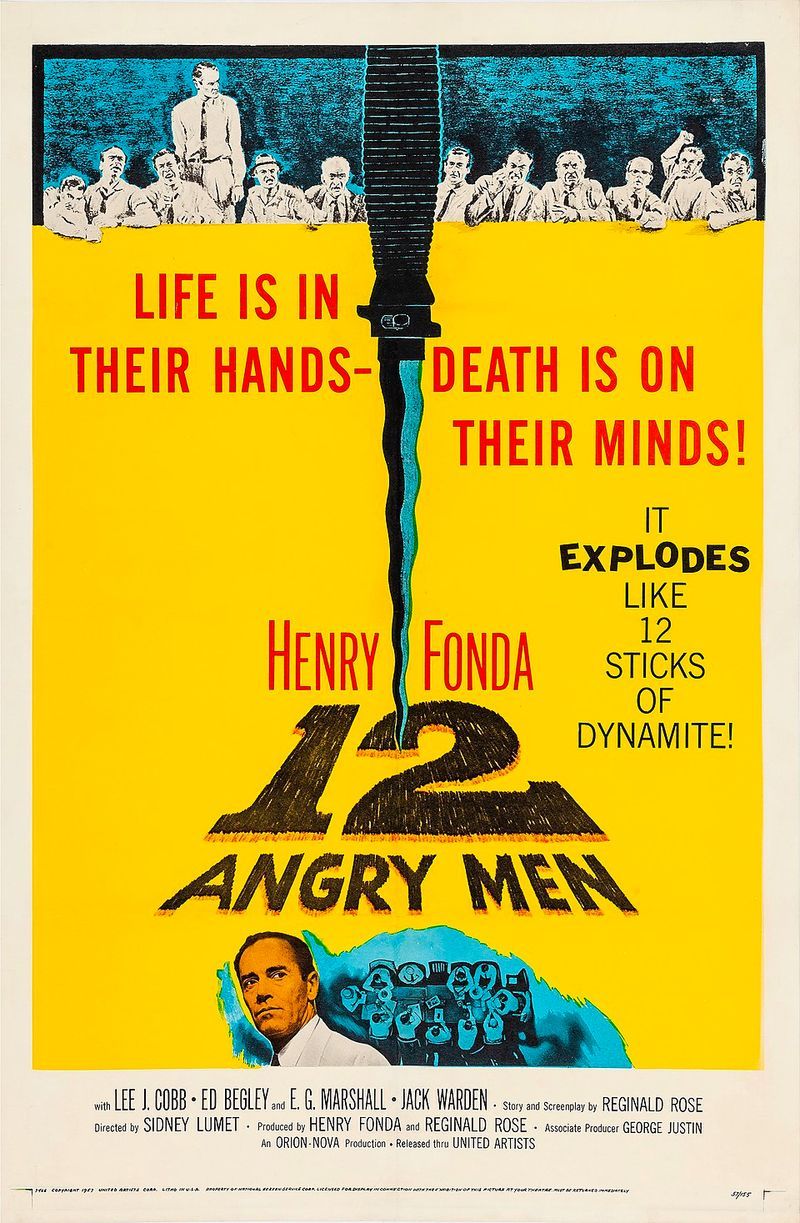
On a sweltering summer afternoon, twelve strangers gather in a jury room to decide the outcome for a teenage defendant. Faulty fan spins overhead as tempers rise and personal biases slowly surface.
An open-and-shut case begins to unravel, turning into a study of doubt, conscience, and the burden of reasonable certainty.
Quiet persistence from Henry Fonda becomes the moral center in a room where shortcuts could change everything. Democracy appears at its most chaotic and most essential within those heated walls.
Ideal viewing for anyone who has endured a long meeting and wondered whether one voice can truly change the outcome.
2. Rope (1948)
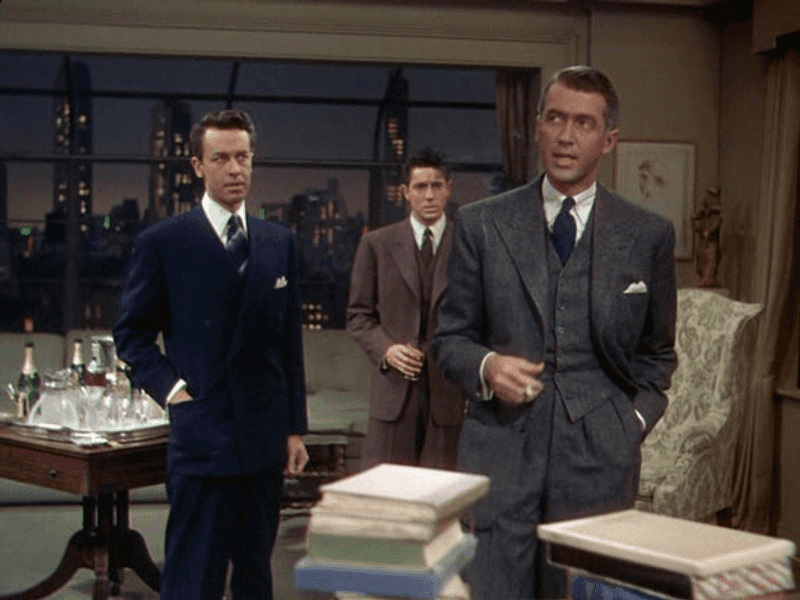
Two college friends host a dinner party built around a twisted centerpiece, a body hidden inside a wooden chest. Alfred Hitchcock filmed the thriller in long, unbroken takes, turning the apartment into a pressure cooker with no cuts to release the steam.
Each champagne toast and casual exchange drips with quiet dread.
Unaware guests snack on hors d’oeuvres just feet away from a murder victim. Nothing feels more unsettling than a dinner party gone wrong, proving that human arrogance in a tuxedo can be the real source of horror.
3. Lifeboat (1944)
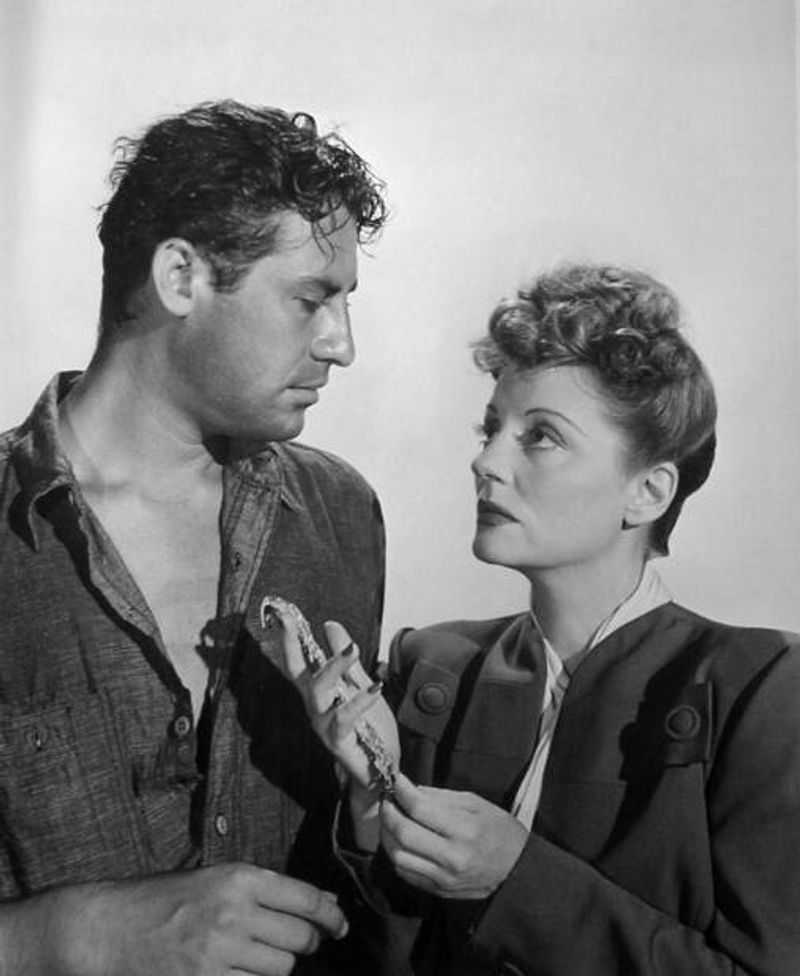
A German U-boat attack leaves a handful of survivors clinging to a tiny lifeboat in the middle of the Atlantic. Hitchcock strips away every comfort and forces strangers to navigate thirst, fear, and moral dilemmas with nothing but endless water in every direction.
Class lines blur fast when the only menu option is rainwater and hope.
One of them might be the enemy, but out here, survival trumps suspicion until it doesn’t. It’s Hitchcock at his most claustrophobic, proving a horizon can feel like a prison wall when you’re adrift.
4. Rear Window (1954)

Stuck in a wheelchair with a broken leg, photographer L.B. Jefferies turns his apartment window into a movie screen.
He watches his neighbors cook, dance, argue, and maybe commit murder. Grace Kelly brings him dinner and doubt in equal measure, but the courtyard view keeps pulling him back like a mystery he can’t pause.
Hitchcock turns voyeurism into high art, reminding us that sometimes the scariest stories unfold right across the alley when we’re bored enough to watch.
5. Dial M For Murder (1954)
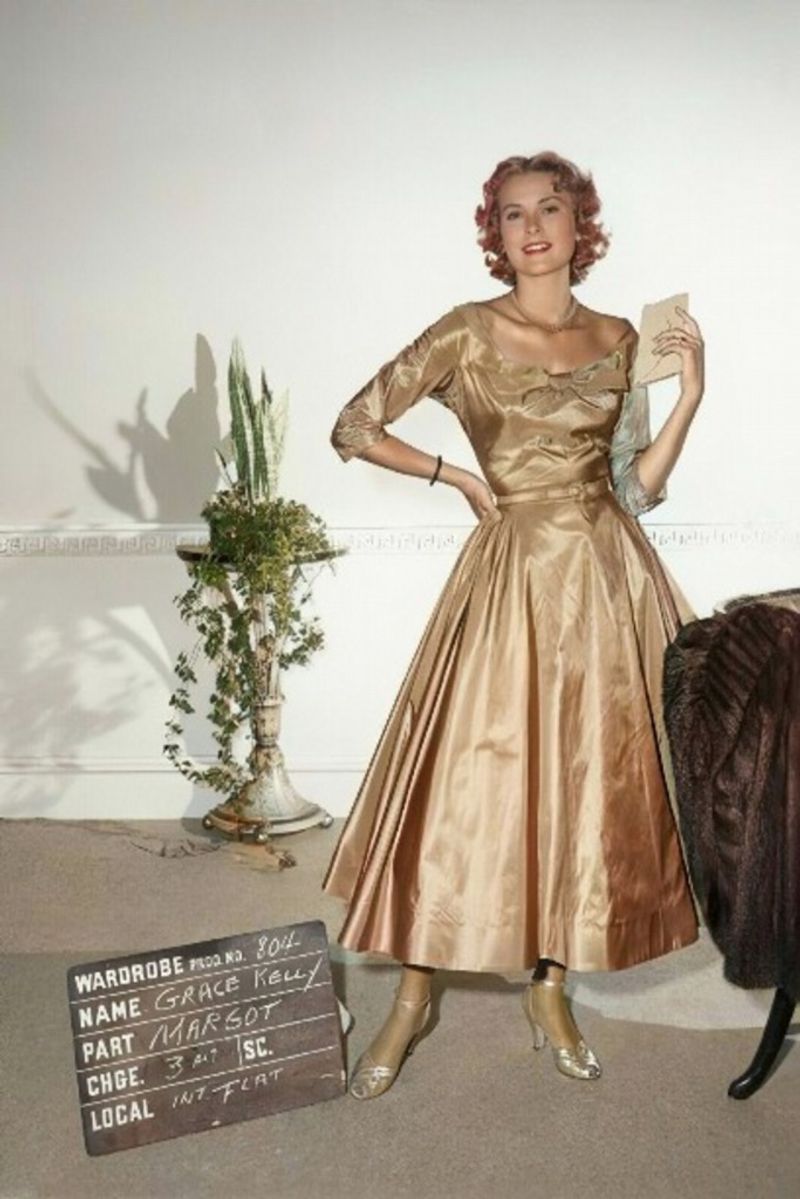
Jealous husband carefully plots the perfect murder using nothing more than a rotary phone and a set of house keys. Inside the apartment, every lamp, doorway, and ticking second turns the space into a tense chessboard.
Grace Kelly struggles for survival in her own living room as the walls seem to close in and the plan begins to unravel in real time.
Hitchcock demonstrates that suspense needs no car chase when a pair of scissors and a precisely timed phone call can make a heart race just as quickly.
6. Key Largo (1948)
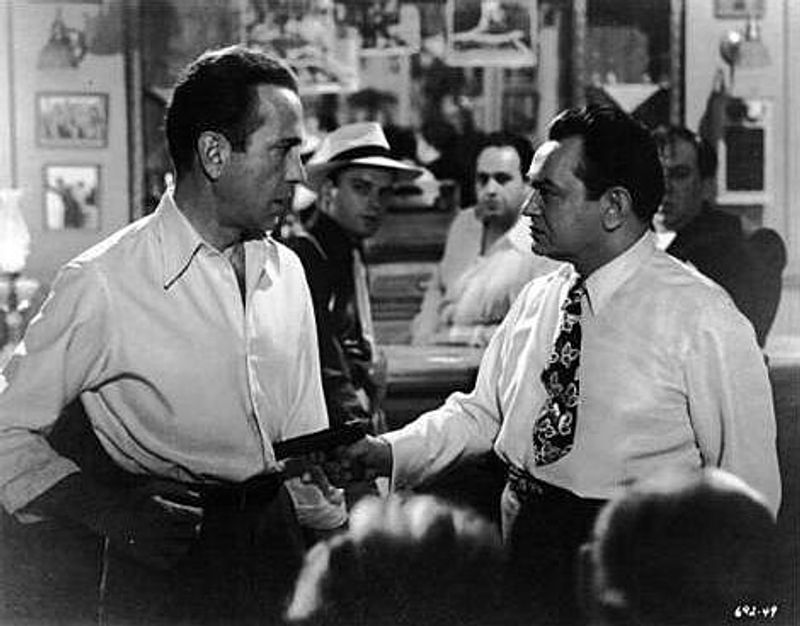
Inside a dilapidated Florida hotel, a hurricane traps a military veteran, a widow, and a gang of outlaws.
Outside, the raging storm mirrors the one building indoors as gangster Johnny Rocco keeps everyone hostage with a gun and a volatile temper. Reluctant hero duties fall to Humphrey Bogart, a man who has already witnessed more violence than most could endure in one lifetime.
When the wind howls and the lights flicker, inaction begins to resemble cowardice.
Tension tightens into a classic noir pressure cooker, where even the weather feels like a character nursing a grudge.
7. The Petrified Forest (1936)
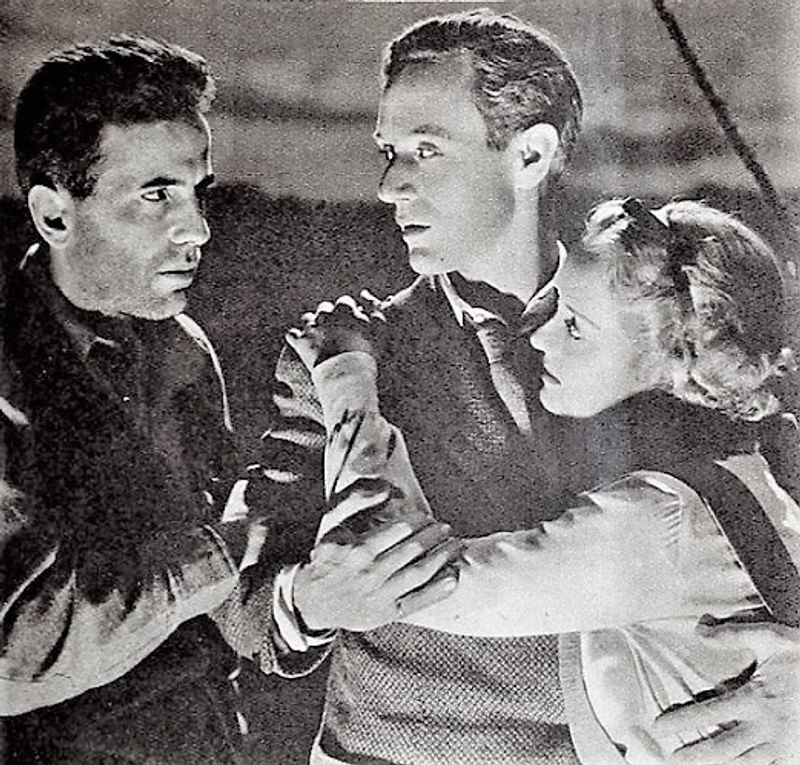
Arizona desert stretches endlessly as a rundown diner turns into the center of a hostage standoff when gangster Duke Mantee arrives armed and desperate. Within, a group of stranded passengers, a poet on the road, and an optimistic waitress are caught in a web of fear and bad timing.
Ancient petrified trees outside mirror the tension within, where every future suddenly feels frozen in place.
Blending Western atmosphere with existential unease, the story unfolds across one long, dust-heavy afternoon where escape always seems just beyond reach.
8. Panic Room (2002)
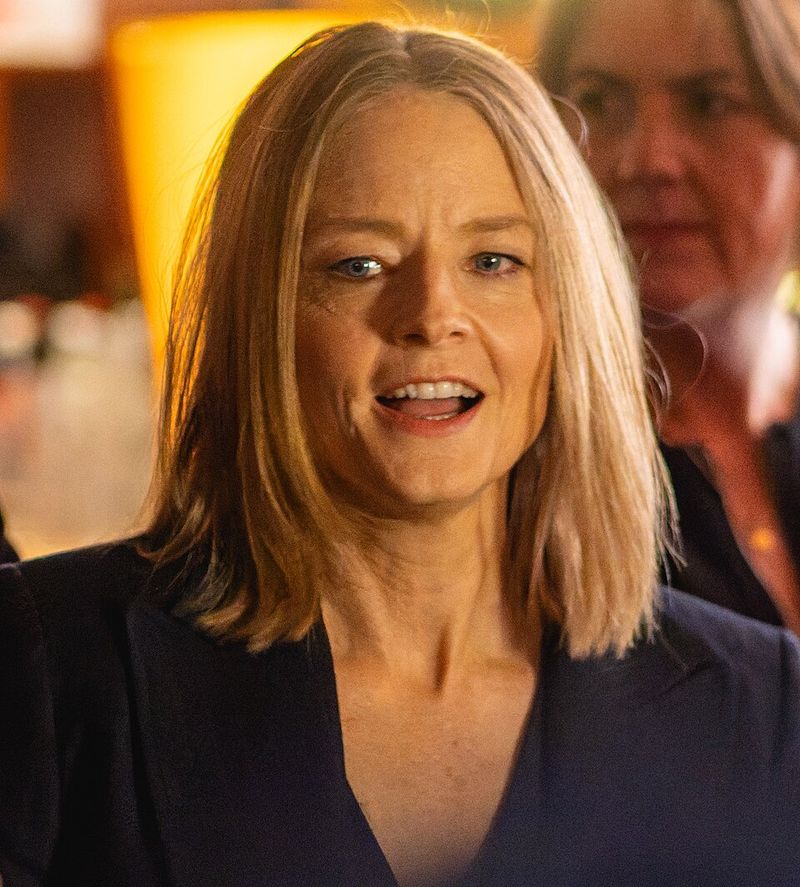
After a recent divorce, a mother and daughter seal themselves inside a high tech safe room when burglars invade their New York townhouse. Equipped with cameras, food, and a phone line, the panic room offers protection, yet the intruders refuse to leave without claiming what waits inside.
Safety quickly twists into danger as the supposed refuge becomes a tomb marked by a ticking countdown.
Through air vents and security monitors, David Fincher crafts make-or-break puzzles that reveal how a fortress can just as easily become a trap.
9. Phone Booth (2002)
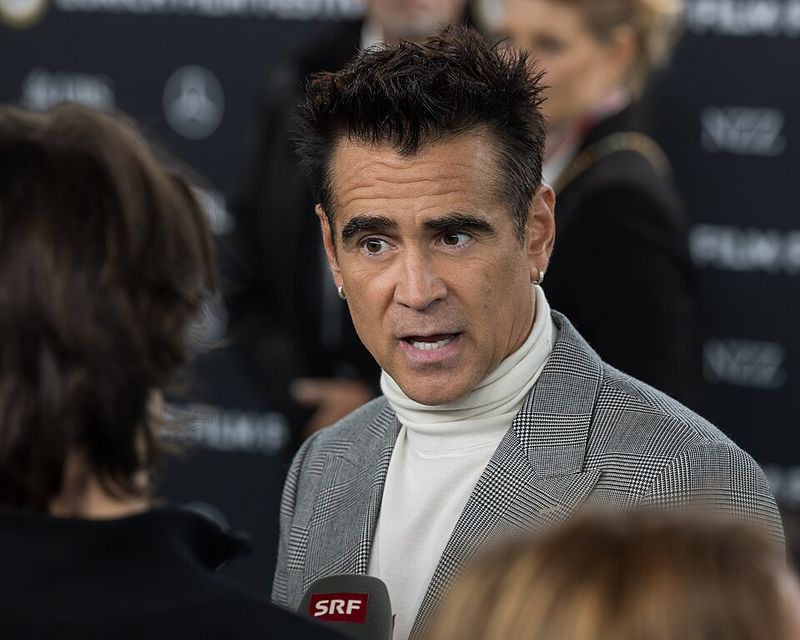
Confident publicist ducks into a Manhattan phone booth to place a questionable call and suddenly finds himself trapped by a sniper who refuses to let him hang up. Glass walls turn into a cage on a crowded sidewalk, with every movement tracked through a rifle scope.
Colin Farrell endures eighty minutes of real-time tension as secrets, guilt, and desperation surface amid the constant rush of city traffic.
Taut thriller ultimately poses a stark question about what someone might confess when survival depends on honesty and a stranger controls the outcome.
10. Locke (2013)

Construction foreman Ivan Locke gets in his car and starts driving, and for the next ninety minutes, we never leave the front seat. He’s heading toward a life-changing decision, and every phone call he makes peels back another layer of the man he thought he was.
Tom Hardy acts alone against dashboard lights and Bluetooth voices, turning a simple commute into a slow-motion unraveling.
No explosions, no chase scenes – just one man, one choice, and the long road where consequences wait at the other end like headlights in the distance.
11. The Man From Earth (2007)

A college professor throws a goodbye party and drops a bombshell: he’s actually 14,000 years old and remembers the Ice Age.
His colleagues sit around the living room, half-laughing, half-questioning, as he spins a story that rewrites history, religion, and everything they thought they knew. No special effects, no flashbacks – just one man talking and a room full of skeptics trying to poke holes in the impossible.
It’s a campfire tale that dares you to believe, proving that sometimes the best sci-fi happens in a conversation over coffee and doubt.
12. My Dinner With Andre (1981)
Two old friends meet for dinner in a fancy New York restaurant, and for two hours, they just talk.
One has traveled the world chasing spiritual experiences; the other has stayed home, worried about electric blankets and rent. The camera barely moves, the courses keep coming, and the conversation swings from the meaning of life to the price of a cup of coffee.
It’s a movie that trusts words over action, reminding us that sometimes the most thrilling journey happens across a table when two people really listen.
13. Assault On Precinct 13 (1976)
Nearly abandoned police station in South Central L.A. transforms into a fortress when a street gang surrounds it under cover of night. Cops, criminals, and office staff seize whatever weapons they can find, uniting in defense because survival ignores badges and backgrounds.
John Carpenter reshapes hallways and filing cabinets into an urban battlefield where every window becomes a threat.
Pulsing synth score drives the tension as attackers continue pressing forward without pause. Gritty, low-budget siege story shows how a strong setting and escalating suspense can outmatch any oversized Hollywood budget.
14. The Bitter Tears Of Petra Von Kant (1972)

A successful fashion designer passes her days reclining in a lavish bedroom, encircled by mannequins, cigarettes, and a silent assistant who observes every move. Infatuation with a younger woman transforms the apartment into a stage for obsession, jealousy, and slow emotional unraveling.
Shot with theatrical precision, Rainer Werner Fassbinder frames each gesture and glance as if layered with unspoken meaning.
Gradually, walls seem to close in as affection curdles into something corrosive, revealing how even a beautiful cage remains a prison when pride and longing refuse to loosen their grip.
15. Sleuth (1972)

An acclaimed mystery novelist summons his wife’s lover to a vast English estate for a carefully staged battle of wits. Rooms brim with disguises, concealed corridors, and layered psychological traps that steadily unsettle the balance of power.
Verbal sparring between Laurence Olivier and Michael Caine escalates into a tense exchange of props and reversals, each twist shifting control until certainty slips away.
Built as a tightly focused two-character showdown, the story demonstrates that sharp intellect and wounded pride can generate suspense without relying on overt violence, as every chamber conceals yet another calculated surprise.
16. Wait Until Dark (1967)
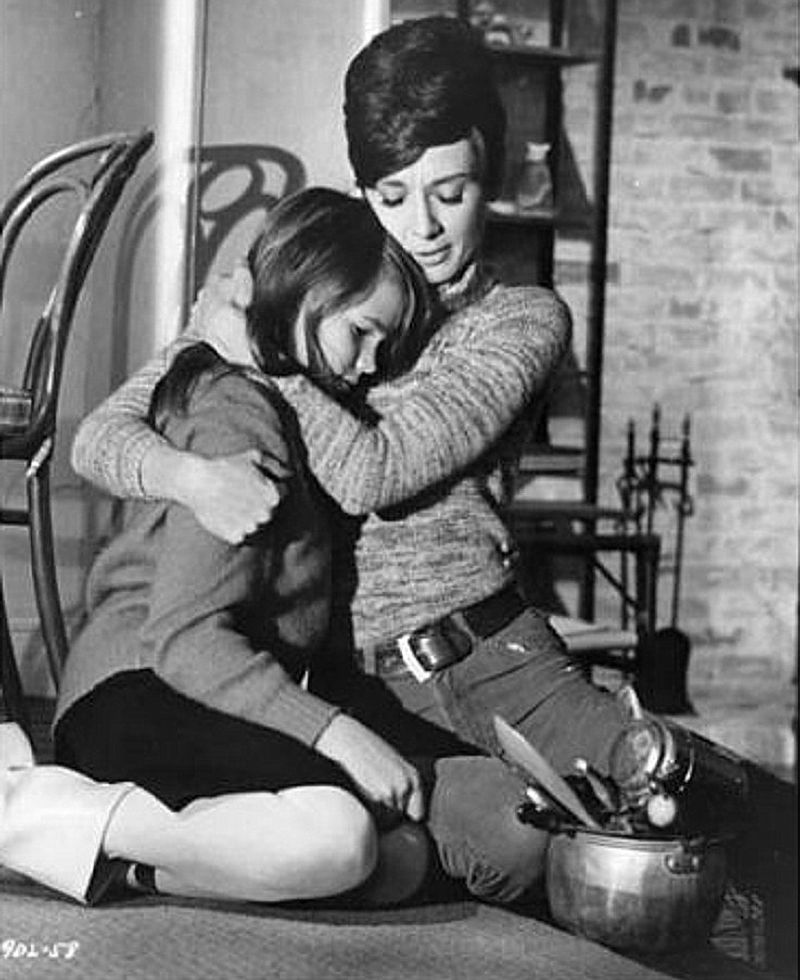
A blind woman, recently married and adjusting to her new apartment, becomes the target of criminals hunting for a doll stuffed with contraband.
They pretend to be friends, neighbors, anyone but who they really are, and she has to navigate her own home in the dark while they close in. Audrey Hepburn turns vulnerability into strength, smashing light bulbs to level the playing field in a final showdown that still makes audiences gasp.
It’s a masterclass in suspense where every creak and shadow could mean make-or-break, and sight is the one thing she doesn’t need to survive.
17. The Platform (2019)

Picture a vertical prison where a table piled high with food lowers one level at a time, letting those above indulge while those beneath go hungry.
Each month, prisoners open their eyes on a different floor, uncertain whether abundance or desperation awaits them. Through a stark Spanish science fiction horror lens, the story unfolds as a fierce allegory about class divides, unchecked greed, and social systems that pit individuals against one another rather than confronting the framework overhead.
Unsettling imagery and stark violence make every scene difficult to endure, creating a nightmare experience that also serves as a reflection of humanity’s harsher impulses.
18. The Sunset Limited (2011)
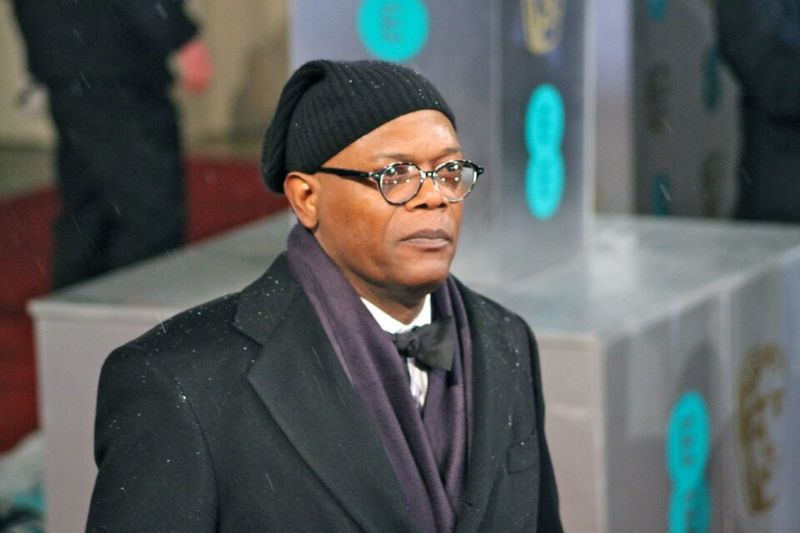
A professor attempts self-harm by stepping in front of a train, and a ex-con drags him back to his cramped apartment to talk him out of despair.
For ninety minutes, they debate faith, suffering, and whether life is worth living at all. Tommy Lee Jones and Samuel L.
Jackson sit across a small table and trade words like punches, each trying to save or convince the other.
It’s Cormac McCarthy’s script brought to life, raw and unfiltered, proving that sometimes the hardest battles happen in a quiet room with no escape but the truth.
19. The Party (1968)
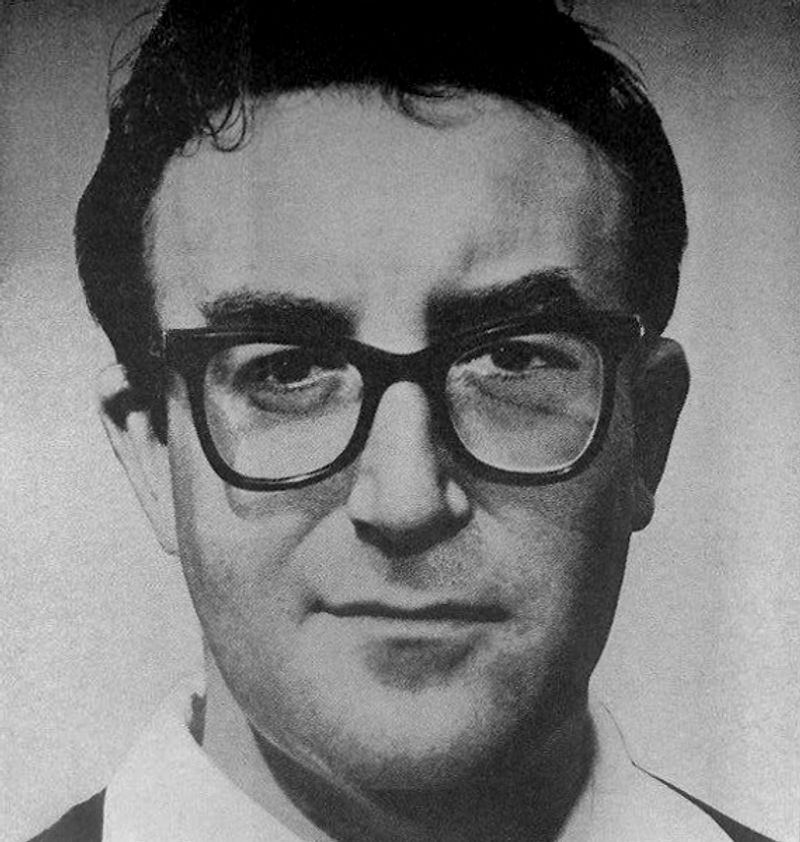
A clumsy Indian actor accidentally gets invited to a swanky Hollywood party and proceeds to turn the evening into a disaster of epic, hilarious proportions. Peter Sellers stumbles through rooms, bathrooms, and poolside gatherings, leaving chaos in his wake without saying much at all.
Blake Edwards films it like a live-action cartoon, with sight gags and misunderstandings piling up faster than spilled drinks.
It’s a gentle comedy of errors that reminds us sometimes the best parties are the ones that go completely, wonderfully wrong, especially when you’re the last person who should be there.
20. House On Haunted Hill (1958)
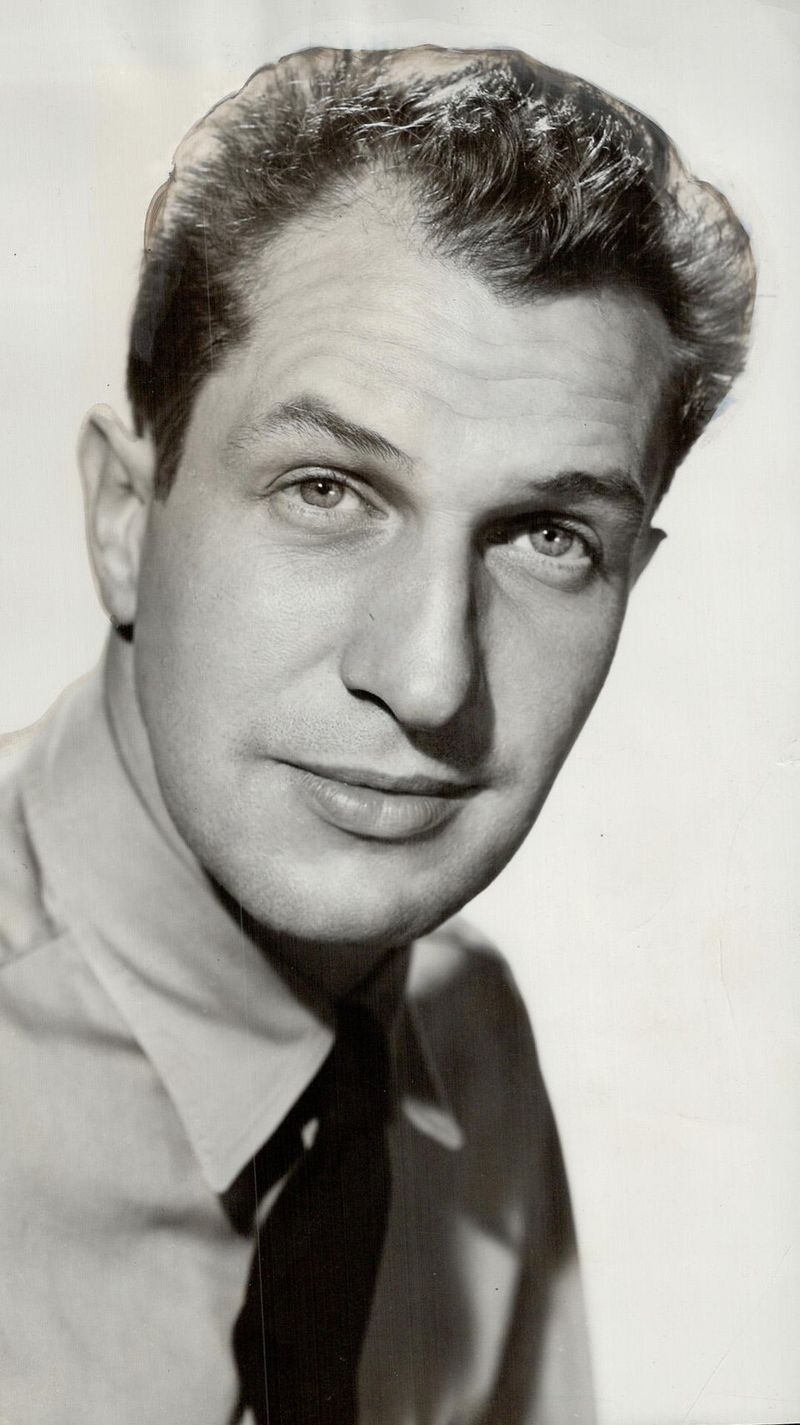
Eccentric millionaire Frederick Loren gathers five strangers for a night in a haunted mansion, promising ten thousand dollars to anyone who lasts until morning.
Locked doors, flickering lights, and strange noises unsettle every corner, leaving guests unsure whether supernatural forces are real or simply part of a cruel experiment.
With theatrical delight, Vincent Price leans into every moment, transforming each creaking floorboard into a possible trap waiting to spring. Campy chills and playful suspense capture the spirit of classic horror, showing how atmosphere and shadow can carry a haunted house long before digital effects ever entered the picture.
Disclaimer: Film settings and “single-location” classifications can vary slightly depending on how viewers count brief exterior shots, framing sequences, or transitional scenes.
The content is provided for general informational and entertainment purposes and is not legal, financial, medical, or professional advice.


.jpg)


.jpg)

.jpg)
.jpg)

