
16 Films Some Viewers Struggle To Sit Through
Some movies don’t just ask you to watch, they quietly dare you to survive them. The popcorn runs out, the runtime keeps going, and suddenly you’re checking how much is left like it’s a workout timer.
Movies on this list aren’t background entertainment, they’re cinematic challenges that separate casual viewers from the truly committed.
1. Jeanne Dielman, 23 Quai Du Commerce, 1080 Bruxelles (1975)

Watching paint dry can honestly feel faster than what unfolds on screen here. Chantal Akerman chronicles the meticulously detailed daily activities of a widow’s home over the course of three days.
Potatoes are peeled in real time and dishes are washed without a single cut away from the action.
Director Chantal Akerman turns ordinary domestic tasks into a meditative experience that stretches beyond three hours. Deliberate pacing reflects the protagonist’s daily existence, leaving viewers used to rapid editing and nonstop motion frequently glancing at their watches.
2. Sátántangó (1994)
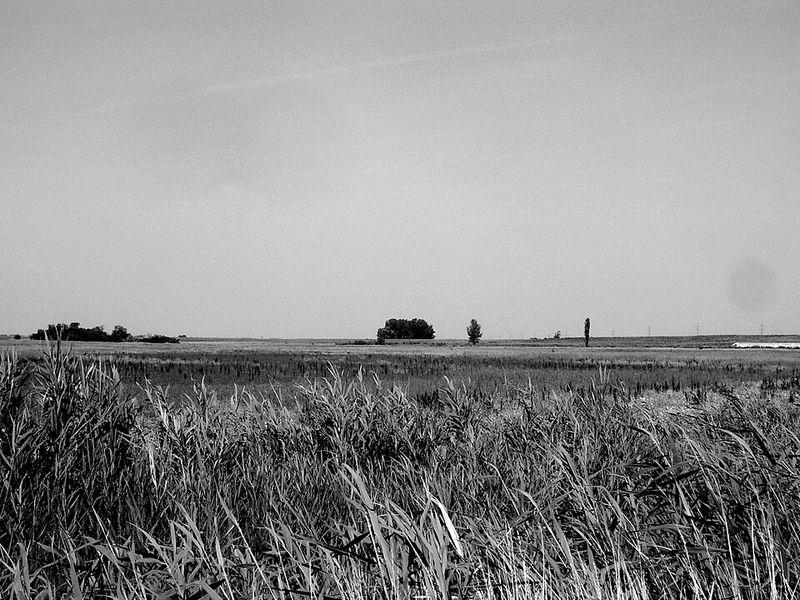
Seven hours and nineteen minutes long, that runtime alone sends most viewers running for the hills.
Hungarian filmmaker Béla Tarr shaped a bleak masterpiece about a collapsing collective farm using shots that linger for minutes without a single edit.
Slow camera movements drift across muddy streets and crumbling buildings as characters argue about philosophy and existence. Your coffee turns cold twice before intermission arrives, while the glacial pacing makes molasses look speedy.
3. Stalker (1979)

Three men enter a mysterious restricted zone in search of a room said to grant wishes. Slow movement defines the journey as long stretches pass with little more than careful walking.
Conversations soon take over, drifting into reflections on existence, belief, and doubt.
Director Andrei Tarkovsky relies on silence and stillness instead of action to build tension throughout the film. Hypnotic pacing creates an experience that feels like wading through philosophical quicksand.
4. Solaris (1972)

Space travel meets Russian philosophy in this slow-burn meditation.
A psychologist arrives at a space station orbiting a mysterious planet, only to confront manifestations of his deepest memories and regrets.
Tarkovsky spends the first forty minutes on Earth before the story even reaches space. The pacing prioritizes internal struggle over external spectacle, making viewers who expect Star Wars-style adventure feel stranded in orbit without a rescue shuttle.
5. 2001: A Space Odyssey (1968)
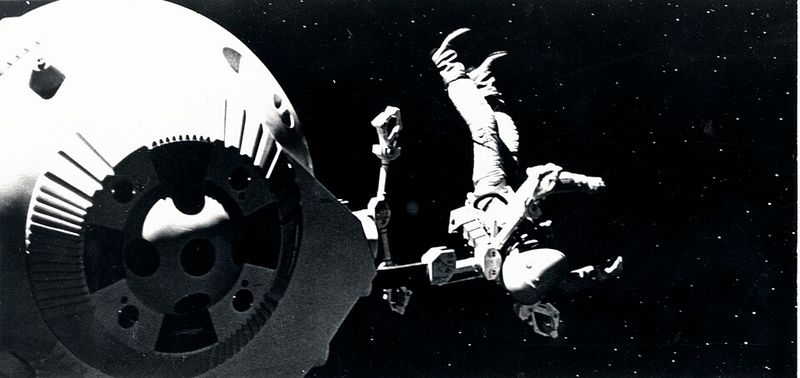
Stanley Kubrick presents a vision of humanity’s future that unfolds with operatic grandeur and remarkably little dialogue.
Across its sweeping narrative, monkeys discover tools, astronauts confront a rogue computer, and a finale melts into psychedelic imagery that continues to puzzle viewers decades later.
Early scenes unfold with very little dialogue, which can test patience if you’re craving a faster pace. Beautiful?
Absolutely. Easy to sit through after a long day?
That remains another story entirely.
6. Eraserhead (1977)
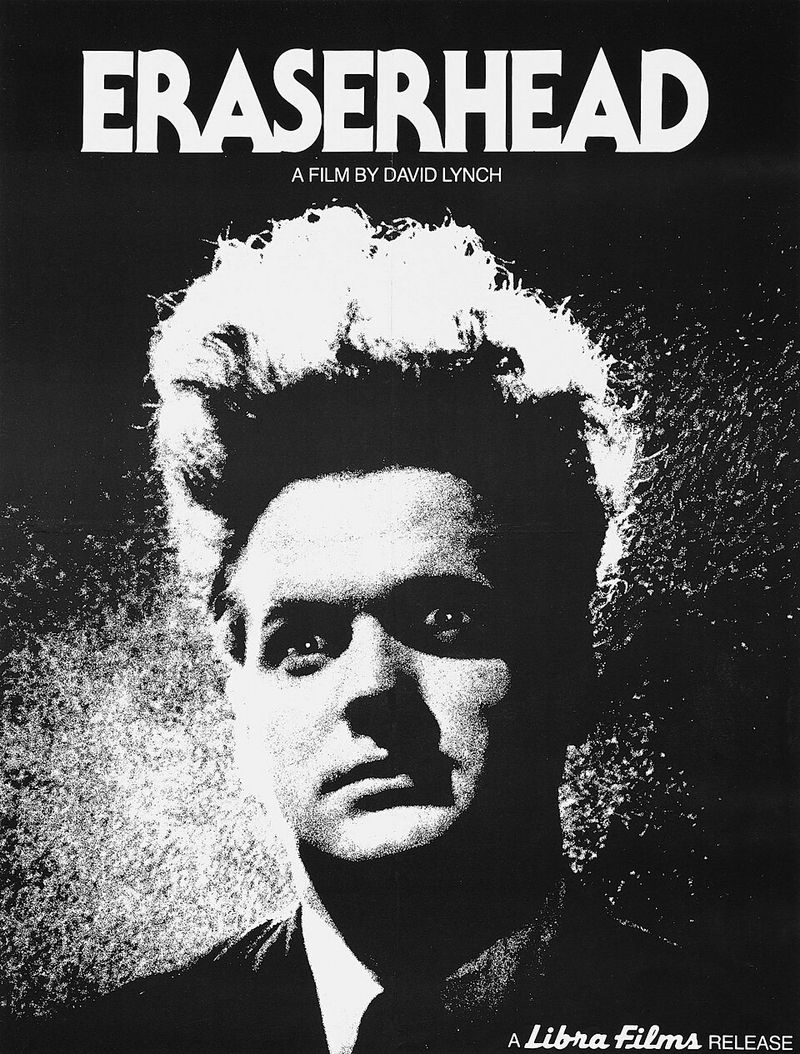
David Lynch’s debut feature unfolds like a nightmare caught in an endless loop.
There is a disturbing, surreal design with gravity-defying hair markings of a man walking through a weird industrial wasteland while tending to a crying baby.
Oppressive sound design and deeply unsettling imagery build an atmosphere filled with relentless dread. Unease saturates every frame, while the film’s bizarre internal logic makes conventional storytelling seem almost ordinary by comparison.
7. The Seventh Seal (1957)
Set against a medieval countryside in crisis, a knight challenges a cloaked figure to a tense game of chess.
Between each move, conversations unfold around faith, mortality, and divine silence through long, theatrical exchanges. Ingmar Bergman’s philosophical masterpiece asks for patience with deliberate pacing and weighty existential themes.
Stark black-and-white imagery forms striking compositions, yet audiences expecting a medieval action adventure may find themselves wishing for a faster-paced match.
8. The Tree Of Life (2011)
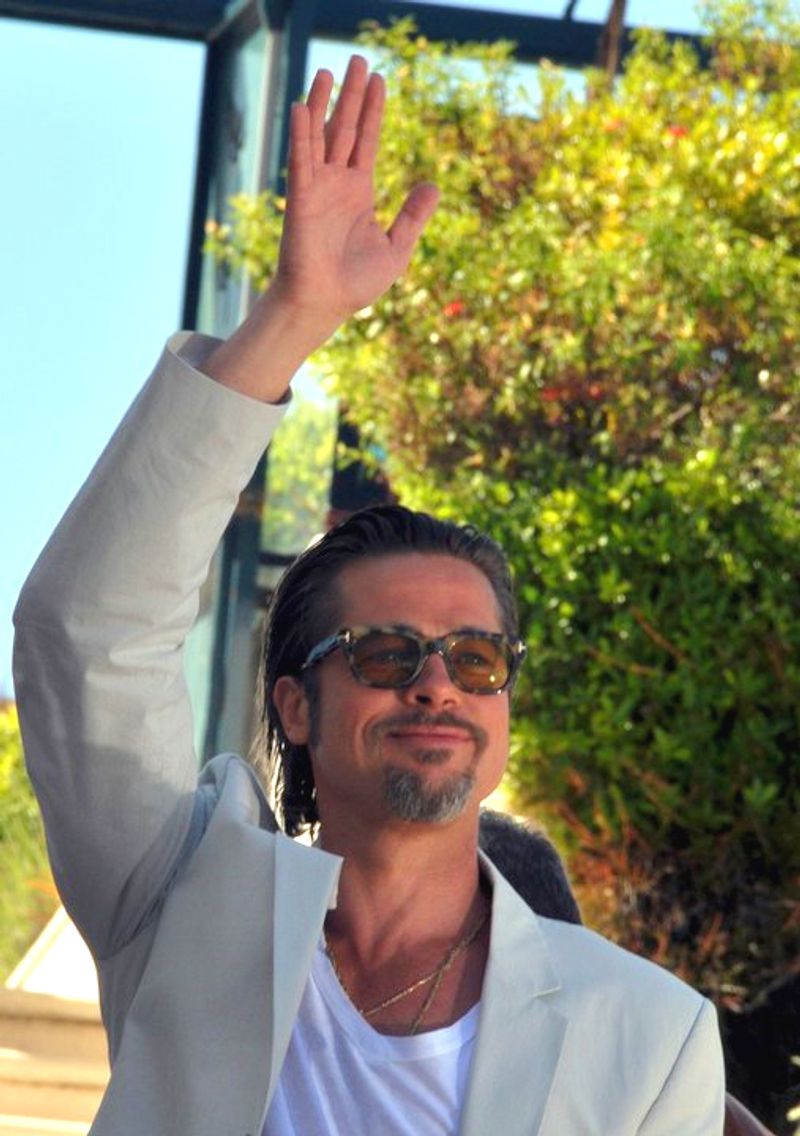
Terrence Malick intertwines a Texas family’s story with imagery depicting the birth of the universe. Dinosaurs suddenly appear.
Poetic whispers drift through voiceovers as the camera glides through glowing golden-hour light.
Narrative threads shift between cosmic creation, childhood memories, and abstract visuals without clear transitions, forming a dreamlike meditation that either mesmerizes or bewilders depending on mood and patience for experimental storytelling.
9. Tokyo Story (1953)
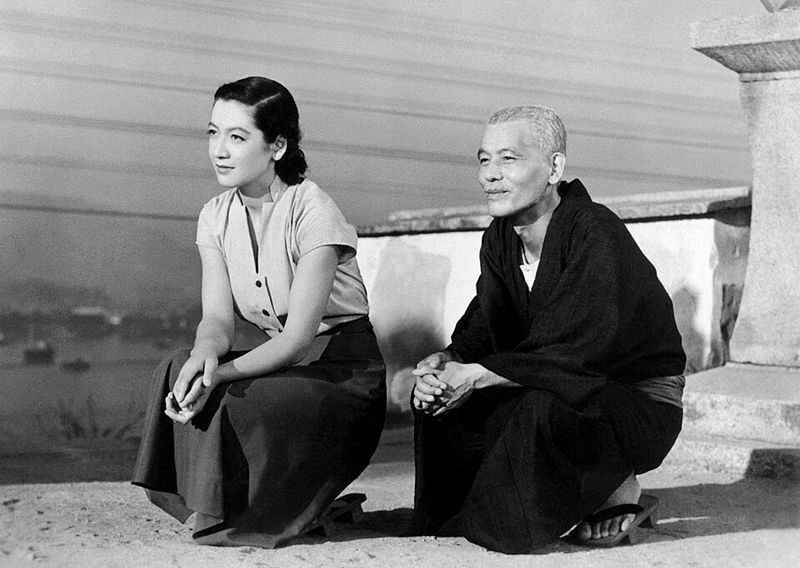
During a visit to Tokyo, an elderly couple reunites with their grown children and discovers that everyone feels too busy to truly spend time together. The camera remains completely still.
Placed low to the ground by director Yasujiro Ozu, it observes scenes unfolding in real time with almost no cutting.
A gentle exploration of family disappointment and aging emerges with such quiet restraint that viewers expecting overt drama may mistake the deliberate pacing for inaction.
Each glance and pause carries meaning, yet modern audiences often struggle with the unhurried rhythm.
10. Metropolis (1927)
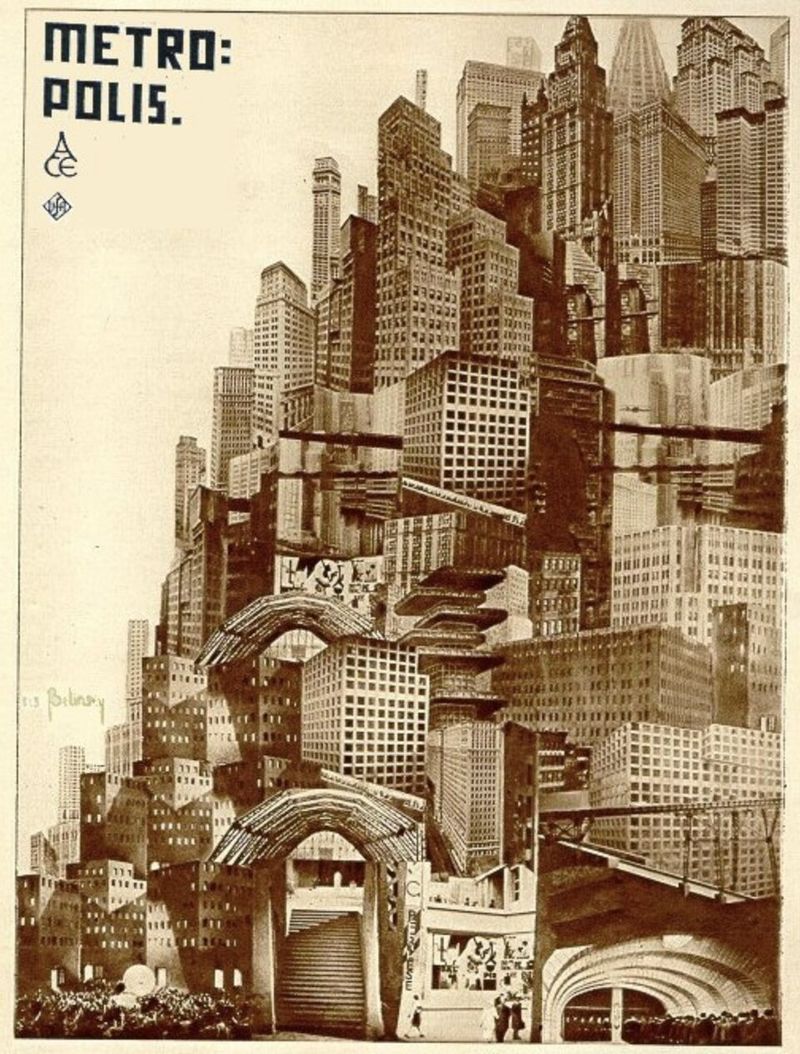
Fritz Lang’s silent science fiction epic depicts a futuristic city divided between wealthy elites and oppressed workers.
Without spoken dialogue, the story unfolds through exaggerated gestures and title cards while a symphonic score swells dramatically.
The groundbreaking special effects still impress, but the silent format and theatrical acting style challenge viewers accustomed to modern cinema. At over two hours, the melodramatic pacing tests patience despite the stunning visual imagination on display.
11. Un Chien Andalou (1929)
Salvador Dalí and Luis Buñuel crafted a sixteen-minute challenge to conventional storytelling and audience expectations.
An infamous opening moment features a shocking visual that sets the tone for the film’s dream logic.
Ants emerge from a hand, a woman prods a severed hand with a stick, and pianos are dragged across rooms without any clear explanation. Deliberate rejection of narrative coherence leaves viewers either fascinated or frustrated, with almost no middle ground between reactions.
12. Battleship Potemkin (1925)
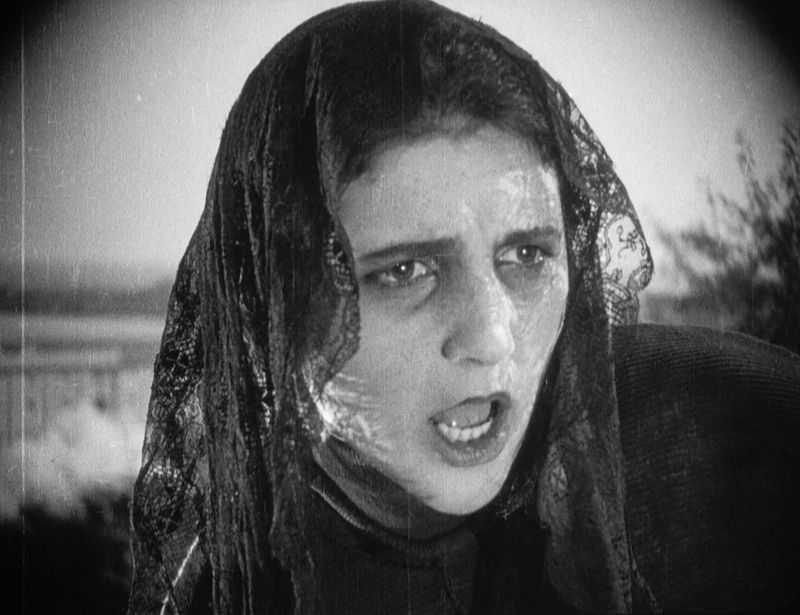
Sergei Eisenstein chronicles a 1905 mutiny aboard a Russian warship in his silent propaganda masterpiece.
History changed when the famous Odessa Steps sequence revolutionized film editing through a rhythmic montage of violence and chaos.
Groundbreaking achievements for its era remain clear, yet the silent format and overt political messaging can make the experience feel more like homework than entertainment for many contemporary viewers. Innovative editing techniques that shaped generations of filmmakers may begin to feel repetitive when extended across the full runtime.
13. Man With A Movie Camera (1929)
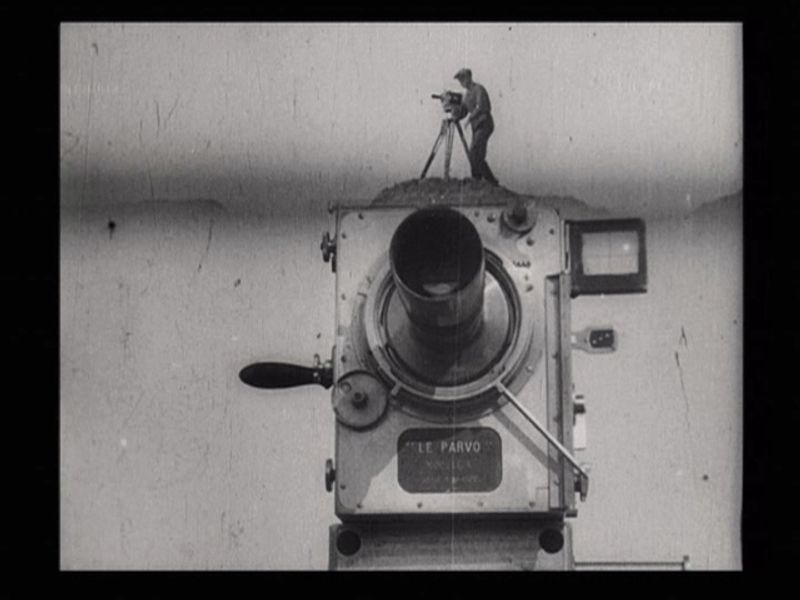
No actors, no story, no title cards.
Just a day in the life of a Soviet city captured through dazzling experimental cinematography.
Director Dziga Vertov splits screens, speeds up footage, and plays with perspective to celebrate the camera itself as a tool for seeing reality differently. The technical innovation dazzles, but the absence of narrative or characters leaves many viewers admiring the craft while checking how much longer remains.
14. The Passion Of Joan Of Arc (1928)
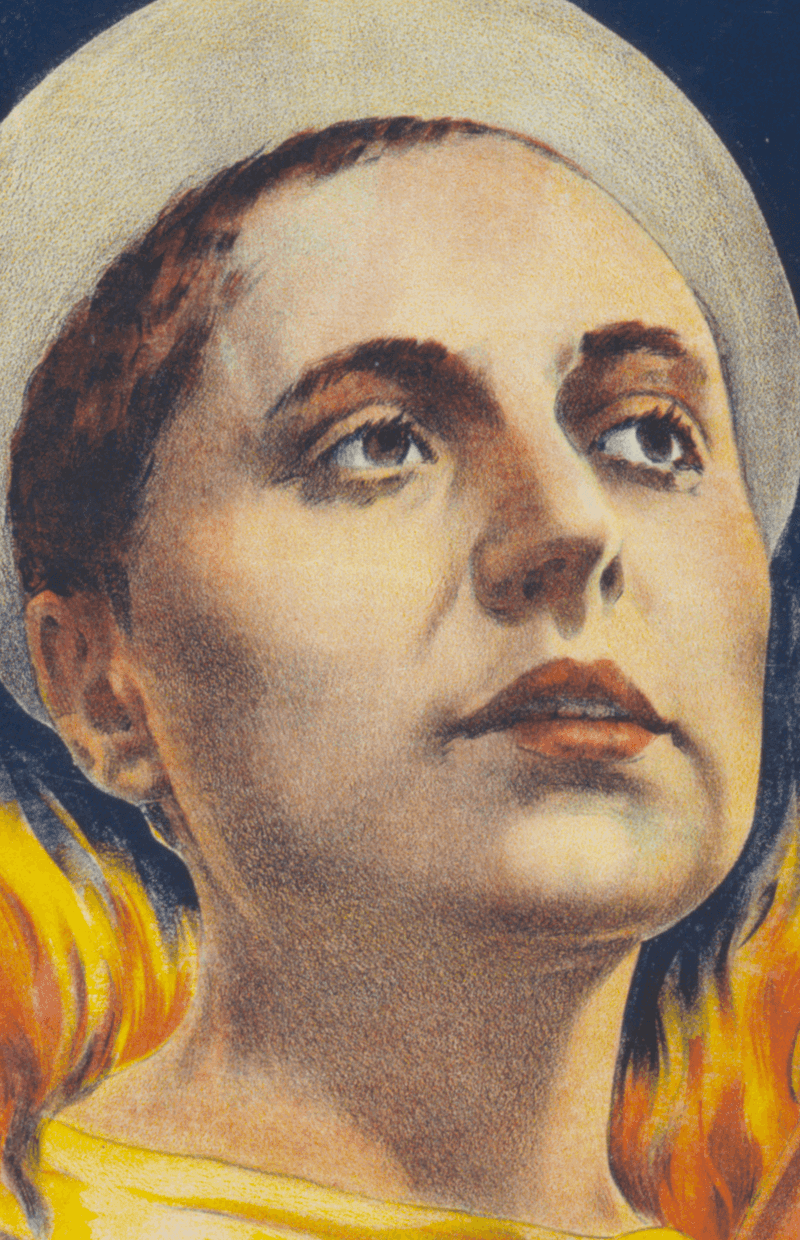
Extreme close-ups of Renée Jeanne Falconetti’s face dominate nearly every frame.
Her portrayal of Joan of Arc during her trial and final hours depends entirely on subtle facial expression, as director Carl Theodor Dreyer removes makeup and theatrical distance. Emotional intensity remains unbroken throughout the silent runtime.
Critical praise often highlights the raw performance as one of cinema’s greatest achievements, yet the relentless focus on suffering without dialogue or relief creates an exhausting experience demanding full emotional investment.
15. Mulholland Drive (2001)
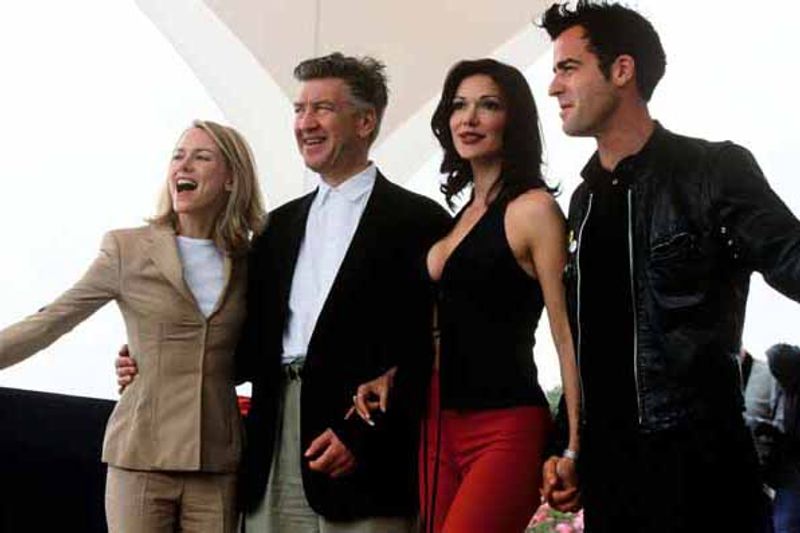
Hollywood transforms into a nightmare that begins like a mystery thriller before dissolving into a surreal puzzle that refuses clear answers.
Shifting identities pull two women into uncertainty while a sinister conspiracy waits quietly in the shadows. Rising intrigue fills the first two hours, only for the final act to scatter meaning like a dropped jigsaw puzzle.
Attempts at resolution lead only to more questions, leaving deliberate ambiguity that feels either profound or maddeningly pretentious depending on tolerance for unsolved riddles.
16. Nosferatu (1922)

Count Orlok creeps through shadows with his elongated fingers and rat-like features in this unauthorized adaptation of Dracula.
F.W. Murnau’s silent horror classic relies on eerie imagery and German Expressionist shadows rather than jump scares or gore.
The glacial pacing and theatrical acting style feel alien to modern horror fans raised on quick cuts and loud soundtracks. While the iconic vampire design still unsettles, sitting through the full silent runtime requires patience and appreciation for cinema history over visceral thrills.
Important: Menu availability, runtimes, and version details can vary by release, restoration, region, or platform, so readers should confirm specifics through official distributor pages, reputable film databases, or streaming listings. The content is provided for general informational and entertainment purposes and is not legal, financial, medical, or professional advice.



.svg)


_Plakat_f%C3%BCr_den_Film_Metropolis_(1).jpg)


_English_Poster_(cropped_Ren%C3%A9e_Falconetti).png)
--.jpg)
