15 First-Generation K-Dramas Fans Still Hold Onto
Late nights used to have limits until these dramas showed up and ignored them completely.
One episode ends, curiosity kicks in, and suddenly sleep feels like a suggestion nobody plans to follow. Years pass, and going back still feels easy, like picking up a conversation that never really ended.
1. Sandglass (1995)
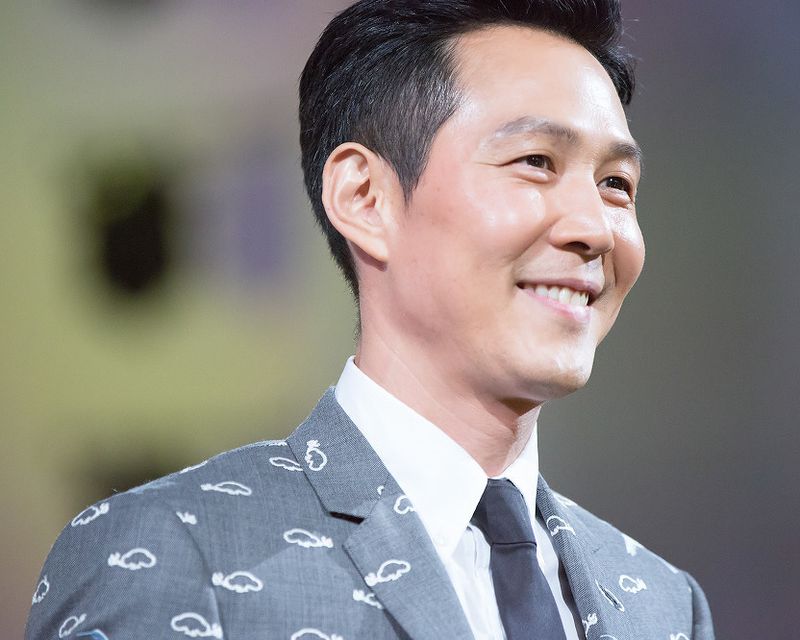
History remembers certain dramas less for romance and more for the raw honesty they dared to put on screen.
South Korean television rarely confronted political upheaval so directly when Sandglass aired, which left audiences stunned by the force of it.
Weight from the 1980 Gwangju Uprising runs through the story with the depth and gravity of a novel rather than a standard TV drama.
Ratings climbed to a staggering 64.5 percent. Even now, that figure makes industry veterans pause.
2. First Love (1996-1997)
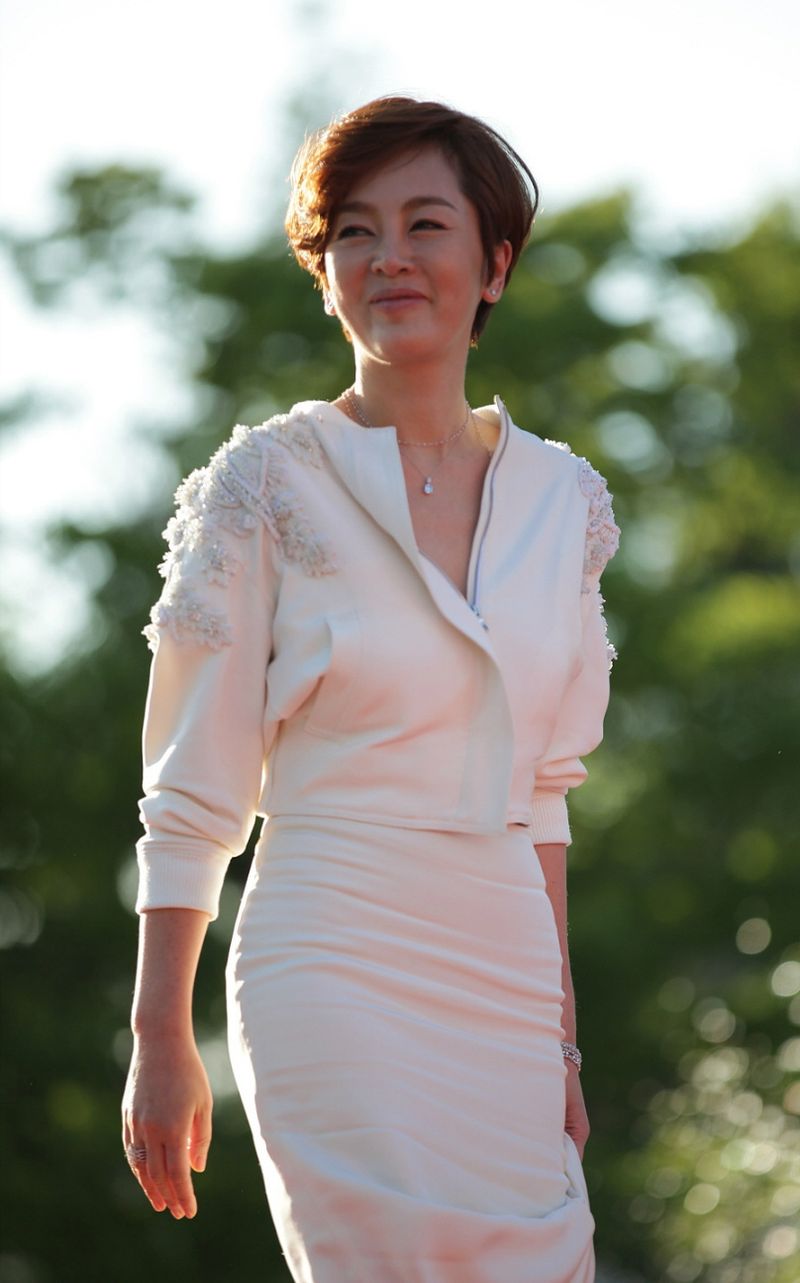
First Love became one of the defining dramas of its era, led by Choi Soo-jong, Lee Seung-yeon, and Bae Yong-joon.
Run stretched to 66 episodes, a length that sounded daunting until viewers stayed for every moment and still wanted more.
Massive ratings placed the drama among the most-watched Korean series ever, with a peak rating of 65.8 percent. Emotional goodbyes took on a new weight here, helping shape a storytelling style that later became a defining feature of K-drama tradition.
3. Star In My Heart (1997)
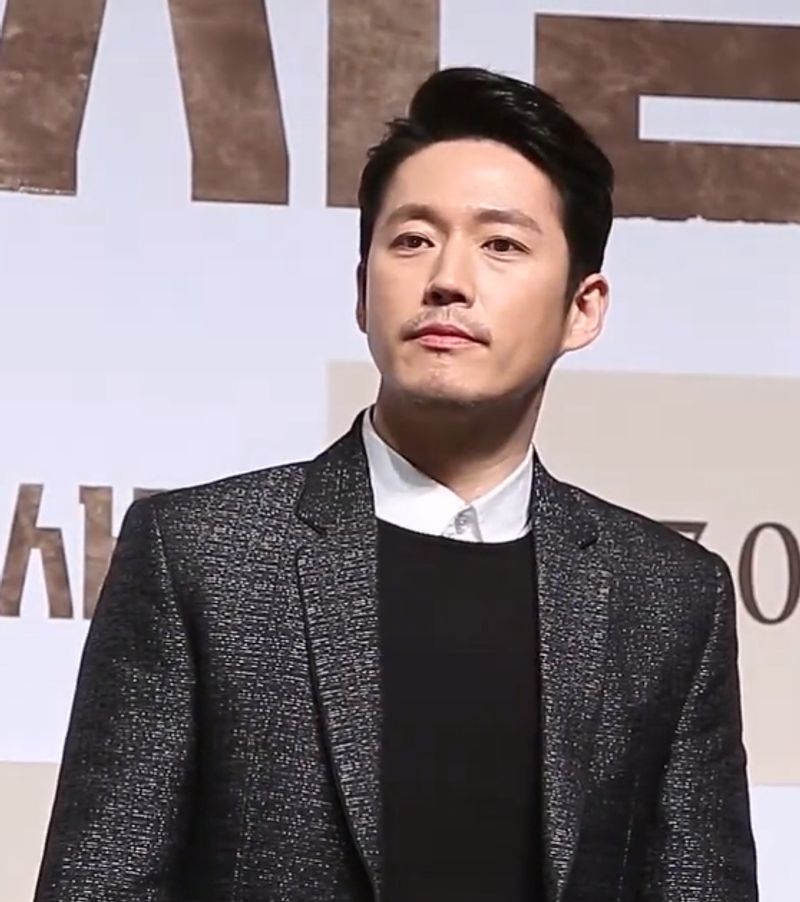
Ahn Jae-wook returned again in Star in My Heart, alongside Choi Jin-sil and Cha In-pyo, in one of the era’s most memorable romantic dramas.
Star in My Heart follows an orphaned young woman whose talent changes her life and draws her into the orbit of a rising star. Fans who watched it in 1997 can still hum the theme song without thinking twice.
Pure 90s magic, bottled and never replicated.
4. Hur Jun (1999-2000)
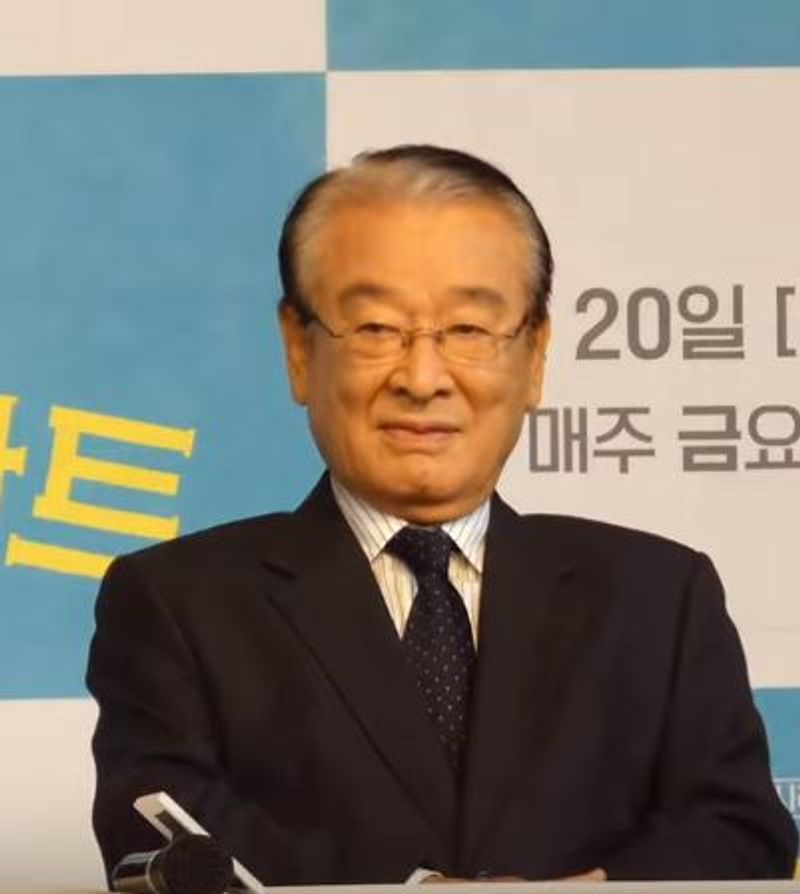
Period dramas rarely pull in ratings above 60 percent, yet Hur Jun was never an ordinary entry in the genre. Built around the life of Joseon-era royal physician Heo Jun, the series turned medical history into something genuinely gripping.
Quiet intensity from Jun Kwang-ryul anchored the role so completely that viewers could forget they were watching a historical drama at all.
Peak viewership reached 63.7 percent, which still reads like the kind of number that makes industry veterans stop and stare for a second.
5. Autumn In My Heart (2000)
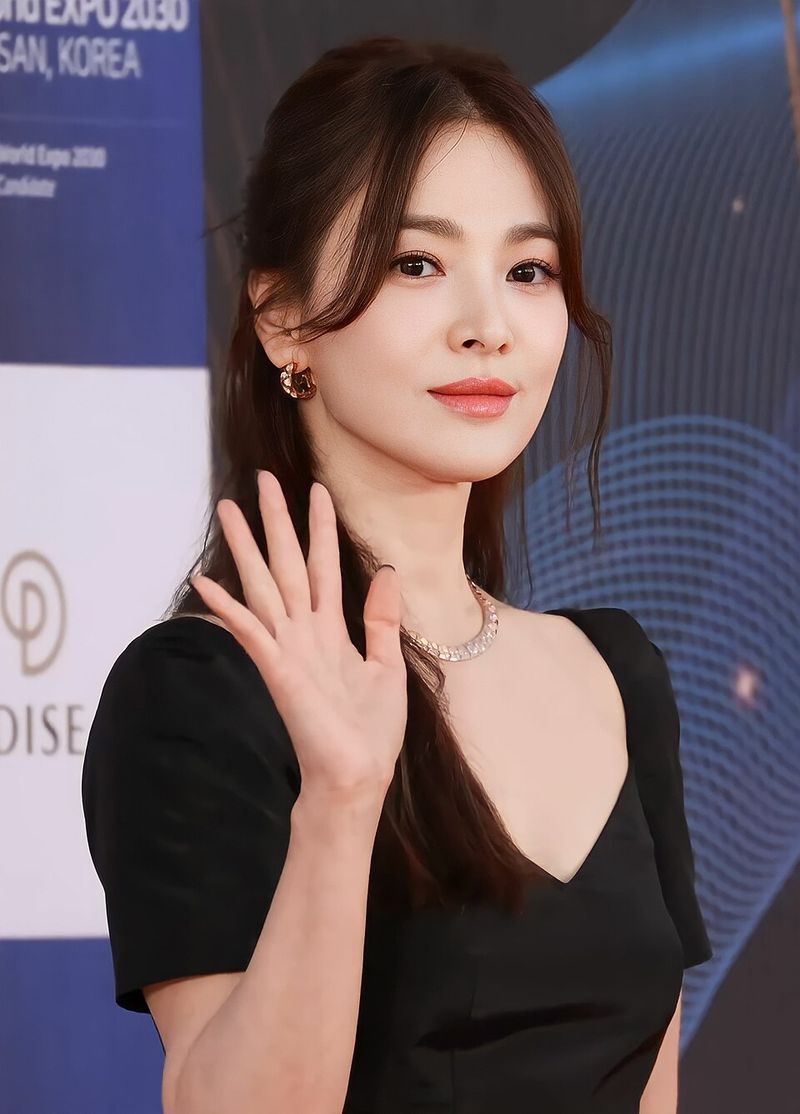
Autumn in My Heart helped turn Song Hye-kyo into a major star and became one of the melodramas most closely tied to the early Korean Wave.
Story of two girls switched at birth unfolds into a layered love triangle, turning a familiar premise into something deeply emotional.
Balance between Song Seung-heon’s quiet intensity and Hye-kyo’s vulnerability created a dynamic that felt almost overwhelming to watch. Autumn in My Heart helped define an era, turning shared emotional reactions into part of the viewing experience.
6. All About Eve (2000)
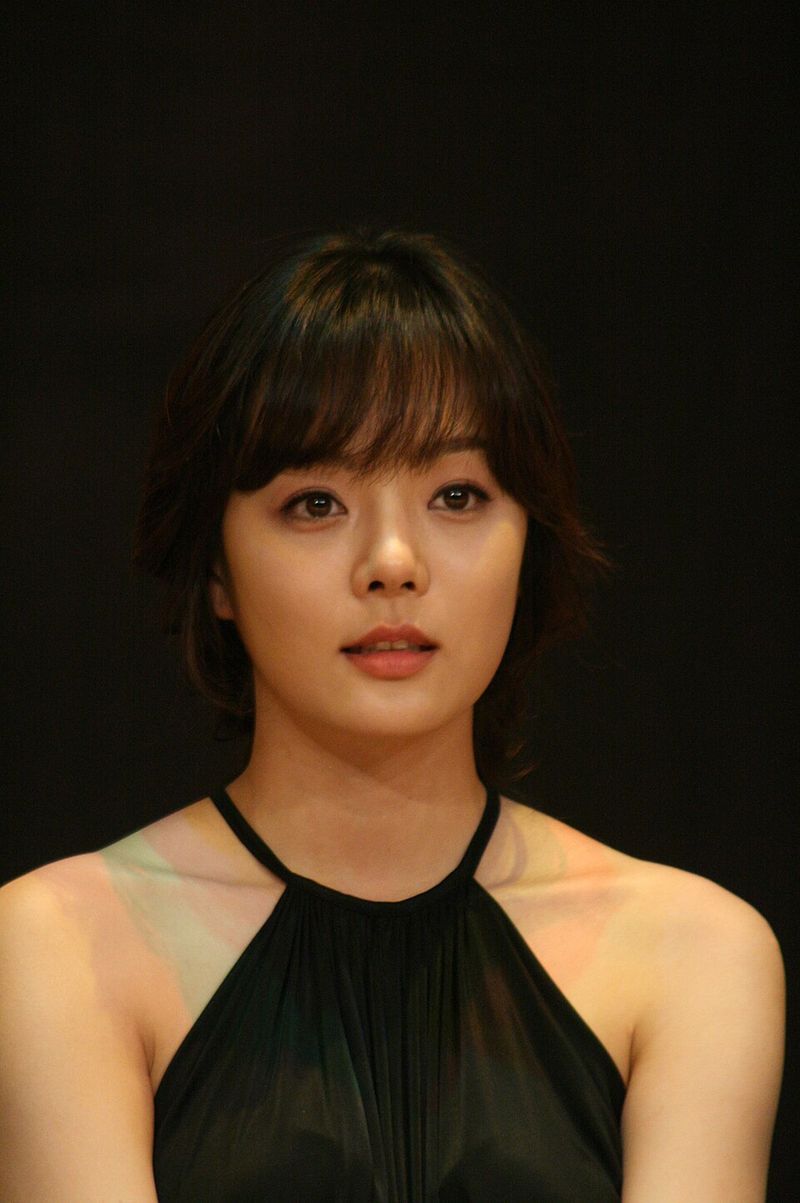
Rivalry between two women behind one anchor desk creates enough tension to light up an entire city.
All About Eve follows two aspiring TV announcers whose friendship slowly curdles into something far more complicated, never looking away from the quiet damage ambition can do.
Performances from Chae Rim and Kim So-yeon land with a sharpness that could cut glass. Catching it on a busy day feels like slipping into a front-row seat at a very glamorous war.
7. Beautiful Days (2001)
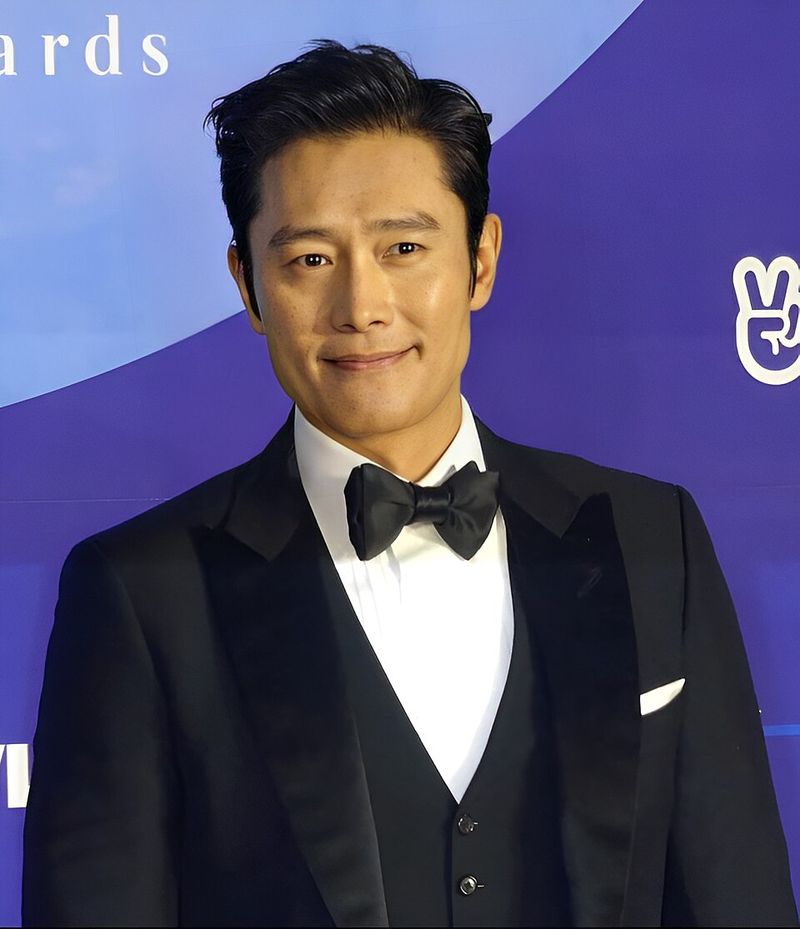
Early career moment for Lee Byung-hun arrived before global blockbusters and Hollywood roles reshaped his image.
Beautiful Days pairs him with Choi Ji-woo in a romance shaped by illness and long-held secrets.
Emotional pull builds steadily, creating a story that lingers long after each episode ends. Soundtrack adds another layer, turning quiet scenes into moments that feel even more reflective and immersive.
8. Winter Sonata (2002)
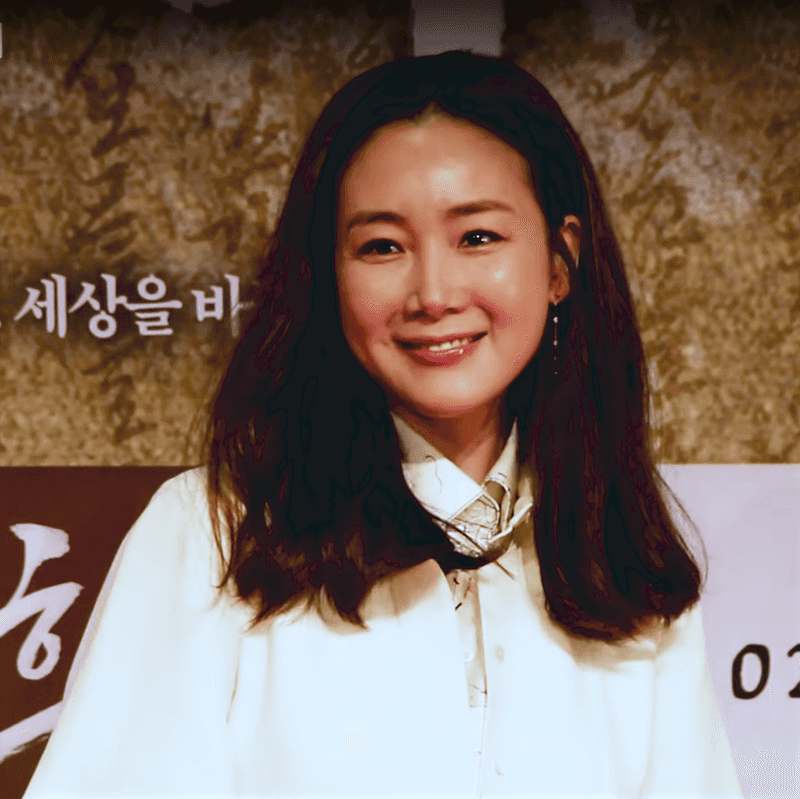
No drama on this list changed Korean pop culture quite the way Winter Sonata did, and that is saying something given the competition.
Bae Yong-joon and Choi Ji-woo created a love story so sweeping that it sparked a full-blown Korean Wave across Asia. Nami Island became closely associated with the drama and still draws visitors because of that connection.
A calendar reminder set for every rewatch is completely justified.
9. All In (2003)
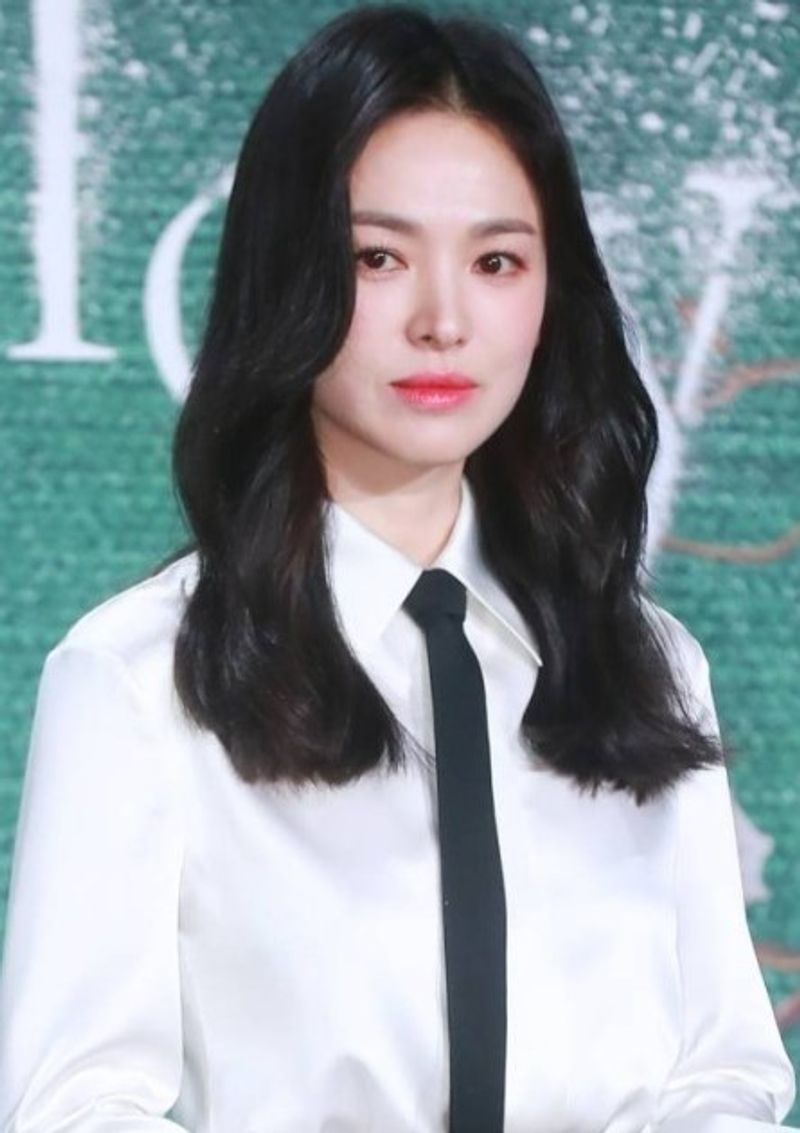
Nothing about All In was ever going to play as safe or quiet. Built around a man climbing out of a brutal past and into the world of high-stakes gambling, the drama brought a cinematic scale that felt unusually bold for its time.
Lee Byung-hun carried the rise-and-fall energy with real force, while Song Hye-kyo added an on-screen tension that felt ready to spark.
More like a film that refused to end after two hours, the whole thing moved with that kind of momentum.
10. Jewel In The Palace (2003-2004)

Breakout role for Lee Young-ae unfolded inside royal court kitchens and quickly turned her into a household name. Jewel in the Palace follows Jang-geum, a historical figure widely regarded as the first female royal physician of the Joseon Dynasty, with careful attention to court cuisine and traditional medicine.
Global reach extended to more than 80 countries, a level of international success that stood out even before modern streaming expanded access.
Rich detail and cultural depth gave the story a flavor that made history feel vivid, immersive, and surprisingly engaging.
11. Stairway To Heaven (2003-2004)
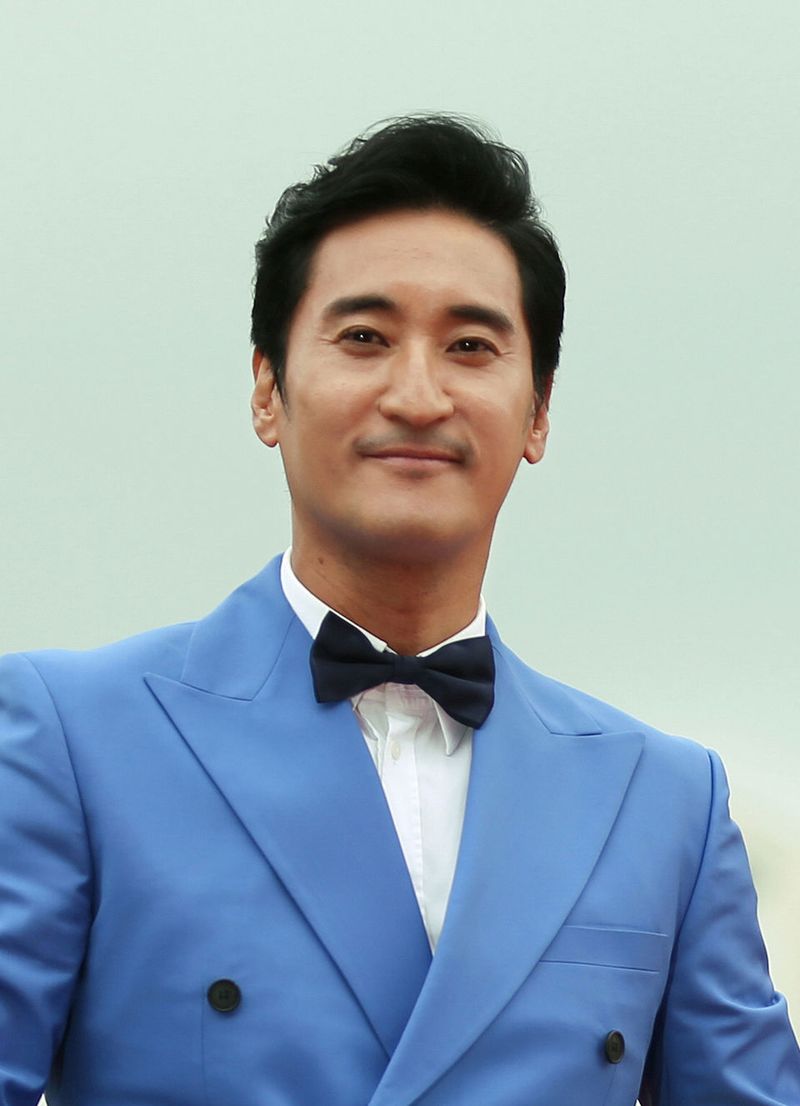
Kwon Sang-woo and Choi Ji-woo made suffering look so beautiful that fans watched every episode with tissues already in hand.
Stairway to Heaven is the kind of melodrama that commits fully to its emotional premise, following a love story interrupted by illness, jealousy, and truly spectacular bad luck. The drama knew exactly what it was, and it delivered without apology.
Sometimes you just need a show that lets you ugly-cry on a calm Thursday evening.
12. Full House (2004)
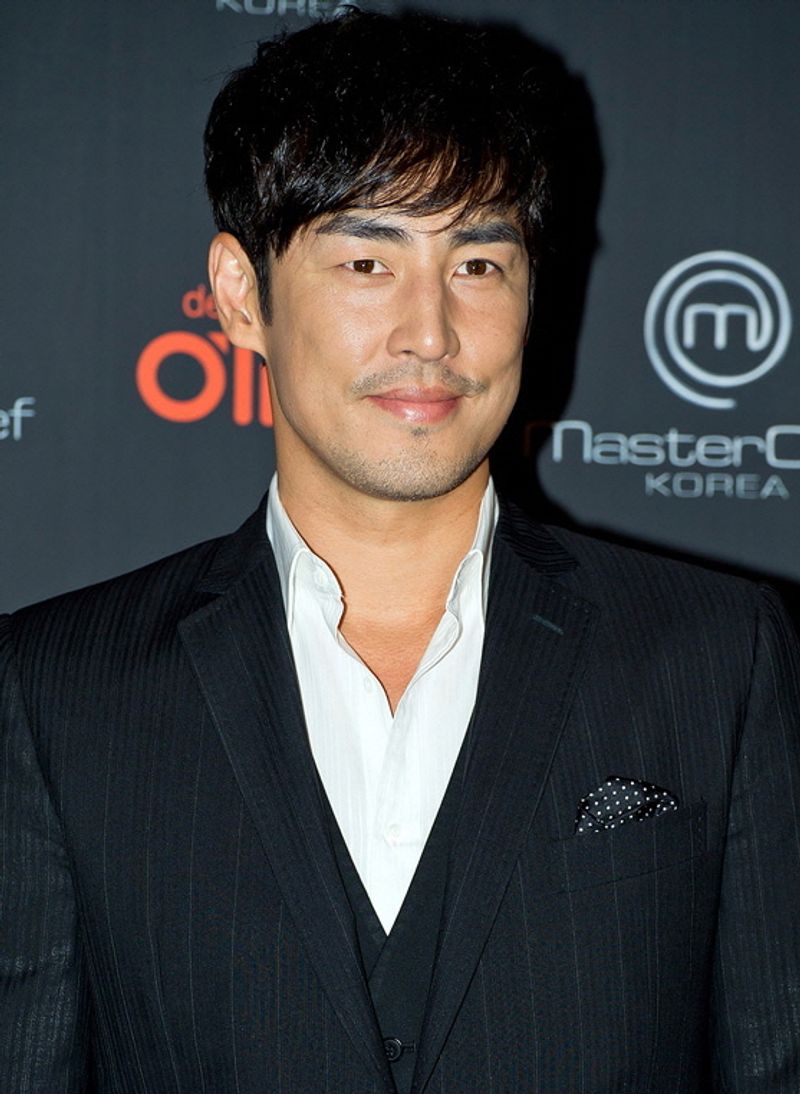
Sharing one roof while trading constant bickering made Rain and Song Hye-kyo feel like the template for countless enemies-to-lovers dramas that followed.
Chaos drives Full House, where a writer loses her home to a con and gets pulled into a fake marriage contract with a celebrity.
Slapstick comedy and genuine warmth stay in balance with an ease that makes the whole thing feel effortless. Even the opening credits are hard to watch without smiling.
13. Lovers In Paris (2004)
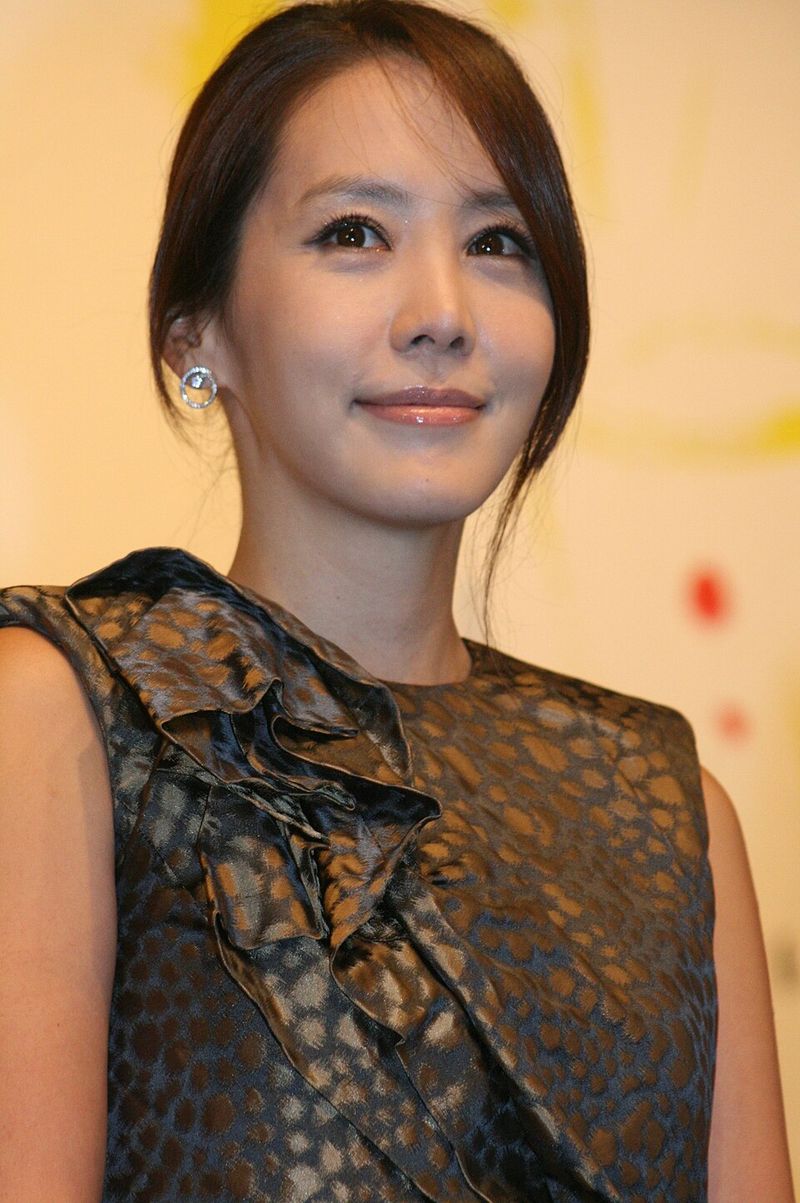
Backdrop of Paris and a leading turn from Park Shin-yang gave Lovers in Paris a polished, high-impact starting point.
Story follows a woman studying in France who becomes involved with a sharp-tongued Korean businessman, with tension between them driving the romance forward. Ratings climbed past 50 percent during its 2004 run, a level of viewership that signaled major cultural impact at the time.
Romantic comedies continue to chase that same spark, rarely matching the balance of charm and intensity found here.
14. I’m Sorry, I Love You (2004)
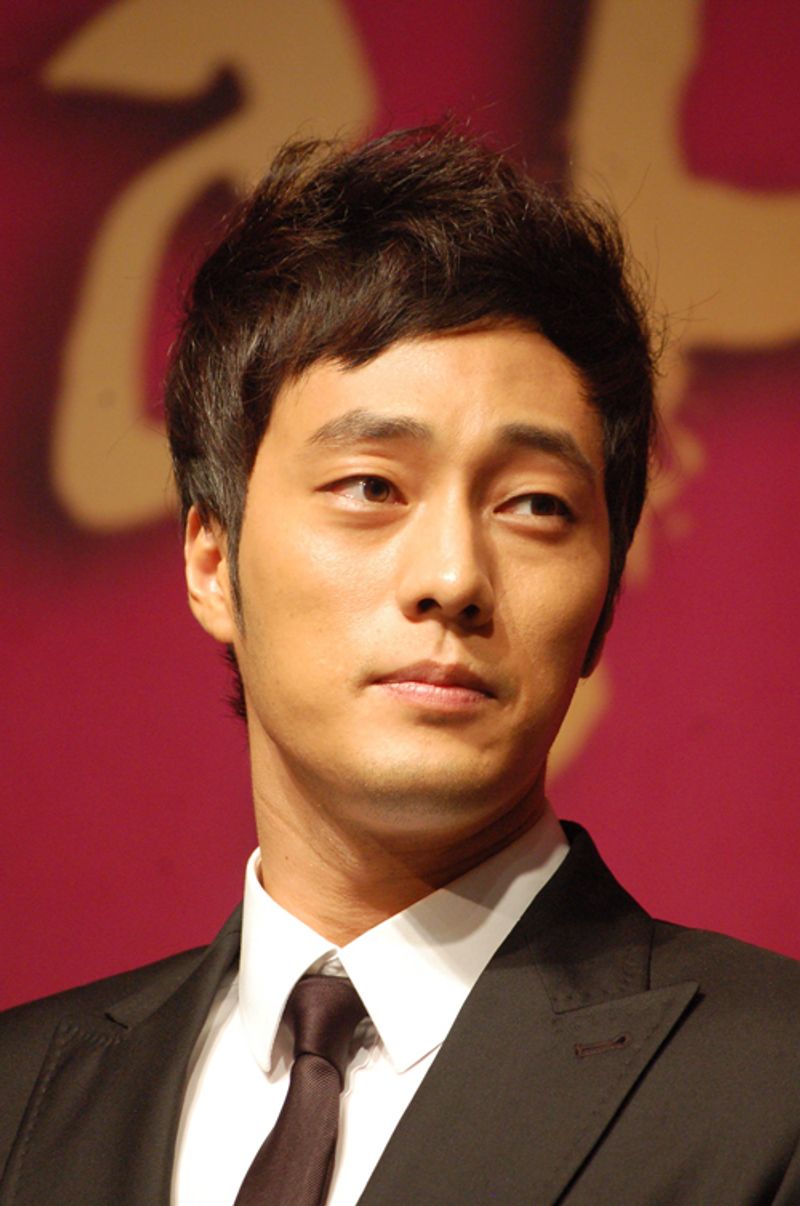
Brooding intensity from So Ji-sub gave the drama its pulse, with every quiet look seeming to carry more hurt than most performances manage in an entire speech.
Searching for a birth mother sets the story in motion, then turns cruel once a terminal brain injury enters the picture and hangs over nearly every episode. Bittersweet urgency never really lets up.
Matching that emotional force, Im Soo-jung keeps every scene from tipping into one-sided sorrow. Revisiting it still hits hard.
15. My Lovely Sam Soon (2005)
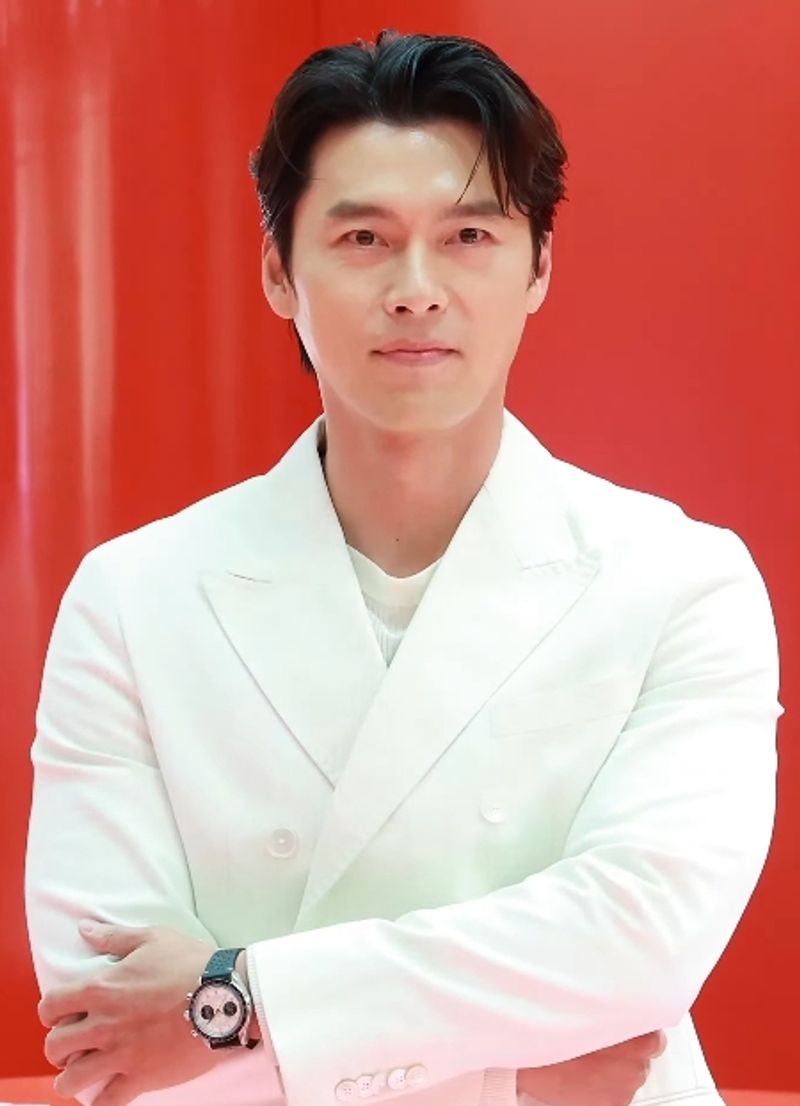
Breakthrough role for Kim Sun-a introduced a heroine who felt messy, funny, outspoken, and impossible to ignore.
My Lovely Sam Soon reshaped expectations by centering a lead who did not fit a conventional mold, and it became one of 2005’s biggest drama hits.
Chemistry between her and Hyun Bin created moments so intense viewers often needed a pause just to catch their breath. Authentic charm carried the story, proving that presence and personality matter far more than polished perfection.
Note: This article is intended for general informational and entertainment purposes and reflects an editorial look at influential early Korean dramas using publicly available broadcast and cultural reference sources.